Defining the technology: What is a pH probe and how does it work?
In the context of industrial fluid management, defining what is a ph probe requires looking beyond simple laboratory glass electrodes. For an HVAC or process engineer, an industrial pH probe is a robust analytical sensor designed to withstand high pressures, varying flow rates, and chemical additives within a circulating system. Unlike standard consumer versions, these industrial-grade sensors utilise a specialized measuring electrode and a reference electrode, creating a potentiometric circuit where the voltage difference is proportional to the acidity or alkalinity of the system water. This measurement is vital because shifts in pH can indicate bacterial growth or the exhaustion of chemical inhibitors, both of which threaten the integrity of pipes and heat exchangers.
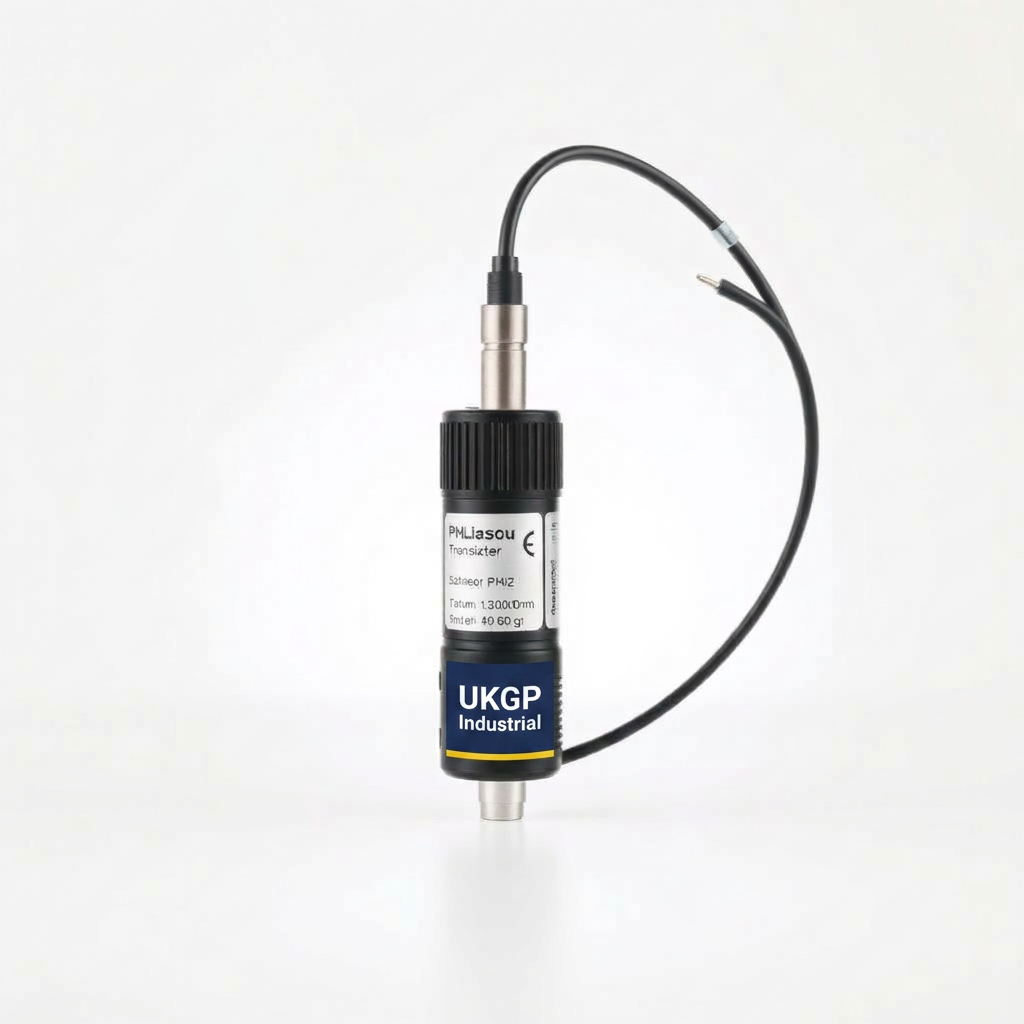
Precision in measurement is non-negotiable for UK building services applications. When asking what is a ph probe in a professional capacity, one must consider the transmitter's role in converting raw millivolt signals into usable data. A high-quality industrial setup typically involves a sensor body, an M12 cable kit for secure connection, and a transmitter that outputs a 4-20 mA or Modbus signal directly to a Building Management System (BMS). This allows for constant, automated monitoring of the fluid's chemical balance, ensuring that any deviation from the neutral range (typically 7.0 to 10.0 depending on the metallurgy involved) is flagged immediately for corrective action by the site engineering team.
Reliability is the cornerstone of industrial water treatment. At UKGP Industrial, we understand that engineers require kits that are ready for immediate deployment without complex onsite setup. Our industrial pH sensor and transmitter packages are factory-calibrated and carry a 2-year warranty, reflecting our confidence in their durability. These units feature IP68 protection, making them suitable for the demanding environments found in plant rooms across Surrey and the wider UK. By choosing a system that facilitates both 4-20 mA and Modbus communications, procurement leads can future-proof their installations against changing BMS requirements while maintaining total control over their secondary water chemistry and compliance protocols.
- Robust glass or polymer membranes designed for industrial flow rates
- Potentiometric measurement of hydrogen-ion activity in liquid
- Seamless integration with BMS via 4-20 mA or Modbus protocols
- Critical for detecting inhibitor depletion or bacterial ingress
BSRIA BG50 compliance and the necessity of pH monitoring
Adhering to BSRIA BG50 'Water Treatment for Closed Heating and Cooling Systems' is a priority for any competent facility manager or M&E contractor in the UK. This guidance document emphasizes the need for consistent water quality monitoring to prevent corrosion, scale, and microbiological fouling. When you evaluate what is a ph probe for a BSRIA-compliant system, you are looking for a device that provides the evidentiary data required for logbook maintenance. Without accurate pH readings, it is impossible to verify if the chemical dosing strategy is effective. Failure to stay within the recommended pH range can lead to the rapid degradation of aluminium or steel components, potentially voiding manufacturer warranties on boilers and chillers.
Beyond BG50, the BS 8552 standard provides a framework for the sampling and monitoring of water in building services. Integrating a permanent pH transmitter into the circuit reduces the reliance on manual 'dip-test' sampling, which only provides a snapshot in time and is subject to human error. A continuous monitor allows for the detection of sudden pH spikes caused by system top-ups or leaks. For engineers tasked with managing large-scale district heating or chiller networks, having a factory-calibrated sensor simplifies the commissioning process and ensures that the system baseline is established correctly from day one, in accordance with BSRIA BG29 pre-commission cleaning requirements.
The commercial implications of ignoring pH levels are significant. Acidic water (low pH) accelerates the oxidation of ferrous metals, leading to the buildup of magnetite sludge. Alkaline water (high pH), while generally protective of steel, can be devastating for aluminium heat exchangers if the levels exceed specific limits. Therefore, understanding what is a ph probe in an industrial context means treating it as a primary defense mechanism. Request a quote for a UKGP industrial pH sensor & transmitter to ensure your site is equipped with the precision monitoring tools required to meet modern UK engineering standards and prolong the lifecycle of your critical heat transfer equipment.
- Aligns with BSRIA BG50 benchmarks for closed-loop water quality
- Supports BS 8552 monitoring cycles through automated data logging
- Protects sensitive metallurgy like aluminium from pH-induced corrosion
- Reduces manual sampling costs and improves data accuracy
Integrating sensors with side stream filtration for total system protection
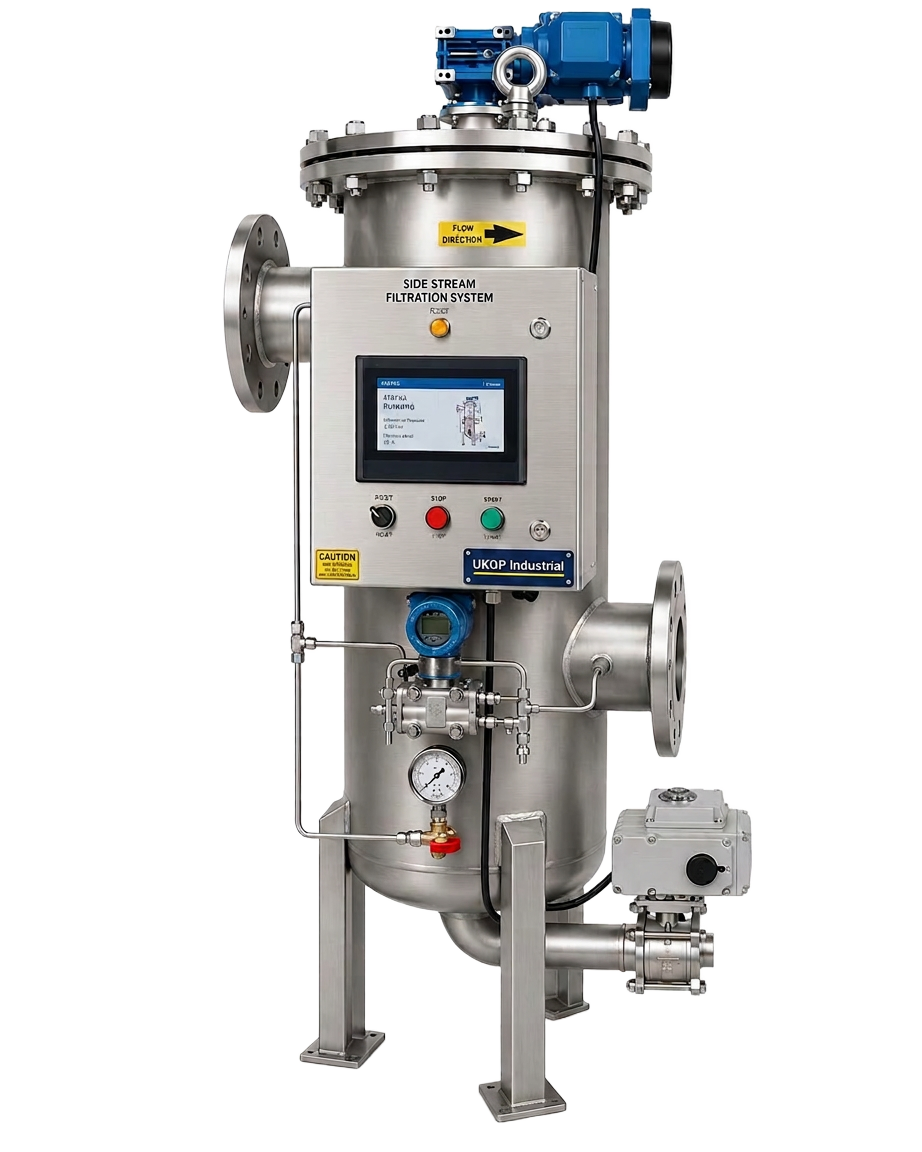
While knowing what is a ph probe helps you monitor chemical health, it is often most effective when used alongside mechanical filtration. In many UK plant rooms, pH sensors are installed in the return line or as part of a side stream filtration assembly. This placement ensures that the sensor is measuring the bulk fluid properties after it has circulated through the system. If pH levels move out of the target range, it often accompanies a rise in suspended solids. By combining real-time pH data with side stream filtration, engineers can manage both the chemical and physical health of the water, ensuring that magnetite and other debris do not interfere with the sensor's accuracy or the system's overall efficiency.
UKGP Industrial provides comprehensive solutions that bridge the gap between monitoring and maintenance. Our side stream filtration skids are often specified in conjunction with pH monitoring stations to provide a 'clean and controlled' environment. When debris is removed effectively, the pH probe's electrode remains free of coatings that could lead to signal drift or slow response times. This synergy is particularly important in systems that have undergone a major refurbishment or where the existing pipework is of an advanced age. In these scenarios, the combination of high-grade filtration and precision pH tracking is the most cost-effective way to prevent catastrophic failures in the plant room.
For procurement leads, the value proposition lies in the reduction of unplanned maintenance. If your BMS registers a pH alarm from our transmitter, your team can instantly verify if the chemical dosing pot requires recharging or if the filtration system needs a filter change. This proactive approach is only possible when you understand what is a ph probe and how it integrates into the wider HVAC ecosystem. Our team can advise on the best installation points for pH transmitters within your filter skid layout to ensure maximum representative sampling and ease of access for the occasional cleaning or recalibration required by standard maintenance schedules.
- Reduces sensor fouling by removing suspended solids and magnetite
- Provides a holistic view of both chemical and physical water health
- Optimises the performance of side stream filtration skids
- Enables predictive maintenance based on real-time water chemistry trends
Technical specifications: What to look for in an industrial pH transmitter
When specified for the UK commercial market, not all pH sensors are built equal. If you are researching what is a ph probe for a high-pressure heating system, the technical specifications must match the environment. A standard laboratory probe will fail under the thermal and mechanical stresses of a plant room. Instead, look for sensors with an IP68 rating, which ensures the unit is totally dust-tight and can handle continuous immersion. The UKGP sensor and transmitter kit is specifically engineered for these conditions, offering a robust M12 cable connection that prevents moisture ingress into the wiring—a common point of failure in cheaper, alternative components used by less experienced suppliers.
The output signal is another critical factor. Modern UK building projects increasingly demand Modbus RTU because it allows for multi-parameter data transmission over a single pair of wires, reducing installation labor. However, many legacy systems still rely on 4-20 mA analogue loops for simplicity. Our industrial pH transmitter supports both options, giving contractors the flexibility to integrate with the latest trends in smart building technology or traditional control panels. Furthermore, our units come factory-calibrated, meaning they are ready to produce accurate data the moment they are powered up, saving hours of site time for commissioning engineers who would otherwise need to prepare buffer solutions and perform manual adjustments.
Durability and warranty coverage provide the commercial peace of mind required for large contract tenders. A 2-year warranty on an industrial pH probe is a significant indicator of build quality, especially considering the harsh chemical environments these devices inhabit. When consultants ask what is a ph probe that can survive a London district heating return line, we point to our industrial kit’s high-temperature tolerance and chemical resistance. By investing in professional-grade UKGP hardware, you are ensuring that your water quality data remains reliable year after year, protecting the heat exchangers and pumps that form the heart of your building's climate control system.
- IP68 rated housing for maximum environmental protection
- Dual-output support for 4-20 mA and Modbus RTU protocols
- Factory-calibrated for rapid deployment and commissioning
- 2-year warranty for commercial and industrial peace of mind
The role of pH monitoring in preventing corrosion in expansion bellows
Expansion bellows are often the most vulnerable points in a pressurized pipework system. These components are designed to absorb thermal expansion but are frequently made from thin-walled stainless steel or alloys that are highly susceptible to stress corrosion cracking if the water chemistry is not strictly controlled. Understanding what is a ph probe's role in this context is about risk mitigation. If the pH level in the system drops, the passivating layer on the internal surface of the bellows can be stripped away, leading to localized pitting and eventual rupture. Routine monitoring via an industrial pH transmitter ensures that any drop into the acidic range is corrected before it can affect these sensitive expansion joints.
Compliance with BS EN 14917 for metal bellows expansion joints implies that the operating environment, including the fluid chemistry, must be compatible with the material choice. Engineers often find that while the main pipework is resilient, the bellows have a much lower threshold for chemical imbalance. By specifying a UKGP pH sensor & transmitter, you create an early warning system. This is particularly vital in large commercial buildings where an expansion bellow failure could result in significant flooding and downtime. Monitoring pH is not just about keeping the water clear; it is about protecting every mechanical joint and flexible connection within the entire HVAC circuit.
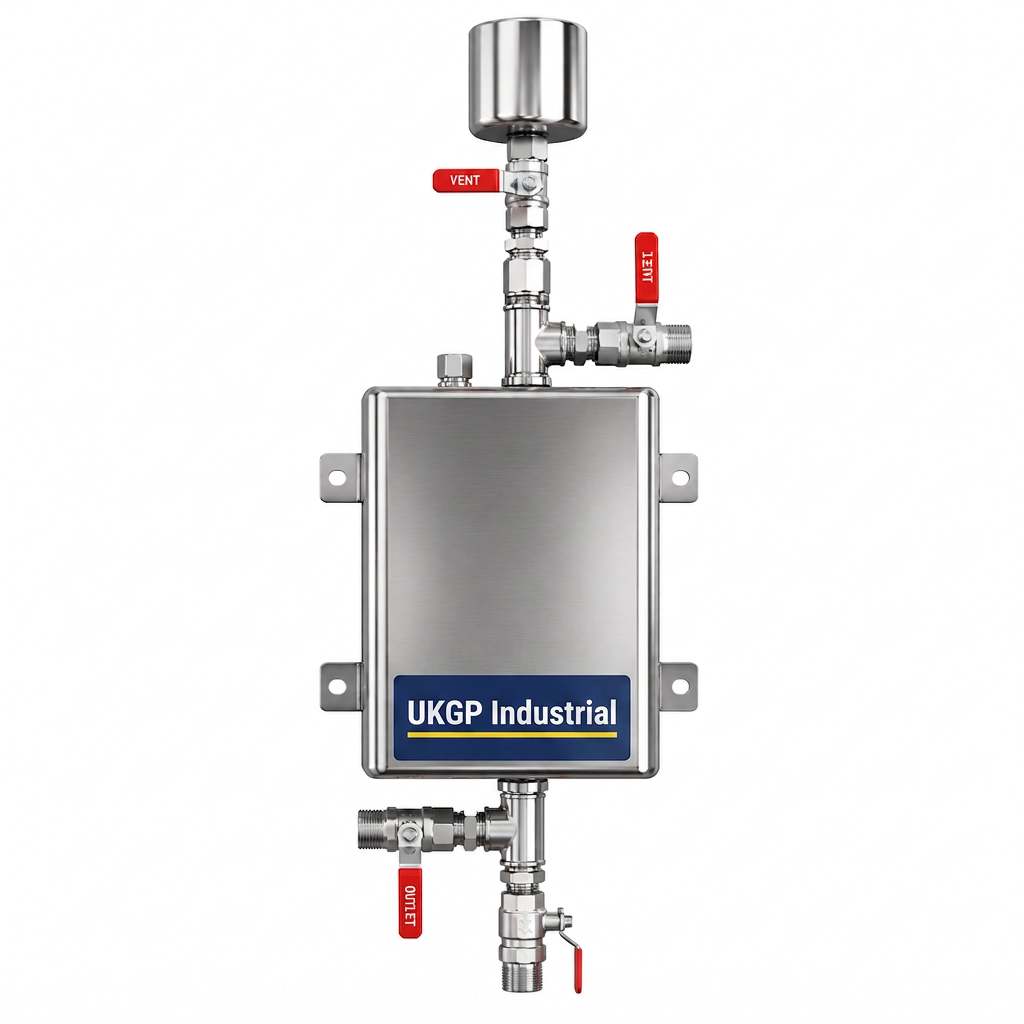
For M&E contractors, installing a pH probe near critical components like low loss headers or expansion stations is a best-practice move that demonstrates a commitment to system longevity. When you explain to a client what is a ph probe and why it was included in the tender, you can highlight the cost-saving benefits of preventing corrosion-related leaks. UKGP Industrial specializes in providing the full suite of plant room components, and our pH monitoring solutions are designed to work in harmony with our expansion bellows and separators. Reach out to our technical team today to discuss how our factory-calibrated pH transmitters can be integrated into your next project for enhanced asset protection.
- Prevents stress corrosion cracking in thin-walled expansion bellows
- Maintains the protective passivating layer on stainless steel components
- Provides early warning before chemical imbalances cause structural damage
- Complements BS EN 14917 compliance for flexible pipework
Installation and maintenance: Ensuring long-term accuracy
Correct installation is the key to getting the most out of your industrial pH monitoring system. When considering what is a ph probe's ideal mounting position, it should always be placed where there is a continuous flow and the electrode remains fully wetted, even when pumps are at a standstill. Installing the sensor in a stagnant 'dead leg' will result in sluggish readings that do not reflect the actual state of the system water. Our kits come with full documentation to ensure your site team can install the sensor correctly the first time, utilizing the M12 cable kit to keep the electrical connections secure and free from the vibrations common in heavy-duty pump rooms.
While our sensors are factory-calibrated, all pH probes require periodic inspection and cleaning as part of a standard maintenance schedule, typically every 6 to 12 months depending on water quality. Because we have designed our industrial pH transmitter for ease of use, the recalibration process is straightforward and does not require specialized lab equipment on-site. By maintaining the probe, you ensure that the 4-20 mA or Modbus data remains precise, which is essential for audit trails and meeting the stringent requirements of BSRIA BG50 logbook updates. This commitment to maintenance is what separates a professional industrial installation from a domestic or light-commercial setup.
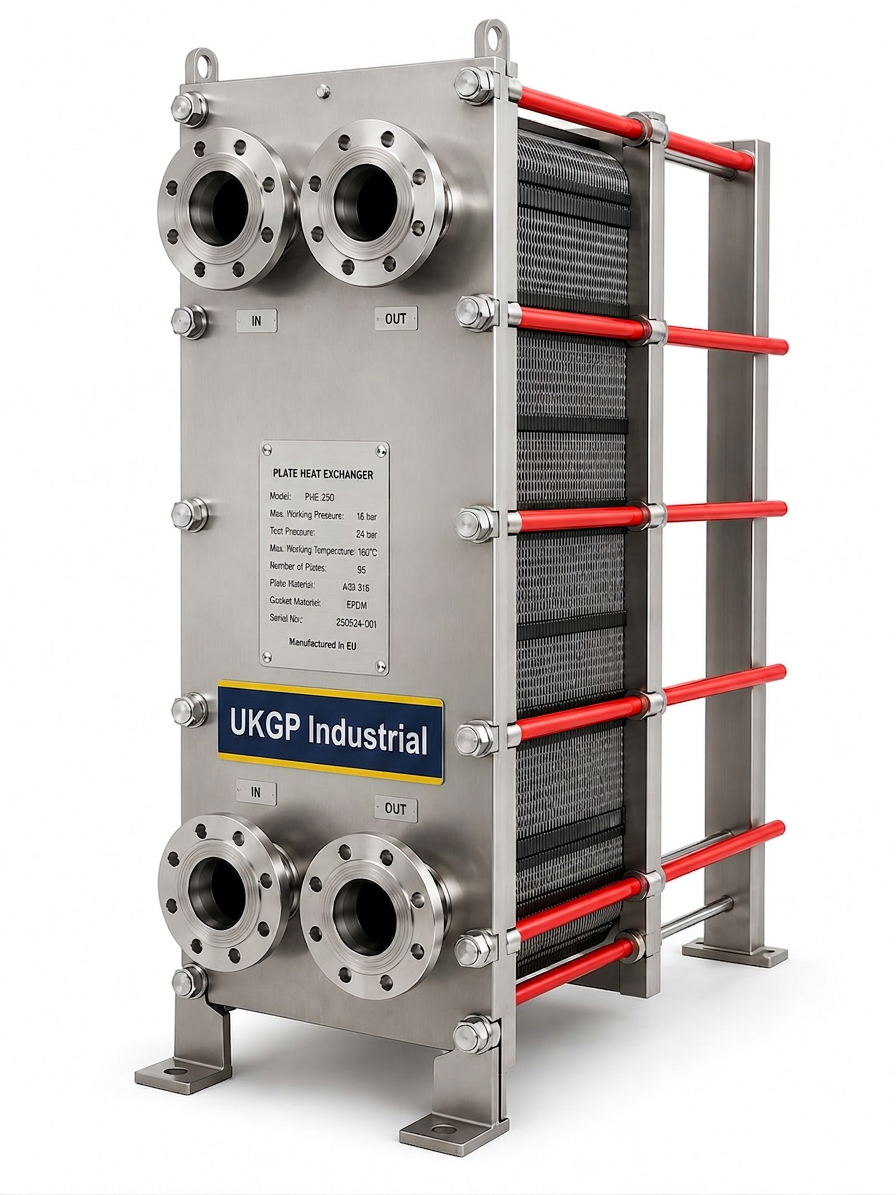
In conclusion, for any UK professional managing commercial HVAC systems, the answer to what is a ph probe is that it is an indispensable part of your water quality toolkit. It provides the data necessary to protect expensive assets like plate heat exchangers and central boilers from the silent threat of corrosion. UKGP Industrial is your partner in this effort, providing reliable, industrial-grade pH sensors and transmitters that are built for the rigours of the British engineering sector. From the initial quote through to long-term technical support, we ensure your facility has the monitoring capabilities it needs to thrive. Contact us today to order your factory-calibrated pH transmitter kit with a 2-year warranty.
- Install in active flow areas to ensure representative water sampling
- Keep electrodes wetted to prevent drying out and signal loss
- Utilise M12 cable kits for vibration-resistant electrical connections
- Perform bi-annual cleaning to sustain 4-20 mA / Modbus signal accuracy
Frequently asked questions
What is a ph probe in an industrial HVAC context?
- In an industrial HVAC context, a pH probe is a heavy-duty sensor used to measure the acidity or alkalinity of circulating water. It is essential for monitoring chemical treatment levels to prevent corrosion and scale, ensuring compliance with BSRIA BG50 guidelines.
How often should an industrial pH sensor be calibrated?
- Typically, an industrial pH sensor should be checked and potentially recalibrated every 6 to 12 months. However, UKGP Industrial sensors are factory-calibrated for immediate use upon installation, significantly reducing initial site setup time.
Can I connect the UKGP pH transmitter to my existing BMS?
- Yes, our industrial pH transmitters are designed with flexibility in mind, offering both 4-20 mA analogue and Modbus RTU digital outputs, making them compatible with almost all modern and legacy Building Management Systems.
Is a warranty included with your pH monitoring kits?
- Yes, UKGP Industrial provides a 2-year warranty on our industrial pH sensor and transmitter kits. This reflects our commitment to high manufacturing standards and the durability of our IP68-rated equipment.
Why is pH monitoring important for expansion bellows?
- Incorrect pH levels can lead to stress corrosion cracking in the stainless steel membranes of expansion bellows. A pH probe provides real-time alerts through your BMS, allowing you to correct water chemistry before structural damage occurs.