WATER CHEMISTRY & CONTROL

Advanced Guidance: How to Use a pH Sensor in Industrial Systems

For the building services engineer, pH monitoring is the first line of defence against asset degradation. Whether managing a cooling tower, an industrial wastewater discharge, or a critical process loop, accurate pH measurement dictates the efficacy of chemical dosing and the longevity of heat exchangers. This technical guide examines the application of modern pH sensor transmitters, focusing on M12 digital electronics and the move away from high-impedance coaxial cabling toward robust, field-swappable smart technology.

10 June 2026 10 min readpH sensor transmitters
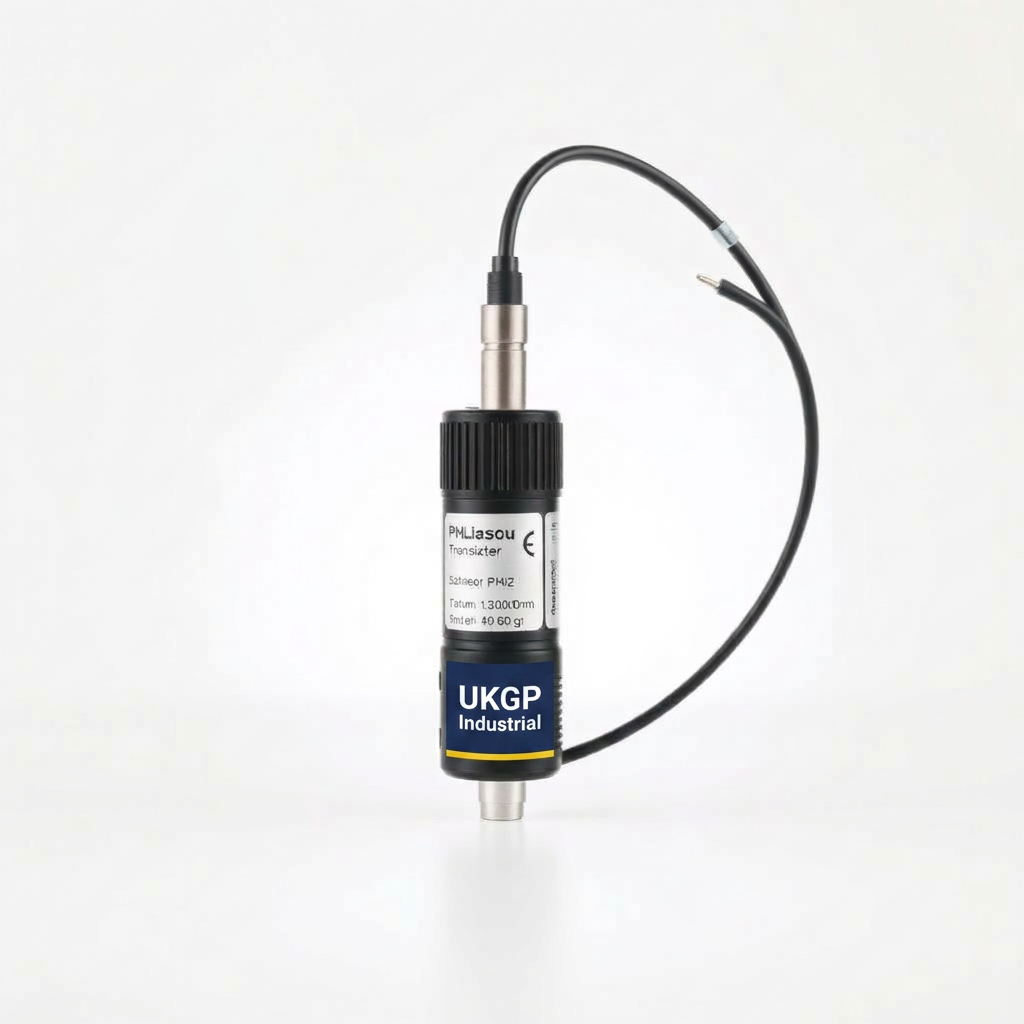
Advanced Guidance: How to Use a pH Sensor in Industrial Systems — Industrial pH sensor and transmitter installed on process pipework
Industrial pH sensor and transmitter installed on process pipework

Application and Necessity in Building Services

In the UK building services sector, pH measurement is frequently sidelined until a failure occurs. However, BSRIA BG29/21 and BG50 guidelines emphasize that water chemistry is the primary factor in lifecycle management. A pH shift of even one point represents a tenfold change in acidity or alkalinity, which can rapidly strip protective magnetite layers from steel pipework or lead to the pitting of copper heat exchangers. Operating within a tight pH window—typically 9.0 to 10.5 for mild steel systems—is critical for inhibition.

Industrial pH sensors are no longer simple laboratory probes. In a plant room environment, they must withstand vibration, pressure fluctuations, and electrical noise from Variable Speed Drives (VSDs). Engineers must specify sensors that integrate directly into Building Management Systems (BMS) or PLC frameworks, providing real-time data for automated dosing pumps. This shift from manual sampling to continuous monitoring reduces the risk of human error and ensures compliance with environmental discharge permits.

Beyond corrosion control, pH sensors play a vital role in microbiological control. In cooling tower applications, the effectiveness of oxidising biocides like chlorine or bromine is highly dependent on pH. If the pH rises too high, the biocide remains in its less effective ionised form, increasing the risk of Legionella proliferation. Accurate, real-time pH data allows the controller to modulate acid or base dosing precisely, maintaining the system within safe and efficient parameters.

  • Monitoring LTHW and CHW closed loops to prevent corrosion.
  • Controlling blowdown and biocide efficacy in open-circuit cooling towers.
  • Neutralising trade effluent prior to discharge into local sewers (to comply with Mogden formula requirements).
  • Optimising chemical flocculation in water treatment plants.

Frequently asked questions

What is the maximum cable length for a pH transmitter?

While standard analogue sensors are prone to electrical interference, modern smart transmitters with M12 connectors digitise the signal at the probe level, allowing for cable runs up to 30m without signal degradation.

How often should a pH transmitter be calibrated?

In a typical cooling tower or closed-loop LTHW system, sensors should be calibrated monthly using pH 4.0 and pH 7.0 buffer solutions to account for electrode drift.

Can pH sensors be used in high-pressure lines?

Standard industrial electrodes are generally rated up to 6 bar at 25°C. For high-pressure boiler feed or industrial processes, specialised high-pressure glass and housings are required.

What is the correct way to store a pH sensor?

Never store a pH probe dry or in deionised water. It must be kept in KCL storage solution to maintain the hydration layer on the glass bulb. If it dries out, the response time becomes sluggish or fails entirely.
Keep reading

Related articles

pH sensor transmitters

Industrial pH Sensor Transmitters in Plant Room Engineering

For building services engineers managing large-scale HVAC, cooling terminals, or industrial effluent, pH monitoring is the first line of defence against asset degradation. A pH sensor is more than a simple probe; in a modern plant room context, it is a precision electrochemical instrument that converts chemical activity into a standardised electrical signal. This guide examines the mechanics of pH measurement, the transition toward smart M12 quick-connect electronics, and the critical role of pH monitoring in maintaining system longevity under BSRIA and CIBSE guidelines.

Read
pH sensor transmitters

Precision pH Measurement in Industrial Building Services

For building services engineers managing HVAC systems, cooling towers, and industrial wastewater, monitoring pH is not merely a box-ticking exercise; it is a critical safeguard against asset degradation and regulatory non-compliance. A drift in pH can lead to rapid pipework corrosion, scaling of heat exchangers, or the failure of chemical dosing regimes. Understanding the underlying electrochemistry of pH sensors, and the advantages of modern smart transmitters, is essential for maintaining system longevity and operational efficiency. This guide examines the mechanics of pH measurement, focusing on robust, industrial-grade solutions required for the UK plant room environment.

Read
pH sensor transmitters

Precision Industrial pH Sensor Calibration Techniques

In commercial building services and industrial process control, pH monitoring is the cornerstone of corrosion inhibition and scale prevention. Whether managing a cooling tower, a high-pressure steam boiler, or a complex wastewater neutralisation plant, the accuracy of your pH readings is only as reliable as your last calibration. Traditional analogue sensors often suffer from signal interference and moisture ingress at the terminal head, but modern digital pH sensor transmitters with M12 quick-connect smart electronics have revolutionised field maintenance. This guide outlines the professional procedure for calibrating industrial pH sensors to ensure compliance with BSRIA BG29 and BG50 standards, focusing on the technical nuances that separate a functional system from a failing one.

Read
Request Quote