The Engineering Requirements for Industrial pH Monitoring
In industrial building services, pH sensors are subjected to significantly harsher conditions than laboratory-grade equipment. Wastewater from process cooling, boiler blowdown, or manufacturing effluent often contains varying levels of oils, fats, and particulate matter that can quickly foul standard glass electrodes. A failure in the sensor leads to incorrect chemical dosing, which may result in non-compliance with local water authority discharge consents or, conversely, the over-dosing of costly neutralisation chemicals.
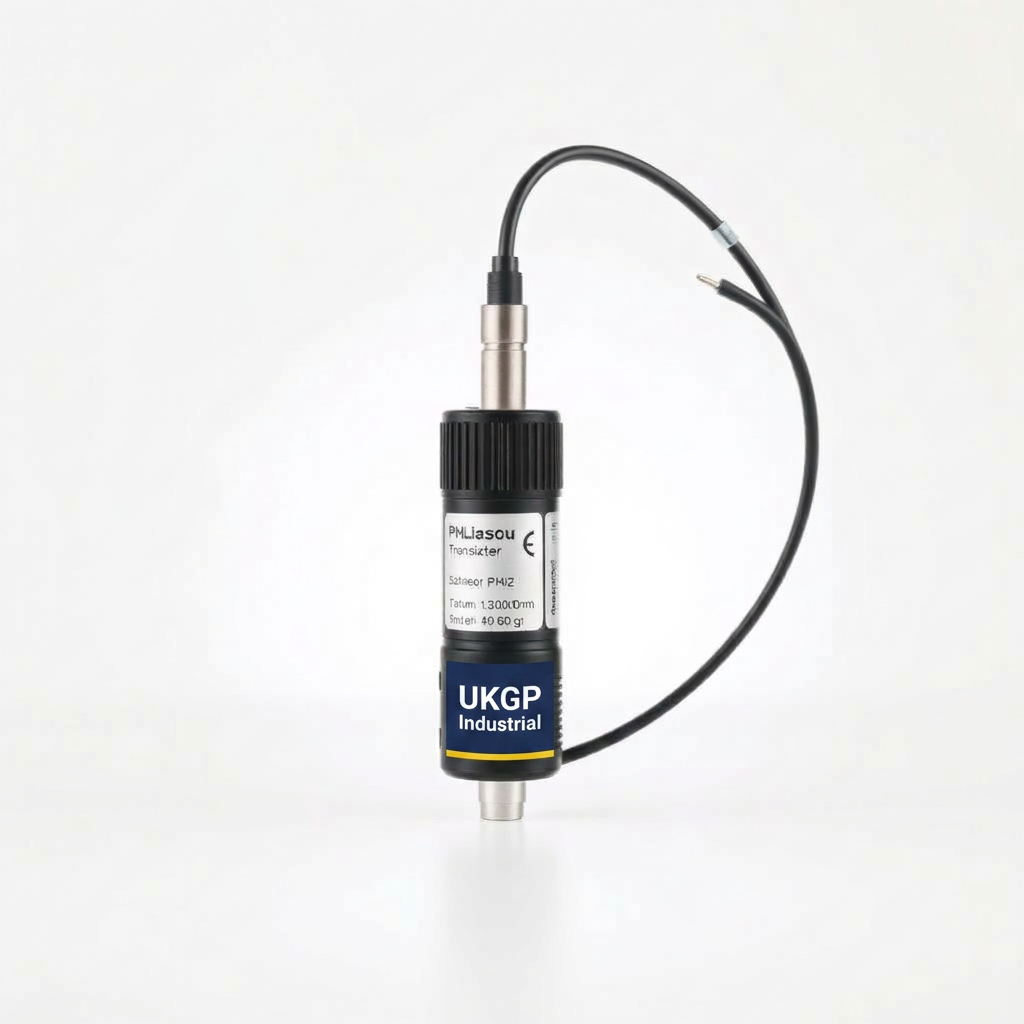
Engineers must specify equipment that can withstand these thermal and chemical stresses. The shift towards 'Smart' digital transmitters has addressed many of the historical pain points—specifically signal drift and electrical interference. Modern systems utilise integrated pre-amplifiers and digital processing at the point of measurement, converting the sensitive millivolt signal from the glass electrode into a robust digital output or a standard 4-20mA loop right at the sensor head.
- Resistance to high levels of suspended solids (TSS).
- Chemical compatibility with fluctuating effluent compositions.
- Mechanical durability against flow-induced vibration.
- Ease of maintenance to ensure sensor accuracy over time.
Digital Transmitters and M12 Quick-Connect Technology
The implementation of M12 quick-connect smart electronics represents a significant advancement for M&E contractors and FM teams. Traditionally, pH probes required high-impedance coaxial cables that were sensitive to moisture and electromagnetic interference (EMI) from nearby pumps and VFDs. The M12 interface provides a rugged, industrial-standard connection that ensures signal integrity even in damp plant-room environments. This 'plug-and-play' approach reduces installation time and eliminates the risk of wiring errors during routine sensor replacement.
UKGP Industrial pH sensor transmitters integrate the transmitter electronics directly into the sensor assembly or a local junction. This proximity allows for the storage of calibration data within the sensor head itself. When a sensor requires replacement, the new pre-calibrated unit is connected via the M12 lead, and the system is back online immediately. This strategy is highly effective for critical wastewater monitoring where downtime must be kept to an absolute minimum.
- Shielded M12 connectors prevent humidity and moisture ingress (IP67/68).
- Digital communication protocols reduce the risk of RFI/EMI interference.
- Hot-swappable sensor heads allow for rapid replacement without rewiring.
Electrode Selection for Process Water and Effluent
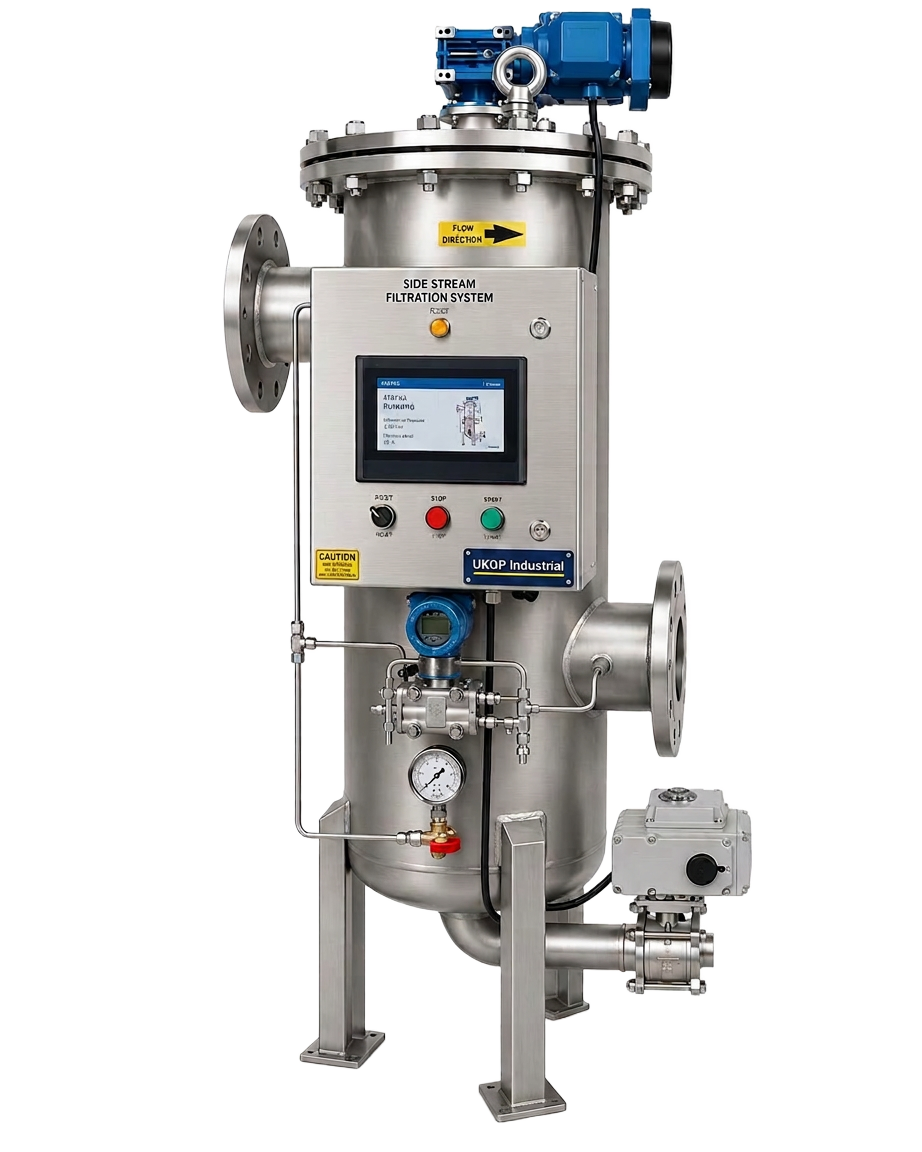
The heart of the system is the electrode, and for wastewater applications, the 'flat-surface' design is the industry standard. Unlike traditional bulb electrodes, curved or flat-surface glass sensors allow the flow of the process liquid to provide a self-cleaning effect, sweeping away debris. In industrial cooling towers or side-stream filtration loops, where bio-films and scaling are prevalent, this design significantly extends the service interval.
Material selection for the sensor body is equally critical. In applications involving aggressive chemicals or high-temperature wastewater, Ryton (Polyphenylene Sulfide) bodies provide the necessary chemical resistance. Dual-junction reference designs are also recommended to protect the internal elements from 'poisoning' by ions like sulphides or heavy metals, which are common in industrial effluent and can cause rapid sensor failure if a single-junction probe is used.
- Double-junction reference electrodes to prevent poisoning of the sensor.
- Polymer or PTFE junctions for superior resistance to fouling.
- Ryton (PPS) or PVDF bodies for chemical and thermal stability.
Integration with Side-Stream Filtration and Dosing Systems
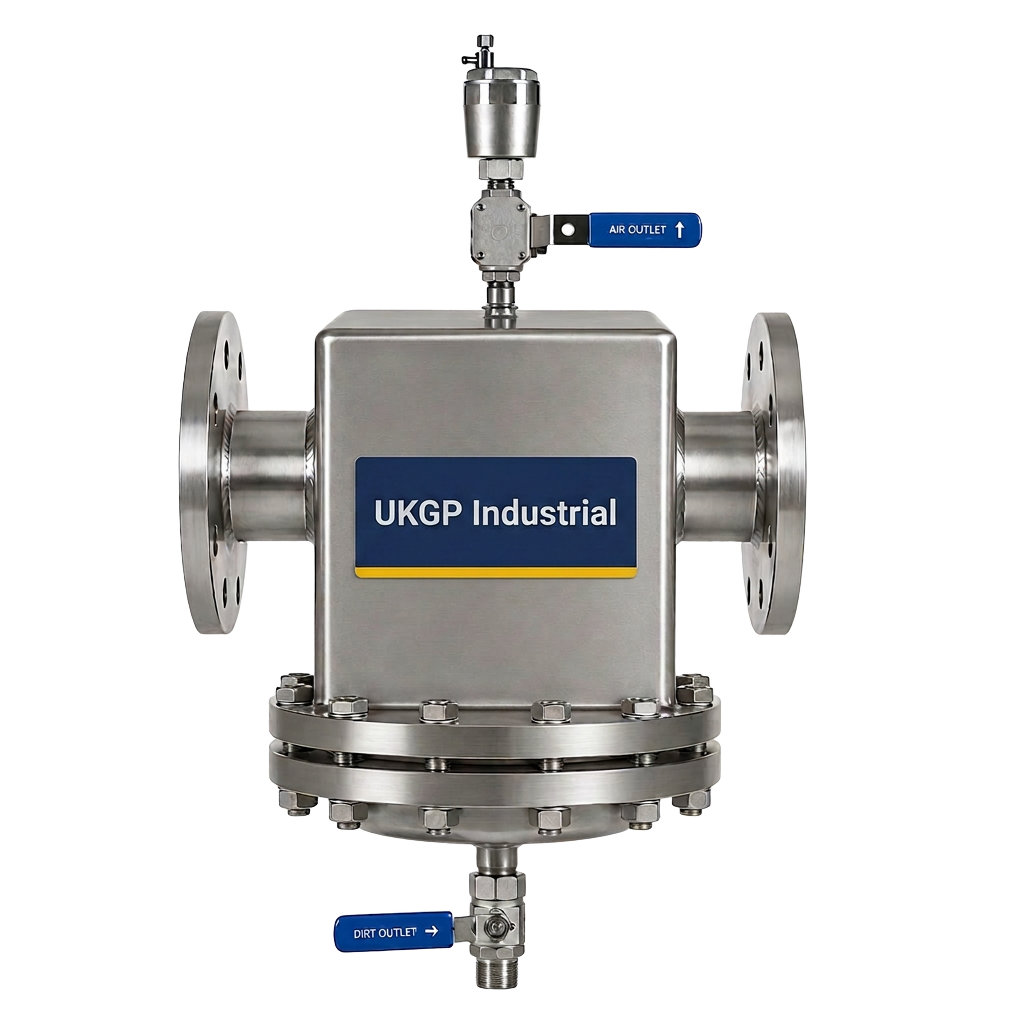
In modern HVAC and process cooling systems, pH monitoring is rarely a standalone requirement. It is usually integrated into a broader water treatment regime, often working alongside side-stream filtration units and chemical dosing stations. Monitoring the pH of the recirculating water is a prerequisite for compliance with BSRIA BG50, which outlines the necessity of maintaining water chemistry to prevent the onset of microbially influenced corrosion (MIC).
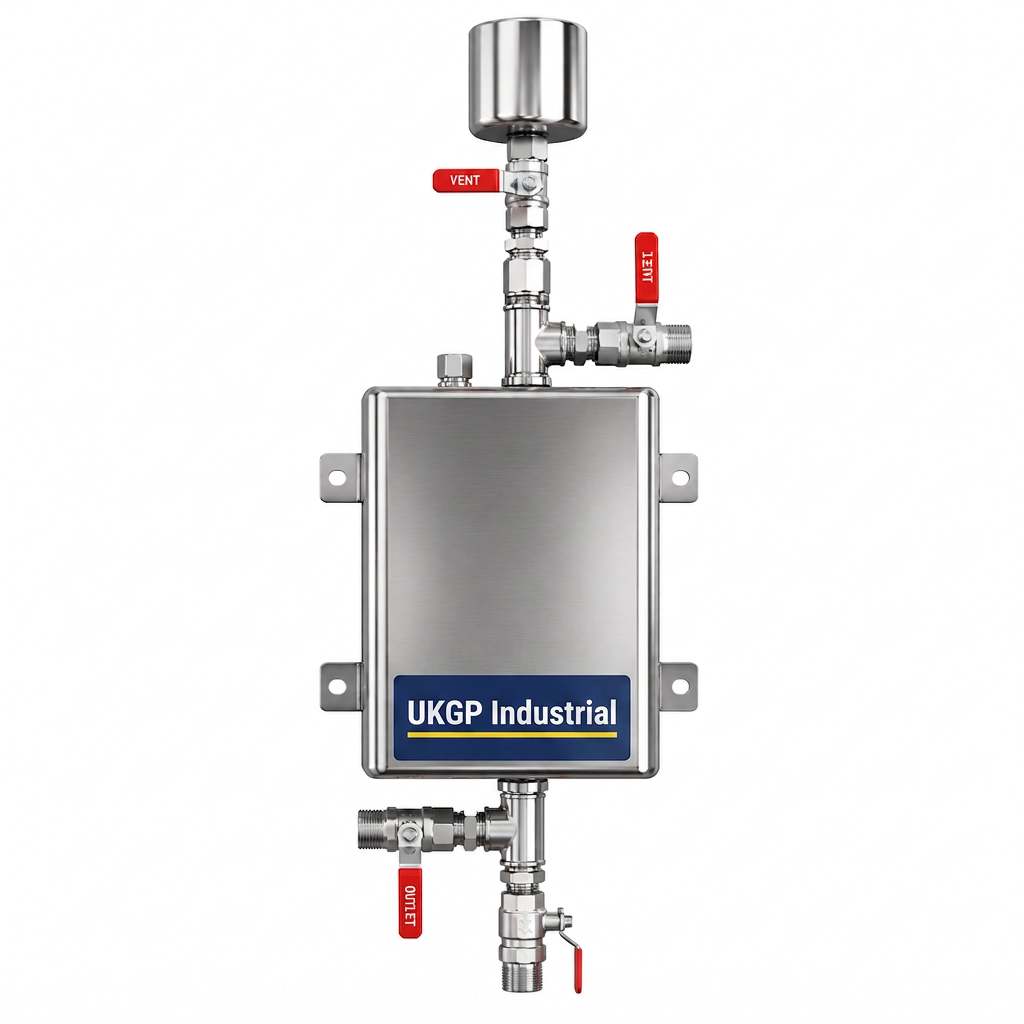
By installing pH transmitters in a side-stream configuration, engineers gain the ability to isolate the sensor for cleaning and calibration without shutting down the main delivery line. This setup also allows for the integration of analytical sensors with chemical dosing pots or automated dosing pumps, ensuring that corrosion inhibitors or pH-adjusted chemicals are delivered only when the real-time data indicates a deviation from the set point. This precision reduces chemical consumption and extends the life of heat exchangers and pipework.
- Side-stream loops for easier isolation and calibration.
- Automatic blow-down control based on real-time pH and TDS values.
- Reduction of chemical wastage in dosing pots and neutralisation tanks.
Installation Best Practices and BSRIA Compliance
To ensure longevity and accuracy, pH sensors should be installed at a point of representative flow. Installing sensors in 'dead-legs' or areas of stagnant water will lead to sluggish response times and inaccurate readings. For effluent discharge monitoring, sensors should ideally be placed in a vertical climb to ensure the pipe is always full, preventing the sensor from drying out—a condition that permanently damages most pH electrodes.
Compliance with BSRIA BG29/21 (Pre-commission cleaning) and BG50 (Water treatment for closed systems) requires rigorous record-keeping of water chemistry. Digital pH transmitters facilitate this by allowing for data logging via 4-20mA or Modbus RTU signals sent to the BMS. Regular calibration, typically every 1 to 3 months depending on the process, must be performed using NIST-traceable buffer solutions to ensure the integrity of the data used for site compliance audits.
- Mechanical installation into T-pieces or flow cells.
- Calibration protocols using pH 4.0, 7.0, and 10.0 buffers.
- Regular cleaning intervals based on the fouling potential of the wastewater.
Long-term Maintenance and Lifecycle Management
The lifecycle of a pH sensor in a wastewater environment is determined by the frequency of maintenance. Sensors should be cleaned using a mild detergent or a 5% HCI solution depending on the type of fouling (organic vs. mineral). With M12 smart electronics, the transmitter can often provide 'Health' diagnostics, alerting the FM team when the electrode's slope has degraded to a point where replacement is imminent.
Investing in high-quality industrial pH transmitters reduces the Total Cost of Ownership (TCO) by minimizing the man-hours required for troubleshooting. When the sensor eventually reaches the end of its life, the ability to replace only the electrode component while retaining the smart transmitter housing and M12 cabling provides a sustainable and cost-effective solution for long-term facility management.
- Visual inspection for electrode coating or cracking.
- Slope and offset verification during calibration.
- Electrode replacement typically every 12 to 24 months in industrial use.
Frequently asked questions
Why is a flat-surface electrode preferred for wastewater?
- A flat-surface pH electrode is essential for wastewater as it resists fouling from suspended solids and provides a self-cleaning action in turbulent flows, whereas traditional bulb electrodes are prone to abrasion and clogging.
Can I calibrate the sensor away from the installation point?
- Yes, modern digital transmitters with M12 connectors allow for bench-calibration. This means you can calibrate the sensor in a controlled lab environment using buffer solutions before installing it in the plant room, ensuring higher accuracy.
How do these sensors relate to BSRIA BG29/21 standards?
- BSRIA BG29/21 and BG50 emphasise the need for continuous chemistry monitoring. pH sensors provide real-time data to prevent corrosion or scaling, which is a key requirement for maintaining system integrity according to these standards.
What is the ideal installation orientation for a pH probe?
- For the best response time and accuracy, the sensor should be installed in a bypass loop (side-stream) or a vertical pipe with upward flow at a 45-degree angle to ensure the electrode stays wetted and air bubbles are minimised.