Defining what is a pH meter in industrial water treatment
To define what is a pH meter in a professional M&E context, one must look at the synergy between the electrochemical sensor and the electronic transmitter. Unlike handheld devices, an industrial pH meter is designed for continuous immersion or inline monitoring within a pressurised system. It functions by measuring the potential difference between a reference electrode and a measuring electrode, converting this voltage into a logarithmic reading from 0 to 14. In UK plant rooms, where steel, copper, and aluminium components coexist, maintaining a stable alkaline range—typically between 8.2 and 10.0 for steel systems—is essential for the formation of protective oxide layers and the prevention of pitting corrosion.
The significance of accurately defining what is a pH meter becomes clear when considering BSRIA BG50 guidelines for water treatment in closed heating and cooling systems. Failure to monitor pH can lead to the rapid degradation of glycol or the breakdown of chemical inhibitors, resulting in acidic conditions that dissolve metal surfaces. For facility managers, a pH meter is not just a sensor; it is the first line of defence against system-wide failure. When specifying a meter, one must ensure it can withstand the thermal and hydraulic stresses typical of a commercial boiler house, providing reliable data that reflects the true chemical state of the circulating fluid without constant manual intervention.
When purchasing or specifying these units, consultants often ask what is a pH meter system's primary reliability factor. The answer lies in the build quality of the electrodes and the robustness of the transmitter's housing. Industrial-grade sensors must be shielded from electromagnetic interference (EMI) and moisture ingress to prevent signal drift. A high-quality installation will use factory-calibrated components to ensure that the initial baseline is mathematically sound. At UKGP Industrial, we understand that reliability is paramount for M&E contractors, which is why our solutions focus on durability and ease of integration into existing Building Management Systems (BMS) through standardized output protocols for seamless monitoring.
- Potentiometric measurement of hydrogen-ion activity.
- Continuous monitoring to satisfy BSRIA BG50 compliance.
- Prevention of galvanic and pitting corrosion in closed loops.
- Facilitation of automated chemical dosing adjustments.
The role of the pH transmitter in commercial HVAC
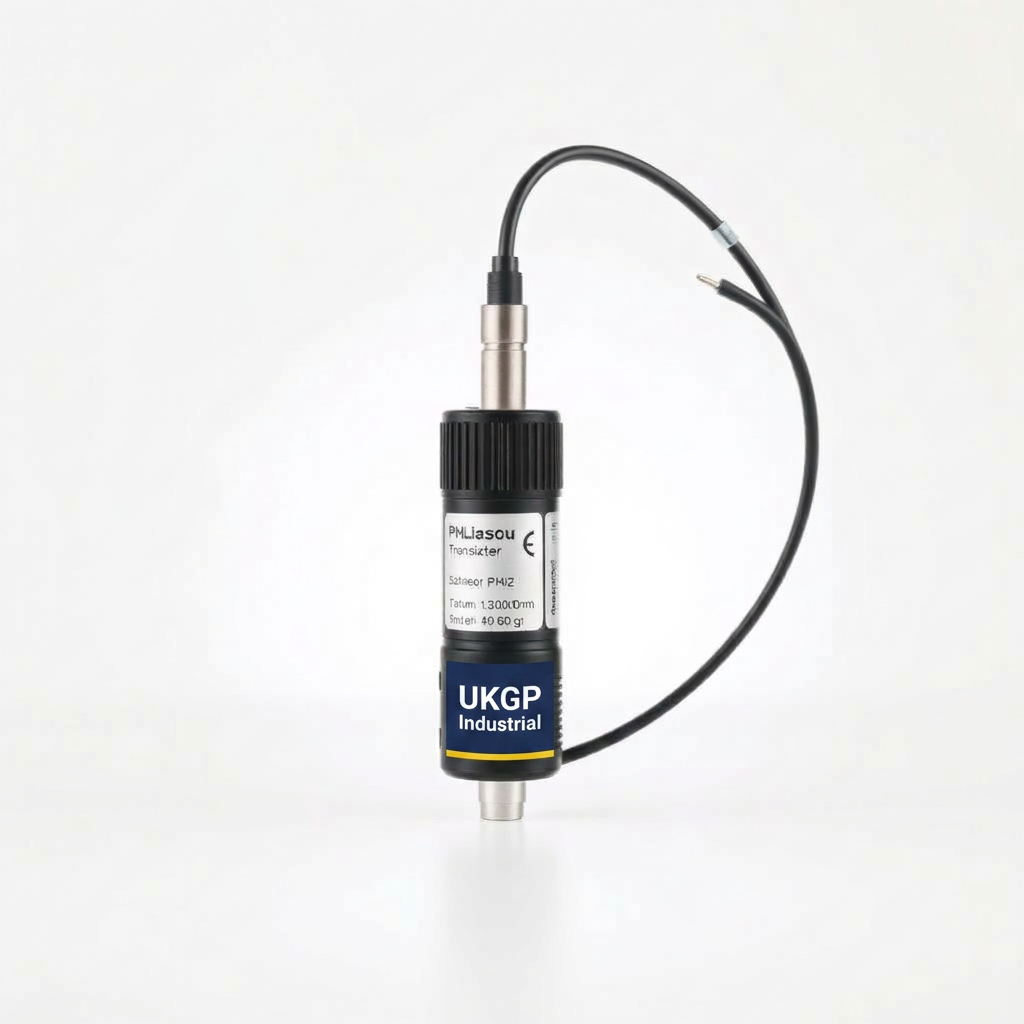
While the probe does the sensing, the transmitter is what makes an industrial pH meter functional for a modern building. In a typical Surrey-based commercial plant room, the transmitter takes the millivolt signal from the sensor and converts it into a usable industrial signal, such as a 4-20 mA loop or a digital Modbus RTU output. This allows the building manager to see real-time data on their BMS dashboard. Without a high-quality transmitter, the weak signal from a pH probe would be susceptible to noise, leading to erratic readings that could trigger false alarms or unnecessary chemical dosing through your dosing pots.
When considering the technical specification of what is a pH meter for industrial use, the transmitter's environmental rating is critical. It must be housed in a casing that can withstand the humid, often harsh environment of a basement plant room. Specifying a unit with an IP68 rating ensures that the electronics are protected against moisture ingress, which is the leading cause of premature failure in water monitoring equipment. We recommend using a system that includes a dedicated M12 cable kit to ensure secure, waterproof connections between the sensor and the transmitter, reducing the risk of signal attenuation over long cable runs to the control panel.
Engineering consultants should also consider the ease of maintenance when reviewing what is a pH meter for a new project. A transmitter that features local display options or clear LED status indicators allows plant room technicians to verify system health at a glance. Furthermore, choosing a system that is factory-calibrated reduces the commissioning time during the initial system fill and treatment phases. By choosing a UKGP industrial pH sensor & transmitter, you are investing in a 2-year warranty and a system designed for the rigours of UK building services, providing peace of mind for both the installer and the end-user facility management team.
- Conversion of raw mV signals to 4-20 mA or Modbus RTU.
- IP68-rated protection for harsh plant room environments.
- Factory-calibration to ensure plug-and-play installation.
- M12 cable kits for moisture-resistant signal integrity.
Compliance with BSRIA BG50 and BG29 standards
Adhering to BSRIA BG50 is a legal and operational necessity for UK property owners, and understanding what is a pH meter's role in this process is vital. BG50 specifies that closed-loop water systems must be monitored for pH, conductivity, and inhibitor levels to prevent the accumulation of sludge and debris. An industrial pH meter provides the quantifiable evidence required for insurance and warranty compliance, proving that the water chemistry has been maintained within specific bounds. If pH drops, the system becomes acidic, which accelerates the metal loss of thin-walled components like those found in modern high-efficiency heat exchangers.
For new installations, BSRIA BG29 (Pre-commission cleaning of pipework systems) emphasises the importance of monitoring water quality from the moment the system is filled. During the cleaning process, chemicals are added to remove mill scale and oil, which can significantly swing the pH of the water. An industrial pH sensor allows contractors to monitor the flushing and neutralisation process in real-time. This ensures that the system is properly prepared before being handed over to the client. Using an accurate meter during this phase prevents the permanent damage that can occur if aggressive cleaning chemicals are left in the system for longer than intended.
Beyond initial commissioning, the long-term health of the building's infrastructure relies on the constant data stream provided by an integrated pH sensing solution. If a leak occurs and fresh water is automatically introduced to the system, the pH levels will fluctuate, potentially leading to scale formation or corrosion. An industrial pH meter identifies these deviations instantly, allowing for proactive maintenance. This proactive approach is far more cost-effective than reactive repairs, which often involve expensive system drainage and component replacement. High-quality telemetry is therefore an essential component of any sophisticated building service strategy in the UK.
- Ensures compliance with BSRIA BG50 monitoring requirements.
- Crucial for verifying BG29 pre-commission cleaning phases.
- Protects against corrosion induced by acid-producing bacteria.
- Supports long-term asset management and warranty validation.
Technical considerations for pH sensor selection
When selecting a sensor, engineers must evaluate the specific chemical and physical properties of the fluid being measured. What is a pH meter capable of handling in terms of temperature and pressure? In commercial heating systems, temperatures can reach high levels that would degrade a standard laboratory probe. Industrial pH sensors are reinforced to handle these conditions, often using specialised glass membranes and high-pressure reference junctions. It is also important to consider the fouling potential of the fluid. In systems with high levels of suspended solids, sensors may require periodic cleaning to maintain their sensitivity and accuracy over time.
Calibration is another critical factor. While many systems are factory-calibrated, the electrode will naturally age, leading to a shift in the slope and offset of the measurement. A high-quality industrial pH meter system will allow for easy field calibration using standard buffer solutions. This ensures that the 4-20 mA signal being sent to the BMS remains an accurate representation of the actual pH in the pipe. We recommend a monthly or quarterly check-up of the sensor, depending on the criticality of the system and the results of regular water sampling as per BS 8552, the code of practice for sampling and monitoring of water in buildings.
The physical installation of the sensor also dictates the accuracy of the readings. Sensors should be installed in a location with steady flow, away from dead legs or air pockets that can cause stagnation and false readings. Ideally, the sensor should be placed upstream of any chemical dosing points to ensure the reading reflects the bulk fluid properties. Correct orientation is also necessary, as many pH probes must be installed at an angle or vertically to ensure the internal electrolyte remains in contact with the electrode. Taking the time to correctly specify and install your pH meter ensures the longevity of the entire HVAC network.
- High-temperature and pressure resistance for HVAC loads.
- Specific membrane types for fouled or high-velocity fluids.
- Ease of field calibration to account for electrode aging.
- Correct hydraulic installation to ensure representative sampling.
Integrating pH monitoring with side stream filtration
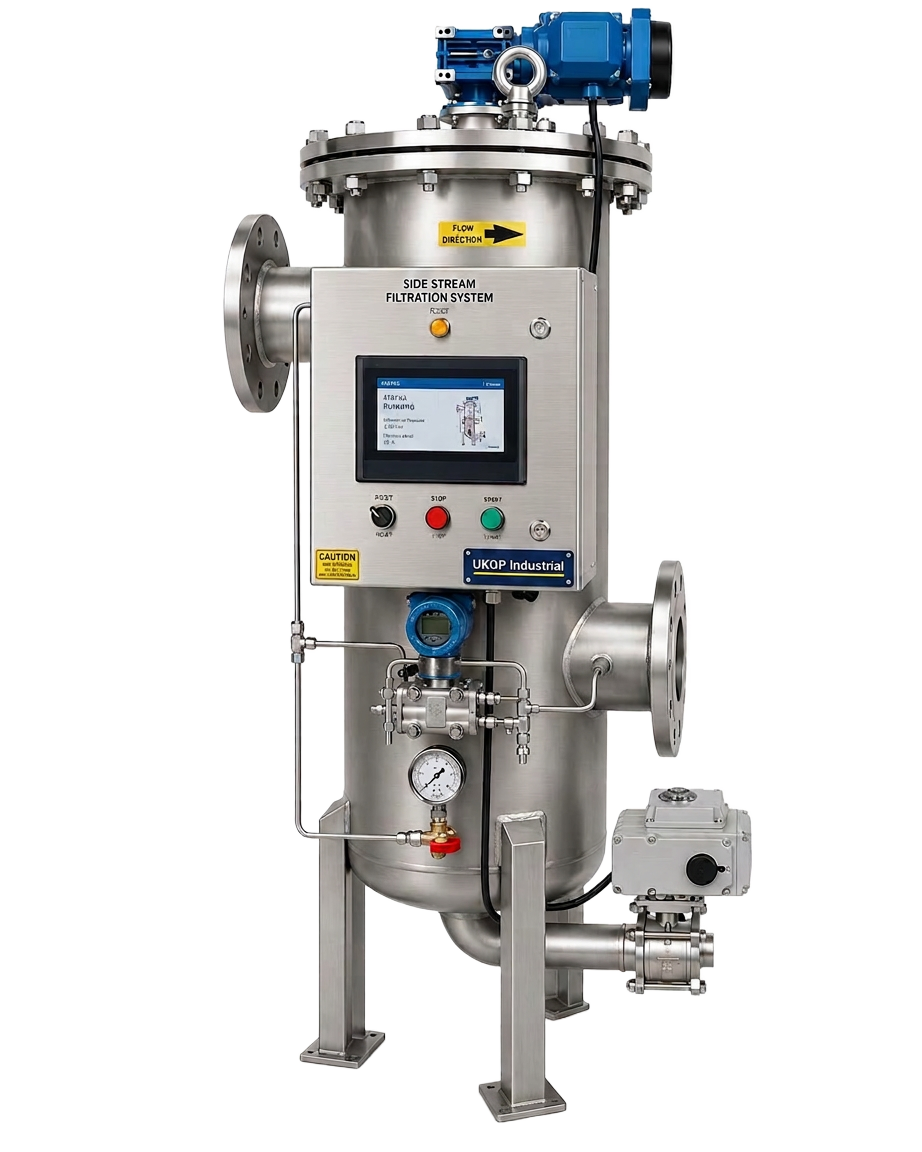
In many modern UK plant rooms, the industrial pH meter works in tandem with side stream filtration skids. While the filtration unit removes magnetite and large particulates, the pH meter monitors the chemical balance of the filtered water. This integrated approach ensures that the water remains both physically clean and chemically stable. If the pH meter detects a downward trend, it may indicate that the water treatment chemicals are being consumed or that fresh water ingress is diluting the system’s inhibitor levels. This synergy is essential for maintaining high-efficiency performance in heat exchangers and boilers where even minor scaling can drastically reduce heat transfer.
The combination of physical filtration and chemical monitoring is the gold standard for BS EN 14917 and CIBSE CP1 compliance. When these systems are linked to a smart BMS, the pH data can be used to trigger automated dosing pumps, ensuring that the water chemistry is corrected before it falls out of the recommended range. This reduces the manual workload for facility managers and ensures that the building operates at peak efficiency. It is often more cost-effective to specify a complete package that includes both the side stream filtration and the necessary sensors to ensure compatibility and ease of installation for the M&E contractor.
UKGP Industrial provides a range of solutions that complement our pH sensor and transmitter kits. By using our factory-calibrated sensors alongside our filtration and dosing equipment, contractors can be confident that they are installing a cohesive water management system. Whether you are working on a new build or a refurbishment of a Surrey office block, the integration of real-time pH monitoring is a proven method for extending the life of mechanical assets. Contact our technical team today to discuss how our IP68-rated pH solutions can be integrated into your next project to ensure BSRIA compliance and long-term system reliability.
- Optimised water quality through combined filtration and sensing.
- Real-time feedback for precise chemical dosing control.
- Reduced manual sampling through continuous telemetry.
- Extended life for boilers, chillers, and primary heat exchangers.
Summary: Why precision pH measurement matters
Understanding what is a pH meter and its industrial application is non-negotiable for modern building services engineering. The cost of a high-quality pH sensor and transmitter is negligible compared to the thousands of pounds lost when a primary heat exchanger fails due to corrosion. By providing continuous, accurate data, these devices allow for a proactive maintenance regime that saves energy, reduces chemical waste, and protects the structural integrity of the plant room assets. As energy prices and environmental regulations continue to tighten in the UK, the importance of maintaining optimal water chemistry through precise monitoring has never been higher.
For M&E contractors and procurement leads, the challenge lies in selecting equipment that is both technically capable and easy to support. Choosing a UK-based supplier like UKGP Industrial ensures that you have access to technical expertise and stock availability when you need it most. Our industrial pH sensor & transmitter kits are designed specifically for the UK market, featuring the robust construction and communication standards required for high-end commercial projects. With features like factory calibration and a 2-year warranty, our equipment provides the reliability that modern building owners demand to protect their mechanical and electrical investments.
In conclusion, the question of what is a pH meter in an industrial context is answered by its ability to provide actionable data in harsh environments. Whether you are adhering to BSRIA BG50 requirements or aiming for BREEAM certification, the quality of your sensor equipment is a defining factor in your system’s success. We invite you to reach out for a quote on our pH monitoring solutions, including sensors, transmitters, and M12 cable kits. Let UKGP Industrial help you ensure your closed-loop water systems remain balanced, efficient, and compliant for years to come. Our technical staff are on hand to provide the specific documentation and support needed for your submittals.
- Prevents costly unplanned downtime and asset replacement.
- Facilitates data-driven maintenance and chemical usage.
- Provides proof of compliance for BSRIA and insurance audits.
- Simplifies complex water management through smart integration.
Frequently asked questions
What is a pH meter's standard output for a BMS?
- Most industrial pH meters provide either a 4-20 mA analogue output or a digital Modbus RTU signal. This allows for direct integration with Building Management Systems for real-time monitoring and logging.
How often should an industrial pH sensor be calibrated?
- While UKGP sensors are factory-calibrated, we recommend checking the calibration every 3 to 6 months depending on the system conditions and BSRIA BG50 requirements to maintain maximum accuracy.
Does a pH meter require a specific cable?
- Yes, to maintain an IP68 rating and signal integrity, we provide a dedicated M12 cable kit with our sensor and transmitter packages to prevent moisture ingress and signal noise.
Can the pH sensor handle high temperatures in building services?
- Our industrial pH sensors are specifically designed for commercial HVAC environments and can withstand the typical temperature ranges found in secondary heating and cooling loops.
Is a warranty included with UKGP pH equipment?
- Yes, we provide a 2-year warranty on our industrial pH sensor & transmitter kits, reflecting our confidence in the durability and engineering quality of our products.