Understanding the Role of a Refillable pH Probe in HVAC
The chemical stability of circulating water in heating and cooling systems is fundamental to preventing premature component failure. A refillable pH probe serves as the primary diagnostic tool for monitoring these levels, offering a significant advantage over sealed, disposable alternatives. Unlike sealed units that have a finite electrolytic life, a refillable design allows the internal reference electrolyte to be replenished, extending the operational lifespan and maintaining a high level of responsiveness. In UK commercial plant rooms, where temperatures and pressures fluctuation can strain sensors, the ability to maintain the internal chemistry of the probe ensures that readings remain accurate and do not drift excessively over time.
Precision in pH monitoring is vital because even minor deviations from the alkaline range recommended by BSRIA BG29 and BG50 can lead to catastrophic results. If the pH drops below the neutral point, the risk of acidic corrosion to carbon steel and copper components increases exponentially. Conversely, excessively high pH can damage aluminium heat exchangers found in many leading commercial boiler installations. By deploying a refillable pH probe, maintenance engineers can obtain real-time data that enables them to adjust chemical dosing precisely, rather than relying on periodic manual dip tests which only offer a snapshot in time. This proactive stance is essential for protecting expensive capital equipment and ensuring energy efficiency across the building's lifecycle.
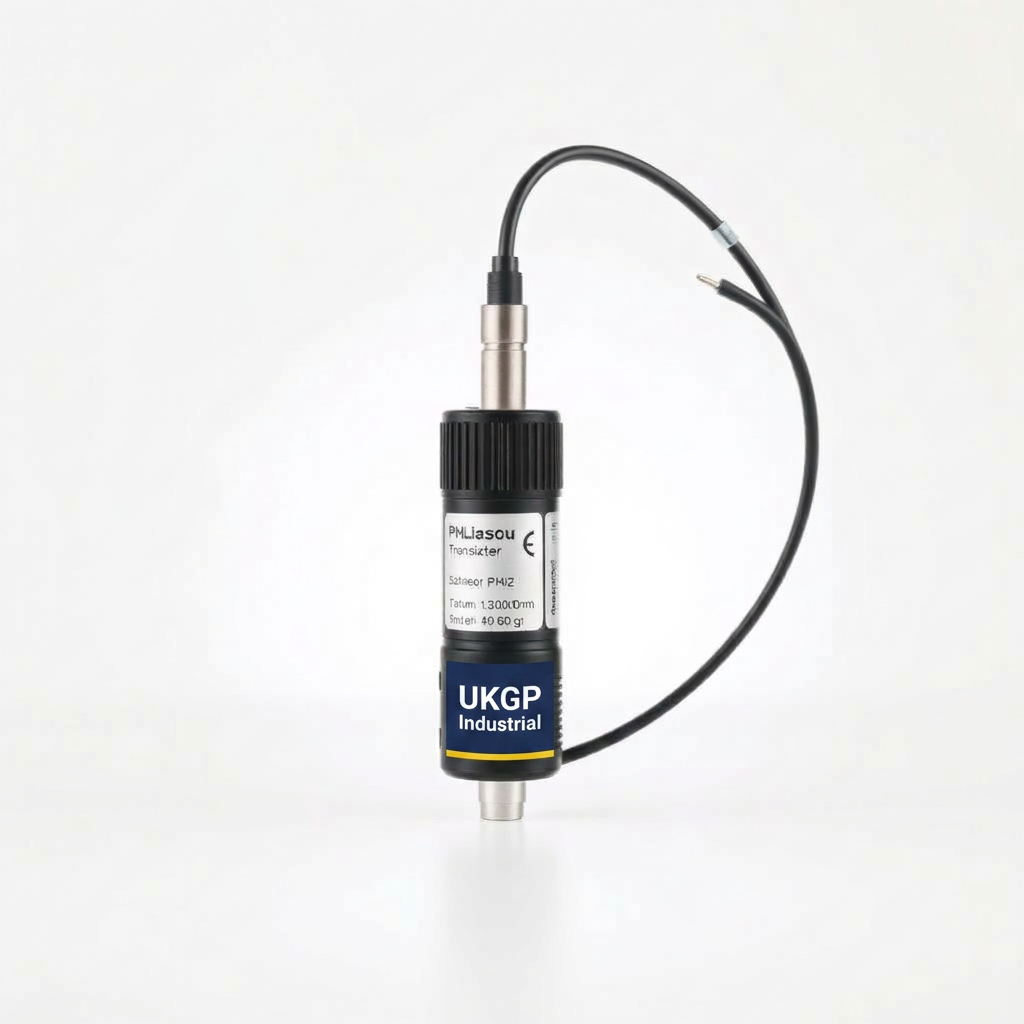
When integrating these sensors into a BMS (Building Management System) or a local controller, the choice between different output protocols such as 4-20 mA or Modbus is critical for compatibility. Our UKGP industrial pH sensor & transmitter range is designed for this specific environment, offering a complete kit including the sensor, transmitter, and M12 cable kit. This hardware setup facilitates seamless integration into existing infrastructure. Furthermore, the robust IP68 rating ensures that the hardware can withstand the damp and often harsh environments found in sub-level plant rooms and mechanical riser cupboards. Investing in a factory-calibrated system with a 2-year warranty provides the peace of mind that M&E contractors and procurement leads require for long-term UK commercial contracts.
- Extended lifespan compared to non-refillable gel-filled alternatives.
- Maintains higher accuracy in demanding commercial HVAC environments.
- Supports compliance with BSRIA BG50 water quality monitoring standards.
- Reduces long-term operational costs by eliminating frequent sensor replacements.
Technical Resilience and BSRIA Compliance
Adhering to BSRIA BG50 'Water Treatment for Closed Heating and Cooling Systems' is a priority for any diligent facility manager. This guidance highlights the importance of keeping pH levels within specific parameters to inhibit bacterial growth and corrosion. A refillable pH probe is the most reliable method for automated, continuous monitoring to ensure these standards are met 24/7. Manual testing, while useful for verification, can often miss transient chemical spikes or drops that occur during system top-ups or leaks. By having a permanent sensor in place, you create a digital log of system health that simplifies audits and provides proof of due diligence for insurance and warranty purposes.
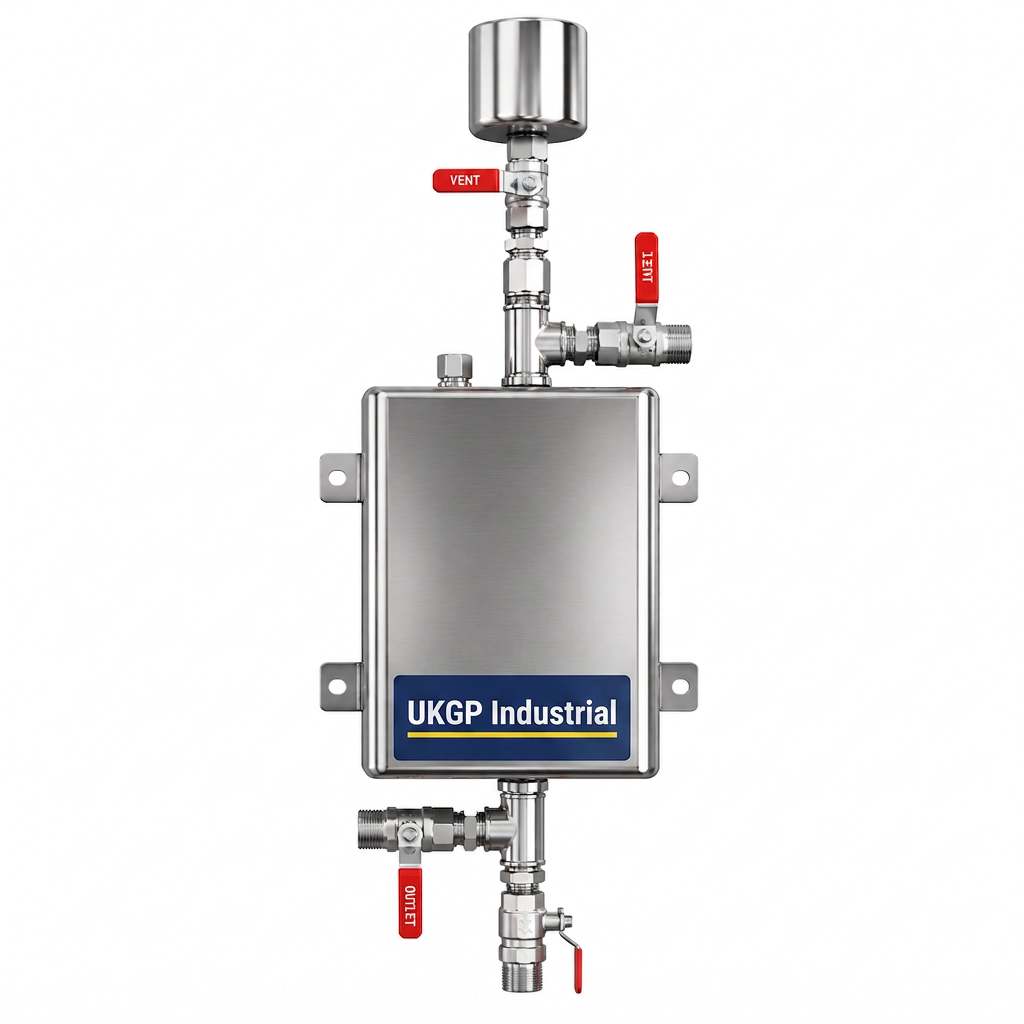
The mechanical housing of the sensor is just as important as the electrochemical element. In UK commercial systems, sensors must be able to withstand static pressures and the occasional presence of suspended solids. While an air and dirt separator should ideally remove these particulates, the sensor face must remain resilient. Our UKGP industrial pH sensor & transmitter kits are built specifically for industrial and commercial plumbing applications, where durability is paramount. These units come factory-calibrated, ensuring they are ready for immediate deployment upon delivery. This reduces the time spent on-site by commissioning engineers and ensures that the system is protected from the moment the pumps are first energised.
Beyond the chemical resilience, the electrical connectivity of the probe must be airtight. The use of a high-quality M12 cable kit ensures a secure, waterproof connection that minimizes signal noise, which is a common issue in plant rooms filled with high-voltage pumps and invertors. The option for Modbus RS485 communication allows for sophisticated data logging, where multiple parameters can be tracked simultaneously over a single bus. This is increasingly the standard for 'Smart Buildings' where every piece of plant room equipment must communicate with a centralised hub. For simpler setups, a traditional 4-20 mA loop provides a robust and reliable analogue signal that is compatible with almost any legacy controller or PLC.
- Factory-calibrated for immediate out-of-the-box accuracy.
- IP68 rated housing for maximum protection against moisture ingress.
- Choice of 4-20 mA or Modbus output for flexible BMS integration.
- Includes a comprehensive 2-year warranty for commercial peace of mind.
Installation Best Practices for a Refillable pH Probe
Correct installation of a refillable pH probe is vital to ensure longevity and data integrity. The sensor should ideally be installed in a bypass loop rather than the main flow to allow for easy maintenance and calibration without shutting down the entire system. This is particularly important for refillable models, as they require periodic top-ups of the electrolyte solution. By using a double-block and bleed valve arrangement, the sensor can be isolated, removed, cleaned, and refilled within minutes. This design also protects the sensitive glass membrane from the full force of the system flow, which can contain abrasive magnetite or other debris if the side stream filtration is not perfectly maintained.
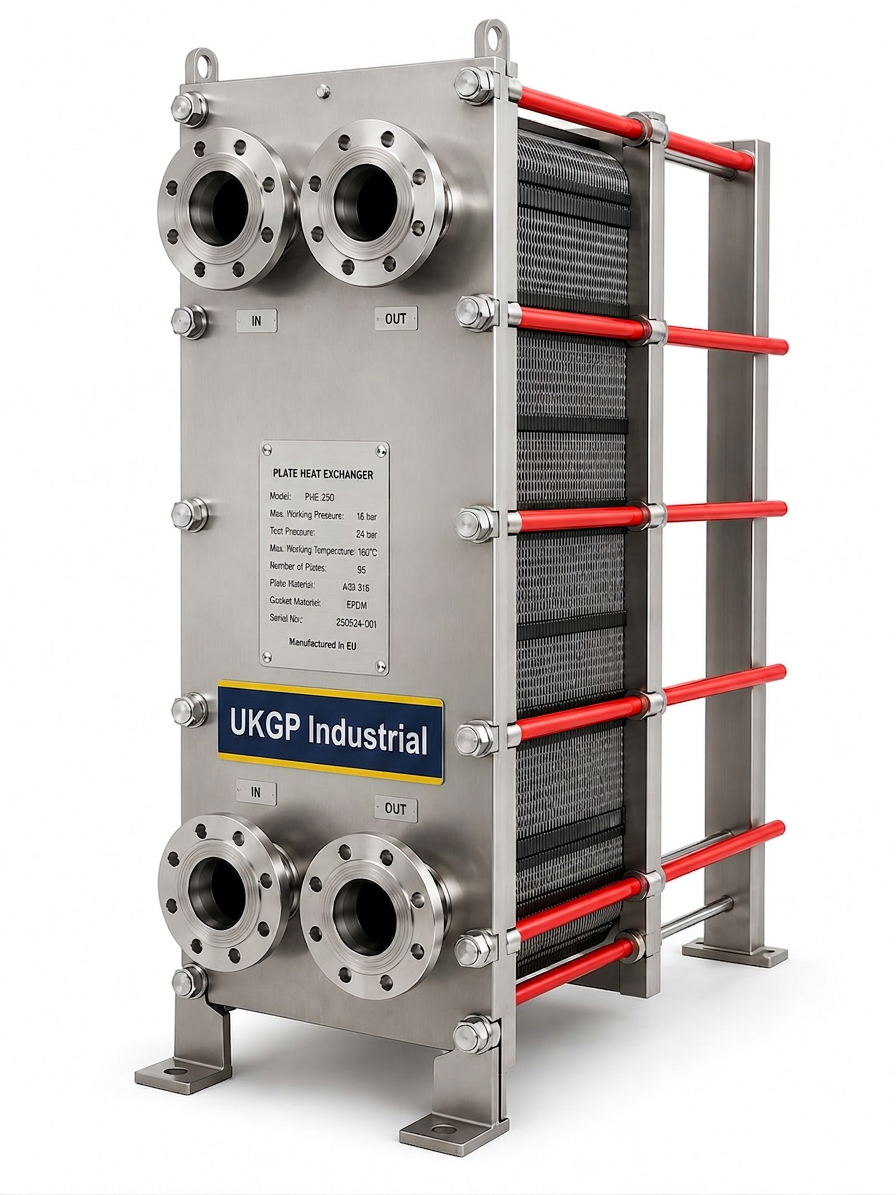
The positioning of the probe relative to chemical injection points is another critical factor. To get an accurate reading of the system's bulk water chemistry, the probe should be located downstream of the chemical dosing pots or skids, but far enough away to allow for thorough mixing of the chemicals. If the sensor is too close to a dosing point, it may record localized high concentrations that do not reflect the true state of the loop, leading to 'hunting' in the automated dosing system. Positioning the sensor before a plate heat exchanger can also be beneficial, as it allows for the monitoring of water quality before it enters sensitive heat transfer surfaces where scaling or corrosion would be most damaging.
Finally, engineers must ensure that the probe is always submerged in liquid, even when the system is static. If the probe face dries out, the reference junction can become blocked, and the glass membrane may become permanently damaged. In refillable pH probe designs, maintaining a positive pressure of electrolyte within the probe is also necessary to prevent the process water from entering the sensor body. Regular maintenance schedules should include a check of the electrolyte level and a two-point calibration using standard buffer solutions. This ensures the digital output of the UKGP transmitter correctly reflects the physical reality of the water chemistry, maintaining the 4-20 mA or Modbus scaling accuracy.
- Install in a bypass loop for easier maintenance and salt-bridge refilling.
- Ensure the sensor membrane is always submerged to prevent dehydration.
- Calibrate with pH 7 and pH 4/10 buffers quarterly to maintain precision.
- Keep clear of high-turbulence areas to protect the glass electrode.
Comparing Refillable and Sealed pH Sensors
When procurement leads evaluate sensor options, the choice between a refillable pH probe and a sealed 'gel-filled' version often comes down to the total cost of ownership (TCO) versus initial capital expenditure. Sealed sensors are frequently cheaper upfront and are marketed as 'maintenance-free.' However, in a commercial HVAC context, 'maintenance-free' usually means 'disposable.' Once the internal electrolyte is depleted or contaminated, the entire sensor must be replaced. In high-temperature applications or systems with high ionic strength, sealed sensors can fail in as little as six months. This leads to frequent downtime and the ongoing cost of purchasing new hardware, which quickly outweighs the initial savings.
In contrast, a refillable pH probe is designed as a long-term asset. By allowing the user to refresh the electrolyte and clean the junction, the sensor can provide reliable service for several years. This is particularly relevant for UK commercial buildings where sustainability and waste reduction are becoming key performance indicators. Reducing the number of electronic sensors sent to landfill aligns with modern green building standards. Furthermore, the accuracy of a refillable sensor is generally superior over time because the 'fresh' electrolyte ensures a stable reference potential, whereas the gel in a sealed sensor slowly degrades and becomes sluggish in its response to pH changes.
For M&E contractors, the reliability of the UKGP industrial pH sensor & transmitter kit reduces the likelihood of expensive call-backs. A sensor that can be serviced on-site is a sensor that stays in the ground longer. Our kits are supplied with everything required for a professional installation, including the M12 cable kit which simplifies the electrical termination process. Whether you are using a 4-20 mA analogue signal for a simple dosing pump or Modbus for a comprehensive site-wide BMS, the stability provided by a refillable sensing element is the gold standard for industrial-grade water monitoring. We recommend these units for any project where the cost of system failure far exceeds the cost of high-quality instrumentation.
- Refillable probes offer lower TCO over a five-year building cycle.
- Sealed sensors are prone to 'poisoning' and rapid drift in harsh water.
- Sustainability is improved by maintaining sensors rather than discarding them.
- Refillable units respond faster to rapid changes in chemical dosing.
Integrating Sensors with Dosing and Filtration
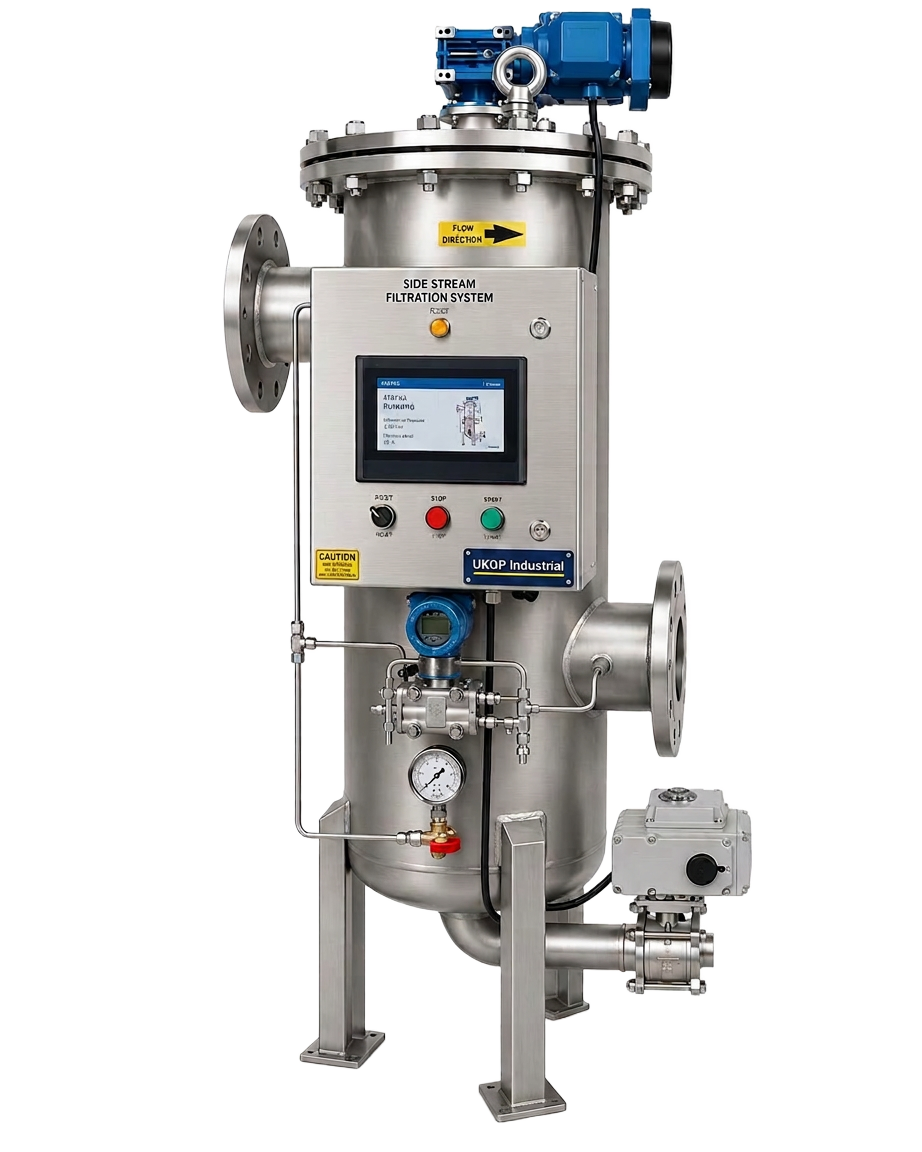
The data provided by a refillable pH probe is most effective when integrated into a holistic water treatment strategy. For example, when used alongside UKGP's side stream filtration systems, the pH data can tell an engineer if the water chemistry is contributing to the liberation of solids. If pH levels are not controlled, the effectiveness of corrosion inhibitors is compromised, leading to increased sludge and magnetite. Filtration systems can remove these solids, but they do not fix the root cause. By monitoring pH at the same point where side stream filtration is installed, you get a comprehensive view of how effectively the system is being protected and cleaned.
Chemical dosing pots also benefit from the oversight provided by continuous pH monitoring. Instead of manually adding inhibitor and 'hoping' the levels are correct, the refillable pH probe provides the feedback loop necessary for automated dosing. When the transmitter detects a shift in pH that indicates a dilution of the inhibitor, it can trigger a signal to a dosing pump to rectify the situation immediately. This ensures that the system is never left in a vulnerable state. For UK commercial systems that use demineralised water or are subject to high makeup water rates, this automated responsiveness is the only way to effectively prevent the rapid onset of internal pipework degradation.
Modern plant room design also requires that these sensors be easy to commission and diagnose. Our UKGP transmitter features a clear display for local readings, which is invaluable for maintenance staff who may not have immediate access to the BMS head-end. By checking the local output, a technician can quickly verify if the system chemistry is within the target range. The 4-20 mA or Modbus output then carries this same data to the central control room. This dual-layered visibility is a hallmark of high-quality industrial design, ensuring that whether you are at the pipe or at the desk, the status of your water chemistry is always known and actionable.
- Link pH data to automated dosing pumps for 'set and forget' protection.
- Complement side stream filtration by identifying the causes of corrosion.
- Local transmitter displays allow for rapid on-site water chemistry checks.
- Modbus connectivity supports advanced remote diagnostics and logging.
Commercial Procurement and Warranty Confidence
For procurement leads and plant room engineers, the technical specification of a refillable pH probe is only part of the equation; supply chain reliability and technical support are equally vital. In the UK market, having access to local expertise and stock means that project deadlines can be met without the delays often associated with overseas shipping. UKGP provides a 2-year warranty on our industrial pH sensor & transmitter kits, which is a testament to our confidence in the product's durability. This warranty period is particularly important for new build projects where the first two years of a system's life are the most critical for establishing a stable chemical environment and identifying any installation issues.
When specifying these units, it is important to look for a complete solution rather than piecing together components from different vendors. A matched kit—consisting of the industrial pH sensor, the compatible transmitter, and the M12 cable kit—guarantees that all parts will work together seamlessly. This reduces the risk of impedance mismatches or signal loss that can occur when using generic cables or third-party transmitters. Furthermore, receiving a factory-calibrated unit ensures that the initial setup is accurate, providing a reliable baseline for all future readings. This 'plug and play' approach is highly valued by M&E contractors who are under pressure to commission systems quickly and accurately.
Ultimately, the goal of installing a refillable pH probe is to de-risk the operation of the HVAC assets. Large-scale heating and cooling systems are multi-million pound investments, and their performance is entirely dependent on the quality of the water they circulate. By choosing UKGP's industrial sensors, you are investing in a product designed for the specific rigours of the UK commercial market. Our components meet the technical standards required for BSRIA and CIBSE compliance, and our support team is available to assist with specification and troubleshooting. To secure a quote for your next project, contact our Surrey-based team to discuss how our pH monitoring solutions can integrate into your building services design.
- UK-based stock and support for rapid project delivery.
- Comprehensive 2-year warranty protects your capital investment.
- Complete kits reduce site installation time and technical errors.
- Expert advice available for integration with existing BMS architectures.
Frequently asked questions
Why is a refillable pH probe better than a sealed one?
- A refillable pH probe allows for the replacement of the reference electrolyte, which extends the sensor's lifespan and maintains higher accuracy over time. Sealed sensors are disposable and must be replaced entirely once the internal gel is depleted or contaminated, leading to higher long-term costs.
How often should I calibrate my pH sensor in a commercial system?
- For most UK commercial HVAC systems, quarterly calibration is recommended. Using the UKGP factory-calibrated sensors as a starting point, engineers should perform a two-point calibration using pH 7 and pH 4 or 10 buffers to ensure the 4-20 mA or Modbus output remains precise.
What is the benefit of an IP68 rating for pH transmitters?
- An IP68 rating ensures the transmitter is fully protected against dust and can withstand long-term immersion in water. In humid or leak-prone plant rooms, this level of protection is essential to prevent electronic failure and maintain continuous monitoring of the water quality.
Does your pH sensor kit include everything needed for installation?
- Yes, our UKGP industrial pH sensor & transmitter kit includes the refillable sensor, the digital transmitter, and an M12 cable kit. This provides a complete hardware solution that is ready for installation in a standard bypass loop or pipework housing.
Can the refillable pH probe be used with a Modbus BMS?
- Absolutely. Our transmitters support both 4-20 mA analogue signals and Modbus RS485 digital communication. This makes them highly versatile for both simple local control and complex, site-wide building management system integration.