Understanding the Role of a ph tester probe in HVAC
In the context of industrial plant rooms and district heating networks, a ph tester probe is a precision instrument designed to monitor the acidity or alkalinity of the system water. Unlike domestic handheld devices, an industrial ph tester probe must withstand the constant pressure and temperature fluctuations inherent in commercial boilers and chilled water systems. Monitoring pH is critical because even minor deviations can lead to rapid metallic corrosion or scale formation, significantly shortening the lifespan of expensive components like heat exchangers and pumps. By integrating a continuous monitoring solution, plant engineers can move away from reactive maintenance and toward a proactive, data-driven strategy that aligns with the best practices outlined in CIBSE guidance documents.
The chemical balance within a closed-loop system is rarely static. Factors such as fresh water make-up, thermal degradation of glycol, or microbial growth can all shift the pH level, often without immediate physical symptoms. A robust ph tester probe acts as an early warning system, detecting these shifts before they manifest as sludge or pipework failure. For M&E contractors, specifying a high-quality sensor early in the installation phase ensures that the building's infrastructure is protected from day one. This level of oversight is particularly important when dealing with mixed-metal systems where aluminium, copper, and steel must all be protected by maintaining a very narrow, specific pH range as recommended by major UK commercial boiler OEMs.
Choosing the right ph tester probe involves understanding the difference between a simple consumable sensor and a complete industrial transmitter system. In a professional plant room environment, the probe must be capable of surviving harsh conditions while providing a stable, repeatable signal to the Building Management System (BMS). High-grade industrial sensors are typically constructed with durable glass membranes and robust housings that resist fouling. When sourced from a specialist UK supplier, these components come with the technical support necessary to ensure they are correctly positioned within the pipework loop. Ultimately, the goal is to provide local FM teams with an interface that provides clear, actionable data regarding the health of their hydronic system water.
- Ensures compliance with BSRIA BG29 and BG50 monitoring standards.
- Prevents electrolytic corrosion in multi-metal commercial heating systems.
- Reduces high-cost emergency call-outs through early detection of chemical shifts.
- Supports the longevity of high-efficiency commercial boiler heat exchangers.
Selecting an Industrial ph tester probe for BSRIA Compliance
When browsing for a ph tester probe, engineers must look beyond the initial purchase price and consider the total cost of ownership and integration requirements. A standard laboratory-grade probe will likely fail within weeks if installed in a high-pressure industrial loop. Instead, plant room specifications should demand a ph tester probe that is designed for permanent immersion or high-flow bypass installation. These industrial units are built to withstand pressures of up to 10 bar and temperatures typically found in return pipework. By selecting a sensor that features a high-quality reference junction, engineers can ensure that the system does not suffer from 'drift', which often leads to false alarms and unnecessary chemical dosing in the plant room environment.
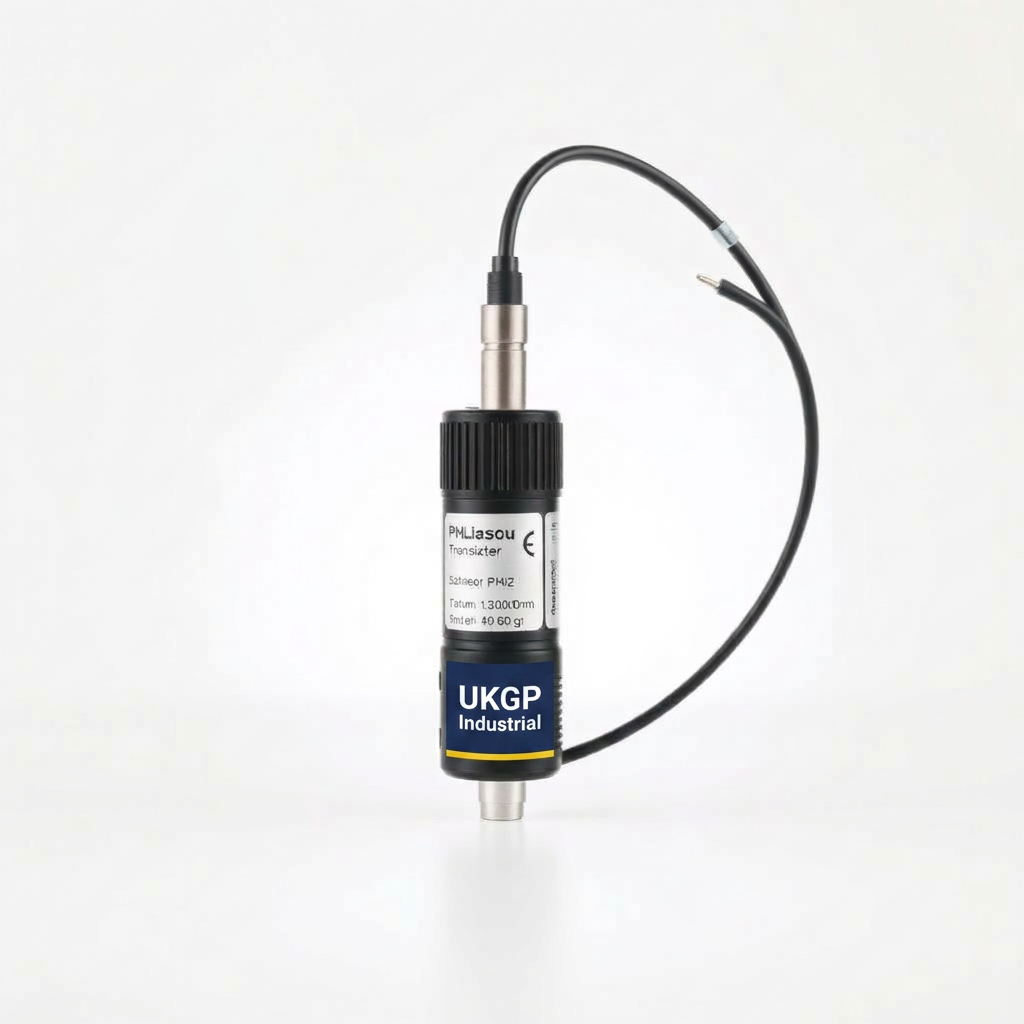
Integration with the wider Building Management System is another critical factor. A modern ph tester probe usually connects to a dedicated transmitter that converts the raw millivolt signal from the sensor into a standardised industrial output. This ensures that the data can be read by any standard BMS controller, allowing for remote monitoring and automated logging of water quality parameters. For procurement leads, this means choosing a kit that is ready for immediate deployment, including the necessary cabling and mounting hardware. This level of connectivity is a cornerstone of the 'digital twin' approach to building management, where every aspect of plant room performance is tracked in real-time to optimise energy efficiency and thermal output.
UKGP Industrial provides a complete solution that simplifies this selection process. Our industrial pH sensor and transmitter kits are specifically designed for the UK market, ensuring compatibility with standard pipework and controls. Each kit includes a factory-calibrated industrial ph tester probe, a robust transmitter unit, and a high-spec M12 cable kit to ensure a secure, weatherproof connection. With a 2-year warranty and IP68 protection, these units are designed to thrive in the damp, challenging conditions of a basement plant room. Requesting a quote for a UKGP industrial pH sensor and transmitter ensures you receive a product that is not only fit for purpose but also fully documented for use in safety-critical building services applications.
- Available with 4-20 mA or Modbus RTU digital communications.
- Factory-calibrated sensors reduce commissioning time on-site.
- IP68 rated housing for reliable operation in humid plant room environments.
- Compatible with standard 1/2 or 3/4 inch NPT/BSP process connections.
Installation Best Practices for Side Stream Monitoring
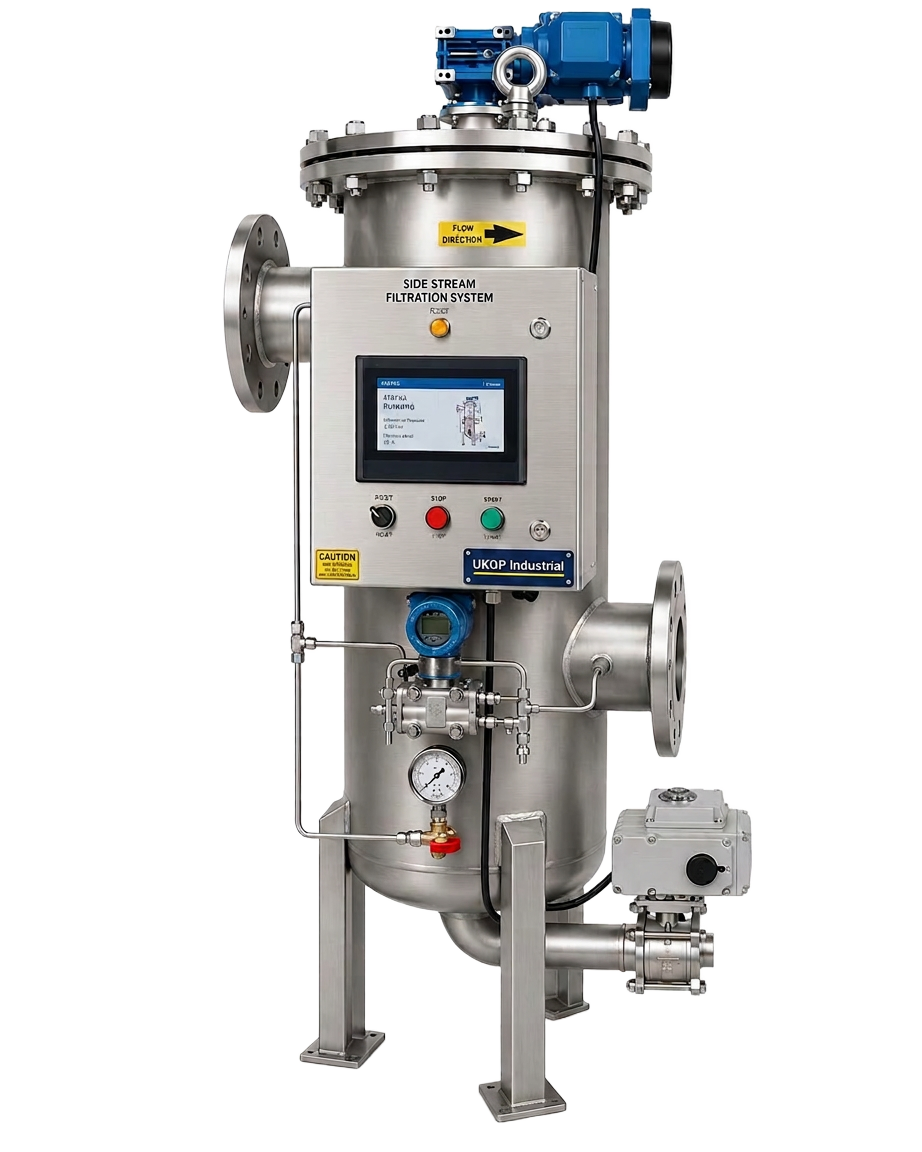
Correct installation of a ph tester probe is just as important as the quality of the sensor itself. For closed-loop systems, it is often recommended to install the probe within a side stream filtration loop or a dedicated bypass. This allows for easy isolation and maintenance without the need to drain down the entire system. When positioned alongside a side stream filtration skid, the ph tester probe can monitor the cleanliness and chemical state of the water after it has passed through high-efficiency filter media. This setup ensures that the probe is protected from large debris while still being exposed to a representative sample of the system volume, providing an accurate reflection of the overall water chemistry.
The physical orientation of the ph tester probe must follow manufacturer guidelines to prevent air bubbles from being trapped against the sensor membrane. Typically, the probe should be installed vertically or at a slight angle to ensure the internal electrolyte remains in contact with the glass bulb. Furthermore, the velocity of the water passing the probe should be controlled; excessive flow can cause physical wear, while stagnant water can lead to inaccurate readings due to localised chemical concentrations. By integrating the sensor into a properly engineered bypass, such as those found in UKGP side stream filtration units, engineers can ensure the sensor operates within its optimal environmental parameters, extending its service life and increasing reliability.
M&E contractors should also consider the accessibility of the ph tester probe for routine calibration. BSRIA BG50 guidelines suggest that water quality monitoring equipment should be checked and calibrated at regular intervals to ensure ongoing accuracy. If the probe is buried deep within a complex pipework manifold, maintenance will likely be neglected. Installing the probe in a visible, easy-to-reach location with isolation valves ensures that the FM team can perform the necessary maintenance in minutes rather than hours. This proactive approach to plant room design significantly improves the long-term sustainability of the HVAC system, ensuring that the water quality remains within the parameters specified by the boiler and chiller manufacturers.
- Locate the probe in a bypass loop for maintenance without system shutdowns.
- Ensure the sensor bulb remains submerged and free from air pockets.
- Use high-quality M12 cabling to prevent signal interference from pump motors.
- Combine with side stream filtration for the ultimate water quality protection.
Maintenance and Calibration of Your ph tester probe
Even the most advanced ph tester probe requires periodic maintenance to ensure it continues to provide accurate data. Over time, the sensitive glass membrane can become coated with the magnetite or scale that is common in UK heating systems. This coating acts as an insulator, slowing the response time and eventually causing value drift. A routine maintenance schedule should include cleaning the probe with a mild detergent or specific cleaning solution recommended by the supplier. Once cleaned, the ph tester probe must be calibrated using buffer solutions of known values—typically pH 4.0, 7.0, and 10.0. This process ensures that the transmitter correctly interprets the millivolt signal and outputs an accurate value to the BMS.
For facility managers, the advantage of using a UKGP industrial ph tester probe is the stability of the industrial-grade reference electrode. While cheaper alternatives may require weekly calibration, a high-quality industrial sensor can often go several months between checks, depending on the system conditions. However, skipping these checks entirely is a risk that can lead to significant infrastructure damage. If a sensor fails and reports a ‘healthy’ pH while the system is actually becoming acidic, corrosion will proceed unchecked. Therefore, incorporating the calibration of all plant room sensors into the quarterly maintenance contract is highly recommended to comply with BS 8552 monitoring standards.
When a ph tester probe reaches the end of its functional life, usually after 12 to 24 months of continuous service, it should be replaced promptly. Because the UKGP industrial pH sensor and transmitter system uses standardised connections, replacing the sensor element is a straightforward task that does not require re-wiring the entire transmitter. This modularity is a key selling point for procurement leads looking to minimise maintenance costs. By keeping a spare, factory-calibrated ph tester probe on-site, FM teams can swap out a failing unit in minutes, ensuring that there are no gaps in the system’s protective monitoring. Our 2-year warranty on the transmitter unit provides additional peace of mind for long-term operational resilience.
- Perform quarterly calibrations using standard pH buffer solutions.
- Clean the sensor membrane to remove magnetite and bio-film build-up.
- Keep a spare factory-calibrated sensor on-site for immediate replacement.
- Document all calibration events to maintain a BSRIA compliance log.
The Commercial Impact of Precise pH Monitoring
Investing in a high-quality ph tester probe is not just a technical requirement; it is a sound commercial decision. Corrosion-related failures are among the most expensive issues a building owner can face, often resulting in total plant room refurbishments that cost tens of thousands of pounds. By providing constant visibility of the water chemistry, a ph tester probe allows for the precise dosing of corrosion inhibitors only when necessary. This prevents the over-use of expensive chemicals, reducing the annual O&M budget. Furthermore, maintaining the Correct pH levels ensures that heat transfer surfaces remain clean, which directly impacts the energy efficiency of the building and reduces carbon emissions.
For consultants specifying new builds or major retrofits, including a ph tester probe in the specification demonstrates a commitment to building longevity. It provides the end-user with the tools they need to manage their assets effectively and prevents the finger-pointing that often occurs when a system fails shortly after the defects liability period. High-accuracy sensors contribute to the overall BREEAM or LEED rating of a building by ensuring that water systems are managed responsibly and efficiently. In the competitive world of UK commercial property, a secondary benefit is the assurance that the building remains operational and comfortable for tenants, avoiding the disruption of emergency pipework repairs.
UKGP Industrial understands the pressures faced by M&E contractors and FMs. That is why our industrial pH sensor and transmitter solution is designed for 'fit and forget' reliability. With options for 4-20 mA or Modbus communication, our kits integrate seamlessly into existing infrastructure. Every kit comes with an industrial ph tester probe, a robust transmitter, and a 2-year warranty, backed by our Surrey-based technical team. Whether you are managing a single plant room or a sprawling district heating network, our sensors provide the accuracy and durability you need. Contact us today to request a quote for an industrial pH sensor and transmitter and take the first step toward superior water quality management.
- Protects capital investment in boilers, chillers, and heat exchangers.
- Reduces chemical waste by enabling requirement-based dosing.
- Enhances building energy efficiency through optimal heat transfer.
- Provides a clear audit trail for insurance and compliance purposes.
Why Your Plant Room Needs a Permanent ph tester probe
The traditional method of taking a water sample to a lab once a month is no longer sufficient for modern, high-intensity commercial HVAC systems. A lot can happen in thirty days; a leak in a heat exchanger or a pump seal failure can introduce fresh, oxygenated water that rapidly changes the pH. Only a permanently installed ph tester probe can provide the high-frequency data needed to catch these events in real-time. This continuous monitoring is especially vital in systems using aluminium components, where the pH must be maintained strictly between 7.0 and 8.5 to prevent catastrophic metal loss. A digital sensor connected to the BMS can trigger an immediate alert if these thresholds are crossed.
Furthermore, an industrial ph tester probe facilitates the move towards automated plant rooms. As more facilities look to reduce on-site manpower, having remote visibility of water quality is a significant advantage. The data from a UKGP industrial ph tester probe can be trended over time, allowing engineers to spot gradual declines in water quality that might indicate a slow-developing issue. This level of insight is what separates an average facility from a world-class operation. By choosing an IP68-rated system with a factory-calibrated sensor, you ensure that the data you receive is accurate, even in the toughest physical environments.
In conclusion, the ph tester probe is an indispensable tool for any modern UK plant room. It provides the essential data required to comply with BSRIA BG50 and BS EN standards while protecting the mechanical integrity of the heating and cooling loops. UKGP Industrial offers a complete, easy-to-install kit that meets the highest industrial standards. Each package includes the industrial pH sensor, a high-performance transmitter, and a durable M12 cable kit. Reach out to our technical sales team for a quote on our industrial pH sensor and transmitter kits and ensure your next project is equipped with the best in water monitoring technology.
- Continuous monitoring outperforms occasional manual water testing.
- Essential for protecting aluminium components in modern boilers.
- Enables remote monitoring and automated alerts via the BMS.
- Provides the data required for long-term trend analysis and reporting.
Frequently asked questions
How often should an industrial ph tester probe be calibrated?
- In accordance with BSRIA BG50 guidelines, we recommend checking and calibrating your industrial ph tester probe every 3 to 6 months, depending on the system's condition and the criticality of the application.
Can I connect the ph tester probe directly to my BMS?
- The probe itself provides a raw signal; however, when used with our UKGP transmitter, it provides a standard 4-20 mA or Modbus RTU output that is compatible with almost all modern Building Management Systems.
What is the lifespan of a ph tester probe in a heating system?
- Under typical plant room conditions, an industrial ph tester probe will last between 12 and 24 months. Regular cleaning of the sensor membrane can help extend this lifespan.
Is the UKGP ph tester probe suitable for chilled water systems?
- Yes, our industrial pH sensors are designed to operate in both heating and chilled water loops, provided the temperature remains within the specified operating range of the sensor.
Does the ph tester probe come with a warranty?
- The UKGP industrial pH transmitter and sensor kit comes with a 2-year warranty, providing long-term assurance for M&E contractors and facility managers.