Why Ph Sensor Water Quality is Vital for HVAC
The chemical composition of a closed-loop heating or chilled water system is the primary factor determining the lifespan of its components. When discussing ph sensor water parameters, we are fundamentally looking at the acidity or alkalinity of the system fluid. For mild steel systems common in UK plant rooms, maintaining a pH between 9.0 and 10.5 is frequently recommended to promote the formation of a protective magnetite layer. If the pH drops below 8.2, the risk of rapid pitting corrosion increases significantly, leading to premature failure of heat exchangers and circulatory pumps. Monitoring these levels manually via weekly sampling is no longer considered best practice for high-value commercial assets.
Precision in monitoring is essential because even minor fluctuations can indicate deep-seated issues within the system architecture. For instance, a sudden drop in pH might suggest aerobic bacterial activity or the degradation of glycol in chilled water circuits. By integrating a dedicated ph sensor water measurement strategy, M&E contractors can move from reactive maintenance to proactive asset management. This shift is supported by various industry bodies that advocate for real-time monitoring to ensure that chemical inhibitors are functioning effectively. Without accurate data, engineers are essentially 'flying blind' when dosing chemicals into expensive commercial HVAC systems.
UKGP Industrial understands the challenges faced by site engineers who must balance operational uptime with stringent water quality targets. Our range of instrumentation is designed to provide the high-accuracy feedback necessary to automate chemical dosing or trigger alarms when levels deviate from setpoints. Understanding the science of ph sensor water monitoring is not just a technical requirement; it is a commercial necessity to avoid the six-figure costs associated with system-wide corrosion. By investing in quality detection early, you protect the heat transfer efficiency of the entire building, ensuring that the primary plant operates at its peak designed performance for its entire expected lifecycle.
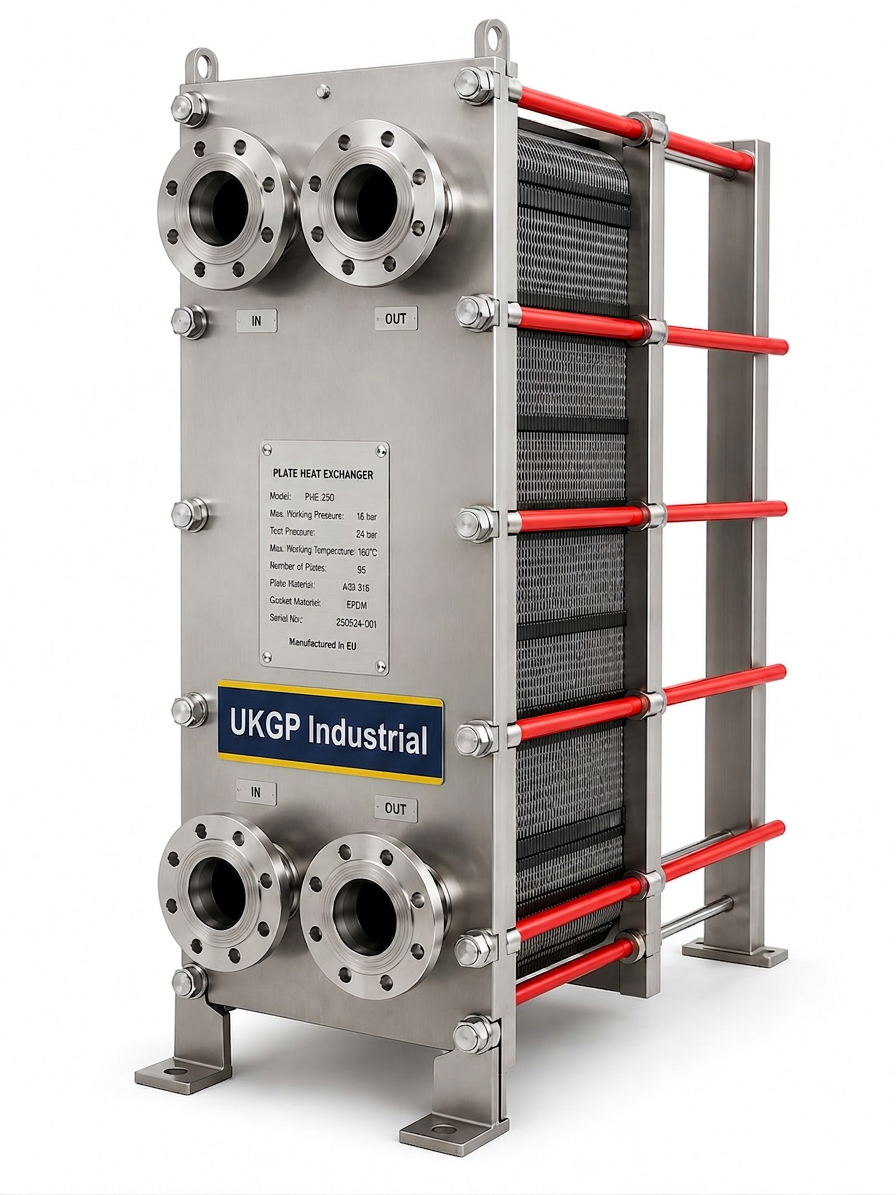
- Protection of thin-walled heat exchanger plates from acidic degradation
- Promotion of stable magnetite layers in mild steel piping
- Early detection of glycol breakdown in chilled water circuits
- Reduction in maintenance call-outs through automated drift alerts
- Compliance with specific equipment warranties provided by major boiler OEMs
BSRIA BG29 and BG50 Compliance Frameworks
Compliance with BSRIA BG29 (Pre-commission Cleaning) and BG50 (Water Treatment for Closed Heating and Cooling Systems) is the benchmark for UK building services. These guidelines explicitly highlight the importance of water chemistry in preventing scale and corrosion. Utilizing a ph sensor water kit during the lifecycle of a building ensures that the parameters set during commissioning are maintained throughout the operational phase. BG50 specifically suggests that continuous monitoring of key indicators, including pH and conductivity, provides a far more robust safeguard than sporadic manual testing which only captures a snapshot in time and may miss temporary acidification events.
For M&E contractors, handing over a system that includes integrated ph sensor water monitoring demonstrates a commitment to long-term reliability. It aligns with BS 8552, the code of practice for sampling and monitoring water quality in building services. This standard reinforces the need for accurate, repeatable data to verify that chemical inhibitors are present and active. When pH levels are allowed to drift outside of the 8.5 to 10.5 range (depending on metallurgy), the likelihood of microbial growth and sludge formation increases, which can eventually block air and dirt separators or foul low loss headers, leading to system imbalance.
By adhering to these frameworks, facility managers can provide a verifiable audit trail of system health to stakeholders and insurers. The UKGP solution simplifies this compliance burden by providing factory-calibrated sensors that integrate seamlessly into existing Building Management Systems. Whether you are dealing with a new build under BG29 or an existing plant room requiring a BG50 management plan, having a reliable ph sensor water transmitter in place is the foundation of a successful water treatment strategy. This proactive stance significantly reduces the risk of expensive remedial flushing and chemical cleaning which can be disruptive to building occupants and costly to execute.
- Alignment with BSRIA BG50 recommendations for proactive monitoring
- Support for BS 8552 sampling protocols with real-time data data points
- Verifiable audit trails for water treatment chemicals and inhibitor levels
- Prevention of the 'acidic drift' common in ageing glycol-based systems
- Minimisation of the need for aggressive chemical cleaning cycles
Technical Specifications of the Ph Sensor Water Transmitter
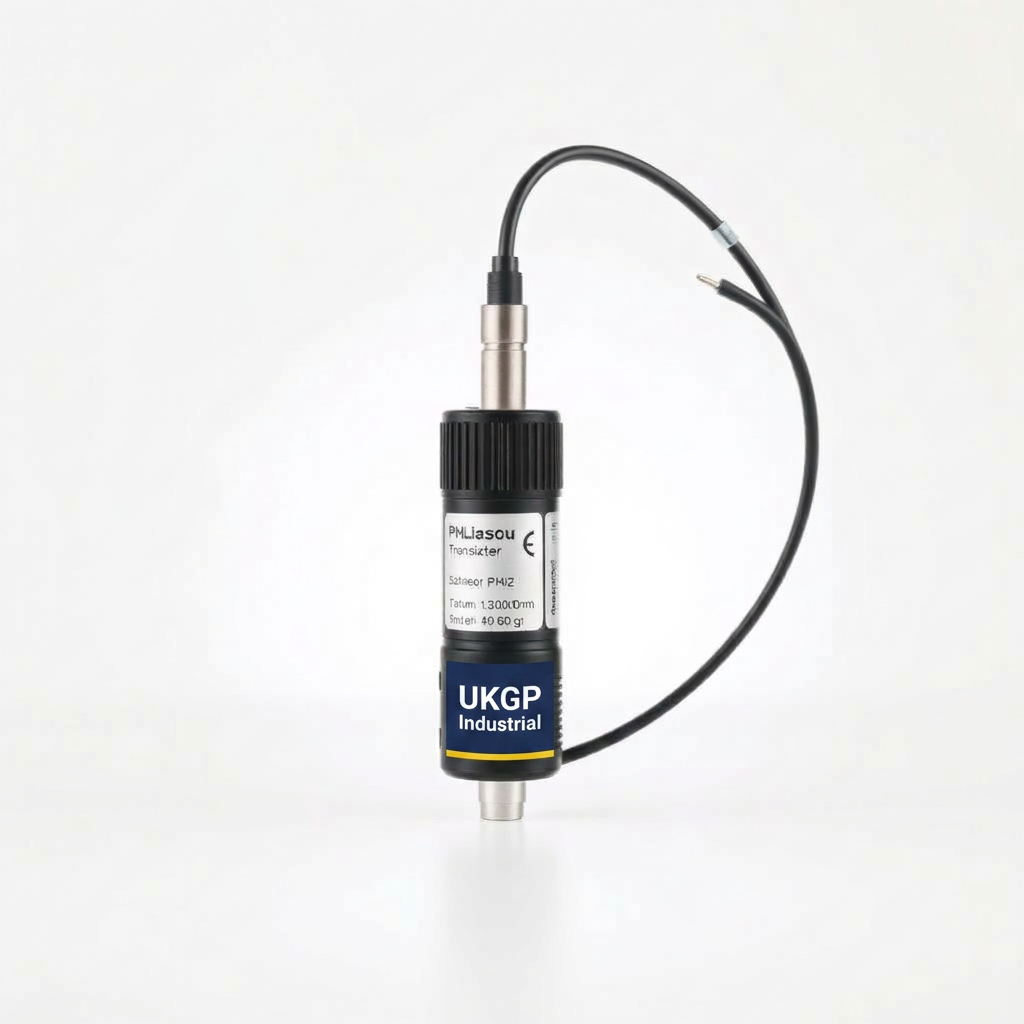
The technical requirements for a ph sensor water installation in a plant-room environment are demanding. The sensor must be robust enough to withstand high pressures and temperatures while remaining sensitive to minute chemical changes. UKGP provides an industrial pH sensor and transmitter kit that includes a high-grade electrode, an IP68-rated transmitter, and a durable M12 cable kit. This level of ingress protection is vital in the damp or humid conditions often found in basement plant rooms. The standard 4-20 mA output, or optional Modbus connectivity, allows for direct integration into any standard BMS or PLC, providing live feedback to the facilities team.
Calibration is often a pain point for site engineers, which is why the UKGP ph sensor water solution comes factory-calibrated to ensure immediate accuracy upon installation. We also include a 2-year warranty to give procurement leads peace of mind regarding the longevity of the instrumentation. The sensor's ability to provide continuous, high-fidelity data eliminates the human error associated with test kits and colorimetric strips. Furthermore, the use of a transmitter ensures that the signal can be sent over long distances without the interference that often plagues low-voltage electrochemical signals in electrically noisy environments near large pumps and motors.
When selecting a ph sensor water system, the mounting remains a critical consideration. Our kits are designed for easy insertion into the flow line, typically via a bypass or a dedicated sensor manifold, ensuring minimal pressure drop across the device. This ensures that the reading is representative of the bulk fluid rather than stagnant water. If you are looking to upgrade your monitoring capabilities, requesting a quote for the UKGP pH sensor & transmitter ensures you receive a commercial-grade tool specifically designed for the UK HVAC market. Our technical team is available to discuss specific integration requirements, including connectivity to cloud-based monitoring platforms for remote site management.
- IP68 rated transmitter for reliable operation in plant room environments
- Standard 4-20 mA or Modbus output for seamless BMS integration
- Supplied as a complete kit with M12 cabling and factory-calibrated sensor
- 2-year warranty reflecting our confidence in industrial-grade build quality
- Compact design suitable for installation on bypass lines or main headers
Integrating Sensors with Low Loss Headers and Skids
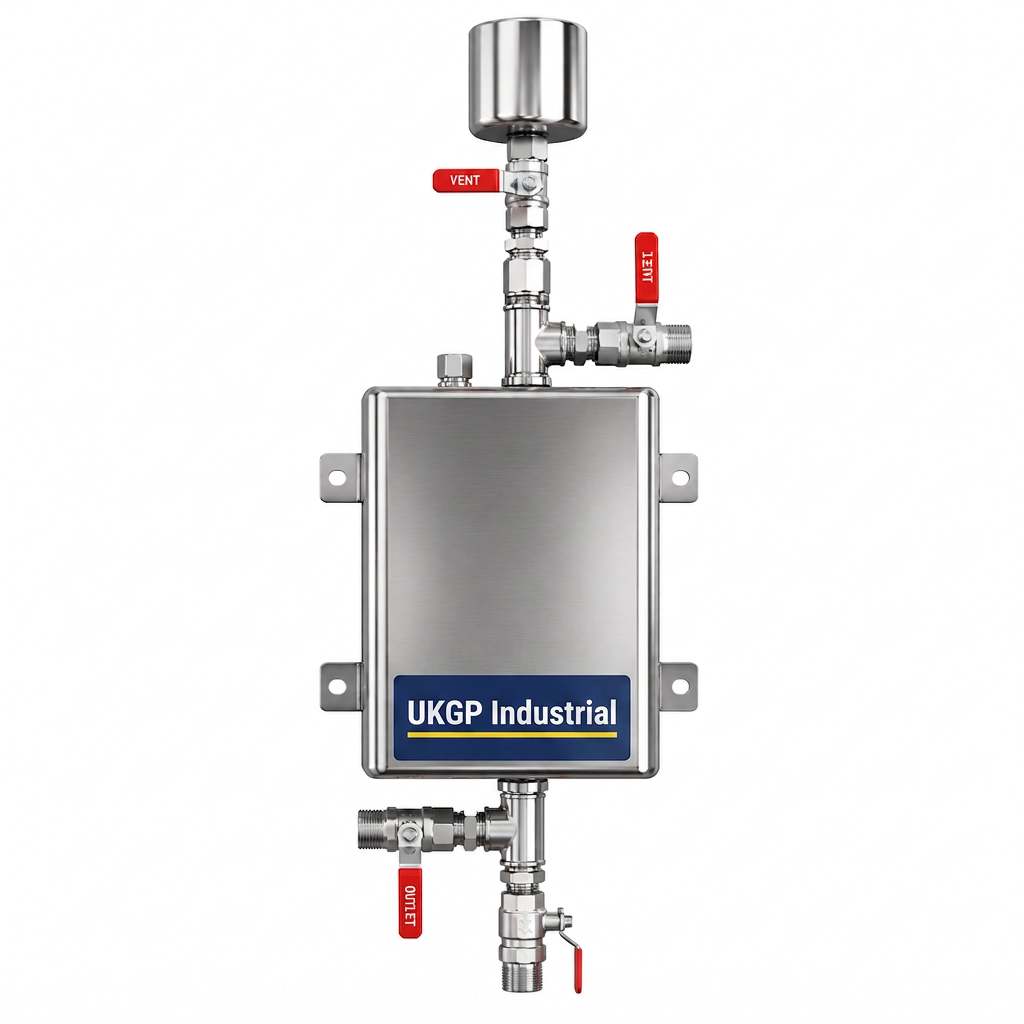
In many large-scale UK plant rooms, the ph sensor water monitoring point is strategically located near the low loss header or within a side-stream filtration skid. The low loss header acts as the hydraulic bridge between the primary and secondary circuits, making it an ideal location to sample the mixed system water. By monitoring the pH at this nexus, engineers can ensure that the water being distributed to the various zones of the building—from fan coil units to underfloor heating—is chemically stable and non-corrosive. This protects sensitive secondary equipment that may be more susceptible to debris or acidic attack than the heavy-duty primary boilers.
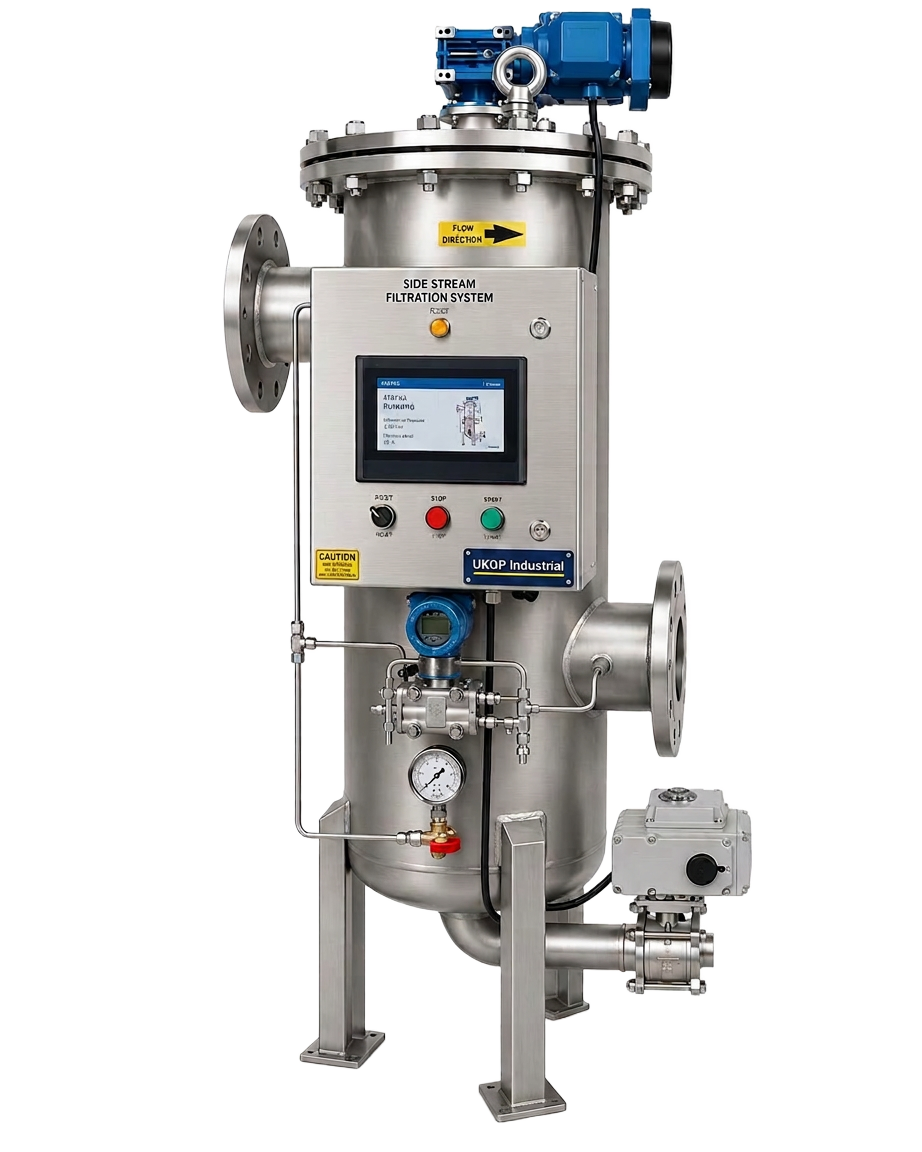
Side-stream filtration skids often incorporate ph sensor water detection as a standard feature to provide a comprehensive water quality management station. Filtering out suspended solids and magnetites down to sub-micron levels is only half the battle; ensuring the fluid remains at the correct pH prevents the further generation of these contaminants. When these two technologies work in tandem, the clarity and chemistry of the system fluid are maintained at an optimal level, significantly reducing the energy required for pumping and improving the heat transfer coefficient across the entire plant room. This holistic approach is recommended by leading commercial boiler manufacturers to ensure warranty compliance and peak efficiency.
Choosing the right location for your ph sensor water device ensures you get the most representative data. Avoid dead-legs or areas of low flow where chemical concentrations might not match the rest of the system. UKGP components, including our low loss headers and deaerators, are designed to facilitate the easy integration of such sensors. By professionalising your water treatment setup, you provide the M&E contractor with a clear success metric and the end-user with a reliable, long-lasting heating or cooling system. Contact our engineering desk today to discuss how we can integrate a pH sensor and transmitter into your next project’s skid or header design.
- Installation on low loss headers for representative mixed-water sampling
- Integration into side-stream filtration units for a total water health solution
- Protection of secondary circuit emitters through primary circuit monitoring
- Reduction in biofilm risk through pH-controlled biocide environments
- Enhanced system transparency for remote monitoring and predictive maintenance
Maintaining Your Ph Sensor Water Equipment
While industrial sensors are designed for durability, a routine maintenance schedule is required to ensure the ph sensor water readings remain accurate over time. Electrodes are consumable items that typically require replacement every 12 to 24 months, depending on the severity of the system fluid and the frequency of cleaning. Keeping the electrode bulb free from oil, grease, and scale is paramount. In systems with high levels of suspended solids, the sensor should be inspected monthly. UKGP provides a range of replacement probes that are compatible with our transmitters, ensuring that your monitoring system is never offline for long.
Recalibration of the ph sensor water setup should be performed using standard buffer solutions (usually pH 7.0 and pH 10.0 for HVAC systems). This process compensates for the natural 'drift' that occurs as the electrochemical probe ages. Because our transmitters are designed for industrial use, the calibration process is straightforward and can be completed by on-site maintenance staff or water treatment specialists. Proper care of the sensor prevents 'false positives' and ensures that chemical dosing pumps are not triggered unnecessarily, which can lead to the over-concentration of chemicals and potential damage to mechanical seals or bellows.
It is also important to inspect the M12 cable connections and the transmitter housing for any signs of water ingress or physical damage. Even with an IP68 rating, the integrity of the seals must be maintained during routine inspections. If you are experiencing inconsistent readings, it may be time to consult the UKGP technical team for an upgrade. Upgrading to a modern, factory-calibrated ph sensor water transmitter can often resolve long-standing issues with baseline drift. We recommend keeping a spare sensor kit on-site to minimize downtime during the annual service visit. Our team can provide a competitive quote for the UKGP pH sensor & transmitter kit, including all necessary cables and mounting accessories.
- Bi-annual calibration using certified buffer solutions for maximum accuracy
- Monthly visual inspection of the electrode in high-foulant systems
- Scheduled replacement of sensors to maintain 4-20 mA signal integrity
- Verification of cable integrity and IP68 seal performance
- Prompt replacement of electrodes showing signs of sluggish response times
Commercial Benefits of Real-Time Ph Monitoring
From a procurement and facility management perspective, the business case for a ph sensor water system is undeniable. The costs associated with an emergency boiler replacement or the re-piping of a commercial building far outweigh the modest investment in quality instrumentation. By preventing acidic corrosion, you extend the life of the primary plant by years, if not decades. This is particularly relevant in the context of ESG (Environmental, Social, and Governance) targets, as maintaining efficient heat transfer reduces energy consumption and the overall carbon footprint of the building operations. Real-time data allows for precise chemical usage, reducing waste and associated costs.
M&E contractors also benefit from reduced liability when a ph sensor water transmitter is installed. If a system failure occurs due to water chemistry, having a recorded history of pH levels can prove that the installation was maintained according to BSRIA BG50 standards and that the fault may lie with external factors or a lack of maintenance by the tenant. This transparent data sharing builds trust between the contractor and the end-user. UKGP Industrial is a specialist partner for the UK market, ensuring that our products meet all relevant British and European standards, including those for pressure vessels and instrumentation connectivity.
In conclusion, the deployment of a ph sensor water solution is a hallmark of a well-managed plant room. Whether you are a consultant specifying for a new district heating network or an FM managing a prestigious London office block, the need for accurate chemical data is the same. UKGP's pH sensor and transmitter (sensor, transmitter, M12 cable kit, 4-20 mA or Modbus, IP68, factory-calibrated, 2-year warranty) provides the industrial-grade reliability needed to protect your assets. Reach out to our Surrey-based team to discuss your specific site requirements and receive a comprehensive technical quote. Investing in precise measurement today ensures the operational continuity and thermal efficiency of your plant room for the future.
- Evidence-based maintenance to support insurance and warranty claims
- Lower total cost of ownership (TCO) for commercial boiler systems
- Improved energy efficiency through reduced scale and sludge build-up
- Reduced environmental impact through optimised chemical dosing
- Enhanced asset protection for high-value building services components
Frequently asked questions
What is the ideal ph sensor water reading for a heating system?
- For most UK commercial heating systems with mild steel components, a pH reading between 9.0 and 10.5 is ideal. This is consistent with BSRIA BG50 guidelines. For systems containing aluminium, a lower, more specific range (usually 8.0 to 8.5) is required to prevent amphoteric corrosion.
How often should a ph sensor water transmitter be calibrated?
- In a standard plant-room environment, we recommend calibrating your pH sensor every six months. If the system has high levels of contamination or biological activity, quarterly calibration may be necessary to ensure the 4-20 mA or Modbus output remains accurate.
Can I integrate the ph sensor water kit into my existing BMS?
- Yes. The UKGP pH transmitter provides a standard 4-20 mA analogue signal or Modbus RTU digital output, allowing for easy integration with almost all modern Building Management Systems for real-time monitoring and data logging.
Why is an IP68 rating important for a ph sensor water installation?
- Plant rooms can be damp and prone to leaks or high humidity. An IP68 rating ensures the transmitter is completely protected against dust and can withstand long-term immersion in water, preventing electronic failure and ensuring long-term reliability in harsh environments.
Is the ph sensor water probe compatible with glycol?
- Yes, our industrial electrodes are designed to operate in systems containing ethylene or propylene glycol. However, it is vital to monitor pH closely in these systems as glycol can degrade over time and become acidic, which the sensor will promptly detect.