Integrating an Industrial pH Sensor For Arduino in HVAC Systems
Specialist building services consultants are increasingly turning to open-source microcontrollers for bespoke facility management dashboards and early warning systems. When sourcing a pH sensor for Arduino projects in a commercial environment, the standard glass probes found in educational kits are fundamentally unsuitable for the high pressures and temperatures found in low loss headers or primary circuits. To achieve reliable data that aligns with BSRIA BG50 guidelines, engineers must specify an industrial-grade probe that can communicate with the Arduino via a 4-20 mA or Modbus interface. This ensures that the water quality data gathered is not only accurate but resilient enough to withstand the chemical additives and turbulent flows characteristic of major commercial heating networks.
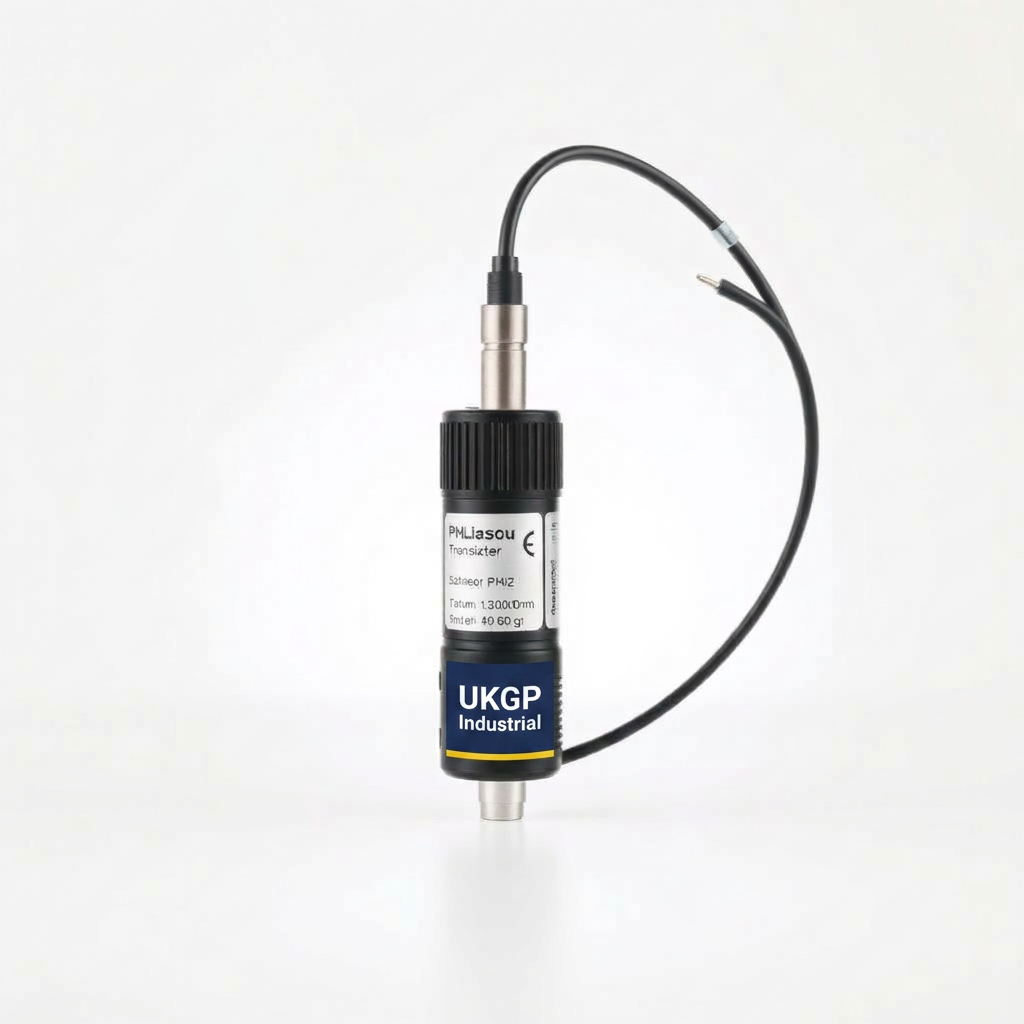
The primary challenge when deploying a pH sensor for Arduino in a mechanical room is signal interference and electronic noise. Industrial transmitters solve this by converting the millivolt signal from the pH probe into a stable current loop or digital signal. This allows the Arduino or a larger SCADA system to read the data over longer cable runs without the degradation typical of cheap hobbyist hardware. For HVAC systems involving closed-loop circuits, maintaining a constant pH reading is essential for preventing the corrosion of heat exchangers and carbon steel pipework. Utilizing high-quality components ensures that your custom-built monitoring rig provides actionable intelligence rather than false alarms, allowing for the proactive dosing of inhibitors and buffering agents as soon as levels deviate from the specified range of 9.0 to 10.5 for steel systems.
Choosing a pH sensor for Arduino that features a 2-year warranty and factory calibration provides the confidence required for commercial sign-off. Compliance with BS 8552 for water sampling requires rigorous data integrity, which can only be achieved if the frontend sensing element is designed for continuous immersion in pressurised systems. By utilising professional-grade transmitters with IP68 ratings, M&E contractors can build robust monitoring bridges that feed directly into a building's Energy Management System (EMS). This approach combines the flexibility of open-source programming with the reliability of UKGP industrial hardware, ensuring that the primary thermal assets of the building are monitored around the clock without the high costs of proprietary, closed-protocol monitoring suites.
- Ensure the pH sensor for Arduino supports 4-20 mA or RS485 Modbus for noise immunity.
- Select IP68 rated components to withstand humid plant room conditions.
- Verify the probe is rated for the system's operating pressure (typically up to 6 or 10 bar).
- Use factory-calibrated sensors to reduce commissioning time and human error.
Compliance with BSRIA BG29 and BG50 via Real-Time Monitoring
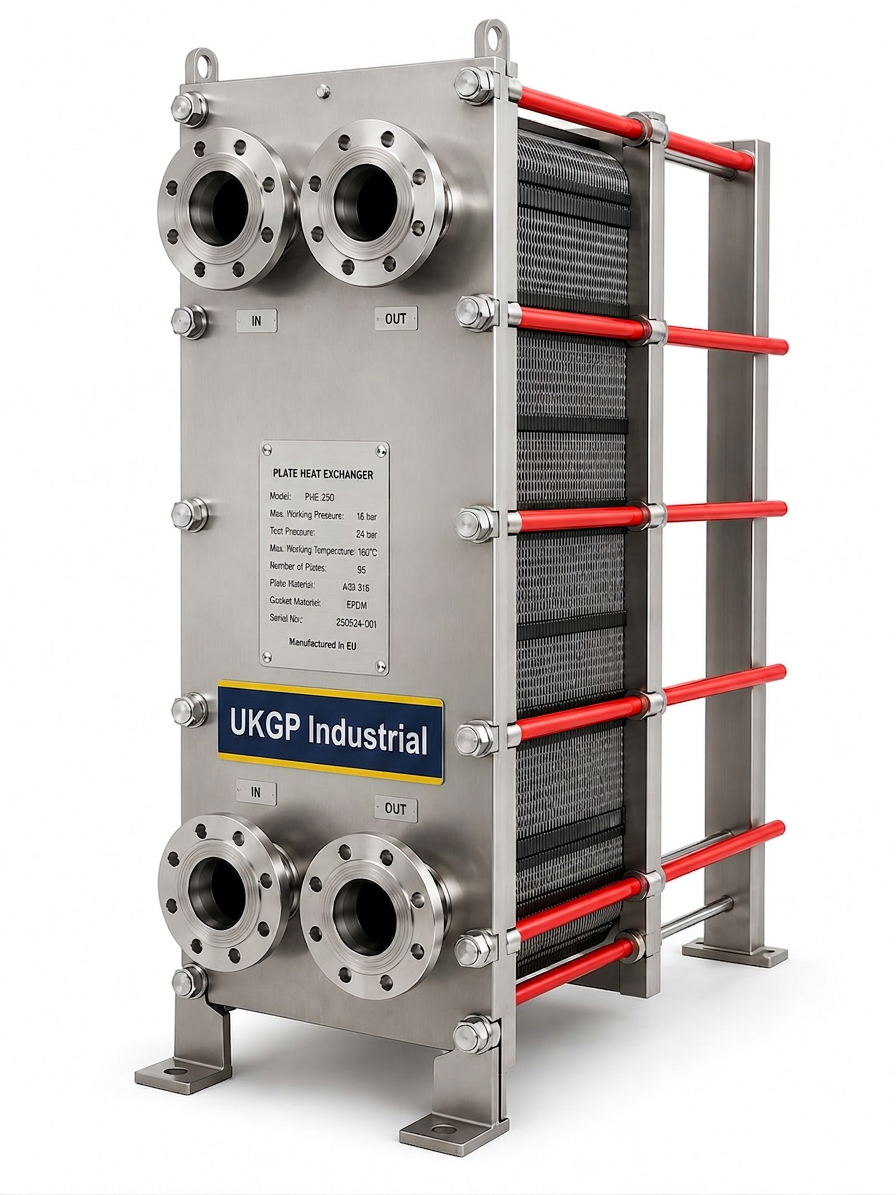
BSRIA BG29 and BG50 emphasize the necessity of monitoring water chemistry to prevent oxygen corrosion and microbial growth. A pH sensor for Arduino setup can serve as a cost-effective watchdog for these parameters, providing a 24/7 digital audit trail that manual testing simply cannot match. While manual sampling remains a requirement for periodic validation, an automated sensor provides the immediate notification required to prevent catastrophic pitting in plate heat exchangers or boiler tubes. When pH levels drop, the formation of magnetite and copper sludge accelerates, leading to blockages and reduced thermal efficiency across the entire distribution network, often resulting in expensive remedial flushing and chemical cleaning.
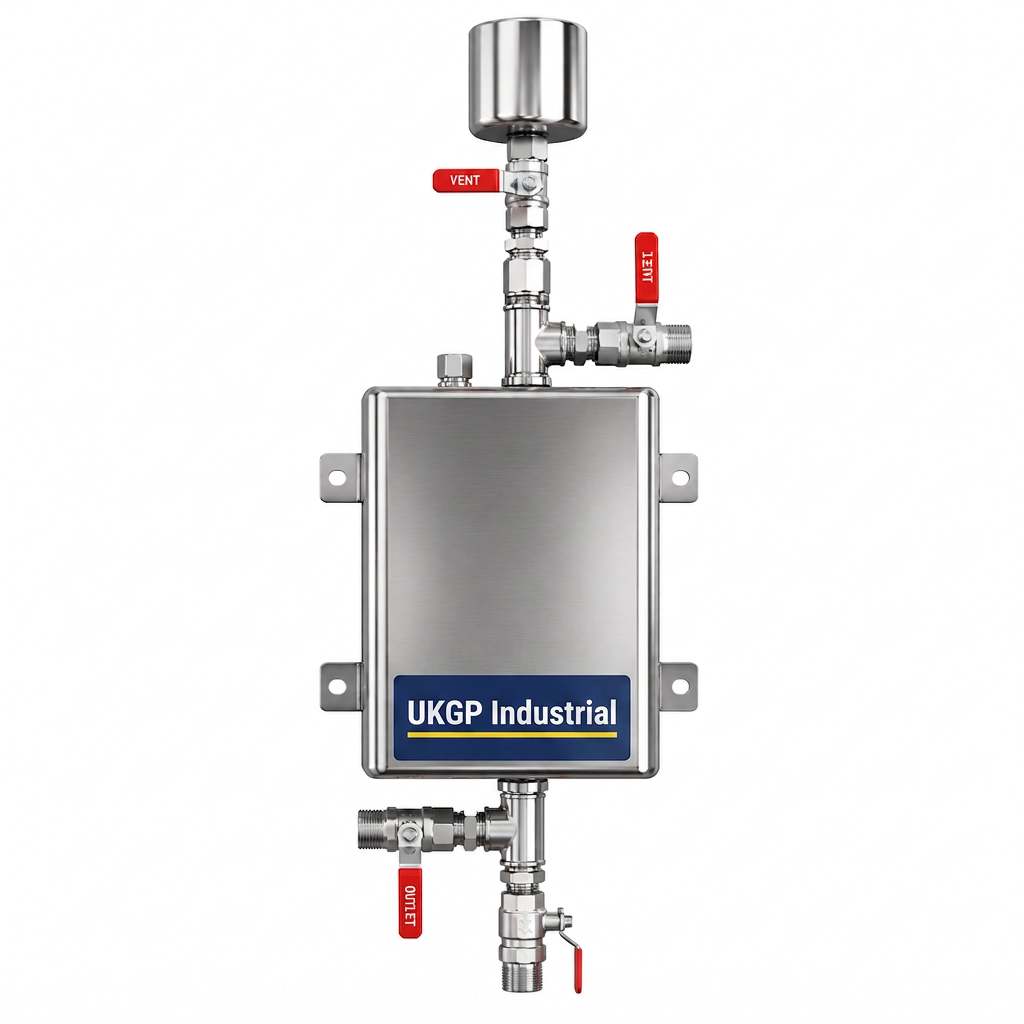
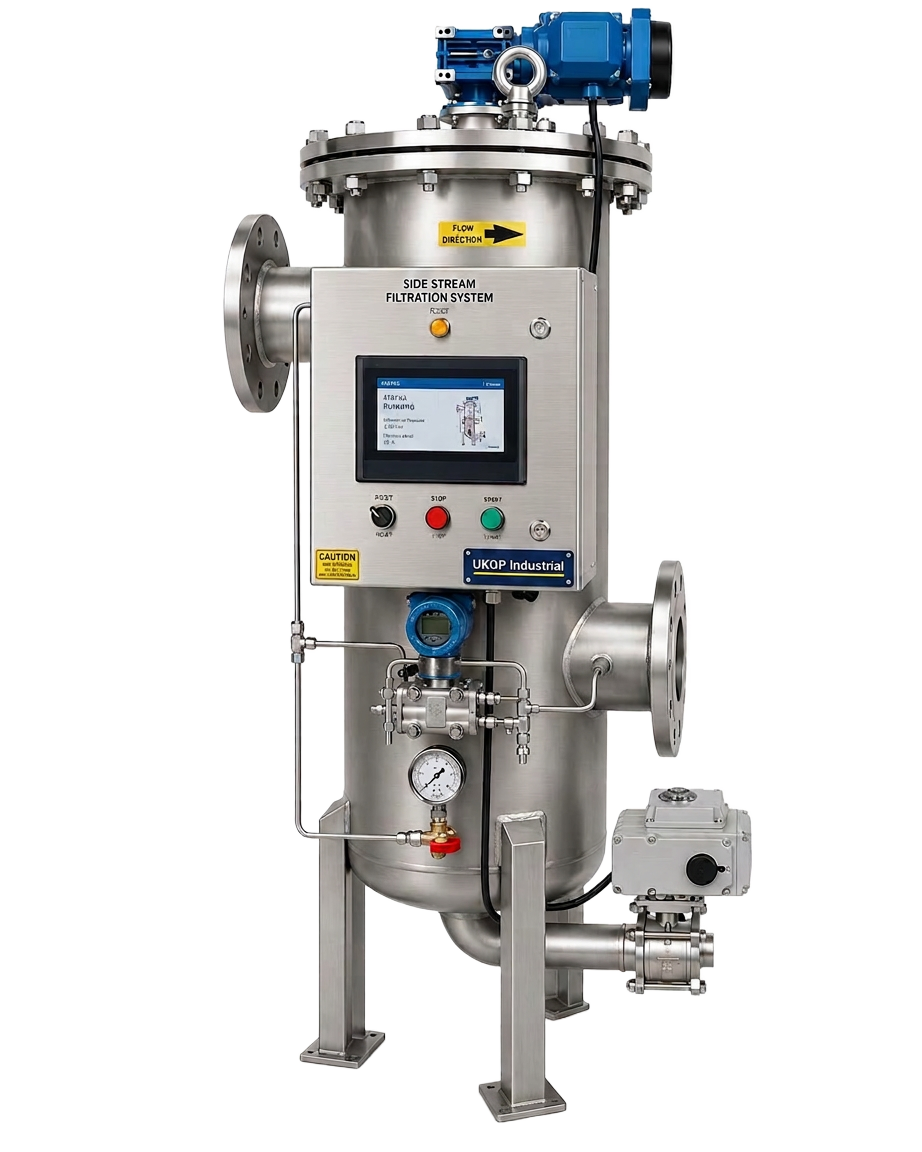
Modern facility managers are tasked with extending the life of capital assets while reducing energy consumption. A well-integrated pH sensor for Arduino allows for the optimization of chemical dosing pots by identifying exactly when the system chemistry is drifting. This data-driven approach prevents the over-dosing of chemicals, which is both environmentally responsible and cost-effective. By installing the sensor in a bypass or a side stream filtration loop, engineers can ensure that the probe is exposed to a representative flow of the system water, providing a constant stream of data that can be exported for monthly maintenance reports or O&M manuals. This level of detail is increasingly expected by commercial insurance providers and asset owners alike.
In large-scale developments, the use of a pH sensor for Arduino coupled with a high-spec transmitter ensures that the M&E contractor can demonstrate compliance during the critical post-commissioning phase. If the pH drops below the threshold defined by CIBSE, the Arduino can be programmed to trigger a BMS alarm or an automated dosing pump. This proactive stance on water quality management is a hallmark of professional facility maintenance and significantly reduces the risk of unplanned downtime. When specifying UKGP equipment, you are choosing a solution designed specifically for the rigors of the UK's commercial HVAC sector, backed by technical expertise and a focus on long-term system health and efficiency.
- Continuous tracking helps meet BSRIA water quality benchmarks.
- Automated alerts prevent the delay between sampling and laboratory results.
- Ideal for integrating with existing side stream filtration skids.
- Supports the green building agenda by optimising chemical usage.
Hardware Connectivity: Linking the Transmitter to the Microcontroller
To successfully connect a professional pH sensor for Arduino, the transmitter acts as the essential intermediary. The transmitter conditions the high-impedance signal from the pH probe and outputs a standard linear 4-20mA or 0-10V signal, or more commonly for modern loT applications, a Modbus RTU signal. For an Arduino, which natively handles 5V or 3.3V logic, a simple shunt resistor or an I2C-to-4-20mA converter is used to read the sensor data. This setup is far superior to connecting a raw electrode directly to a microcontroller’s analog pins, which often leads to erratic readings due to the lack of electrical isolation and grounding issues commonly found in large-scale mechanical plant rooms.
When designing the code for a pH sensor for Arduino, it is vital to account for temperature compensation (Automatic Temperature Compensation or ATC). Water pH is temperature-dependent, and the industrial transmitters supplied by UKGP often handle this calculation internally or provide a separate PT100/PT1000 temperature output. This ensures that the reading remains accurate regardless of whether the system is sitting at ambient temperature during a shutdown or at full operating temperature. Using the UKGP M12 cable kit simplifies the wiring process, providing a secure, vibration-proof connection that is essential for long-term reliability in the proximity of circulating pumps and heavy machinery.
Finally, the mechanical installation of the pH sensor for Arduino is just as critical as the software. The probe should be mounted in a location with constant flow but away from areas of excessive air accumulation, such as near air & dirt separators. Many engineers choose to install the industrial pH sensor within a bypass line, allowing for easy isolation and calibration without shutting down the entire heating circuit. This modular approach to design allows for the pH sensor for Arduino based monitoring station to be serviced or upgraded without interrupting the vital heat supply to the building’s inhabitants, maintaining both comfort and operational uptime.
- Utilise a 250-ohm resistor for 4-20mA to 1-5V conversion for Arduino analog pins.
- Always use shielded cables to prevent EMI from variable speed drives.
- Ensure the Arduino is powered by a stable, isolated DC power supply.
- Incorporate a calibration routine in the code to handle periodic probe maintenance.
The Value of Factory Calibration and Long-Term Warranty
Specifying a pH sensor for Arduino that comes factory-calibrated is a significant advantage for on-site engineers. Calibration of pH probes requires precision buffer solutions and can be time-consuming when performed in a cramped plant room. A pre-calibrated unit allows for immediate installation and verification, ensuring that the project remains on schedule during the busy commissioning phase. UKGP provides a 2-year warranty on our industrial sensor kits, reflecting our confidence in the durability of our components. This level of support is rarely available with low-cost consumer electronics, making our kit the preferred choice for professional M&E contractors who need a reliable pH sensor for Arduino based projects.
Beyond the initial setup, the longevity of a pH sensor for Arduino is determined by the quality of its reference junction and electrolyte. Industrial sensors use porous PTFE or ceramic junctions that are resistant to fouling by suspended solids and magnetite. In commercial heating systems, where water can be dark with corrosion by-products, a standard probe would fail within weeks. Our industrial solution is designed to handle these conditions, providing months of maintenance-free operation. This durability ensures that the total cost of ownership is far lower than using cheaper alternatives that require frequent replacement and recalibration, ultimately protecting the profit margins of the maintenance contract.
Moreover, the output from a UKGP transmitter is designed to be compatible with a wide range of secondary devices. While you may start with a pH sensor for Arduino for a trial or bespoke solution, the same sensor and transmitter can later be integrated into a professional PLC or Building Management System if the requirements change. This future-proofing is essential for modern commercial properties where systems are frequently updated or expanded. Requesting a quote for a UKGP industrial pH sensor & transmitter kit ensures you receive a commercial-grade product comprising the sensor, transmitter, M12 cable, and the choice of 4-20 mA or Modbus connectivity, all in a rugged IP68 enclosure.
- Factory calibration guarantees accuracy from the moment of installation.
- Two-year warranty provides peace of mind for long-term maintenance contracts.
- Rugged junction design resists fouling from system debris and magnetite.
- Compatible with Arduino, ESP32, Raspberry Pi, and industrial PLCs.
Protecting Critical Assets: Low Loss Headers and Boilers
The installation of a pH sensor for Arduino is often focused on protecting the most expensive components in the plant room, such as the boilers and low loss headers. Low loss headers are critical for hydraulic separation, but they can also act as a collection point for sediment if the water chemistry is not managed. By monitoring the pH at this junction, engineers can ensure that the water in both the primary and secondary loops remains within the non-corrosive range. If the pH sensor for Arduino detects a drop below 8.2, it can signal the need for an immediate inspection of the cathodic protection or the chemical levels, preventing the thin-walled heat exchangers in modern boilers from failing prematurely.
Corrosion in commercial systems is often a silent killer of efficiency. Even a thin layer of scale or corrosion on a heat transfer surface acts as an insulator, forcing the burners to work harder and increasing gas consumption. By using a pH sensor for Arduino to trigger an early warning, facility managers can maintain the peak performance of the system as designed by the consulting engineers. This is particularly important in systems that utilise multi-metal components, such as aluminium heat exchangers alongside copper and steel, where the pH must be tightly controlled to prevent the dissolution of the amphoteric aluminium oxide layer, which typically occurs if the pH exceeds 8.5 in those specific configurations.
Integrating water quality sensors into the heart of the mechanical system reflects a shift toward 'smart' plant rooms. A pH sensor for Arduino represents a cost-effective entry point into IoT-enabled maintenance. When combined with other UKGP products like air & dirt separators and chemical dosing pots, you create an entire ecosystem designed to preserve water quality. We encourage all engineers to invest in professional-grade sensing equipment to ensure their bespoke monitoring projects deliver the high-fidelity data required for the sophisticated management of modern HVAC infrastructure. Our technical team is available to help you select the right transmitter and sensor combination for your specific Arduino or PLC integration requirements.
- Monitors pH to protect sensitive aluminium and stainless steel heat exchangers.
- Reduces the risk of sediment buildup in low loss headers.
- Integrates seamlessly with broader water treatment strategies.
- Provides the data needed to justify proactive maintenance spend.
Technical Specifications and Installation Best Practices
When finalizing your pH sensor for Arduino project, pay close attention to the electrical isolation. Many plant rooms suffer from ground loops which can significantly offset a pH reading. A professional transmitter provides the galvanic isolation necessary to separate the sensor's electrochemical cell from the Arduino's power rail. Our UKGP kits are supplied with M12 cable kits that simplify the wiring and ensure a solid connection that is resistant to the heat and vibration often found near circulation pumps. By adhering to these best practices, you ensure that your monitoring system provides the reliable, repeatable data that is expected in professional building services applications across the UK.
Maintenance is the final pillar of a successful pH sensor for Arduino deployment. While our industrial probes are built for longevity, all pH sensors eventually require cleaning and recalibration. By software-programming a 'maintenance due' alert into your Arduino, you can ensure that the probe is inspected according to a set schedule, typically every six months. Using the 4-20 mA or Modbus output allows for easy diagnostic checking; for instance, if the signal drops to 3.8 mA, the Arduino can quickly identify a wire break or sensor failure and alert the maintenance team immediately via SMS or email, depending on your communication hardware.
Ultimately, the goal of using an industrial pH sensor for Arduino is to bridge the gap between high-level data requirements and affordable, custom implementation. At UKGP, we provide the industrial-grade sensors and transmitters that make this possible. Our kits include everything needed for a professional installation: the sensor, the transmitter, the M12 cable, and a comprehensive 2-year warranty. Contact our Surrey-based technical team today to discuss your project and request a quote for our factory-calibrated pH sensor & transmitter kits, and join the growing number of UK engineers who are taking control of their building's water chemistry with precision technology.
- Always implement galvanic isolation for accurate readings.
- Use M12 connectors for IP68-rated moisture protection.
- Program automated maintenance alerts based on operating hours.
- Ensure the probe is positioned in a representative flow path for accurate data.
Frequently asked questions
Can I use a cheap pH sensor for Arduino in a commercial heating system?
- Hobbyist pH sensors are not designed for the temperature, pressure, or chemical environment of a commercial plant room. For accuracy and safety, you must use an industrial-grade pH sensor for Arduino with a 4-20 mA or Modbus transmitter that can handle the system's operating conditions (up to 10 bar) and provide reliable data compliant with BSRIA BG50.
How do I connect the UKGP pH transmitter to an Arduino?
- Our transmitters typically output a 4-20 mA or Modbus RTU signal. For 4-20 mA, you can use a 250-ohm precision resistor to convert the current into a 1-5V signal readable by the Arduino's analog input. For Modbus, an RS485-to-TTL shield is required, allowing the Arduino to read digital data directly from the transmitter for higher precision over long distances.
Why is factory calibration important for a pH sensor for Arduino?
- Factory calibration ensures the sensor is accurate straight out of the box, saving significant time on-site. Commercial projects require high levels of data integrity; using a factory-calibrated UKGP sensor guarantees that your initial water quality readings are correct, which is essential for establishing a baseline for BSRIA BG29 compliance.
What is the lifespan of an industrial pH sensor in an HVAC system?
- While conditions vary, an industrial pH sensor for Arduino from UKGP is designed for long-term immersion. With periodic cleaning and recalibration, these probes typically last 12-24 months in a typical heating system, depending on the levels of suspended solids and the frequency of chemical dosing. Our sensors also come with a 2-year warranty for peace of mind.
How does pH monitoring prevent boiler failure in UK commercial systems?
- Maintaining a pH between 9.0 and 10.5 (for steel-based systems) prevents the formation of corrosive magnetite and pitting. By using a pH sensor for Arduino to monitor these levels in real-time, you can be alerted the moment water chemistry drifts, allowing for immediate corrective action before expensive components like heat exchangers or low loss headers are damaged.