The Role of a ph sensor aquarium in HVAC Systems
In the UK building services sector, the term ph sensor aquarium often refers to the high-precision electrochemical probes required to monitor delicate aquatic environments, which share significant technical DNA with the sensors needed for commercial heating and cooling circuits. While a hobbyist device lacks the robust housing required for a plant room, the underlying technology of an industrial-grade ph sensor aquarium probe is what ensures accurate H+ ion detection in treated water. Maintaining a stable pH level, typically between 8.2 and 10.0 for steel systems, is critical to preventing the formation of magnetite and localized pitting corrosion. Engineers must recognize that while the terminology originates in aquatic life support, the industrial application demands much higher pressure ratings and integration capabilities.
Choosing a ph sensor aquarium specification that meets industrial standards allows for real-time data logging, which is a significant step up from manual titration or litmus testing performed during monthly maintenance visits. When integrated into a Building Management System (BMS), these sensors provide an early warning system against acid-induced corrosion or over-dosing of alkaline chemicals. This proactive approach is exactly what BSRIA BG50:2021 recommends for the proactive monitoring of water quality in closed-loop systems. By utilizing a high-specification sensor, facility managers can extend the life of expensive assets like plate heat exchangers and commercial boiler heat cells, which are highly sensitive to fluctuations in water chemistry and acidity.
For M&E contractors, the installation of a ph sensor aquarium grade device within a bypass or side-stream loop provides the necessary telemetry to prove that the system is operating within the design parameters agreed upon at the commissioning stage. This is particularly important when handing over a new build where BG29 pre-commission cleaning has just been completed. A drop in pH can indicate bacterial activity or atmospheric ingress, both of which can lead to catastrophic system failure if left unchecked. Therefore, selecting a sensor kit that includes a transmitter, M12 cable, and factory calibration is the most efficient way to ensure a compliant and durable installation that stands up to the rigors of a commercial plant room environment.
- Continuous monitoring versus periodic manual sampling
- Alignment with BSRIA BG50 water quality management protocols
- Early detection of glycol degradation in chilled water circuits
- Prevention of acidic corrosion in mixed-metal HVAC systems
Technical Specifications for Industrial pH Monitoring
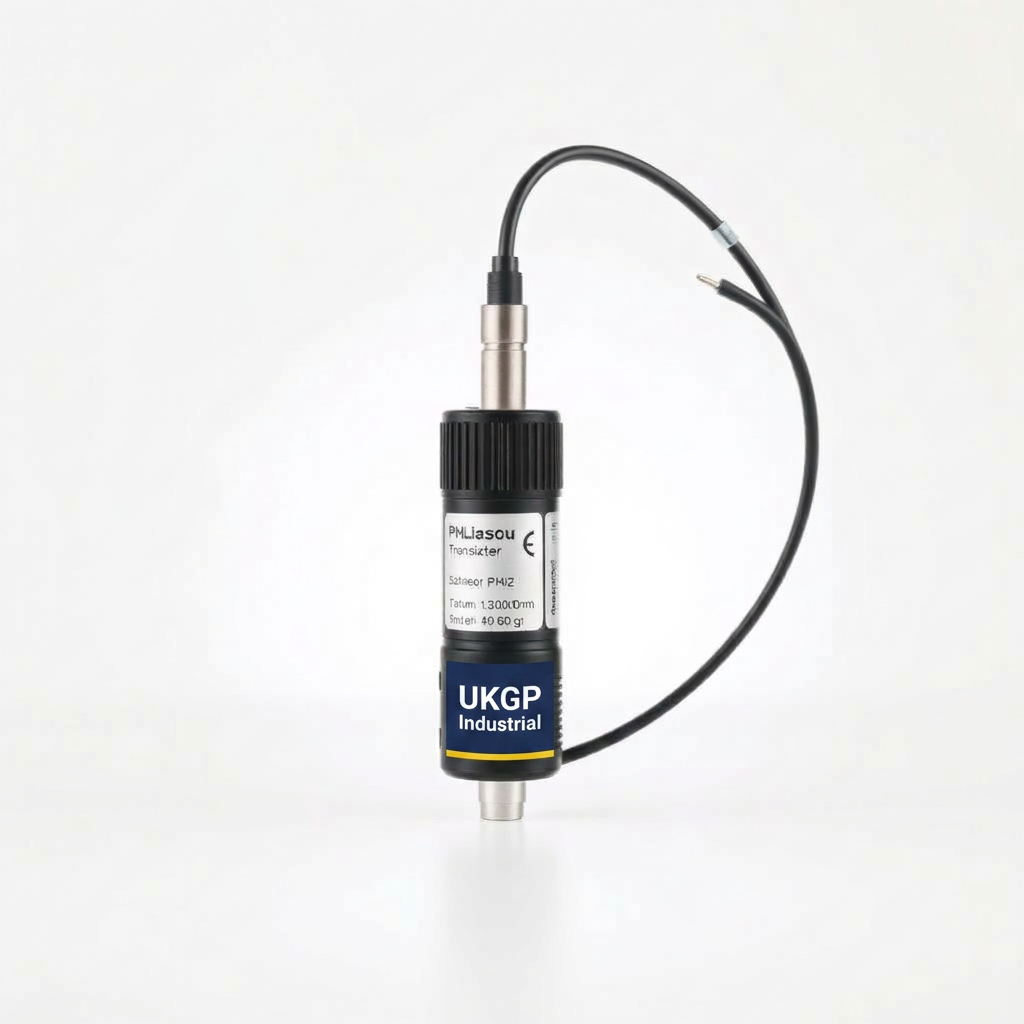
When procurement leads look for a ph sensor aquarium equivalent for industrial use, they must focus on the durability of the housing and the reliability of the signal output. Our industrial pH sensor and transmitter kits provide a significant upgrade over consumer electronics, offering an IP68-rated enclosure that is impervious to the humid and often dusty conditions found in a basement plant room. Unlike basic sensors, our units come with a 2-year warranty and are factory-calibrated to ensure they are ready for immediate deployment upon arrival on-site. This level of reliability is essential for contractors who cannot afford frequent return visits to recalibrate drifting sensors in mission-critical environments like data centers or hospitals.
The integration of a ph sensor aquarium style probe into an industrial transmitter allows for the conversion of high-impedance millivolt signals into a robust 4-20 mA or Modbus loop. This is a technical requirement for any modern HVAC installation, as it allows the sensor to communicate directly with the BMS or a local PLC over long cable runs without signal degradation. The inclusion of a high-quality M12 cable kit simplifies the wiring process, reducing the risk of installation errors that can occur with traditional screw terminals in tight spaces. For engineers, having a factory-calibrated system means that the 'out-of-the-box' accuracy is guaranteed, providing peace of mind during the critical initial phases of system stabilization and chemical balancing.
Furthermore, the chemical resilience of our sensors allows them to withstand the high temperatures and pressure fluctuations common in commercial heating circuits. While a standard ph sensor aquarium probe might fail under the thermal stress of a 120°C flow temperature, our industrial equivalents are designed to operate consistently in pressurized loops. This durability ensures that the data being fed back to the maintenance team is accurate and actionable. By investing in a high-quality transmitter and sensor kit, operators can avoid the costs associated with premature component replacement and emergency chemical dosing, leading to a much lower total cost of ownership over the lifecycle of the building's mechanical services.
- IP68 rated sensors for maximum environmental protection
- Dual output options: 4-20 mA or Modbus for BMS integration
- Factory-calibrated probes for immediate, accurate deployment
- Comprehensive 2-year warranty on all transmitter components
Maintaining Chemical Balance with Dosing Pots
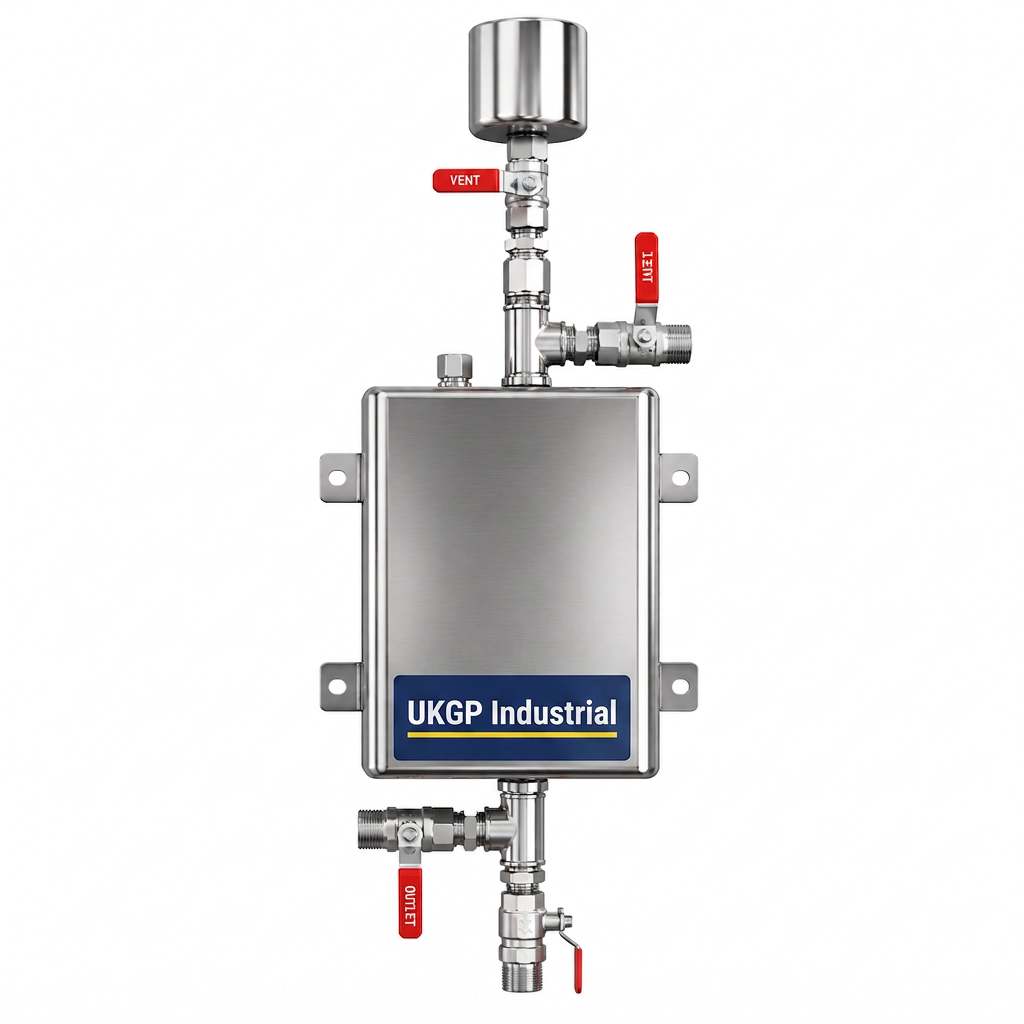
To effectively react to the data provided by a ph sensor aquarium, plant rooms must be equipped with the means to adjust water chemistry. Chemical dosing pots are the primary vehicle for introducing inhibitors or pH adjusters into the system without interrupting the flow or introducing significant amounts of oxygen. When the pH sensor identifies a downward trend in alkalinity, the engineer can safely introduce the required chemicals through the dosing pot. This manual yet controlled intervention is a staple of UK HVAC maintenance and ensures that the system remains within the chemical parameters specified by the boiler and chiller manufacturers, protecting the internal surfaces from corrosive attacks.
The synergy between real-time monitoring and controlled chemical introduction cannot be overstated. Without a reliable ph sensor aquarium probe, dosing often becomes a matter of guesswork or is only addressed during annual service intervals. This reactive approach can allow weeks or months of hidden corrosion to occur, leading to the accumulation of sludge and blocks. By using a dosing pot alongside a continuous sensor, the maintenance team can maintain the 'buffering' capacity of the system fluid. High-quality dosing pots, manufactured from stainless steel or heavy-duty carbon steel, provide a long-lasting solution for this essential task, ensuring that chemical treatment is both safe for the operator and effective for the system.
Choosing UKGP dosing pots ensures that the equipment meets all relevant pressure vessel standards while providing ease of use for the site engineer. Our dosing pots feature robust valves and clear labeling, making the process of additive introduction straightforward. When used in conjunction with a pH transmitter, the dosing pot becomes part of a calculated water treatment strategy that prioritizes system health and energy efficiency. Well-balanced water requires less pumping energy and facilitates optimal heat transfer across the surfaces of heat exchangers and emitters, directly contributing to the building's overall sustainability goals and reduced carbon footprint.
- Controlled introduction of inhibitors and pH buffers
- Compatible with all major water treatment chemical brands
- Robust construction suitable for high-pressure plant rooms
- Reduces the risk of oxygen ingress during chemical additions
Integration with Side Stream Filtration
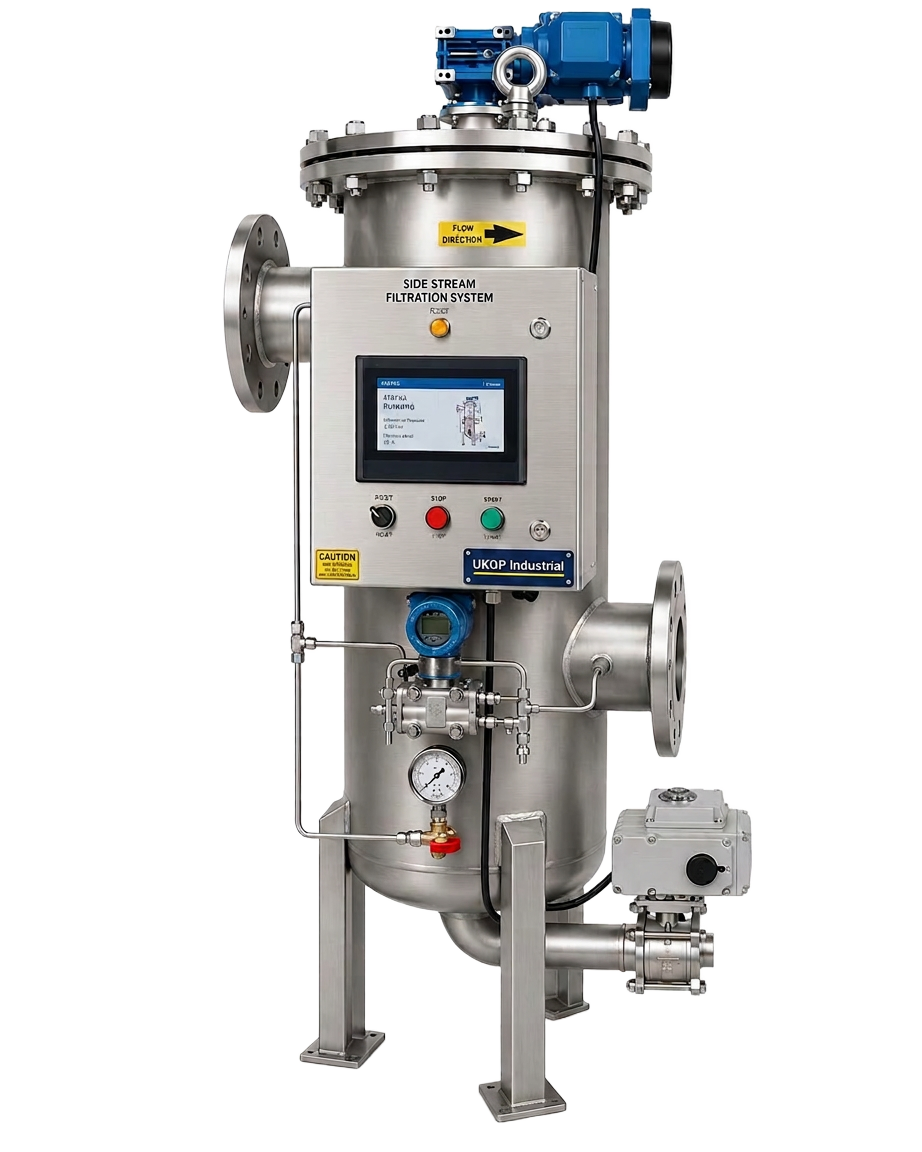
In many modern UK plant rooms, the data from a ph sensor aquarium is used to validate the performance of side-stream filtration skids. As water passes through the filtration media, its chemistry can change, particularly if it is being treated for bacterial contamination. By placing a pH sensor in the downstream path of the filtration unit, engineers can ensure that the water being returned to the main circuit is within the desired specifications. This is particularly relevant when dealing with systems that have previously suffered from high levels of suspended solids or 'black muck' (magnetite), which can often disguise the true pH value of the underlying fluid.
The use of side-stream filtration in conjunction with a ph sensor aquarium enables a granular look at the health of the loop. If the pH begins to drop despite frequent filtration, it may indicate a deeper systemic issue, such as a failing expansion vessel membrane or a leak that is causing excessive make-up water to enter the system. Fresh water brings with it dissolved oxygen and minerals that can quickly shift the pH away from its protected state. Continuous monitoring allows for these issues to be identified long before they manifest as cold spots in radiators or failed circulating pumps. It is this level of technical oversight that separates modern facility management from traditional, less efficient practices.
We recommend that all side-stream filtration installations include a dedicated port for a pH sensor and transmitter. This allows for a 'one-stop' monitoring station where both physical filtration and chemical balance can be managed. For procurement leads, specifying these components together as a package ensures compatibility and simplifies the supply chain. At UKGP, we provide the technical support required to integrate these sensors into your existing or new-build infrastructure, ensuring that your plant room is fully compliant with BS 8552 and BSRIA standards. Providing accurate, reliable data is the only way to guarantee that the investment made in high-end filtration is actually delivering the protected environment the system requires.
- Validation of water quality post-filtration
- Detection of system leaks via pH fluctuations
- Improved oversight for facilities management teams
- Support for compliance with BS 8552 sampling protocols
The Impact of pH on Plate Heat Exchangers
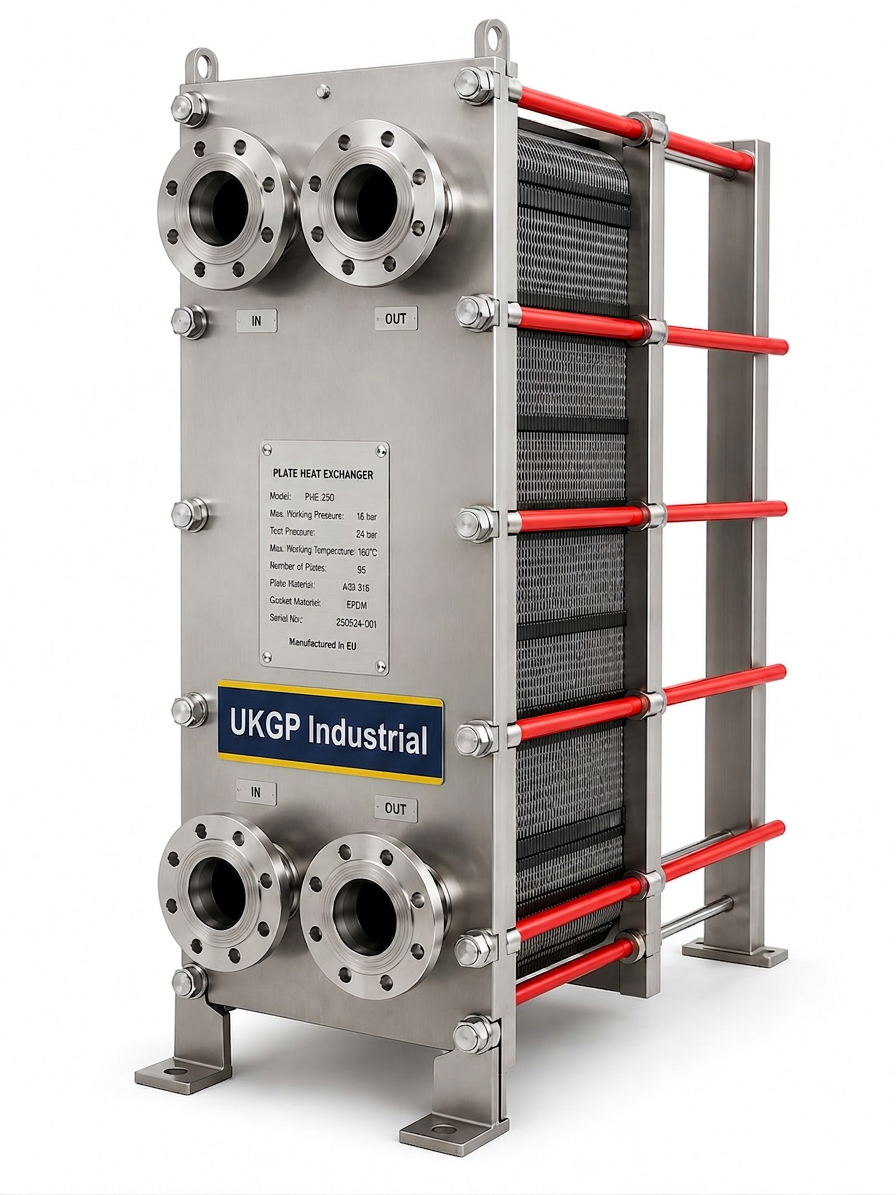
Plate heat exchangers (PHEs) are among the most sensitive components in an HVAC system when it comes to water chemistry. The narrow channels within a PHE are prone to both scaling and corrosion if the pH is not strictly controlled using a ph sensor aquarium grade monitor. If the water becomes too acidic (low pH), the metallic plates can undergo rapid thinning, leading to cross-contamination between the primary and secondary circuits. Conversely, if the pH is too high in the presence of certain minerals, scaling can occur, which dramatically reduces the heat transfer efficiency and increases the pressure drop across the unit, forcing pumps to work harder and wasting energy.
Using a ph sensor aquarium transmitter to maintain a consistent pH level ensures that the protective oxide layers on the plates remain intact. Modern PHEs often utilize thin-gauge stainless steel to maximize thermal conductivity, but this makes them less tolerant of chemical imbalances than the cast iron boilers of the past. For contractors, installing a high-quality pH sensor is a form of insurance against the premature failure of these expensive units. It allows for the fine-tuning of the water treatment regime to suit the specific metals present in the heat exchanger, whether they be 316 stainless steel, titanium, or copper-brazed alloys, each of which has a specific 'passivation' range.
At UKGP, we understand that the longevity of our plate heat exchangers is directly linked to the quality of the water circulating through them. By providing a comprehensive ph sensor aquarium kit alongside our PHE range, we offer a complete solution for thermal management and system protection. Facility managers can monitor the health of their heat transfer surfaces in real-time, receiving alerts via their BMS if the pH deviates from the setpoints. This level of control is essential for maintaining the operational efficiency of the building and avoiding the significant costs and downtime associated with cleaning or replacing fouled or corroded plate packs.
- Protects thin-gauge plates from localized corrosion
- Optimizes heat transfer by preventing scale build-up
- Reduces energy consumption through improved efficiency
- Extends the service life of both brazed and gasketed PHEs
Best Practices for pH Sensor Installation and Care
Proper installation is key to getting the most out of a ph sensor aquarium device in a commercial setting. The sensor should be installed in a location where it is always submerged in the process fluid, even during periods of low flow, to prevent the reference electrode from drying out. Using a bypass loop with isolation valves allows for easy removal of the sensor for cleaning and recalibration without needing to drain down the entire system. Our M12 cable kits make disconnection simple, and the industrial transmitter provides a clear local display of the pH value, which is invaluable for on-site engineers during their routine plant room inspections.
Maintenance of a ph sensor aquarium probe typically involves monthly cleaning of the glass membrane to remove any accumulation of biofilm or scale that could sluggish the response time. Calibration should be checked every 3 to 6 months using standard buffer solutions, although our factory-calibrated units provide a highly stable baseline that minimizes the need for frequent adjustment. Because our sensors are designed for industrial use, they are much more robust than consumer-grade alternatives, yet they still require the care and attention that any precision measurement instrument deserves to ensure the data remains accurate over its multi-year lifespan.
When you choose our industrial pH sensor and transmitter, you are investing in a 2-year warranty and a product designed specifically for the UK building services market. Whether you are an FM looking to upgrade a legacy system or a consultant specifying for a new Tier 3 data center, the accuracy and reliability of our pH monitoring solutions will help you meet your targets for system uptime and efficiency. Contact our Surrey-based technical team today to request a quote or to discuss how our factory-calibrated sensors can be integrated into your next project to ensure full BSRIA and CIBSE compliance.
- Mount in a bypass loop for easy maintenance access
- Ensure the sensor remains wet to prevent electrode failure
- Utilize M12 cable kits for secure, rapid connections
- Periodic calibration ensures long-term data integrity
Frequently asked questions
Can a ph sensor aquarium probe be used in high-temperature heating systems?
- While the technology is similar, only industrial-grade sensors designed for HVAC can handle the temperatures and pressures found in plant rooms. Our sensors are built for these environments and come with a 2-year warranty.
What is the benefit of a 4-20 mA or Modbus output for pH monitoring?
- These outputs allow the pH sensor to communicate directly with a Building Management System (BMS), providing continuous data logging and automated alerts, which is essential for BSRIA BG50 compliance.
How often should an industrial ph sensor aquarium grade probe be calibrated?
- We recommend checking the calibration every 3-6 months. Our units are factory-calibrated to ensure they are accurate from day one, but regular checks maintain the integrity of your water quality data.
Does the pH sensor kit include everything needed for installation?
- Yes, our UKGP kits include the sensor, the transmitter, and a high-quality M12 cable kit, ensuring a complete and professional installation for any commercial plant room.
Why is pH monitoring important for plate heat exchangers?
- Incorrect pH levels can cause rapid corrosion or scaling in the narrow channels of a heat exchanger. Monitoring ensures water stays within the safe range, protecting the unit and maintaining efficiency.