The anatomy of a durable ph probe
In a busy industrial plant room, the durability of your analytical equipment is paramount. A ph probe designed for industrial use must be significantly more robust than laboratory alternatives, often featuring reinforced glass or composite bodies and high-pressure ratings. When choosing a ph probe, engineers must transition from simple measurement to reliable process control. This involves selecting sensors that can handle fluctuations in temperature and pressure without losing calibration or suffering from electrode poisoning. By sourcing from a UK specialist, you ensure that the materials used are compatible with common chemical treatments like corrosion inhibitors and biocides often found in closed-loop systems. A reliable sensor acts as the frontline of your water treatment strategy, preventing the acidic drift that leads to oxygen-facilitated corrosion.
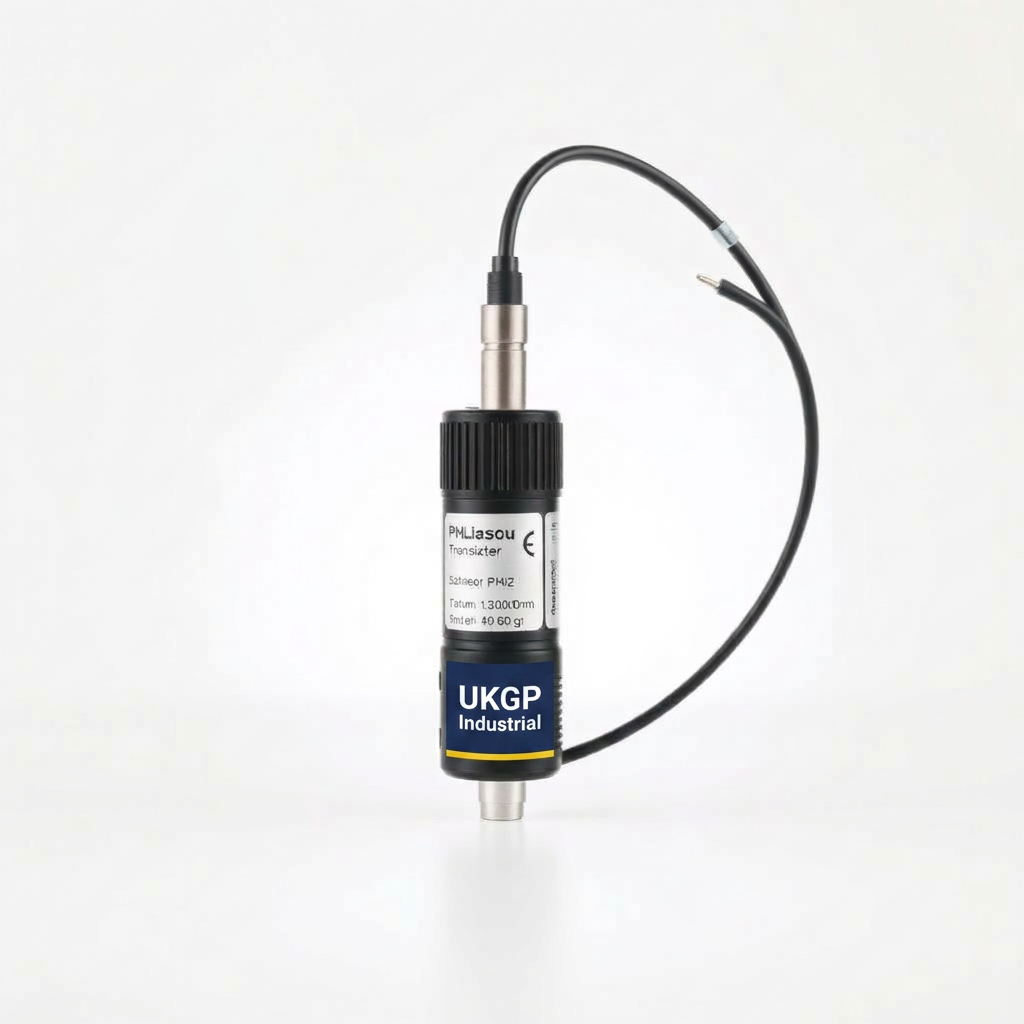
Precision in measurement is not just about the electrode; it is about the integration of the transmitter and cabling. An industrial ph probe requires a high-impedance signal path that is shielded from the electromagnetic interference common in commercial plant rooms where VFDs and large pumps operate. Our UKGP solution addresses this by providing a complete sensor and transmitter kit designed for the rigours of modern building services. The transmitter converts the low-voltage differential from the probe into a robust industrial signal, such as a 4-20 mA loop or Modbus RTU, which can be easily monitored via a BMS. Using an M12 cable kit simplifies installation and reduces the risk of moisture ingress at the connection point, which is a frequent cause of signal failure in traditional screw-terminal setups.
Choosing a factory-calibrated ph probe can save hours of commissioning time for M&E contractors. While many standard probes require a lengthy multi-point calibration process on-site using buffer solutions, industrial-grade units often arrive ready to install. This is particularly beneficial when meeting tight handover deadlines for BSRIA BG29 pre-commissioning cleaning. The ability to trust the factory data means that procurement leads can be confident in the initial system readings, ensuring that the water chemistry is balanced correctly before the main plant assets are brought online. Long-term reliability is further bolstered by choosing sensors with IP68 ratings, ensuring that even in the damp or flooded conditions sometimes found in basements, the instrumentation continues to provide accurate, real-time data to the facilities management team.
- High-pressure glass or composite body for industrial resilience
- M12 cable connectivity to prevent moisture ingress at the terminal
- Shielded cabling to mitigate electromagnetic interference from plant equipment
- Factory-calibration to streamline on-site commissioning and BSRIA compliance
Compliance with BG50 and BS 8552
Building services consultants must adhere to BSRIA BG50 'Water treatment for closed heating and cooling systems' to ensure the longevity of heat networks. A key component of this standard is the continuous monitoring of pH levels to prevent the corrosive effects of low pH water on ferrous metals. Selecting a ph probe that provides continuous 4-20 mA output allows FMs to track trends over time rather than relying on manual dip-testing. Manual samples, as outlined in BS 8552, are essential for validation, but they only provide a snapshot. An online ph probe offers a dynamic view of the system, catching sudden drops in pH that could indicate microbiological activity or a breakdown in the protective chemical film, allowing for immediate corrective action via chemical dosing.
The consequences of ignoring pH monitoring are severe, including localized pitting corrosion and the formation of magnetite sludge. When the ph probe detects a deviation from the recommended range of 9.0 to 10.5 for steel-based systems, it serves as a trigger for maintenance. This proactive approach is cited as a best practice in CIBSE guides to avoid costly remedial cleaning or premature replacement of expensive plant components. By integrating a dedicated transmitter with the probe, data can be historized, providing an audit trail for insurers and asset owners that the system has been maintained within specified water chemistry bounds. This data-driven approach is increasingly required for modern commercial developments aiming for high sustainability ratings and lower lifecycle costs.
When designing a system that meets these rigorous UK standards, it is vital to specify equipment with a proven track record. Our UKGP industrial pH sensor and transmitter kits are engineered specifically for this level of compliance. With options for both 4-20 mA and Modbus communication, these units fit seamlessly into existing infrastructure. They offer an IP68 protection rating, which exceeds the basic requirements for most plant rooms, and come with a 2-year warranty for peace of mind. By commissioning an industrial ph probe that is pre-configured for these standards, you reduce the risk of non-compliance during BSRIA inspections and extend the operational life of the entire heating or cooling circuit significantly.
- Alignment with BSRIA BG50 monitoring recommendations for closed loops
- Continuous 4-20 mA or Modbus output for BMS integration and trend logging
- Support for BS 8552 sampling regimes with real-time validation data
- Enhanced protection for ferrous and non-ferrous components via strict pH control
Integration with chemical dosing pots and filtration
In a well-managed system, the ph probe does not work in isolation; it works in conjunction with chemical dosing pots and filtration equipment. When the pH sensor identifies that the levels have drifted outside of the setpoint, it indicates the need for chemical intervention. Using a dosing pot allows the manual or semi-automated introduction of buffers to restore the correct water chemistry. However, without a reliable ph probe, engineers are essentially 'dosing blind,' which often leads to the over-application of chemicals. This over-dosing not only wastes money but can actually increase the conductivity of the water, potentially leading to galvanic corrosion. Therefore, the probe acts as the primary feedback loop for the chemical treatment strategy.
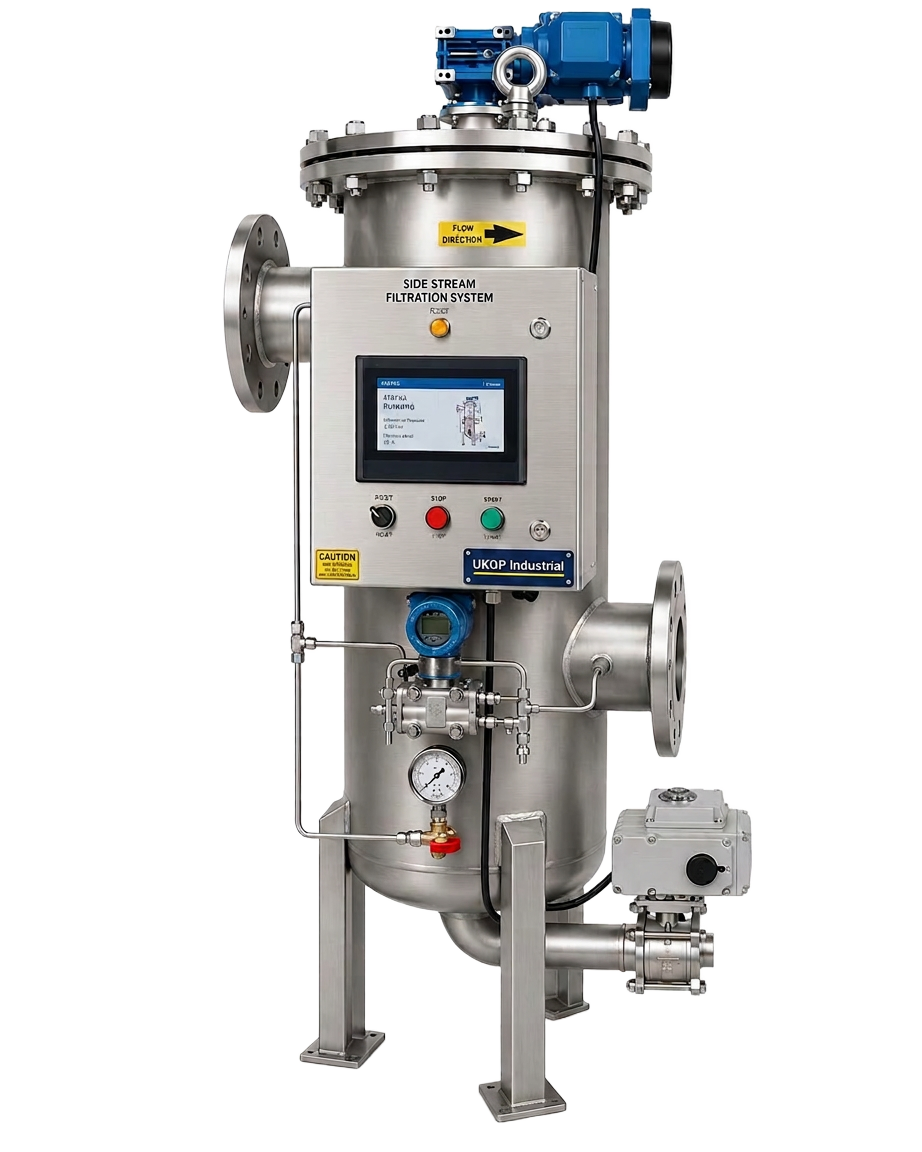
Furthermore, shifts in pH can often coincide with the presence of suspended solids or biological growth, which can foul the electrode of a delicate sensor. In systems where side-stream filtration is employed, the water quality is generally higher, leading to less frequent cleaning cycles for the ph probe. By installing the sensor in a location with representative flow, such as a bypass line or after a side-stream filter, you ensure that the readings are accurate and that the probe is protected from heavy debris. This holistic view of the plant room—combining sensing, dosing, and filtration—is the hallmark of an expertly designed commercial HVAC system that prioritizes uptime and operational efficiency for the end-user.
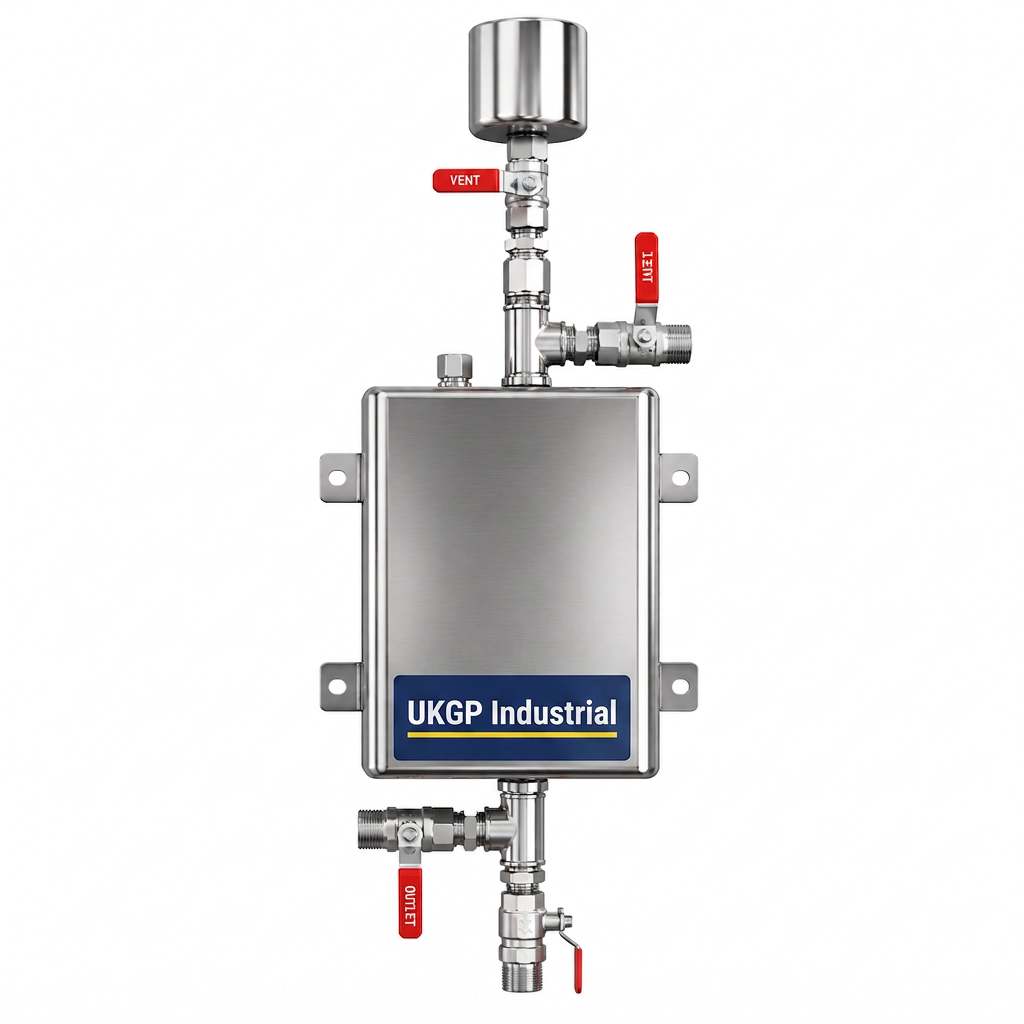
UKGP provides a comprehensive range of these components to ensure system synergy. While the ph probe monitors the chemistry, our chemical dosing pots and air & dirt separators work to maintain the physical cleanliness of the fluid. This integrated approach ensures that when you specify a UKGP pH transmitter, it is supported by a system environment designed for peak performance. The 2-year warranty on our sensors reflects our confidence in their performance within these well-maintained systems. Whether you are replacing a failed unit or specifying for a new build, consider how the sensor interacts with the wider chemical and filtration infrastructure to achieve the best possible results for the building owner.
- Optimise chemical usage by dosing based on real-time pH data
- Reduce electrode fouling by combining sensing with side-stream filtration
- Maintain system conductivity by avoiding the risks of chemical over-dosing
- Improve asset life through a holistic chemical and physical water treatment strategy
Total cost of ownership and warranty
When procurement leads evaluate a ph probe, they must look beyond the initial purchase price to the total cost of ownership. Cheap, non-industrial sensors often fail within months due to the aggressive conditions and thermal cycling found in commercial boiler houses. Frequent replacements and the labour costs associated with recalibration quickly exceed the cost of a premium industrial ph probe. Investing in a high-grade sensor with a 2-year warranty ensures that the technical risk is shifted back to the manufacturer, providing long-term value for the FM contractor. A reliable sensor reduces the likelihood of emergency call-outs and unplanned shutdowns caused by undetected corrosive water conditions, which can be far more expensive than the instrumentation itself.
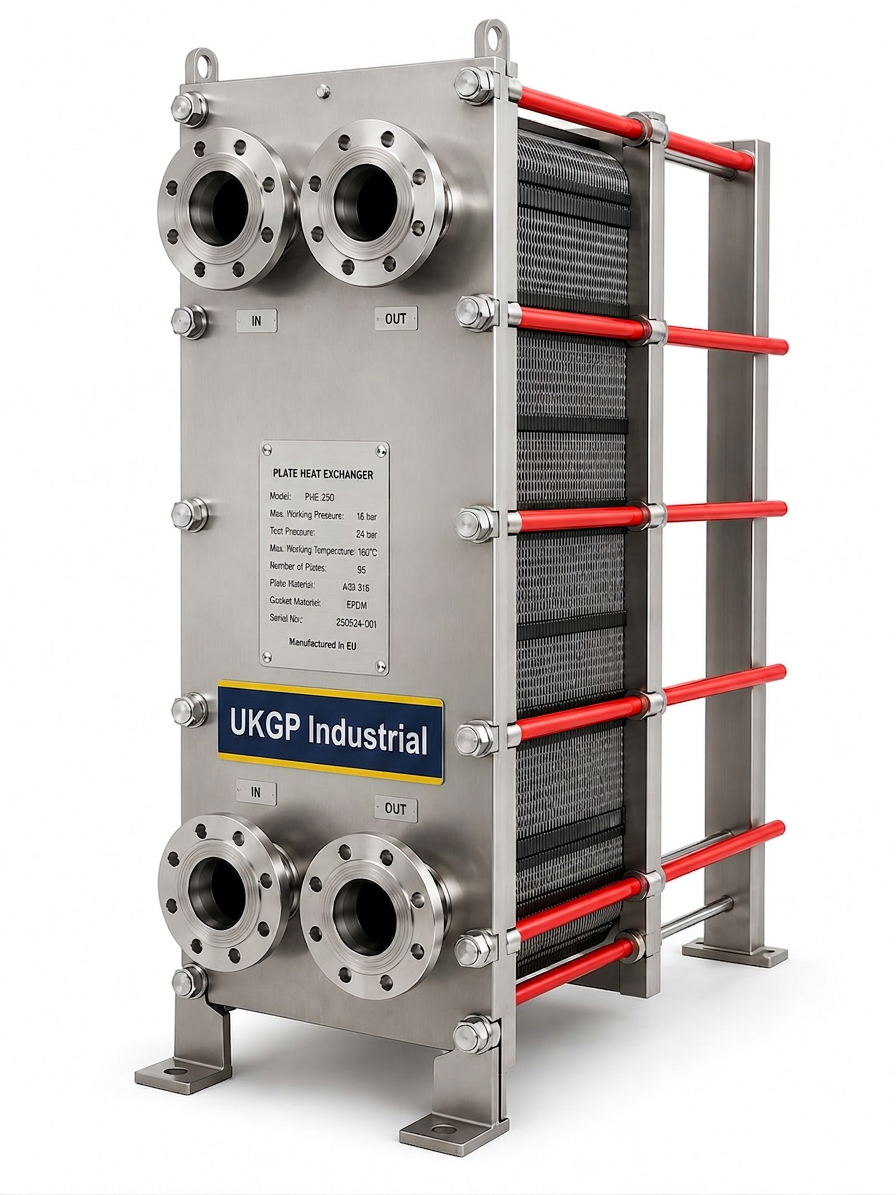
Furthermore, ease of maintenance is a significant factor in the total cost. A ph probe that features a modular design, such as an M12 cable kit that allows for quick sensor replacement without rewiring the entire transmitter, drastically reduces maintenance time. When the time eventually comes to replace the consumable electrode, having a system that is factory-calibrated allows the site engineer to perform the swap with minimal disruption. This practical design philosophy is what separates industrial-grade equipment from budget alternatives. By ensuring the pH data remains consistent and accurate, you protect wider system assets like plate heat exchangers and boilers, which are far more costly to repair or replace than the pH monitoring equipment.
Selecting a UKGP industrial ph probe kit means choosing a solution designed for the specific needs of the UK building services sector. Our kits include the sensor, transmitter, and M12 cable, ensuring you have everything required for a professional installation right out of the box. With IP68 protection as standard, these units are prepared for the harshest plant room environments. Contractors and engineers can request a quote for our 4-20 mA or Modbus enabled transmitters to ensure their project is delivered on time, within budget, and to a standard that meets all CIBSE and BSRIA recommendations for modern water treatment and monitoring protocols.
- 2-year warranty for reduced financial risk and long-term reliability
- IP68 rating to withstand challenging commercial plant room environments
- Modular M12 cable kits for simplified maintenance and sensor replacement
- Protection of multi-million pound assets through accurate, consistent monitoring
Technical specifications for the ph probe kit
The technical requirements for a ph probe in a process environment are demanding. The sensor must interface reliably with the transmitter to produce an accurate 4-20 mA signal. This signal is essential for long-distance transmission across large commercial buildings, as it is highly resistant to noise. Alternatively, Modbus RTU communication is available for digitised plant rooms where multiple parameters are being logged via a single data bus. Our UKGP kits are designed to offer these versatile output options, ensuring compatibility with any modern BMS or PLC system. The factory-calibrated nature of the sensor means it arrives ready for high-precision tasks, maintaining a stable baseline even in systems with fluctuating flow rates.
The physical build of the industrial ph probe is equally important. It must withstand temperature variations that can occur during system startup or seasonal changes in demand. The inclusion of a high-quality M12 cable kit ensures that the electrical connection is hermetically sealed against the high humidity often found in mechanical rooms. This attention to detail is what prevents the 'signal drift' that plagues lower-quality sensors. By specifying a solution that includes both the sensor and the matched transmitter, you eliminate the compatibility issues that often arise when sourcing components from separate vendors. This results in a more cohesive and reliable monitoring station that engineers can rely on for years to come.
Ultimately, the goal of installing a high-quality ph probe is to provide actionable data. Whether you are monitoring the return line of a primary heating circuit or the chilled water loop for a data centre, the accuracy of that data determines the success of your corrosion inhibition strategy. With a 2-year warranty and IP68 protection, the UKGP pH sensor & transmitter range is the ideal specification for any M&E contractor looking for a 'fit and forget' solution that meets the highest industrial standards. Requesting a quote for these kits ensures that your project benefits from Surrey-based technical expertise and a product line designed specifically for the UK industrial and commercial market.
- Versatile output options including 4-20 mA and Modbus RTU
- Complete kit including sensor, transmitter, and M12 cable
- IP68 rated enclosure for maximum protection against moisture
- Designed for seamless integration with commercial BMS and PLC systems
Installation best practices for industrial sensors
Proper installation of a ph probe is just as important as the quality of the sensor itself. To ensure a representative reading, the probe should be installed in a location where there is constant flow, following the guidelines set out in BS EN 14917 or relevant CIBSE documentation. Installing the sensor in a stagnant leg of pipework will lead to inaccurate readings and potentially delayed responses to chemistry changes. Ideally, the sensor should be mounted vertically or at an angle that prevents air bubbles from being trapped on the electrode surface. Using an industrial ph probe with an M12 cable kit allows for a tidy and secure installation, keeping cables away from high-temperature pipes and moving parts.
Commissioning engineers should also consider the ease of access for future maintenance. While the ph probe is factory-calibrated, periodic cleaning and validation are necessary to ensure the long-term accuracy required by BSRIA standards. Installing the sensor with isolation valves or in a bypass loop makes it easy to remove the probe without draining the entire system. This practical layout is preferred by FMs and maintenance engineers who need to keep the plant operational. When the ph probe is integrated with an IP68 transmitter, the equipment can be safely mounted near the measurement point without fear of water damage from routine maintenance or minor leaks in the plant room area.
Finally, the integration of the ph probe output into the central monitoring system should be verified during the commissioning phase. Ensuring that the 4-20 mA signal correctly corresponds to the 0-14 pH scale in the BMS is a critical step in the handover process. By selecting a UKGP solution, you benefit from a system that is designed for easy integration, reducing the time spent on software configuration. Our factory-calibrated sensors provide a reliable baseline that simplifies this entire process for the controls engineer. For those looking to upgrade their current monitoring, our technical team in Surrey is available to provide advice on the best configuration for your specific industrial process or building services project.
- Select high-flow locations to ensure representative water chemistry readings
- Install with isolation valves to allow for easy maintenance and cleaning
- Verify BMS integration to ensure accurate scaling of the 4-20 mA signal
- Utilise IP68 transmitters to allow for mounting in proximity to process pipework
Frequently asked questions
How often should an industrial ph probe be calibrated?
- While our UKGP pH sensors are factory-calibrated, BSRIA BG50 recommends regular validation. In most closed-loop systems, a monthly check against a portable meter is recommended, with a full buffer calibration performed every 6 to 12 months depending on the system cleanlines.
What is the advantage of an M12 cable kit for a ph probe?
- An M12 cable kit provides a pre-moulded, IP68-rated connection that eliminates the need for wire stripping and terminal screw connections at the sensor head. This prevents moisture ingress and corrosion at the contact points, which is the most common cause of signal failure in industrial environments.
Can I use a 4-20 mA ph probe with any BMS?
- Yes, 4-20 mA is a universal industrial standard. It allows the ph probe to communicate with almost any Building Management System (BMS) or Programmable Logic Controller (PLC) over long distances without signal degradation due to voltage drops.
Why is an IP68 rating important for a pH transmitter?
- Industrial plant rooms are frequently subject to high humidity, leaks, and occasionally localized flooding. An IP68 rating ensures that the transmitter remains fully operational even if submerged, protecting your investment and ensuring continuous monitoring of critical water parameters.
Does the ph probe work in high-temperature heating systems?
- Yes, industrial-grade pH probes are designed to operate in typical LTHW and MTHW environments. It is important to check the specific temperature rating for your application, but most industrial sensors are built to handle the thermal cycling found in commercial heat networks.