Determining UK Life Cycles for a pH Meter Sensor
In the demanding environments of UK plant rooms, the life expectancy of a ph meter sensor typically spans between twelve and twenty-four months, depending heavily on the fluid temperature and chemical concentrations. Unlike static mechanical components, these sensors are electrochemical devices that experience natural depletion of the reference electrolyte and the ultimate aging of the glass sensing bulb. Maintaining a ph meter sensor within its peak performance window is essential for M&E contractors who are tasked with overseeing large-scale district heating or chilled water networks where drift can lead to incorrect dosing of inhibitors and biocides.
Facilities managers must recognise that the speed of sensor degradation is non-linear and is influenced by the 'harshness' of the medium being measured. High alkalinity or constant exposure to scaling minerals in hard-water areas across the South East can coat the electrode, requiring more frequent cleaning and calibration. If the response time of your ph meter sensor begins to lag or if the calibration slope falls below 85 percent, it is a clear indicator that the glass impedance has changed significantly, signaling that an immediate replacement is required to maintain the integrity of your water quality data.
At UKGP, we understand that reliability is the cornerstone of effective building services engineering. Our technical support team often highlights that while a ph meter sensor might technically 'function' for over two years, the accuracy will likely have drifted beyond the acceptable tolerances mandated by BSRIA BG29 and BG50. Investing in a factory-calibrated unit ensures that your baseline is accurate from day one. Rather than waiting for a total failure which could leave your system vulnerable to corrosive pH swings, proactive biennial replacement is the industry-standard recommendation for critical infrastructure and mission-critical cooling environments.
- Standard industrial lifespan: 12 to 24 months depending on application conditions.
- Signs of failure: Sluggish response times and calibration slope degradation.
- Impact of environment: High temperatures and abrasive particulates accelerate sensor wear.
- Regulatory compliance: Aligns with BSRIA BG50 requirements for continuous monitoring.
The Impact of BSRIA BG50 on Sensor Selection
BSRIA BG50 'Water Treatment for Closed Heating and Cooling Systems' places a high priority on the continuous monitoring of pH to protect expensive heat exchangers and boilers. Selecting a robust ph meter sensor that can withstand the pressures of an industrial circuit is not just a procurement decision; it is a risk management strategy. A failing sensor provides false confidence, potentially allowing acidic conditions to persist which strip away the protective magnetite layer on carbon steel pipework. This results in the rapid development of pinhole leaks and the accumulation of sludge, which eventually chokes heat transfer efficiency.
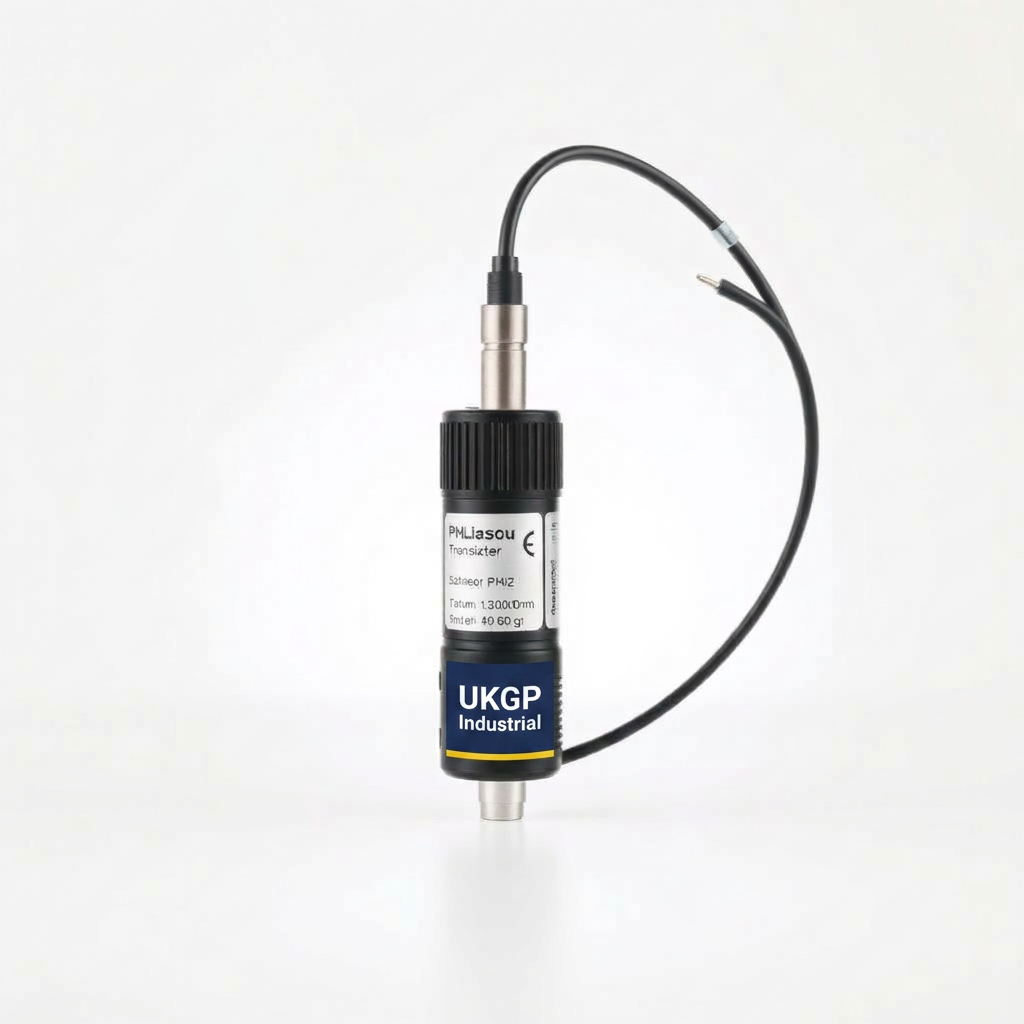
For lead engineers and consultants designing plant room specifications, the integration of a digital ph meter sensor into the Building Management System (BMS) allows for automated alerts when parameters exceed pre-set thresholds. This proactive approach is far superior to periodic manual sampling, which only provides a snapshot in time. UKGP's industrial solutions bridge this gap by offering high-spec transmitters that communicate via 4-20 mA or Modbus, ensuring that the critical data from your ph meter sensor is always visible to the facilities team, regardless of the physical location of the plant room.
When drafting specifications for new builds or refits, it is vital to ensure that the ph meter sensor is housed in a suitable flow-cell or mounting assembly that permits easy access for maintenance. We frequently see installations where sensors are placed in stagnant areas or locations that require a full system drain-down just to clean the electrode. By choosing UKGP's IP68-rated kits, which include the sensor, transmitter, and a durable M12 cable, contractors can ensure that the installation is both compliant with UK technical standards and easy for the onsite FM team to manage throughout the product's lifespan.
- BG50 Compliance: Enables the continuous monitoring required for modern closed loops.
- BMS Integration: 4-20 mA and Modbus options facilitate seamless data logging.
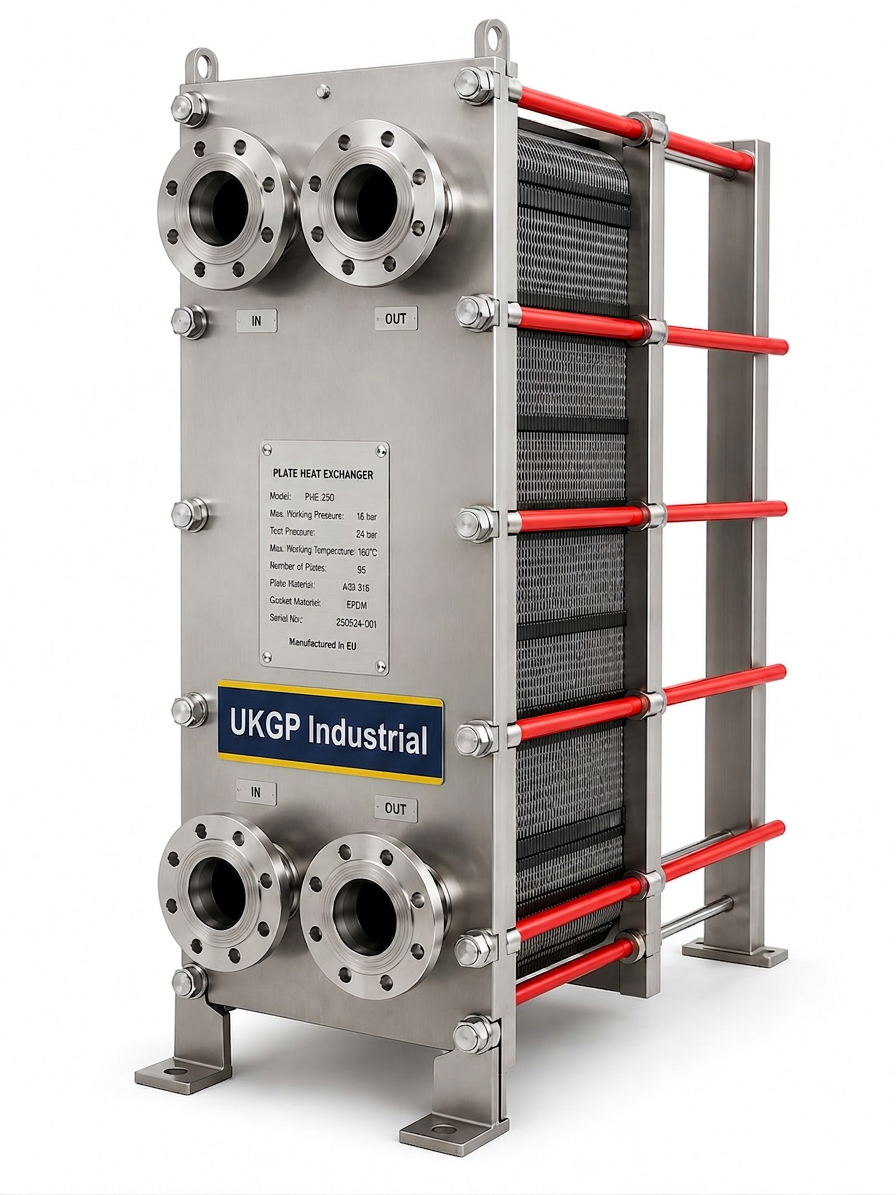
- Asset Protection: Prevents corrosion of plate heat exchangers and boiler blocks.
- Ease of Access: Proper mounting ensures routine calibration does not require system shutdowns.
Calibration Routines and Maintaining Accuracy
Regular calibration is the only way to verify that a ph meter sensor is providing an honest representation of the system’s chemistry. In most UK commercial applications, a quarterly calibration check using NIST-traceable buffer solutions (typically pH 4, 7, and 10) is recommended. This process compensates for the natural electronic drift within the transmitter and the chemical drift within the sensor itself. If a ph meter sensor requires correction of more than 0.5 pH units between quarterly visits, it is a strong indication that the sensor is nearing its end-of-life or that the process fluid is particularly aggressive.
Training for plant-room technicians should emphasise the delicate nature of the ph meter sensor electrode. Cleaning should be performed with a soft cloth or specialized solution to remove bio-films or iron deposits without scratching the sensitive pH-responsive glass membrane. A scratched membrane will lead to erratic readings and a significant reduction in the sensor's functional life. After cleaning, the sensor must be rinsed with deionised water before being placed in the buffer solution for re-calibration. These small steps in maintenance can extend the interval between total replacements by several months, offering better value for money.
UKGP provides factory-calibrated sensors to ensure that out-of-the-box performance meets the highest possible standards. For procurement leads looking to streamline their supply chain, our kits offer a 2-year warranty, providing peace of mind that the hardware is up to the task of industrial operation. When you purchase a ph meter sensor from UKGP, you are not just buying a component; you are gaining access to British engineering expertise and a product designed to thrive in the complex hydronic environments found in London's commercial high-rises and regional hospital complexes.
- Quarterly Calibration: Essential for compensating for electrochemical drift.
- NIST Buffers: Use pH 4, 7, and 10 for a full-scale accuracy check.
- Cleaning Protocol: Use non-abrasive methods to preserve the glass membrane.
- UKGP Warranty: 2-year coverage on industrial kits for long-term reliability.
Protecting the Sensor with Side Stream Filtration
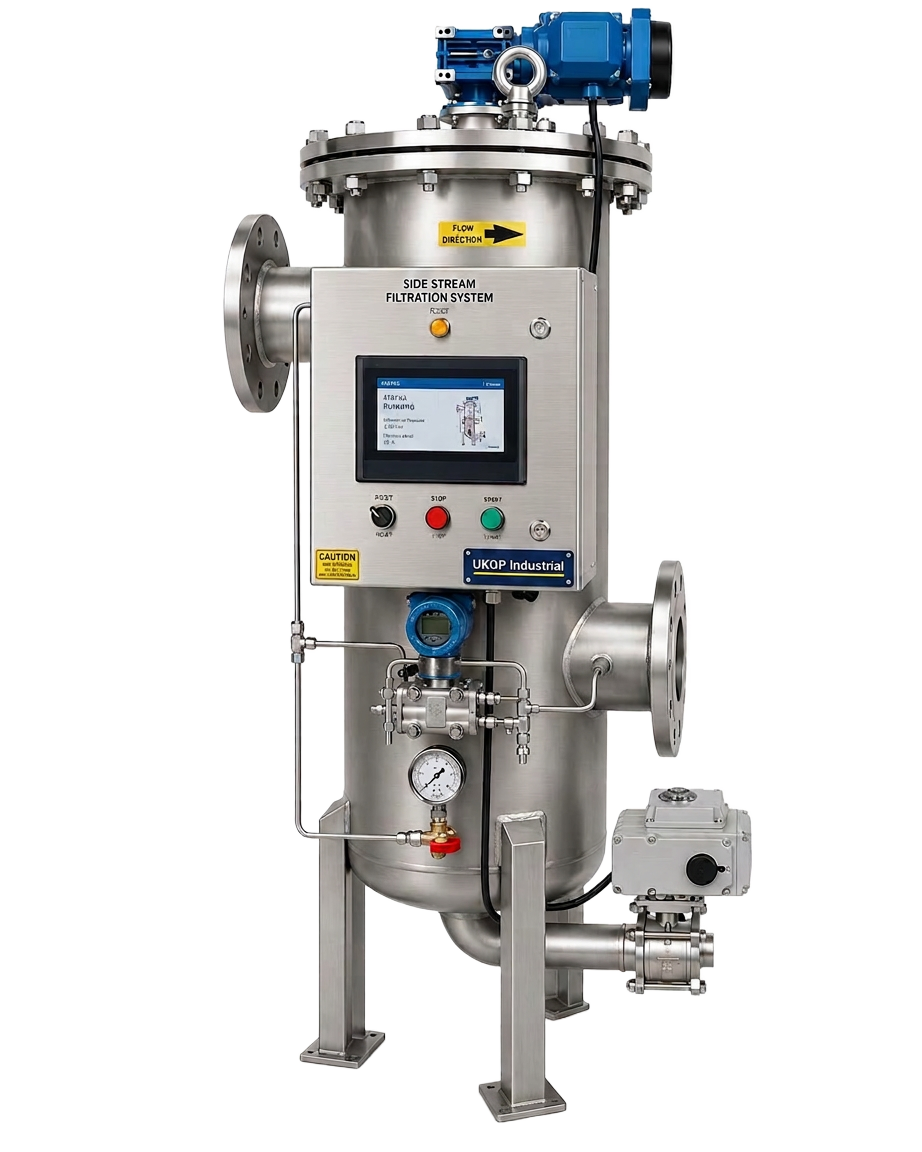
The longevity of a ph meter sensor is inextricably linked to the cleanliness of the water it is measuring. Suspended solids, particularly magnetite and grit found in older systems, can physically abrade the sensor's surface or clog the reference junction. Integration of a side stream filtration skid alongside your monitoring equipment is a best-practice approach often cited in CIBSE guidelines. By removing these particulates down to sub-micron levels, you provide a cleaner environment for the ph meter sensor, which in turn leads to more stable readings and a longer period between manual interventions and calibrations.
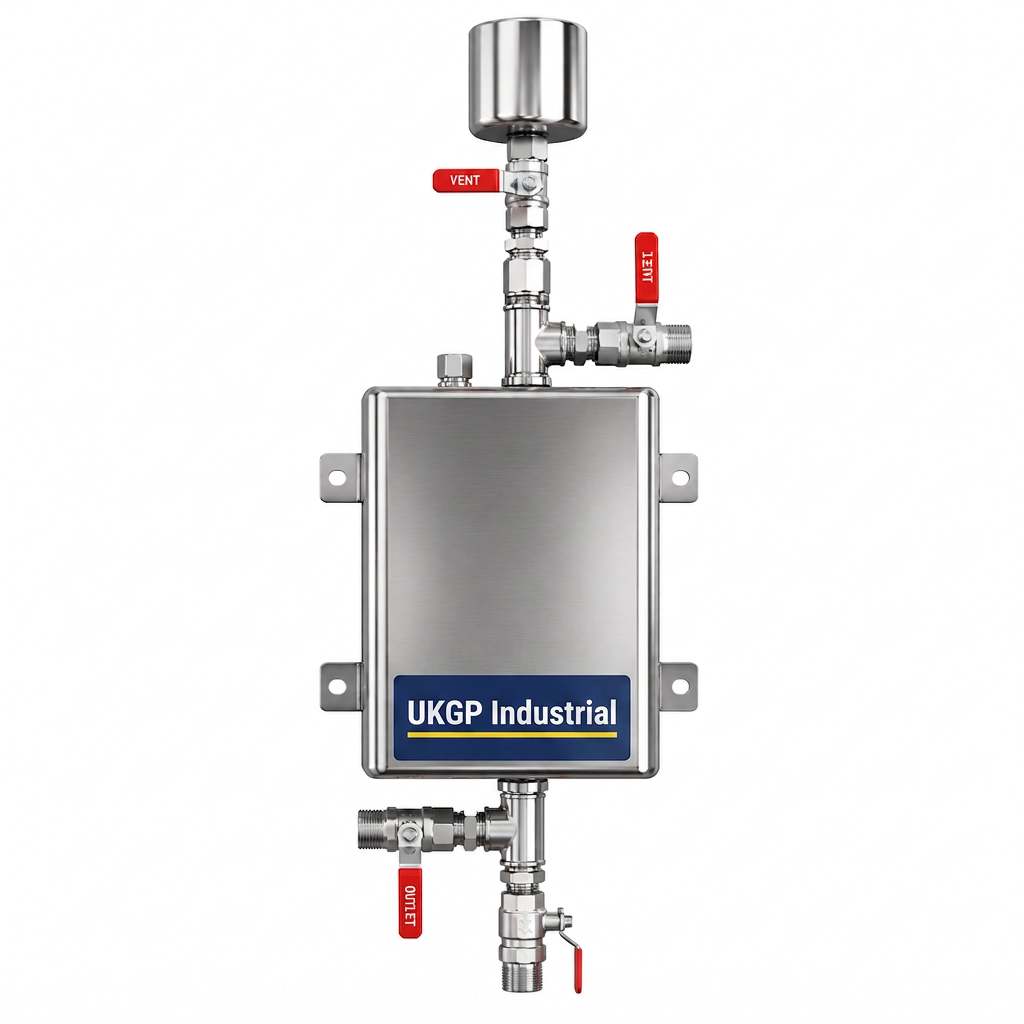
A system that is heavily fouled will naturally require more frequent ph meter sensor replacement. As particulates coat the sensor, the electrolyte becomes contaminated, leading to 'poisoning' of the electrode. This is a common issue in systems where chemical dosing pots are used without accompanying filtration. The introduction of concentrated chemicals through a dosing pot can cause localised pH spikes that, while necessary for treatment, can be harsh on a sensor if it is located too close to the injection point. Balancing the location of these components is a technical art that UKGP engineers can assist with during the design phase.
Combining high-quality monitoring with effective physical filtration creates a robust 'defence-in-depth' strategy for the plant room. For M&E contractors, specifying a package that includes both a ph meter sensor and a side stream filtration unit demonstrates a commitment to long-term system health. This reduces the risk of post-handover disputes regarding water quality and ensures that the facility manager has the tools necessary to meet their BS 8552 sampling obligations. At UKGP, we provide the full suite of equipment to ensure your industrial water circuits remain balanced, clean, and efficient for years to come.
- Particulate Removal: Reduces physical abrasion of the sensing membrane.
- Prevention of Poisoning: Limits the buildup of contaminants in the reference junction.
- Strategic Placement: Locating sensors away from dosing points to avoid chemical shock.
- System Stability: Filtration and monitoring together provide the ultimate protection.
Specifying the Right pH Meter Sensor Hardware
For UK building services, the specification of a ph meter sensor must go beyond simple accuracy. Industrial environments require hardware that is 'fit for purpose,' featuring IP68 ingress protection to guard against the inevitable damp and dusty conditions of a plant room. UKGP’s transmitter kits are designed with this in mind, providing a robust interface between the sensor and the control system. Whether you require a traditional 4-20 mA analogue output for legacy systems or a Modbus digital output for a modern smart building, our transmitters deliver the flexibility needed for high-level integration.
The M12 cable kit included with our ph meter sensor packages ensures a secure, waterproof connection that eliminates the interference issues common with poorly shielded wiring. In a plant room filled with variable speed drives and heavy electrical switchgear, electromagnetic interference can wreak havoc on low-voltage sensor signals. Our shielded solutions ensure that the data reaching your BMS is clean and reliable. Furthermore, the 2-year warranty we offer across our pH range reflects our confidence in the durability of our sensors, making them a preferred choice for procurement leads who prioritise total cost of ownership over initial purchase price.
When it is time to order a replacement ph meter sensor, UKGP makes the process seamless. Our sensors are designed for quick swapping, minimizing downtime during scheduled maintenance windows. Because our units are factory-calibrated, the 'plug-and-play' nature of the replacement saves hours of site labour for the commissioning engineer. Contact our Surrey-based technical team today for a quote on a complete industrial pH sensor and transmitter kit, and ensure your building's water chemistry is managed with the precision it deserves. Our experts are ready to assist with sizing, compatibility, and technical integration questions.
- IP68 Rating: Ensures survivability in harsh, damp plant room environments.
- Shielded Connections: M12 cable kits prevent signal noise from nearby machinery.
- Output Versatility: Compatible with both 4-20 mA and Modbus protocols.
- Total Cost of Ownership: 2-year warranty and easy replacement reduce long-term spend.
Future-Proofing Your Plant Room Monitoring
As the industry moves towards 'Smart Buildings,' the role of the ph meter sensor is evolving from a simple gauge to a critical data point in a predictive maintenance strategy. By trending pH levels over time, engineers can identify subtle changes that might indicate a slow leak, a failing dealkalisation plant, or the presence of anaerobic bacteria before they become catastrophic issues. This transition to data-driven FM requires high-precision sensors that do not drift wildly. Choosing a ph meter sensor with a digital transmitter allows for remote diagnostics, meaning a technician can often see if a sensor needs cleaning before they even step foot on-site.
Sustainability is another key driver in the modern UK market. An accurately calibrated ph meter sensor allows for the precise dosing of chemicals, ensuring that you only use the exact amount of inhibitor required. This not only saves money on chemical costs but also reduces the environmental impact of the building's water discharge. Excessive chemical dosing, often the result of using a faulty or uncalibrated ph meter sensor, can lead to non-compliance with local water authority discharge consents. High-quality monitoring is therefore a prerequisite for any facility aiming for BREEAM or LEED certification in their operations.
Ultimately, the ph meter sensor is the heartbeat of your water treatment strategy. Without it, you are operating in the dark, relying on manual tests that may be infrequent or prone to human error. UKGP stands ready to support UK engineering teams with high-performance monitoring hardware that meets the rigorous demands of British standards. Our commitment to quality, from the factory-calibration of the sensor to the robust design of the transmitter, ensures that your plant room remains a model of efficiency and reliability. Reach out to our team to discuss your specific requirements for pH and conductivity monitoring today.
- Predictive Maintenance: Use pH trends to identify system issues early.
- Chemical Optimization: Reduce waste and environmental impact through precision dosing.
- Regulatory Alignment: Assist in meeting BREEAM and water discharge standards.
- Digital Readiness: Modbus support enables remote monitoring and smart diagnostics.
Frequently asked questions
How often should I replace a ph meter sensor in a commercial heating system?
- For most commercial and industrial applications, we recommend replacing your ph meter sensor every 12 to 24 months. While a sensor may continue to function beyond this, its accuracy and response speed will decrease, potentially leading to incorrect chemical dosing and non-compliance with BSRIA BG50.
Can I use a standard lab-grade sensor for industrial plant room monitoring?
- No, lab-grade sensors are not designed for the constant flow, pressure, and temperature found in industrial circuits. An industrial ph meter sensor features a more robust reference junction and thicker sensing glass to handle the stresses of a pressurized HVAC system.
Why is my ph meter sensor drifting despite regular cleaning?
- Drift is usually caused by the natural depletion of the internal reference electrolyte or 'poisoning' of the sensor. If cleaning and re-calibration with NIST-traceable buffers do not stabilize the reading, the sensor has likely reached its end-of-life and requires replacement.
Does the UKGP ph meter sensor kit include the transmitter?
- Yes, our comprehensive kits include the industrial pH sensor, a digital transmitter (with 4-20 mA or Modbus options), and a waterproof M12 cable. All units are factory-calibrated and come with a 2-year warranty for your peace of mind.
What output options are available for BMS integration?
- Our transmitters support either standard 4-20 mA analogue signals or digital Modbus RTU communication. This ensures compatibility with almost any modern Building Management System used in the UK.