The anatomy and science of a ph meter probe
In the demanding environments of UK plant rooms, the ph meter probe serves as the primary analytical tool for monitoring system health and preventing the catastrophic onset of corrosion. At its core, the probe operates via a glass electrode and a reference electrode system where a potential difference is generated relative to the hydrogen ion activity in the process liquid. For building services consultants, recognising that this is a consumable electrolytic component is vital for long-term project planning. Unlike static components like low loss headers, the electrochemical nature of these sensors means they are subject to gradual depletion and impedance changes over time, regardless of the quality of the initial installation or the reputation of the manufacturer.
Precision in monitoring is not merely a preference but a requirement under BSRIA BG50 guidelines for water treatment in closed heating and cooling systems. A high-specification ph meter probe is designed to withstand the thermal and pressure stresses of a bypass loop, yet it remains sensitive to the chemical environment. When specified correctly, these sensors provide the 4-20 mA or Modbus feedback required for Building Management Systems (BMS) to automate chemical dosing or alert engineers to a deviation in the system's alkalinity. This proactive approach prevents the pitting and fouling that often leads to premature failure of expensive heat exchangers or circulating pumps, ultimately protecting the capital investment of the building owner.
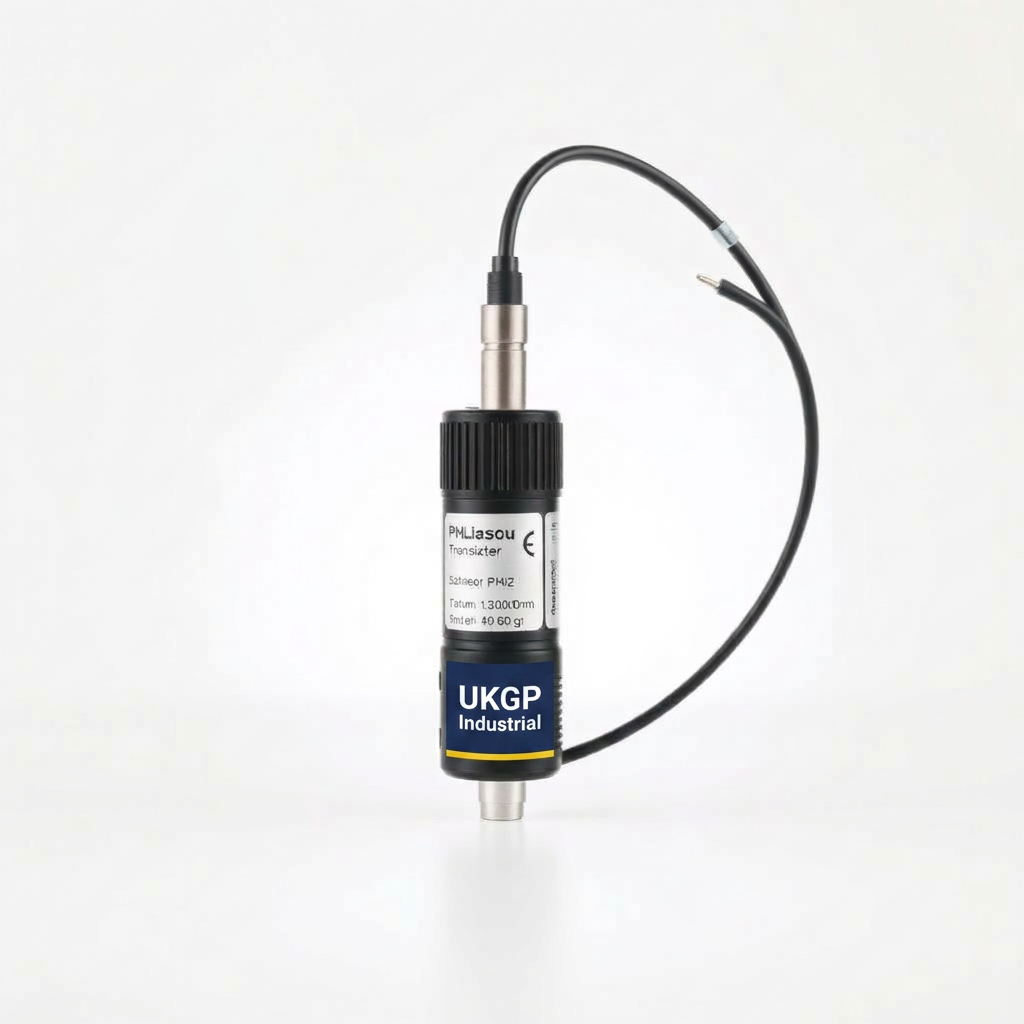
When selecting hardware for new build or retrofit projects, M&E contractors must consider the integration capabilities of the chosen sensor. A modern industrial ph meter probe should ideally be paired with a dedicated transmitter that simplifies the signal conversion process. UKGP provides a comprehensive solution featuring a factory-calibrated sensor and a robust transmitter equipped with an M12 cable kit. This setup ensures that the delicate millivolt signal from the glass electrode is accurately converted into a reliable 4-20 mA or Modbus output, bridging the gap between the wet-side monitoring and the digital control infrastructure of the modern commercial plant room.
- Electrochemical glass electrode measurement principle
- Integration with 4-20 mA and Modbus BMS protocols
- Crucial for compliance with BSRIA BG50 water quality standards
- Factory-calibrated kits for rapid deployment on site
Typical lifespan and degradation factors
The expected operational life of a ph meter probe in a standard UK commercial HVAC system generally ranges from 12 to 24 months, though this varies significantly based on process conditions. Factors such as high operating temperatures, extreme pH levels, and the presence of abrasive particulates can accelerate the aging process of the porous junction. In closed systems where water chemistry is strictly managed according to BS 8552, the sensor may reach the upper end of this lifespan. However, in systems prone to high oxygen ingress or those recovering from a major leak, the increased chemical activity can lead to electrode 'poisoning' or coating, which necessitates more frequent intervention and eventual replacement to maintain accuracy.
Degradation often manifests as a slower response time or 'drift' in the measured values, which can be misleading if the BMS is programmed to trigger dosing pumps based on these readings. As the internal electrolyte is depleted or the glass membrane becomes dehydrated, the impedance of the ph meter probe increases. This can lead to erratic readings that do not respond effectively to calibration attempts. For FM leads, this drift is a critical indicator that the sensor has reached the end of its reliable service life. Ignoring these signs can lead to incorrect dosing of inhibitors or buffers, potentially causing the system's pH to fall into acidic ranges that accelerate the degradation of steel and copper pipework.
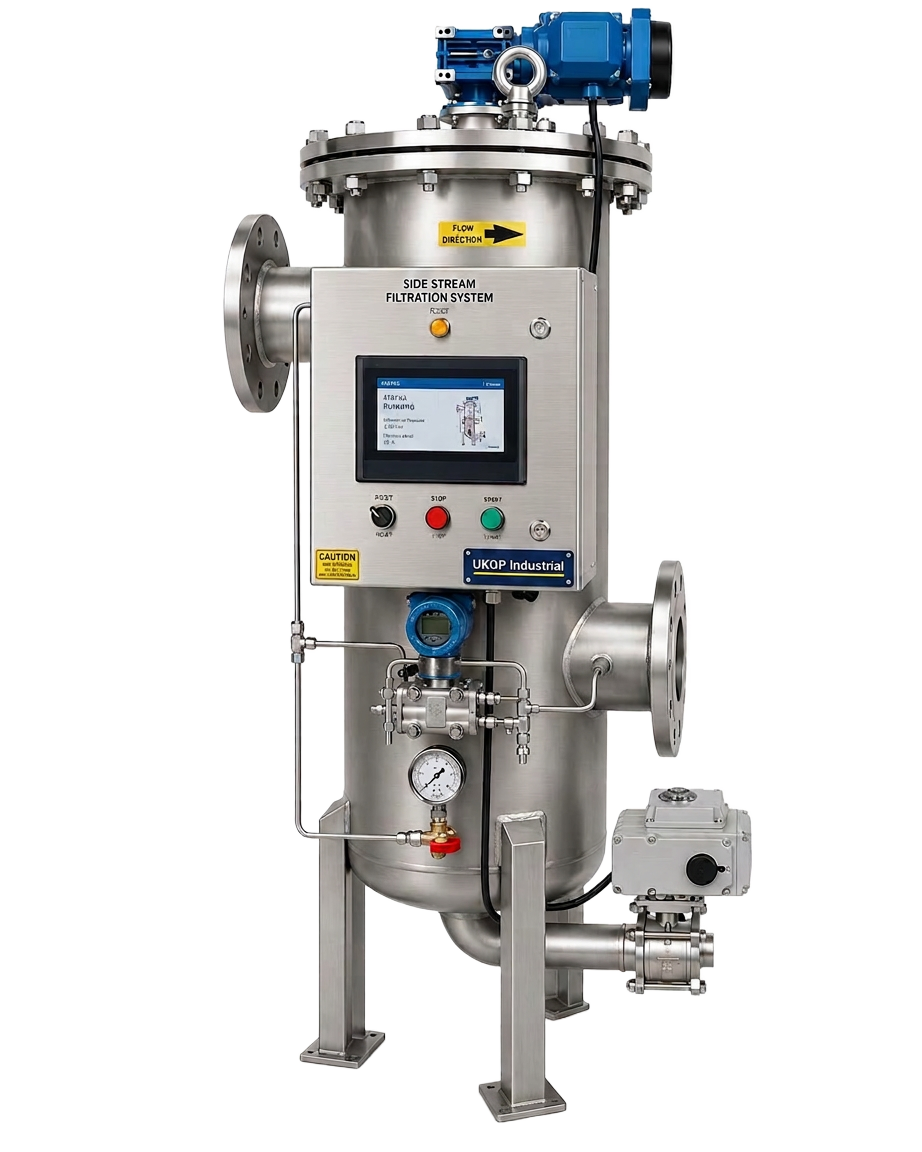
Temperature fluctuations also play a massive role in the longevity of any ph meter probe installed within a secondary circuit. While our industrial-grade sensors are designed to handle elevated temperatures, constant thermal cycling can cause expansion stresses on the glass electrode. It is standard practice in UK building services to install these sensors in a bypass or side stream configuration. This placement allows for easier maintenance and isolation without interrupting the primary flow. If your current monitoring setup is providing inconsistent data, it may be time to upgrade to a UKGP industrial pH sensor & transmitter kit, which offers an IP68-rated solution with a 2-year warranty for peace of mind.
- Expected service life of 12-24 months in standard conditions
- Sensitivity to thermal cycling and chemical poisoning
- Impact of electrode dehydration on response accuracy
- Recognition of signal drift as a replacement indicator
Calibration and BSRIA BG29 compliance
In the context of pre-commission cleaning and ongoing maintenance, adhering to BSRIA BG29 and BG50 is non-negotiable for UK contractors. A core part of this compliance involves the regular calibration of your ph meter probe using certified buffer solutions. We recommend a monthly check and a quarterly two-point calibration to ensure the slope and offset of the sensor remain within acceptable parameters. During commissioning, a factory-calibrated sensor provides a reliable baseline, but the commissioning engineer must verify the readings against a portable lab-grade meter to account for site-specific conditions. This documentation forms a vital part of the system's logbook and O&M manuals, providing a clear audit trail for any water quality investigations.
When a ph meter probe can no longer be calibrated to a slope between 85% and 105%, it is legally and technically considered at its end-of-life. Continued use beyond this point risks non-compliance with the BS 8552 sampling guidelines, which can have legal implications for facility management firms if system failure occurs. The transition from a functional sensor to a failed one can be subtle, emphasizing the need for a digital transmitter that provides diagnostic errors via Modbus. This allows the engineering team to receive a notification before the sensor fails completely, enabling a planned procurement of a replacement kit rather than a reactive, emergency fix that leaves the system unmonitored for days.
Regular maintenance also involves the physical cleaning of the sensor tip. In many UK heating systems, magnetite and organic biofilms can coat the ph meter probe, creating an insulating layer that prevents hydrogen ions from reaching the sensor surface. Gentle cleaning with a soft cloth and mild detergent can often restore response times, but if the coating has caused chemical etching of the glass, the sensor must be replaced. By maintaining a stock of M12-connected replacement probes, site engineers can swap out failing components in seconds, ensuring that the critical side stream filtration and dosing cycles are never interrupted by a lack of monitoring data.
- Monthly verification and quarterly two-point calibration
- End-of-life indicated by slope deviation below 85%
- Physical cleaning protocols for magnetite and biofilm removal
- Integration of diagnostic alerts via Modbus transmitters
Choosing the correct replacement sensor
When the time comes for replacement, procurement leads must ensure that the new ph meter probe is compatible with existing transmitter hardware and the physical mounting points. Our sensors are supplied as part of a modular kit including the transmitter and M12 cable, ensuring seamless connectivity and IP68 protection. It is often more cost-effective in the long run to standardise on a high-quality UKGP industrial pH sensor & transmitter rather than sourcing disparate components. This standardisation simplifies the training required for on-site engineers and ensures that replacement parts are always compatible with the 4-20 mA or Modbus backbone of the building's automation system.
Specifications matter particularly when dealing with high-pressure systems. A standard laboratory-grade probe will fail almost instantly if exposed to the pressures found in a multi-storey commercial development. Our industrial ph meter probe is built for these rigours, offering a robust construction that handles the pressure drops associated with high-efficiency side stream filtration units. When ordering replacements, ensure the transmitter is also checked for firmware updates and that the M12 cable kit is inspected for any signs of UV or thermal degradation. A complete kit approach ensures that every link in the measurement chain—from the wet-side sensor to the digital output—is functioning with optimal precision.
For those managing large portfolios of properties, we recommend a proactive replacement strategy. Rather than waiting for a ph meter probe to fail and trigger a 'low pH' alarm—which might already indicate corrosion occurring—set a fixed replacement interval of 18 months. This proactive approach ensures that water quality remains consistent and that the BSRIA BG50 logbooks always show the system is being monitored by accurate, calibrated instruments. Please contact our Surrey office for a technical quote on a bulk supply of factory-calibrated sensors to ensure your maintenance schedule remains on track without the risk of lead-time delays.
- Pressure-rated construction for commercial HVAC systems
- Modular M12 cabling for fast, error-free installation
- Consistency in plant room hardware standardisation
- Proactive 18-month replacement cycle for portfolio stability
Integration with chemical dosing pots
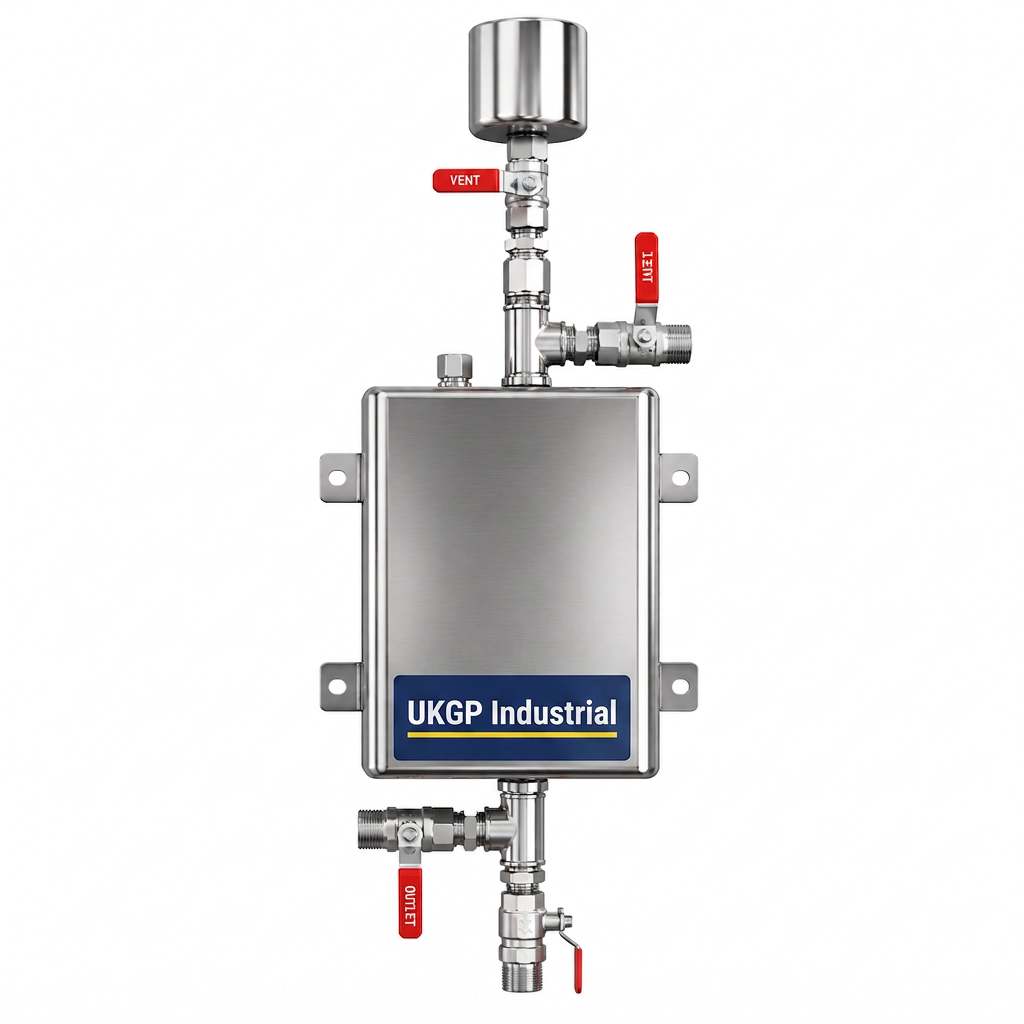
While the ph meter probe provides the data, the manual or automated correction of water chemistry often involves chemical dosing pots. In smaller systems where automated dosing is not yet budget-justified, the sensor acts as a critical 'traffic light' system for the FM team. If the ph meter probe indicates a drop toward the acidic side, it signals that an engineer must manually introduce corrosion inhibitors or alkaline buffers via the dosing pot. This relationship highlights why sensor accuracy is so vital; an inaccurate sensor might lead to an over-dosing of chemicals, which not only wastes money but can also increase the conductivity of the water to levels that promote galvanic corrosion.
In more sophisticated setups, the data from the ph meter probe is used by a controller to trigger an automated dosing pump. This closes the loop on water quality management. For the contractor, installing a UKGP pH transmitter alongside our heavy-duty dosing pots ensures a robust and reliable water treatment station. The transmitter's 4-20 mA output can be mapped directly to the pump speed or frequency, ensuring that the chemical levels are maintained within the tight tolerances required for modern, thin-walled heat exchangers. This level of control is exactly what BSRIA BG50 aims to achieve in modern UK non-domestic buildings.
Finally, ensure that the ph meter probe is installed upstream of the dosing point. This prevents the sensor from being hit by a concentrated 'slug' of chemicals before they have had a chance to mix with the bulk system water. Such exposure can temporarily saturate the sensor and, if repeated, can shorten the life of the reference junction. By following these hydraulic installation best practices, you can maximise the return on investment for your monitoring equipment and ensure the longest possible service life for your UKGP hardware. For technical assistance with site-specific layouts, our engineering team is available to review your P&ID drawings and recommend the best sensor placement.
- Feedback loop between monitoring and dosing pot manual interventions
- Automated dosing control via 4-20 mA transmitter signals
- Upstream installation to prevent sensor saturation
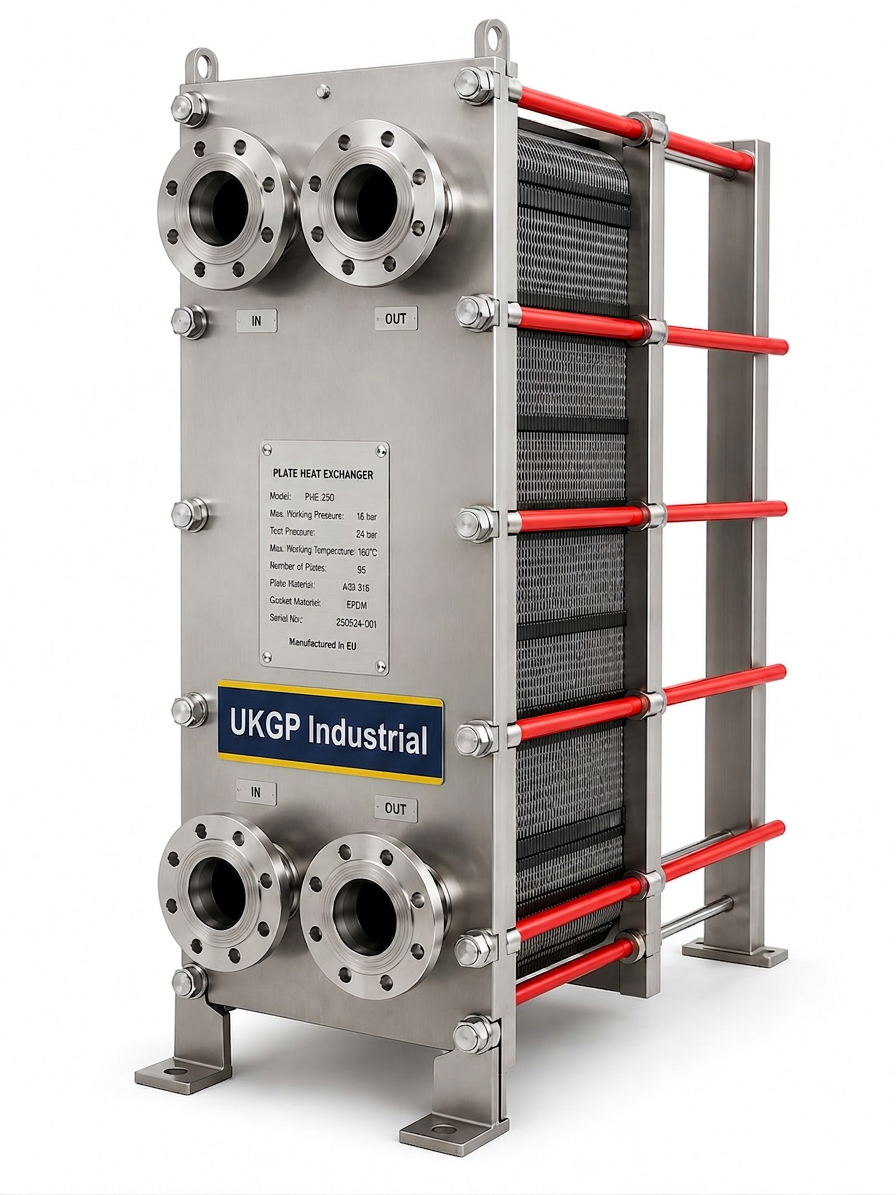
- Protection of thin-walled heat exchangers through precise pH control
Technical Support and Procurement in the UK
Procuring a high-quality replacement ph meter probe in the UK shouldn't be a matter of guesswork. At UKGP Industrial, we provide factory-calibrated components that are ready for immediate installation upon delivery. This reduces the downtime associated with on-site setup and ensures that your system is back under surveillance as quickly as possible. Our technical team, based in Surrey, understands the specific challenges of the UK market, from the hard water of the South East to the specific requirements of London's high-rise plant rooms. Dealing with a local supplier means you get rapid support and a product that is designed for the high-pressure environments typical of British commercial architecture.
When requesting a quote, please specify whether you require the standard 4-20 mA output or the Modbus RTU variant for deeper BMS integration. Each UKGP industrial ph meter probe kit comes with a 2-year warranty, which is a testament to the industrial grade of our electrochemical components. We also offer a range of complementary products, from expansion bellows to low loss headers, allowing for a single-source procurement path for your entire plant room fit-out or refurb project. This simplifies the supply chain and ensures that all components across the system are engineered to the same high standards of durability and performance.
For FMs and site engineers, we recommend keeping a spare ph meter probe and M12 cable kit in the plant room stores. This avoids the risk of system monitoring gaps during long weekends or bank holidays. As the UK moves toward more data-driven building management, the humble pH sensor becomes one of the most critical assets in your energy efficiency and asset protection strategy. Contact UKGP Industrial today to discuss your replacement schedule or to specify our sensors for your next project. We are committed to providing the technical clarity and robust hardware needed to keep the UK's industrial and commercial heating systems running at peak performance.
- Surrey-based technical support and UK stock availability
- Industrial kits with 2-year warranties as standard
- Single-source procurement for expansion and monitoring gear
- Rapid dispatch of factory-calibrated replacement sensors
Frequently asked questions
How often should an industrial ph meter probe be calibrated?
- In accordance with BSRIA guidelines and industry best practice, an industrial ph meter probe should be verified monthly and undergo a full two-point calibration every three months to ensure accuracy.
Can I replace just the sensor without the transmitter?
- Yes, our modular systems allow for the ph meter probe to be replaced individually using the M12 connector, although we recommend checking the transmitter and cable for any signs of wear at the same time.
What is the warranty period for a UKGP ph meter probe?
- Our industrial-grade pH sensors and transmitters come with a 2-year warranty, reflecting our confidence in their durability for commercial HVAC and industrial process applications.
Does the ph meter probe support Modbus integration?
- Yes, we offer both traditional 4-20 mA analogue outputs and digital Modbus RTU options to allow for seamless integration with modern Building Management Systems (BMS).
Why is my ph meter probe reading drifting after only six months?
- Drift can be caused by electrode coating, electrolyte depletion, or high system temperatures. Regular cleaning and ensuring the probe is installed in a bypass loop can help mitigate early-life drift.