The Role of a pH meter of water in BSRIA BG50 Compliance
In the UK building services sector, BSRIA BG50 provides clear guidance on the monitoring and maintenance of water quality in closed-loop heating and chilled water systems. A precise pH meter of water is no longer a luxury but a necessity for ensuring that chemical inhibitors remain effective and that metallurgy is protected. Without continuous oversight, fluctuating alkalinity can lead to rapid pitting corrosion, particularly in systems incorporating multi-metal components like aluminium heat exchangers and steel pipework. This section explores why real-time data is superior to annual lab tests, which often miss transient spikes that cause long-term damage to expensive assets like boilers and chillers.
Engineers moving toward smart building technologies are increasingly integrating the pH meter of water directly into their BMS (Building Management Systems). This integration allows for immediate alerts if the water chemistry drifts outside the specified range of 9.0 to 10.5 for steel systems or 7.0 to 8.5 for systems containing aluminium. By automating this data collection, contractors can provide evidence of compliance for warranty purposes and insurance documentation. The commercial impact of a system failure due to poor water treatment far outweighs the initial investment in high-quality sensing equipment. Therefore, selecting a robust industrial-grade sensor is the first step in a professional water management strategy.
UKGP understands the pressure on M&E contractors to deliver systems that perform reliably from day one. Using an advanced pH meter of water ensures that the pre-commissioning cleaning process prescribed in BSRIA BG29 has been successful and that the system has stabilised effectively. When you choose a UKGP industrial-grade sensor, you are investing in a product designed for the rigours of a plant-room environment. These units are built to withstand high pressure and varying temperatures while providing the millivolt precision required for accurate chemical dosing. It is the definitive way to bridge the gap between periodic manual testing and total system visibility, ensuring long-term operational efficiency and reduced maintenance overheads for the client.
- Ensures alignment with BSRIA BG50 and BG29 requirements.
- Prevents electrolytic corrosion in multi-metal HVAC systems.
- Provides real-time data for BMS integration and alerting.
- Reduces reliance on expensive and infrequent laboratory sampling.
Continuous Monitoring vs. Manual Testing
While manual dip-tests have been the industry standard for decades, they offer only a snapshot in time that may not reflect the true state of the system water. An inline pH meter of water provides a continuous data stream, capturing fluctuations that occur during system top-ups or chemical degradation. In high-value commercial environments, waiting for a monthly site visit to check water chemistry can be a catastrophic error. A single leak or a failed automatic pressurisation unit can introduce raw water, significantly altering the pH balance and inviting microbial growth or oxidative corrosion. Continuous monitoring mitigates this risk by providing the immediate feedback necessary for rapid intervention by the facilities management team.
The shift towards continuous monitoring is also driven by the need for better sustainability and chemical efficiency. By using a pH meter of water to trigger automated chemical dosing pots, engineers can ensure that only the necessary amount of inhibitor is added. This prevents 'over-dosing', which can be as harmful and costly as neglect. Modern transmitters allow for Modbus or 4-20 mA outputs, meaning the data can be trended over months or years. This historical data is invaluable when diagnosing recurring system issues or planning lifecycle replacements, as it clearly shows the correlation between water chemistry and component longevity. It serves as an early warning system that protects the ROI of the entire plant.
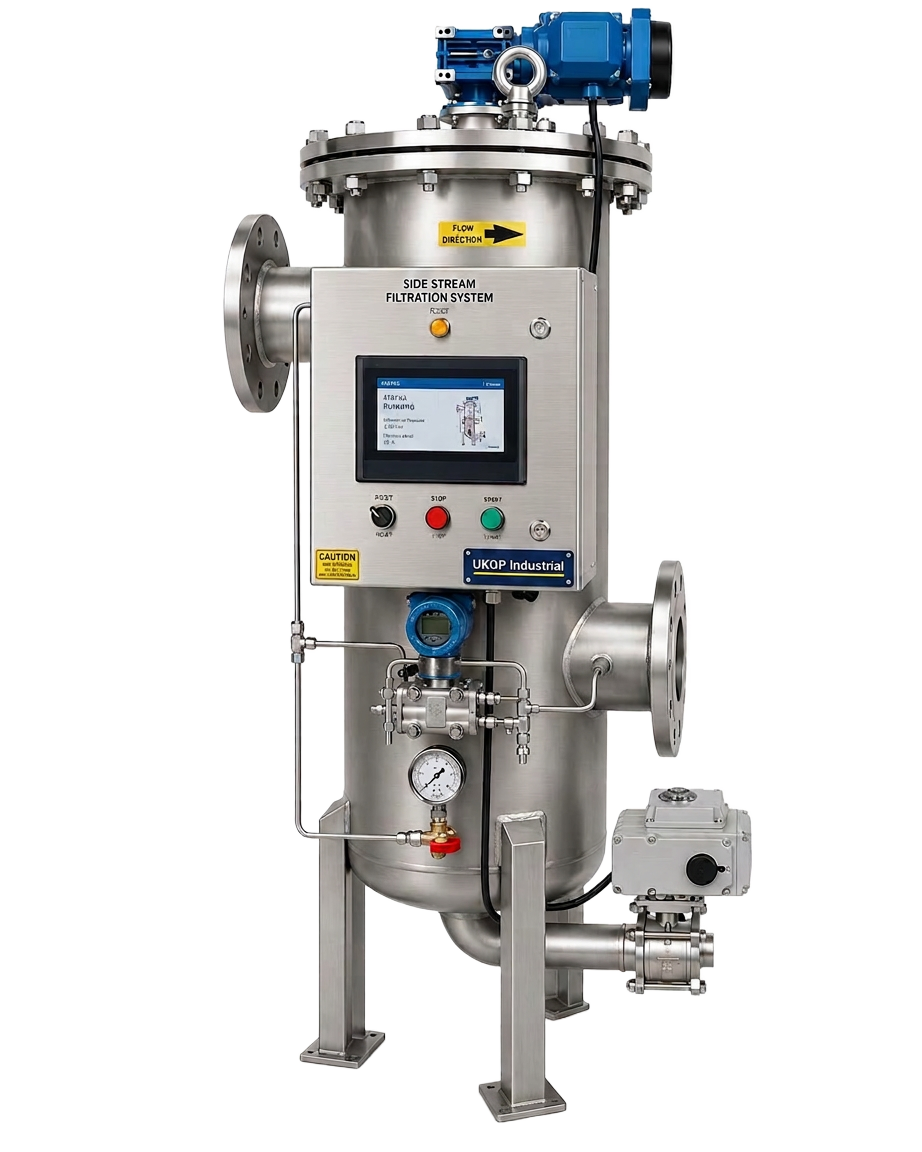
For plant-room engineers, the ease of installation and maintenance is a primary concern. UKGP provides a pH meter of water solution that is factory-calibrated, ensuring it is ready for immediate deployment without the need for complex onsite setup. The goal is to provide a 'fit and forget' solution—though periodic cleaning of the electrode is still recommended—to keep the system running within its design parameters. When coupled with our side-stream filtration units, these sensors form a comprehensive defence against both particulate matter and chemical imbalance. This dual approach is what differentiates a well-maintained site from one prone to constant breakdowns and efficiency losses.
- Captures chemical fluctuations missed by periodic manual testing.
- Enables automated dosing to maintain precise inhibitor levels.
- Provides historical data for trend analysis and lifecycle planning.
- Minimises the risk of corrosion during system top-up events.
Technical Features of the UKGP pH Meter of Water
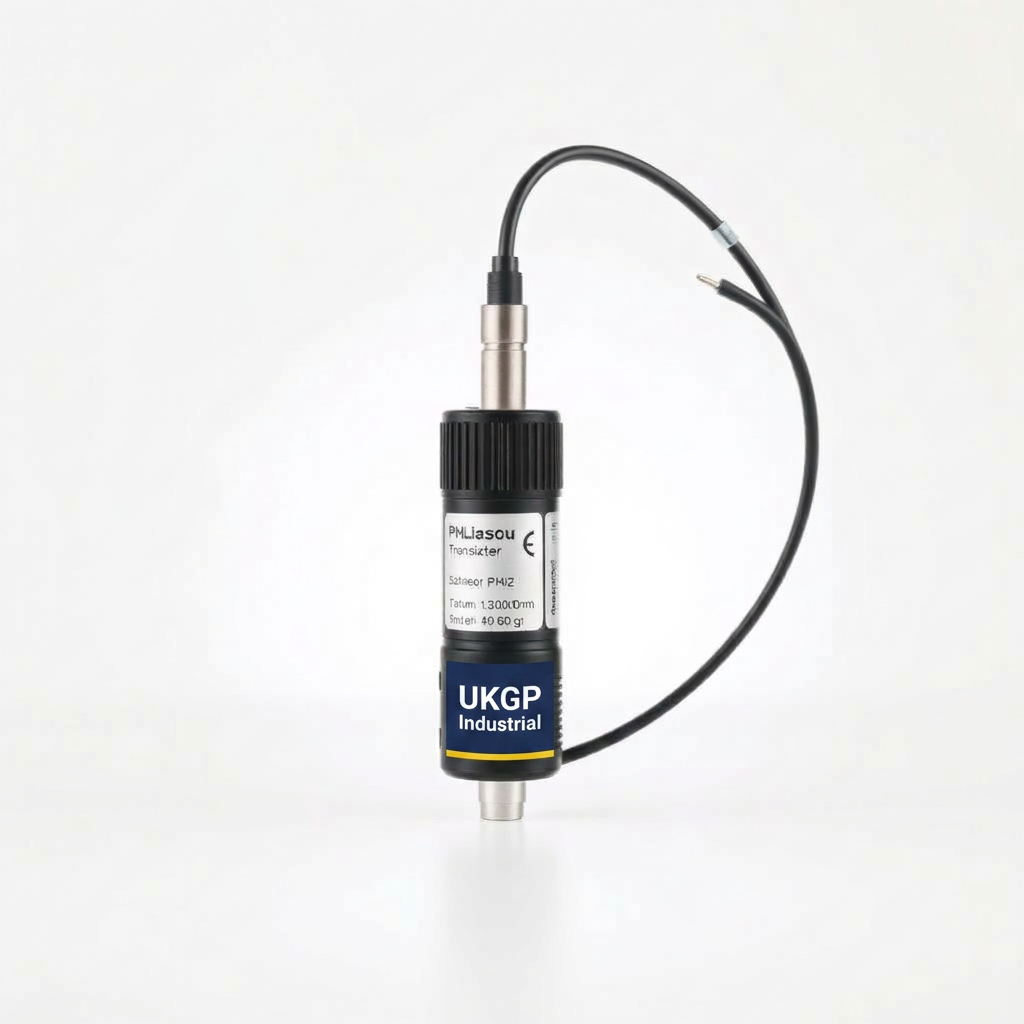
When specifying a pH meter of water for industrial applications, the hardware must be resilient enough to survive the high pressures found in commercial heating circuits. Our UKGP solution comprises a high-accuracy sensor and a dedicated transmitter, connected by a robust M12 cable kit. This modular design means that if the probe eventually reaches the end of its life, it can be replaced easily without replacing the entire transmitter electronics, offering a lower total cost of ownership. The system is rated to IP68, ensuring it remains operational even in damp or humid plant-room conditions, where less robust electronics often fail. This durability is critical for maintaining consistent uptime in mission-critical facilities.
The communication capabilities of our pH meter of water are designed for modern infrastructure. With options for 4-20 mA analogue signals or digital Modbus RTU, it is compatible with almost every BMS and PLC on the market. This versatility allows consultants to specify the unit across a diverse range of projects, from small residential blocks to large-scale district heating schemes. Each unit comes factory-calibrated to ISO standards, meaning it arrives on-site ready to provide accurate readings immediately. This reduces commissioning time and ensures that the readings used to sign off system water quality are beyond reproach. High-quality sensing is the cornerstone of any intelligent water treatment strategy.
Furthermore, our UKGP pH meter of water package includes a 2-year warranty, reflecting our confidence in the build quality and industrial design. We understand that in a B2B environment, reliability is the most important metric. Whether you are monitoring the return line of a plate heat exchanger or the primary loop of a secondary circuit, our sensors provide the stability required for sensitive measurements. Request a quote today for our full sensor, transmitter, and M12 cable kit to ensure your next project meets the highest standards of water quality monitoring. Our technical team is available to help you select the right configuration for your specific pressure and temperature requirements.
- IP68 rated sensor and transmitter for harsh plant-room environments.
- Choice of 4-20 mA or Modbus RTU for seamless BMS integration.
- Supplied as a complete kit with a factory-calibrated sensor and M12 cable.
- Includes a 2-year warranty for peace of mind and long-term reliability.
Impact of pH on Heat Exchanger Performance
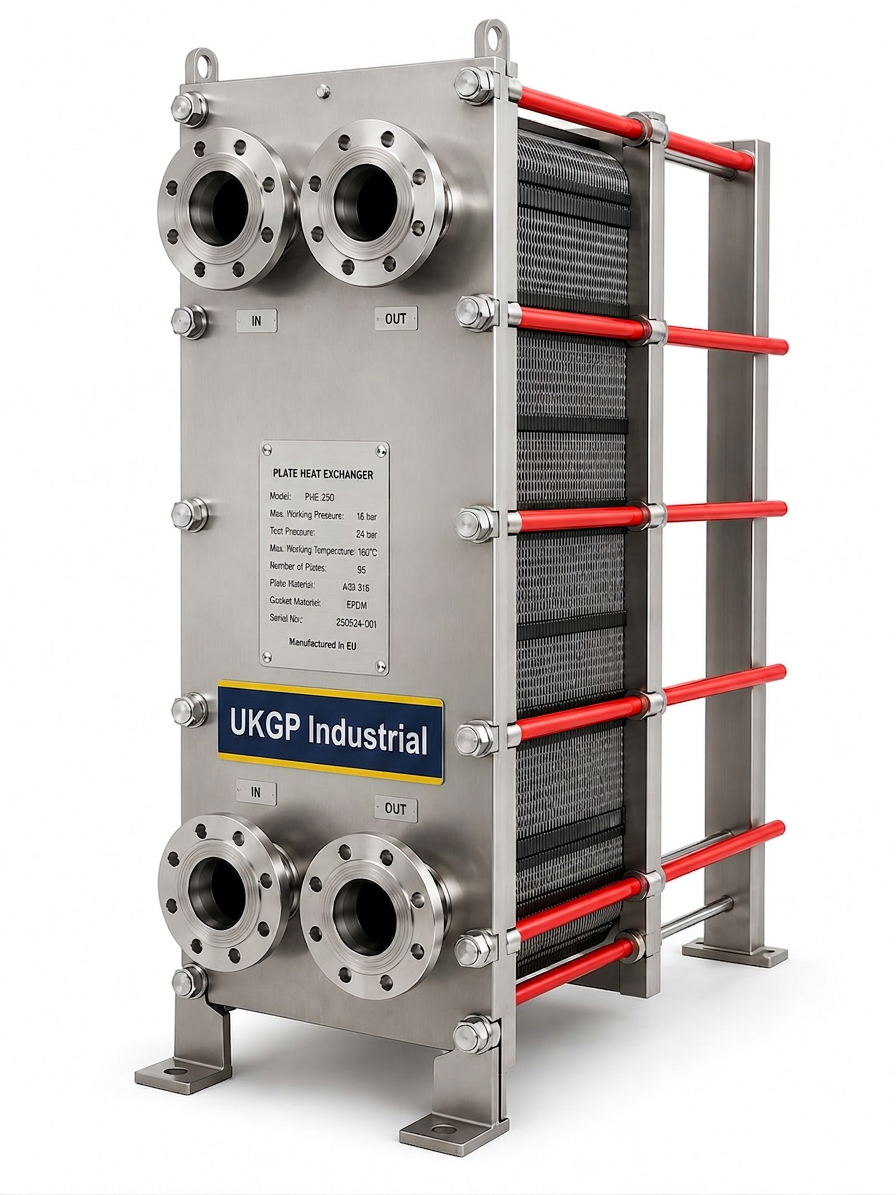
The efficiency of a plate heat exchanger is heavily dependent on the cleanliness of the heat transfer surfaces. If the pH meter of water indicates a drop toward acidic levels, the resulting corrosion can lead to the formation of iron oxide sludge. This sludge settles on the plates, creating an insulating layer that forces the system to work harder to achieve the same temperature delta. Conversely, if the pH becomes too alkaline, scale formation can occur, which is equally detrimental to thermal conductivity. By monitoring the pH continuously, engineers can ensure that the water chemistry remains in the 'sweet spot' that prevents both corrosion products and scale from fouling the heat transfer surfaces.
In many UK commercial buildings, the heat exchanger is the most sensitive bridge between the primary energy source and the building's emitters. Damage here can lead to costly downtime and expensive repairs. Using a pH meter of water to monitor the secondary side of the circuit is particularly important in systems where the secondary water is prone to atmospheric contamination. By ensuring the pH is strictly controlled, you extend the life of the gasketing and the plates themselves. This proactive approach saves thousands of pounds in chemical cleaning costs and energy waste over the lifetime of the plant. It is a simple investment that yields significant dividends in operational expenditure savings.
M&E contractors should consider the implications of BS EN 12828 and the impact of water quality on energy efficiency ratings. A system that is drifting out of chemical balance will never meet its design COP or EER. By installing an industrial pH meter of water, you provide the client with a transparent view of their system's health. This transparency builds trust and allows for better-planned maintenance schedules. If you are currently designing a plant room or managing a retrofit, adding professional-grade pH sensing is a marksman-like move to ensure the longevity of high-value components. Contact UKGP to discuss how our sensors integrate with your existing plate heat exchanger setups.
- Prevents fouling of heat transfer plates due to corrosion or scale.
- Reduces energy consumption by maintaining optimal thermal transfer.
- Protects the integrity of gaskets and internal metallurgy.
- Supports compliance with BS EN 12828 energy efficiency standards.
Protecting Distribution Components and Expansion Bellows
The chemical composition of the water doesn't just affect the boilers and chillers; it impacts every joint, valve, and expansion bellows in the circuit. A pH meter of water helps identify conditions that might lead to stress corrosion cracking in stainless steel components. Stainless steel expansion bellows are particularly susceptible to high chloride levels and incorrect pH ranges, which can lead to catastrophic failure and flooding. By maintaining the pH within the ranges specified by BS EN 14917, you ensure that these critical flexible connections remain structural and safe. Monitoring is the only way to verify that your water treatment regime is actually working throughout the entire pipework network.
Furthermore, in systems involving air and dirt separators, the presence of magnetite is a clear indicator that the pH has not been managed correctly. Magnetite forms most aggressively in lower pH environments where oxygen is present. Using a pH meter of water allows you to verify that your chemical inhibitors are successfully buffering the water to an alkaline state where magnetite formation is suppressed. This reduces the load on your dirt separators and prevents the clogging of control valves and fan coil units. It is a holistic approach to system health; when the pH is right, everything from the pumps to the terminal units works more efficiently and lasts longer.
For procurement leads, the value proposition of a UKGP pH meter of water is clear: it reduces the frequency of emergency call-outs and component replacements. When you buy from a UK-based supplier like UKGP, you get local technical support and products designed for the specific challenges of the UK plumbing and heating market. Our sensor kits are built for longevity, featuring durable connectors and high-grade materials. Don't leave your pipework's fate to chance or annual lab reports that arrive too late. Invest in continuous monitoring to safeguard your expansion joints, valves, and separators against the invisible threat of chemical imbalance and corrosive water conditions.
- Prevents stress corrosion cracking in stainless steel expansion joints.
- Suppresses magnetite formation by ensuring an alkaline environment.
- Reduces the risk of clogging in control valves and terminal units.
- Decreases the frequency of emergency maintenance and component failure.
Strategic Integration for Facilities Managers
Facilities Managers are under increasing pressure to demonstrate that they are managing assets according to best practices and BS 8552 guidelines. Implementing a permanent pH meter of water provides a verifiable audit trail of system conditions. This data is essential during insurance renewals or when defending the performance of a maintenance contract. Instead of relying on a water treatment company's word, the FM has independent, real-time data at their fingertips. This level of oversight ensures that any third-party contractors are performing their jobs correctly and that the system is being dosed with the correct volume of chemicals as per the technical submittal.
The digital transformation of the plant room means that a pH meter of water is a core component of the Internet of Things (IoT) in building management. Our sensors, with their 4-20 mA or Modbus outputs, can be linked to remote monitoring platforms that send SMS or email alerts the moment the pH drifts. This allows for immediate corrective action, such as opening a chemical dosing pot or checking for leaks, before any permanent damage occurs. In an era where downtime can cost thousands of pounds per hour, this rapid response capability is a significant competitive advantage for FM providers and a major reassurance for building owners.
Finally, when selecting a pH meter of water, consider the ease of integration. A UKGP kit includes the sensor, transmitter, and M12 cable, ensuring that there are no missing parts during installation. The IP68 rating and industrial build quality mean these units are suited for the most demanding plant-room environments in Surrey and across the UK. Our team can provide the technical datasheets and wiring diagrams needed to make integration as smooth as possible. Reach out to UKGP today for a formal quote on our pH sensing solutions and take the first step toward a more automated, reliable, and compliant water treatment strategy for your facility.
- Provides a verifiable audit trail for compliance and insurance.
- Enables remote monitoring and instant alerting for rapid intervention.
- Reduces reliance on third-party manual testing schedules.
- Ensures chemical dosing pots are used efficiently based on real-time needs.
Frequently asked questions
Why is a pH meter of water better than manual testing kits?
- A continuous pH meter of water provides real-time data, catching chemical imbalances the moment they occur, whereas manual kits only provide a snapshot that can miss significant fluctuations between tests.
Does the UKGP pH sensor work with any BMS?
- Yes, our transmitters offer 4-20 mA and Modbus RTU outputs, making them compatible with virtually all modern Building Management Systems used in the UK.
Is the sensor robust enough for a high-pressure heating system?
- Our industrial pH sensors are designed for plant-room pressures and are IP68 rated, providing the durability needed for commercial heating and chilled water environments.
How often does the pH meter of water need recalibrating?
- While our units are factory-calibrated, we recommend checking calibration once or twice a year, depending on the system conditions, to ensure maximum accuracy as part of your BG50 maintenance routine.
What is included in the UKGP pH sensing kit?
- The kit includes a high-accuracy industrial pH sensor, a compatible transmitter, and a durable M12 cable kit, backed by a 2-year warranty for industrial peace of mind.