The Role of a Ph Meter Industrial Unit in Closed Loops
In the UK's commercial HVAC sector, maintaining water chemistry is paramount for asset longevity. A robust ph meter industrial setup provides real-time monitoring that prevents the acidification of closed-loop systems, which can lead to rapid metallic corrosion and the subsequent accumulation of magnetite. Without a reliable ph meter industrial reading, engineers are often forced to rely on manual grab-sampling, which only provides a snapshot in time. High-quality automated transmitters ensure that the alkaline environment required—typically between pH 8.2 and 10.0 for steel systems—is maintained consistently across the network.
When specified correctly, an industrial-grade sensor acts as the first line of defence against metallurgical failure in heat exchangers and distribution pipework. For facility managers, this means a reduction in reactive maintenance costs and a significantly lower risk of system downtime during peak heating or cooling seasons. Integrating these sensors into a building management system (BMS) allows for automated alerts, ensuring that any deviation from the setpoint is addressed before irreversible damage occurs to expensive boiler or chiller plant components.
The technical complexity of modern plant rooms necessitates components that are engineered for high-pressure and varying temperature environments. Relying on lab-grade equipment for industrial applications is a common mistake that leads to frequent sensor failure or drift. Instead, choosing a ph meter industrial transmitter specifically designed for UK commercial environments ensures that the sensitive glass or polymer electrodes are encased in protective housings capable of withstanding the rigours of high-flow hydraulic circuits while maintaining high signal integrity for the connected control systems.
- Protects high-value asset components from corrosion
- Ensures compliance with BSRIA BG50 guidelines
- Provides 24/7 continuous monitoring via BMS integration
- Reduces reliance on manual chemical test kits
Compliance with BSRIA BG29 and BG50 Standards
Adhering to British standards and industry-leading guidelines like BSRIA BG29 (Pre-commission cleaning) and BG50 (Water treatment for closed-loop systems) is non-negotiable for Tier 1 contractors. These documents emphasize the importance of monitoring pH and conductivity to manage the risks of corrosion, scale, and microbiological fouling. A ph meter industrial probe provides the continuous data stream necessary to validate that water treatment chemicals, such as corrosion inhibitors or biocide treatments, are functioning within their optimal chemical ranges across the entire lifespan of the system.
Failure to monitor pH levels can lead to the breakdown of glycol in chilled water systems or the acidic pitting of aluminium heat exchangers found in many leading commercial boiler designs. By using a ph meter industrial transmitter that outputs a standard 4-20 mA or Modbus signal, engineers can generate the audit trails required for ISO 50001 energy management and general site compliance. This documented history is often a prerequisite for warranty claims when dealing with major UK commercial boiler OEMs, as it proves that the water quality was maintained within the manufacturer’s specific parameters.
Furthermore, CIBSE guidance highlights that water quality is a key driver of energy efficiency. Even a minor drop in pH can indicate stagnant water or the presence of sulphate-reducing bacteria (SRB), leading to biofilm accumulation. An accurate ph meter industrial reading allows for the immediate adjustment of dosing regimes via chemical dosing pots, ensuring that the water quality remains at peak performance. This proactive stance not only preserves the equipment but also ensures that heat transfer efficiency is not compromised by the build-up of sludge or scale deposits.
- Facilitates precise chemical dosing through dosing pots
- Provides evidence for major boiler manufacturer warranty adherence
- Detects early signs of glycol degradation in cooling systems
- Supports energy efficiency goals by maintaining clean heat surfaces
Technical Features of a Quality Ph Meter Industrial Tracker
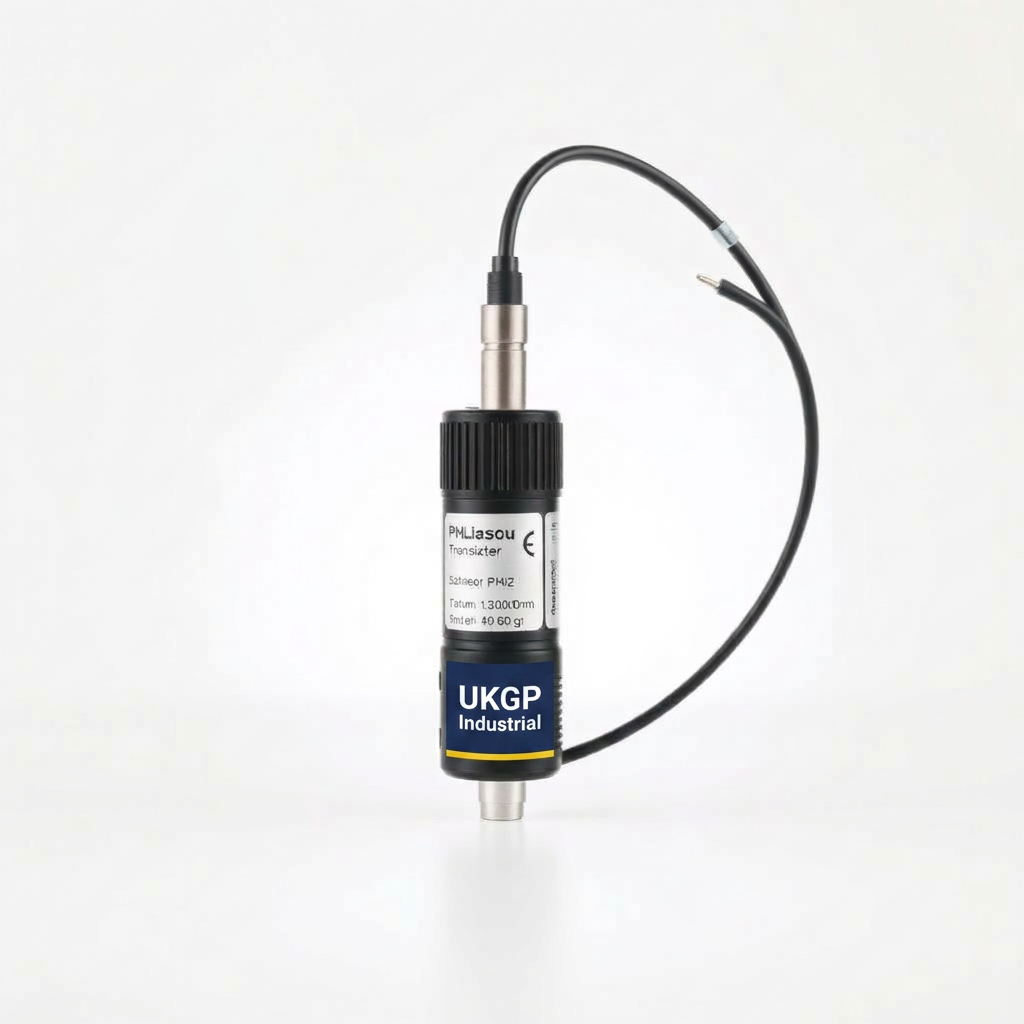
When procuring a ph meter industrial system, technical specifications such as ingress protection and signal stability are critical. UKGP provides professional-grade industrial pH sensors and transmitters that come with an IP68 rating, ensuring they can operate in damp plant-room environments without risk of short-circuiting. The transmitter should be factory-calibrated to reduce onboarding time during the commissioning phase, allowing M&E contractors to hand over projects faster while ensuring accuracy from day one.
The hardware should ideally include an M12 cable kit for simplified wiring and a durable housing that can be easily surface-mounted or integrated into a flow cell. A ph meter industrial system from UKGP features a 2-year warranty, reflecting the build quality necessary for long-term industrial use. The choice between a 4-20 mA analogue output or a Modbus digital output allows for flexible integration into various control architectures, whether you are managing a simple standalone boiler room or a complex, multi-site BMS network.
For procurement leads, the total cost of ownership is a vital metric. Our ph meter industrial solution is designed for longevity, with replaceable electrodes and easy-access calibration ports. This means that instead of replacing the entire electronics package, only the consumable sensing element needs period maintenance. This sustainable approach reduces waste and long-term operational expenditure for the facility management team, while ensuring the high levels of accuracy that are expected in high-specification Surrey and London commercial developments.
- Robust IP68 rated housing for plant-room environments
- Wide compatibility with 4-20 mA or Modbus RTU outputs
- Simplified installation with included M12 cable kits
- Factory-calibrated sensors to ensure immediate site accuracy
Integrating Sensors with Other Plant-Room Components
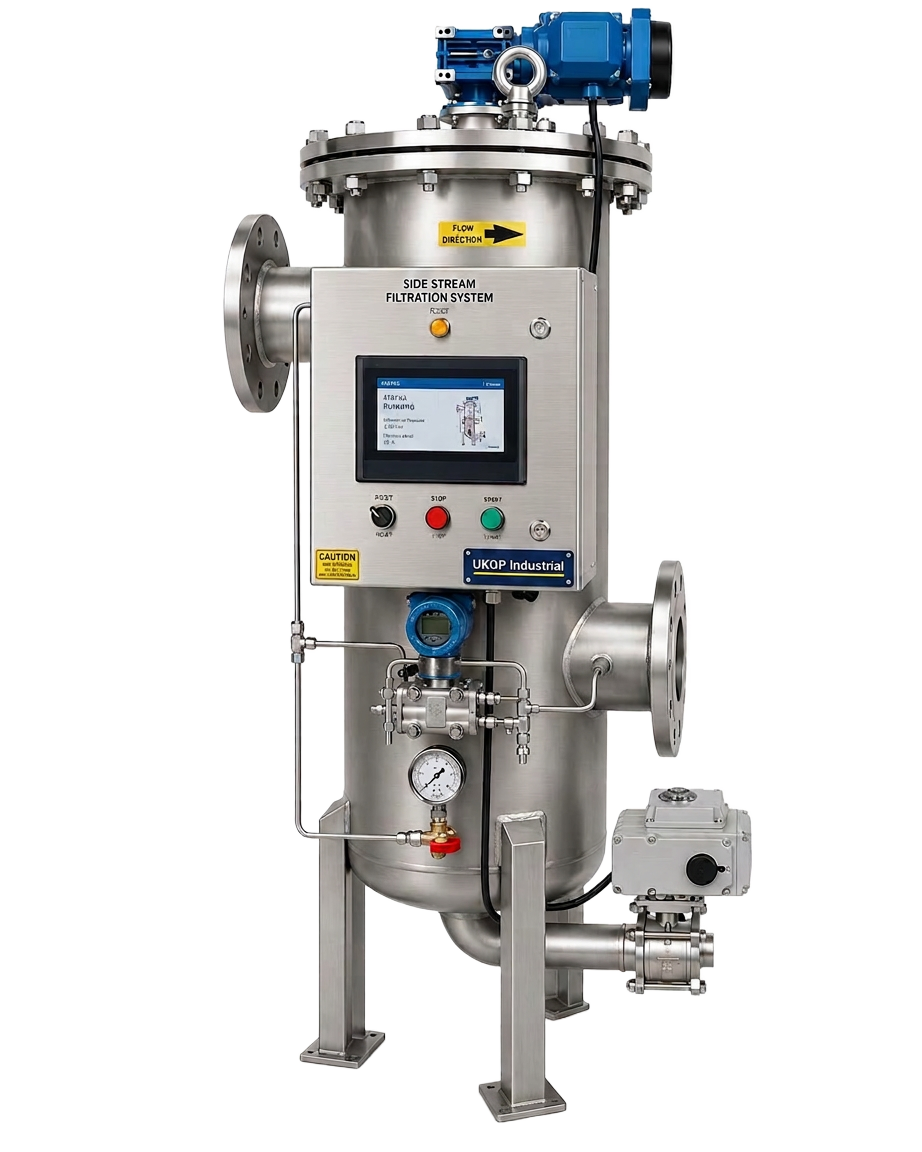
A ph meter industrial transmitter does not sit in isolation; it is a component of a wider water quality management ecosystem. Effective water treatment also requires the removal of suspended solids and magnetic debris, which can interfere with sensor probes. This is why we recommend installing pH monitoring equipment alongside high-efficiency side stream filtration units. By keeping the circulating water clear of magnetite and debris, the sensors remain clean for longer, reducing the frequency of manual cleaning and recalibration cycles required by site engineers.
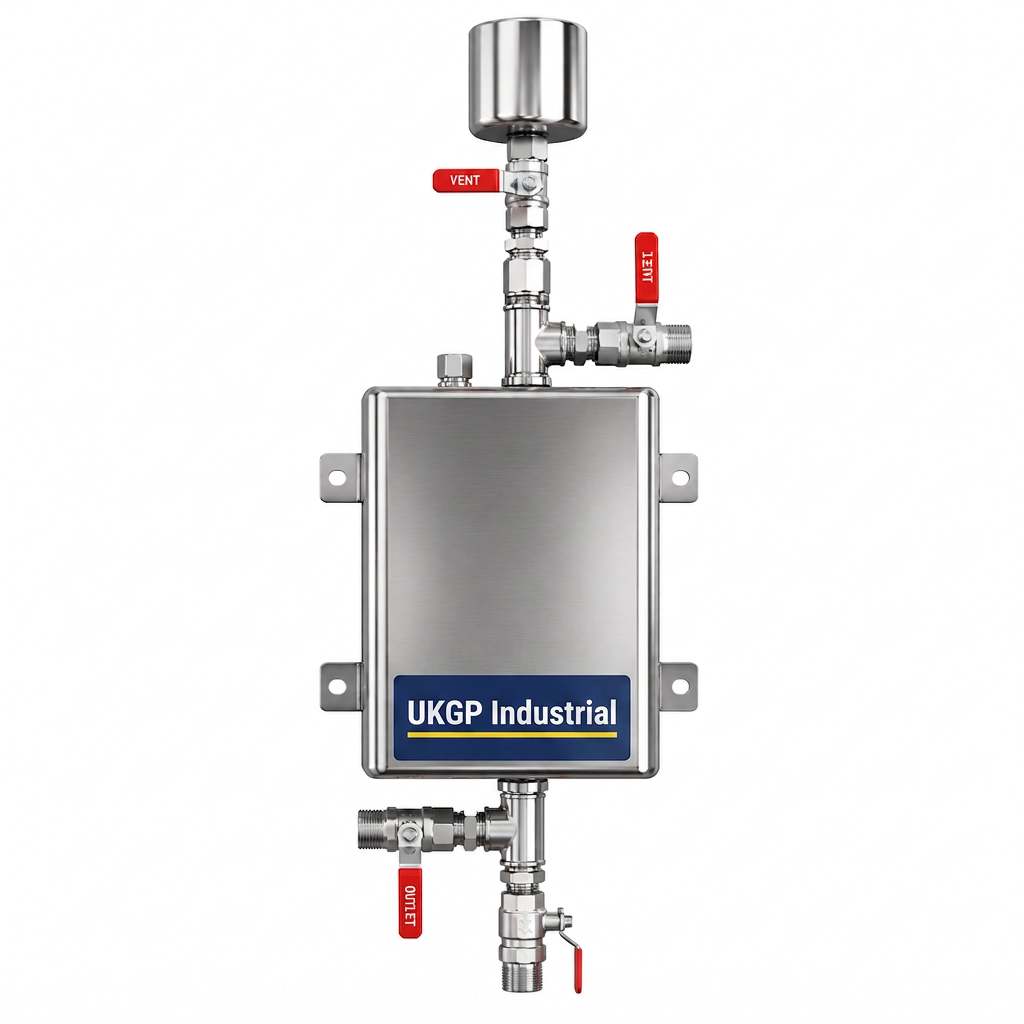
The hydraulic design of the system also affects measurement accuracy. Air and dirt separators should be positioned to remove micro-bubbles and sludge from the circuit before the water reaches the ph meter industrial sensing point. Entrained air can cause fluctuations in sensor readings and promote oxidative corrosion, which a pH sensor would eventually detect as a drop in alkalinity. By addressing the physical contaminants and dissolved gases through proper mechanical separation, the chemical sensors can focus on providing an accurate reflection of the fluid’s chemical state.
Lastly, maintaining stable flow conditions is essential for sensor accuracy. In systems utilizing low loss headers to decouple primary and secondary circuits, the pH monitoring should be located where it receives a representative sample of the system water. This ensures that the ph meter industrial output reflects the true state of the fluid being circulated to the terminal units, such as AHUs or fan coils. Consistency in flow and pressure at the point of measurement prevents the 'noise' that can occur in turbulent regions of the pipework.
- Optimise sensor life using side stream filtration
- Ensure air-free water for more stable pH measurements
- Strategic placement near low loss headers for representative sampling
- Minimize electrode fouling with effective dirt separation
Installation and Maintenance Best Practices
For a ph meter industrial installation to be successful, the sensor must be positioned where it can be easily accessed for routine maintenance without requiring a full system drain-down. Using a bypass assembly or an isolation valve arrangement allows engineers to remove the probe for cleaning and buffer solution calibration as recommended by BSRIA standards. Regular calibration is the only way to counteract the natural drift that occurs in all electrochemical sensors over time, ensuring that the data being fed back to the BMS remains 100% reliable.
Wiring and cable management are also crucial in a B2B environment. Using an M12 cable kit prevents moisture ingress at the connection point, a common failure point for cheaper ph meter industrial alternatives. Contractors should ensure that signal cables are kept away from high-voltage motor power leads for pumps and fans to prevent EMI interference, which can cause erratic readings in sensitive 4-20 mA loops. Proper grounding and shielding of the transmitter housing further protect the system against electrical noise in crowded plant-room panels.
Finally, always refer to the specific manufacturer guidelines regarding the storage and hydration of the pH probe. If a system is being left dry for an extended period, the ph meter industrial sensor should be removed and stored in the appropriate KCL solution. This preventing the glass membrane from dehydrating, which would otherwise lead to sluggish response times or permanent damage. A well-maintained sensor will provide years of service, providing the site team with the peace of mind that their water chemistry is under control.
- Install sensors in bypass loops for easy access
- Utilise M12 connectors to ensure a watertight seal
- Follow a scheduled calibration regime using buffer solutions
- Store sensors correctly during prolonged system shutdowns
Procuring the UKGP Ph Meter Industrial Solution
When purchasing a ph meter industrial setup from UKGP, you are choosing a product designed by experts for the UK commercial market. Our transmitters are engineered to meet the highest technical standards, ensuring they can be specified on large-scale district heating schemes and high-end commercial office developments. With a 2-year warranty and a complete kit including the transmitter and M12 cable, our solution offers significant value compared to piecing together hardware from multiple vendors. Contact our Surrey office today for a competitive quote on your project requirements.
Our team understands the time pressures of modern construction schedules. That is why our ph meter industrial kits are designed for rapid deployment, with factory-calibrated settings that minimize on-site configuration. Whether you are an FM provider looking to upgrade your current monitoring capabilities or an M&E contractor working on a new-build plant room, our technical sales team can provide the documentation and support needed to ensure your water treatment strategy is BSRIA-compliant and technically sound for the long term.
In summary, the choice of a ph meter industrial system is a vital decision for any building services professional. It represents a small fraction of the total budget but protects millions of pounds worth of boiler plant and distribution infrastructure. By choosing UKGP's industrial pH sensors and transmitters, you are investing in reliability, accuracy, and ease of use. Reach out to UKGP for technical data sheets and expert advice on integrating our sensors into your next HVAC or process water application.
- Competitive lead times for urgent UK projects
- Comprehensive technical support from our Surrey base
- Standardised 4-20 mA and Modbus options as standard
- Comprehensive 2-year warranty for commercial peace of mind
Frequently asked questions
Why is a ph meter industrial sensor needed over a standard lab meter?
- Industrial sensors are built to handle constant pressure, high flow rates, and the electrical noise of a plant room. UKGP sensors are IP68 rated and offer 4-20 mA or Modbus outputs for 24/7 BMS integration, which lab meters cannot provide.
How often should an industrial pH transmitter be calibrated?
- According to BSRIA BG50 guidelines, sensors should be checked and calibrated at least every 6 months, though quarterly checks are recommended in high-value systems to ensure the data remains accurate.
Can I integrate a UKGP ph meter industrial sensor into my existing BMS?
- Yes, our transmitters are designed for compatibility, offering both 4-20 mA analogue signals and Modbus RTU digital signals, making them suitable for almost any modern building management system.
What is the benefit of the M12 cable kit?
- The M12 cable kit provides a standardised, waterproof connection that simplifies installation and maintenance, ensuring that moisture in the plant room doesn't interfere with the pH signal.
Does your ph meter industrial range cover high-temperature applications?
- Our sensors are designed for standard LTHW and chilled water temperature ranges. For specific high-temperature process requirements, please consult our technical team for specific model compatibility.