The Critical Role of a pH Meter for Water in HVAC
In modern UK building services, the integrity of a closed-loop system depends heavily on water chemistry. Using a dedicated ph meter for water is no longer optional for high-value plant rooms; it is the first line of defence against metallurgical degradation. When the pH of recirculating water deviates from the recommended 8.2 to 9.5 range for steel systems, or remains outside the narrow windows required for aluminium heat exchangers, corrosion rates accelerate exponentially. This leads to magnetite build-up, reduced thermal efficiency, and eventually, catastrophic component failure. Industrial monitoring solutions provide the constant data stream necessary for Facility Managers to react before sub-standard water quality compromises the entire heating or cooling infrastructure.
Compliance with BS 8552 and BSRIA BG50 requires a robust approach to sampling and continuous monitoring. A portable handheld device may suffice for periodic spot checks, but for large-scale commercial developments, an integrated ph meter for water is essential for real-time risk management. These industrial sensors allow for the automation of chemical dosing regimes, ensuring that buffering agents or inhibitors are only added when required. This precision prevents over-dosing, which can damage seals and increase operational costs, while simultaneously guaranteeing that the system remains inhibited against both aerobic and anaerobic corrosion. By centralising water quality data, M&E contractors can provide documented proof of system health during the defects liability period.
Furthermore, the integration of an industrial ph meter for water within the wider plant room ecosystem supports the longevity of expensive downstream assets. Whether you are protecting a low loss header or a high-efficiency plate heat exchanger, the prevention of scale and corrosion through pH management is the most cost-effective maintenance strategy available. UKGP Industrial specialises in providing the hardware that bridges the gap between raw water data and actionable insights for plant room engineers. Our focus is on durability and accuracy, ensuring that the sensor remains operational in the demanding conditions of a commercial boiler house or chilled water plant, where temperature fluctuations and pressure transients are commonplace.
- Prevents accelerated oxygen corrosion in steel and copper pipework
- Ensures compliance with BSRIA BG50 water quality monitoring regimes
- Reduces the frequency of costly chemical flushes and manual sampling
- Protects high-efficiency heat exchangers from scale and pitting
Technical Specifications for Industrial pH Monitoring
When specifying a ph meter for water for an industrial application, the hardware must be resilient enough to withstand the environment. Domestic or lab-grade sensors will fail rapidly in a pressured secondary circuit. A professional-grade pH sensor should feature an IP68 rating and be capable of handling the flow rates found in bypass or side-stream loops. Integration is key; hence, we recommend sensors that offer both 4-20 mA analogue outputs and Modbus RTU digital communication. This allows for direct connection to the Building Management System (BMS), enabling the logging of data trends that are vital for long-term health monitoring and satisfying BSRIA BG29 pre-commissioning cleaning requirements.
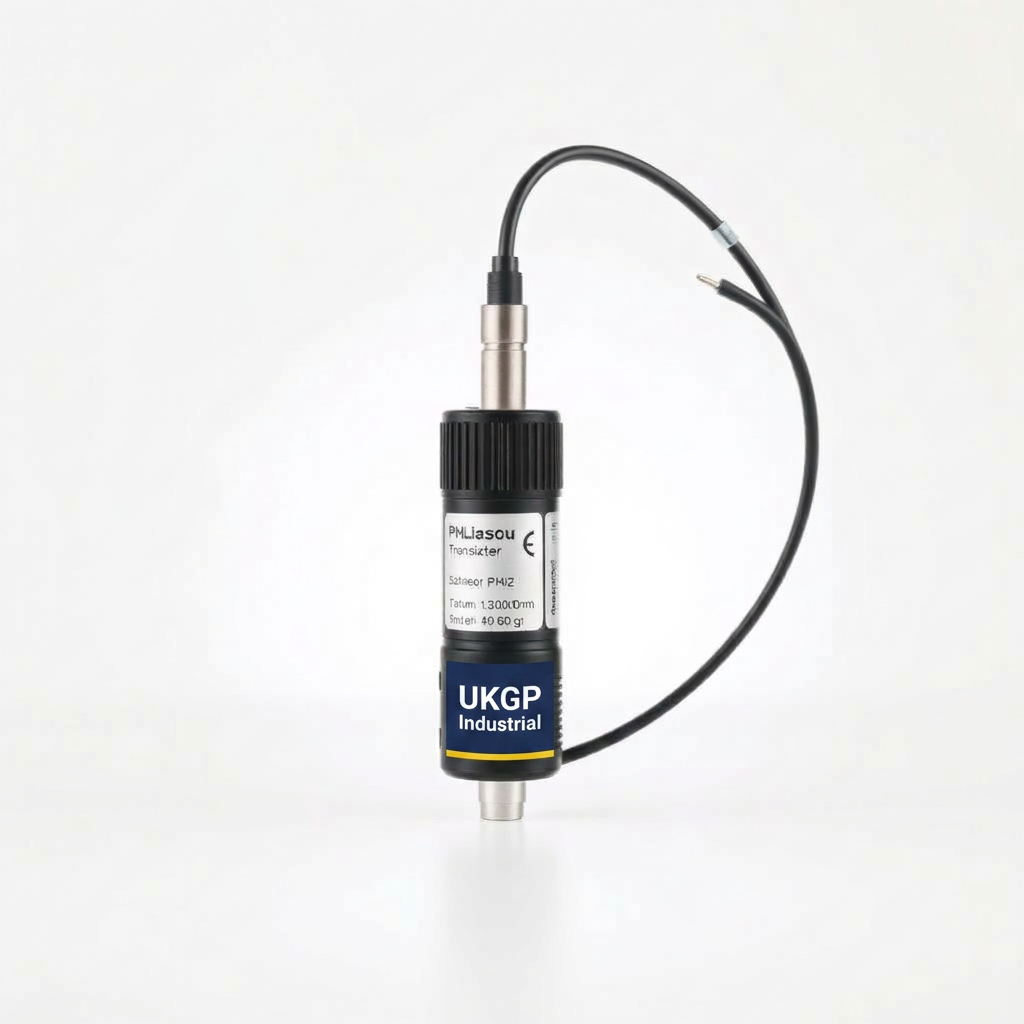
The UKGP industrial pH sensor & transmitter kit is designed specifically for these rigorous environments. The package includes a high-accuracy sensor, a dedicated transmitter, and a rugged M12 cable kit for secure electrical connection. These units are factory-calibrated prior to dispatch, reducing the setup time for onsite engineers and ensuring accuracy from the moment they are installed into the flow line. With a 2-year warranty as standard, our systems offer the reliability that M&E contractors require when signing off on complex HVAC installations. The ability to monitor pH levels remotely via Modbus means that potential issues can be flagged to the FM team before they manifest as physical system blockages or leaks.
For procurement leads, the total cost of ownership is a primary concern. Opting for a cheap, unverified ph meter for water often results in frequent sensor replacement and inaccurate data that can lead to improper chemical dosing. Our industrial transmitters are designed for stability, requiring minimal recalibration compared to low-end alternatives. By choosing a system with a factory-calibrated transmitter and robust housing, you ensure that the water quality data driving your site's maintenance decisions is both reliable and legally defensible. This is particularly important in multi-tenant commercial buildings where water quality disputes can arise regarding the maintenance of shared plant room assets.
- IP68 rated sensors for maximum protection against moisture ingress
- Dual output options: 4-20 mA and Modbus RTU for BMS integration
- Factory-calibrated to ensure immediate out-of-the-box accuracy
- Includes M12 cable kit and comprehensive 2-year warranty
Integration with Side Stream Filtration and Dosing
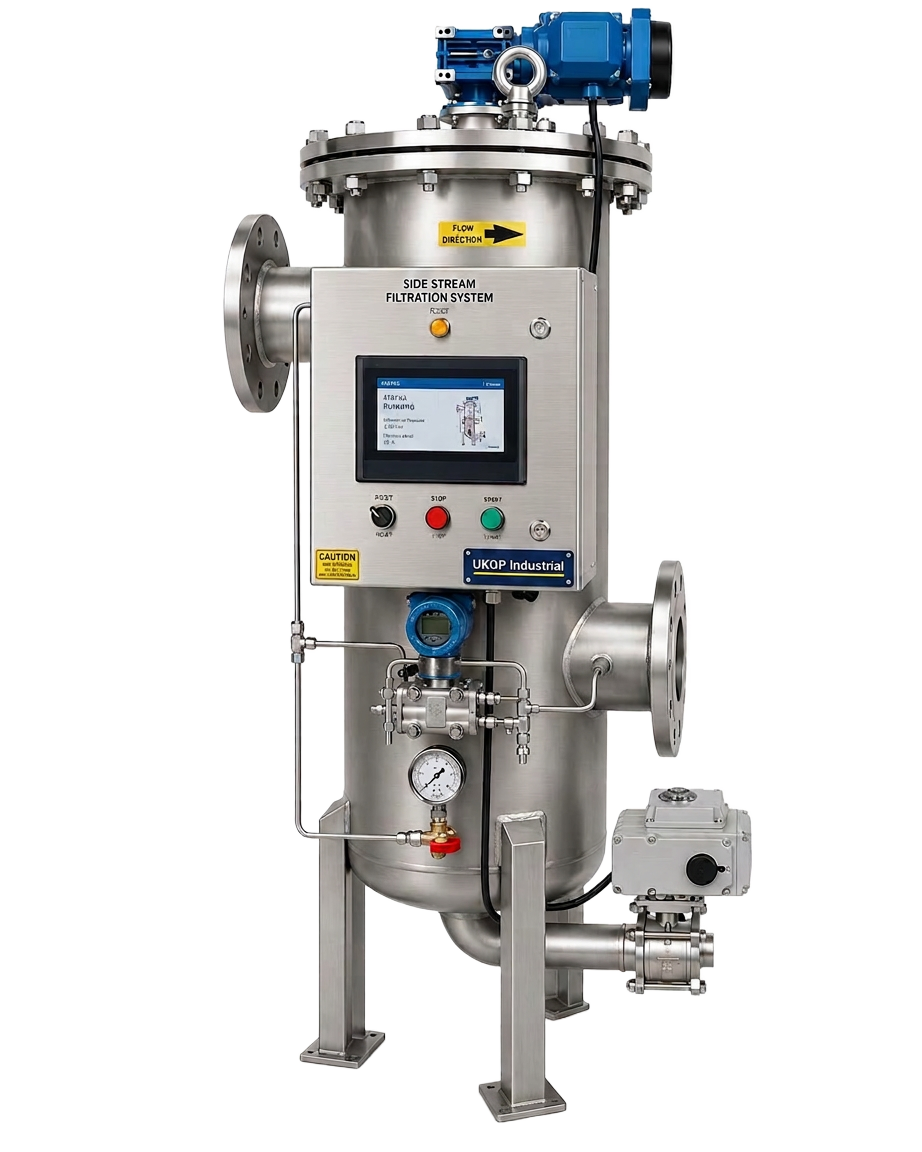
A ph meter for water should ideally be installed alongside a side-stream filtration unit to provide a holistic view of the system fluid. While the filter removes suspended solids and magnetite as per BSRIA BG29/50 guidelines, the pH sensor monitors the chemical environment that prevents new particles from forming. This dual approach is the gold standard for UK commercial HVAC maintenance. By monitoring the pH of the water entering the filtration loop, engineers can adjust chemical dosing via a dosing pot or automated pump in response to real-time data, rather than relying on historical lab results that may be weeks out of date.
When integrating a ph meter for water into an existing plant room, it is often best practice to install it on a bypass assembly. This allows for the sensor to be isolated and cleaned without needing to drain the entire system, ensuring that maintenance downtime is kept to a minimum. The data from the sensor can be linked to the alert system of the side-stream filter, creating a comprehensive water treatment station. If the pH drops below the set point, an alarm can be triggered on the BMS, prompting the maintenance team to inspect the dosing levels before the acidic water causes damage to the boiler or chiller bundles.
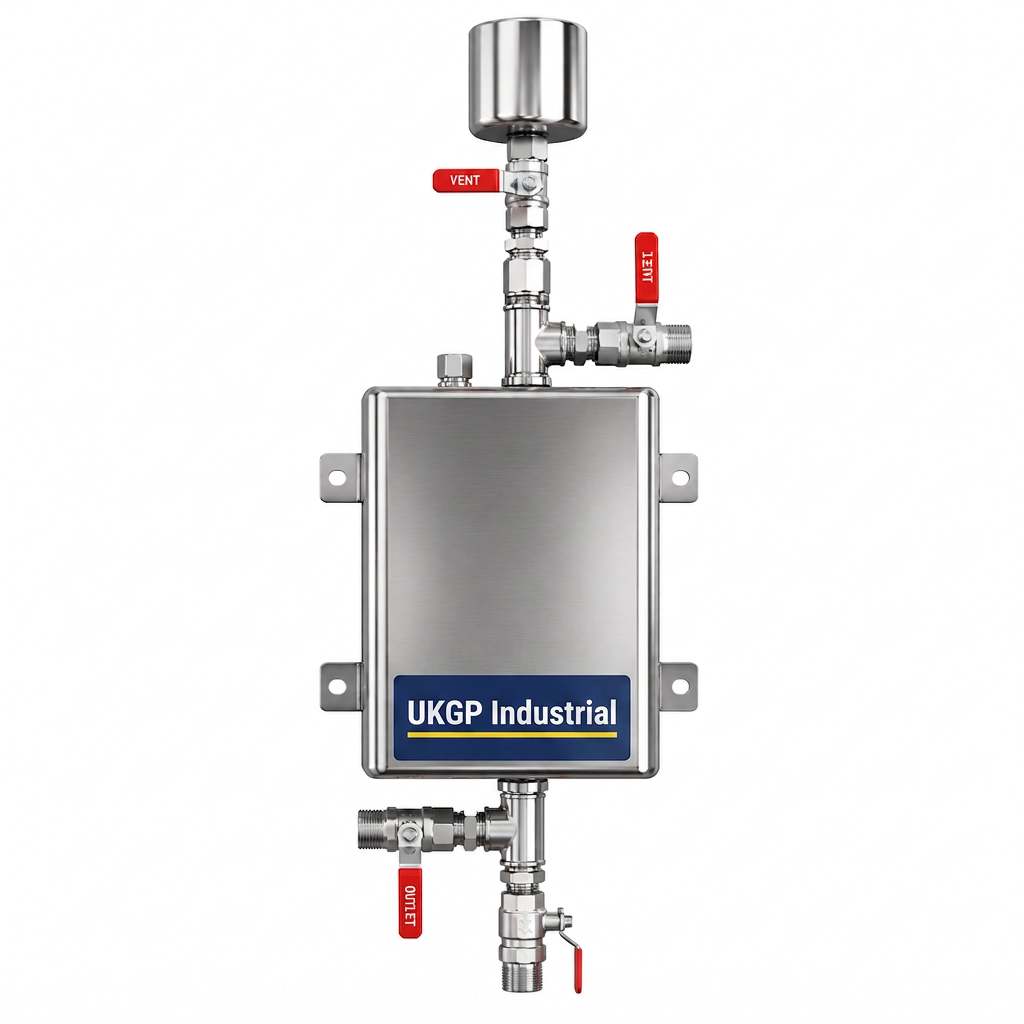
UKGP Industrial provides a full range of water quality components, including side stream filtration skids and chemical dosing pots, which work in tandem with our pH monitoring kits. By sourcing a complete water treatment package, consultants can ensure that all components are compatible and meet the same high standards of engineering. This integrated approach simplifies the procurement process and provides a single point of accountability for the system's water chemistry management. Our technical team can assist in selecting the correct sensor and filtration combination based on your system volume and the specific requirements of the BSRIA standards relevant to your project.
- Ideal for integration with BSRIA-compliant side-stream filtration
- Enables data-driven decisions for chemical dosing pot usage
- Facilitates remote monitoring of system health indices
- Supports long-term magnetite prevention and fluid clarity
Installation and Calibration Best Practices
Correct installation of a ph meter for water is vital for obtaining representative readings. The sensor should be positioned where there is a constant, laminar flow of water, typically on the return header before any chemical injection points. It is crucial to avoid areas of stagnant water or air pockets, as these will lead to erratic readings and potential sensor damage. For systems following BS EN standards, the installation must also allow for easy access for periodic calibration checks. While our sensors come factory-calibrated, annual or bi-annual verification against standard buffer solutions is recommended to maintain the highest levels of accuracy over the product's lifespan.
The wiring of the transmitter is equally important, particularly when utilizing the 4-20 mA output for long-distance signal transmission. Our M12 cable kits provide a shielded, secure connection that minimizes electromagnetic interference in busy plant rooms. When connecting to a Modbus network, proper termination and addressing are required to ensure the BMS can poll the ph meter for water correctly. Our technical documentation provides clear wiring diagrams and register maps to assist site electricians and BMS integrators. Investing time in a high-quality installation ensures that the 2-year warranty is supported and that the equipment delivers a reliable return on investment through improved system efficiency.
Maintenance of the pH probe itself involves ensuring the glass membrane remains clean and hydrated. In systems with high levels of particulate matter, the probe may require periodic cleaning with a mild acidic solution to remove mineral scaling. However, by using a high-quality ph meter for water and maintaining correct filtration, the frequency of such maintenance is significantly reduced. UKGP sensors are selected for their durability in industrial settings, meaning they can withstand the typical pressures and temperatures of a commercial heating circuit without the frequent drift associated with cheaper alternatives. This reliability is why we are the preferred choice for UK M&E contractors working on high-spec developments.
- Position sensors in laminar flow areas for consistent readings
- Use shielded M12 cables to prevent signal interference
- Schedule bi-annual calibration checks to verify sensor drift
- Ensure probe hydration and cleanliness for maximum longevity
Protecting Assets with pH Monitoring
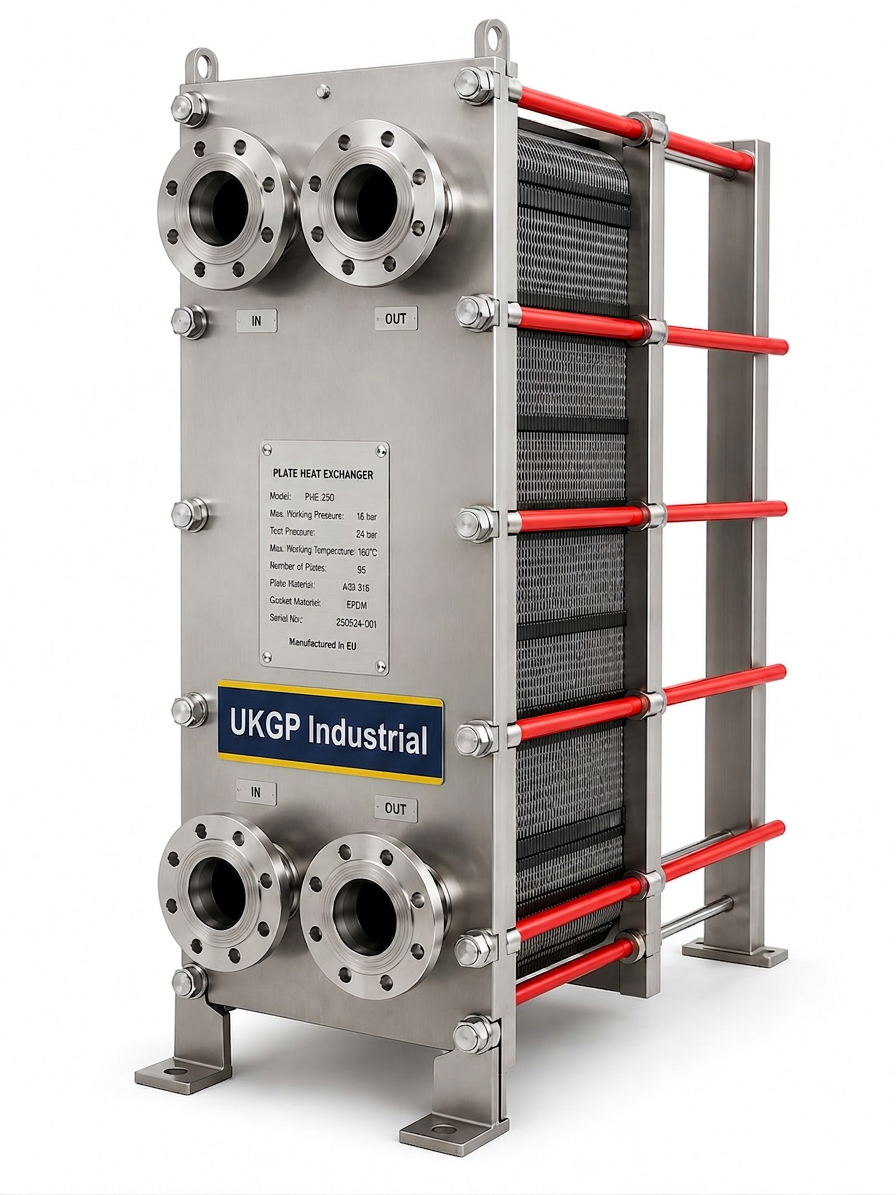
The cost of a high-quality ph meter for water is negligible when compared to the replacement cost of a large plate heat exchanger or a modular boiler battery. Acidic water conditions can lead to rapid pitting and through-wall corrosion in heat exchanger plates, while overly alkaline conditions can be equally damaging to certain gasket materials and non-ferrous components. By implementing continuous pH monitoring, you provide a protective shield around your most critical HVAC assets. Continuous monitoring via a 4-20 mA or Modbus transmitter allows for the implementation of 'alarm and shut-off' protocols should the water quality breach safety thresholds, effectively automating the protection of the plant room.
In addition to protecting metal components, maintaining the correct pH ensures that the chemical inhibitors used in the system function at their optimal level. Most modern inhibitors are formulated to work within a specific pH window; if the water deviates from this, the inhibitor may drop out of solution or lose its effectiveness. A ph meter for water provides the data needed to ensure your chemical investment is actually providing the protection you paid for. This synergy between hardware, chemistry, and monitoring is what defines a modern, professionally maintained building service system. It reduces the risk of unexpected leakages and ensures the building remains operational and efficient throughout its designed life.
From a procurement and facilities management perspective, the integration of a reliable ph meter for water also supports sustainability goals. Precise control over water chemistry reduces the volume of chemicals required and minimizes the need for system blowdowns, which waste water and energy. As the UK moves toward more stringent environmental regulations, the ability to demonstrate precise control over system fluids becomes a commercial advantage. UKGP Industrial is committed to supporting our clients in achieving these standards through the supply of high-performance sensing technology. Contact our Surrey office today to request a quote for our factory-calibrated pH sensor and transmitter kits.
- Reduces the risk of premature plate heat exchanger failure
- Optimises the performance and lifespan of chemical inhibitors
- Supports ESG goals by reducing water and chemical waste
- Provides an automated early warning system for corrosive conditions
The Engineering Behind Reliable pH Data
The accuracy of a ph meter for water is not just about the probe, but the electronics within the transmitter that process the raw signal. Our transmitters are engineered to handle the high impedance of pH electrodes while providing a robust output signal that can travel hundreds of metres across a plant room to a central controller. This level of engineering is essential in preventing 'signal bounce' and ensuring that the BMS receives a clean, stable value. When you spec a UKGP pH monitoring kit, you are choosing a solution designed for the specific electrical environment of a modern UK industrial site, where VFDs and large pumps can create significant electrical noise.
Furthermore, our commitment to factory calibration means that the relationship between the pH value and the output signal is pre-defined and tested before the unit leaves our facility. This removes the guesswork from the commissioning process. When an engineer installs a UKGP ph meter for water, they can be confident that a 12 mA signal on a 4-20 mA loop accurately represents the mid-point of the pH range as specified in the technical data sheet. This level of precision is what separates industrial instrumentation from consumer-level monitoring. It provides the certainty required by CIBSE guidelines and insurance providers when evaluating the maintenance of high-pressure systems.
In summary, selecting the right ph meter for water is a strategic decision for any UK engineering project. It ensures compliance with BSRIA and BS EN standards, protects physical assets from corrosion, and provides the data needed for modern, automated building management. At UKGP Industrial, we provide the expert hardware—from sensors and transmitters to M12 cable kits—to ensure your system monitoring is accurate, reliable, and durable. Whether you are an FM, an M&E contractor, or a consultant, our technical team is ready to provide the support and hardware you need to maintain world-class water quality standards.
- High-impedance signal processing for stable BMS data
- Rugged transmitter design to withstand electrical noise
- Comprehensive documentation for simplified commissioning
- Proven reliability in high-pressure commercial HVAC loops
Frequently asked questions
Why is a pH meter for water necessary if we already use dosing pots?
- A dosing pot allows you to add chemicals, but a pH meter for water tells you IF and WHEN they are needed. Without monitoring, you are dosing blindly, which can lead to under-protection or over-chemicalisation, both of which are detrimental to system health and BSRIA compliance.
What communication protocols does the UKGP pH transmitter support?
- Our industrial transmitters support both 4-20 mA analogue signals and Modbus RTU digital communication. This ensure compatibility with almost any modern Building Management System (BMS) for real-time data logging and alerting.
How often should an industrial pH sensor be calibrated?
- While our units are factory-calibrated, we recommend a calibration check every 6-12 months depending on the system conditions. This involves using standard buffer solutions to ensure the sensor hasn't drifted due to fouling or electrode aging.
Is the UKGP pH sensor suitable for high-temperature heating circuits?
- Yes, our industrial pH sensors are designed for commercial HVAC temperatures. However, for extreme temperatures, we recommend installation on a cooled bypass loop to extend the life of the electrode and ensure the most accurate readings.
What is included in the UKGP pH monitoring kit?
- The kit includes the industrial-grade pH sensor, a matched transmitter, a high-quality M12 cable kit for secure connection, and full technical documentation. The system comes factory-calibrated with a 2-year warranty.