Understanding the Role of the ph meter in HVAC Systems
In the UK building services sector, the importance of water chemistry cannot be overstated, particularly when dealing with mixed-metal systems containing steel, copper, and aluminium. A reliable ph meter provides the primary data point needed to assess whether the system fluid is within the protective range specified by BSRIA BG50 and BG29 requirements. When the pH level drifts outside of the recommended 8.2 to 9.5 range for steel-heavy systems, the risk of localized pitting and general corrosion increases exponentially. For systems containing aluminium components, the alkaline window is even narrower, making precise measurement essential for avoiding component failure and maintaining manufacturer warranties on high-value plant like boilers and chillers.
Industrial water systems often experience fluctuations in chemistry due to fresh water ingress, air ingress, or the natural degradation of corrosion inhibitors over time. Without an integrated ph meter, these changes can go unnoticed for months, leading to the accumulation of magnetite and other corrosion products that eventually throttle flow rates and reduce heat transfer efficiency. Consulting engineers must ensure that monitoring points are strategically placed where they can provide representative samples of the entire loop. By moving away from manual 'dip-test' methods toward continuous inline monitoring, facility managers can adopt a proactive maintenance strategy that identifies potential issues before they manifest as costly system leaks or blockages.
Choosing an industrial-grade solution means looking beyond simple handheld devices used in laboratory settings. A proper ph meter for these applications must be capable of withstanding the pressures and temperatures typical of a commercial plant room while providing a signal that can be easily integrated into a Building Management System (BMS). This connectivity allows for real-time alerting, which is a key component of modern digital maintenance regimes. UKGP offers specialized industrial solutions that bridge the gap between scientific precision and mechanical durability, specifically designed for the rigours of M&E plant room environments where reliability is the absolute priority for the engineering team on-site.
- Ensures compliance with BSRIA BG50 water quality guidelines
- Prevents accelerated corrosion in mixed-metal HVAC circuits
- Reduces long-term operational costs by protecting heat exchangers
- Provides the necessary data for automated chemical dosing or remediation
Technical Specifications for Industrial ph meter Integration
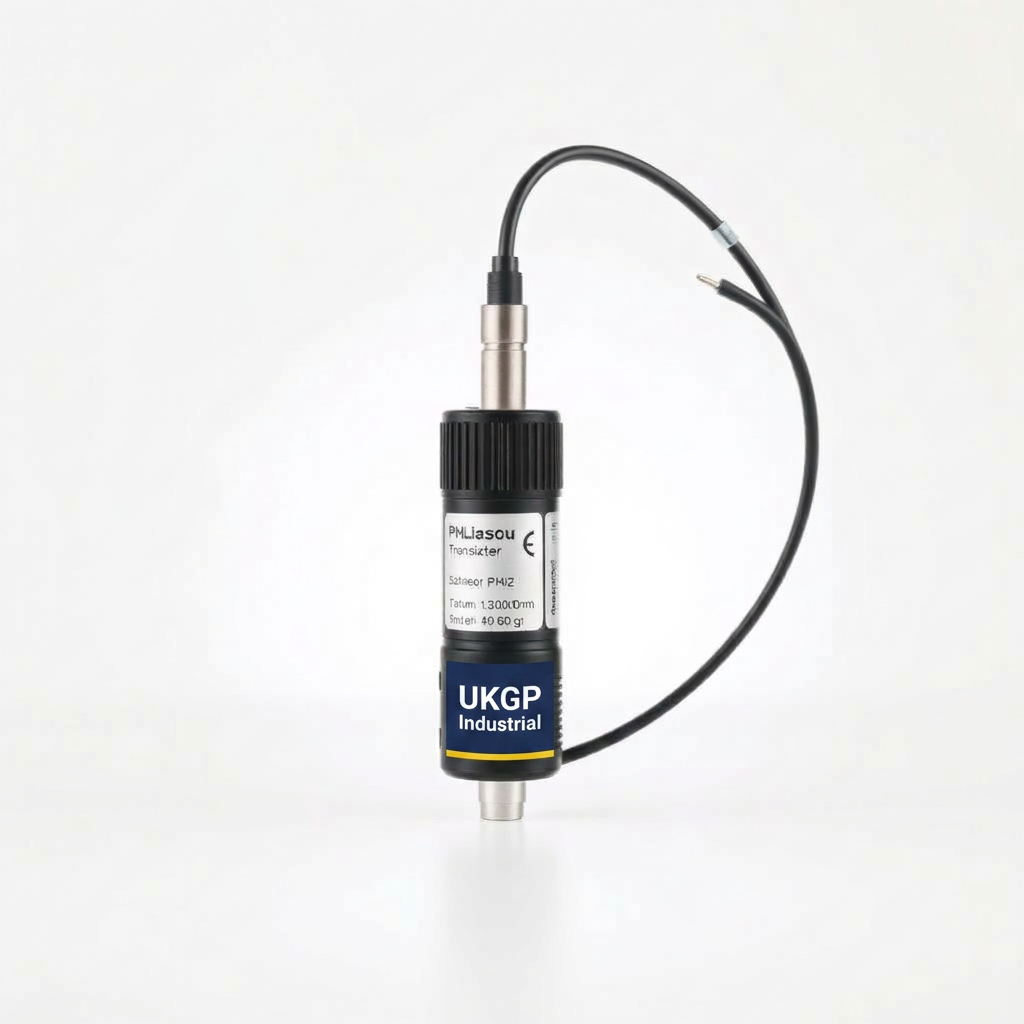
When specifying a ph meter for a commercial or industrial installation, the hardware must possess industrial-standard outputs to be of any practical use to the controls engineer. Compatibility with 4-20 mA analogue signals or Modbus digital protocols is standard for modern installations, allowing the sensor's data to be logged and trended by the BMS. This integration is crucial for site teams who need to provide evidence of water quality for insurance purposes or to satisfy technical auditors. UKGP provides a comprehensive industrial pH sensor and transmitter kit that includes everything needed for a seamless installation, including the sensor, a digital transmitter, and a durable M12 cable kit to endure harsh conditions.
Operating environments in UK plant rooms can be challenging, often featuring high humidity, heat, and the presence of chemicals. Therefore, any ph meter selected must feature an IP68 rating to ensure it remains waterproof and dustproof over a long service life. Durability is further enhanced when the units are factory-calibrated, ensuring they arrive on-site ready for immediate deployment without the need for complex commissioning procedures. We recommend looking for units that offer at least a 2-year warranty, as this reflects the manufacturer's confidence in the sensor's longevity under continuous industrial use. These features ensure that the initial investment pays for itself through reduced downtime and lower maintenance overheads.
Effective monitoring also hinges on the physical installation of the sensor. A high-quality ph meter should be installed in a location with consistent flow to prevent the build-up of stagnant debris on the probe, which can lead to false readings or 'sensor drift.' For those managing complex industrial networks, opting for a sensor that utilizes an M12 cable connection simplifies the replacement process, as it allows for a 'plug and play' approach when the sacrificial pH electrode eventually reaches the end of its lifespan. This modularity is a hallmark of professional-grade equipment, and procurement leads should prioritise systems that allow for easy component replacement without requiring a full system drain-down or re-wiring.
- IP68 rated housing for maximum protection against moisture ingress
- 4-20 mA or Modbus communication for universal BMS compatibility
- Factory-calibrated sensors to simplify site commissioning
- Supplied as a complete kit including sensor and M12 cabling
Synergy with Side Stream Filtration and Water Quality
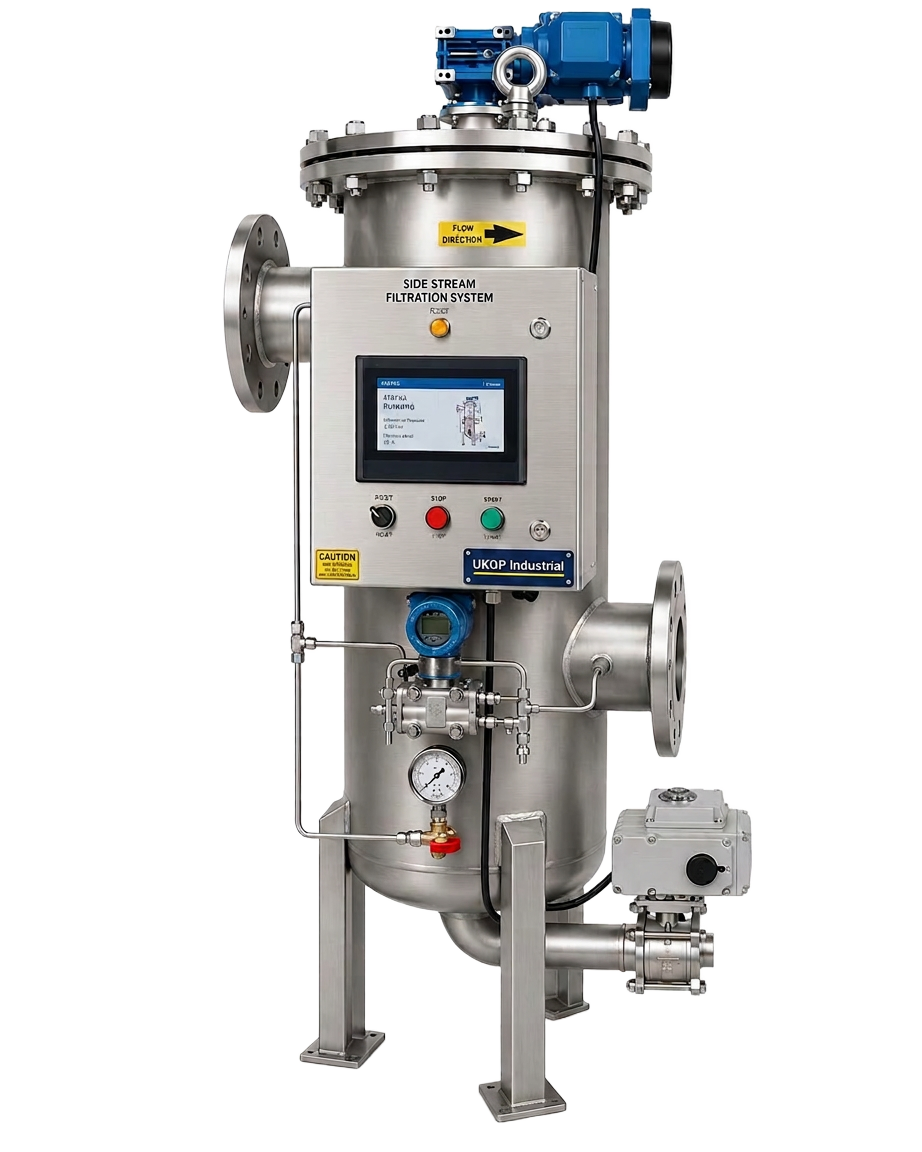
While a ph meter accurately detects the chemical state of the water, it works most effectively when paired with physical filtration systems. In many UK commercial buildings, suspended solids such as magnetite can interfere with sensitive electronic sensors, causing abrasion or coating the electrode. By utilizing side stream filtration, these particles are continuously removed from the loop, protecting the ph meter and ensuring it continues to provide accurate data. This synergy represents the gold standard in water quality management, where chemical monitoring and physical debris removal work in tandem to maintain optimal thermal efficiency and system longevity across the entire network.
BSRIA BG29 highlights the necessity of maintaining clean systems from the pre-commissioning stage through to standard operation. A ph meter provides the early warning system for chemical imbalance, while a side stream filter manages the consequences of past corrosion events. Together, they form a robust defence against the common failures seen in older heat networks. For M&E contractors, installing these components as a single package ensures that the building handover process is smoother and that the water treatment regime is easy for the end-user to manage. Investing in both technologies reduces the frequency of manual interventions and flushing required to keep the system compliant.
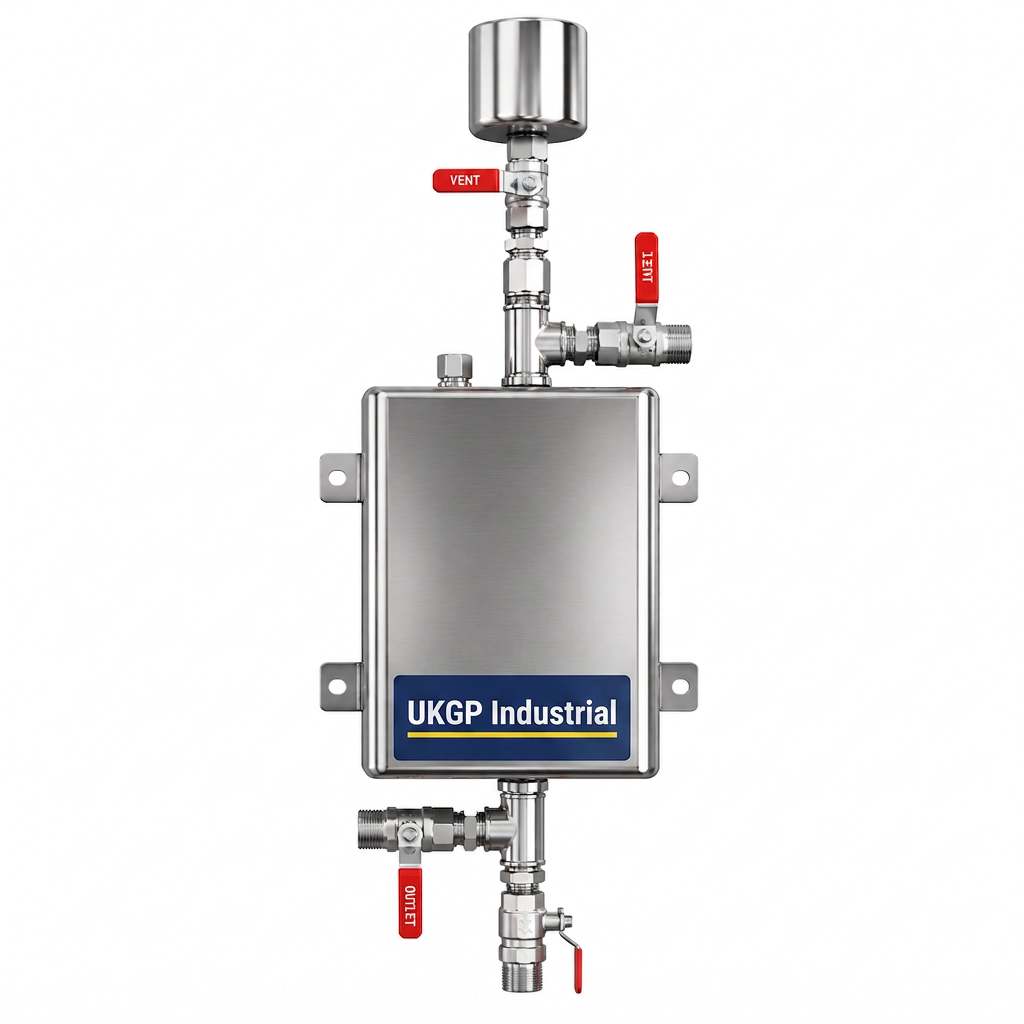
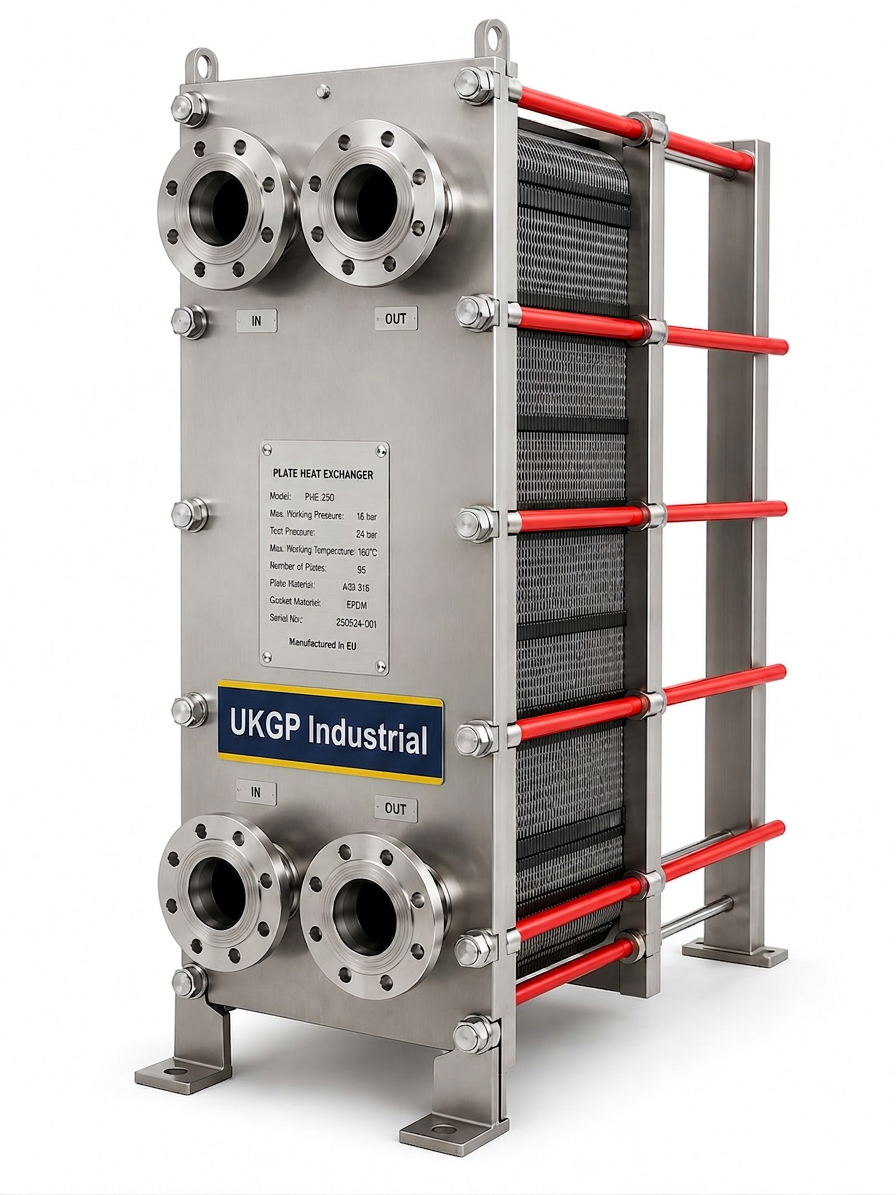
The commercial case for this dual approach is clear. When a ph meter alerts the FM team to a drop in alkalinity, they can quickly dose the system through a dosing pot, while the side stream filter ensures that any resulting precipitates or loosened scale are captured immediately. This prevents the debris from settling in low-flow areas or clogging up plate heat exchangers, which are notoriously difficult to clean once fouled. By maintaining a clean, chemically balanced system, the entire building benefits from lower pumping costs and a reduced carbon footprint, aligning with modern sustainability goals and energy efficiency targets required by current UK building regulations.
- Side stream filtration protects pH electrodes from abrasive debris
- Maintains system efficiency by preventing magnetite accumulation
- Simplifies compliance with BSRIA BG29 pre-commissioning standards
- Extends the life of pumps, valves, and heat exchangers
Best Practices for Maintaining your ph meter
Even the most robust ph meter requires periodic validation to ensure it remains accurate over time. In an industrial context, this usually involves checking the sensor against known buffer solutions once every six to twelve months, depending on the severity of the system fluid. If a sensor consistently shows drift, it may be due to fouling of the reference junction, a common issue in systems with high levels of particulate matter. Regular cleaning of the probe with a soft cloth and ensuring the system's air and dirt separators are functioning correctly can significantly extend the interval between calibrations and total sensor replacements, saving the facility money in the long run.
For plant room engineers, accessibility is key when it comes to maintaining a ph meter for industrial water. Sensors should be installed in a bypass line or a location with isolation valves to allow for easy removal without shutting down the entire HVAC system. This practical design choice is often overlooked during the initial build phase but becomes vital during the operational phase of the building. Utilizing a high-quality transmitter with a digital display also allows for quick 'at-a-glance' checks by site staff, providing immediate peace of mind that the chemical dosing regime is performing as expected without needing to hook up a laptop or consult the BMS.
Finally, always ensure that the cabling between the ph meter and the transmitter is protected from mechanical damage and electromagnetic interference. Using the provided M12 cable kits from UKGP ensures a secure, watertight connection that minimizes signal noise, which is especially important in plant rooms crowded with high-voltage pump motors and speed drives. By following these maintenance best practices—regular calibration, clever installation positioning, and using high-quality shielded cabling—you can ensure your water quality monitoring system provides reliable service for years. Contact the UKGP technical team today to discuss how our factory-calibrated sensors can be integrated into your next mechanical project.
- Schedule biannual calibration checks using standard buffer solutions
- Install sensors in isolated bypass lines for easier maintenance
- Keep electrodes clean to prevent measurement drift and inaccuracies
- Use shielded M12 cabling to prevent signal interference in plant rooms
Regulatory Compliance and Industrial Standards
Adhering to British Standards and industry guidelines is non-negotiable for professional building services. The use of an industrial ph meter is a direct response to the requirements set out in BS 8552, which provides a code of practice for sampling and monitoring water in buildings. Furthermore, CIBSE guidelines frequently reference the need for continuous monitoring to ensure that HVAC systems operate within their designed thermal parameters. By implementing a permanent ph meter solution rather than relying on occasional manual testing, contractors and building owners can demonstrate a 'best practice' approach to risk management, particularly in large-scale residential and commercial developments.
In addition to water quality standards, mechanical components like expansion bellows must be protected from aggressive water chemistry. If a ph meter detects an acidic shift in the system water, it can signal a risk to the stainless-steel membranes of these bellows, which are susceptible to chloride-induced stress corrosion cracking if the environment is not properly controlled. Therefore, the pH sensor acts as a sentinel for the entire pipework infrastructure. By maintaining an alkaline environment, the protective magnetite layer on steel pipes remains stable, preventing the thinning of pipe walls and the eventual catastrophic failure of pressurized components within the plant room environment.
Ultimately, the goal of any procurement lead or engineer is to specify equipment that minimizes risk and maximizes system uptime. A high-quality ph meter for industrial water is a cost-effective insurance policy against the most common cause of HVAC failure: poor water treatment. With the UKGP pH sensor and transmitter kit, you are investing in a product that meets these rigorous standards while offering the ease of installation required by modern construction schedules. Request a quote today to ensure your project benefits from industry-leading sensing technology that is built to last and fully supported by our Surrey-based technical experts.
- Supports compliance with BS 8552 sampling protocols
- Protects expansion bellows and thin-walled components from corrosion
- Meets CIBSE recommendations for continuous system monitoring
- Contributes to a robust risk management strategy for building owners
Selecting the Right ph meter for your Budget
When evaluating the cost of a ph meter, it is important to consider the total cost of ownership rather than just the initial purchase price. Cheap, consumer-grade sensors often lack the necessary durability for industrial water applications and frequently fail within months due to pressure spikes or temperature fluctuations. An industrial-grade ph meter from UKGP, provided with an IP68 rating and a 2-year warranty, offers significantly better value over time by reducing the frequency of replacements and the labour costs associated with frequent recalibration. For procurement leads, choosing a reliable British supplier ensures that replacement parts and technical support are always within reach.
The technical superiority of a factory-calibrated ph meter also reduces the billable hours required from commissioning engineers during the handover phase. Because the sensor and transmitter are designed to work together as a kit, the integration into the site’s Modbus or 4-20 mA network is straightforward. This reliability is essential for maintaining project timelines and avoiding the 'snagging' lists that often plague mechanical installations. Whether you are refurbishing an existing plant room or working on a new-build industrial site, the inclusion of a high-quality pH monitoring station is a sign of a well-engineered and professionally managed water system.
In summary, a ph meter for industrial water should be viewed as a critical component of the building's infrastructure. By selecting a system that offers a 4-20 mA or Modbus output, IP68 protection, and an M12 cable kit, you are ensuring that the site's FM team has the best possible tools to maintain water quality. UKGP stands ready to support your project with expert advice and fast shipping on our range of sensors and transmitters. Secure your system's future by integrating professional pH monitoring into your chemical treatment plan today, and ensure your building performs to the highest possible standards for years to come.
- Prioritise industrial-grade durability over low initial purchase costs
- Look for comprehensive kits that include sensors, transmitters, and cables
- Evaluate the benefits of factory calibration for faster commissioning
- Ensure the manufacturer offers a strong warranty and UK-based support
Frequently asked questions
Why is a ph meter necessary in a closed-loop HVAC system?
- A ph meter is critical for monitoring the acidity or alkalinity of the system water. According to BSRIA BG50, maintaining an alkaline pH (typically 8.2-9.5) is essential to prevent corrosion and magnetite formation, which can damage boilers, chillers, and pumps.
What are the advantages of an IP68-rated ph meter?
- An IP68 rating ensures that the sensor is fully dust-tight and can withstand long-term immersion in water. In a plant room environment where leaks or high humidity are common, this rating is vital for the longevity and reliability of the electronic components.
Can I connect the ph meter to my existing BMS?
- Yes, UKGP pH transmitters provide industry-standard 4-20 mA or Modbus outputs, making them compatible with almost all modern Building Management Systems for real-time monitoring and data logging.
How often should an industrial pH sensor be replaced?
- While the transmitter has a long life, the pH electrode is a sacrificial part. Depending on water quality and temperature, an industrial sensor typically lasts 12-24 months. Our M12 cable kit makes replacing the sensor quick and easy.
Does the UKGP ph meter come calibrated?
- Yes, our pH sensors and transmitters are factory-calibrated to ensure they are ready for immediate use upon installation, reducing commissioning time for M&E contractors.