The Importance of a Reliable pH Meter Food Infrastructure
In the UK food production sector, the precision of water chemistry monitoring cannot be overstated. Utilising a dedicated ph meter food setup ensures that process water and effluent treatment systems operate within the strict parameters required by local water authorities and health standards. When plant-room engineers select a ph meter food monitoring kit, they are looking for more than just a reading; they require long-term repeatability and resistance to the harsh cleaning agents typically found in sanitary production environments. Failure to maintain accurate pH levels can lead to catastrophic equipment failure, specifically in stainless steel components where pitting corrosion becomes a risk if the environment becomes too acidic or alkaline during CIP cycles.
From a commercial perspective, a ph meter food installation protects the capital investment in plant-room infrastructure. By integrating these sensors into a building management system (BMS) via 4-20 mA or Modbus protocols, facilities managers can receive real-time alerts if chemical dosing fails or if there is a breach in the sanitary barrier. This proactive approach is aligned with CIBSE best practices for industrial water systems, where continuous monitoring is preferred over periodic manual testing which can miss transient spikes in pH levels. A well-specified ph meter food system and transmitter kit will withstand the high humidity and temperature fluctuations common in UK food and beverage facilities.
Choosing UKGP as your supplier ensures that your pH monitoring hardware is purpose-built for industrial demand. Our systems provide the granular accuracy necessary for sensitive food-grade processes while remaining robust enough for plant-room installation. For engineers drafting specifications for new builds or refurbishments, ensuring the ph meter food sensor is factory-calibrated and ready for immediate deployment is critical to hitting project timelines. Investing in high-quality monitoring hardware reduces the total cost of ownership by extending the service intervals and reducing the staff time required for troubleshooting or frequent re-calibrations in difficult-to-access areas of the plant.
- Ensures compliance with UK environmental and health regulations
- Protects expensive downstream stainless steel infrastructure
- Enables seamless BMS integration for 24/7 facility oversight
- Reduces manual testing overhead and human error risk
Sanitary Installation Protocols for pH Systems
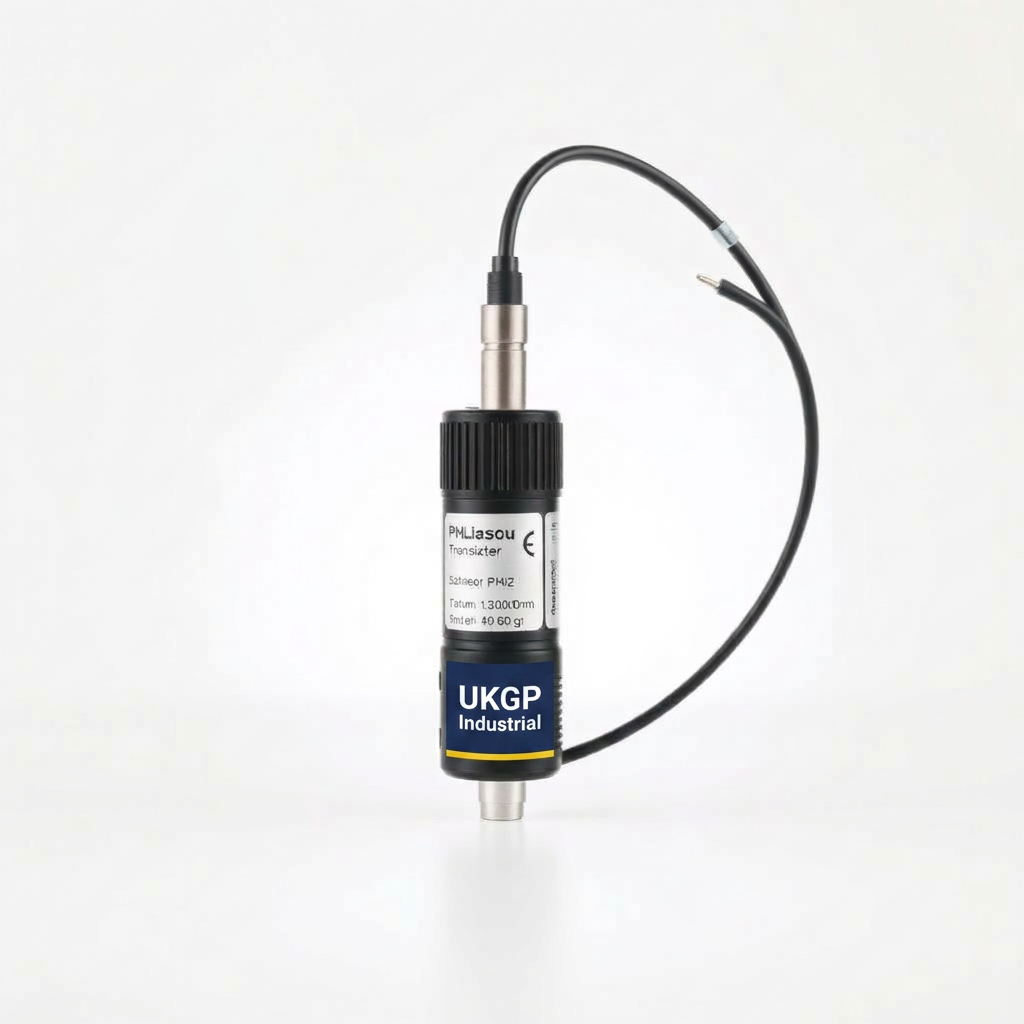
The installation of a ph meter food sensor requires careful consideration of flow dynamics and sanitary design. According to BSRIA BG50 guidelines, water monitoring points must be positioned where they can receive a representative sample of the flow without creating 'dead legs' where bacteria or debris can accumulate. This is particularly vital in food-grade environments where biofilms can compromise both product quality and sensor accuracy over time. When installing the UKGP industrial pH sensor and transmitter, engineers should ensure the sensor face is correctly oriented to the direction of flow to facilitate self-cleaning and prevent the buildup of organic solids on the sensitive glass membrane.
M&E contractors must also account for the electrical environment of the plant room when installing a ph meter food system. Using a high-quality M12 cable kit ensures a secure, water-tight connection that maintains IP68 integrity, which is essential in wash-down areas. Properly shielded 4-20 mA signals prevent electromagnetic interference from large motors or pumps, which can often lead to 'jitter' in the pH readings. By adhering to BS EN standards during the electrical fit-out, contractors can ensure that the ph meter food data remains stable and reliable, providing the FM team with actionable insights into the status of their water treatment or chemical dosing loops.
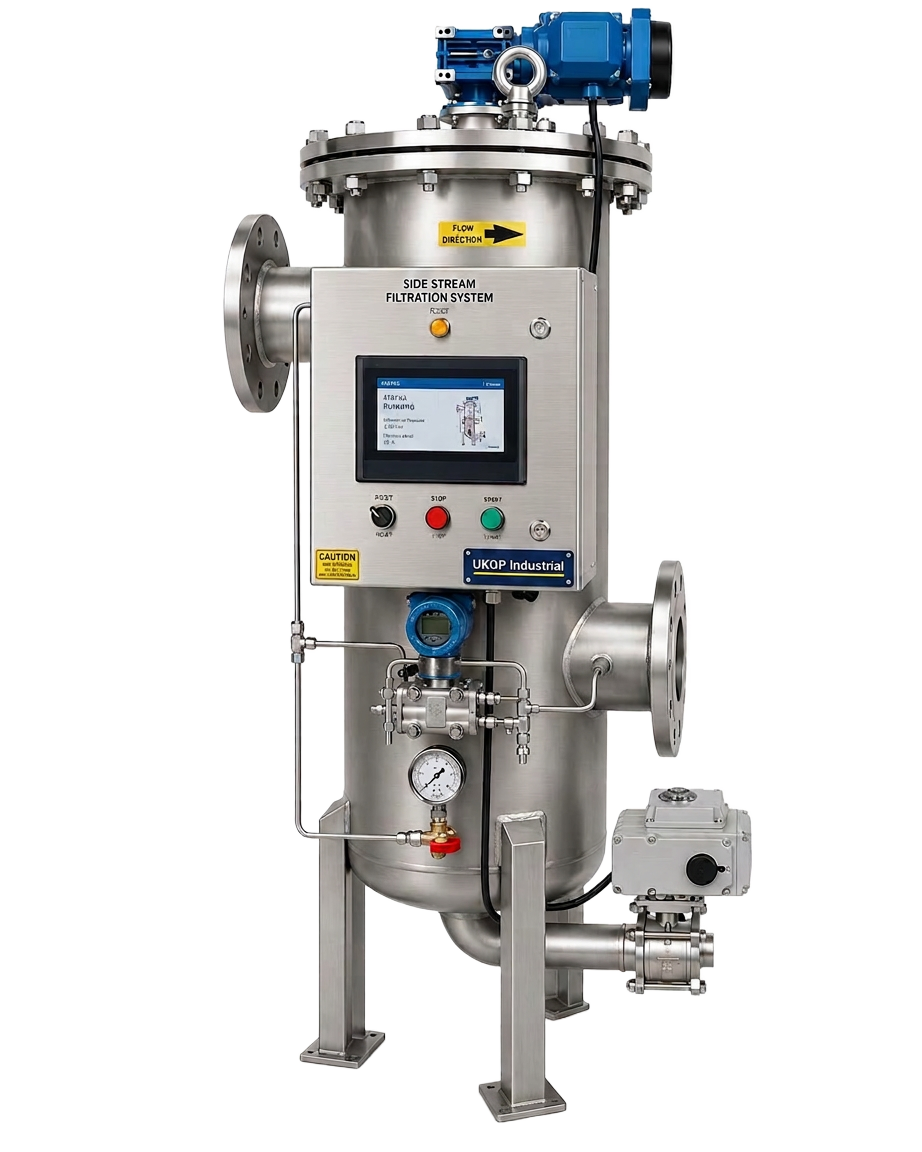
Physical placement of the transmitter should allow for easy access for maintenance without requiring a full system shutdown. Our transmitter units reflect this need for practicality, featuring clear displays and intuitive interfaces for local diagnostics. When the sensor is integrated into a side stream loop, and paired with high-quality components like air and dirt separators, the longevity of the pH probe is significantly enhanced. Removing macro-contaminants before they reach the delicate sensor surface ensures that the ph meter food reading stays within the calibrated range for much longer, reducing the frequency of site visits for technical staff.
- Avoid dead legs in pipework to prevent bacterial growth
- Maintain IP68 ratings using M12 cable kits in wash-down zones
- Orient sensors correctly to utilise flow for self-cleaning
- Isolate monitoring loops to allow maintenance without system drain-down
Maintaining Your ph meter food Sensor
Cleaning and maintenance of a ph meter food probe shouldn't be a burdensome chore, but it must be methodical. In food processing, proteins and fats can quickly coat the sensor, leading to slow response times or 'sensor drift.' To counteract this, a scheduled cleaning regime using appropriate surfactants or mild acidic solutions is recommended, depending on the specific contaminants present. After cleaning, the sensor must be rinsed thoroughly with deionised water before being checked against standard buffer solutions. This ensures that the ph meter food readings remain pinpoint accurate, providing peace of mind for procurement leads who need to justify the operational expenditure of the monitoring department.
Calibration is the cornerstone of any reliable ph meter food strategy. While UKGP sensors are factory-calibrated, the unique conditions of an industrial plant room—such as temperature variations and chemical exposure—will eventually necessitate field adjustment. Utilizing a transmitter that supports two-point calibration allows for greater accuracy across the expected pH range of the process fluid. For B2B clients, we recommend keeping logbooks of all calibration events, as this documentation is often required during BRC or ISO audits typical in the food industry. This disciplined approach ensures that the ph meter food data is legally and technically defensible.
The lifecycle of a pH probe is finite, particularly in aggressive environments. However, by choosing a UKGP industrial pH sensor & transmitter, you benefit from a 2-year warranty and a design that simplifies replacement. When a probe finally reaches its end-of-life, the modular nature of the M12 cable kit means the sensor can be swapped out in minutes. This minimizes downtime in the production line and ensures that the ph meter food monitoring remains continuous. For facilities managers, ordering replacement kits in advance ensures that a failed sensor doesn't become a bottleneck for the entire utility plant or effluent treatment works.
- Regular protein and fat removal to prevent sensor coating
- Verification against known buffers to ensure zero drift
- Documented calibration logs for industry audit compliance
- Quick-swap sensors via M12 connectors for minimal downtime
Compliance with BSRIA and BS EN Standards
Adherence to BSRIA BG29 and BG50 is non-negotiable for modern UK plant-room management. These documents outline the necessity for clear water and the monitoring of chemical parameters to prevent corrosion in closed loops and process water systems. A ph meter food installation serves as a primary sentinel for these standards, providing the hard data needed to prove that water treatment chemicals are being dosed correctly. If the pH levels deviate from the specified range (usually 9.0 to 10.5 for many heating/cooling systems, though different for food-grade process water), the ph meter food sensor alerts the operator to take corrective action before scale or corrosion can form.
BS EN 14917 and other relevant European standards adopted by the UK highlight the importance of material compatibility in expansion systems and heat exchangers. If the ph meter food reading indicates acidic conditions, the risk to bellows and plates increases exponentially. By monitoring the pH, you are effectively monitoring the health of all metallic surfaces within your thermal system. This holistic view of plant health is why integrated pH transmitters are now standard in high-spec mechanical designs. Our factory-calibrated units provide the accuracy needed to meet these stringent regulatory demands without complex onsite setup.
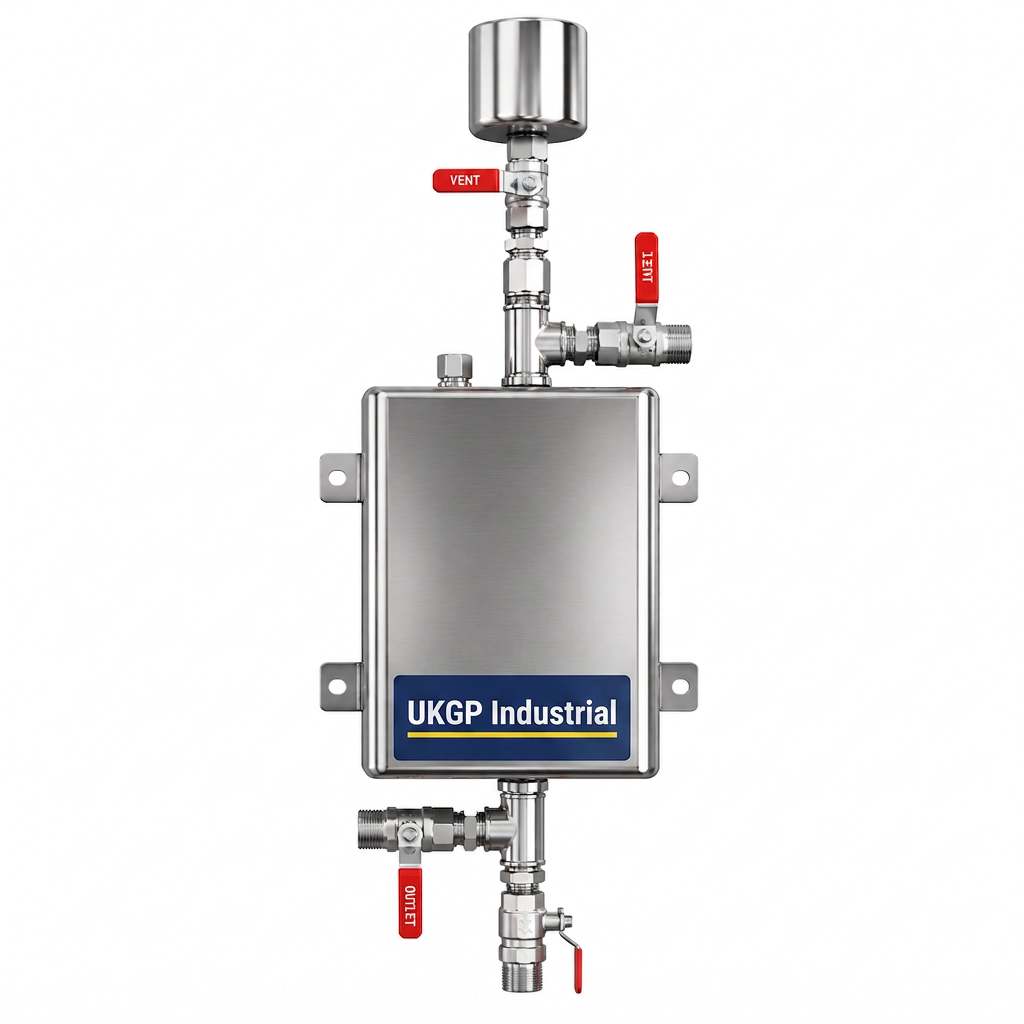
For procurement leads, choosing equipment that meets these standards simplifies the supply chain and ensures that the installed hardware will pass inspections by insurers and health and safety executives. The UKGP ph meter food solution is designed with these professional requirements in mind, offering a durable IP68-rated housing that withstands the rigors of a commercial plant room. When integrated with other water quality units like chemical dosing pots, the pH sensor becomes the 'brain' of the water treatment regime, ensuring that dosing is based on actual demand rather than estimated timelines.
- Supports BSRIA BG29/50 water quality monitoring requirements
- Protects expansion bellows and heat exchangers from corrosion
- Provides data-backed evidence for HSE and insurance audits
- Integrates with dosing pots for intelligent chemical management
Integrating pH Monitoring with Heat Transfer Systems
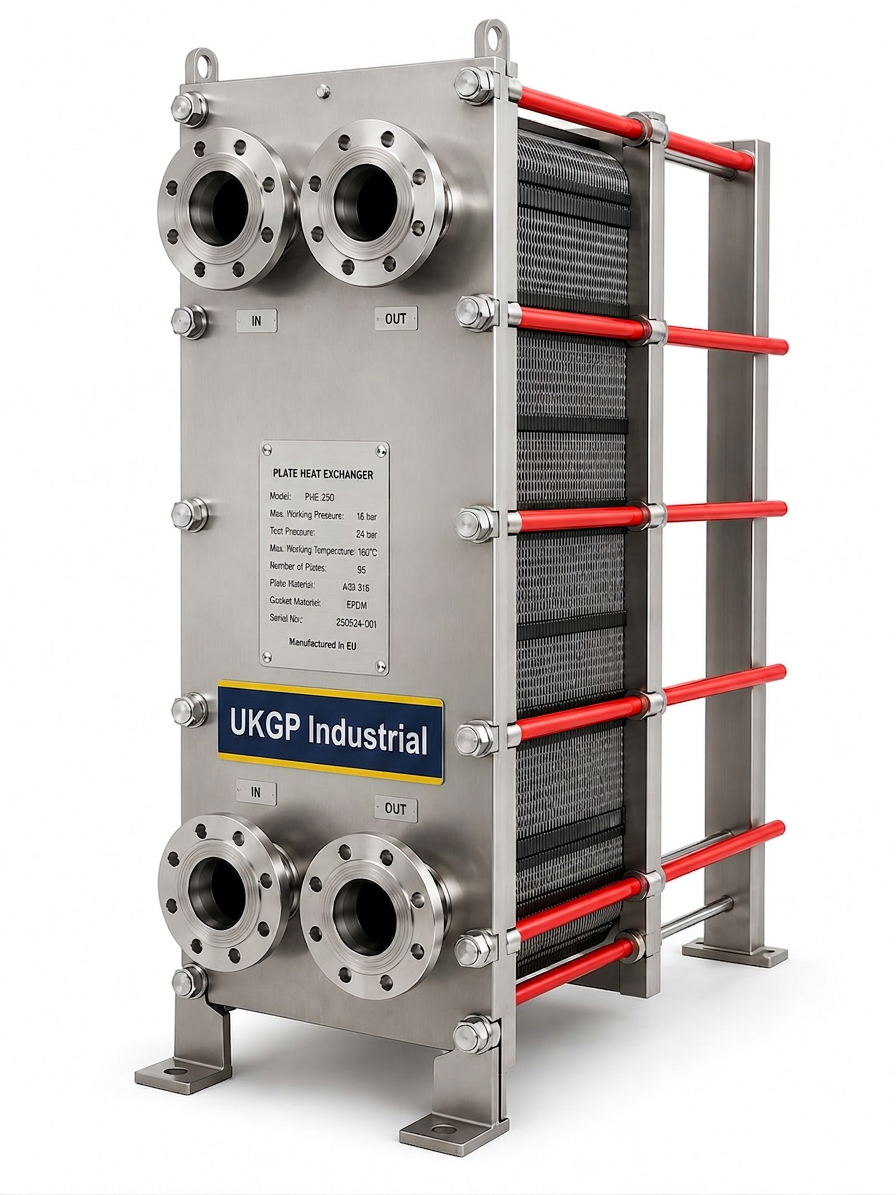
In food processing, heat transfer is a critical operation, often involving plate heat exchangers or low loss headers. The efficiency of these components is directly tied to the water quality. A ph meter food system ensures that the secondary side water, which may be indirect process water, does not become corrosive to the thin plates of a heat exchanger. If the pH drops, the risk of cross-contamination increases—a nightmare scenario for any food producer. By installing a UKGP industrial pH sensor & transmitter on the return line, engineers can monitor the integrity of the loop in real-time.
Furthermore, in systems using low loss headers to manage hydraulic separation, maintaining a stable pH is essential for preventing the accumulation of magnetite and other sludge. A ph meter food sensor can signal when the water chemistry is shifting toward a state where magnetic particles are more likely to precipitate. This information allows for the adjustment of side stream filtration or dirt separation rates. The cost of a ph meter food kit is negligible compared to the cost of acid-cleaning or replacing a fouled heat exchanger or a blocked low loss header.
Ultimately, the goal for any FM is 'set and forget' reliability. While no sensor is completely maintenance-free, the UKGP ph meter food range comes as close as possible. With a 2-year warranty and factory calibration, these units provide the confidence required to operate high-capacity food production lines. They provide the 4-20 mA or Modbus output needed to feed sophisticated control algorithms, ensuring that your heat transfer systems remain at peak efficiency throughout their service life. Request a quote for our sensor and transmitter bundles to secure your plant's future.
- Prevents electrolytic corrosion in plate heat exchangers
- Optimises hydraulic performance in low loss header systems
- Enables data-driven side stream filtration interventions
- Secures the thermal efficiency of the entire plant
Technical Specifications and Procurement
Specifying the right ph meter food hardware involves looking at the technical data. A professional UKGP industrial pH sensor and transmitter kit includes the sensor itself, a high-quality transmitter, and an M12 cable kit for easy wiring. The availability of both 4-20 mA and Modbus outputs ensures compatibility with both legacy PLC systems and modern IoT-enabled building management platforms. The IP68 rating is a must-have for food environments, ensuring the unit remains functional even during high-pressure hosedowns. When you choose a ph meter food solution from UKGP, you are choosing a product designed by engineers, for engineers.
Commercially, the 2-year warranty offered by UKGP provides a significant safety net for procurement leads concerned with the durability of measuring instruments in industrial settings. Each ph meter food unit is factory-calibrated, meaning once it is installed and powered up, it provides accurate data immediately. This reduces the laboratory-grade equipment needed onsite for initial commissioning and allows contractors to hand over projects faster. The industrial-grade housing and glass membrane of our ph meter food sensors are specifically chosen to handle the mechanical stresses of high-flow plant rooms.
For those managing multiple sites, standardising on the UKGP pH platform makes sense. It simplifies the spare parts inventory, as the same M12 cable kits and transmitters can be used across various monitoring points. Whether you are dealing with dosing pots, air and dirt separators, or complex filtration skids, having a reliable ph meter food reading is the common thread that ensures all other components function correctly. Contact our Surrey-based technical team today to discuss your specific site requirements and receive a competitive quote for your ph meter food hardware needs.
- Universal 4-20 mA or Modbus output for BMS integration
- IP68 rated housing for extreme industrial durability
- 2-year warranty for commercial peace of mind
- Factory-calibrated for immediate out-of-the-box accuracy
Frequently asked questions
How often should a ph meter food sensor be calibrated?
- In most industrial food settings, we recommend checking the ph meter food sensor against buffer solutions monthly. If the drift is minimal, this can be extended to quarterly, but high-protein environments may require more frequent attention.
Is the UKGP pH transmitter compatible with older PLCs?
- Yes, our transmitters provide a standard 4-20 mA analogue output, which is compatible with almost all legacy PLC and BMS hardware used in UK plant rooms.
What is the benefit of the M12 cable kit?
- The M12 cable kit provides an IP68-rated waterproof connection that is far more durable than standard screw terminals. It allows for quick 'plug and play' sensor replacement without rewiring the transmitter.
Can the ph meter food sensor withstand CIP cleaning chemicals?
- Yes, the industrial-grade glass and body materials are designed to withstand common Clean-In-Place (CIP) chemicals, though we recommend rinsing the sensor to ensure its longevity.
Does the unit come with a warranty?
- Every UKGP industrial pH sensor & transmitter bundle comes with a comprehensive 2-year warranty as standard, covering manufacturing defects.