The Role of a ph meter electrode in HVAC Maintenance
In modern commercial heating and cooling systems, the alkalinity of the circulating water is a primary indicator of system health. A high-quality ph meter electrode serves as the front line of defence against acid-induced corrosion and the breakdown of metal components. When the pH level deviates from the recommended range—typically between 8.2 and 10.0 for steel systems as per BSRIA BG50—it can lead to rapid pitting and component failure. By integrating a continuous monitoring electrode into the side-stream architecture, engineers can detect subtle shifts in chemistry before they manifest as costly leaks or blockages in the heat exchangers.
Precision in measurement is non-negotiable for building services consultants who must specify systems that meet BSRIA BG29 pre-commissioning cleaning requirements. A ph meter electrode provides the digital resolution needed to verify that flushing processes have effectively removed acidic residues. Without this real-time data, contractors often rely on intermittent litmus tests which lack the granularity required for complex, high-volume commercial circuits. Relying on digital sensors ensures that the chemical dosing of corrosion inhibitors is based on exact data rather than guesswork, protecting the long-term integrity of the building’s thermal assets.
Beyond initial commissioning, the ongoing monitoring of pH levels is vital for preventitive maintenance. As glycol degrades or as fresh water is introduced via leaks, the pH will naturally fluctuate. An industrial ph meter electrode integrated into a Building Management System (BMS) allows for immediate alerts when thresholds are breached. This pro-active approach is significantly more cost-effective than reactive repairs, as it prevents the 'Vicious Cycle' of corrosion and scale that often plagues neglected commercial systems. UKGP assists plant-room engineers by providing sensors that are designed specifically for these harsh, high-pressure industrial environments.
- Ensures compliance with BSRIA BG50 water quality parameters
- Reduces manual labour costs associated with frequent water sampling
- Protects expensive secondary heat exchangers from acidic damage
- Enables rapid response to glycol degradation in chilled water circuits
Technical Specifications for Industrial Sensors
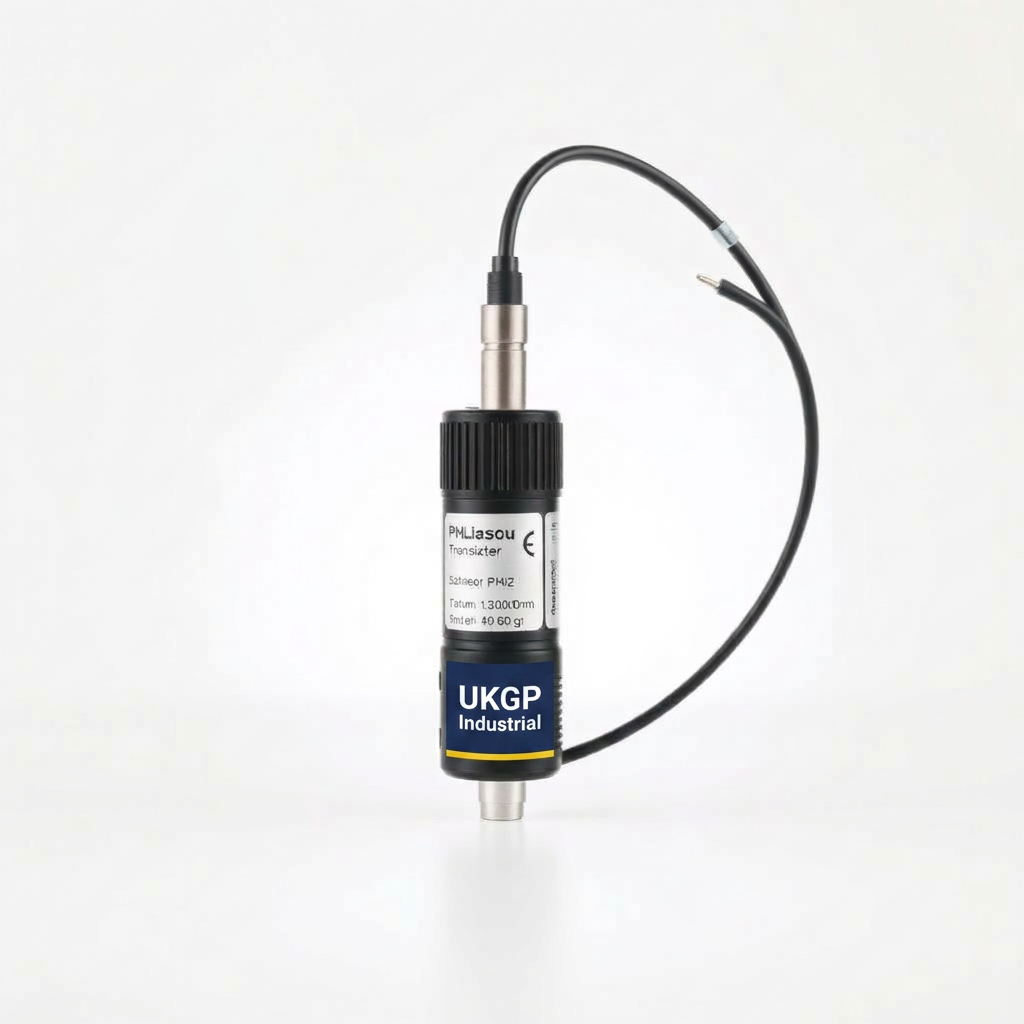
When selecting a ph meter electrode for an industrial application, the environment dictates the requirements. Standard laboratory electrodes are insufficient for the pressure and temperature fluctuations found in a commercial plant-room. UKGP offers a robust industrial pH sensor and transmitter kit that features an IP68-rated seal, making it immune to the damp conditions often found in basement boiler rooms. The sensor is factory-calibrated to ensure out-of-the-box accuracy, accompanied by an M12 cable kit for seamless installation. This level of durability ensures the device remains reliable over its operational lifespan even in high-demand environments.
The output options of a modern ph meter electrode are equally important for system integration. Whether your site utilises a 4-20 mA analogue loop or a digital Modbus RTU protocol, the UKGP transmitter is versatile enough to communicate with any standard Building Management System. This connectivity allows for remote data logging, which is essential for audit trails required by building insurance and BSRIA standards. Furthermore, our units come with a 2-year warranty, providing peace of mind to procurement leads who are looking for long-term value and reliable technical support from a Surrey-based supplier.
Maintenance and calibration are simplified with the modular design of our sensor kits. An industrial ph meter electrode must be calibrated periodically to account for sensor drift, and our transmitter units guide the user through this process without the need for complex external tools. Each kit includes the sensor, transmitter, and necessary cabling, ensuring that M&E contractors have everything required for a professional installation. By choosing a factory-calibrated solution, the commissioning time on-site is drastically reduced, allowing for faster handover of the plant-room to the facility management team.
- IP68-rated housing for high-moisture environments
- Dual output compatibility including 4-20 mA and Modbus
- Available as a complete kit with M12 cabling
- 2-year UK-backed warranty for commercial assurance
Compliance with BSRIA BG50 and BG29 Standards
BSRIA BG50 provides clear guidelines on the 'Water Treatment for Closed Heating and Cooling Systems,' emphasising the need for routine monitoring of pH, conductivity, and dissolved oxygen. A ph meter electrode is the most efficient tool for satisfying these pH monitoring requirements. Failure to maintain a stable, alkaline environment leads to the formation of magnetite and other corrosion by-products. This sludge can eventually settle in low-flow areas, causing imbalances and reducing the thermal efficiency of the entire network. Using real-time sensors allows for the precise injection of chemicals via dosing pots only when necessary.
Similarly, BG29 highlights the criticality of monitoring during the pre-commissioning cleaning phase. If the flushing process is not properly monitored with a ph meter electrode, there is a risk that cleaning agents—which are often acidic or strongly alkaline—remain in the system. These residuals can strip the protective oxide layers from the inner pipework, leading to rapid initial corrosion. By installing a digital sensor at the primary flow and return headers, contractors can provide clear evidence that the system has been neutralised and is ready for the addition of long-term corrosion inhibitors.
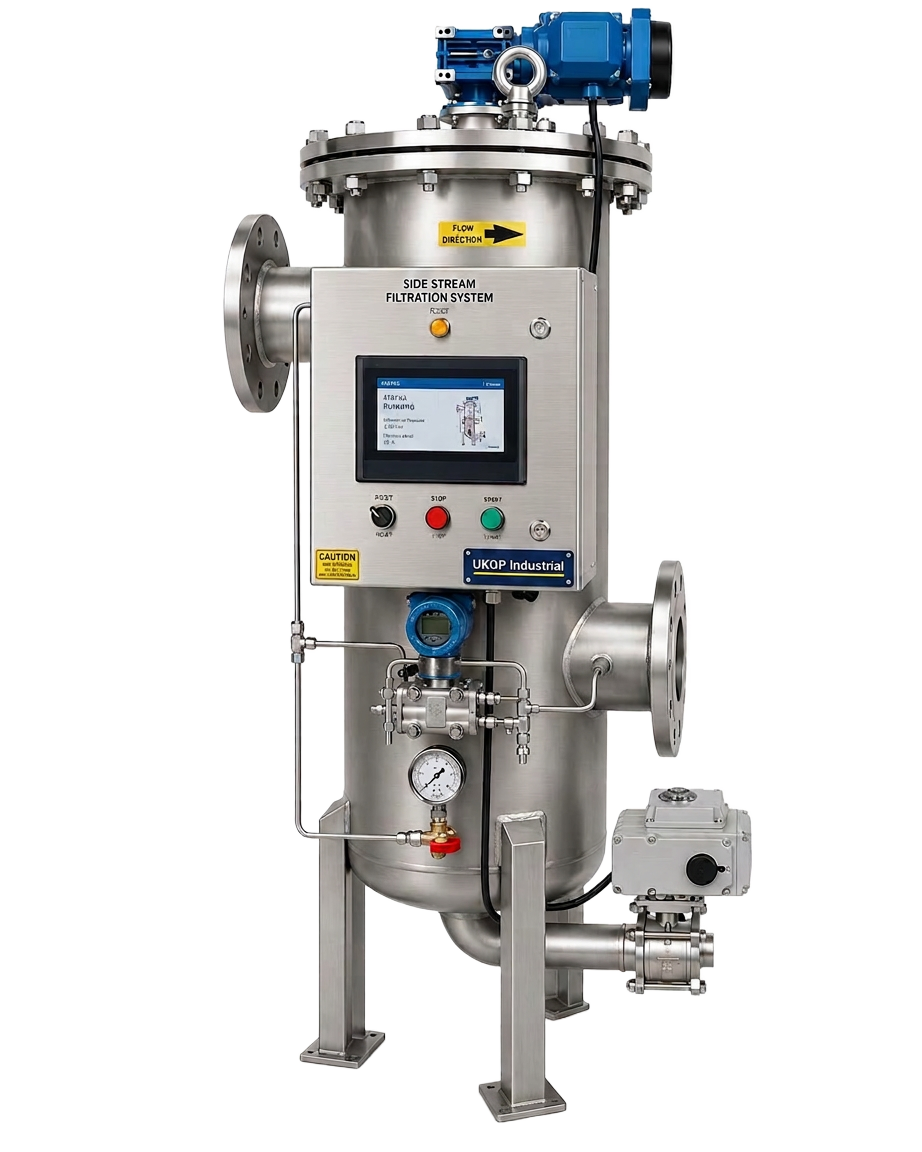
For FMs, consistent data is the only way to demonstrate compliance with these standards during an audit. A ph meter electrode connected to a central logger creates a permanent record of water quality history. This data is invaluable when troubleshooting why certain components, such as pump seals or control valves, are failing prematurely. It also allows for the assessment of whether the side-stream filtration units are performing at their peak, as changes in pH can often precede changes in total suspended solids. UKGP's range of UK-manufactured equipment is built to help contractors and managers stay strictly within these industry performance windows.
- Detailed alignment with BSRIA BG50 monitoring cycles
- Supports BG29 pre-commissioning verification procedures
- Facilitates digital audit trails for insurance and health safety
- Prevents the build-up of magnetite through pH stabilisation
Strategic Installation of a ph meter electrode
Placement of the ph meter electrode is critical for obtaining an accurate representative sample of the system's water. Ideally, the sensor should be installed in a bypass loop or a side-stream filtration circuit where the flow is constant but controlled. This prevents the electrode from being damaged by high-velocity debris while ensuring that the water being measured is not stagnant. If installed in a low-flow header, the readings may be skewed by localised chemical concentrations, leading to inaccurate dosing commands. UKGP recommends installing sensors downstream of the main pump set but ahead of major heat exchangers.
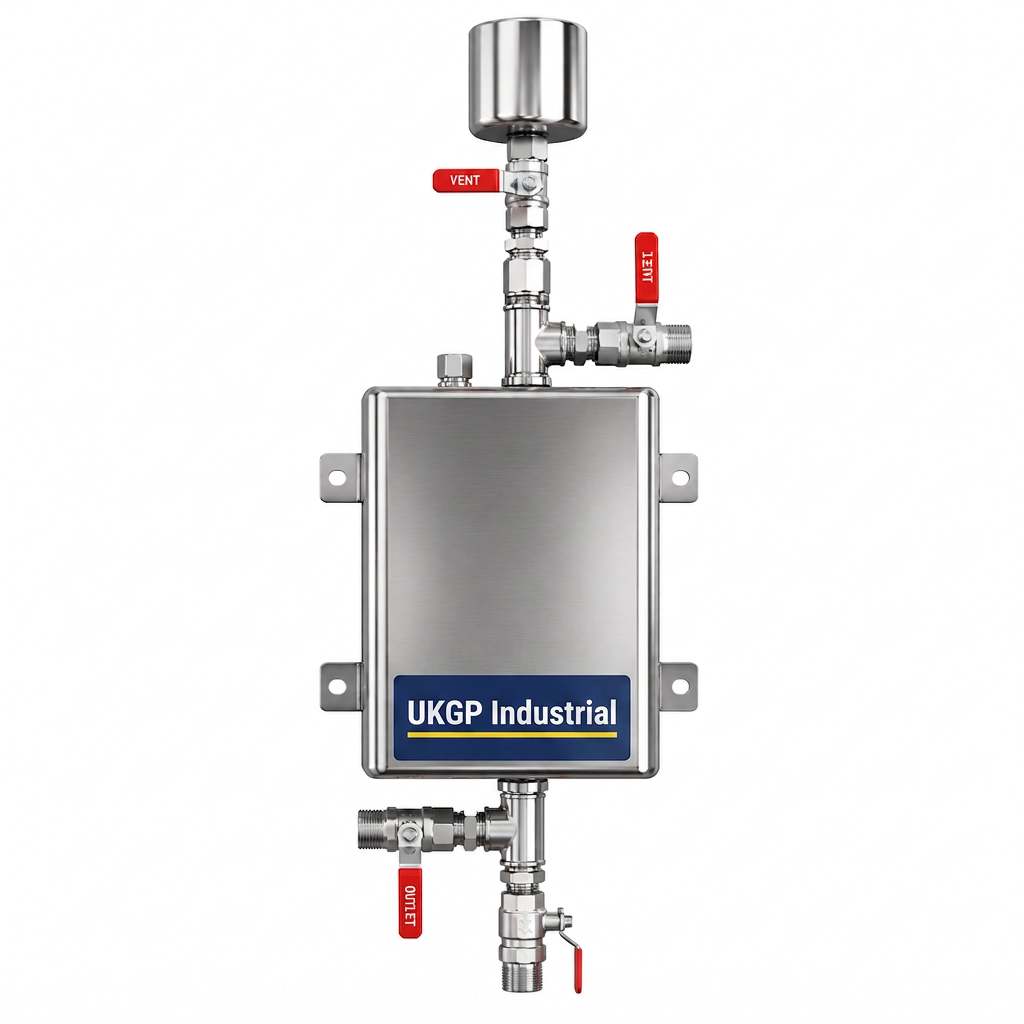
When integrating a ph meter electrode into a low loss header or a manifold, it is important to consider ease of access for calibration. Sensors should be installed using a T-piece arrangement with isolation valves, allowing the electrode to be removed for cleaning without draining the entire system. This practical design consideration is often overlooked during the design phase but is highly valued by plant-room engineers during the operational phase. Ensuring that the transmitter is mounted at eye level with a clear display of the current pH value also assists with manual site walks and rapid status checks.
The interaction between the electrode and the rest of the plant is vital. For instance, if the ph meter electrode detects a drop below 8.0, the transmitter should trigger an alarm or activate an automatic dosing pump. This automated loop ensures that the system's chemistry is self-correcting, which is particularly useful in remote sites or large commercial complexes where daily manual checks are unfeasible. By procuring a complete sensor and transmitter kit from UKGP, you are ensuring that all components are electronically matched for maximum reliability and minimum signal noise over long cable runs.
- Install in bypass loops to protect sensor longevity
- Utilise isolation valves for easy sensor removal and calibration
- Integrate with automated chemical dosing systems
- Ensure transmitter displays are accessible for plant-room inspections
Maintaining Efficiency in Plate Heat Exchangers
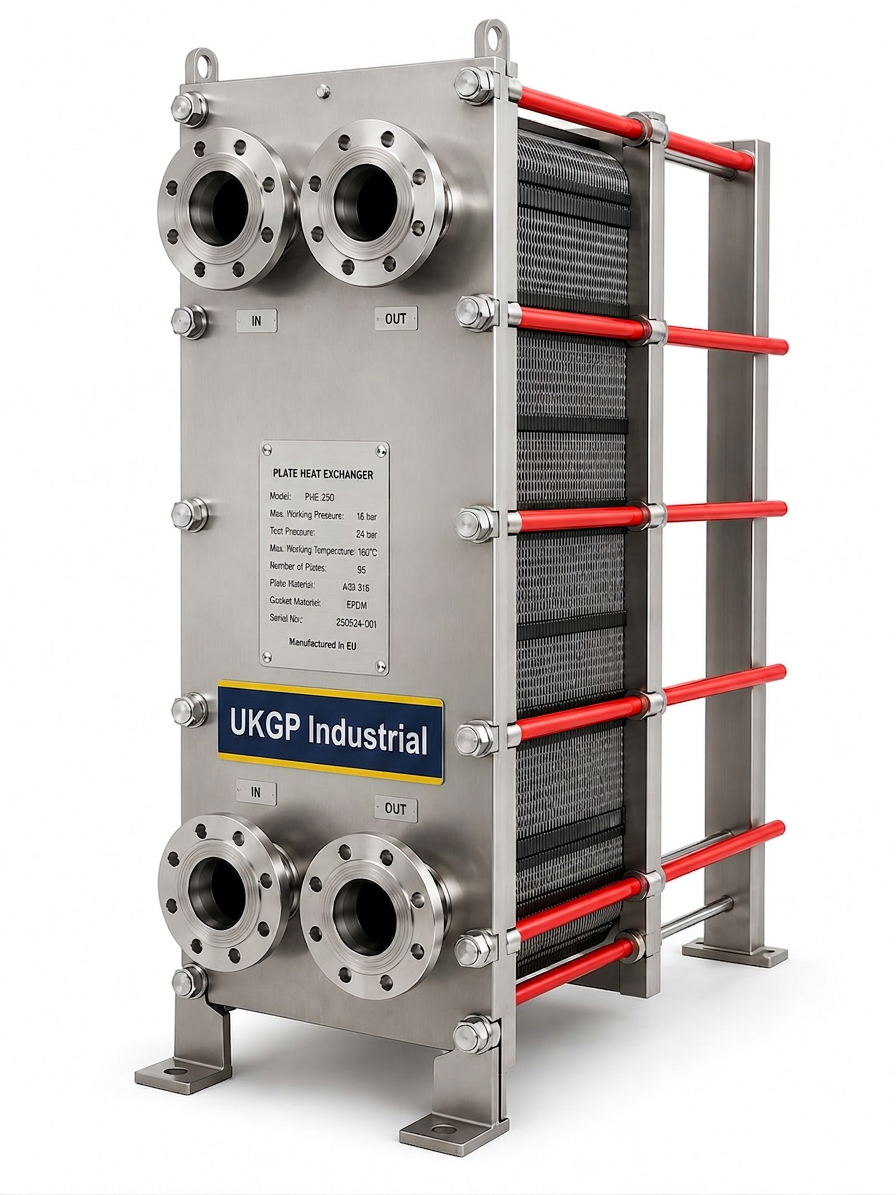
Plate heat exchangers are highly efficient but notoriously sensitive to water quality issues. A ph meter electrode is essential for protecting the thin stainless steel plates from corrosion and scaling. In many systems, the secondary side of the exchanger may have different metallurgical requirements than the primary boiler circuit. Monitoring the pH on both sides of the interface ensures that neither circuit is at risk. If the pH level falls, the water becomes more aggressive, leading to the risk of cross-contamination if a plate eventually perforates, which can be catastrophic for the building's thermal management.
Scale formation is another significant risk that is heavily influenced by pH and temperature. While softeners handle calcium ions, the overall alkalinity measured by a ph meter electrode determines the solubility of various minerals. By keeping the pH within the optimum range, the risk of 'scaling out' on the hot surfaces of the heat exchanger is significantly reduced. This maintains the high heat transfer coefficients that the system was designed to achieve, directly impacting the building's overall carbon footprint and energy expenditure. Efficient systems start with precise chemical control, underpinned by high-grade sensor technology.
UKGP's industrial pH sensor & transmitter kits are designed to work alongside our plate heat exchangers to provide a total solution for building services. When you contact us for a quote, we don't just provide a sensor; we provide the expertise to integrate it into your specific hydraulic setup. Our sensors' 4-20 mA output can be used to modulate flow rates or chemical injection, ensuring that your expensive thermal equipment is protected around the clock. Investing in a robust industrial electrode today prevents the five-figure costs associated with premature heat exchanger replacement and system downtime.
- Protects thin stainless steel plates from aggressive water
- Reduces mineral scaling at high-temperature interfaces
- Maintains design heat transfer coefficients
- Supports energy efficiency and carbon reduction targets
Advancing to Automated Water Quality Monitoring
The trend in UK building services is moving away from manual, intermittent testing towards continuous, automated monitoring. A ph meter electrode linked to a digital transmitter is the core of this transition. By capturing data points every few seconds, the system can identify trends, such as a steady decline in pH over a month, which might indicate a slow leak and subsequent water make-up. Manual testing, typically performed monthly or quarterly, would likely miss these subtle trends until the damage is already done. Digital monitoring is now a standard requirement for many LEED and BREEAM-certified commercial buildings.
Implementing a ph meter electrode also improves the safety profile of the plant-room. By automating the monitoring and even the dosing process, maintenance staff spend less time handling corrosive chemicals and more time on high-value diagnostic tasks. The UKGP sensor kits, featuring factory-calibrated electrodes and IP68 transmitters, are designed for 'set and forget' reliability. With a 2-year warranty and a pre-wired M12 cable kit, the barrier to upgrading your system from manual to digital has never been lower. We encourage all FMs to review their current water treatment strategy against the digital capabilities of modern sensors.
In conclusion, the specification of a ph meter electrode is a small but critical decision in the lifecycle of a building’s HVAC system. It is an investment in the longevity of boilers, chillers, and pipework. By sourcing your equipment from a reputable UK manufacturer like UKGP, you benefit from local technical support and products designed specifically for the UK's unique water conditions and regulatory landscape. Contact our Surrey office today to request a quote for our industrial pH sensor & transmitter kits and ensure your plant-room meets the highest standards of modern engineering and BSRIA compliance.
- Moves from reactive to proactive maintenance schedules
- Identifies water leaks and system dilution in real-time
- Enhances safety by reducing manual chemical handling
- Supports BREEAM and LEED operational excellence
Frequently asked questions
How often should a ph meter electrode be calibrated in an HVAC system?
- For most commercial HVAC applications, we recommend calibrating your ph meter electrode every 3 to 6 months. However, during the first year of installation or in systems with high chemical throughput, monthly checks are advised to establish a baseline for sensor drift, as per BSRIA BG50 guidelines.
Can the UKGP pH sensor be used in chilled water and LTHW circuits?
- Yes, our industrial ph meter electrode is designed to operate across the temperature ranges typically found in both Low Temperature Hot Water (LTHW) and chilled water circuits. The IP68-rated transmitter is specifically built to withstand the condensation often found in cooling plant-rooms.
What is the benefit of a 4-20 mA output on a pH transmitter?
- A 4-20 mA output allows the ph meter electrode to communicate with almost any standard Building Management System (BMS) over long distances without signal degradation. This enables real-time monitoring and automated alerts, which are essential for large-scale commercial site management.
What is included in the UKGP industrial pH sensor kit?
- Each kit is a complete solution containing a factory-calibrated ph meter electrode, a robust transmitter (supporting 4-20 mA or Modbus), a high-quality M12 cable kit, and a 2-year warranty. This ensures contractors have everything needed for a seamless, compliant installation.
Does the sensor require a specific flow rate to work accurately?
- While the ph meter electrode doesn't require a high flow, it does need a moving sample to prevent stagnant water from giving a false reading. We recommend a bypass loop with a flow rate between 0.5 to 2.0 litres per minute for optimal accuracy and sensor longevity.