The Role of a pH Meter Digital in BSRIA BG50 Compliance
In the UK's building services sector, maintaining the alkaline balance of heating and chilled water systems is non-negotiable for asset longevity. According to BSRIA BG50 and BG29 guidelines, monitoring the pH levels of system water helps prevent the degradation of metallic components such as plate heat exchangers and boiler tubes. A high-quality pH meter digital provides the continuous, real-time data necessary to identify acid-based corrosion risks before they lead to catastrophic equipment failure. For facilities managers, moving away from manual dip-tests toward automated sensing ensures that the chemical dosing regime remains effective across varying load conditions throughout the cooling or heating season.
Choosing a robust pH meter digital allows for tighter control over inhibitors and biocides. When the pH deviates from the recommended range—typically between 8.2 and 10.0 for steel systems—the risk of pitting and galvanic corrosion increases significantly. By integrating a digital probe into the BMS via a 4-20 mA or Modbus interface, engineers can receive instant alerts. This proactive approach to water chemistry management is a cornerstone of modern industrial maintenance strategies, reducing the total cost of ownership for building owners by extending the lifecycle of primary plant assets and reducing the frequency of costly system flushes.
Precision in measurement is the primary differentiator between consumer-grade equipment and industrial-grade instrumentation. A professional pH meter digital must be able to withstand the pressures and temperatures found in standard commercial circuits while maintaining accuracy over long service intervals. For M&E contractors, the installation of fixed digital monitoring represents a commitment to best-practice engineering. This ensures that the water quality parameters stipulated during the handover phase are maintained, protecting the contractor's liability and ensuring the system operates at peak thermodynamic efficiency as intended by the original building services design specified by the consultant team.
- Ensures compliance with BSRIA BG50 guidelines for closed-loop water systems.
- Provides 24/7 monitoring to prevent acidic corrosion of metallic hardware.
- Facilitates seamless integration with Building Management Systems (BMS).
- Reduces reliance on infrequent manual chemical sampling and testing.
- Supports the verification of chemical dosing pot effectiveness.
Technical Specifications for Plant-Room pH Meter Digital Units
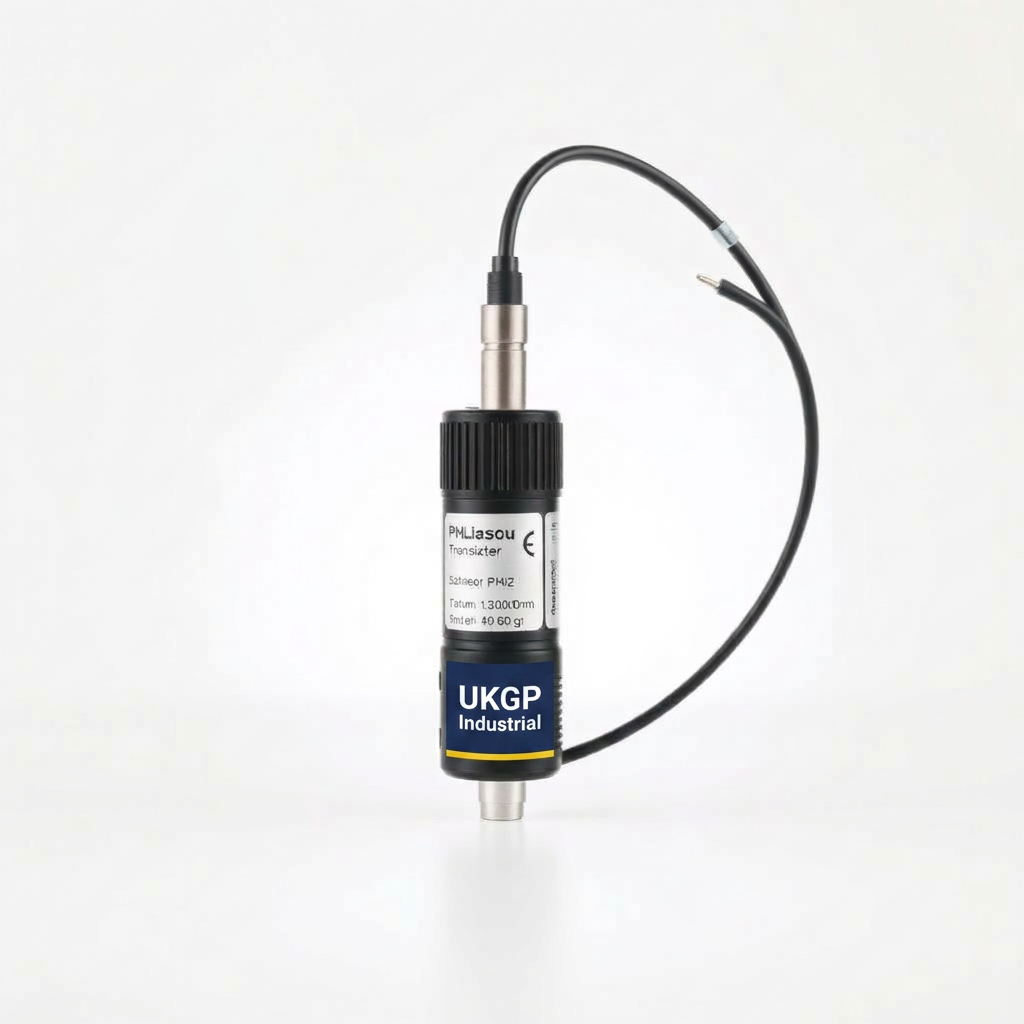
When selecting a pH meter digital for use in a Surrey-based commercial plant room or a city-centre district heating hub, technical durability is paramount. The environment is often humid with significant electromagnetic interference from circulating pumps and variable speed drives. An industrial-grade transmitter must feature an IP68 rating to ensure that moisture ingress does not lead to electronic failure. Furthermore, the connection between the sensor head and the transmitter should be secure; using a high-quality M12 cable kit is standard practice to prevent signal loss or interference that can plague lower-specification analog installations.
Calibration stability is another critical factor for any industrial pH meter digital. Unlike portable devices used in labs, an inline sensor must maintain its accuracy without requiring weekly recalibration. UKGP products are supplied factory-calibrated to high standards, providing an immediate 'out-of-the-box' solution for busy M&E contractors. This reduces the time spent on-site during the commissioning phase and provides peace of mind that the readings are reliable from day one. When specifying these units, engineers should look for a device that offers a 2-year warranty, as this reflects the manufacturer's confidence in the sensor's electrolytic lifespan and membrane robustness.
The output protocol of the pH meter digital determines how easily it integrates with the wider plant-room architecture. While a 4-20 mA signal is standard for legacy systems, modern smart buildings often require Modbus RTU connectivity for more granular data transmission. This allows the maintenance team to monitor not just the current pH value, but also the health of the transmitter itself. UKGP's range of industrial pH sensors and transmitters are designed specifically for these high-demand scenarios, offering both 4-20 mA and Modbus options to ensure compatibility with any controller or PLC commonly used in the UK HVAC industry today.
- IP68-rated enclosures for protection against moisture and dust ingress.
- Factory-calibrated sensors to streamline the on-site commissioning process.
- Universal output options including 4-20 mA and Modbus RTU protocols.
- Supplied with professional M12 cable kits for simplified electrical installation.
- Extended 2-year warranty to guarantee long-term performance in harsh environments.
Installation and Maintenance of Industrial Sensors
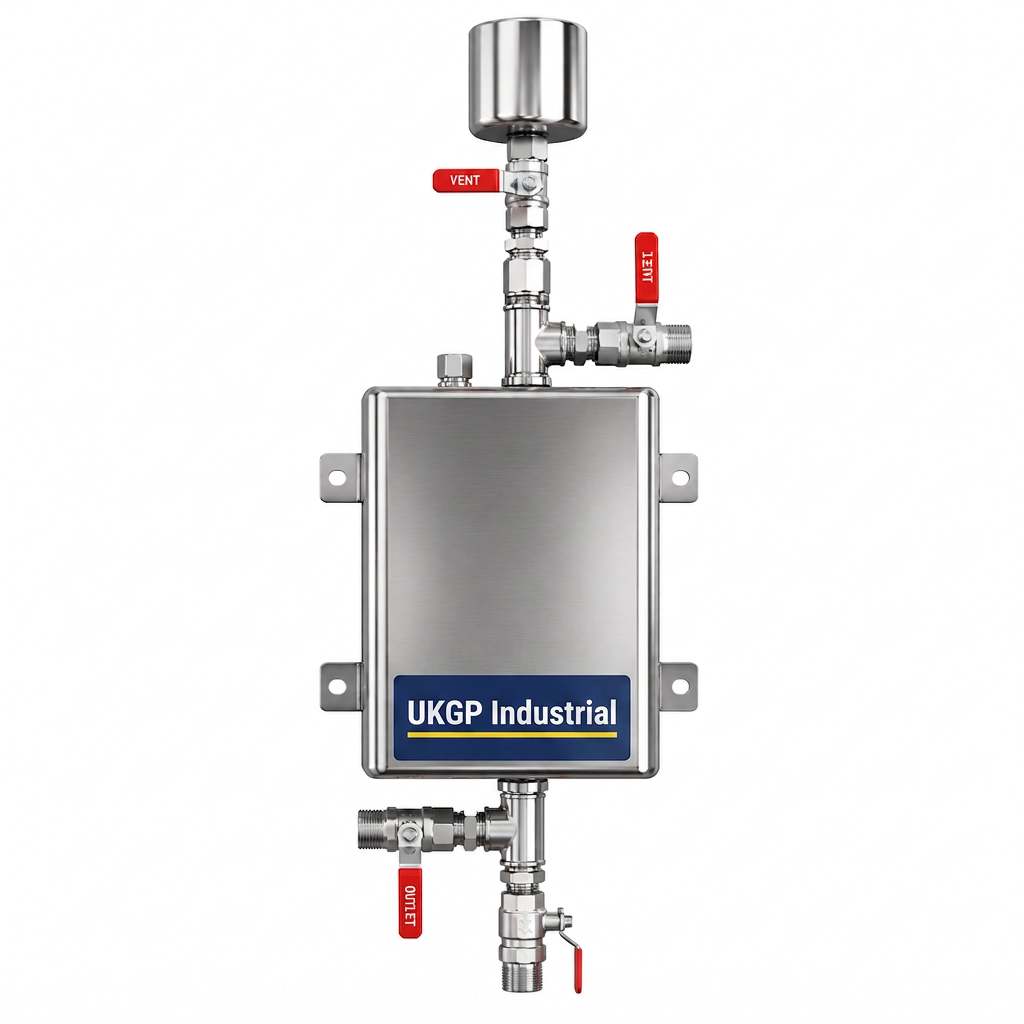
The physical installation of a pH meter digital requires careful consideration of flow dynamics to ensure the sensor tip is always submerged and representative of the bulk fluid. Ideally, the sensor should be placed in a bypass loop or a low-pressure area where it won't be subjected to excessive turbulence or air bubbles, which can cause erratic readings. For systems containing high levels of particulates, installing an air and dirt separator upstream is advised to prevent the delicate glass membrane of the pH probe from becoming fouled or mechanically damaged by circulating debris such as magnetite.
Regular maintenance for an industrial pH meter digital involves periodic cleaning of the electrode and verification against a buffer solution. In high-pressure heating systems, the sensor is a consumable item, but its life can be greatly extended through correct placement and the use of the right protective housing. By choosing a UKGP system with a modular sensor and transmitter design, the cost of replacement is further reduced, as the transmitter and M12 cabling can be retained while only the sensing element is swapped out. This modularity is a key commercial consideration for facilities managers looking to optimise their long-term maintenance budgets.
Training plant-room staff on the basic operation of the pH meter digital interface is also essential. Most industrial transmitters feature a clear digital display that allows for local monitoring without needing to access the central BMS terminal. This is particularly useful during chemical dosing procedures or when investigating a suspected system leak. Consistent monitoring ensures that the pH remains within the narrow window required to protect aluminium components in modern condensing boilers, where even slight deviations can cause rapid thinning of the heat exchanger walls and subsequent system pressure loss.
- Identify optimal installation points with consistent flow and low turbulence.
- Utilise bypass loops to facilitate sensor cleaning without system shutdown.
- Protect sensitive electrodes from magnetite fouling using upstream filtration.
- Leverage modular designs for cost-effective sensor head replacement.
- Ensure local visual displays are accessible for manual plant inspections.
Integrating pH Monitoring with Side Stream Filtration
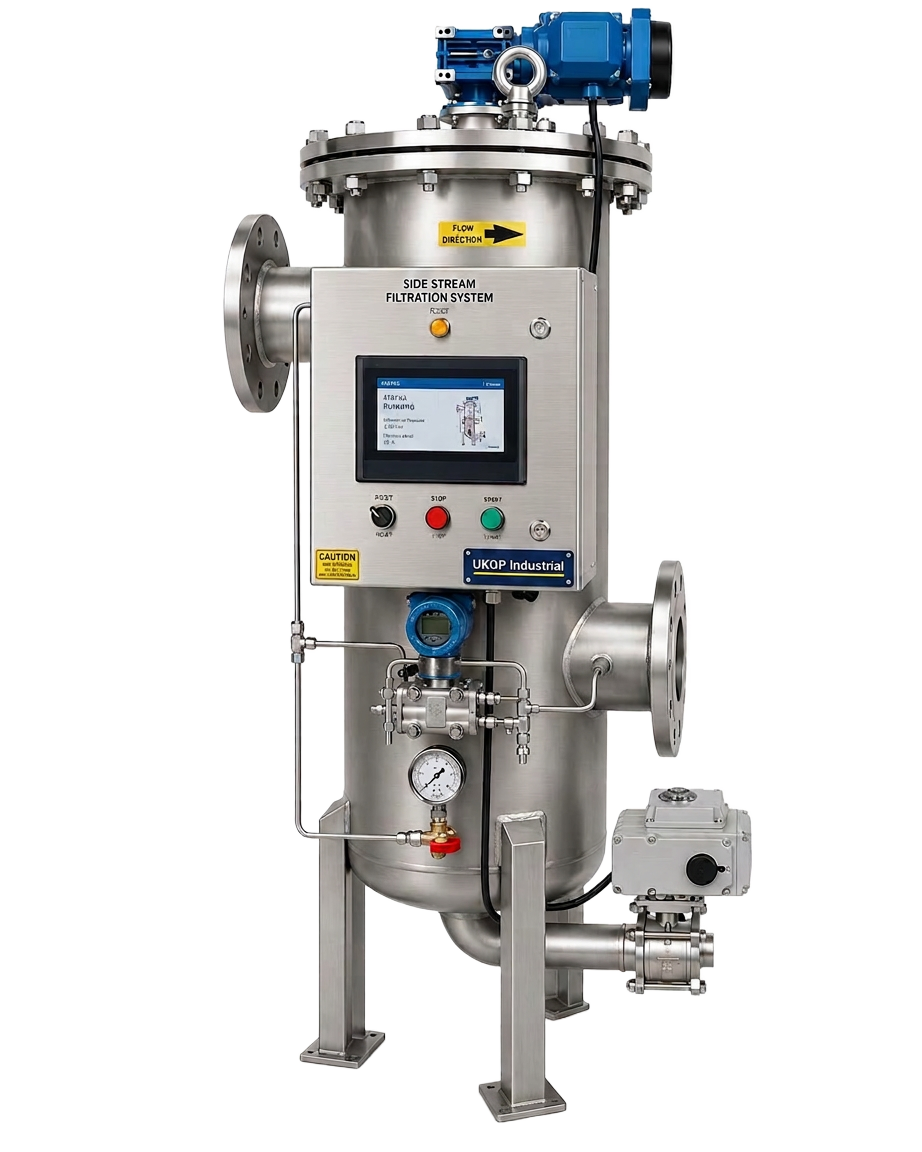
A pH meter digital is most effective when it is part of a holistic water quality strategy that includes side stream filtration and air separation. While the pH sensor monitors chemistry, the filtration unit removes the physical contaminants that can interfere with sensor accuracy. If a system is plagued by black iron oxide or sludge, the pH readings can become sluggish or inaccurate due to coating of the electrode. By maintaining water clarity through a UKGP side stream filtration skid, the pH meter digital can operate in a much cleaner environment, leading to longer service life and more stable data trends.
For consultants designing large-scale chilled water systems or district heating networks, the combination of digital monitoring and physical filtration is a BSRIA-aligned best practice. This 'belt and braces' approach prevents the buildup of corrosive environments that are otherwise invisible until a leak occurs. When the pH meter digital detects a drop in alkalinity, it often signifies an underlying issue such as fresh water ingress or microbial activity. Having this data available in real-time allows for immediate remedial action, such as adjusting the dosing rates or checking the expansion bellows for air ingress that might be influencing the water chemistry.
Ultimately, the goal of installing a pH meter digital is to achieve a stable, non-corrosive system. By investing in high-quality UKGP industrial sensors, contractors can offer their clients a robust solution that goes beyond basic requirements. The ease of installation provided by the included M12 cable kits and the reliability of factory calibration makes these units a favourite for M&E teams across London and the Southeast. For a bespoke quote on our full range of sensors, transmitters, and filtration skids, contact the UKGP technical team today to discuss your specific project requirements and system volume parameters.
- Combines chemical monitoring with physical debris removal for total system care.
- Extends the operational life of the pH sensor by reducing fouling risks.
- Enables rapid detection of system changes caused by fresh water top-ups.
- Supports data-driven decisions regarding chemical inhibitor dosages.
- Facilitates compliance with BS 8552 for water sampling and analysis.
Commercial Benefits of Digital Water Quality Monitoring
From a procurement perspective, the ROI of an industrial pH meter digital is realised through the prevention of unplanned downtime. A single day of shutdown in a data centre or hospital due to a burst pipe or failed heat exchanger far outweighs the cost of professional instrumentation. By providing the plant-room engineer with a clear, digital readout of the system's health, the risk of human error in water treatment is drastically reduced. These devices are an insurance policy for the building’s most expensive mechanical assets, ensuring they operate within the chemical environment for which they were designed.
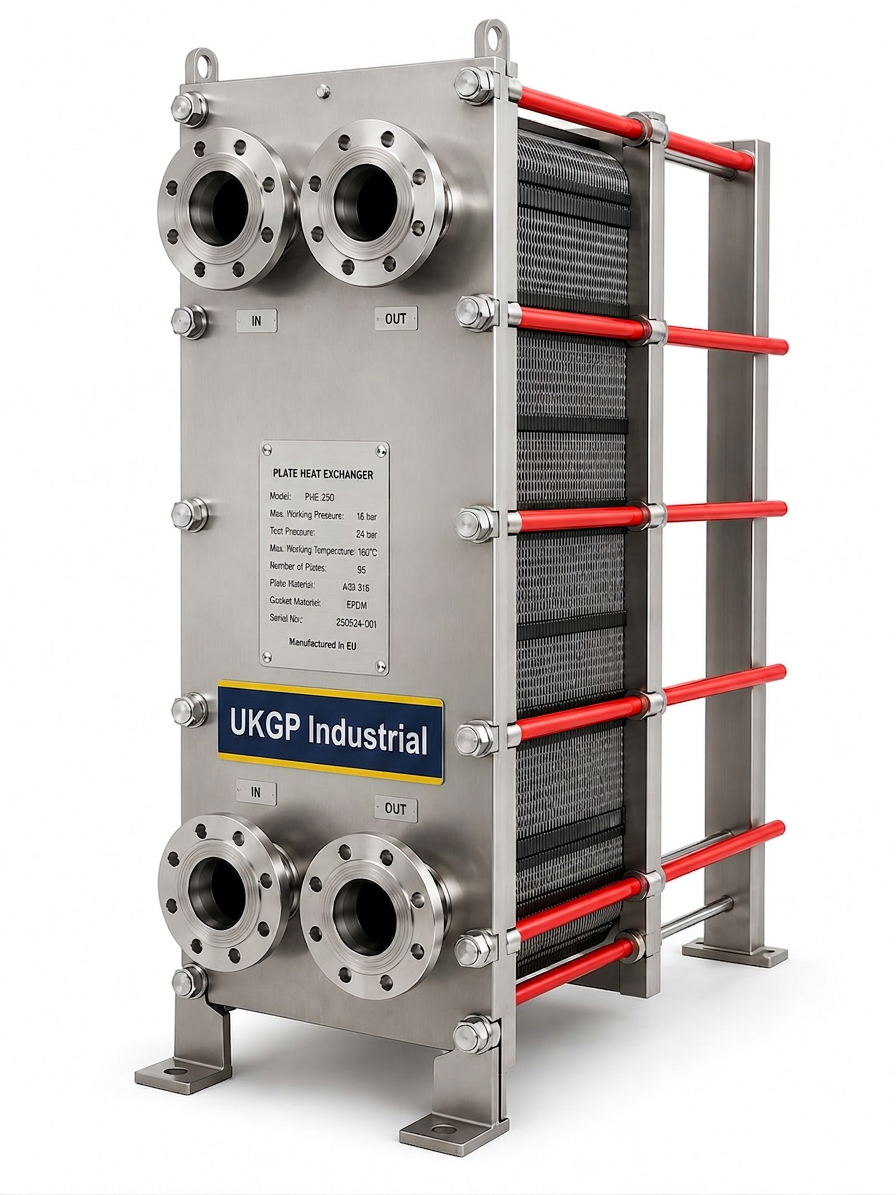
Furthermore, utilizing a pH meter digital helps in achieving sustainability targets. Well-maintained water chemistry prevents the formation of scale on plate heat exchangers, which otherwise acts as an insulator and forces the system to consume more energy to achieve the same temperature differential. By keeping heat transfer surfaces clean and the pH balanced, the overall energy efficiency of the building is protected. This aligns with modern CIBSE guidelines and the UK's move toward more efficient, low-carbon heating solutions. A precise sensor is a small investment that delivers significant energy and maintenance savings over the project's lifetime.
UKGP’s ph meter digital solutions are engineered for the UK market, taking into account the specific challenges of our commercial HVAC systems. With features like the IP68 rating and the 2-year warranty, these units are built to last in the demanding conditions of commercial basements and rooftop plant rooms. Whether you are a consultant writing a specification or a contractor looking for a reliable supplier for your next fit-out, choosing a factory-calibrated digital sensor ensures the highest standards of water quality management. Request a technical datasheet or a quote for our sensor and transmitter kits to see how we can support your next project.
- Protects expensive assets like boilers and chillers from unforeseen corrosion.
- Lowers energy consumption by preventing scale buildup on heat exchangers.
- Reduces the cost of manual labour associated with liquid chemical testing.
- Provides an audit trail of water quality for compliance and insurance purposes.
- Ensures long-term performance through robust IP68-rated construction.
Ensuring Accurate Readings in High-Temperature Systems
Temperature compensation is a non-negotiable feature for any pH meter digital used in industrial heating applications. As water temperature rises, the ionic activity changes, which can lead to false pH readings if the sensor does not have built-in compensation. UKGP's industrial sensors are designed to handle these fluctuations, providing an accurate, temperature-corrected digital signal to the transmitter. This is particularly important in LTHW (Low Temperature Hot Water) and MTHW circuits where temperatures can vary significantly depending on the boiler's modulation and external ambient conditions.
The transmitter's role is to convert the millivolt signal from the pH probe into a robust industrial signal. By using a high-quality pH meter digital with a dedicated transmitter, you eliminate the risk of signal attenuation that occurs when long cable runs are used without proper amplification. The M12 cable kit provided with our systems ensures a watertight, shielded connection that prevents 'noise' from nearby power cables from distorting the pH data. This level of technical detail is what separates professional UKGP equipment from generic alternatives available on the market.
M&E engineers should also consider the pressure rating of the sensor housing. In many multi-storey buildings, static pressure can be significant. Our pH meter digital components are rated for standard industrial pressures, but it is always best practice to consult with our technical team during the design phase. We can provide advice on the best installation kits—including isolation valves and sampling ports—to make maintenance as simple as possible. Ensuring the pH sensor is easy to access encourages regular calibration checks, which in turn leads to a more reliable and well-monitored water system for the end user.
- Automatic temperature compensation for accurate readings across all heat loads.
- High-quality signal amplification to prevent data loss over long cable runs.
- Shielded M12 connections to mitigate electromagnetic interference in plant rooms.
- Robust pressure ratings suitable for high-rise commercial building circuits.
- Simple integration with standard sampling points and bypass assemblies.
Frequently asked questions
Why is a digital pH meter preferred over manual testing in plant rooms?
- A pH meter digital provides constant, real-time data and eliminates human error associated with reagents and colour charts. It allows for BMS integration, ensuring immediate alerts if water chemistry deviates from BSRIA BG50 standards, which prevents corrosion 24/7.
Is the UKGP pH sensor compatible with my existing BMS?
- Yes, our transmitters are designed for universal compatibility, offering both industry-standard 4-20 mA analogue outputs and Modbus RTU digital protocols to ensure seamless integration with any modern Building Management System.
How often should an industrial pH sensor be calibrated?
- While our units are factory-calibrated for immediate use, we recommend a calibration check every 6 to 12 months depending on system conditions. The high-quality membrane and stable electronics in our pH meter digital units ensure long-term accuracy compared to standard lab-grade probes.
What is included in the UKGP pH sensor & transmitter kit?
- The kit includes a high-precision pH sensor, an IP68-rated transmitter with a digital display, and a dedicated M12 cable kit for secure electrical connection, all backed by a 2-year warranty for peace of mind in industrial applications.
Can the sensor handle high-pressure commercial heating systems?
- Yes, our industrial pH sensors are designed for the pressures typically found in commercial HVAC circuits. For extremely high-pressure or high-temperature steam applications, please contact our technical team to verify specific model ratings.