Understanding ph electrode fundamentals in industrial HVAC
In the context of UK building services, a ph electrode serves as the primary sensing element within a potentiometric measurement loop, converting hydrogen ion activity into a measurable millivolt signal. For plant-room applications, where high temperatures and variable flow rates are standard, the choice between glass and non-glass membranes is pivotal. Most industrial systems rely on commercial-grade glass electrodes due to their wide measuring range and chemical resistance, provided they are shielded within a robust housing. Choosing a high-quality sensor is not merely about baseline reading accuracy, but about the long-term stability of the junction and the reference system against the backdrop of system-wide pressure fluctuations.
When engineering a plant room under CIBSE guidelines, the integration of a reliable ph electrode is essential for the automated control of chemical dosing regimes. If the electrode fails or drifts significantly, the resulting under-dosing can lead to accelerated aerobic corrosion, while over-dosing may damage sensitive components like aluminium heat exchangers. Therefore, understanding the electrochemical internal reference system—typically silver/silver chloride (Ag/AgCl)—is necessary for predicting the maintenance lifecycle. Industrial-grade sensors must be capable of withstanding the harsh internal environments of secondary circuits, often requiring reinforced designs that can handle continuous immersion without immediate degradation of the reference electrolyte or the sensitive bulb.
Facilities managers must also consider the physical installation environment when selecting a ph electrode. A standard laboratory sensor will typically fail within days if subjected to the high-velocity turbulent flows common in 100mm or 150mm pipework. Industrial variants are designed with specific geometry to minimize the risk of fouling and to ensure that the electrolyte junction does not become clogged with magnetite or other suspended solids. By ensuring your sensor is rated for the specific pressure and temperature of your secondary chilled water or LTHW circuit, you protect the wider infrastructure and ensure that your building management system receives an accurate, actionable signal for water treatment adjustments.
- Potentiometric measurement range typically 0 to 14 pH
- Silver/Silver Chloride (Ag/AgCl) internal reference systems
- Compatibility with BSRIA BG50 monitoring requirements
- High-pressure ratings for closed-loop industrial circuits
Material considerations for the ph electrode body
Material selection for the ph electrode body and the sensing membrane is the most significant factor in determining the longevity of the sensor. While glass is the gold standard for accuracy and chemical neutrality, the thickness and composition of the glass bulb must be matched to the process temperature. In high-temperature LTHW systems, specialized high-temp glass is required to prevent the 'alkaline error' and ensure the electrode does not become brittle. Furthermore, the body material—often Ryton (PPS) or PVDF in industrial settings—must provide the mechanical strength to resist the hydraulic forces present within the pipework, ensuring that the internal glass components are protected from vibration and physical impact.
The type of junction used in a ph electrode is equally important as the body material. For industrial applications with high particulates, such as those monitored under BS 8552, a porous PTFE or ceramic junction is preferred to prevent the ingress of contaminants. A 'double junction' design is often recommended for industrial processes to prevent the poisoning of the reference element by heavy metals or sulfides, which are common in older heating systems. This dual-chamber approach provides an extra layer of protection, significantly extending the time between calibrations and reducing the total cost of ownership for maintenance teams. Selecting the right material means matching the chemical compatibility of the seals—typically Viton or EPDM—to the inhibitors and glycol present in the system.
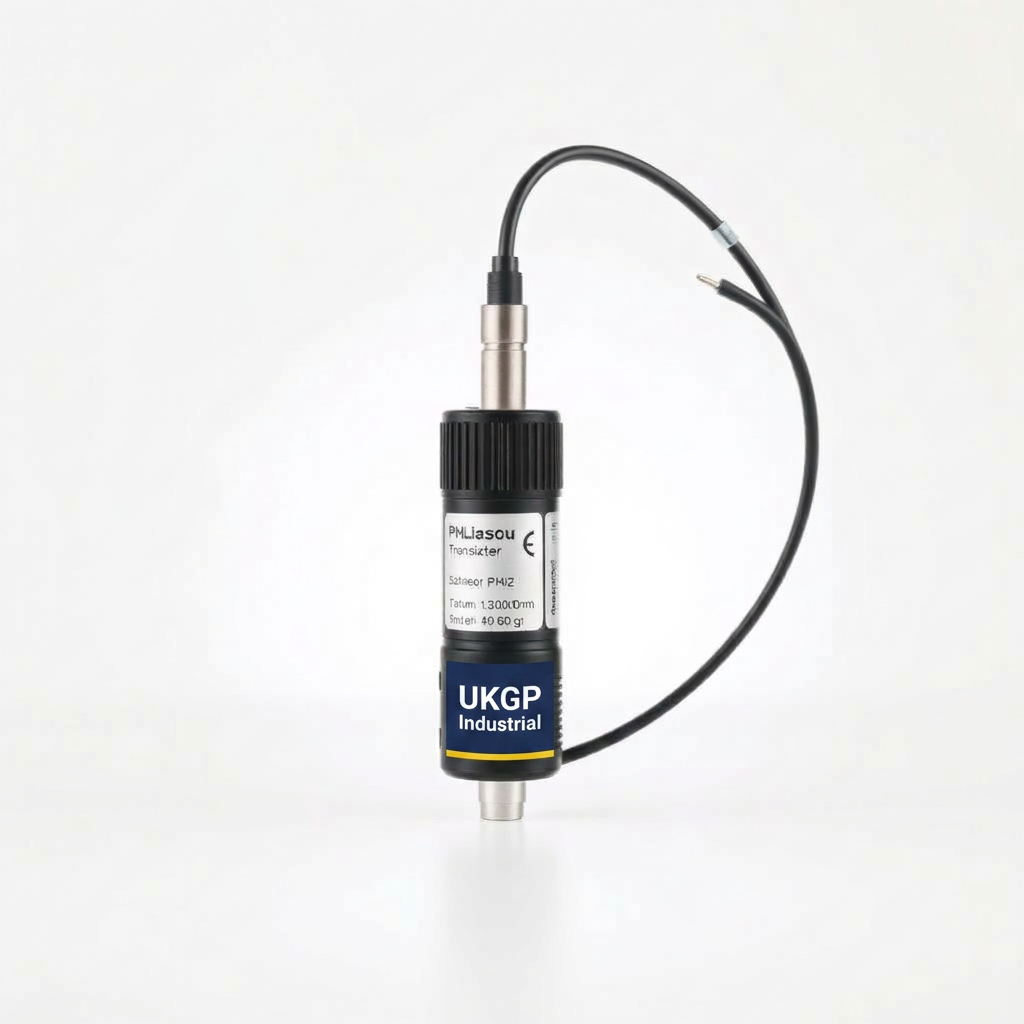
Beyond the electrode itself, the cabling and connection interface must be considered part of the material specification. In humid or damp plant-room environments, an IP68-rated connection is non-negotiable to prevent moisture ingress from skewing the high-impedance signal of the ph electrode. We recommend utilizing factory-calibrated kits that include M12 cable sets to ensure a secure, watertight seal. A poorly insulated cable or a corroded connector can introduce millivolt offsets that lead to false pH readings, potentially triggering unnecessary and expensive chemical dosing interventions. Investing in high-grade materials from the outset ensures that the sensor remains a reliable asset rather than a maintenance liability.
- Ryton (PPS) or PVDF bodies for superior chemical resistance
- Double junction designs to prevent reference poisoning
- High-temperature glass membranes for LTHW applications
- Viton or EPDM O-rings for compatibility with system inhibitors
Integrating the ph electrode with side stream filtration
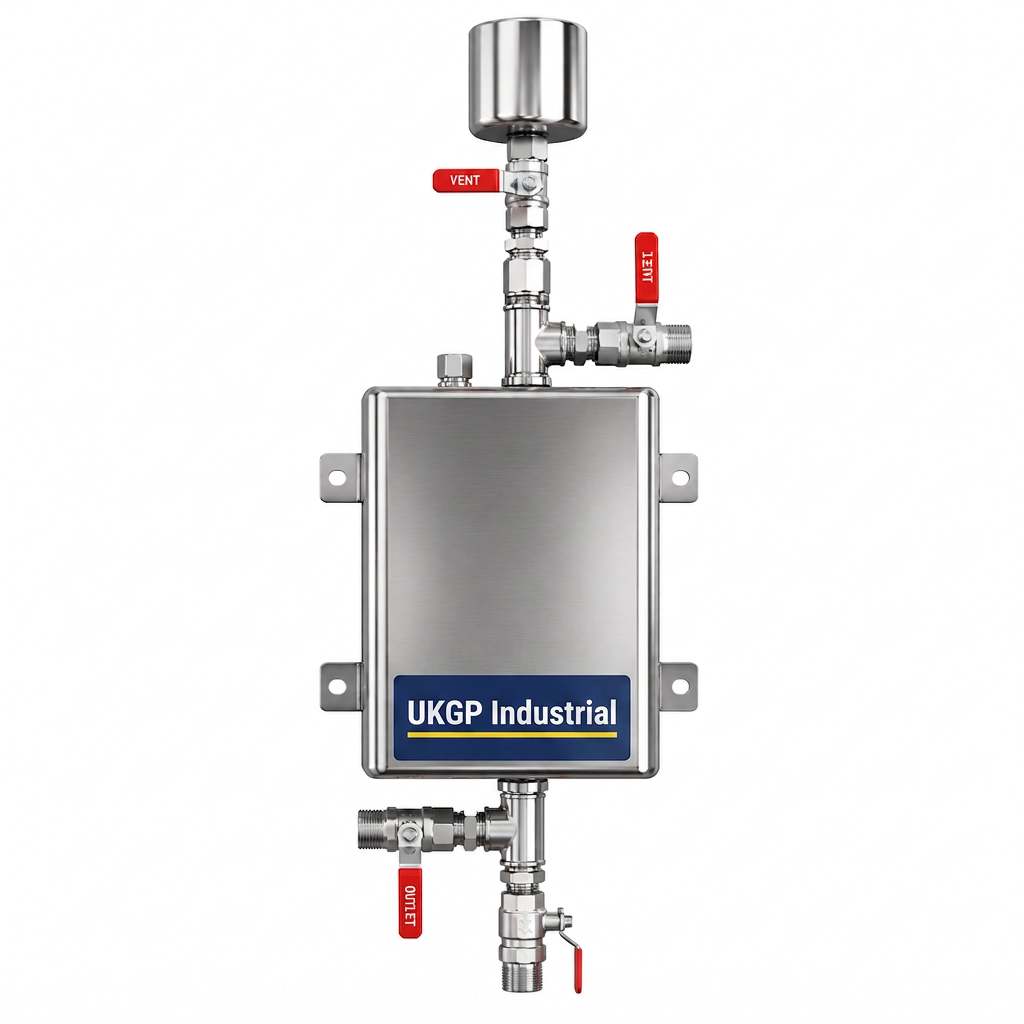
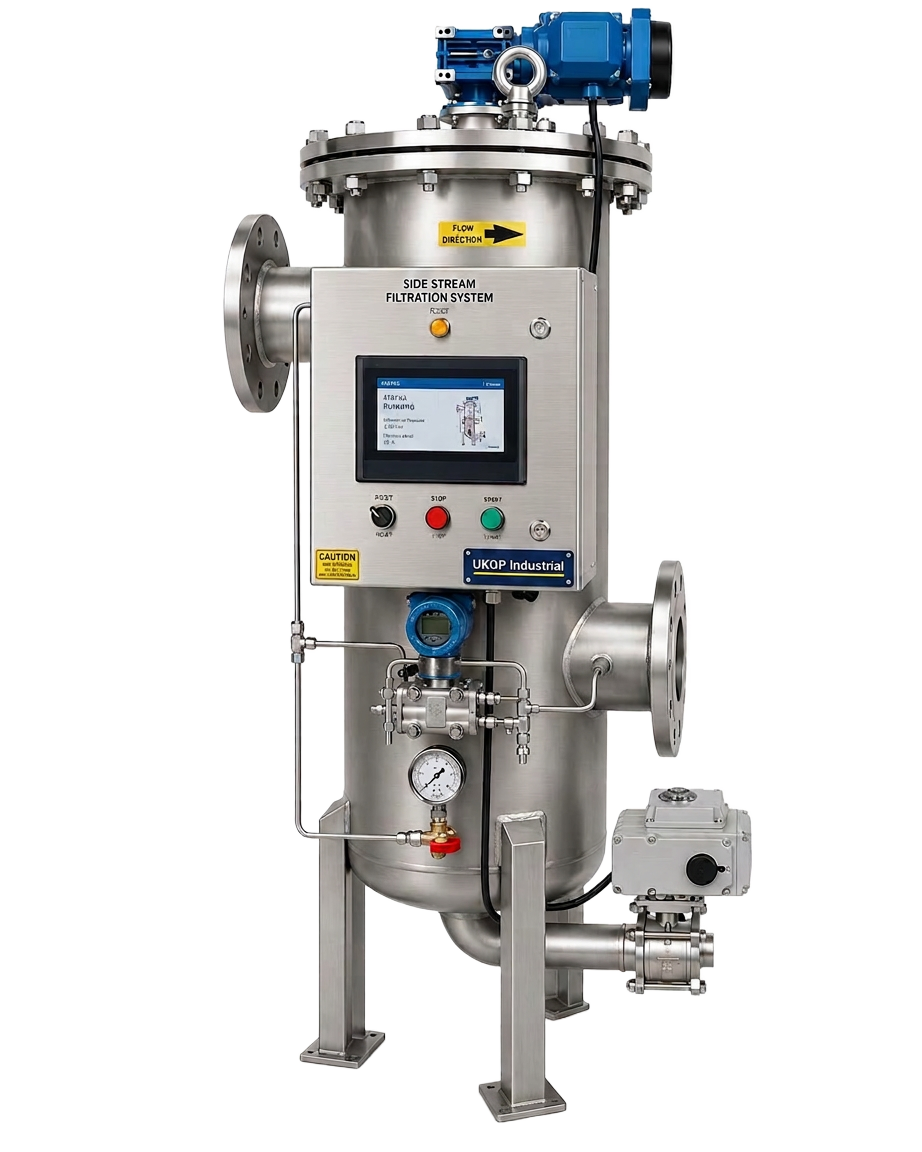
In many modern UK plant rooms, the ph electrode is integrated directly into a side stream filtration skid to monitor water quality in real time. This placement is strategic; it allows for the monitoring of the fluid after particulates have been removed, which reduces the fouling rate of the electrode membrane. BSRIA BG29 highlights the importance of maintaining clean system water, and by placing the sensor after a high-efficiency filter, the engineer ensures that the electrode provides the most accurate reading of the bulk fluid chemistry. This integration allows for a modular approach to water treatment, where the filtration unit and the sensor work in tandem to maintain optimal system health.
When a ph electrode is used alongside side stream filtration, it provides the data necessary to validate the effectiveness of the filtration and chemical treatment strategy. If the pH begins to drift towards the acidic range, it may indicate a bypass of the filter or a depletion of corrosion inhibitors, allowing for rapid corrective action before the system suffers from localized pitting. For consultants specifying these systems, ensuring the sensor and the filtration skid are compatible in terms of flow rates and pressure drops is vital. A well-designed skid will include a dedicated sensor port that manages flow velocity across the electrode surface to prevent 'streaming potentials' that can cause erratic readings.
The synergy between the ph electrode and a side stream filtration unit is a hallmark of a high-performance HVAC system. By continuously monitoring the pH of the filtered water, contractors can demonstrate compliance with strict handover criteria. UKGP Industrial offers comprehensive solutions where the filtration hardware and the sensing electronics are designed to work together, simplifying the installation and commissioning process for M&E contractors. This holistic approach ensures that the measurement of hydrogen ion concentration is consistent and reliable, providing the end-user with a robust defense against the long-term effects of corrosion and scale buildup.
- Enhanced sensor longevity through particulate reduction
- Strategic placement in filtered side-stream flow
- Real-time validation of chemical treatment efficacy
- Simplified commissioning for M&E contractors
Compliance with BSRIA BG50 monitoring standards
Adherence to BSRIA BG50 is a primary requirement for the management of closed-circuit water systems in the UK. This standard emphasizes the need for continuous monitoring rather than periodic manual sampling to manage the risks of corrosion and microbiological growth. A permanently installed ph electrode is the centrepiece of this strategy, providing a constant stream of data to the BMS. Without this continuous oversight, fluctuations in pH—which can occur rapidly due to make-up water ingress or chemical breakdown—might go unnoticed for weeks, leading to irreversible damage to the heating or cooling infrastructure. Automated monitoring is now the industry benchmark for responsible facility management.
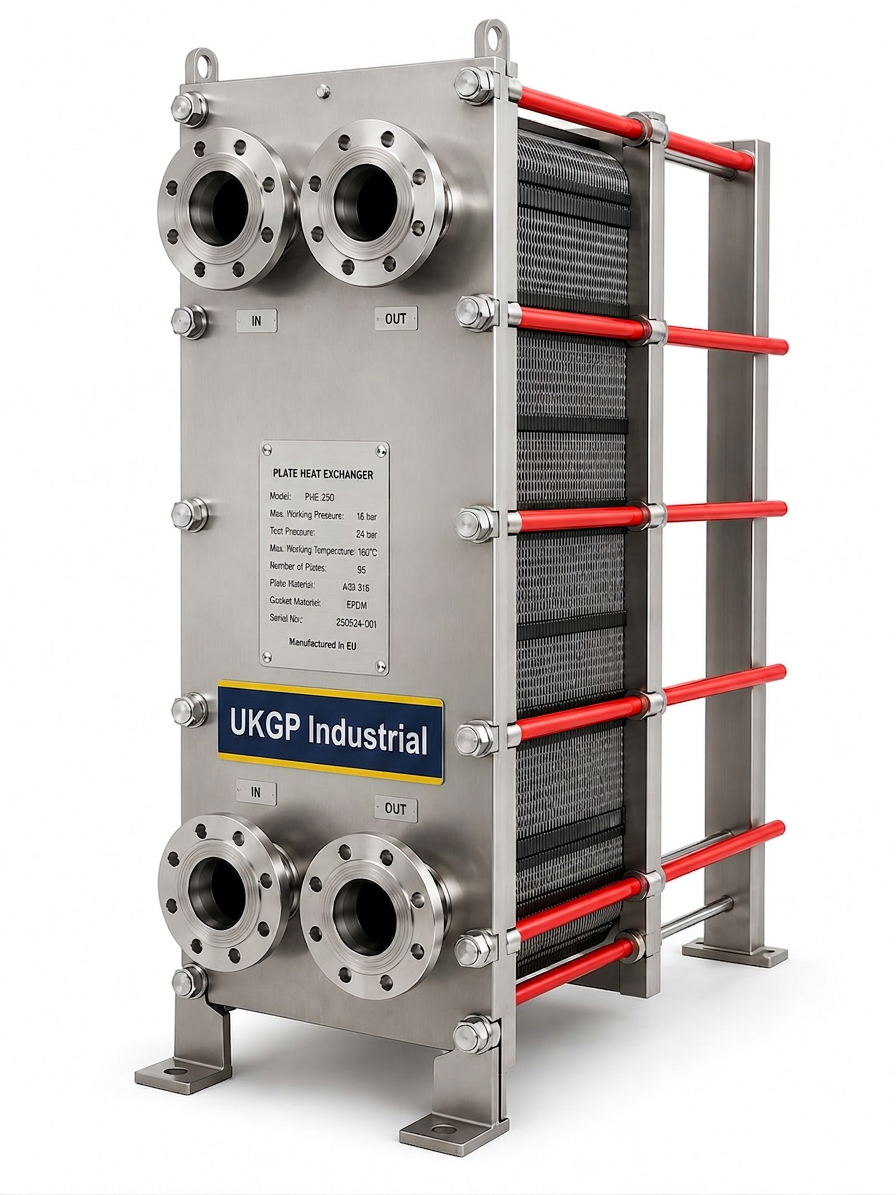
The implementation of a high-spec ph electrode ensures that the data logged is accurate enough to satisfy the audit requirements of insurance companies and building owners. Under BG50, the documented evidence of water chemistry stability is essential for maintaining warranties on high-value items like boilers and plate heat exchangers. The use of a 4-20 mA or Modbus output from the transmitter allows for seamless data logging and remote alert configuration. Engineers should select electrodes that are factory-calibrated to ensure that the initial baseline is precise, facilitating easier adherence to the strict tolerances defined in the BSRIA guidance and ensuring the long-term reliability of the system's metallurgical components.
Furthermore, BG50 highlights the importance of maintenance and calibration of monitoring equipment. A ph electrode is a consumable item with a finite lifespan, typically 12 to 24 months depending on the environment. Selection should therefore focus on sensors that are easy to replace and recalibrate without requiring specialist tools. UKGP provide sensors with 2-year warranties and simple M12 cable kits, making the routine maintenance of these critical monitoring points straightforward for site teams. By selecting a system that prioritizes ease of maintenance, facilities managers are more likely to stay compliant with the periodic checks mandated by the BSRIA standards, thus protecting the asset's operational life.
- Alignment with continuous monitoring guidelines
- Facilitates 4-20 mA or Modbus data logging for audits
- Simplified maintenance helps meet BSRIA periodic check-ups
- Protects warranties for boilers and heat exchangers
Technical selection criteria for UK plant rooms
When selecting a ph electrode for a UK plant-room project, the first technical criterion is the pressure and temperature rating relative to the system's peak operating conditions. A sensor rated for 10 bar at 20°C may fail prematurely if the LTHW circuit operates at 80°C. It is essential to consult the temperature-pressure derating curves provided by the manufacturer. Secondly, the connection type—whether it is an analogue mV signal or a digital signal via a transmitter—affects the signal integrity. For long cable runs between the plant and the control panel, a dedicated transmitter is essential to convert the high-impedance electrode signal into an interference-resistant 4-20 mA or Modbus signal, preventing electrical noise from distorting the readings.
Another vital selection factor is the physical form factor and mounting style of the ph electrode. In-line mounting allows for continuous flow across the sensor bulb, but it must be paired with an appropriate isolation valve or bypass to allow for maintenance without draining the entire system. Alternatively, immersion probes can be used in tanks or headers. The choice between a 'flat surface' bulb and a 'dome' bulb depends on the likelihood of scaling; flat bulbs are often better in high-suspended-solid environments as the flow of water creates a self-cleaning effect. Engineers must also ensure the sensor is factory-calibrated to reduce commissioning time and provide immediate confidence in the system's reported water chemistry values.
Finally, the total cost of ownership must be evaluated. While a cheaper ph electrode may appear attractive to procurement leads, the costs associated with frequent replacement, calibration drift, and potential system damage far outweigh the initial savings. UKGP Industrial offers a complete kit—including the sensor, transmitter, and cable—backed by a 2-year warranty and IP68 protection. This level of technical specification is designed for the high-demand UK B2B market, where reliability is paramount. Requesting a quote for a complete UKGP pH measurement solution ensures that your facility is equipped with industrial-grade hardware that meets the rigorous demands of professional building services engineering.
- Pressure and temperature derating compatibility
- Signal type: 4-20 mA vs Modbus for long distances
- Mounting geometry: In-line vs Immersion
- Self-cleaning bulb designs for high-solid environments
Installation and maintenance best practices
Proper installation of the ph electrode is crucial for accurate results. The sensor should always be installed at an angle—ideally 45 degrees or more from the horizontal—to ensure that the internal air bubble does not settle in the bulb, which would break the electrical circuit. In plant rooms, it is best practice to install the sensor in a location where the pipe is always full to prevent the glass membrane from drying out. A dry electrode will lose its sensitivity and eventually fail. If a system is expected to be stagnant for long periods, provisions should be made to keep the electrode hydrated with a storage solution or by ensuring the bypass line remains full of system water.
Maintenance should follow a structured schedule as recommended by BS 8552. This involves regular cleaning of the bulb to remove any biofilm or mineral deposits and periodic two-point calibration using buffer solutions (pH 4, 7, or 10). Because industrial environments can be rigorous, the sensor's slope and offset should be monitored; a significant drop in slope indicating the electrode is nearing the end of its useful life. By using a UKGP industrial pH transmitter, these diagnostics are often simplified, as the transmitter can provide error codes or status updates if the electrode response becomes sluggish. Regular maintenance ensures the ph electrode continues to provide the accuracy required for high-stakes industrial monitoring.
Lastly, when the time comes to replace the ph electrode, the process should be as seamless as possible. Using M12 cable kits allows for 'plug-and-play' replacement without having to re-run cables through conduit to the control panel. This reduces downtime and labour costs. UKGP Industrial's approach is to provide a standardized, high-performance platform that fits most industrial applications, ensuring that whether you are an FM or a site engineer, you have the tools to keep your water chemistry within the target range. Always ensure that the replacement sensor matches the original specification for temperature and chemical resistance to maintain the integrity of the monitoring system.
- Install at an angle to prevent internal air bubbles
- Ensure the bulb remains hydrated during system downtime
- Regular two-point calibration using certified buffers
- Utilize M12 connectors for rapid, tool-free replacement
Frequently asked questions
How often should an industrial ph electrode be calibrated?
- In accordance with BSRIA BG50 guidelines, we recommend monthly calibration checks for high-criticality systems. However, most modern industrial sensors can maintain stability for 3–6 months depending on the water quality and consistency of the flow.
Can I use a laboratory pH probe in a heating plant room?
- No. Laboratory sensors are not designed for the high pressures, temperatures, and turbulent flows found in LTHW or chilled water circuits. They lack the robust body materials and specialized junctions required for continuous industrial immersion.
What is the benefit of a double junction ph electrode?
- A double junction provides an additional barrier that prevents contaminants and system chemicals from reaching and 'poisoning' the silver/silver chloride reference element, significantly extending the sensor's lifespan in harsh industrial water.
What signal output is best for a BMS connection?
- For most UK building management systems, a 4-20 mA analogue signal is the standard for long-distance reliability. For more data-intensive applications, Modbus RS485 allows for the transmission of diagnostics and temperature data alongside the pH value.
What happens if the pH sensor bulb dries out?
- The glass membrane of a ph electrode requires a hydrated 'gel layer' to function. If it dries out, the sensor will drift and provide inaccurate readings. While some can be rejuvenated by soaking in storage solution, permanent damage often occurs if left dry for extended periods.