The Role of a Laboratory pH Sensor in Industrial Compliance
In the UK building services sector, maintaining precise chemical parameters is not merely a recommendation but a necessity driven by BSRIA BG29 and BG50 guidelines. A high-specification laboratory ph sensor provides the granular data required to prevent metabolic activity and corrosion within complex hydronic circuits. While portable testers offer a snapshot, an integrated laboratory ph sensor ensures that continuous monitoring is achieved, providing Facility Managers and M&E contractors with the real-time insights needed to maintain system longevity. This level of precision is critical when managing large-scale assets where even a minor drift in acidity can lead to the rapid degradation of heat exchangers and boiler components.
Precision monitoring through a laboratory ph sensor allows for the proactive management of inhibitor levels and biocide efficacy. By aligning with BS 8552 for water sampling and monitoring, engineers can ensure that the chemical balance of the closed-loop system remains within the tight tolerances expected by leading commercial boiler manufacturers. Without the constant feedback of a reliable sensor, pH levels can fluctuate due to oxygen ingress or chemical depletion, leading to localized pitting. Modern industrial sensors bridge the gap between delicate benchtop laboratory instruments and the rugged demands of a Surrey-based plant room, offering laboratory-grade accuracy within a protective, industrial-ready housing.
Choosing the correct laboratory ph sensor involves evaluating the sensing electrode's durability against the specific fluid temperatures and pressures of the site. At UKGP Industrial, we understand that industrial water is rarely pure; it often contains suspended solids and chemical additives that can foul cheaper, consumer-grade probes. Our sensors are designed to withstand these conditions while maintaining the linearity and sensitivity of a high-end laboratory ph sensor. This ensures that the data fed into your Building Management System (BMS) is both accurate and repeatable, supporting the rigorous maintenance schedules required by modern UK facilities and ensuring that warranty conditions for major plant equipment are consistently met throughout the asset's lifecycle.
- Continuous real-time monitoring to meet BSRIA BG50 standards
- Higher accuracy compared to standard portable chemical test kits
- Reduction in manual sampling labour and associated costs
- Protection of high-value heat exchangers and distribution pipework
Physical Construction and M&E Integration Requirements
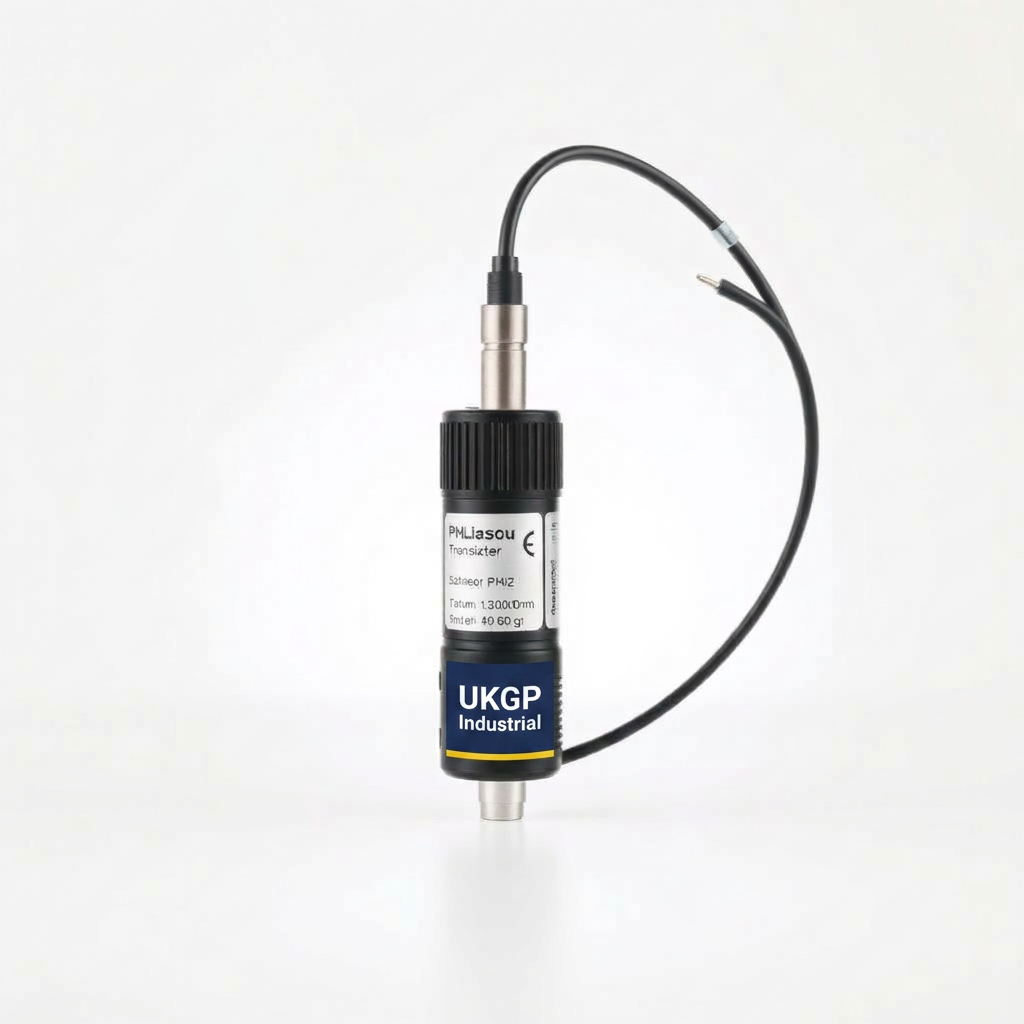
When integrating a laboratory ph sensor into a commercial M&E package, the physical robustness of the unit is as critical as its electronic precision. The transition from a manual test to an automated system requires an industrial pH sensor & transmitter assembly that can be hard-wired into the onsite control infrastructure. For UK installers, this typically involves specifying units with IP68 ratings and high-quality M12 cable kits to ensure environmental protection against leaks or condensation. A laboratory ph sensor mounted in a bypass line or side-stream loop allows for easy maintenance and calibration without necessitating a full system drain-down, which is a significant operational advantage for large facilities.
Communication protocols are another vital consideration for modern smart buildings. While traditional 4-20 mA analogue outputs remain popular for simple logic controllers, many UK projects now move toward Modbus RTU for digital data transmission. This allows the laboratory ph sensor to transmit not just the pH value, but also temperature data and diagnostic status back to a central hub. Using a factory-calibrated unit reduces the commissioning time on-site, a factor highly valued by M&E contractors working to tight project deadlines. UKGP Industrial units are supplied with comprehensive documentation to simplify the handover process to the client's facilities management team.
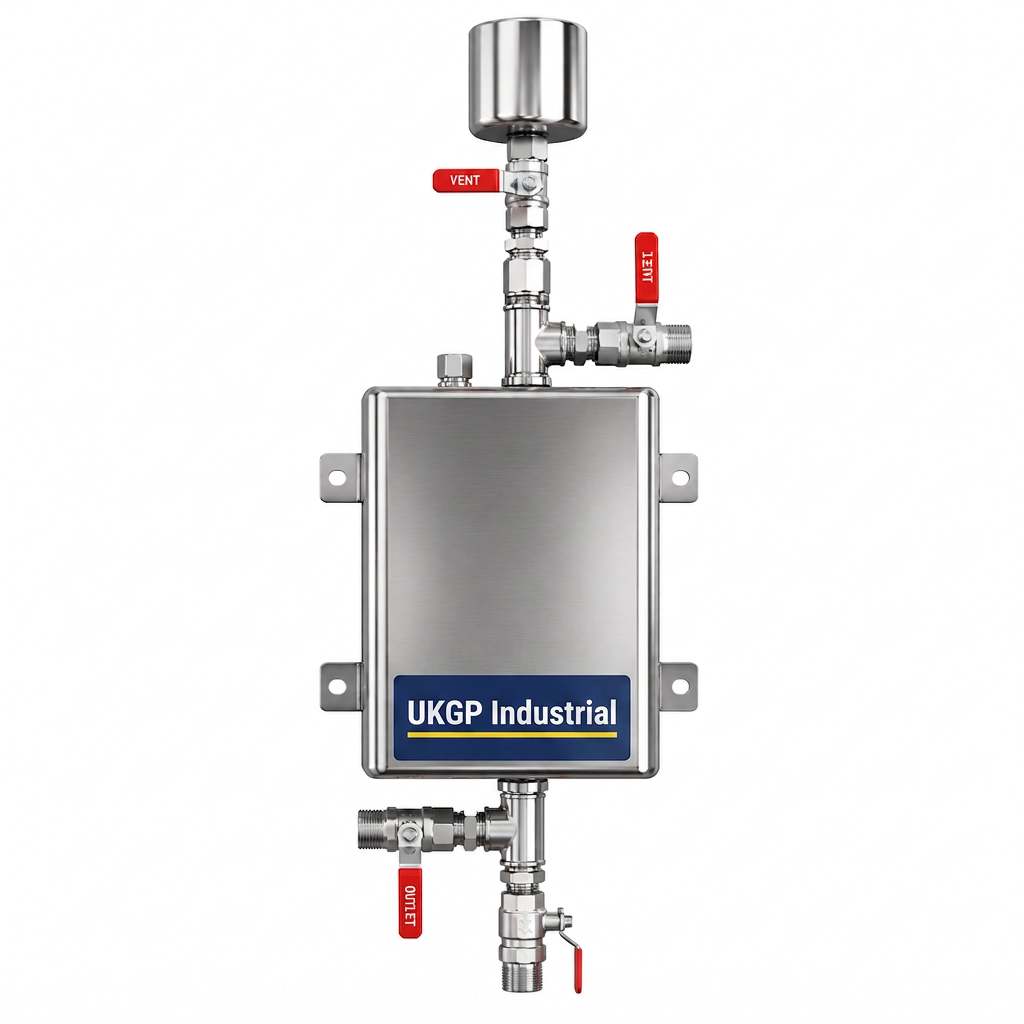
The installation of a laboratory ph sensor should always be accompanied by high-quality peripheral equipment to ensure the longevity of the electrode. This may involve the use of air and dirt separators to prevent debris from coating the glass bulb, which would otherwise lead to signal lag or false readings. By housing the sensor within a dedicated flow cell or a bypass manifold, engineers can precisely control the velocity of the water passing over the probe. This ensures that the laboratory ph sensor operates within its calibrated range and provides consistent performance, backed by a robust 2-year warranty to give procurement leads peace of mind regarding the asset's total cost of ownership.
- IP68-rated housings for demanding plant room environments
- Choice of 4-20 mA or Modbus RTU communication protocols
- Supplied with a high-integrity M12 cable kit for easy wiring
- Factory-calibrated sensors to streamline site commissioning
Maintaining Hydronic Stability with Precise pH Monitoring
Hydronic stability is the cornerstone of energy-efficient building operation. When a laboratory ph sensor detects a drop in alkalinity, it often signals an underlying issue such as fresh water ingress or the breakdown of glycol. In commercial systems, a stable pH (typically between 8.2 and 10.0 for steel systems) is essential to prevent the formation of magnetite. By using an industrial-grade laboratory ph sensor, engineers can automate the feedback loop, potentially triggering chemical dosing pumps to restore the correct balance. This automated response is far superior to periodic manual testing, which may miss critical events occurring between site visits.
Furthermore, the sensitivity of a laboratory ph sensor allows for the detection of very subtle changes in water chemistry that might indicate the early stages of microbiological growth. In accordance with BS 8552, the frequency and accuracy of monitoring must be sufficient to identify trends rather than just isolated failures. Integrating a laboratory ph sensor into the system’s primary flow or a side-stream filtered loop ensures that the sample being measured is representative of the entire volume. This proactive approach to water treatment is a key differentiator for high-performing facilities management teams looking to reduce unplanned downtime and optimize the thermal efficiency of the building.
The commercial implications of poor pH control are significant. Acidic conditions lead to rapid corrosion of metallic components, while excessively high pH can damage non-ferrous materials and seals. By investing in a laboratory ph sensor and transmitter kit from UKGP Industrial, you are securing a tool that provides the high-fidelity data needed for modern building analytics. Our kits are designed for the UK market, ensuring that standard cable lengths and threading are compatible with existing British pipework. This makes the specification of an industrial pH sensor & transmitter a straightforward task for consultants looking to provide their clients with the best available technology for long-term system protection.
- Immediate detection of pH drift to prevent magnetite formation
- Enables automated chemical dosing for 24/7 system protection
- Supports data-driven maintenance aligned with CIBSE guidelines
- 2-year warranty provides long-term commercial security
Calibration and Long-term Accuracy Maintenance
Ensuring the long-term accuracy of a laboratory ph sensor requires a structured approach to calibration and probe maintenance. Unlike standard industrial equipment, the glass electrode of a pH sensor is a consumable item that slowly ages. However, by selecting a high-quality sensor with a 2-year warranty, you are starting from a position of reliability. Regular calibration using standard buffer solutions ensures that the laboratory ph sensor continues to provide data that is comparable to off-site laboratory analysis. In a commercial environment, this calibration usually occurs every six months, or more frequently if the system fluid is particularly harsh or contaminated.
One of the advantages of a modern laboratory ph sensor from UKGP Industrial is the ease of the calibration process. Our transmitters are designed with user-friendly interfaces that allow site engineers to perform multi-point calibrations quickly and accurately. This ensures that the laboratory ph sensor remains a trusted component of the system's diagnostic suite. When a probe eventually reaches the end of its functional life, the modular design of our sensor kits allows for the replacement of the sensing element while retaining the transmitter and cabling infrastructure. This modularity reduces waste and long-term maintenance costs for the facility.
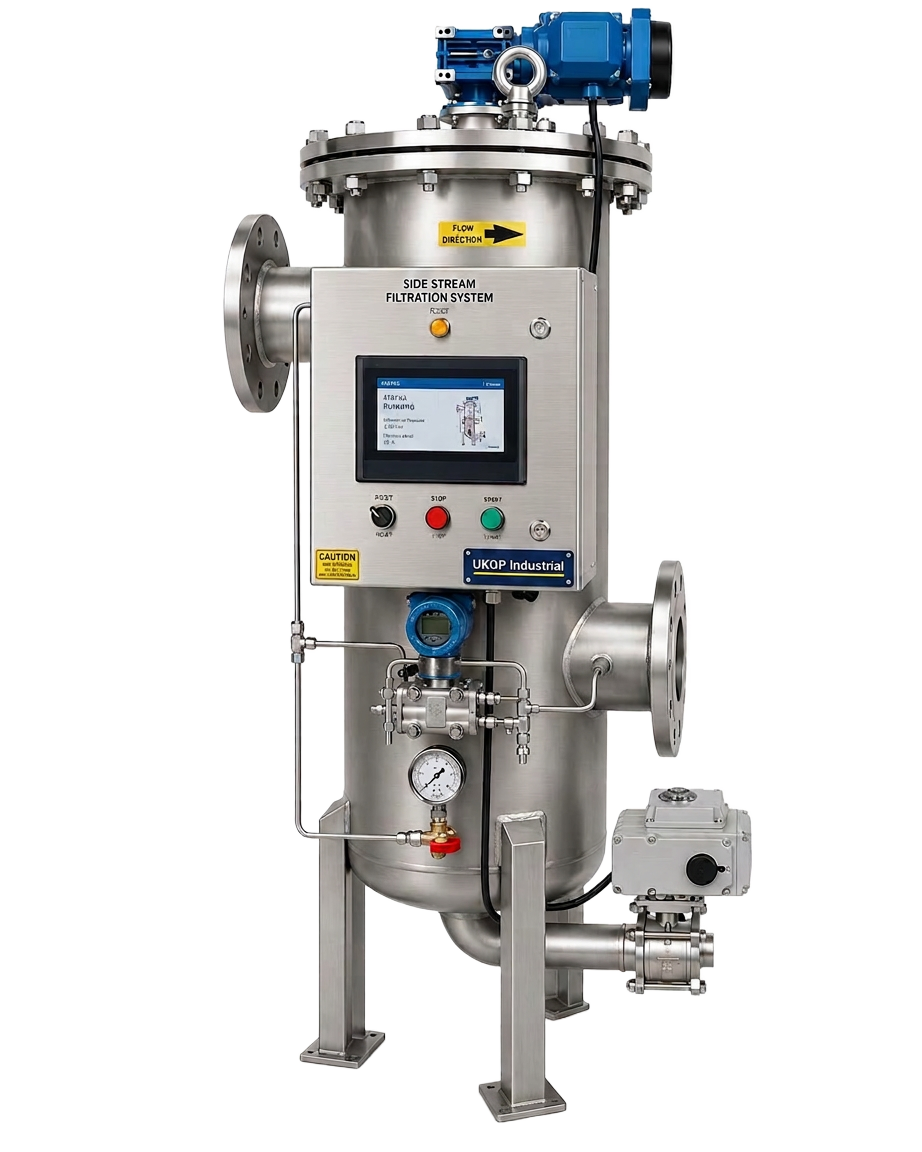
To further enhance the performance of a laboratory ph sensor, we recommend the installation of robust side stream filtration. This prevents the sensor's delicate membrane from becoming fouled by sludge or scale, which is the primary cause of sensor failure in closed-loop systems. By maintaining a clean environment for the laboratory ph sensor, the interval between cleanings is extended, and the overall reliability of the pH readings is significantly improved. For procurement leads, this means a lower frequency of replacement parts and a more stable performance profile across the entire HVAC or process cooling system, ensuring that the initial investment continues to return value over many years.
- Regular calibration ensures parity with BS 8552 lab standards
- Easy-to-replace sensing electrodes reduce downtime
- Compatible with standard pH 4, 7, and 10 buffer solutions
- Designed for modular maintenance within UK plant rooms
Selecting the Right Sensor for Different Industrial Fluids
Not all industrial fluids are the same, and the specification of a laboratory ph sensor must reflect the specific profile of the medium being measured. In standard HVAC systems, the fluid is predominantly water with added inhibitors, but in process environments, the sensor may be exposed to higher temperatures or more aggressive chemicals. A laboratory ph sensor designed for these varied environments must have a wide measurement range and thermal compensation capabilities. This ensures that the pH reading is corrected for temperature fluctuations, which is essential because the activity of hydrogen ions is temperature-dependent. Our units handle this automatically to provide a true pH reading at all times.
For consultants and engineers, the integration of a laboratory ph sensor into a new-build project involves checking compatibility with existing BMS hardware. Whether the project requires a 4-20 mA output for a legacy system or Modbus for a new smart building, our transmitters provide the flexibility needed. The inclusion of a high-quality M12 cable kit simplifies the physical connection, ensuring a watertight and vibration-resistant link between the laboratory ph sensor and the control panel. This attention to detail in the physical connectivity is what makes our industrial solutions suitable for the rigours of a modern industrial site or commercial plant room.
Finally, when purchasing a laboratory ph sensor, procurement specialists should consider the support and warranty provided. A 2-year warranty on an industrial pH sensor & transmitter is a strong indicator of build quality and reliability. At UKGP Industrial, we provide the technical support necessary to ensure your laboratory ph sensor is correctly specified and installed to meet the unique demands of your UK project. We encourage building services consultants and contractors to contact us for a detailed quote on our full range of sensors, transmitters, and integration kits, ensuring your water treatment strategy is supported by the most accurate sensing technology available today.
- Automatic temperature compensation for accurate readings
- Wide measurement range suitable for diverse industrial fluids
- Robust M12 cable kits included for secure electrical connection
- Expert UK-based technical support for specification queries
Conclusion: Enhancing Plant Reliability with a Laboratory pH Sensor
In summary, migrating to a permanently installed laboratory ph sensor represents a significant upgrade for any UK commercial water system. By providing continuous, high-accuracy data, these sensors empower engineers to maintain the chemical equilibrium required by BSRIA standards and major boiler OEMs. The combination of precision sensing and industrial-grade construction makes the laboratory ph sensor an indispensable tool for protecting large-scale heating and cooling assets. Ensuring that your water chemistry is monitored with this level of detail is the most effective way to prevent corrosion and maintain heat transfer efficiency over the decades of a building's operation.
Effective water treatment is a holistic process, and the laboratory ph sensor is the vital feedback mechanism that makes this process visible and manageable. By integrating these sensors with other high-quality plant room components, such as chemical dosing pots and low loss headers, you create a resilient system capable of withstanding the stresses of modern operation. The accuracy of a laboratory ph sensor ensures that chemical dosing is only performed when necessary, reducing chemical waste and environmental impact while strictly adhering to UK regulatory requirements for discharged or circulated fluids in industrial settings.
Whether you are an M&E contractor looking for a reliable sensor kit for a new installation, or an FM lead tasked with improving the reliability of an existing system, our industrial pH sensor & transmitter range offers the perfect balance of laboratory precision and industrial durability. Each kit is supplied factory-calibrated and ready for integration, backed by our specialist knowledge of the UK market. We invite you to contact UKGP Industrial today to discuss your laboratory ph sensor requirements and receive a competitive quote for our IP68-rated, Modbus-capable monitoring solutions.
- Achieve laboratory-grade precision in an industrial environment
- Comprehensive kits including sensor, transmitter, and M12 cable
- Fully compatible with UK building management systems
- Reduces total cost of ownership through better asset protection
Frequently asked questions
What is the benefit of a laboratory ph sensor over a portable tester?
- A laboratory ph sensor provides continuous, real-time monitoring which is essential for capturing pH fluctuations that periodic manual testing misses. It allows for immediate intervention and integration into a BMS for automated control.
Are UKGP industrial pH sensors compatible with existing BMS systems?
- Yes, our sensors are available with standard 4-20 mA analogue outputs or digital Modbus RTU communication, making them compatible with virtually all modern UK Building Management Systems.
How often should a laboratory ph sensor be calibrated in a plant room?
- For most commercial HVAC systems, we recommend calibration every 6 months using standard buffer solutions to ensure it maintains the accuracy expected of a laboratory ph sensor, in line with BS 8552 recommendations.
What protection rating do these sensors have against moisture?
- Our industrial laboratory ph sensor and transmitter kits are IP68 rated, ensuring they are fully protected against dust and water ingress, which is vital for the humid and sometimes wet conditions of a plant room.
What is included in the UKGP pH sensor kit?
- Each kit includes the high-accuracy sensor, an industrial transmitter, a durable M12 cable kit, and is factory-calibrated with a 2-year warranty as standard.