Understanding Isfet Ph Sensor Technology
In the demanding environments of UK plant rooms, the traditional glass bulb pH electrode often presents a significant point of failure due to its fragility and drift. An isfet ph sensor, or Ion-Sensitive Field-Effect Transistor, replaces the delicate glass membrane with a solid-state semiconductor chip. This shift in technology allows for a much more rugged sensor body that can withstand the high-velocity flows and occasional particulates found in commercial secondary circuits. For M&E contractors and facility managers, this means significantly reduced maintenance overheads and fewer calibration cycles compared to legacy systems. The solid-state nature of the device ensures that there is no glass to break into the process stream, which is a vital consideration in food-grade or high-specification industrial applications.
The technical operation of an isfet ph sensor relies on the gate voltage of the transistor being influenced by the hydrogen ion concentration in the surrounding fluid. This provides a direct, low-impedance signal that is inherently more resistant to electromagnetic interference (EMI) than high-impedance glass electrodes. When integrated into a wider Building Management System (BMS), these sensors provide the granular data necessary to meet BS 8552 guidelines for water quality sampling and analysis. By choosing an ISFET-based solution, engineers ensure that they are installing a 'fit and forget' component that aligns with the modern digital plant room's requirements for reliability and data accuracy.
Choosing to install an isfet ph sensor from UKGP Industrial provides the additional benefit of factory-calibrated precision right out of the box. While traditional sensors struggle with storage and dry-out issues, ISFET technology is generally more resilient. For procurement leads, the total cost of ownership is lower because the sensor life is extended and the risk of downtime due to sensor failure is mitigated. When you are looking to secure the longevity of a multi-million-pound commercial HVAC asset, the measurement of pH is the first line of defence against cathodic corrosion and scaling. Our sensors are designed to meet these rigorous demands while integrating seamlessly with standard industrial controllers.
- Solid-state design eliminates the risk of glass breakage in sensitive loops.
- Low-impedance output reduces signal noise and interference in complex plant rooms.
- Enhanced durability in high-pressure and high-velocity HVAC environments.
- Supports compliance with BSRIA BG50 and BS 8552 water monitoring standards.
- Compatible with modern digital transmitters for 4-20 mA or Modbus integration.
Integrating an Isfet Ph Sensor into HVAC Systems
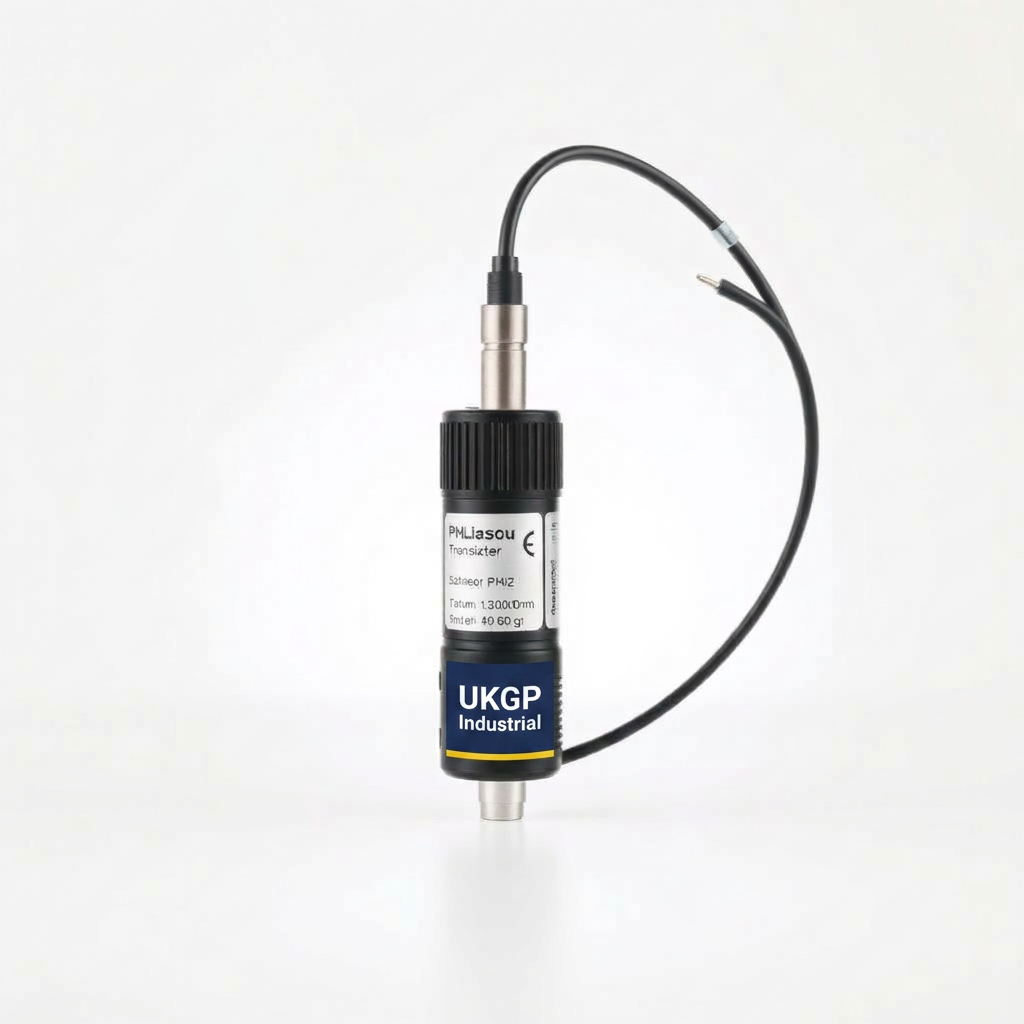
The integration of an isfet ph sensor into a commercial heating or cooling circuit should ideally occur at a point of representative flow. In accordance with CIBSE guidelines, monitoring equipment should be situated where it can accurately reflect the chemical state of the bulk fluid. This often necessitates a bypass arrangement or a dedicated sampling point. UKGP Industrial offers a comprehensive kit including a sensor, transmitter, and M12 cable kit to facilitate a clean and professional installation. Our hardware is designed for the high-temperature and variable pressure conditions typical of UK district heating and commercial chilled water systems, ensuring that your pH readings remain consistent even during peak load periods.
From an engineering perspective, the transition to using an isfet ph sensor simplifies the commissioning process. Because our sensors are factory-calibrated, the time spent on-site by M&E contractors is reduced. The IP68 rating of the sensor assembly ensures that even in the damp, often harsh conditions of an underground plant room or a rooftop plant deck, the electronics remain protected. Whether you are outputting a standard 4-20 mA analogue signal to a legacy controller or utilizing Modbus RTU for a modern networked BMS, the flexibility of the UKGP transmitter ensures that data is readily available for trend analysis and automated chemical dosing triggers.
When specifying for a new build or a major plant room refurbishment, it is essential to consider the warranty and support package. UKGP Industrial provides a 2-year warranty on our pH sensor and transmitter kits, giving consultants and end-users peace of mind. Regular pH monitoring is non-negotiable for the protection of components such as aluminum heat exchangers, which are highly sensitive to pH fluctuations outside of specific ranges (typically 7.0 to 8.5 for aluminum-bearing systems). Investing in a high-quality isfet ph sensor ensures that you are alerted to acidification or over-dosing long before it results in expensive component failure or systemic corrosion.
- Optional 4-20 mA or Modbus RTU communication for versatile BMS integration.
- Rugged IP68 rated housing for reliable performance in damp plant room environments.
- Factory-calibrated units reduce on-site commissioning time and labour costs.
- Comprehensive 2-year warranty provided as standard for all UKGP industrial sensors.
- M12 cable kit included for fast, error-free connectivity during installation.
Maintenance and Calibration in Industrial Settings
While an isfet ph sensor is significantly more robust than its glass counterparts, a proactive maintenance regime is still required to comply with BSRIA BG29 and BG50 recommendations. We recommend periodic verification of the sensor's accuracy using certified buffer solutions. Because the ISFET chip is a flat surface, it is less prone to fouling than a recessed glass bulb, but it should still be inspected for biofilm or mineral scaling which can slow the response time. In systems with heavy particulate loading, the sensor should be installed downstream of high-efficiency filtration to ensure the sensing face remains clear for the most accurate potentiometric measurements.
For Facility Managers, the benefit of the isfet ph sensor lies in its stability. Traditional sensors often require monthly calibration to compensate for glass electrode drift, but an ISFET sensor maintains its slope for longer periods. This reduction in technician time translates directly to operational savings. When maintenance is required, the plug-and-play nature of the UKGP M12 cable system allows for rapid sensor replacement without the need to disturb the transmitter wiring. This modular approach is favoured by UK engineering teams who need to minimize downtime during critical heating or cooling seasons.
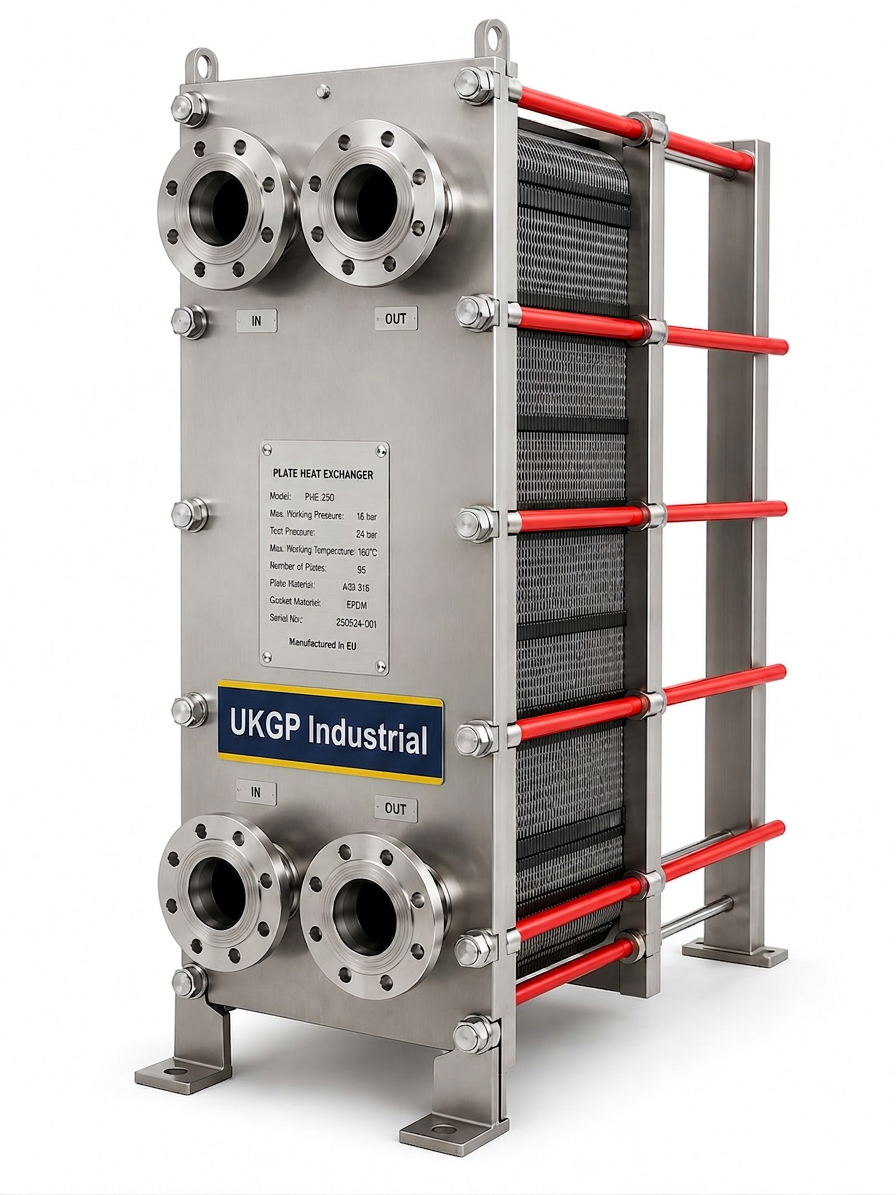
In instances where consistent pH deviations are observed, the isfet ph sensor acts as an early warning system for the failure of a chemical dosing pot or a breach in the system's plate heat exchanger. By providing real-time data, it allows for immediate intervention through manual or automated chemical adjustment. This prevents the pH from swinging into acidic ranges that accelerate oxygen corrosion or alkaline ranges that cause mineral deposition. Using the UKGP sensor and transmitter kit ensures that your water treatment strategy is proactive rather than reactive, protecting your infrastructure and maintaining thermal efficiency throughout its design life.
- Flat sensing surface reduces the accumulation of scale and biological growth.
- Modular M12 connection enables fast sensor swaps without rewiring the transmitter.
- Longer periods between calibrations compared to traditional glass electrodes.
- Real-time data prevents expensive damage to plate heat exchangers and valves.
- Essential for validating the performance of chemical water treatment programmes.
Technical Specifications for Procurement Leads
Procurement professionals need to ensure that the equipment specified meets both the technical demands of the project and the budgetary constraints of the client. The isfet ph sensor from UKGP Industrial is designed to bridge this gap by offering high-end features at a commercially competitive price point. The inclusion of a 4-20 mA or Modbus output as standard ensures that the unit is future-proofed against changes in the building's control strategy. Furthermore, the 2-year warranty underscores our confidence in the product's longevity, which is a key metric for many UK government and healthcare tenders where long-term value is prioritized over initial capital cost.
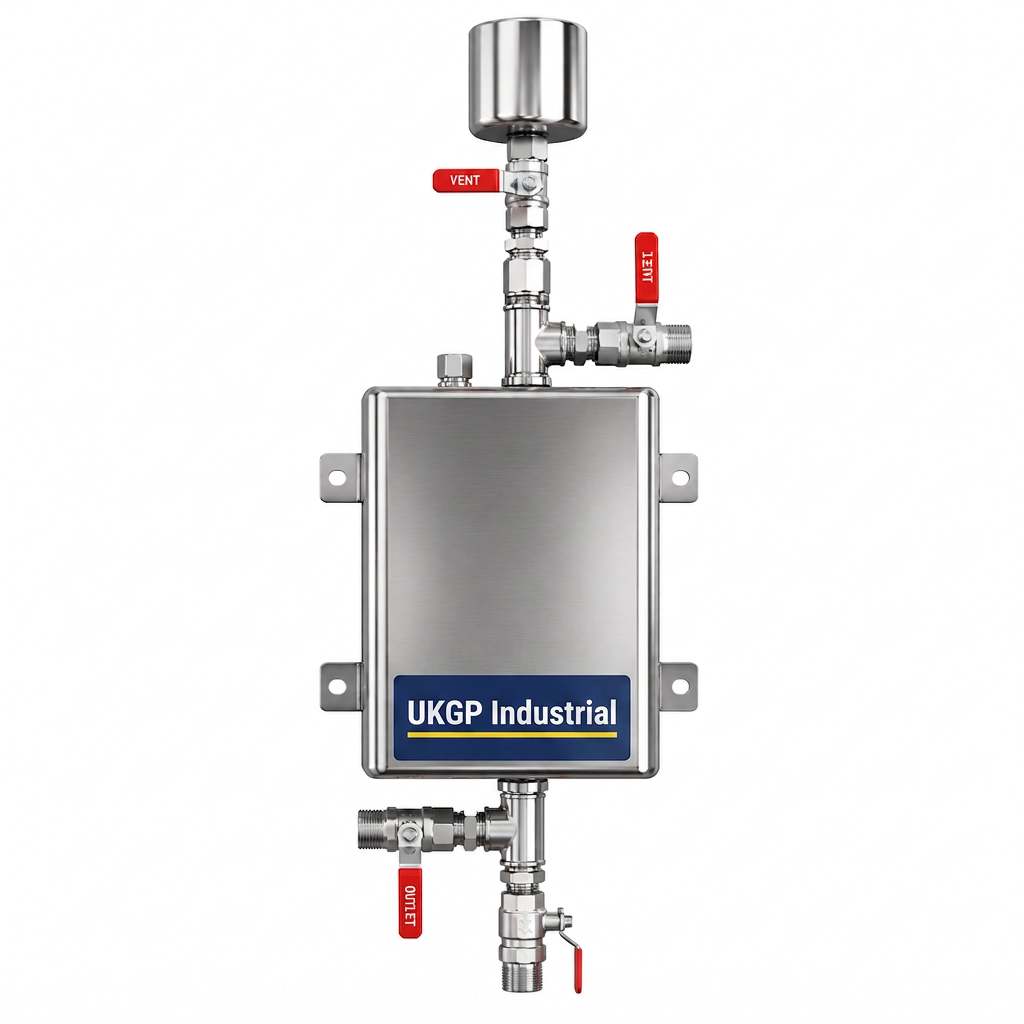
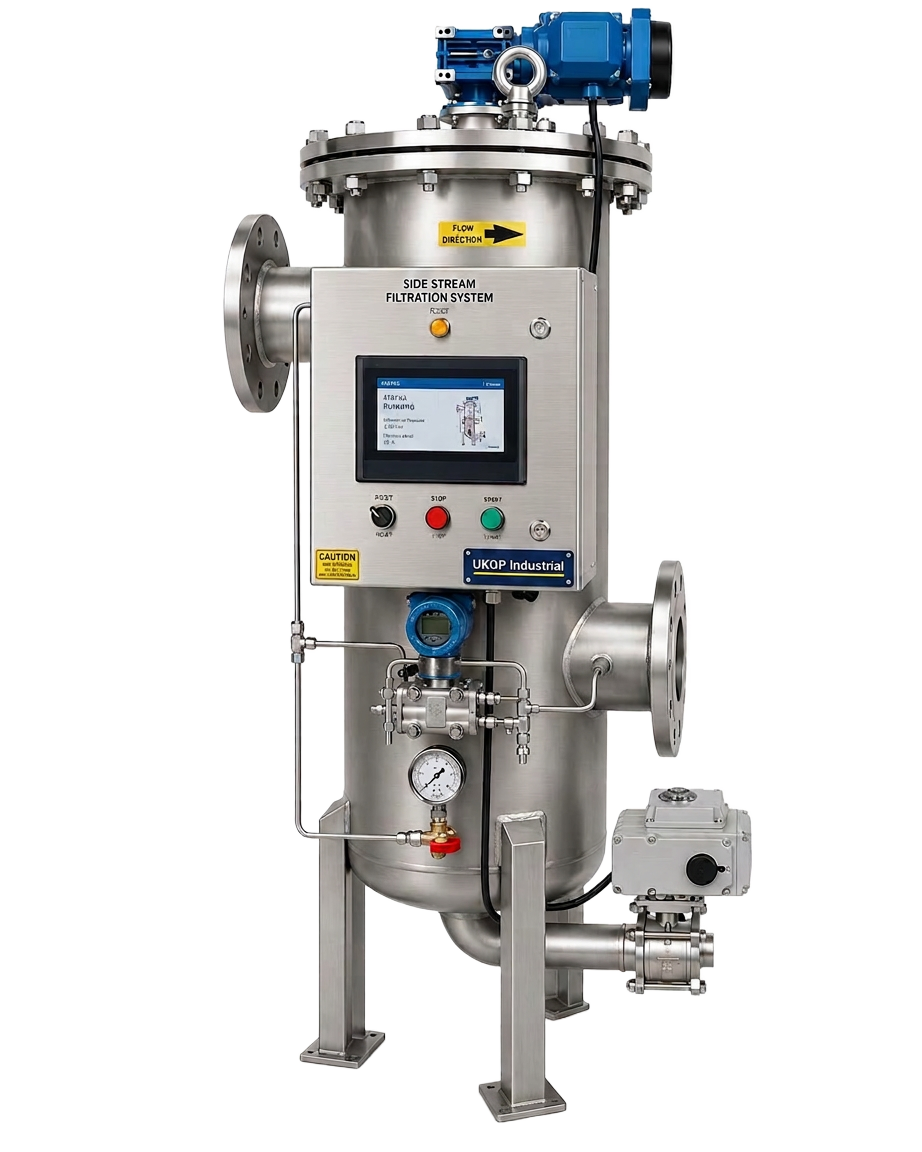
Technical compliance is also a major factor. Our sensors are manufactured to withstand the pressures common in modern commercial systems, often up to 10 bar or higher depending on the housing configuration. When used in conjunction with other UKGP products like air & dirt separators or side stream filtration skids, the isfet ph sensor provides a complete window into the health of the system water. This holistic approach to water quality is exactly what BSRIA BG50 advocates for, shifting the focus from sporadic manual testing to continuous automated monitoring. This ensures that the water remains within the strict chemical parameters set by boiler and chiller manufacturers.
For site-wide deployments, consistency is king. Standardising on a single isfet ph sensor model across multiple plant rooms simplifies the spares inventory and training requirements for the maintenance team. UKGP Industrial keeps significant stock in Surrey, ensuring that project deadlines are met with short lead times. We understand that on-site delays cost money, so we provide a complete kit—sensor, transmitter, and cabling—to ensure that all components required for a successful install arrive together. This commitment to service is why we are the preferred supplier for many of the UK's leading M&E contractors and consultants.
- Available for rapid dispatch from our Surrey warehouse to meet tight deadlines.
- Future-proofed signal outputs compatible with all major UK BMS platforms.
- Supports long-term asset management strategies through reliable data logging.
- High pressure and temperature ratings suitable for various industrial applications.
- Reduces the complexity of spares management through standardised hardware.
Compliance with British and Industry Standards
Adhering to British Standards is a fundamental requirement for any professional engineering installation in the UK. The isfet ph sensor plays a pivotal role in the monitoring regime described in BS 8552, which focuses on the sampling and monitoring of water from building services circuits. By providing a continuous data stream, the sensor eliminates the risks associated with the 'snapshot' nature of manual tube samples, which can often be unrepresentative if the system has not been properly circulated. This allows consultants to design systems that are fully compliant with both current regulations and insurance requirements, which increasingly demand evidence of ongoing water quality management.
In addition to BS standards, the use of an isfet ph sensor is highly recommended for systems that must follow BSRIA BG29 (Pre-Commission Cleaning) and BG50 (Water Treatment for Closed Heating and Cooling Systems). During the cleaning phase, pH monitoring ensures that flushing chemicals have been thoroughly removed and that the system has reached a neutral, passivated state. For ongoing operation, the sensor monitors the efficacy of corrosion inhibitors, which can be pH-dependent. The robustness of the ISFET chip makes it particularly useful during the early stages of system commissioning when particulate levels might still be high and could damage more sensitive glass-based sensors.
Finally, for systems involving expansion bellows or complex piping arrangements, maintaining correct pH is vital to prevent localized corrosion at stress points. Stress corrosion cracking is significantly accelerated in acidic environments, and an isfet ph sensor provides the constant vigilance needed to prevent these conditions from arising. By integrating the sensor into the primary flow or a dedicated bypass loop, engineers can ensure that the entire system—from the low loss header to the furthest terminal units—is protected by a stable and controlled chemical environment. UKGP Industrial is proud to support these standards with our high-specification sensor solutions.
- Integral to meeting the continuous monitoring goals of BSRIA BG50.
- Validates the removal of cleaning agents as required by BSRIA BG29.
- Vital for preventing stress corrosion cracking in expansion bellows.
- Supports BS 8552 protocols for accurate water quality data acquisition.
- Provides the verifiable records needed for HVAC system insurance compliance.
The Impact of pH on System Longevity
The chemical stability of system water is perhaps the single most important factor in determining the actual lifespan of commercial HVAC components. When the pH deviates from the manufacturer's recommended range, the protective magnetite layer on steel pipes can be stripped away, or the amphoteric nature of aluminum can lead to rapid pitting. An isfet ph sensor provides the accuracy needed to detect these shifts before they become catastrophic. In an era where sustainability and carbon reduction are paramount, extending the life of existing steel and copper assets is a far more environmentally friendly approach than premature replacement of plant due to avoidable corrosion.
The commercial implications of poor pH control are also significant. A fouled heat exchanger or a corroded pump leads to increased energy consumption and higher operational costs. By utilizing an isfet ph sensor to trigger corrective action, such as adjusting a chemical dosing pot or increasing the blowdown rate, energy efficiency is maintained. This aligns with the wider goals of CIBSE and other industry bodies to improve the seasonal efficiency of UK buildings. The data provided by a UKGP sensor kit allows for the fine-tuning of water chemistry, ensuring that the system operates at peak thermal performance at all times.
For any high-value commercial project, the specification of a pH sensor should not be an afterthought. Whether you are managing an office block in London, a hospital in Manchester, or a manufacturing site in the Midlands, the isfet ph sensor from UKGP Industrial offers the reliability you need. We invite consultants and plant-room engineers to contact us for technical drawings or to request a quote for our sensor, transmitter, and M12 cable kits. With our 2-year warranty and factory-calibrated units, we provide the industrial-grade solution required to protect the UK's vital building services infrastructure.
- Aids in the protection of sensitive aluminum and copper heat transfer surfaces.
- Maintains the protective magnetite layer in carbon steel heating systems.
- Reduces energy waste by preventing the formation of insulating scale layers.
- Supports the carbon reduction goals of modern commercial building managers.
- Provides a clear ROI through reduced emergency repairs and component swaps.
Frequently asked questions
Why is an isfet ph sensor better than a glass electrode?
- An isfet ph sensor is more rugged because it uses a solid-state semiconductor rather than a fragile glass bulb. This makes it ideal for industrial and HVAC environments where vibrations, high flow rates, and physical shocks are common. It also offers lower signal impedance and higher resistance to noise.
What maintenance does an isfet ph sensor require?
- While more robust, it still requires periodic calibration checks and cleaning. The flat surface of the ISFET chip is easy to wipe clean of any biofilm or scaling. UKGP recommends following BSRIA BG50 guidelines for maintenance frequency in commercial closed networks.
Can I connect the sensor directly to my BMS?
- Our isfet ph sensor is supplied with a dedicated transmitter that converts the raw sensor data into a 4-20 mA or Modbus RTU signal. This allows for direct and easy integration with almost any modern Building Management System (BMS) or industrial PLC.
Does the sensor come calibrated?
- Yes, our isfet ph sensor kits are factory-calibrated. However, for the highest precision and to account for site-specific conditions, we recommend a secondary verification against known buffer solutions during the commissioning phase on-site.
What is the warranty period for UKGP pH sensors?
- We provide a 2-year warranty on our industrial pH sensor and transmitter kits, which includes the sensor, transmitter, and the M12 cable assembly, ensuring peace of mind for specifyers and end-users alike.