Understanding the Role of an Inline Ph Probe in HVAC
In modern UK commercial plant rooms, water chemistry serves as the primary indicator of system health. An inline ph probe provides continuous data on the hydrogen ion concentration within the circuit, which is essential because even slight deviations from the neutral or slightly alkaline range can trigger rapid oxidation. While manual dip testing was once the industry standard, it only provides a snapshot in time, often missing corrosive spikes caused by fresh water ingress or chemical depletion. By integrating a probe directly into the pipework, engineers gain a live diagnostic tool that identifies issues before they manifest as leaks or scale build-up in expensive heat exchangers.
The chemical balance of a closed-loop system is governed by several factors, including the type of metallurgy present and the presence of corrosion inhibitors. An inline ph probe is particularly vital in systems containing aluminium components, where the pH must be tightly controlled within a narrow window—typically between 6.5 and 8.5—to prevent amphoteric corrosion. If the pH level climbs too high, the protective magnetite layer on steel pipes or the oxide layer on aluminium can strip away, leading to pitting and eventual system failure. UKGP Industrial designs these sensors to withstand the rigours of continuous operation, ensuring that facilities managers have the data required to protect their multi-million pound HVAC assets.
Furthermore, consistent monitoring supports compliance with BSRIA BG29 and BG50 standards, which emphasize the importance of maintaining water quality to prevent microbial growth and chemical degradation. An inline ph probe acts as a sentinel, providing the empirical proof needed during audits or maintenance reviews. By opting for a sensor that integrates with a transmitter, the data can be fed directly back to a Building Management System (BMS), allowing for automated alerts if thresholds are breached. This proactive approach reduces the reliance on costly reactive maintenance and ensures that the system operates within its designed efficiency parameters throughout its service life.
- Provides real-time continuous monitoring of water chemistry
- Essential for preventing corrosion in systems with mixed metallurgy
- Supports BSRIA BG50 and BG29 water quality compliance
- Facilitates early detection of chemical dosing failures
- Reduces the risk of catastrophic pipework or heat exchanger failure
Technical Specifications for Industrial Environments
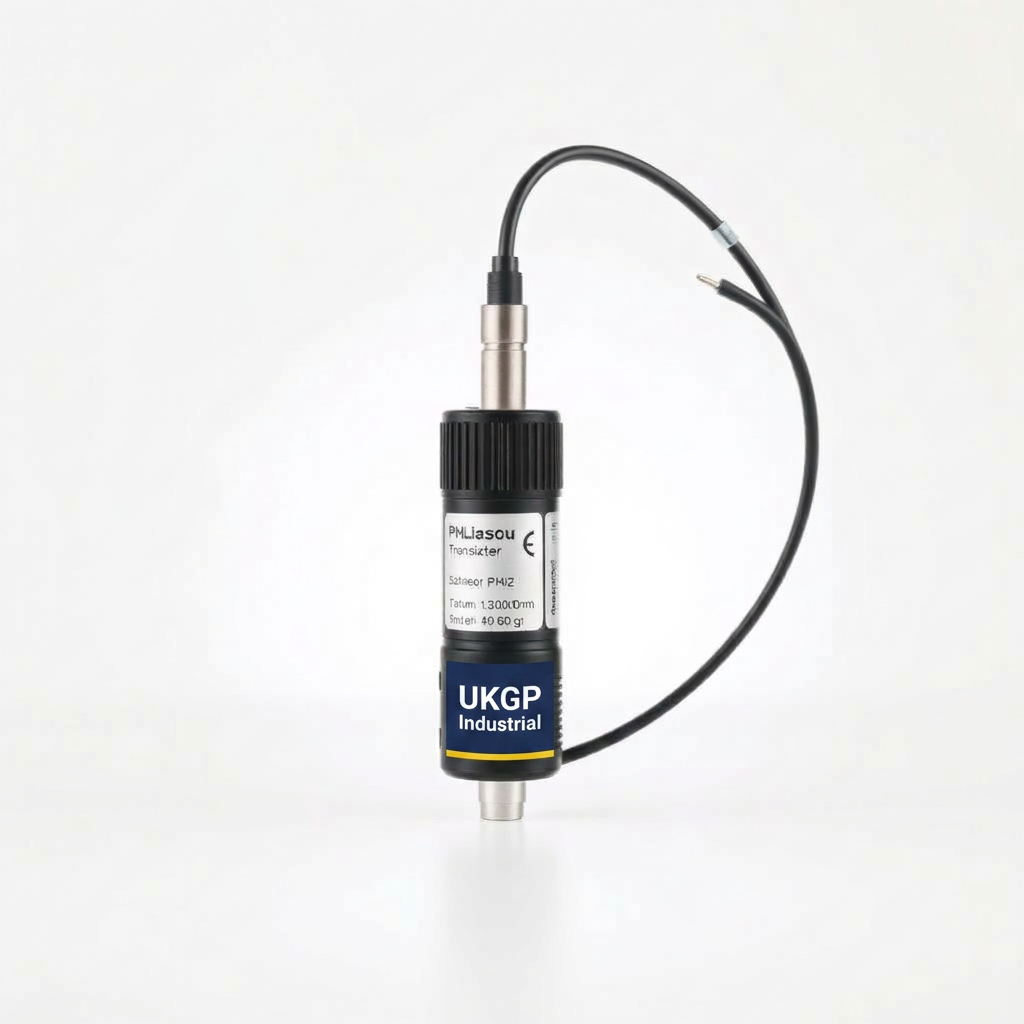
When specifying an inline ph probe for a commercial or industrial environment, the hardware must be robust enough to handle high pressures and temperatures without losing calibration. A standard laboratory-grade probe will quickly fail in a plant room due to the aggressive nature of circulating fluids and physical vibrations. The UKGP Industrial sensing solution features an IP68-rated transmitter housing and a durable M12 cable kit, ensuring that the electronics remain protected from the humid and often wet conditions typical of a basement plant room. This build quality is essential for providing long-term reliability and reducing the total cost of ownership for the end-user.
Precision in data measurement is achieved through factory-calibrated sensors that offer either a 4-20 mA analogue output or a Modbus digital signal. Choosing the right output protocol is critical for seamless integration into existing control architectures. The 4-20 mA output is favoured for its simplicity and resistance to electrical noise over long cable runs, while Modbus allows for more complex data sets to be transmitted over a single pair of wires. Regardless of the communication protocol, the goal remains the same: transmitting accurate, actionable data from the inline ph probe to the central control logic to maintain the delicate chemical balance of the circulating fluid.
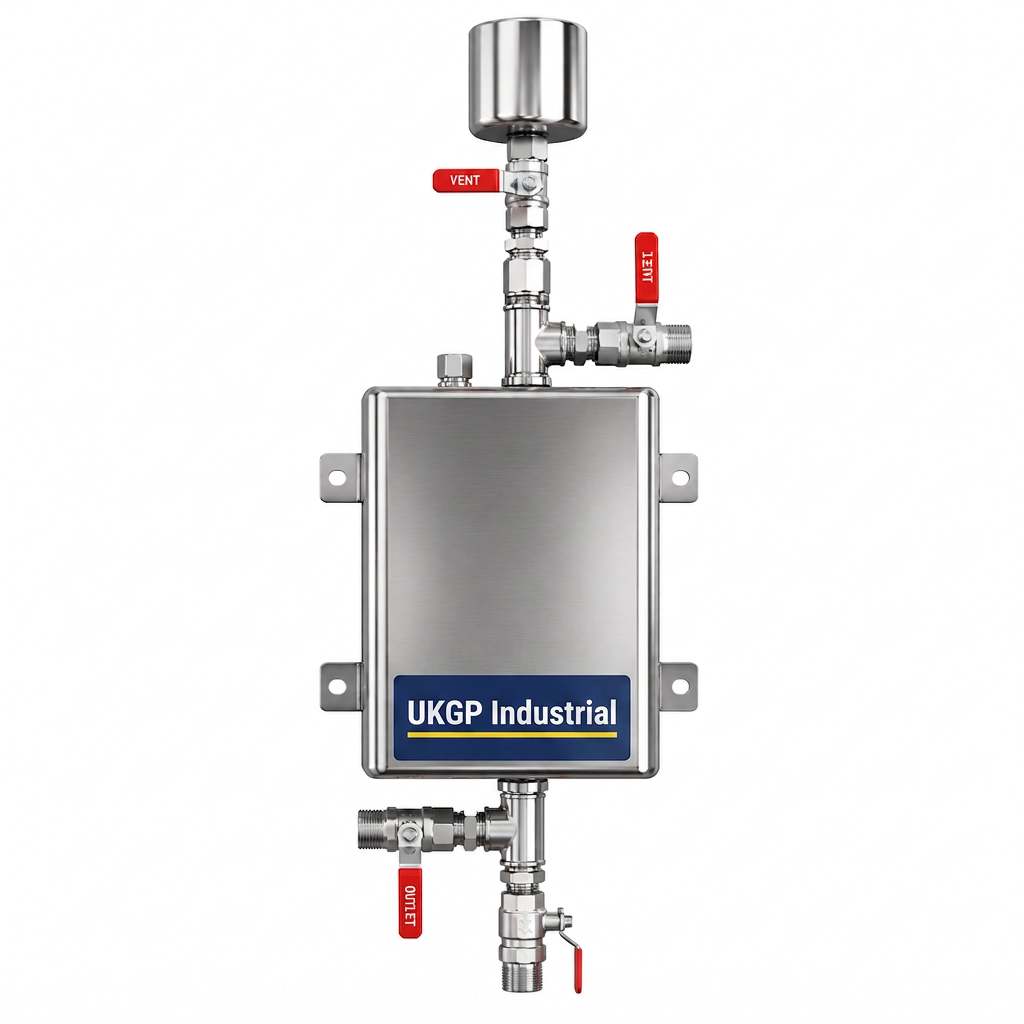
Installation of the probe should ideally occur on the return leg of the primary circuit where the water is well-mixed and representative of the overall system conditions. It is also beneficial to install the unit in conjunction with other critical components such as air & dirt separators and chemical dosing pots. By placing the sensor downstream of the dosing point, engineers can verify the immediate impact of chemical additions. The UKGP Industrial kit is supplied as a complete assembly, including the sensor, transmitter, and necessary cabling, backed by a 2-year warranty for peace of mind in high-pressure commercial environments where downtime is not an option.
- IP68 rated housing for moisture and dust protection
- Selection of 4-20 mA or Modbus communication outputs
- M12 cable kit for secure and stable electrical connections
- Factory-calibrated to ensure accuracy from day one
- Robust 2-year warranty supporting long-term plant room deployment
Maintaining BSRIA BG50 Compliance with Accurate Data
BSRIA BG50:2021 remains the definitive guide for water treatment in closed heating and cooling systems in the UK. One of the central tenets of this guidance is the requirement for regular monitoring and the maintenance of a comprehensive water log. An inline ph probe automates the most critical aspect of this data collection, ensuring that the pH level is always within the recommended limits to inhibit corrosion and scale. Without such a device, engineers are often guessing the state of the water between monthly service visits, which is when the most significant damage can occur due to unforeseen system fluctuations.
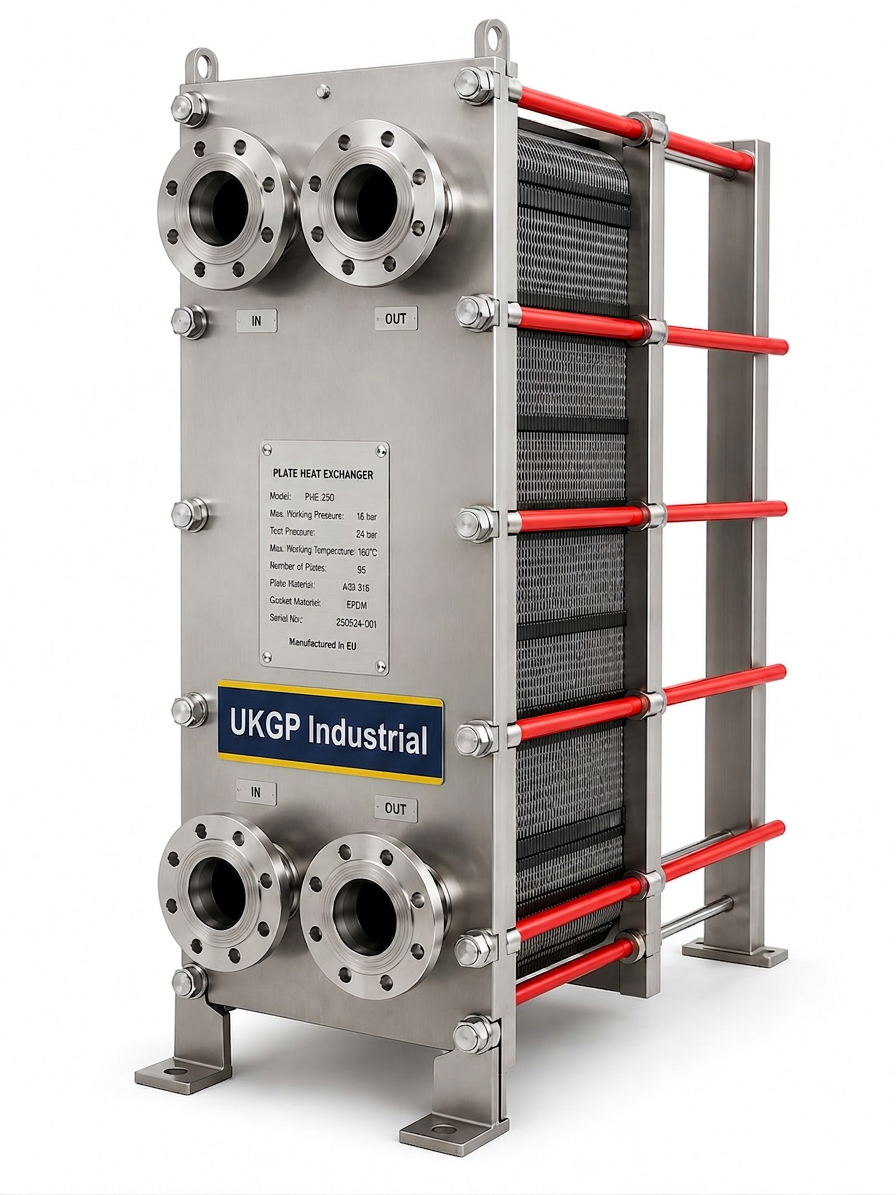
The impact of pH on the effectiveness of biocides and corrosion inhibitors is well-documented. If the pH drifts significantly from the target range, the chemical additives may become less effective or even precipitate out of the solution entirely. This not only wastes money on chemicals but also leaves the system vulnerable to microbiologically influenced corrosion (MIC). By using an inline ph probe, the site team can adjust chemical dosing via dosing pots with surgical precision. This data-driven approach ensures that the concentration of inhibitors is always kept at the optimum level, extending the life of boilers and plate heat exchangers.
For M&E contractors and procurement leads, specifying a UKGP Industrial pH sensor and transmitter kit ensures that the project meets the highest professional standards. These kits are specifically designed for the UK market, keeping in mind the typical operating temperatures of LTHW and CHW systems. By integrating these units during the construction or refurbishment phase, contractors provide their clients with a turnkey solution for system protection. The ability to demonstrate a consistently stable pH profile through BMS logging is a powerful tool for building owners when defending warranty claims with major UK commercial boiler OEMs.
- Automates data logging for BSRIA BG50 water quality reports
- Ensures chemical inhibitors and biocides remain active and effective
- Reduces chemical waste through precise monitoring and dosing
- Protects expensive downstream assets like plate heat exchangers
- Provides empirical evidence for warranty and insurance purposes
Integration with BMS for Automated Plant Protection
The true power of an inline ph probe is realised when it is integrated into a wider Building Management System. This connectivity allows for the creation of 'high-pH' and 'low-pH' alarms that can trigger immediate remote notifications to the maintenance team. In critical environments like data centres, hospitals, or large-scale residential developments, these early warning signs are vital. A sudden drop in pH might indicate a high volume of raw water make-up, suggesting a massive leak somewhere in the building, while a rise might indicate a malfunction in the chemical dosing system or a breakdown of the ethylene glycol.
When the BMS receives data from a UKGP transmitter, it can also be programmed to interlock other equipment. For instance, if the pH levels indicate a major chemical imbalance, the system can temporarily isolate certain loops to protect sensitive equipment like low loss headers or fragile sensor arrays. This level of automated protection is far superior to manual oversight. The use of a high-quality inline ph probe with a 4-20 mA output ensures that the signal is clear and free from interference, which is crucial for preventing false alarms that can lead to unnecessary plant shutdowns and user complaints.
Consulting engineers should specify a pH sensing kit that includes the sensor, transmitter, and factory-calibrated electronics to ensure the highest degree of out-of-the-box accuracy. UKGP Industrial's offering is designed precisely for these high-spec applications, providing a reliable interface between the physical fluid dynamics of the plant room and the digital logic of the BMS. As smart buildings become the norm, the demand for high-fidelity sensors like the UKGP pH range continues to grow, providing the granular data needed for energy optimisation and predictive maintenance strategies that save significant operational costs over time.
- Enables remote monitoring and alarm triggers for pH deviations
- Integrates with BMS via legacy 4-20 mA or modern Modbus protocols
- Facilitates automated system interlocks to protect vital assets
- Reduces manual labour costs associated with routine water testing
- Supports long-distance signal transmission in large commercial buildings
Longevity and Calibration of the Inline Ph Probe
A common concern for plant-room engineers is the maintenance requirement for water-borne sensors. While early generation probes required weekly recalibration, a modern inline ph probe from UKGP Industrial is engineered for long-term stability and minimal drift. These sensors are factory-calibrated to high precision, meaning they are ready for immediate deployment upon arrival. However, even the most robust industrial sensor will eventually require verification. The modular design of our sensor and transmitter kit simplifies this process, allowing for easy removal and cleaning of the probe without the need for specialized tools or extensive system downtime.
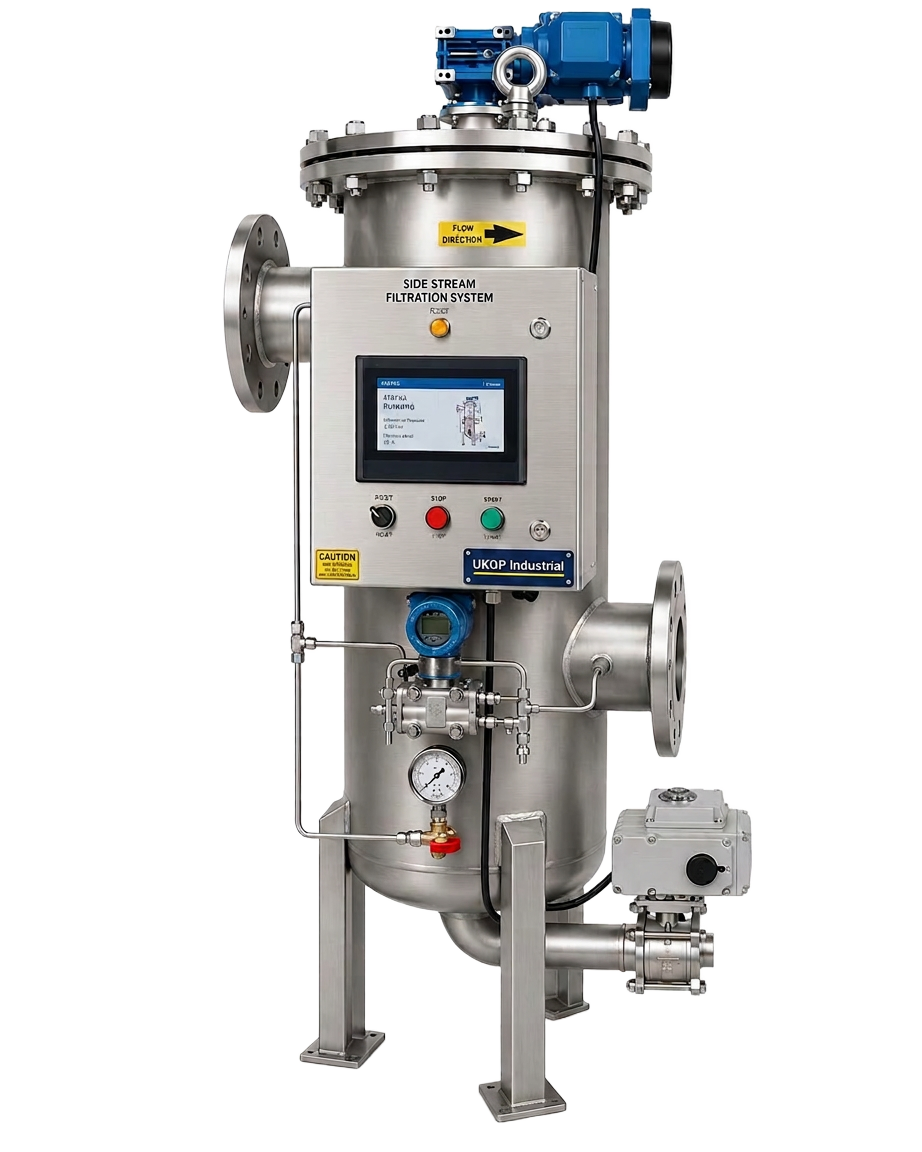
To maximise the lifespan of your inline ph probe, it is recommended to install it in a location where the flow is laminar and relatively free from large particulate matter. The installation of high-efficiency air & dirt separators upstream can significantly extend the life of the probe by preventing abrasive debris from damaging the sensitive glass membrane. Regular inspection should involve checking for any biofilm or mineral scaling on the probe surface, which can be gently cleaned to restore fast response times. This simple maintenance routine, performed alongside standard plant room checks, ensures the sensor provides reliable data for years.
Investing in a high-quality pH monitoring solution is a commercially aware decision for any UK contractor or facility manager. By choosing a UKGP Industrial unit, you are selecting a product that carries a 2-year warranty and a pedigree of reliability. The cost of a replacement sensor is negligible compared to the thousands of pounds required to flush a fouled system or replace a corroded heat exchanger. For those managing complex HVAC systems, the inline ph probe is an essential component of a proactive water treatment strategy that delivers measurable returns on investment through reduced chemical usage and extended equipment life.
- Low-drift sensor technology reduces the frequency of recalibration
- 2-year warranty provides confidence in industrial applications
- Modular design allows for easy maintenance and sensor replacement
- Durable M12 cabling prevents signal loss in harsh environments
- Factory-calibration ensures accurate readings from the moment of installation
Selecting the Right Sensor for Your Application
Selecting the correct inline ph probe involves assessing the specific operating conditions of your plant room, including pressure, temperature, and the expected chemical profile. Our range of sensors is designed to cover the vast majority of commercial HVAC and industrial process applications in the UK. Whether you are dealing with a standard LTHW circuit or a high-pressure chilled water system, our technical team can help you identify the right transmitter and sensor combination to ensure long-term stability. The goal is to provide a seamless monitoring solution that requires minimal intervention from the engineering staff.
Cost-aware procurement leads often look for the best balance between initial capital outlay and long-term operating costs. A UKGP Industrial pH sensor kit is a cost-effective choice because it bundles the sensor, transmitter, and M12 cable in a single, ready-to-install package. This eliminates the need to source individual components from multiple suppliers, reducing the risk of incompatibility and simplifying the installation process. When you factor in the 2-year warranty and the robust IP68 rating, the value proposition for the UKGP range becomes clear for any large-scale project where reliability is the primary selection criteria.
Final commissioning of the inline ph probe should be documented as part of the system's overall water treatment log. This documentation is vital for demonstrating that the system was handed over in good working order and that continuous monitoring was in place from day one. For further information or to request a project-specific quote for our pH sensors and transmitters, contact the UKGP Industrial technical sales desk today. Our experts can assist with wiring diagrams, BMS integration queries, and guidance on BSRIA compliance to ensure your plant room operates at peak efficiency with maximum protection against the hidden threats of water-side corrosion.
- Technical support available for bespoke plant room configurations
- Bundled kits simplify procurement and reduce installation errors
- High pressure and temperature suitability for industrial processes
- Full support for wiring and BMS integration during commissioning
- Proactive protection against the 'hidden' costs of water degradation
Frequently asked questions
What is the primary benefit of an inline ph probe over manual testing?
- An inline ph probe provides 24/7 real-time monitoring, whereas manual testing only offers a single point-in-time check. Continuous monitoring detects sudden chemical changes, such as those caused by pipe leaks or dosing pump failures, which manual testing would likely miss until damage occurs.
Does a UKGP pH sensor require a separate transmitter?
- Yes, our inline ph probe is part of a kit that includes a high-spec transmitter (4-20 mA or Modbus) and an M12 cable. This ensures the signal from the probe is converted into a standard format that your Building Management System (BMS) can understand and log.
How often should an inline ph probe be recalibrated?
- While our sensors are factory-calibrated and designed for low drift, we recommend checking the calibration every 6–12 months as part of your standard BSRIA BG50 maintenance routine. The frequency depends on the system's water quality and temperature.
Is the UKGP pH sensor suitable for use with glycol?
- Yes, our pH sensors are compatible with typical HVAC fluids, including ethylene and propylene glycol blends commonly used in chilled water and heat recovery systems across the UK.
What communication protocols do your pH transmitters support?
- We offer transmitters that support both 4-20 mA analogue signals and Modbus RTU digital signals, allowing for flexible integration with virtually any modern or legacy building control system.