The Engineering Logic Behind How to Use pH Meter Kits
In the UK's mechanical and electrical (M&E) sector, water chemistry is often the difference between a system that lasts thirty years and one that fails in five. When engineers investigate how to use ph meter equipment for quality assurance, they are looking for stability and repeatability. A standard laboratory probe is insufficient for the high-pressure, high-temperature environments of a plant room. Industrial setups require integrated sensors that can withstand the turbulence and chemical concentrations seen in side-stream filtration loops. By implementing a fixed transmitter system, facilities managers can move from periodic manual sampling to real-time digital monitoring, which is essential for modern data loggers.
The fundamental process of how to use ph meter probes in a commercial setting involves constant measurement of the hydrogen-ion activity. In a closed-loop heating system, keeping the pH within the narrow window recommended by CIBSE and BSRIA is critical. If the water becomes too acidic, the protective magnetite layer on steel pipes is lost, leading to rapid pitting. Conversely, excessive alkalinity can damage non-ferrous components such as aluminium heat exchangers. Understanding how to use ph meter interfaces facilitates the early detection of these shifts, allowing for automated corrective dosing before costly damage occurs to the wider infrastructure assets.
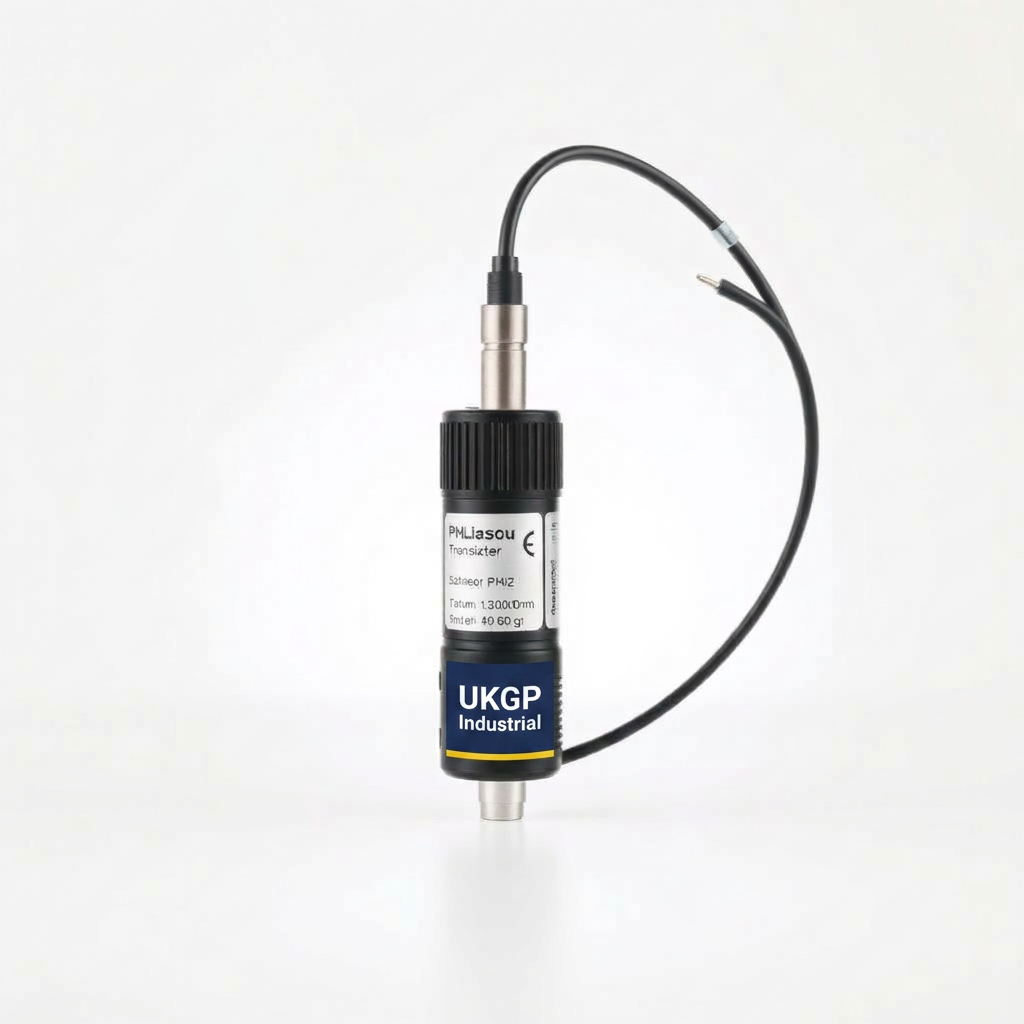
Choosing the right hardware is the first step in mastering how to use ph meter technology for industrial QA. For consultants and contractors, the preference is always for factory-calibrated units that offer 'plug-and-play' functionality. This reduces the risk of commissioning errors on-site. Our UKGP industrial pH sensor & transmitter kit is designed for exactly this purpose, featuring a robust IP68 rating and a 2-year warranty to ensure it survives the harshest mechanical rooms. Whether looking for 4-20 mA or Modbus connectivity, ensures that your quality assurance data is always accessible for your site reporting and remote maintenance audits.
- Transition from manual litmus tests to continuous 4-20 mA telemetry
- Maintain BSRIA BG50 compliance through high-accuracy sensing
- Enable predictive maintenance by tracking pH trends in process loops
- Protect aluminium components in modern condensing boilers
Compliance with BSRIA BG50 and CIBSE Guidelines
Detailed guidance such as BSRIA BG50 Water Treatment for Closed Heating and Cooling Systems emphasises the need for stringent chemical control. For those tasked with site management, knowing how to use ph meter data is vital for demonstrating that water quality is being managed professionally. These standards specify that the pH should be checked regularly to prevent corrosion and microbiological growth. When you integrate an industrial pH transmitter, you satisfy several audit requirements by having a time-stamped log of the system’s chemical status. This transparency is highly valued by procurement leads and insurance providers when evaluating the risk profile of high-value plant rooms.
Furthermore, BS 8552 provides a framework for the sampling and monitoring of water in building services. It highlights that online monitoring is the gold standard for high-risk or high-value systems. When considering how to use ph meter setups for large-scale QA, the engineer must ensure the sensor is positioned in a representative flow area. Placing a sensor in a stagnant leg will yield false readings, leading to incorrect dosing. By following standard industry practices, professionals can ensure that their pH monitoring stays accurate. UKGP's kits simplify this by offering factory-calibrated sensors that provide stability immediately upon installation in the main flow or side-stream loop.
The commercial implications of ignoring these guidelines are significant. System failures due to water chemistry issues are often excluded from warranties if the operator cannot prove they followed a strict QA regime. Learning how to use ph meter technology as part of a wider BSRIA-compliant regime protects the M&E contractor and the end-user. By deploying reliable transmitters, the facility can provide an objective paper trail of system stability. If you are currently designing a specification for an industrial plant room, our technical team can provide the 4-20 mA or Modbus documentation needed to ensure seamless integration with your existing BMS and pump control strategies.
- Adherence to BSRIA BG50 for closed-loop system longevity
- Support for BS 8552 sampling protocols with real-time data
- Reduction in professional indemnity risk for M&E contractors
- Automated reporting for ISO 14001 environmental management audits
Integrating pH Sensors with Side Stream Filtration
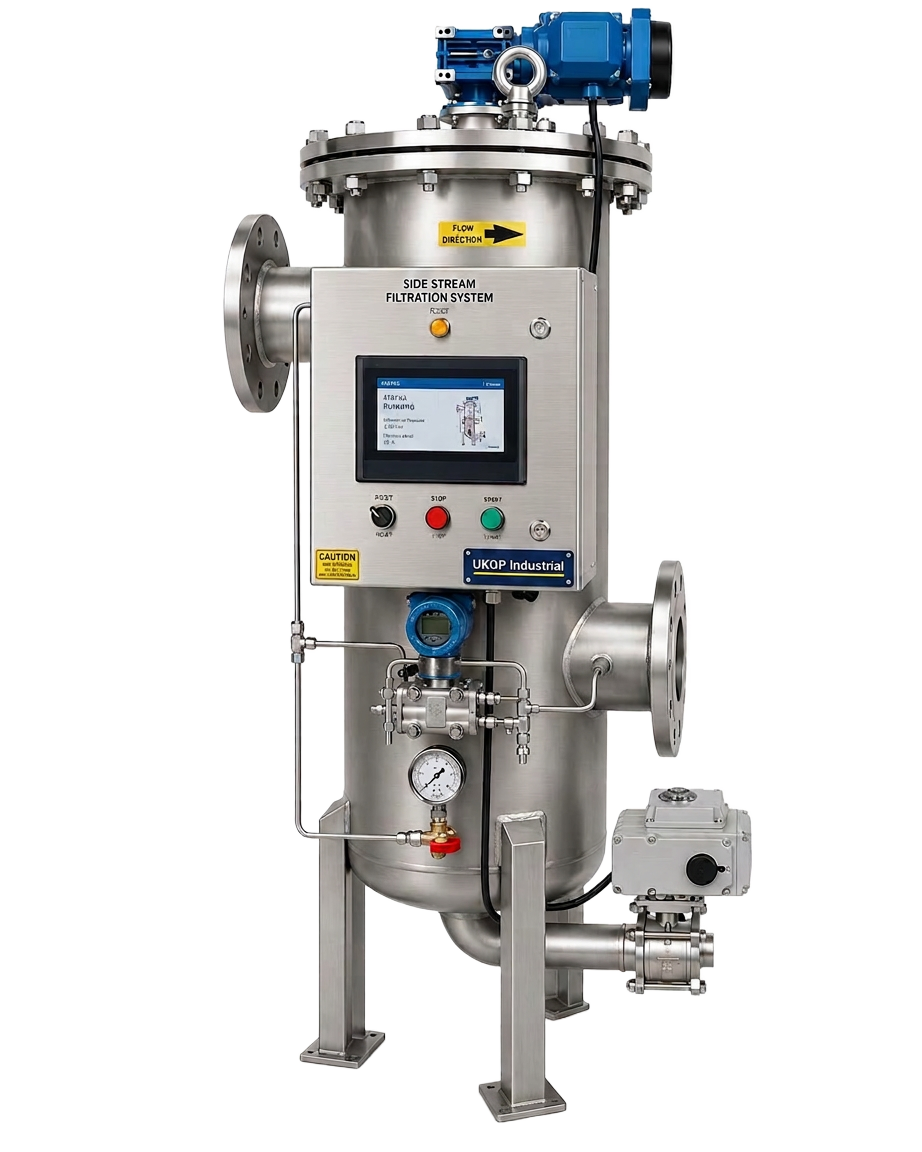
The most effective way to manage water quality is by combining filtration with chemical monitoring. When assessing how to use ph meter probes effectively, they are best installed as part of a side-stream filtration skid. This allows for the sensor to be cleaned or replaced without shutting down the entire primary HVAC circuit. It also provides a controlled flow environment where the pH sensor can operate under optimal conditions. This synergy between physical debris removal and chemical measurement creates a comprehensive water quality station that is the benchmark for modern sustainable laboratory and commercial building designs.
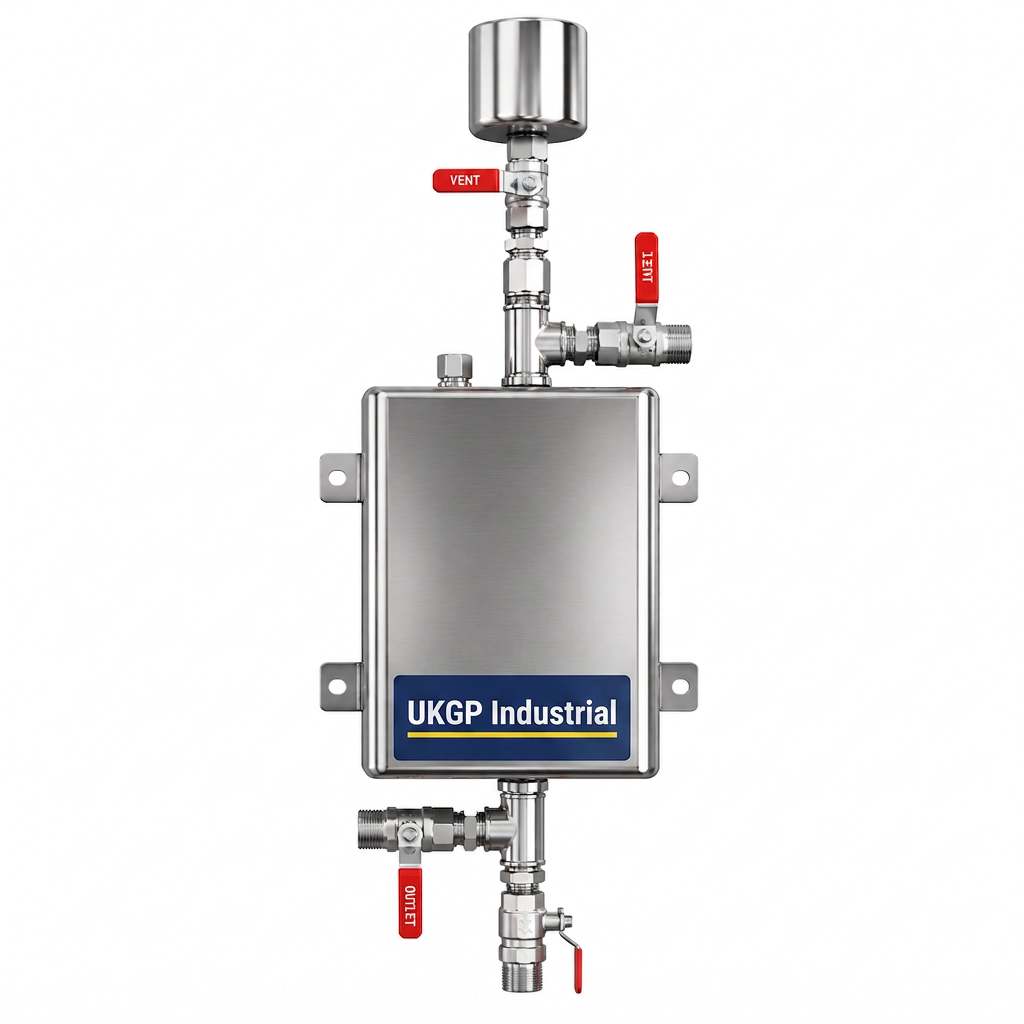
By understanding how to use ph meter data alongside side-stream filtration, engineers can see the direct impact of chemical dosing. For example, after a dosing pot has been used to introduce inhibitors, the pH transmitter will show the resulting shift in water chemistry almost instantly. This real-time feedback loop prevents the common error of over-dosing, which can be just as harmful as under-dosing. The combination of these two technologies ensures that the system water remains crystal clear and chemically balanced, significantly extending the life of pumps and heat exchangers while reducing the energy consumption of the building.
A well-designed side-stream circuit will include isolation valves and a dedicated bypass for the sensor housing. This facilitates the easiest method of how to use ph meter equipment for maintenance. Our side-stream filtration skids can be supplied with pre-drilled ports for our industrial pH sensors, creating a unified solution for the project. When procurement leads look for a single-source supplier, they find that UKGP offers the complete package from the stainless steel filtration vessel to the IP68-rated transmitter. This end-to-end approach simplifies the supply chain and ensures that all components are fully compatible with the 4-20 mA control logic on-site.
- Installation within side-stream loops for easier maintenance
- Real-time feedback for manual or automatic chemical dosing
- Prevention of over-dosing to protect sensitive system metals
- Unified procurement for filtration and monitoring hardware
Industrial Calibration and Maintenance Best Practices
A common query from plant-room engineers is how to use ph meter sets while maintaining accuracy over many months of operation. Industrial sensors, unlike budget handheld versions, feature high-quality reference electrodes that resist drift. However, periodic cleaning is still required to remove scale or biological films that can coat the glass bulb. When you learn how to use ph meter kits from UKGP, you’ll find that the M12 cable kit allows for quick disconnection. This means the sensor can be removed, cleaned with a mild acidic solution, and recalibrated using standard buffer solutions without needing to rewire the whole transmitter. This saves significant labour time during annual servicing.
Calibration frequency depends entirely on the application. In a clean, closed-loop heating system, a bi-annual check is often sufficient. However, in process water where contaminants are higher, monthly checks may be required. Understanding how to use ph meter calibration cycles is essential for QA. Our sensors come factory-calibrated, meaning they can be placed into service immediately upon delivery. For long-term accuracy, we recommend using the transmitter's internal menu to perform a two-point calibration. This ensures the 4-20 mA output correctly corresponds to the 0-14 pH scale, providing the BMS with data it can trust for critical decision making.
The durability of the hardware also plays a role in how to use ph meter technology successfully. An IP68-rated housing ensures that even in the damp, often-flooded environments of subterranean plant rooms, the electronics remain protected. If you are overseeing a site where reliability is paramount, choosing a sensor with a 2-year warranty and a dedicated transmitter provides peace of mind. We encourage site engineers to keep a spare calibrated sensor in stock to ensure zero downtime. Contact our Surrey office today for a quote on a replacement kit or to discuss your bespoke requirements for a larger project installation where multiple monitoring points are necessary.
- M12 cable kits for rapid sensor removal and maintenance
- Bi-annual calibration recommended for closed-loop systems
- Factory-calibrated sensors to reduce initial commissioning time
- IP68 protection for submerged or high-humidity installations
Connectivity and BMS Integration Strategies
In the era of Smart Buildings, simply knowing the pH isn't enough; that data must be actionable. When planning how to use ph meter outputs, engineers must choose between 4-20 mA analogue signals or Modbus digital communication. 4-20 mA is the industry standard for its simplicity and resistance to electrical noise over long cable runs. It allows for a direct mapping of the pH value to a current signal, which can be easily interpreted by almost any PLC or BMS. Modbus, on the other hand, allows for more detailed diagnostic data to be transmitted alongside the primary reading, such as temperature and sensor health status.
The decision on how to use ph meter connectivity hinges on the complexity of the site's control strategy. For a standard heat exchanger skid, a 4-20 mA signal is usually perfect for triggering an alarm if the pH drops below 8.2. In more complex industrial QA scenarios where multiple sensors are networked together, Modbus can save on wiring costs by daisy-chaining the transmitters. Regardless of the protocol, the goal is to ensure that the water quality data is visible on the building manager’s dashboard. This visibility allows for quick responses to leaks or oxygen ingress, both of which will rapidly change the pH profile of the water.
Effective QA also requires that these signals are used to drive automated actions. For example, if the pH transmitter detects an acidic shift, the BMS can automatically increase the frequency of chemical dosing or shut down sensitive equipment to prevent damage. This level of automation is where the ROI of the hardware truly becomes apparent. When you invest in a UKGP industrial pH sensor & transmitter, you are not just buying a probe; you are buying the ability to automate your water treatment regime. Our technical support team can assist with the Modbus registers or 4-20 mA scaling to ensure your integration is successful from day one.
- Choose 4-20 mA for simple, noise-resistant analogue control
- Utilise Modbus for advanced diagnostics and reduced wiring
- Map pH data to BMS dashboards for 24/7 site visibility
- Enable automated failsafes to protect high-cost plant assets
Optimising QA Through Proper Sensor Positioning
The final pillar of how to use ph meter technology effectively is the physical placement within the pipework. To ensure accurate QA, the sensor must be positioned where the water is well-mixed and flowing at a steady rate. Placing a sensor too close to a chemical injection point will lead to 'spiking' in the data, as the sensor reacts to concentrations that haven't yet been diluted. Ideally, the sensor should be placed at least ten pipe diameters downstream of any dosing pot or pump. This ensures the reading reflects the true state of the bulk water in the system, providing a reliable basis for your quality assurance reporting.
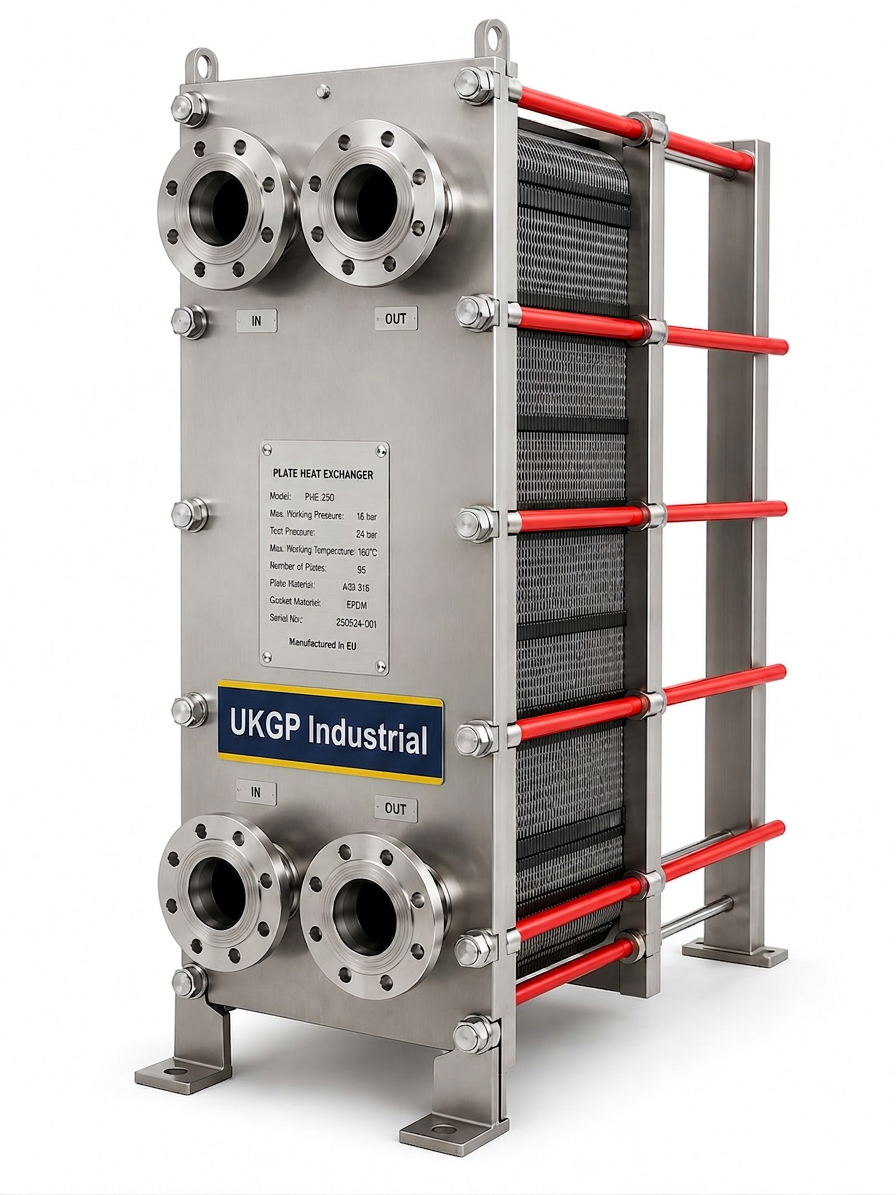
Temperature compensation is another critical factor in how to use ph meter probes in industrial settings. pH values shift as temperature changes, so a sensor with integrated temperature sensing is vital for accuracy. Our industrial transmitters automatically compensate for these fluctuations, ensuring the reading at 60°C is just as reliable as the reading at 10°C. This is particularly important in systems using plate heat exchangers, where water temperatures can fluctuate significantly across different stages of the process. By ensuring the sensor is placed in a stable flow path, you eliminate the variables that could lead to false alarms and unnecessary chemical expenditure.
In summary, mastering how to use ph meter hardware for industrial QA is a combination of selecting robust equipment and following established engineering principles. From BSRIA compliance to BMS integration, every step counts towards the ultimate goal of system reliability. If you are looking to upgrade your plant room or are currently in the tender phase of an M&E project, UKGP is here to help. Our pH sensor, transmitter, and M12 cable kits are in stock and ready for rapid dispatch across the UK. Request a quote today to secure high-precision monitoring for your facility and ensure your water quality meets the highest industrial standards for years to come.
- Place sensors 10 pipe diameters downstream of dosing points
- Ensure sensors are installed in horizontal or upward flow
- Use integrated temperature compensation for variable-load systems
- Verify flow velocity to prevent debris buildup on the sensor face
Frequently asked questions
How often should I calibrate an industrial pH sensor?
- For most BSRIA-compliant heating and cooling systems, we recommend a calibration check every six months. However, in high-fouling process environments, monthly checks may be necessary to ensure maximum QA accuracy.
Can the UKGP pH sensor be used in high-temperature HVAC loops?
- Yes, our industrial pH sensors are designed for typical building services temperatures. The transmitter includes temperature compensation to ensure the pH reading remains accurate despite thermal fluctuations.
What is the benefit of an IP68-rated transmitter?
- An IP68 rating means the transmitter is completely dust-tight and can withstand long periods of immersion in water. This is essential for plant rooms where leaks, high humidity, or flooding may occur.
Do I need a separate power supply for the pH transmitter?
- Our 4-20 mA transmitters are typically loop-powered (24V DC), meaning they draw power from the same two wires used to transmit the signal to your BMS, simplifying the electrical installation.
Is the probe replaceable without buying a new transmitter?
- Yes, the UKGP kit features a modular design with an M12 cable connection, allowing you to replace only the sensor probe at the end of its service life, which is a cost-effective long-term solution.