The Fundamentals of Electrochemistry: How ph probe works
In commercial closed-loop heating or chilled water systems, knowing exactly how ph probe works is the first line of defence against asset degradation. The sensor operates as a galvanic cell, where the potential difference between a measuring electrode and a reference electrode is measured. In an industrial context, the measuring electrode is usually a lithium-ion sensitive glass bulb that develops a charge proportional to the hydrogen ion concentration. This charge is compared against a stable reference electrode, typically silver/silver chloride (Ag/AgCl). For M&E contractors, understanding this relationship is vital for ensuring that chemical dosing regimes remain within the parameters set out by BSRIA BG50 for water treatment in older buildings or BG29 for new installations.
The physics of how ph probe works involves the Nernst equation, which dictates that for every pH unit change, there is a theoretical voltage shift of 59.16mV at 25 degrees Celsius. However, in a real-world plant room environment, temperature fluctuations can skew these readings. This is why industrial-grade sensors must include integral temperature compensation. If a procurement lead selects a low-quality sensor, the lack of accurate reference potential will lead to calibration drift, resulting in either excessive chemical usage or, worse, undetected corrosive conditions that can destroy a plate heat exchanger or boiler manifold over time. High-quality UKGP sensors are designed to withstand these pressures while providing a linear 4-20 mA or Modbus output.
To truly grasp how ph probe works, one must look at the 'liquid junction' which allows the internal reference electrolyte to make electrical contact with the process water. Without this junction, the circuit would be open, and no measurement could occur. In industrial environments where sludge or magnetite may be present, the choice of junction type is critical. Porous ceramic or PTFE junctions are common, but they must be resistant to fouling. If the junction becomes clogged by debris or scale, the reference signal becomes unstable, leading to 'noisy' data in the building management system (BMS). Professional engineers must therefore prioritise sensors that feature robust junction designs to ensure long-term stability and reduced maintenance overheads.
- Ion-selective glass membranes for precise hydrogen activity measurement
- Stable Ag/AgCl reference electrodes providing a constant mV baseline
- Integration of Nernstian physics for linear voltage-to-pH conversion
- Essential role of the liquid junction in closing the electrical circuit
- Automatic temperature compensation for variable HVAC plant environments
The Role of the Reference Electrode and Junction
A critical component of how ph probe works is the reference electrode's ability to remain unaffected by the sample water. While the measuring electrode responds to pH changes, the reference electrode must provide a predictable, static potential. This is achieved by housing the silver wire in a saturated potassium chloride solution. Any deviation in this reference voltage immediately translates to an error in the pH reading. For facility managers, this means that a 'drifting' pH value often indicates a depletion of the reference electrolyte or a contaminated junction rather than a genuine change in water chemistry. Regular validation against buffer solutions is standard practice, but starting with a high-specification factory-calibrated unit ensures a reliable baseline for your site's water safety plan.
The liquid junction is often the smartest part of the assembly. It is a microscopic pathway that allows a tiny amount of salt bridge solution to leak out, creating a stable electrical interface. When discussing how ph probe works with technical teams, it is important to highlight that the junction is the most frequent point of failure. In systems with high particulates, such as those without adequate side stream filtration, these junctions can suffer from 'poisoning' where ions like sulphides enter the reference cell and react with the silver, altering the base voltage. Specifying a double-junction sensor can mitigate this, providing an extra layer of protection for the primary reference wire and extending the life of the sensor in harsh industrial conditions.
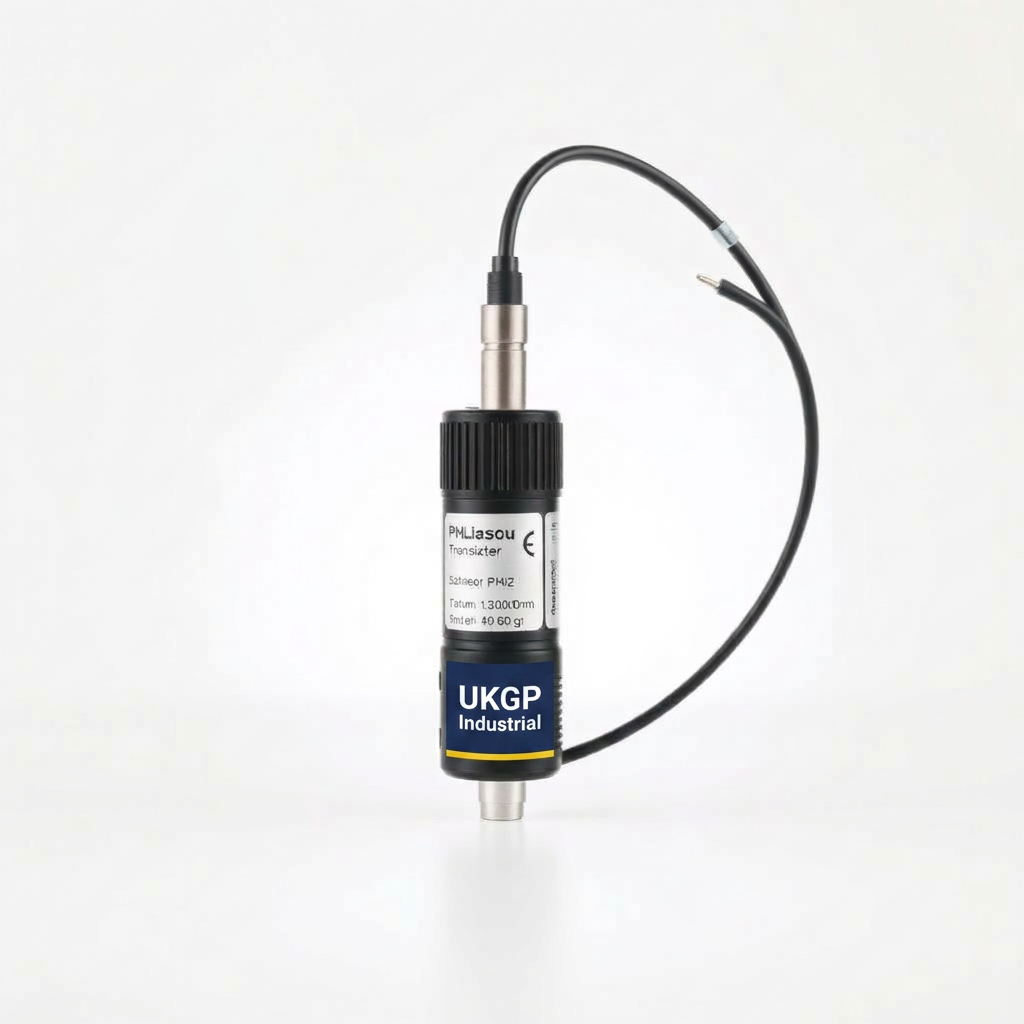
Because of the electrical nature of how ph probe works, the distance between the sensor and the transmitter can impact signal integrity. Low-impedance signals from the pH electrode are susceptible to electromagnetic interference in busy plant rooms near pumps and VFDs. Using an IP68-rated transmitter with an M12 cable kit ensures that the sensitive mV signal is converted locally into a robust 4-20 mA or Modbus RTU signal. This digital or high-level analogue output can then be run over long distances to a central control panel without the risk of signal attenuation. This architecture is standard in modern BSRIA-compliant monitoring stations where data logged accuracy is a legal or contractual requirement for system warranty.
- Prevention of electrolyte contamination through double-junction technology
- Selection of appropriate junction materials to resist magnetite fouling
- Maintaining electrolyte saturation for baseline voltage stability
- Minimising signal noise via integrated digital transmitters
- Compliance with BS 8552 for water sampling and monitoring procedures
Impact of System Water Health on Probe Longevity
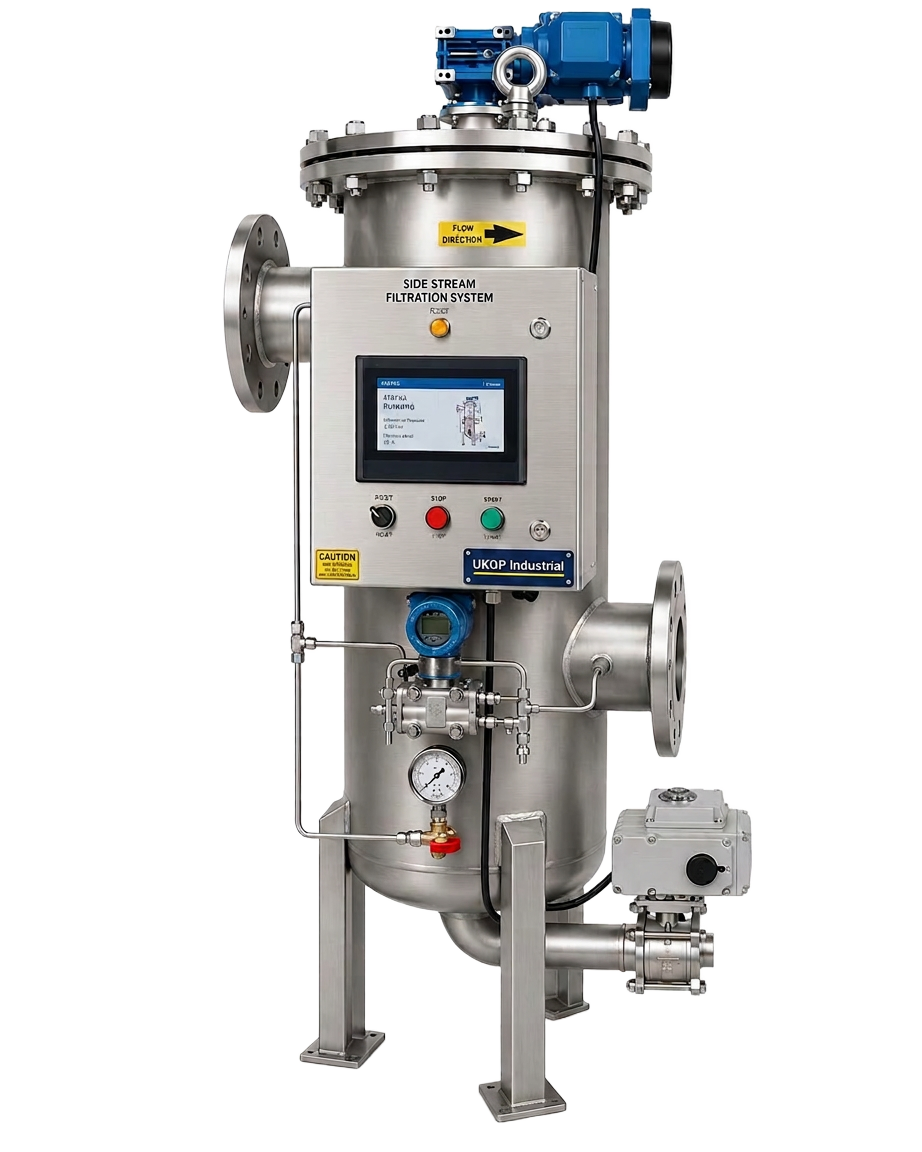
The longevity of an industrial sensor is directly linked to the cleanliness of the medium. Even the best understanding of how ph probe works cannot overcome the physical damage caused by high-velocity debris. In chilled water or LTHW systems, suspended solids like iron oxide can abrade the delicate glass membrane or coat the junction. To protect your investment in pH sensing equipment, it is standard engineering practice to install side stream filtration. By removing particles down to 5 microns, these filters prevent the 'blinding' of the pH glass and ensures the junction remains clear. This synergy between filtration and sensing is what separates a poorly maintained plant room from a BSRIA-compliant, high-efficiency facility.
When advising procurement leads, it is useful to explain that how ph probe works involves a chemical-physical interaction that is inherently sacrificial. The electrolyte will eventually be spent, and the glass membrane will age. However, by maintaining water quality, this lifecycle can be extended from months to years. In a system where dosing pots are used to introduce inhibitors, the pH sensor acts as the verification tool to ensure that the alkalinity is high enough to passivate steel surfaces. If the pH drops, indicating an acidic shift, the sensor provides the immediate alert needed to trigger chemical intervention before the corrosion rate spikes and compromises the expansion bellows or plate heat exchangers.
Finally, the installation orientation plays a massive role in how ph probe works over the long term. Sensors should never be mounted horizontally or upside down, as this can cause air bubbles to trap at the glass membrane or cause the internal electrolyte to lose contact with the internal wire. A 45-degree angle or vertical mounting is preferred. When integrating a UKGP pH sensor & transmitter kit, engineers benefit from a factory-calibrated system that is ready for immediate deployment. With a 2-year warranty and a rugged IP68 design, these kits simplify the procurement process for M&E contractors who need reliable, 'fit and forget' solutions that meet the rigorous standards of modern UK building services.
- Reduction of membrane abrasion through effective side stream filtration
- Prolonging reference life by maintaining clean system chemistry
- Optimising sensor placement for continuous electrolyte contact
- Using real-time pH data to manage chemical dosing pot cycles
- Ensuring compliance with BS EN 14917 for expansion joint protection
Maintenance Protocols and Calibration Drift
A common query from plant room engineers is why even a perfect understanding of how ph probe works doesn't eliminate the need for calibration. Over time, the glass membrane's impedance changes and the reference potential shifts slightly due to the ion exchange process. This is known as span and offset drift. To maintain accuracy for BSRIA BG50 reporting, sensors should be cleaned and calibrated quarterly. This involves using pH 4, 7, or 10 buffer solutions. By adjusting the transmitter to match these known values, you compensate for the natural ageing of the sensor components. A sensor that cannot be calibrated to within a certain mV range (usually +/- 30mV at pH 7) has reached its end of life.
Effective cleaning of the junction is paramount. If a probe reports a sluggish response, it is likely that the liquid junction is partially blocked. Soaking the sensor in a cleaning solution or a mild hydrochloric acid wash can often restore the electrochemical path. Because of the delicate nature of how ph probe works, mechanical scrubbing of the glass bulb should be avoided as it can create micro-scratches that harbour bacteria or debris. For UK buildings where downtime must be minimised, having a spare UKGP factory-calibrated sensor on-site allows for a 'hot-swap' procedure, ensuring continuous monitoring without waiting for onsite calibration if the existing unit fails a validation test.
Integration with the wider BMS is the final step in the chain. Modern B2B procurement professionals increasingly look for Modbus-enabled transmitters. This allows for more than just a pH reading; it can provide diagnostic data such as sensor health and temperature. When contractors understand how ph probe works in a networked environment, they can offer predictive maintenance contracts rather than reactive ones. This avoids emergency call-outs and ensures that the plate heat exchangers and primary plant are protected 24/7 by a robust, calibrated, and high-precision sensing array that meets all CIBSE guidelines for closed-loop water quality monitoring.
- Quarterly calibration cycles to manage natural electrochemical drift
- Non-abrasive cleaning techniques for the delicate glass membrane
- Switching to Modbus RTU for advanced sensor diagnostics and health
- Implementing hot-swap protocols with factory-calibrated spares
- Maintaining logs of pH 4 and 7 offset values for BSRIA compliance
Integrating UKGP Sensors in Commercial Plant Rooms
Selection of the correct sensor kit can make the difference between a reliable system and a constant headache for the facility management team. A UKGP industrial pH sensor & transmitter provides a complete solution including the sensor, transmitter, and a high-quality M12 cable kit. By choosing a factory-calibrated unit, you eliminate the initial setup errors that can plague manual onsite calibrations. The 2-year warranty offers peace of mind for procurement leads who are concerned about the longevity of instrumentation in harsh industrial environments. Whether you are monitoring a low loss header or a series of plate heat exchangers, these sensors provide the accuracy required for modern building standards.
A key advantage of the UKGP range is the IP68 rating, which is essential in plant rooms where leaks or high humidity are common. Many lower-spec transmitters fail due to moisture ingress, but a fully sealed system ensures longevity. Contractors should also consider the output flexibility; with both 4-20 mA and Modbus options, these kits can be integrated into legacy BMS panels or the latest smart building hubs. Knowing how ph probe works tells you that the hardware is only as good as the signal it sends, and UKGP ensures that signal is robust, compensated for temperature, and accurate to within 0.01 pH units across the entire scale.
For those seeking a quote, specifying the UKGP pH sensor & transmitter kit is a straightforward way to ensure compliance with BG29 and BG50. Our technical team can advise on the best mounting solutions and integration strategies for your specific site needs. As a Surrey-based supplier, we provide rapid support and shipping across the UK, ensuring that your projects stay on track and your water quality remains within spec. Avoid the risks associated with generic sensors and invest in a dedicated industrial solution designed specifically for the rigours of commercial HVAC and M&E engineering applications.
- IP68 environmental protection for reliable plant room operation
- Factory-calibrated kits including sensor and M12 cabling
- Choice of 4-20 mA or Modbus for flexible BMS integration
- Comprehensive 2-year warranty on industrial-grade hardware
- Local UK support for rapid project turnaround and technical backup
Summary of Operational Standards for FM Teams
Ultimately, a facility manager’s success in managing water quality hinges on a firm grasp of how ph probe works and the variables that affect it. From the ionic exchange at the glass membrane to the critical stability of the liquid junction, every component plays a role in preventing corrosion and scale. By adhering to BS EN standards and BSRIA guidelines, engineers can significantly reduce the risk of structural failure in heating and cooling systems. The pH sensor is not just a gauge; it is an analytical instrument that requires professional selection and maintenance to provide the data necessary for informed decision-making.
When auditing a plant room, if you find that the pH monitoring is erratic or non-functional, it is time to upgrade to an industrial-standard solution. The UKGP pH sensor & transmitter kits are engineered to bridge the gap between laboratory precision and industrial durability. By providing a stable reference through advanced junction technology and protecting the electronics with an IP68 enclosure, we ensure that your BSRIA compliance is never in question. Remember that poor pH control can lead to rapid pitting corrosion in expansion bellows and pipework, often resulting in catastrophic leaks that far exceed the cost of a high-quality sensor kit.
We invite all building services consultants and M&E contractors to review their current water monitoring specifications. Ensuring that your systems utilize the latest in pH sensing technology is a proactive step toward building sustainability and asset protection. With the right hardware, such as our factory-calibrated sensors and Modbus transmitters, you gain the visibility required to optimize chemical dosing and extend the life of your entire HVAC infrastructure. Contact our Surrey office today for technical datasheets or to request a quote for your next project.
- Prioritising high-precision sensing for asset life extension
- Maintaining tight alkalinity control to passivate steel surfaces
- Utilising IP68 factory-calibrated equipment for maximum uptime
- Aligning plant room operations with BSRIA BG50 best practices
- Conducting regular site audits of pH monitoring and filtration
Frequently asked questions
Why is the liquid junction so important in a pH probe?
- The liquid junction is critical because it completes the electrical circuit between the internal reference electrode and the external sample water. Without this ion-permeable path, the sensor cannot measure the potential difference, meaning the probe would fail to provide any reading. In industrial settings, a robust junction prevents fouling and electrolyte poisoning.
How often should I calibrate my industrial pH sensor?
- For HVAC systems under BSRIA BG50 or BG29 monitoring, we recommend a calibration check every 3 months. This compensates for natural electrode ageing and 'drift'. If the system has high debris or chemical fluctuations, monthly validation against a standard buffer solution may be required to ensure accuracy.
Can I use a standard lab pH probe in a heating system?
- No, laboratory probes are not designed for the pressures, temperatures, and flow rates of an HVAC system. Industrial sensors, like the UKGP range, feature reinforced glass, high-pressure junctions, and IP68-rated transmitters to withstand the constant environmental stresses of a plant room.
What output signal should I choose for my BMS?
- A 4-20 mA analogue signal is standard for simple integration over short to medium distances. However, for modern smart buildings, Modbus RTU is preferred as it allows for the transmission of more data, including temperature and sensor diagnostics, over a single digital bus, reducing wiring costs and improving data depth.
What causes a pH probe to respond slowly?
- Slow response is usually caused by a 'poisoned' or clogged liquid junction, or a coating on the glass membrane (such as oil or limecale). Cleaning the probe with a specialized solution often restores performance, but a slow response can also indicate the internal electrolyte is depleted, requiring sensor replacement.