Understanding the Role of a Hanna Ph Meter Replacement Electrode
In the UK commercial sector, maintaining the correct alkalinity in heating and chilled water circuits is non-negotiable for system longevity. A hanna ph meter replacement electrode is often sought by site engineers when handheld or wall-mounted equipment begins to drift during routine BS 8552 water testing protocols. These electrodes are sensitive components that rely on a delicate porous junction and internal reference electrolyte to generate a millivolt signal proportional to the hydrogen ion activity. Over time, these junctions can become fouled with magnetite, scale, or microbiological film commonly found in older plant rooms, leading to inaccurate readings.
When a consultant identifies that a hanna ph meter replacement electrode is failing, it is usually due to the depletion of the reference cell or physical dehydration of the glass bulb. For FM teams, this means the difference between a system operating safely within CIBSE CP1 guidelines and one that is silently corroding. Replacing the electrode is a standard maintenance task, but it requires careful calibration against certified buffer solutions (usually pH 4.01 and 7.01) to ensure the slope efficiency remains within acceptable parameters. Without this precision, the chemical dosing regime for the entire building could be compromised, leading to premature asset failure.
Choosing the correct hanna ph meter replacement electrode involves verifying the connector type, which is frequently a BNC or DIN connection, and ensuring the temperature compensation (ATC) elements are compatible with the existing controller. In high-demand commercial environments, the frequency of replacement can become a significant operational expenditure. Therefore, procurement leads often evaluate whether to continue with standard laboratory-grade replacements or to move toward a more rugged, factory-calibrated industrial solution that can withstand the hydraulic pressures and temperatures typically found in primary lphw or chw headers without frequent intervention.
- Compatibility with BNC and DIN connector standards
- Necessity of calibration against BS EN ISO 17025 standards
- Impact of magnetite fouling on glass bulb sensitivity
- Alignment with BSRIA BG50 water quality monitoring requirements
Upgrading to Industrial pH Sensors and Transmitters
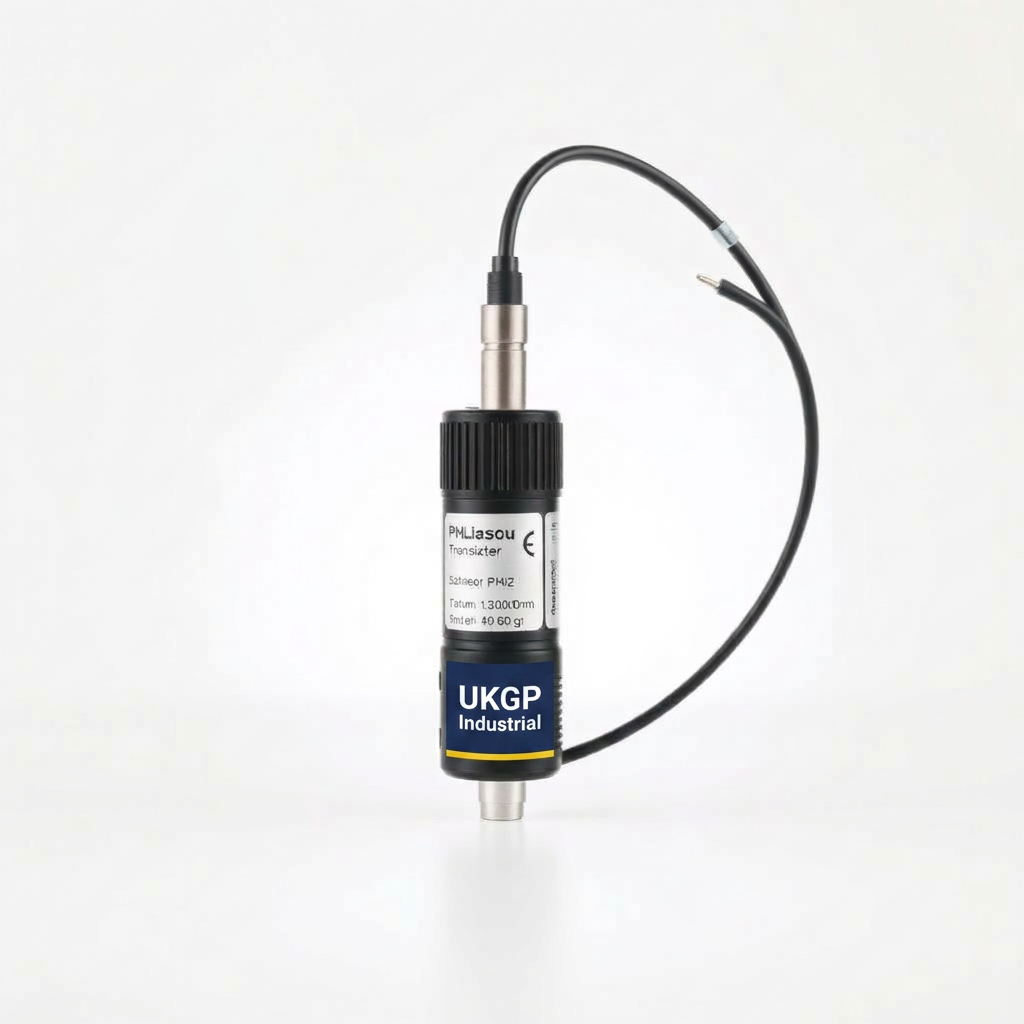
While a hanna ph meter replacement electrode serves a purpose for handheld checks, many UK building services managers are moving toward permanent, inline monitoring. Our UKGP industrial pH sensor & transmitter offers a significant upgrade over standard replacement electrodes. This kit includes the sensor, a dedicated transmitter, and a high-quality M12 cable kit, providing a robust 4-20 mA or Modbus output for direct BMS integration. This allows for real-time visibility of water health, moving away from the reactive nature of periodic manual testing that relies on portable kits and frequent electrode swaps.
The UKGP industrial pH sensor is factory-calibrated and designed for the rigours of the plant room, featuring an IP68 rating that protects against moisture ingress and dust. Unlike a standard hanna ph meter replacement electrode which may require monthly recalibration and frequent replacement, our industrial units come with a 2-year warranty and are built to withstand the turbulent flow conditions found inside secondary loops. By installing a permanent transmitter system, engineers can set high/low alarms on their BMS, ensuring that pH levels never drop into the acidic range where copper and steel components are at highest risk.
Specifying the right sensing equipment is essential for compliance with BSRIA BG29 pre-commission cleaning standards and ongoing BG50 maintenance. Modern plant rooms require data-driven decisions; the UKGP sensor and transmitter provides the stability needed for chemical dosing pots to be used effectively. Instead of guessing the dosage based on a drifting handheld hanna ph meter replacement electrode, the 4-20 mA signal provides a constant stream of accurate data. This ensures that the water treatment specialist can maintain the protective magnetite layer on steel pipes, preventing the pitting and thinning that leads to costly leaks and system downtime.
- Factory-calibrated for immediate out-of-the-box installation
- IP68 rated housing for demanding plant room environments
- Options for 4-20 mA analogue or Modbus digital communication
- Comprehensive kit including sensor, transmitter, and M12 cabling
Integrating pH Monitoring with Side Stream Filtration
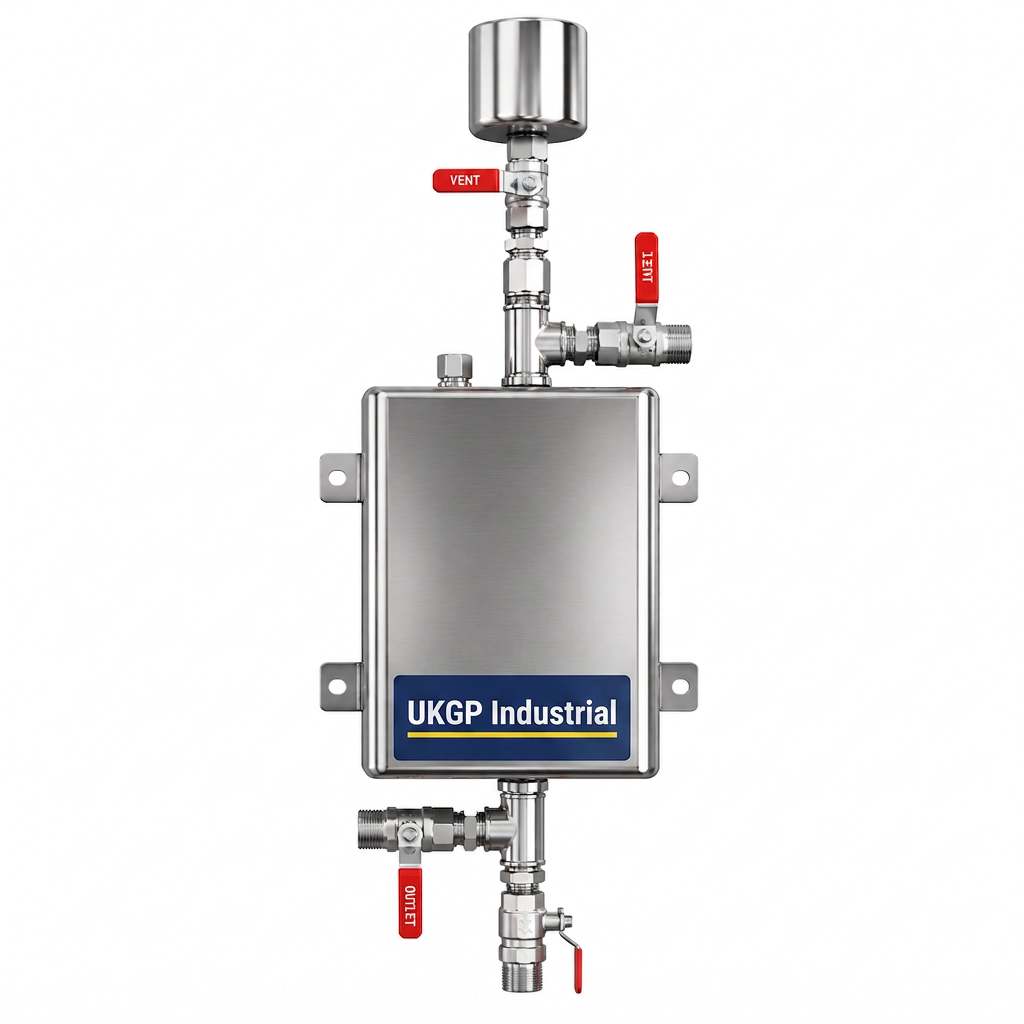
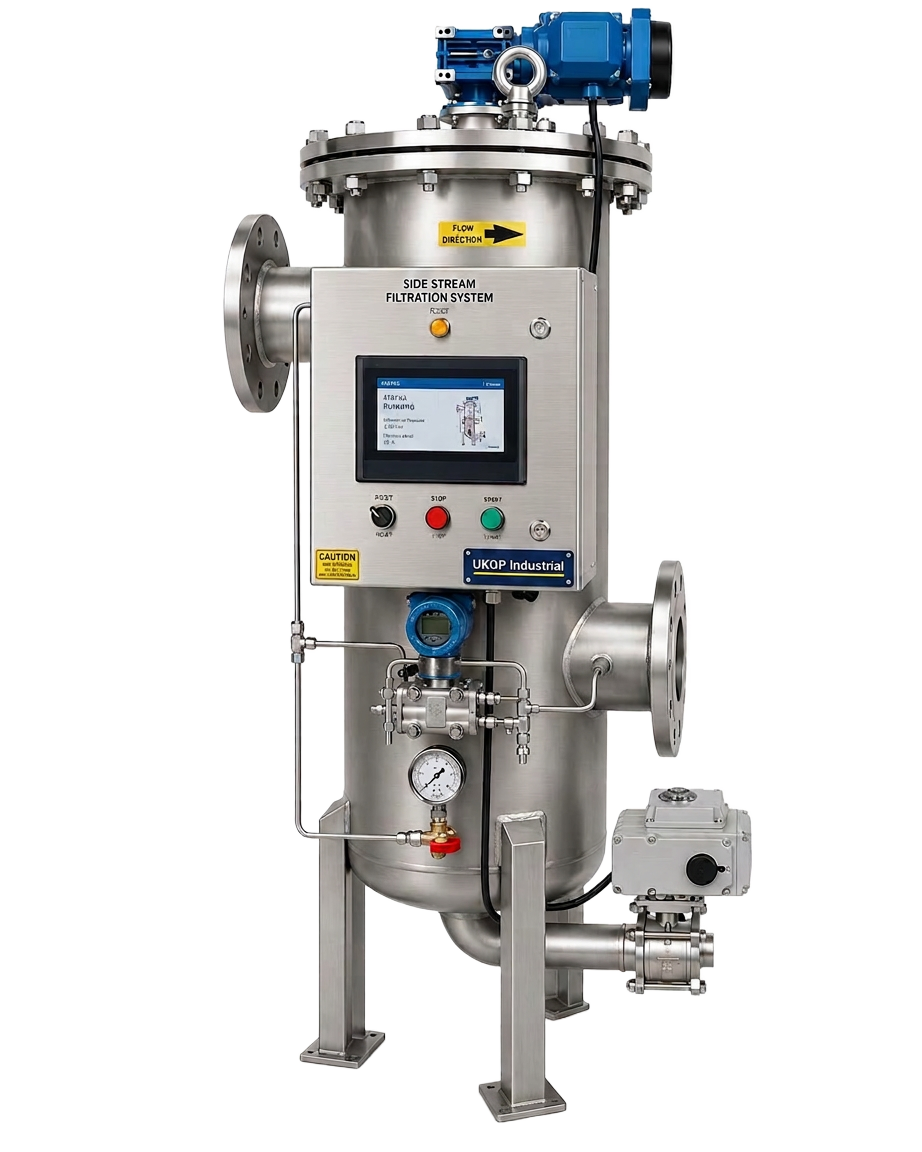
Effective water management is not just about measuring pH; it is about maintaining the environment that the sensor monitors. If you are frequently replacing a hanna ph meter replacement electrode because it is coated in sludge, the underlying issue is likely high levels of suspended solids. To solve this, integrating side stream filtration is the industry-standard approach. By removing fine magnetite and non-magnetic particles down to sub-micron levels, you prolong the life of your pH sensors and ensure that the readings provided to the BMS are reflective of clean, treated water rather than being skewed by debris.
BSRIA BG50 highlights the importance of keeping suspended solids below 30mg/L in closed circuits. When the water is clean, a hanna ph meter replacement electrode or an industrial UKGP sensor can perform at peak efficiency without the risk of the junction clogging. Side stream filtration skids typically take a portion of the flow from the return line, polish it, and return it to the system. This constant cleaning action protects sensitive heat exchangers and ensures that the chemical inhibitors added via dosing pots are distributed evenly throughout the entire building infrastructure without being absorbed by sludge.
For consultants and M&E contractors, the combination of high-accuracy pH sensing and high-efficiency filtration represents a 'best practice' approach to system health. By reducing the reliance on a hanna ph meter replacement electrode through better water quality, the total cost of ownership for the mechanical system is reduced. UKGP offers bespoke side stream filtration solutions that work in tandem with our sensing technology, ensuring that your plant room meets the expectations of insurance providers and building owners alike. Investing in these technologies at the design stage prevents the reactive maintenance headaches often associated with poorly managed water chemistry.
- Reduces debris coating on pH sensor glass bulbs
- Maintains water clarity to BSRIA BG50 standards
- Increases the lifespan of central plant assets and heat exchangers
- Facilitates more accurate chemical dosage calculations
Technical Calibration and Maintenance Protocols
The maintenance of any sensing device, including a hanna ph meter replacement electrode, must follow a strict protocol to remain valid under UK building regulations. In commercial plant rooms, temperature fluctuations can significantly change the measured pH value of the system water. This is why it is vital to use sensors that feature automatic temperature compensation. If a replacement electrode is chosen that lacks this feature, or if the transmitter is not configured to interpret the data, the resulting drift can lead to incorrect chemical dosing and subsequent corrosion of the pipework and boiler shells.
Calibration frequency for a hanna ph meter replacement electrode depends entirely on the application. In a high-pressure commercial heating circuit where water is treated with specific inhibitors, we recommend a monthly check against a secondary calibrated source. However, our industrial pH transmitters significantly extend these intervals due to their advanced circuitry and stable reference cells. When the time does come for maintenance, our UKGP kits are designed for quick swapping of the sensing element using the M12 cable connection, minimizing the time engineers spend in active plant room areas and ensuring continuous data logging for the FM team.
To ensure the highest levels of accuracy, we recommend that all replacement electrodes and industrial sensors are stored correctly before installation. A hanna ph meter replacement electrode should never be stored in deionised water, as this will leach the reference ions from the bulb; instead, a dedicated storage solution (KCL) should be used. At UKGP, we provide factory-calibrated units that arrive ready for service, backed by a 2-year warranty to give UK contractors peace of mind that their water monitoring strategy is built on a foundation of reliability and manufacturer-backed support.
- Importance of Automatic Temperature Compensation (ATC)
- Proper storage of electrodes in KCL solution to prevent leaching
- Verification of 4-20 mA loop integrity for BMS communication
- Using M12 cable kits for simplified maintenance and connectivity
Commercial Benefits of Standardising pH Sensing
From a procurement perspective, standardising on a single type of hanna ph meter replacement electrode or moving to a unified UKGP industrial transmitter system offers significant logistical benefits. For large estates, such as NHS trusts or university campuses, having a consistent spare parts list reduces the complexity of maintenance. It ensures that the engineering team is familiar with the calibration procedure, reducing the likelihood of user error. Furthermore, moving toward an industrial-grade sensor reduces the frequency of component failure, which in turn reduces the number of site visits required by water treatment specialists.
A hanna ph meter replacement electrode is often a 'consumable' item with a variable lifespan. In contrast, the UKGP industrial pH sensor & transmitter is an investment in the building's infrastructure. By providing a stable Modbus or 4-20 mA signal, the system allows for automated reporting, which is a key requirement for modern 'smart building' certifications. This data can be used to prove compliance with BS 8552, demonstrating to stakeholders that the closed-loop systems are being managed proactively. This level of transparency is increasingly requested during building audits and by major UK commercial boiler OEMs who require proof of water quality to honor warranties.
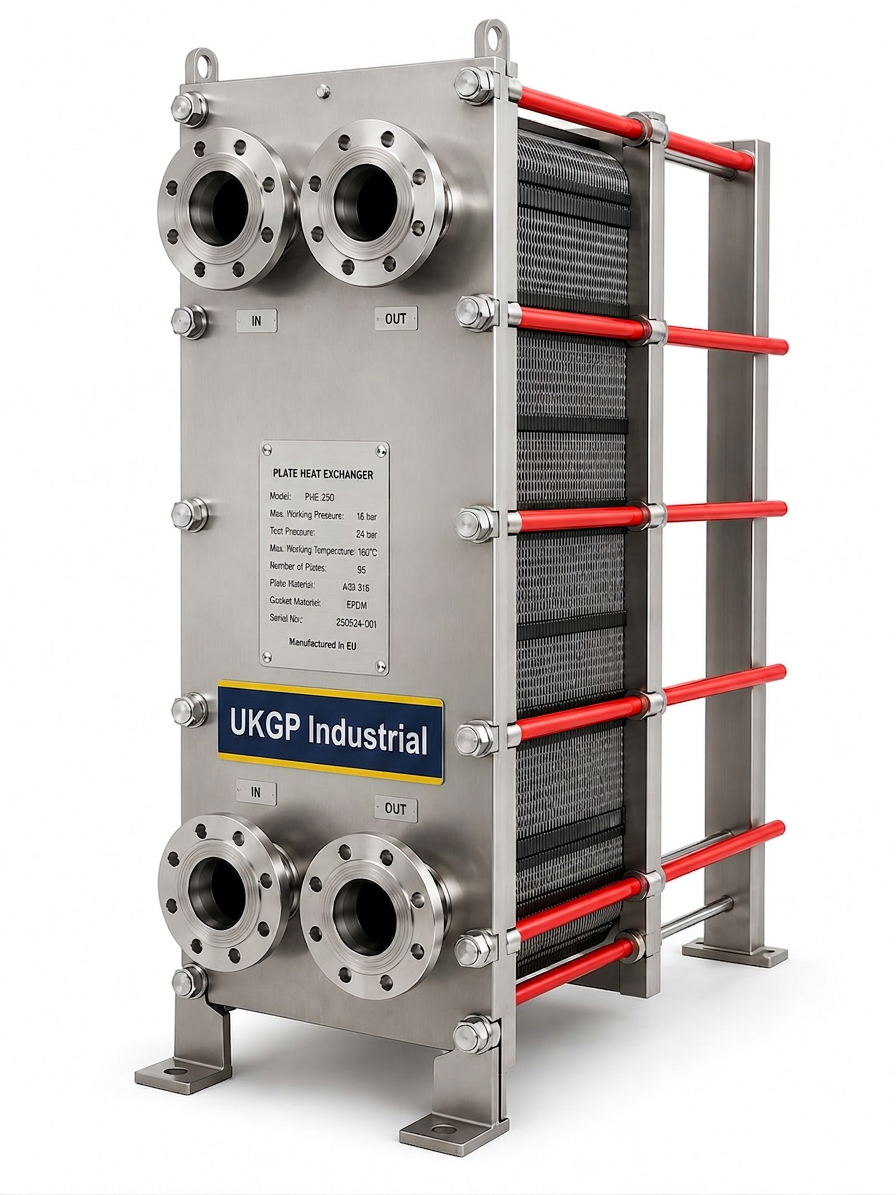
When comparing the long-term costs, the initial higher price of a factory-calibrated industrial transmitter is quickly offset by the reduction in manual labor and the avoidance of system failures. A single failed hanna ph meter replacement electrode that goes unnoticed for a month can result in acidic water conditions that cause thousands of pounds in damage to plate heat exchangers and valves. By choosing UKGP's robust sensing solutions, you are choosing a solution designed for the reality of the British plant room—compact, durable, and technically superior to standard laboratory-grade probes.
- Reduction in operational expenditure through fewer site visits
- Easier compliance reporting for BS 8552 and BSRIA BG50
- Protection of multi-million pound plant assets from corrosion
- Streamlined procurement with a single UK-based supplier
Final Considerations for M&E Specification
In conclusion, while sourcing a hanna ph meter replacement electrode is a common task, it should be viewed as part of a wider water quality strategy. Specifying engineers should ensure that any sensing equipment is compatible with the hydraulic conditions of the system. This includes checking that the probe can withstand the maximum operating pressure (often 6-10 bar in commercial systems) and that the materials used are resistant to the chemical inhibitors specified for the project. Our UKGP technical team is always available to assist with these specifications, providing data sheets that detail the precision and durability of our industrial sensors.
Whether you are maintaining an existing system that requires a hanna ph meter replacement electrode or designing a new plant room that needs the latest in IP68-rated monitoring technology, prioritizing accuracy is essential. The 2-year warranty on our sensors provides a level of security that standard replacement bulbs rarely offer. We encourage contractors to look beyond the immediate fix and consider how their pick of pH monitoring equipment will impact the building's performance five or ten years down the line, ensuring that the water remains within the alkaline range and free from oxygen-induced corrosion.
For immediate availability and technical support on pH sensors, transmitters, and M12 cable kits, contact UKGP Industrial today. We hold extensive stock in Surrey to support urgent facility management requirements across the UK. By moving away from reactive replacements and adopting our factory-calibrated industrial solutions, you can ensure your closed-loop water systems are compliant, efficient, and protected against the long-term risks of poor chemistry management. Reach out to our team for a quote on our full range of water monitoring and treatment products.
- Available for immediate UK dispatch from our Surrey facility
- Expert technical advice for CIBSE and BSRIA compliance
- Durable IP68 sensors suited for industrial hydraulic pressures
- Integration-ready for all major UK building management systems
Frequently asked questions
How often should I replace my hanna ph meter replacement electrode?
- In a commercial plant room setting, a hanna ph meter replacement electrode typically needs replacing every 6 to 12 months, depending on the water quality. Factors such as high magnetite levels, excessive temperatures, or chemical additives can shorten this lifespan significantly.
Can I use an industrial UKGP sensor instead of a standard replacement probe?
- Yes, upgrading to a UKGP industrial pH sensor & transmitter offers better durability (IP68) and easier BMS integration via 4-20 mA or Modbus. It is designed for pressurized pipes rather than just manual testing, providing greater system protection.
What connector does a hanna ph meter replacement electrode use?
- Most use a standard BNC connector, but some industrial versions may use a DIN or threaded S7 connector. It is vital to check your existing transmitter's input before ordering a hanna ph meter replacement electrode to ensure electrical compatibility.
Why is my pH reading drifting in the heating circuit?
- Drift is usually caused by fouling of the electrode junction or the depletion of the internal reference solution. If you find yourself frequently recalibrating a hanna ph meter replacement electrode, it may be time to install side stream filtration to remove the debris that is interfering with the sensor.
Does your industrial sensor come with a warranty?
- Yes, our UKGP industrial pH sensor and transmitter kits come with a 2-year warranty, which is significantly longer than the standard retail warranties offered for a typical hanna ph meter replacement electrode, reflecting the industrial build quality.