The Role of the Extech Ph Probe in BSRIA Compliance
In the UK building services sector, maintaining precise water chemistry is not merely a recommendation; it is a requirement defined by BSRIA BG29 for pre-commission cleaning and BG50 for ongoing water treatment. An Extech Ph Probe provides engineers with a portable, high-accuracy method for verifying that the pH levels in chilled water or LTHW systems remain within the alkaline range necessary to protect carbon steel and copper components. Failure to monitor these levels can lead to rapid pitting corrosion, which compromises the integrity of expensive plant room assets like boilers and heat exchangers. By using a calibrated Extech Ph Probe, field engineers can gain immediate insights into the efficacy of the corrosion inhibitors currently circulating within the system.
Precision measurement is the cornerstone of any proactive maintenance regime. While periodic laboratory analysis is required under BS 8552, the high-frequency data provided by a handheld Extech Ph Probe allows for immediate on-site adjustments. This preventitive approach ensures that the protective magnetite layer on internal pipework remains stable. If the pH drops below the neutral point of 7.0, the risk of acidic corrosion increases exponentially, leading to hydrogen evolution and potential gas lock in radiators. Conversely, excessively high pH can damage aluminium components found in many modern high-efficiency heat exchangers. Therefore, the portability of the probe makes it a versatile tool for the busy plant room engineer managing multiple sites across London and the Home Counties.
Commercial buildings often face fluctuating loads which can impact the chemical stability of the primary circuits. Utilizing an Extech Ph Probe during weekly inspections allows facility managers to document trends in water quality, providing a clear audit trail for compliance purposes. However, while manual probes are excellent for verification, they rely on human intervention and consistent logging. For high-value plant rooms, moving from manual spot-checks to continuous digital monitoring provides a more robust solution against sudden chemical shifts. Whether you are using a portable kit or a fixed transmitter, the fundamental goal remains the same: ensuring that the system water remains non-aggressive and chemically balanced to extend the operational lifespan of the entire HVAC infrastructure.
- Essential tool for meeting BSRIA BG50 water quality standards
- Portable design ideal for M&E contractors managing multiple plant rooms
- Provides rapid site-verified data to support BS 8552 sampling regimes
- Helps protect sensitive metallic components from acidic corrosion
Transitioning from Manual Checks to Continuous Sensors
While the Extech Ph Probe is a highly respected tool for manual verification, modern building management systems (BMS) often require real-time data to trigger alarms or dosing pumps. Fixed industrial pH sensors complement the work done with handheld probes by offering 24/7 surveillance of the system's chemical state. Integrating a fixed sensor ensures that any drop in pH is detected the moment it occurs, rather than waiting for the next scheduled site visit. This level of automation is increasingly preferred by lead consultants who specify intelligent plant room solutions that reduce the risk of human error. UKGP offers a professional alternative that bridges the gap between manual testing and automated system control.
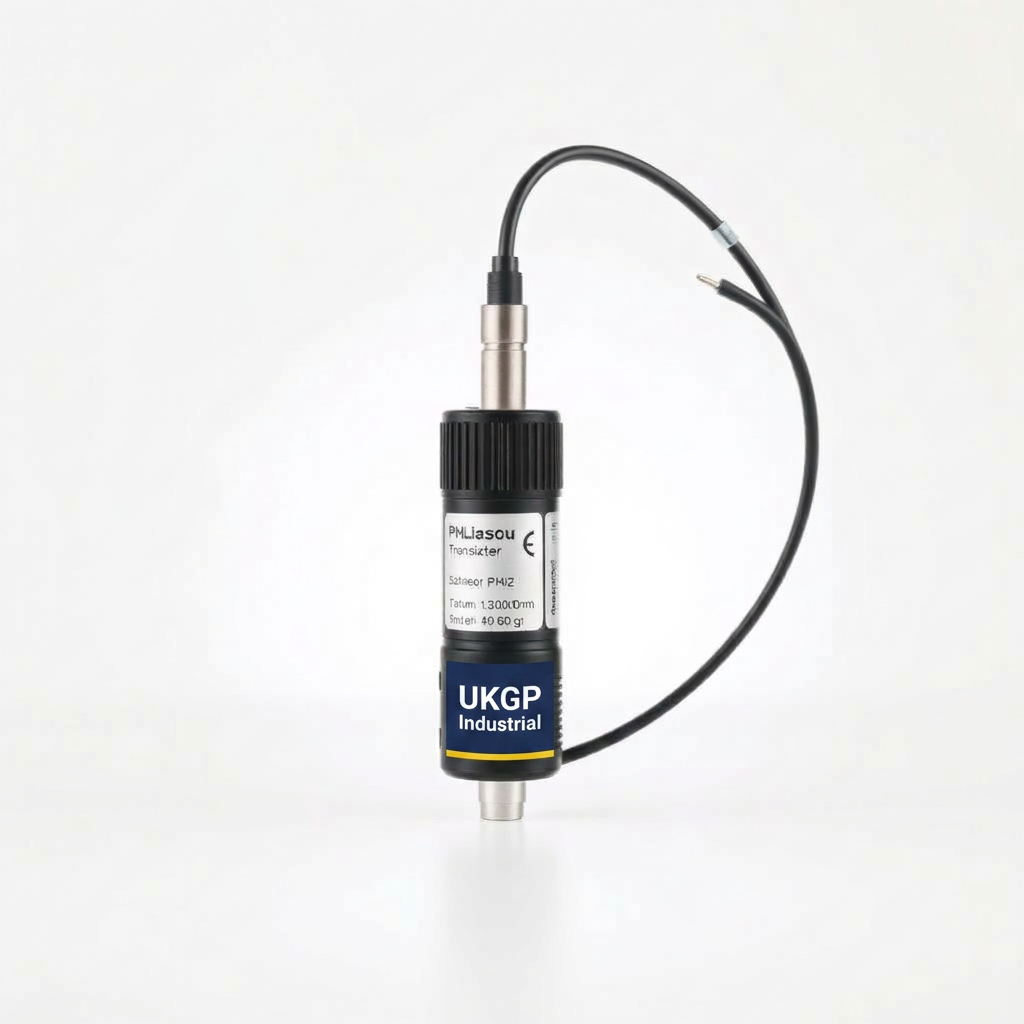
Moving beyond the manual Extech Ph Probe, the UKGP industrial pH sensor & transmitter kit is designed for permanent installation into the process line. This kit features an IP68 rated housing and a factory-calibrated sensor, providing the same level of accuracy as a high-end portable probe but with the added benefit of continuous signal output. These units are typically installed downstream of the air and dirt separators to ensure the measurement is taken from a representative, debris-free flow. By providing a constant 4-20 mA or Modbus signal, the system allows for automated data logging, which is far more efficient than manual record-keeping for large commercial developments and residential heat networks where uptime is critical.
The shift towards smart maintenance means that procurement leads are now looking for integrated hardware that combines longevity with ease of use. While an engineer may still carry an Extech Ph Probe for calibration verification, the heavy lifting of daily monitoring is best handled by fixed instrumentation. Our UKGP kits include the sensor, transmitter, and a durable M12 cable kit, ensuring a straightforward installation process for M&E contractors. With a 2-year warranty and a factory-calibrated setup, these systems are ready to work out of the box. Investing in fixed monitoring reduces the long-term labour costs associated with manual sampling and provides the peace of mind that the building’s most expensive assets are being continuously protected from chemical degradation.
- Seamless integration with 4-20 mA or Modbus BMS communication
- Reduces manual labour costs by automating water quality logging
- Factory-calibrated sensors ensure immediate accuracy upon installation
- IP68 rated protection for demanding industrial plant room environments
Protecting Assets with High-Performance Side Stream Filtration
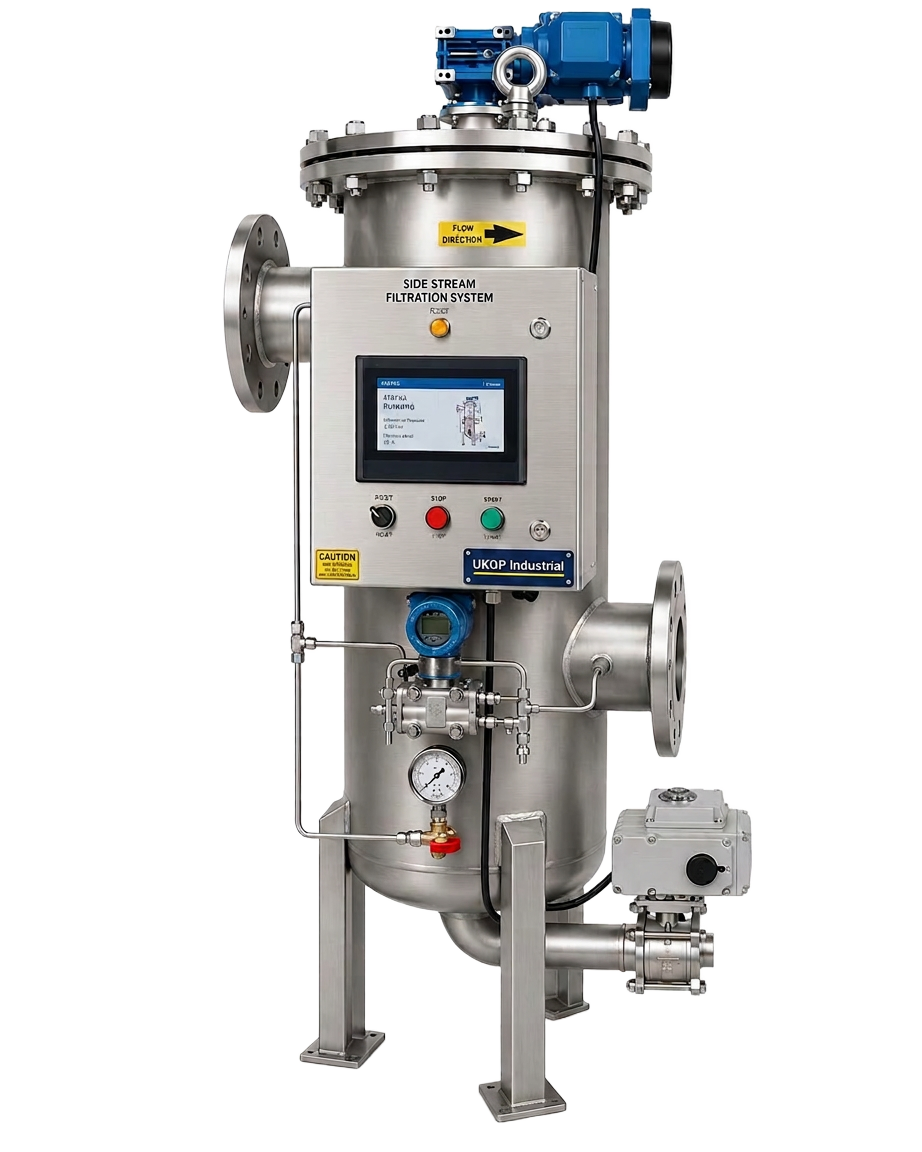
Maintaining accurate pH readings requires clean water, as suspended solids and magnetite can foul the delicate glass electrodes of an Extech Ph Probe or fixed sensor. This is where side stream filtration becomes an essential part of the plant room ecosystem. By diverting 5-15% of the total system flow through a high-efficiency filter, you remove the abrasive particles that cause wear on pump seals and heat exchangers. Reducing the total suspended solids (TSS) not only improves the longevity of your sensors but also ensures that chemical inhibitors are distributed more effectively throughout the circuit. This holistic approach to water treatment is a core recommendation of CIBSE guidelines for modern commercial heating systems.
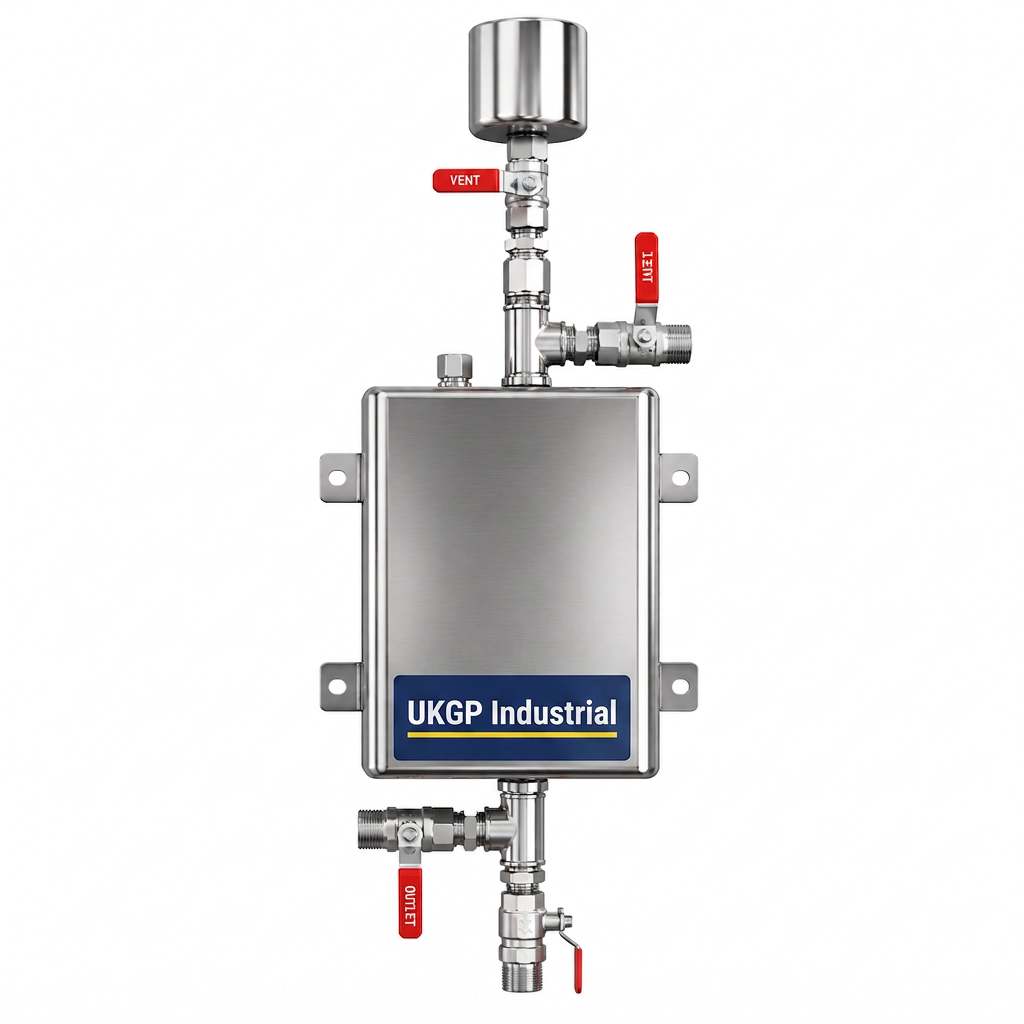
When a system is heavily contaminated, even the most expensive Extech Ph Probe will struggle to give a stable reading due to electrode interference. A UKGP side stream filtration skid ensures that the water quality remains high enough for sensitive instruments to function correctly. These skids typically include magnetic filtration to capture fine iron oxide particles and a cartridge filter for non-magnetic debris. By maintaining a clean loop, the chemical dosing pots can work more efficiently, requiring lower volumes of inhibitor to achieve the desired pH levels. This synergy between filtration and chemical monitoring is what separates a high-performing plant room from one plagued by frequent breakdowns and efficiency losses.
Consultants who specify UKGP side stream filtration solutions often find that the associated sensors, such as the industrial pH kit, require significantly less maintenance and fewer recalibrations. The cleaner the water, the more reliable the data. Whether you are managing a new build project or a retro-fit in an ageing commercial office block, installing a robust filtration system is the first line of defence against system failure. By filtering out the sludge that typically accumulates in low-flow areas, you protect the entire investment and ensure that your pH monitoring strategy remains accurate and actionable. For contractors, this means fewer call-backs and a more reliable handover process at the end of the project.
- Protects pH sensor electrodes from fouling by magnetite and debris
- CIBSE compliant approach to closed-loop water treatment
- Reduces the abrasive wear on high-value boiler and pump components
- Improves the distribution and efficacy of chemical water treatments
Maintaining Calibration and Accuracy in Plant Rooms
Every Extech Ph Probe requires regular calibration to maintain its accuracy, typically using buffer solutions at pH 4.0, 7.0, and 10.0. In the harsh environment of a basement plant room, temperature fluctuations and humidity can affect the sensitivity of the electrode over time. Engineers must ensure that they are following a strict calibration schedule to prevent false readings that could lead to unnecessary chemical dosing. When using an Extech Ph Probe for site audits, the calibration should be checked daily or at least before each major session of testing. This ensures that the data being fed back to the client or facility manager is beyond reproach and accurately reflects the condition of the circulating water.
Modern industrial pH transmitters offer a more stable platform than portable devices, but they still benefit from periodic verification. A common practice is to use a handheld Extech Ph Probe as a 'master' device to check the readings of fixed sensors. If a discrepancy is found, the fixed transmitter can be adjusted to match the calibrated handheld unit. This cross-verification method is highly regarded by BSRIA as it provides a multi-layered approach to water quality management. Our UKGP sensors are designed for high stability, but we always recommend that contractors maintain high-quality portable equipment to facilitate these essential performance checks during quarterly maintenance visits.
Technical professionals should also be aware of the lifespan of pH electrodes. Whether integrated into a portable Extech Ph Probe or a fixed UKGP transmitter, the glass membrane is a consumable item that will eventually lose its responsiveness. Typical lifespans in closed-loop systems range from 12 to 24 months, depending on the temperature and water quality. Our industrial pH sensor & transmitter kits are designed with ease of replacement in mind, ensuring that when the electrode does reach the end of its life, it can be swapped out with minimal downtime. Keeping spare sensors in stock is a wise procurement strategy for any critical site where water chemistry must be monitored without interruption.
- Use three-point calibration for maximum precision across the pH scale
- Perform regular cross-verification between handheld and fixed sensors
- Standardise on high-quality buffer solutions for consistent results
- Plan for sensor electrode replacement every 12-24 months for reliability
Technical Specs of UKGP Industrial pH Sensors
While an Extech Ph Probe is the industry leader for portable diagnostics, UKGP's fixed industrial pH sensor & transmitter kit is engineered for the rigours of permanent process monitoring. Our units come as a complete package, including the sensor body, a high-performance transmitter, and a rugged M12 cable kit for secure electrical connections. The IP68 rating ensures that the hardware can withstand the moisture-heavy environments of underground plant rooms without risk of ingress or failure. This robust specification makes it an ideal choice for consultants who need to provide long-term reliability for their clients' heating and cooling infrastructure, ensuring constant visibility of the water chemistry.
Functionality is at the heart of our design. The transmitter supports both 4-20 mA analogue signals and Modbus digital communication, allowing for easy integration with standard building management systems used across the UK. Unlike a standard Extech Ph Probe which displays data locally, our system pushes that data to your central dashboard, enabling remote monitoring and automated alerts. Every kit is factory-calibrated before dispatch, meaning it can be commissioned immediately upon arrival. This saves significant time for M&E contractors on-site and provides an instant baseline for the system's pH status. Furthermore, the 2-year warranty provides peace of mind that the hardware is built to last in demanding commercial applications.
For procurement leads, the value proposition is clear: a high-quality, durable monitoring solution that reduces the need for manual intervention. When a system is protected by a UKGP industrial pH sensor & transmitter, the risk of undetected corrosion events is virtually eliminated. This protects the investment in other plant room components, such as low loss headers and expansion bellows, which can be sensitive to aggressive water conditions. By combining the immediate diagnostic capability of an handheld Extech Ph Probe with the permanent oversight of a fixed UKGP sensor, engineers can achieve a level of system control that meets and exceeds the most stringent industrial standards for HVAC maintenance.
- Comprehensive kit: sensor, transmitter, and M12 cable included
- Dual output options: 4-20 mA or Modbus for flexible BMS integration
- Factory-calibrated for rapid deployment and immediate accuracy
- IP68 housing and 2-year warranty for industrial-grade durability
Best Practices for pH Monitoring in Large Circuits
In large-scale commercial circuits, such as those found in hospitals or university campuses, the pH may not be uniform across the entire network. While an Extech Ph Probe is excellent for checking the water at various sampling points, it is standard practice to install fixed sensors at the primary return to the plant room. This gives a holistic view of the system’s chemical health before the water enters the boilers or chillers. Strategic placement of sensors, combined with regular manual audits using an Extech Ph Probe, ensures that dead-legs or outlying branches are not suffering from poor chemical distribution. This comprehensive monitoring strategy is essential for complying with modern performance-based maintenance contracts.
Another critical factor to consider is the temperature of the water being measured. Most professional equipment, including the Extech Ph Probe and UKGP fixed transmitters, feature Automatic Temperature Compensation (ATC). Because pH is temperature-dependent, measuring a hot LTHW return line without ATC would result in inaccurate data. Our industrial kits handle these fluctuations seamlessly, providing a normalised reading that can be compared directly against BSRIA thresholds. This accuracy is vital when managing major UK commercial boiler OEMs' equipment, as maintaining the warranty often requires proof that the water chemistry has been kept within specific, narrow parameters throughout the building's operating life.
In summary, the most effective plant room management strategy involves a combination of reliable portable tools and robust fixed instrumentation. The Extech Ph Probe remains a vital diagnostic device for every engineer's toolkit, providing the flexibility needed for troubleshooting and audits. However, for continuous protection and BMS integration, the UKGP industrial pH sensor & transmitter is the superior choice for modern building services applications. By investing in quality monitoring hardware, and supporting it with proper filtration and dosing, facility managers can ensure their systems run efficiently for decades. Contact UKGP today to request a budget quote for our industrial pH monitoring kits or to discuss your wider water treatment requirements.
- Monitor primary returns for a representative view of system chemistry
- Ensure all sensors utilise Automatic Temperature Compensation (ATC)
- Document all readings in accordance with BSRIA BG50 guidelines
- Combine handheld probes with fixed sensors for a robust audit trail
Frequently asked questions
Can I use an Extech Ph Probe for both heating and cooling systems?
- Yes, a high-quality Extech Ph Probe is suitable for both LTHW and chilled water circuits, provided it is properly cleaned and calibrated between uses to prevent cross-contamination or electrode fouling.
What is the benefit of the UKGP transmitter over a handheld device?
- The UKGP industrial pH transmitter provides continuous 4-20 mA or Modbus data to your BMS, allowing for 24/7 monitoring and automated alarms, whereas an Extech Ph Probe is designed for manual spot-checks.
How often should industrial pH sensors be calibrated?
- While portable probes like the Extech Ph Probe should be checked before use, fixed industrial sensors should be calibrated Every 3-6 months depending on the water quality and the importance of the system.
Does the UKGP pH sensor kit come with everything needed for installation?
- Yes, our kit includes the sensor, the transmitter unit, and a high-grade M12 cable kit. It is also factory-calibrated and includes a 2-year warranty for your peace of mind.
Is the UKGP pH sensor compatible with my existing BMS?
- Most likely. Our transmitters support standard 4-20 mA and Modbus protocols, making them compatible with almost all commercial building management systems used by major UK providers.