The Role of an Electronic pH Sensor in BSRIA BG50 Compliance
In the UK, the BSRIA BG50 guide for water treatment in closed heating and cooling systems emphasizes the necessity of monitoring pH levels to protect metallurgies from oxidation and degradation. Installing an electronic ph sensor within the primary loop allows for immediate detection of chemical shifts that could indicate microbial activity or atmospheric ingress. Without automated sensing, maintenance teams are forced to rely on manual dip-testing, which often fails to capture transient spikes in acidity that lead to long-term pipework pitting and component failure. Precision is especially critical in multi-metal systems where aluminium heat exchangers require a narrow pH window to prevent catastrophic corrosion.
Choosing an electronic ph sensor from UKGP ensures that your system data is both accurate and retrievable, aligning with the proactive maintenance strategies recommended by CIBSE and BSRIA. These devices serve as the first line of defence, providing the raw data necessary for chemical dosing adjustments. By integrating these sensors into your plant room design, you transition from reactive repairs to predictive maintenance, effectively extending the lifecycle of pumps, valves, and boilers. This commercial awareness is what separates high-performing building services from those plagued by frequent downtime and expensive remedial flushing requirements.
Furthermore, BS 8552 provides the framework for sampling and monitoring water quality, and an electronic sensor provides the high-frequency data logging that manual methods simply cannot match. For building services consultants specifyng plant room upgrades, the inclusion of a digital sensing suite is no longer an optional extra but a baseline requirement for system integrity. UKGP’s industrial-grade sensors are designed to withstand the high pressures and temperatures typical of UK commercial circuits, offering a reliable alternative to fragile laboratory-grade equipment that often fails in rugged industrial environments. Reliable data is the foundation of a successful water treatment regime.
- Ensures compliance with BSRIA BG50 water quality guidelines
- Enables 24/7 monitoring of closed-loop chemical stability
- Reduces reliance on infrequent manual chemical testing
- Protects sensitive aluminium and copper heat exchange surfaces
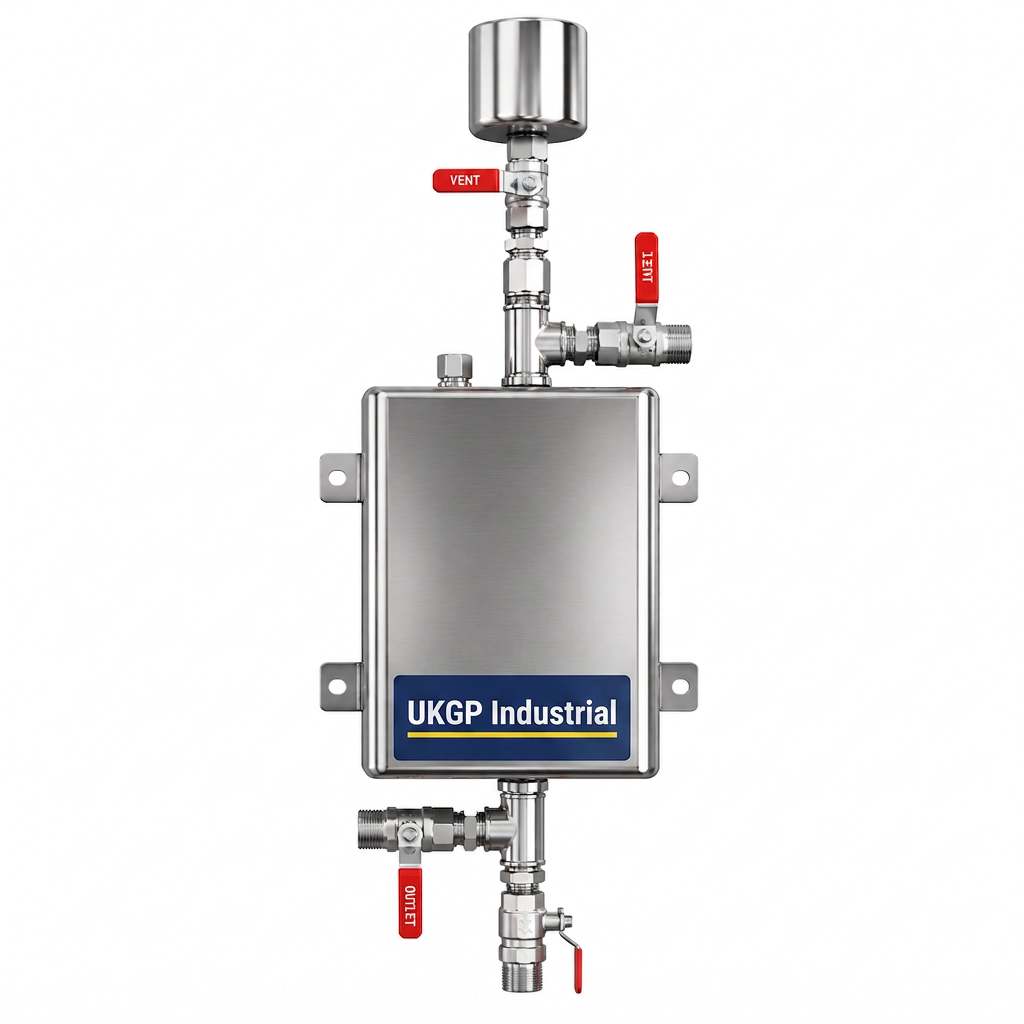
- Facilitates precise chemical dosing through dosing pots
Integrating 4-20 mA and Modbus Outputs into BMS
Connectivity is a primary concern for M&E contractors and BMS engineers when selecting an electronic ph sensor for a new build or refurbishment project. The industry traditionally relies on 4-20 mA analogue loops for long-distance signal integrity, as these are less susceptible to electromagnetic interference in busy plant rooms. However, the rise of the Internet of Things and smart building protocols has increased the demand for Modbus RS485 digital outputs. Digital signals allow for more complex data transmission, including diagnostic alerts and temperature compensation values, directly to the central Building Management System without the need for additional signal converters or interfaces.
UKGP understands this technical requirement, which is why our electronic ph sensor range supports both 4-20 mA and Modbus RTU options. This flexibility allows installers to choose the communication protocol that best fits the existing site infrastructure. For instance, a Modbus setup allows for daisy-chaining multiple sensors, significantly reducing the amount of cabling required back to the control panel. On the other hand, the 4-20 mA output is often preferred for its simplicity and the ease with which it can be integrated into simpler PLC or local controller setups. Both options ensure that water quality data is visible to the FM team at all times.
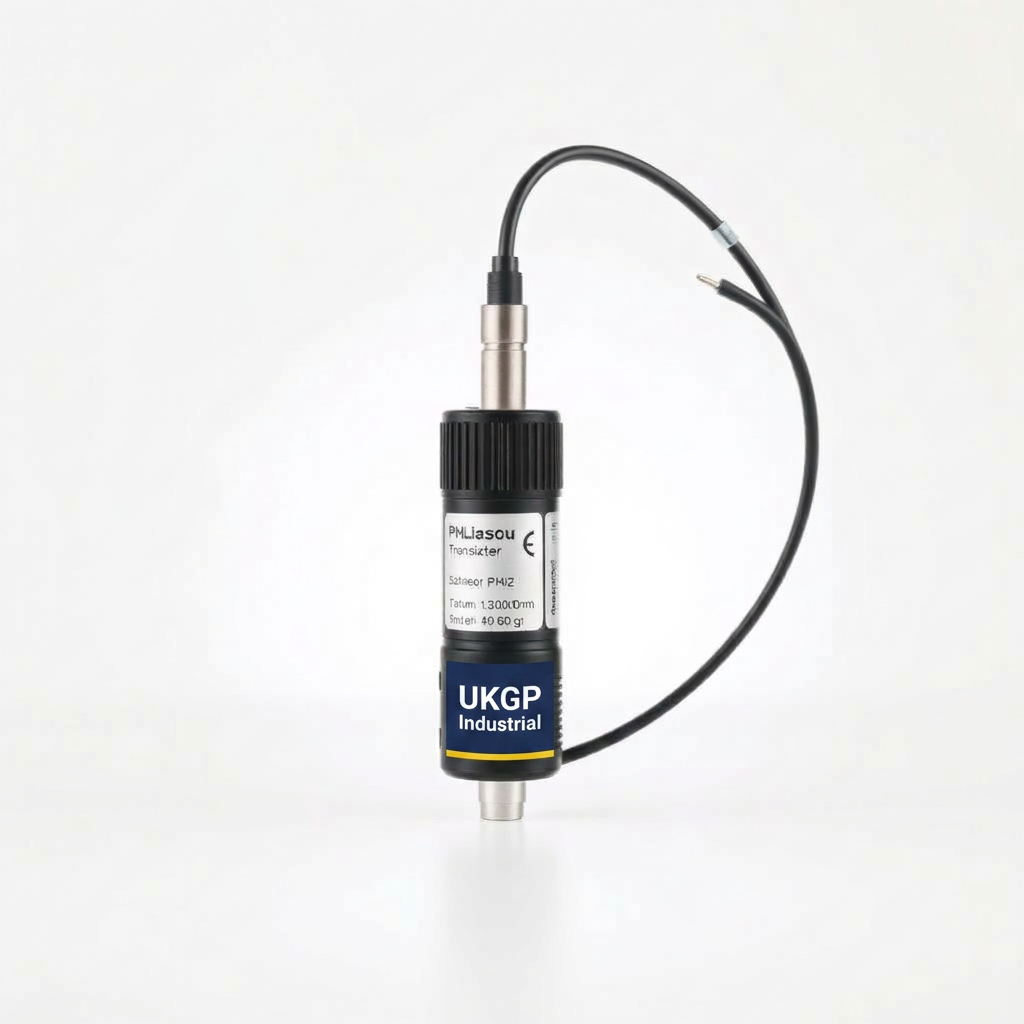
The hardware used for this integration must be robust enough for long-term deployment. Our electronic ph sensor kits include a high-quality transmitter paired with an M12 cable kit to ensure secure, waterproof connections. High-spec transmitters convert the high-impedance mV signal from the sensor into a stable output that can be transmitted over hundreds of metres. This is vital in large-scale commercial developments where the plant room might be located several floors away from the main control centre. By choosing a UKGP solution, you ensure that the transmission path is as reliable as the sensor itself, preventing false alarms and erratic readings.
- Select between standard 4-20 mA or digital Modbus RS485
- Seamless integration with Trend, Tridium, and other BMS platforms
- M12 cable kits included for industrial-rated connectivity
- Reduced cabling costs and simplified commissioning in large builds
- High-impedance signal conversion for error-free data transmission
Industrial Build Quality and IP68 Environmental Protection
In a busy UK plant room, equipment is frequently exposed to moisture, leaks, and high humidity. Standard sensors often fail because their internal electronics are not sufficiently sealed against the environment. An industrial electronic ph sensor must be built to withstand these conditions, which is why UKGP specifies an IP68 rating for our sensor housings. This level of protection ensures that even in the event of a local flood or significant pipework leak, the sensor continues to function and provide accurate data. This durability is a key requirement for FMs who need to minimize the risk of equipment failure during the heating season.
The physical construction of the electronic ph sensor also features high-grade polymers and materials resistant to the aggressive chemicals used in system cleaning and passivating. Whether the system is being treated for biofilm or scale, the sensor probe remains resilient. Each kit is supplied factory-calibrated, meaning that M&E contractors can install the unit and bring it online immediately without the need for complex calibration procedures on-site. This speed of commissioning is a major advantage for projects with tight deadlines, ensuring that the system monitoring is live as soon as the plant room is energized, meeting the commissioning requirements of BG29.
Longevity is further backed by our industry-leading 2-year warranty on the sensor and transmitter kits. We recognize that commercial heating systems are significant investments, and the monitoring equipment should be just as durable as the boilers or chillers themselves. By investing in a high-quality electronic ph sensor, you are not just buying a measurement tool; you are investing in the long-term health of the entire HVAC network. UKGP products are selected for their ability to deliver consistent performance year after year, reducing the total cost of ownership and ensuring that maintenance budgets are spent on optimization rather than constant replacement of cheap components.
- IP68 rated housing for maximum moisture and flood protection
- Factory-calibrated for rapid on-site commissioning and startup
- Includes a robust 2-year warranty for peace of mind
- Compatible with high-pressure commercial heating loops
- Designed to withstand aggressive chemical cleaning agents
Technical Application: Side Stream Filtration and pH Monitoring
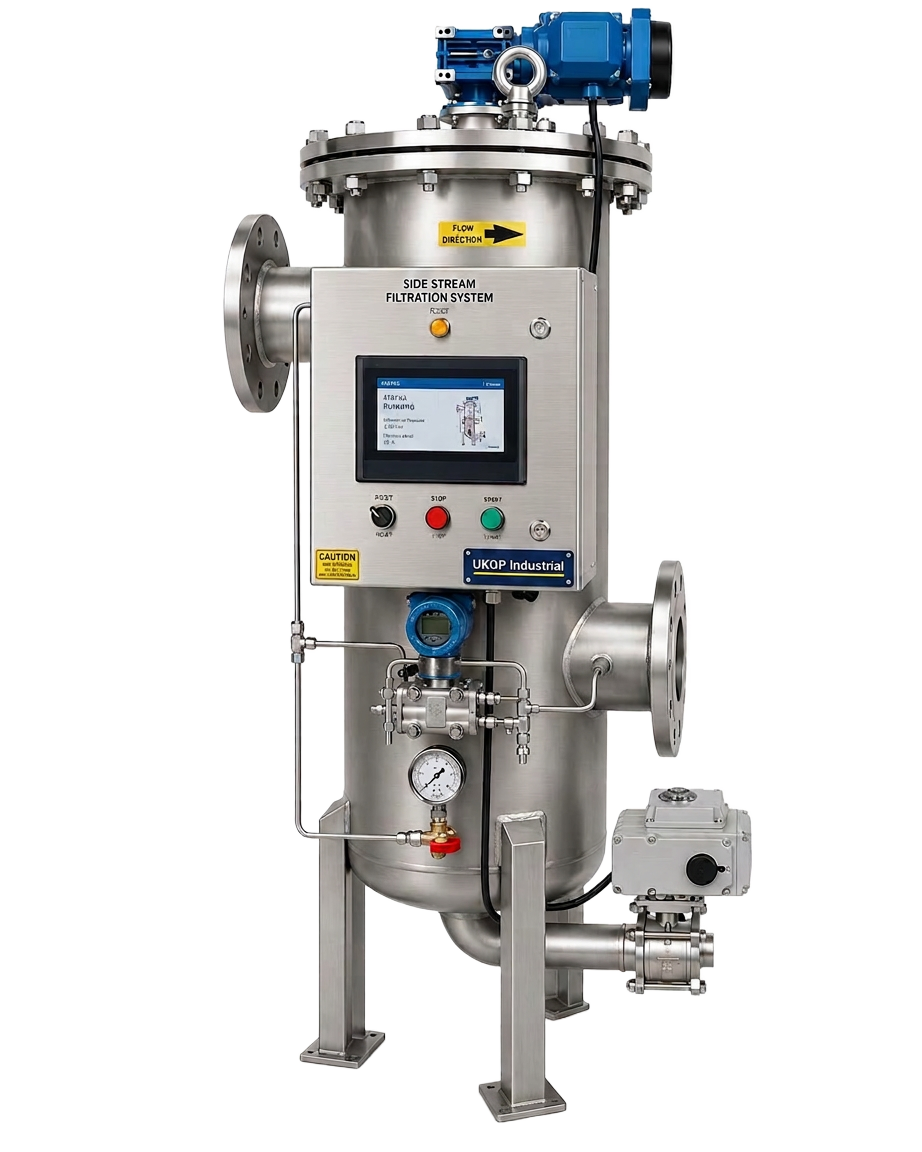
Effective water treatment is a holistic process, and the electronic ph sensor works most effectively when integrated alongside other water quality assets. For example, when installed in a side stream filtration branch, the sensor can monitor the water quality as it passes through the filtration media. This setup is particularly effective in high-velocity systems where placing a sensor in the main flow might lead to excessive wear or turbulent readings. By monitoring pH at the side stream, engineers can ensure that the chemical balance remains ideal for the removal of magnetite and other suspended solids that can clog heat exchangers.
When an electronic ph sensor detects a drop in alkalinity, it can trigger an automated alarm or even activate a dosing pump to restore the correct chemical levels. This automated approach is far superior to periodic manual intervention, as it maintains a stable environment that prevents the formation of scale or the onset of corrosion. For procurement leads, this integrated approach represents a higher value proposition, as it protects the capital expenditure invested in the broader HVAC system. UKGP supplies a range of compatible side stream filters and sensors designed to work in tandem for maximum protection.
It is also worth noting that the electronic ph sensor must be positioned where there is a constant flow of representative water. Stagnant dead-legs will produce inaccurate readings that do not reflect the true state of the system water. By placing the sensor in a dedicated bypass or as part of a filtration skid, you ensure that the probe is always in contact with fresh system water. This technical detail is vital for accurate BMS reporting and for ensuring that any chemical dosing is based on real-time system needs. Contact UKGP today to discuss how our sensors can be integrated into your specific plant room layout.
- Ideal for integration with side stream filtration skids
- Provides the data trigger for automated chemical dosing
- Ensures constant monitoring of filtered water quality
- Mitigates the risk of scale formation in heat exchangers
- Essential for the protection of high-value plant room assets
Maintaining Signal Accuracy for Long-Term Operation
The accuracy of an electronic ph sensor is dependent on regular maintenance and the quality of the initial installation. Over time, the sensitive glass membrane of any pH probe can become coated with oils or magnetite, which can lead to signal school or slow response times. However, by selecting an industrial-grade sensor from UKGP, you benefit from a design that is easier to clean and maintain than standard models. We recommend periodic verification against a known buffer solution to ensure that the 4-20 mA or Modbus output remains perfectly aligned with the actual pH value of the system fluid.
Choosing a sensor with a built-in transmitter simplifies this maintenance process. The transmitter effectively isolates the signal from the electronic ph sensor, preventing the 'noise' that often plagues electrical systems in large industrial buildings. This is particularly important in environments with large variable speed drives (VSDs) or heavy motors that can generate significant harmonic distortion. Our M12 cable kits are shielded to provide an extra layer of protection against this interference, ensuring that the data reaching your BMS is a true reflection of the water chemistry, allowing for precise control and reporting.
For plant room engineers, having a reliable electronic ph sensor means fewer emergency call-outs and less time spent troubleshooting water quality issues. When the BMS can be trusted to report accurate pH levels, the maintenance team can focus on other critical tasks, knowing that the system's chemical balance is being watched by a high-precision digital eye. UKGP is committed to provide the UK market with the highest standard of sensing technology, backed by technical support and rapid availability of replacement parts. Our goal is to ensure your closed-loop systems operate at peak efficiency with minimal environmental impact.
- Shielded M12 cabling prevents signal interference from VSDs
- Transmitter isolation ensures stable readings in noisy environments
- Easier maintenance compared to non-industrial sensor types
- Improves HVAC efficiency by maintaining optimal chemical balance
- Reduces emergency maintenance through early chemical warnings
Sourcing Your Electronic pH Sensor from UKGP Industrial
When it comes to selecting the right electronic ph sensor for your project, UKGP Industrial stands as a trusted Surrey-based partner for building services professionals. We provide not just the hardware, but the technical expertise to ensure it is specified correctly for your specific application. Whether you are dealing with a standard LTHW system or a complex chilled water circuit, our team can advise on the best output options—be it 4-20 mA or Modbus—to match your control methodology. We maintain high stock levels to ensure that your project timelines are met without the long lead times often associated with specialist instrumentation.
The UKGP electronic ph sensor package is designed for ease of procurement. By providing the sensor, transmitter, and cable as a complete kit, we eliminate the compatibility issues that can occur when mixing components from different manufacturers. This ‘plug and play’ philosophy saves time during installation and provides a single point of responsibility for the equipment’s performance. Our kits are the preferred choice for UK FM companies who demand reliability and for M&E contractors who need high-quality components that are easy to install and commission according to BS EN standards.
To request a quote for our electronic pH sensor and transmitter kits, simply contact our technical sales team. We are ready to assist with technical submittals, data sheets, and installation guidance to ensure your project is a success. By choosing UKGP, you are choosing a partner dedicated to the longevity and efficiency of the UK's built environment. Invest in precision, protect your plant room assets, and ensure your building systems remain compliant with BSRIA and CIBSE guidelines through the adoption of professional-grade pH sensing technology.
- Total kit solution including sensor, transmitter, and M12 cable
- Surrey-based stock holding for rapid UK-wide delivery
- Expert technical support for specification and installation
- Streamlined procurement with a single source for all sensing needs
- Full support for technical submittals and BMS integration
Frequently asked questions
What is the benefit of a 4-20 mA output for a pH sensor?
- A 4-20 mA output provides a robust analogue signal that is highly resistant to electrical noise and can be transmitted over long distances in plant rooms without signal loss. It is compatible with almost all standard BMS and PLC controllers.
Why would I choose Modbus over 4-20 mA for an electronic ph sensor?
- Modbus RTU allows for digital communication, meaning multiple sensors can be daisy-chained on a single cable to save on wiring. It also allows for the transmission of additional data, such as sensor health and temperature compensation, which 4-20 mA cannot provide.
Does the UKGP electronic ph sensor require on-site calibration?
- Our sensors are supplied factory-calibrated to save time during installation. However, for ongoing BSRIA BG50 compliance, we recommend periodic verification and recalibration using standard buffer solutions as part of your annual maintenance regime.
Is the electronic ph sensor suitable for high-temperature heating systems?
- Yes, our industrial electronic ph sensor is designed for commercial HVAC applications and can handle the temperatures typically found in LTHW (Low Temperature Hot Water) and chilled water circuits. Always check the specific data sheet for the maximum temperature rating.
What is the warranty period for UKGP pH sensing equipment?
- UKGP provides a 2-year warranty on our industrial pH sensor and transmitter kits, reflecting our confidence in the build quality and durability of the products for UK industrial and commercial use.