The Importance of pH Monitoring in BSRIA BG50 Compliance
In the UK building services sector, maintaining the chemical balance of closed-circuit heating and cooling systems is governed by BSRIA BG50/2021. This industry guidance emphasises the prevention of corrosion and biofilm through rigorous water chemistry management. If a sensor drifts, the entire water treatment strategy fails, leading to oxygen-induced pitting or acid erosion of carbon steel pipework. To avoid these catastrophic failures, contractors must calibrate ph meter devices at scheduled intervals, ensuring the 4-20 mA or Modbus signals sent to the BMS are reflective of actual system conditions. Without accurate data, the risk of component failure in expensive plant-room assets increases significantly, often voiding manufacturer warranties on boilers and heat exchangers.
Precision in pH measurement is not merely a box-ticking exercise for facilities managers; it is a fundamental requirement for the longevity of the building's mechanical infrastructure. When you calibrate ph meter units, you are essentially verifying that the protective films on metal surfaces remain intact. Low pH levels indicate acidic conditions that strip these passivated layers, while excessively high pH can damage aluminium components found in modern high-efficiency boiler blocks. Professional-grade industrial transmitters bypass the inaccuracies of handheld pocket testers, providing continuous monitoring that allows for real-time adjustments to chemical dosing rates. This proactive approach is the only reliable way to meet the stringent water quality targets set out in CIBSE CP1 and other relevant mechanical design codes.
UKGP Industrial provides the robust hardware necessary for these critical measurements, but even the highest quality glass electrodes require standardisation against known buffer solutions. The drift in electrochemical sensors is a natural consequence of the harsh environments they occupy, such as secondary loops or side stream filtration circuits. By integrating a structured maintenance plan to calibrate ph meter sensors every six to twelve months, M&E contractors can provide clients with documented proof of system stability. This documentation is frequently required during third-party audits or when troubleshooting recurring leaks in the system. Investing time in proper calibration today prevents the substantial costs of emergency chemical flushing and component replacement tomorrow, ensuring the plant-room operates at peak efficiency.
- Aligns with BSRIA BG29 and BG50 water quality mandates
- Prevents hydrogen evolution and localised pitting corrosion
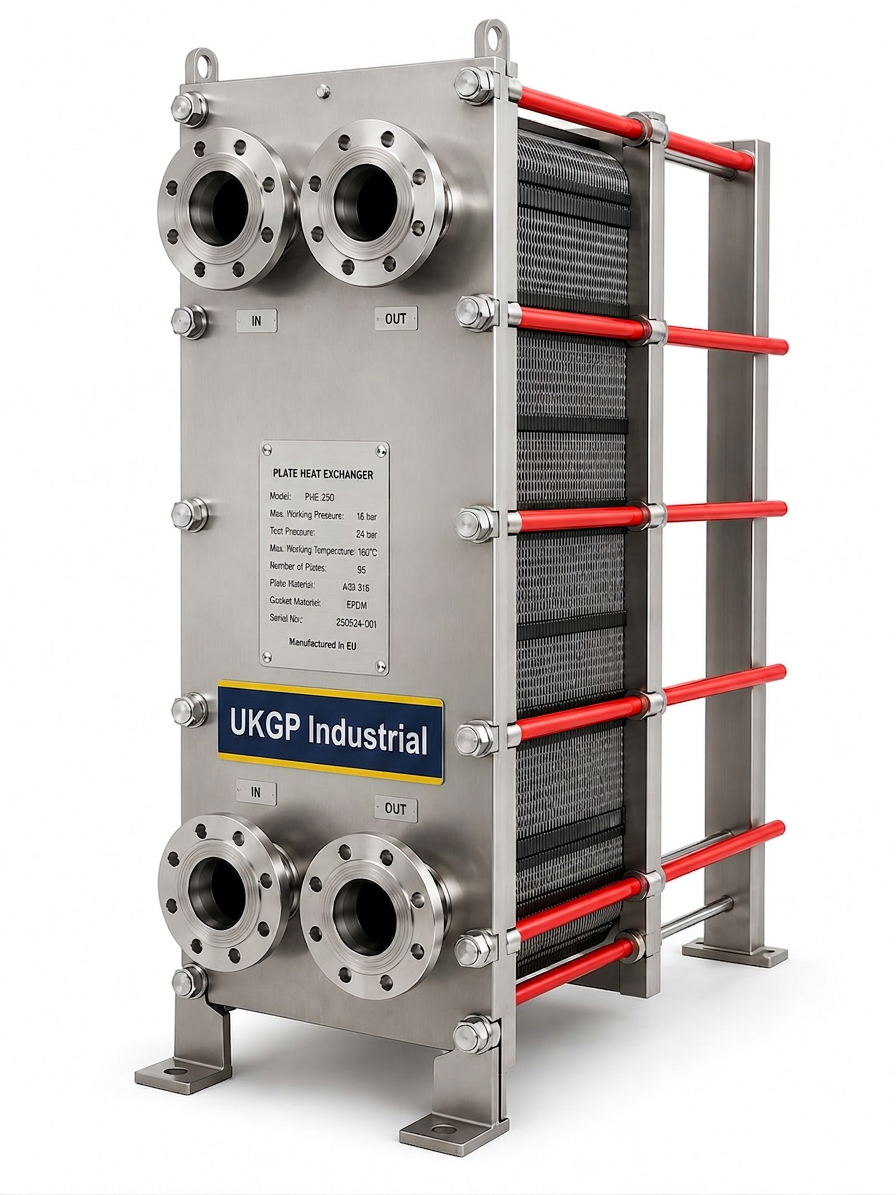
- Ensures long-term protection for plate heat exchangers
- Validates BMS data for automated chemical dosing control
Equipment Requirements to Calibrate pH Meter Sensors
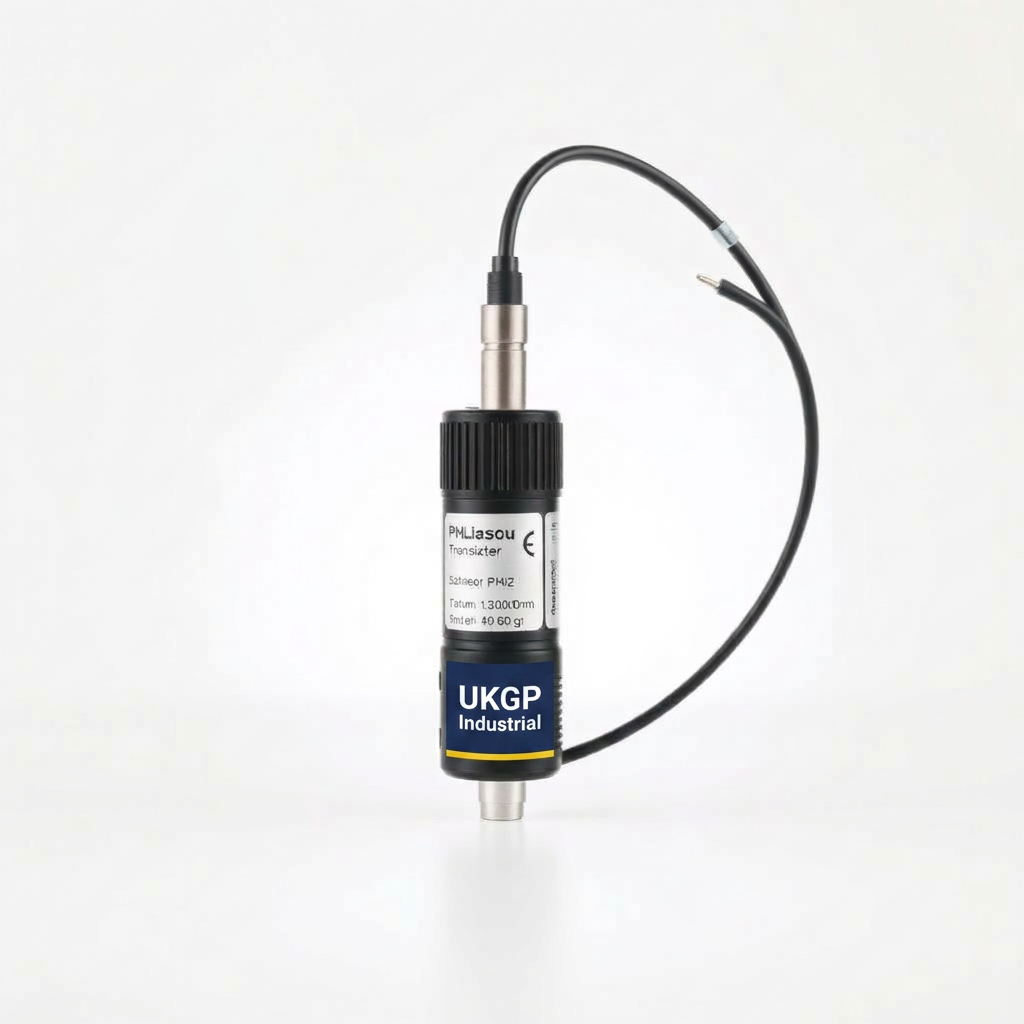
Before beginning the procedure to calibrate ph meter hardware, engineers must assemble the correct consumables and tools to ensure a valid result. The process requires high-quality NIST-traceable buffer solutions—typically pH 4.01, 7.00, and 10.01—to perform a multi-point calibration. It is vital to check the expiry dates on these buffers, as contaminated or aged solutions will result in inaccurate slope calculations. Using deionised water for rinsing between samples is also non-negotiable to prevent cross-contamination. For industrial installations, the UKGP pH transmitter often uses an M12 cable connection, so ensuring the transmitter is powered and the Modbus or 4-20 mA loop is active allows for immediate verification of the signal output during the calibration steps.
Choosing the right environment for the calibration is just as important as the tools themselves. Industrial sensors should be cleaned of any biofilm or mineral scaling using a mild detergent or diluted hydrochloric acid before the calibration process starts. A dirty bulb will produce a sluggish response and an incorrect offset. Professionals should also ensure they have a stable thermometer or that the transmitter has built-in Automatic Temperature Compensation (ATC). Since pH is temperature-dependent, a failure to account for the fluid temperature during the 'calibrate ph meter' task will lead to errors in the final reading. This is particularly relevant in plant rooms where ambient temperatures fluctuate significantly between the summer and winter months.
When dealing with modern UKGP sensors, the integrated design simplifies the equipment list. Our kits include the industrial pH sensor, the transmitter, and the M12 cable kit, designed to interface seamlessly with standard control panels. The transmitter features an IP68 rating, making it suitable for damp environments, but the actual calibration should ideally be done in a dry, clean area of the plant room. Having a clear set of instructions for the specific transmitter model is essential, as different manufacturers use varied menu structures or trim-pot adjustments to set the zero and span points. Ensuring you have the correct bypass valves closed to isolate the sensor from the main flow is the final preparatory step before the physical work begins.
- NIST-traceable buffer solutions (pH 4, 7, and 10)
- Deionised water for electrode rinsing
- Lint-free laboratory cloths for gentle dabbing
- Digital readout or BMS interface for signal verification
Step-by-Step Procedure to Calibrate pH Meter Transmitters
The first physical step to calibrate ph meter sensors is the cleaning and inspection phase. Carefully remove the sensor from the flow cell or immersion assembly, ensuring the system is depressurised first. Inspect the glass bulb for cracks or heavy fouling. Once cleaned, rinse the sensor with deionised water and gently dab it dry—never wipe the glass as this generates static electricity which interferes with the reading. Submerge the sensor in the neutral pH 7.00 buffer solution first. This is identified as the 'Zero' or 'Offset' point in the transmitter settings. Allow the reading to stabilise for at least sixty seconds. If the transmitter does not automatically recognise the buffer, manually adjust the output until the display matches the buffer value at the current temperature.
After the zero point is established, rinse the sensor again and move to the second buffer, typically pH 4.01 for systems expected to be acidic or pH 10.01 for treated alkaline heating water. This second point determines the 'Slope' of the sensor. A healthy sensor should demonstrate a slope between 95% and 105% of the theoretical Nernstian value (approximately 59.16 mV per pH unit at 25°C). If you find that you cannot calibrate ph meter scales because the slope falls below 85%, this indicates that the reference junction is depleted or the glass membrane is aged, necessitating a sensor replacement. Most industrial transmitters will provide an error code if the slope is outside of acceptable limits, preventing the use of inaccurate data in your water treatment logs.
The final step in the procedure is to verify the calibration by placing the sensor back into the pH 7.00 buffer. If the reading returns to within 0.05 pH units of the target, the calibration is successful. Reinstall the sensor into the pipework, ensuring the O-ring seals are seated correctly to prevent leaks. Once the sensor is back in the flow, compare the transmitter readout with a recently calibrated handheld meter to ensure the process flow hasn't introduced immediate electrode poisoning. Document the 'as-found' and 'as-left' values in your maintenance logbook to provide an audit trail for BSRIA BG50 compliance. This record-keeping is vital for procurement leads and facilities managers to track the lifecycle of their plant-room sensors.
- Always perform a two-point calibration for industrial precision
- Rinse thoroughly between buffers to prevent contamination
- Check sensor slope percentage to identify end-of-life sensors
- Record all values in the site water treatment logbook
Common Pitfalls When You Calibrate pH Meter Systems
One of the most frequent mistakes engineers make when they calibrate ph meter hardware is neglecting temperature compensation. Because the dissociation of ions in water is temperature-variable, a buffer that reads 7.00 at 25°C may read 7.12 at 10°C. If the transmitter isn't adjusted for this change, the calibration will be fundamentally flawed. Another common error is using stale buffer solutions. Once a buffer bottle is opened, it begins to absorb CO2 from the air, which gradually lowers its pH value. Carbonates in pH 10 buffers are particularly prone to this, leading to significant errors that can result in over-dosing of inhibitors. Always use fresh aliquots of buffer and never pour used liquid back into the primary storage bottle.
Environmental factors in UK plant rooms also play a role in calibration errors. Electrical noise from large variable speed drives (VSDs) or pumps can interfere with the high-impedance signal from the pH electrode. If you notice the readings jumping sporadically while you try to calibrate ph meter sensors, check that the M12 cable is properly shielded and that the transmitter is correctly earthed. Furthermore, the physical condition of the sensor's reference junction is often overlooked. If the junction is clogged with rust or magnetite from the system, it will not maintain a stable electrical connection with the buffer, causing the reading to drift indefinitely. Proper pre-cleaning with UKGP-recommended solutions often resolves these issues without needing new hardware.
Finally, speed is the enemy of accuracy. Many technicians rush the process, not allowing enough time for the sensor to reach thermal equilibrium with the buffer solution. This is especially true if the sensor has just been removed from a hot heating loop and is plunged into a cold buffer. You must allow several minutes for the glass to acclimate. If you find the process too time-consuming or the hardware too unreliable, it may be time to upgrade to a UKGP industrial pH sensor & transmitter. Our units are factory-calibrated and feature a 2-year warranty, ensuring that when you do perform your site calibration, the hardware responds predictably and holds its accuracy across a standard service interval.
- Avoid using expired or cross-contaminated buffer solutions
- Ensure thermal equilibrium before locking in calibration points
- Check for cable interference and proper shielding in plant rooms
- Do not reuse buffer samples across multiple sensor calibrations
Optimising Water Treatment with Reliable pH Data
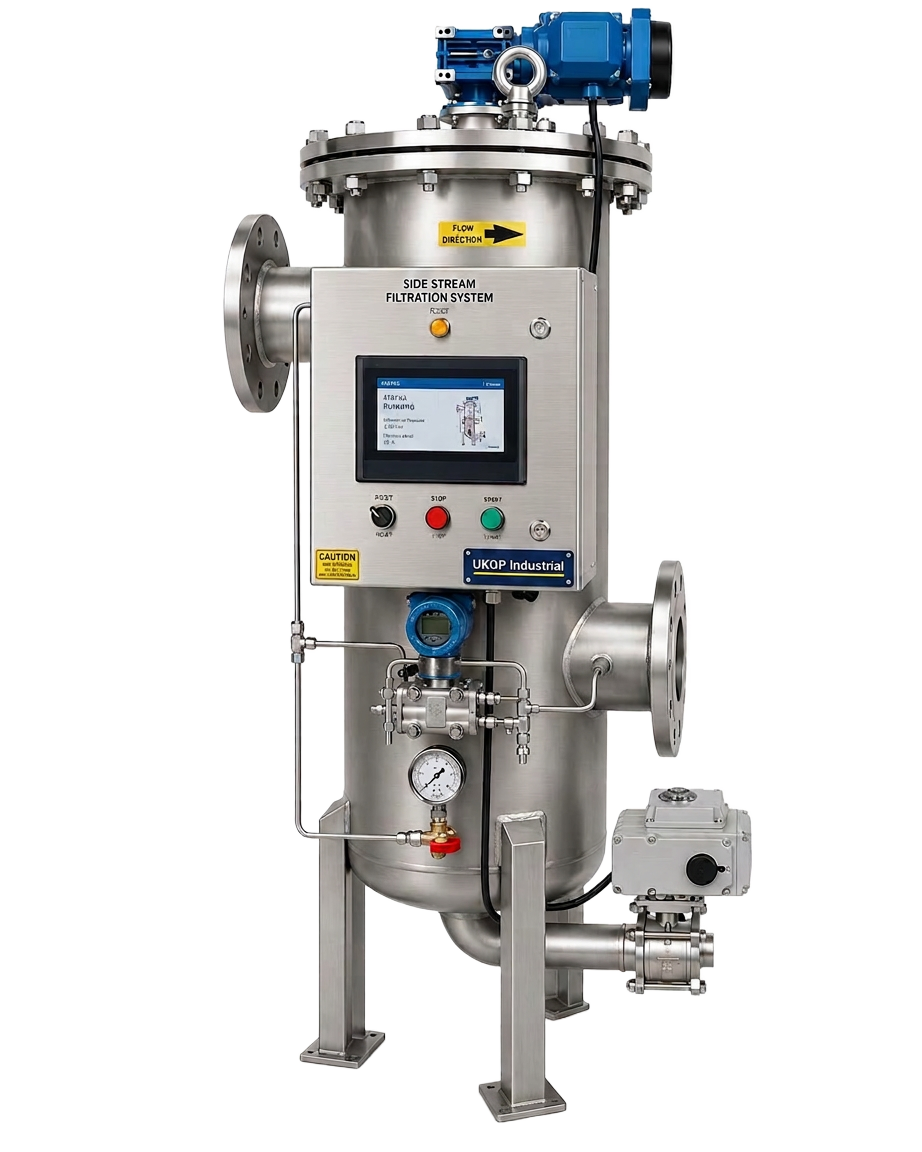
Accurate pH data is the cornerstone of any successful side stream filtration and chemical dosing strategy. In UK commercial buildings, the focus is often on removing suspended solids using air and dirt separators, yet the chemical balance is what prevents those solids from forming in the first place. When you calibrate ph meter systems correctly, you enable the dosing pumps to deliver exactly the amount of inhibitor or biocide required. This precision reduces chemical waste and lowers the total cost of ownership for the facility. It also ensures that the system remains within the pH 8.2 to 9.5 range usually recommended for mixed-metal systems, preventing the 'black water' issues associated with magnetite buildup.
Furthermore, integrating pH transmitters into a Modbus or 4-20 mA BMS loop allows for remote monitoring and automated alerts. If the pH drops below a set threshold, the system can automatically trigger a dosing cycle from a chemical dosing pot or alert the FM team to a potential makeup water leak. However, these automated systems are only as smart as their sensors. This reinforces why the task to calibrate ph meter equipment must be a priority for the maintenance team. A well-calibrated sensor provides the confidence needed to run systems closer to their efficiency limits, knowing that the chemical environment is being monitored with laboratory-grade precision by UKGP industrial hardware.
For those managing large-scale district heating or high-rise HVAC systems, the reliability of UKGP equipment is a major advantage. Our pH transmitters are designed with the rigours of the UK industrial sector in mind, featuring IP68 protection and simple M12 connectivity. When integrated alongside side stream filtration skids, these sensors provide a complete picture of the system's health. If you are struggling with drifting readings or difficult calibration routines, consider our factory-calibrated solutions. Request a quote for a UKGP industrial pH sensor & transmitter today to ensure your next maintenance cycle is as efficient as possible. Our technical team can provide guidance on selecting the right options for your specific plant-room configuration.
- Reduces chemical expenditure through precise dosing
- Enhances the effectiveness of side stream filtration skids
- Enables early detection of raw water ingress or leaks
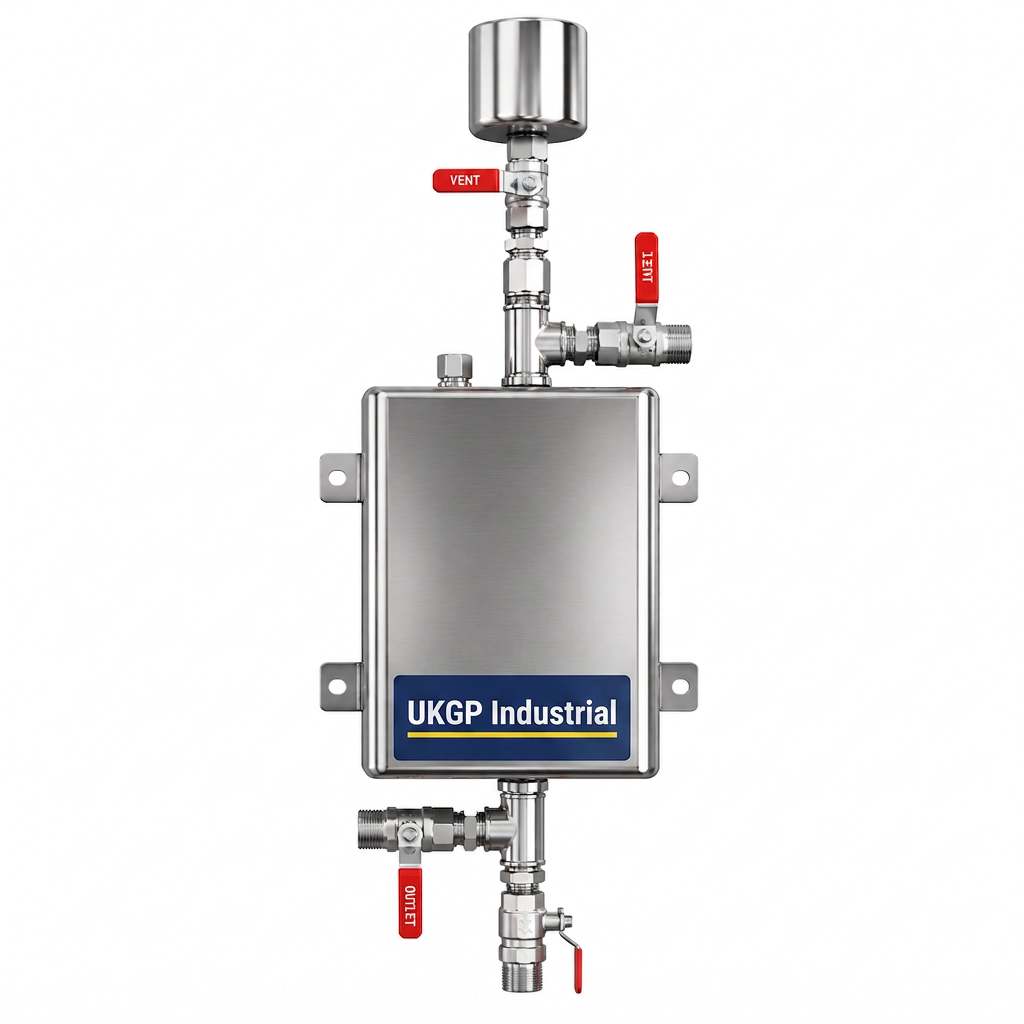
- Protects high-value assets like low loss headers and boilers
Maintenance Schedules and Sensor Replacement
Determining how often to calibrate ph meter electronics depends on the criticality of the system and the stability of the water chemistry. For a standard closed-circuit heating system, a quarterly check is usually sufficient. However, in systems where chemical dosing is frequent or water quality is prone to fluctuation, monthly calibration may be required to maintain BSRIA standard compliance. Over time, all pH electrodes lose sensitivity regardless of how well they are maintained. The lithium ions in the glass membrane are eventually replaced by other ions from the process fluid, leading to a slow response time. Once a sensor can no longer be calibrated to a slope above 85%, it should be decommissioned and replaced with a new UKGP unit.
Industrial environments are tough on sensitive electronics. The UKGP industrial pH sensor & transmitter kit is built to withstand these conditions, but regular maintenance extends the lifespan even further. When not in use (for example, during a system drain-down), electrodes should never be stored dry. They must be kept in a storage solution, typically 3M KCl, to keep the reference junction hydrated. If a sensor does dry out, it can sometimes be resurrected by soaking in storage solution for 24 hours before you attempt to calibrate ph meter parameters again. This simple step can save significant replacement costs and prevent downtime in critical cooling systems where pH control is vital for legionella prevention.
We recommend that M&E contractors keep a spare UKGP industrial pH sensor & transmitter on-site for immediate swap-out during routine servicing. Our kits come with a 2-year warranty and are factory-calibrated, meaning they can be installed and put into service with minimal delay. With 4-20 mA or Modbus outputs as standard, these sensors fit into almost any existing control architecture. To ensure your facility remains compliant with BS 8552 and BSRIA BG50, professional-grade monitoring is non-negotiable. Reach out to our Surrey-based technical sales team to discuss bulk supply for your portfolio or to get a specific quote for a single plant-room upgrade.
- Quarterly calibration recommended for most industrial HVAC
- Store sensors in 3M KCl to prevent junction dehydration
- Replace sensors when slope falls below the 85% threshold
- Benefit from the 2-year UKGP warranty on industrial sensors
Frequently asked questions
How often should I calibrate ph meter sensors in a heating system?
- Per BSRIA BG50 guidelines, sensors should be checked at least quarterly. However, for systems with automated dosing, monthly checks are recommended to ensure accuracy and prevent corrosion.
What's the difference between a 4-20 mA and Modbus pH transmitter?
- 4-20 mA is a rugged analogue signal ideal for long cable runs with minimal interference. Modbus is a digital protocol that allows for more detailed diagnostic data and easier integration into modern building management systems (BMS).
Why won't my pH sensor calibrate to the correct slope?
- This is usually caused by an aged or fouled glass membrane, or a blocked reference junction. If cleaning the sensor doesn't improve the slope above 85%, the sensor likely needs replacement.
Can I use standard tap water to rinse the pH sensor during calibration?
- No, tap water contains ions that can contaminate your buffer solutions and affect the reading. Always use deionised or distilled water for rinsing to ensure a successful 'calibrate ph meter' procedure.
Are UKGP pH sensors compatible with existing chemical dosing systems?
- Yes, our pH transmitters offer standard 4-20 mA or Modbus outputs, making them compatible with almost all industrial chemical dosing controllers and BMS platforms used in the UK.