The Role of Hydraulic Separation in Commercial Plant Rooms
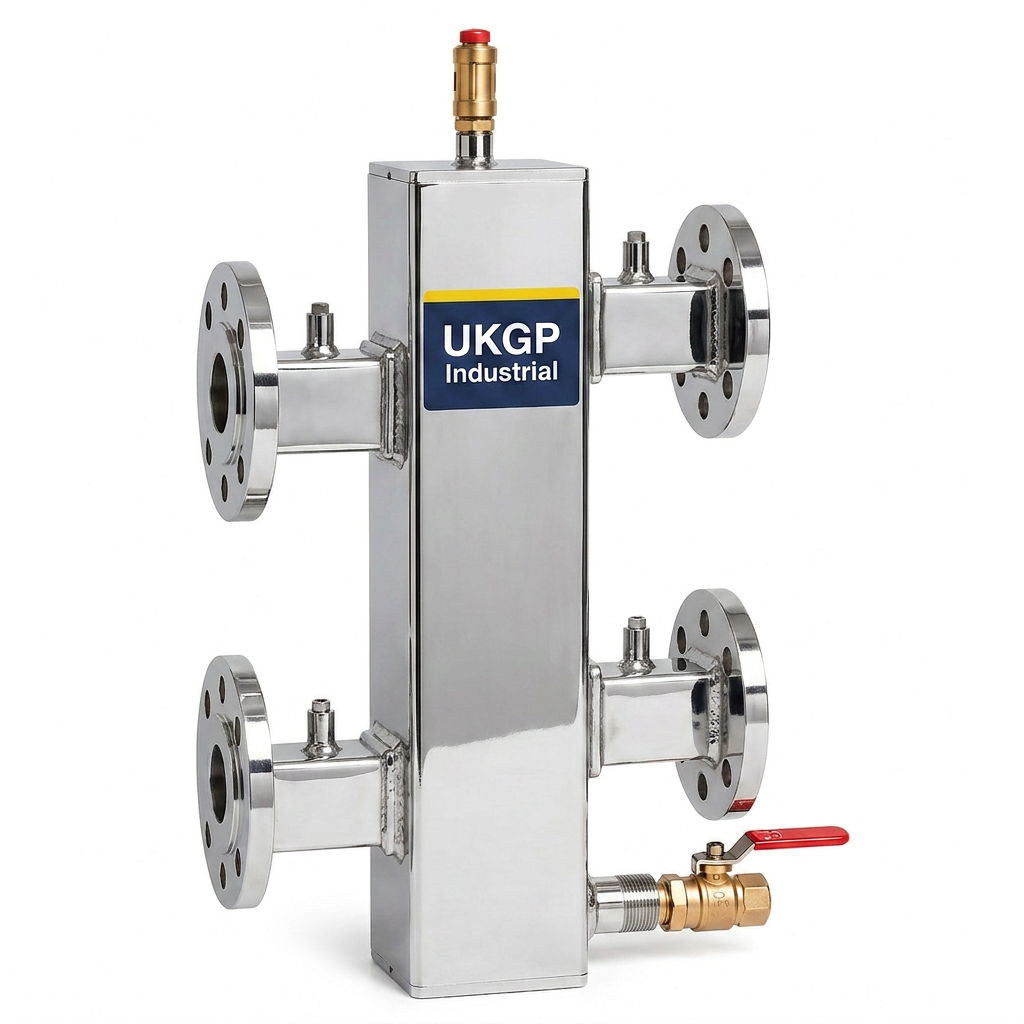
In modern UK HVAC design, achieved efficiency is often a result of maintaining correct flow rates across high-efficiency condensing boilers regardless of seasonal demand. A spirovent low loss header acts as the neutral point in the system, where the primary and secondary circuits meet without impacting each other's pump performance. By creating a zone of low pressure and velocity, the header allows the primary boiler pumps to maintain the manufacturer's required Delta T while the secondary pumps modulate based on current building load. Failure to specify these components correctly often leads to pump cavitation, frequent boiler cycling, and a significant reduction in the operational lifespan of expensive commercial plant gear.
When consulting BSRIA BG50 guidelines on water treatment and system maintenance, the importance of hydraulic stability becomes clear. Using a spirovent low loss header ensures that debris and microbubbles are managed effectively at the point of lowest velocity. For M&E contractors, this means fewer call-outs during the commissioning phase and more predictable results during the heat-balancing process. A well-sized header ensures that even when secondary zones are throttled back by 2-port valves, the primary heat source remains stable, avoiding the thermal stresses associated with rapid temperature fluctuations and poor flow control that plague many retrofitted commercial systems.
From a procurement perspective, selecting a header that integrates deaeration and dirt separation is financially prudent. UKGP Industrial provides a robust range of low loss headers for commercial applications ranging from 40 to 2000 kW, providing the thermal buffer and separation needed for demanding environments. These units are available with either flanged PN16 or threaded BSP connections to suit the specific pipework requirements of the project. Ensuring you have the right specification at the design stage prevents the need for costly site modifications later, especially when dealing with the strict deadlines typical of Surrey and London-based commercial refurbishments and new build projects.
- Eliminates pump interference between primary and secondary circuits.
- Facilitates constant flow through boilers to prevent thermal shock.
- Acts as a collection point for air and dirt in low-velocity zones.
- Ensures compliance with heat source manufacturer flow requirements.
Technical Calculations for Sizing a Spirovent Low Loss Header
Sizing a spirovent low loss header is not merely about matching the pipe diameter of the main flow and return; it is about calculating the maximum volumetric flow rate to ensure velocity remains within acceptable limits. For effective separation and deaeration, the velocity within the body of the header should typically not exceed 0.5 metres per second. If the velocity is too high, the 'neutral' zone disappears, and the primary and secondary pumps will begin to pull or push against each other, leading to control issues. Engineers must calculate the total heat load in kilowatts and use the specific heat capacity of the fluid to determine the required flow rate before selecting a header size.
Consultants often refer to CIBSE guides when determining the appropriate Delta T for commercial systems, which directly impacts the flow rate calculations for the spirovent low loss header. For example, a system designed with a 20-degree Delta T will require a significantly smaller header than a traditional 11-degree system for the same kilowatt output. Over-sizing is generally safer than under-sizing, as an undersized header will fail to provide the necessary hydraulic decoupling. It is also vital to consider the pressure drop across the internal baffles or separation media within the unit to ensure the total system head remains within the pump's operating envelope.
UKGP Industrial simplifies this selection process by offering a wide range of commercial headers from 40 kW up to 2000 kW. Our units are supplied with high-quality insulation jackets as standard to minimize standing heat losses in the plant room, aligning with the latest Part L building regulations. Whether you require a BSP threaded unit for a small community centre or a large PN16 flanged header for a multi-storey office block, our technical team can assist in confirming that your chosen spirovent low loss header meets the specific flow requirements of your hydraulic circuit. This level of technical support is essential for ensuring long-term system reliability.
- Target internal velocity of <0.5m/s for optimal deaeration.
- Consider total kW output vs system Delta T for flow calculations.
- Verification of pressure drop ratings to protect pump efficiency.
- Selection of appropriate PN16 or BSP connections for system pressure.
Integrating Air and Dirt Separation for System Longevity
A critical advantage of a spirovent low loss header is its ability to serve as a multi-functional component. In addition to hydraulic separation, these units are often designed to capture microbubbles and suspended solids. This aligns with BSRIA BG29 water treatment standards, which emphasize the need for continuous air and dirt removal to prevent internal corrosion and the buildup of magnetite. By trapping these contaminants at the header, you prevent them from reaching sensitive components like heat exchangers or control valves. This proactive approach to system health reduces the frequency of chemical dosing and manual cleaning, significantly lowering the total cost of ownership for the facility manager.
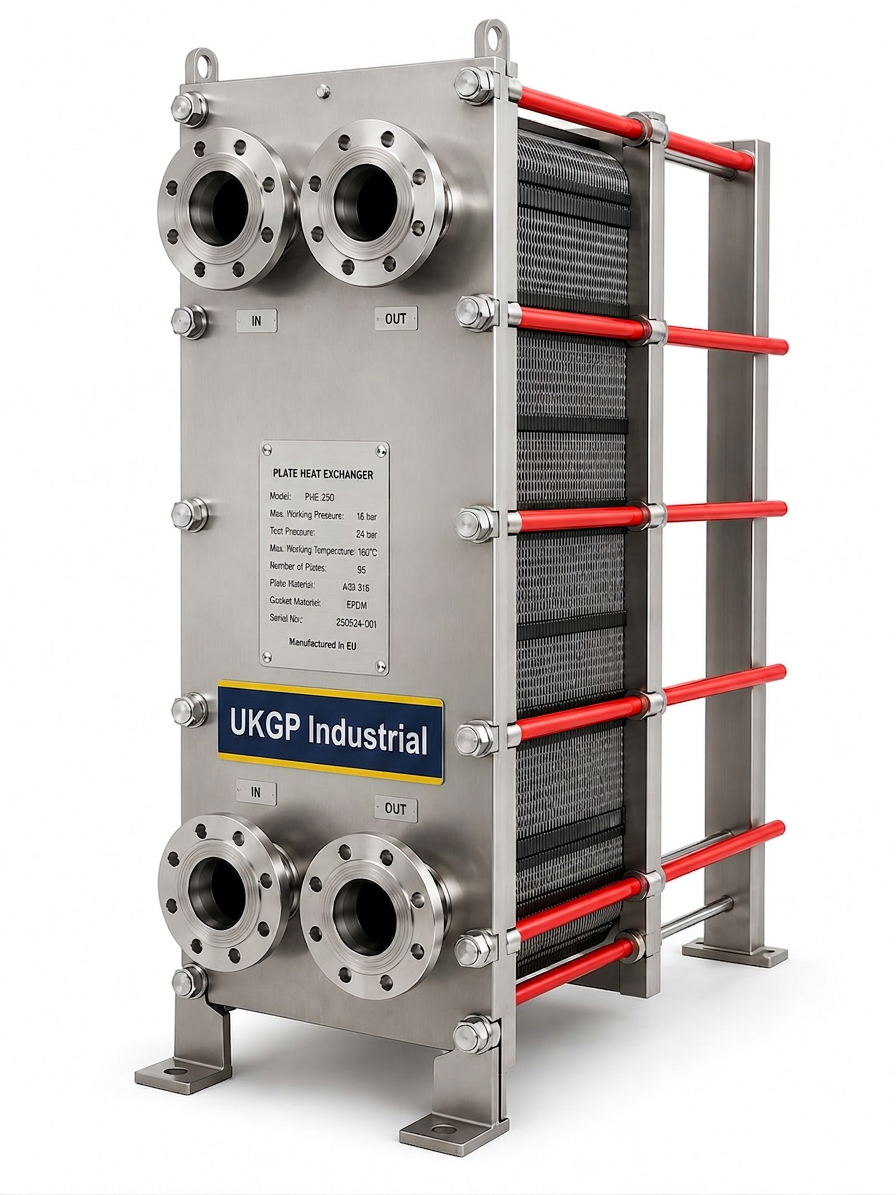
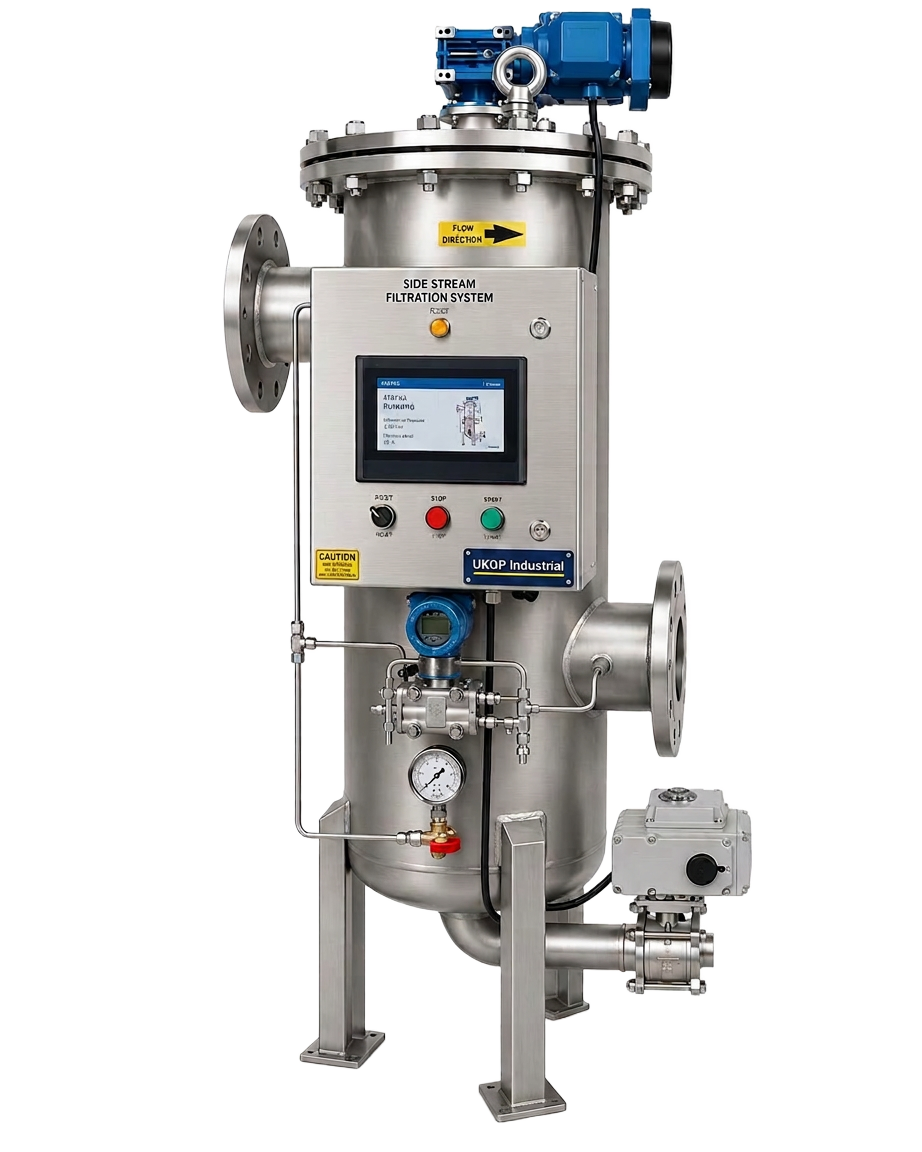
If your system design involves older pipework or higher-than-average debris levels, it may be beneficial to supplement the header with dedicated side stream filtration. While the spirovent low loss header handles the bulk of the air and larger particles at the neutral point, side stream units can provide finer filtration down to sub-micron levels. This dual approach ensures that the water quality remains high, protecting the efficiency of a plate heat exchanger if one is used for hydraulic isolation between different system pressures or fluids. Keeping the circuit clean is the most effective way to ensure that the boiler plant operates at its peak rated efficiency for its entire service life.
UKGP Industrial's low loss headers are designed with maintenance in mind, featuring drain valves and air vents to facilitate easy servicing. All units come with a 2-year warranty and a rapid lead time of just 2-3 weeks, making them ideal for time-sensitive commercial projects. By specifying a unit that incorporates magnetic separation, engineers can further enhance the protection of the pumps and boilers. When you request a quote for our low loss headers, you are investing in a product engineered for the rigours of the UK commercial market, backed by a Surrey-based team that understands the practicalities of plant room installation and long-term maintenance cycles.
- Continuous deaeration reduces the risk of oxygen-based corrosion.
- Dirt separation prevents magnetite buildup on pump impellers.
- Complies with BSRIA water quality and maintenance frameworks.
- Reduces the load on secondary filtration and chemical dosing systems.
Installation Best Practices for Commercial Headers
When installing a spirovent low loss header, orientation and positioning are paramount. These units should always be installed vertically to allow air to rise to the top for venting and dirt to settle at the bottom for drainage. The header must be supported adequately, as the weight of the water-filled chamber can be significant, especially in larger 400 kW to 2000 kW models. It is also recommended to leave sufficient clearance around the insulation jacket for future inspections and to ensure that air vents are accessible for maintenance. Contractors should ensure that the primary flow enters at the top port and the return exits at the bottom port to maintain the correct thermal stratification.
Proper insulation is another factor often overlooked in plant room installations. A spirovent low loss header that is left uninsulated becomes a massive radiator, wasting energy and making the plant room uncomfortably hot for service engineers. UKGP Industrial provides bespoke insulation jackets that fit snugly around our headers, ensuring compliance with energy efficiency standards. During the commissioning phase, it is also vital to check the temperature sensors frequently installed in the header. These sensors provide the building management system (BMS) with accurate data on the blended temperature, allowing for more precise control of the heat source and secondary mixing valves.
For projects requiring specific pressure ratings, our headers are available in both threaded BSP and flanged PN16 configurations. During the specification phase, confirm the maximum operating pressure and temperature of the system to ensure the header meets BS EN standards. Our 2-3 week lead time ensures that even if there are last-minute design changes, the project timeline remains intact. If you are looking for a reliable partner for your next commercial HVAC project, our low loss headers offer the durability and performance required to satisfy both the M&E contractor and the end-user, ensuring a robust install from day one.
- Vertical installation is mandatory for air and dirt removal utility.
- Ensure sufficient clearance for insulation and maintenance access.
- Primary flow must be correctly piped to maintain thermal layering.
- Verify all sensors are correctly calibrated during commissioning.
The Commercial Impact of Proper Header Specification
From a commercial standpoint, the wrong choice of a spirovent low loss header can lead to catastrophic system failure or chronic inefficiency that drains the client's budget. Procurement leads must balance initial capital expenditure with long-term operational savings. A cheaper, undersized header might save a few hundred pounds during the build, but the resulting boiler damage and higher energy bills will far outweigh those savings. High-quality hydraulic separation protects the most expensive parts of the system—the boilers—ensuring they do not short-cycle or run while dry. This reliability is why specified consultants consistently choose verified engineering solutions for their plant room designs.
Moreover, in the era of decarbonisation, every percentage point of efficiency counts. By ensuring that the secondary pumps only draw the energy they need from the spirovent low loss header, the overall electrical consumption of the plant room is reduced. This contributes to better EPC ratings for commercial buildings and aligns with CIBSE sustainability goals. When combined with other high-performance components like a plate heat exchanger or air and dirt separators, the low loss header completes a system designed for the requirements of the future. The peace of mind offered by a 2-year warranty and a British-supplied product is a significant value-add for any FM or building owner.
To get a tailored quote for your project, simply contact UKGP Industrial with your system requirements. Our commercial low loss headers cater to a massive range of outputs, from 40 kW for small retail units to 2000 kW for large industrial complexes. We offer the technical expertise to ensure your spirovent low loss header is perfectly matched to your specific flow rates and pressure requirements. With our focus on fast lead times and high-quality UK manufacturing, we are the preferred choice for engineers who cannot afford to compromise on quality or delivery schedules in today's fast-paced construction market.
- Prevents costly boiler short-cycling and premature equipment failure.
- Improves system-wide energy efficiency and lowers carbon footprint.
- Supports better EPC ratings for commercial properties.
- Reduces maintenance call-outs and long-term operational costs.
Securing Your HVAC System with UKGP Industrial
In conclusion, specifying the correct spirovent low loss header involves more than just selecting a part from a catalogue; it requires an integrated approach to hydraulic design. By focusing on low velocity, effective deaeration, and robust construction, you ensure that the heart of your heating system remains healthy. At UKGP Industrial, we specialize in providing the technical components that make commercial plant rooms work effectively. Our headers are designed to handle the high pressures and varying flow rates typical of modern commercial buildings, providing a stable platform for heat transfer and distribution across any secondary network.
Whether you are an FM professional looking to resolve persistent air locks or an M&E contractor pricing a new build, our team in Surrey is ready to help. We understand the nuances of BS EN 14917 for expansion bellows and the complex requirements of BSRIA BG50 for water cleanliness. This expertise is baked into every low loss header we supply. By choosing a UK-based supplier, you benefit from expert advice, rapid 2-3 week lead times, and a product that is specifically designed for the UK's unique commercial landscape. Don't leave your hydraulic separation to chance; speak to a professional about your needs today.
Ready to finalize your plant room specification? Our flanged PN16 and threaded BSP low loss headers are available now for nationwide delivery. Every unit is pressure tested and supplied with its own insulation jacket to ensure immediate performance. Contact us today to request a quote or to discuss the technical requirements of your next spirovent low loss header installation. We look forward to helping you achieve a more efficient, reliable, and sustainable heating system that will serve your building for decades to come.
- Comprehensive range covering 40 kW to 2000 kW output.
- Standard BSP or PN16 flanged connections available.
- All units supplied with high-efficiency insulation jackets.
- Expert technical support available from our Surrey office.
Frequently asked questions
What is the primary function of a spirovent low loss header?
- The primary function is to provide hydraulic separation between the boiler circuit and the heating circuit, ensuring that flow rates in one do not negatively affect the other. This allows for constant flow through the boilers and variable flow in the secondary system, protecting the heat source from damage.
How do I size a low loss header for a 500 kW system?
- You must calculate the total flow rate based on your design Delta T (e.g., 20°C). The header should be sized so that the internal water velocity does not exceed 0.5m/s. UKGP Industrial offers headers up to 2000 kW and can assist with the specific calculations for your project.
Do these headers come with insulation?
- Yes, all UKGP Industrial commercial low loss headers are supplied with a high-quality insulation jacket as standard to prevent heat loss and ensure the plant room remains efficient and at a comfortable operating temperature.
What are the typical lead times for a UKGP header?
- Our standard lead time for commercial low loss headers is 2-3 weeks, allowing M&E contractors to keep projects on track without long delays for critical hydraulic components.
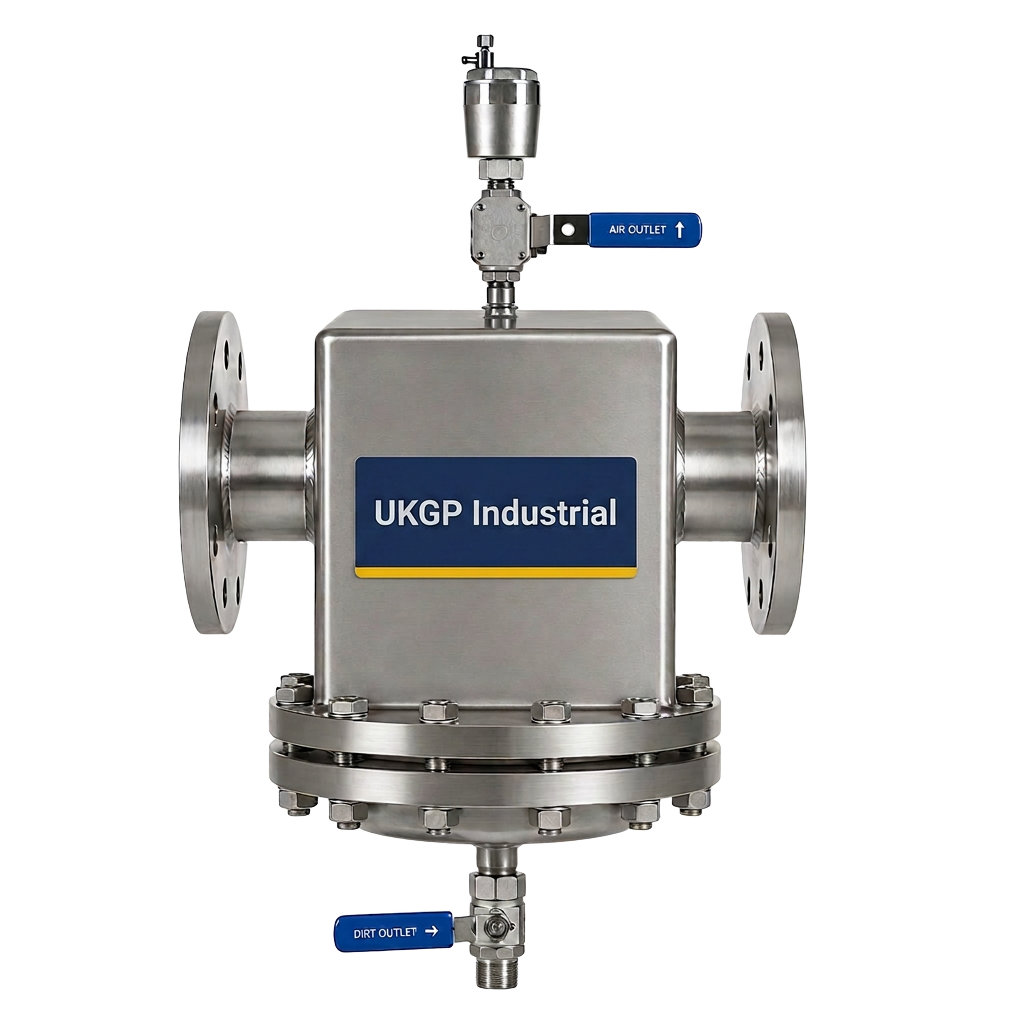
Can a low loss header replace an air and dirt separator?
- While a spirovent low loss header provides significant deaeration and dirt collection due to its low-velocity zone, in systems with high levels of debris or complex air issues, it is often used alongside dedicated air and dirt separators for maximum protection.