The Fundamentals of Hydraulic De-coupling
The primary function of both a low loss header (LLH) and a hydraulic separator is to create a zone of negligible pressure loss between the primary and secondary circuits. In traditional UK plant-room configurations, boilers were often installed with constant flow pumps. As modern secondary circuits moved toward variable volume systems using TRVs and pressure-compensated pumps, a conflict emerged: the primary pumps required constant flow to prevent heat exchanger damage, while the secondary flow was constantly modulating. Opening a 'low loss' path allows these two circuits to operate independently.
According to CIBSE AM14, the hydraulic interface must be sized so that the pressure drop across the common pipework is near zero. This prevents 'pump conflict,' where a powerful secondary pump could potentially pull flow through an idle boiler, or conversely, where primary flow bypasses the secondary circuit entirely. In high-output commercial systems involving brands like leading commercial boiler manufacturers, maintaining this independence is a warranty requirement to ensure the minimum flow rate across the primary heat exchanger is never compromised.
- Hydraulic Decoupling: Ensuring the primary circuit (boilers) is unaffected by flow fluctuations in the secondary circuit (zones).
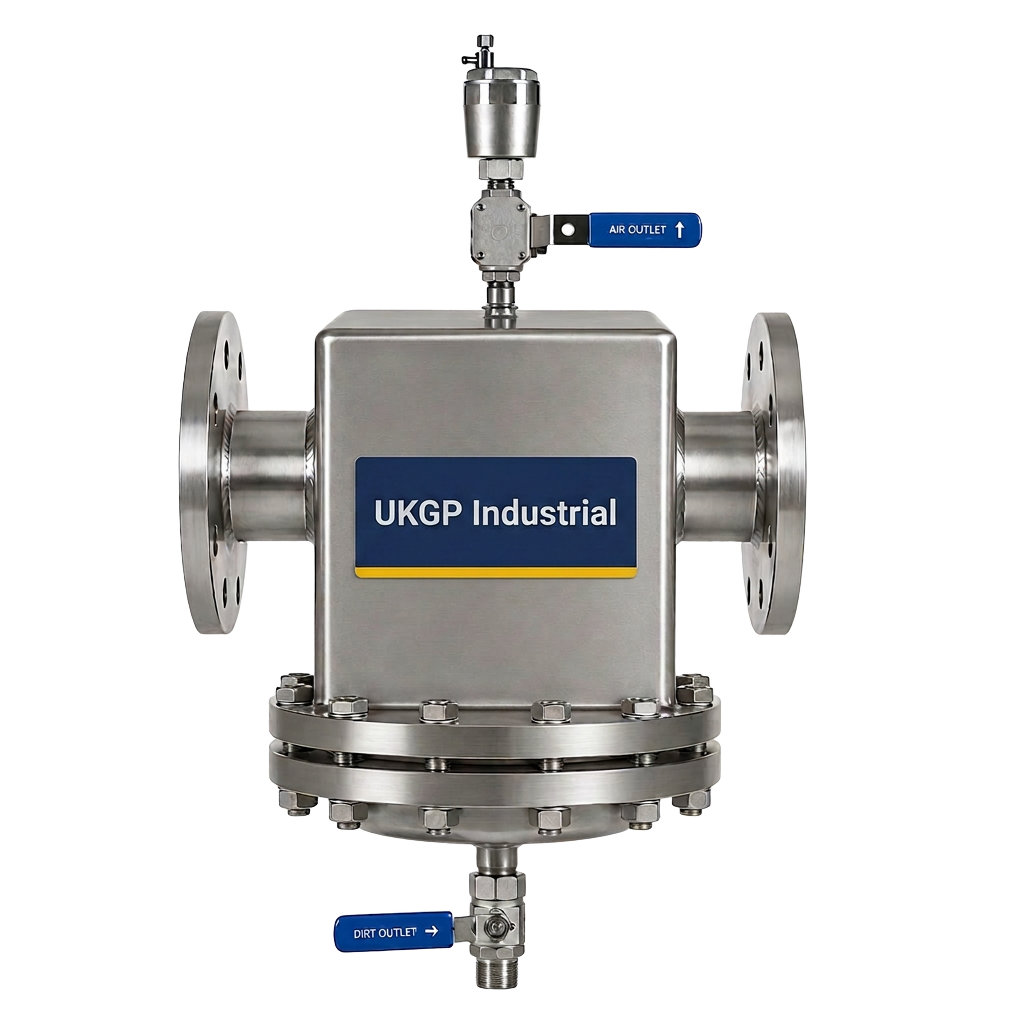
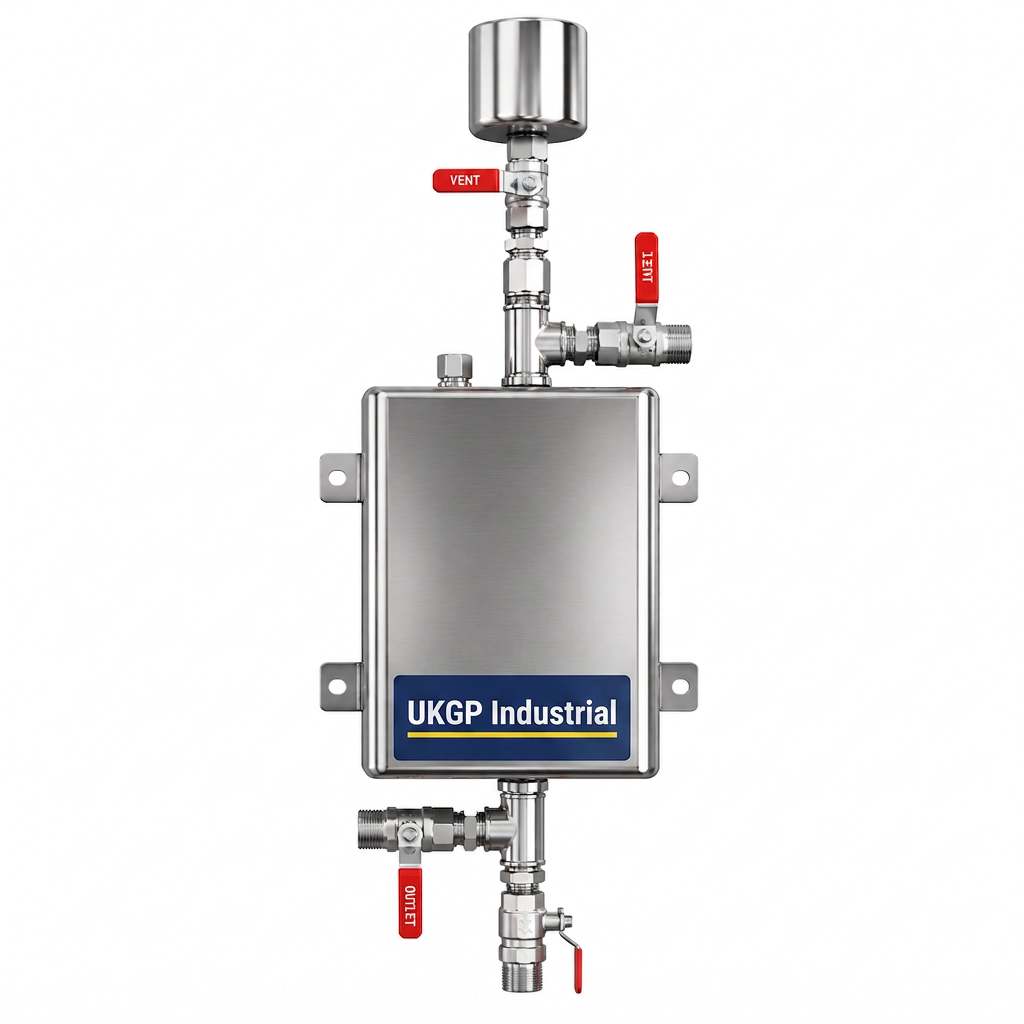
- Air and Dirt Removal: Utilising low-velocity zones to allow microbubbles to rise and magnetite to settle.
- Temperature Management: Maintaining stable flow temperatures to secondary emitters while protecting the boiler from low return temperatures.
Traditional Low Loss Headers: Design and Sizing
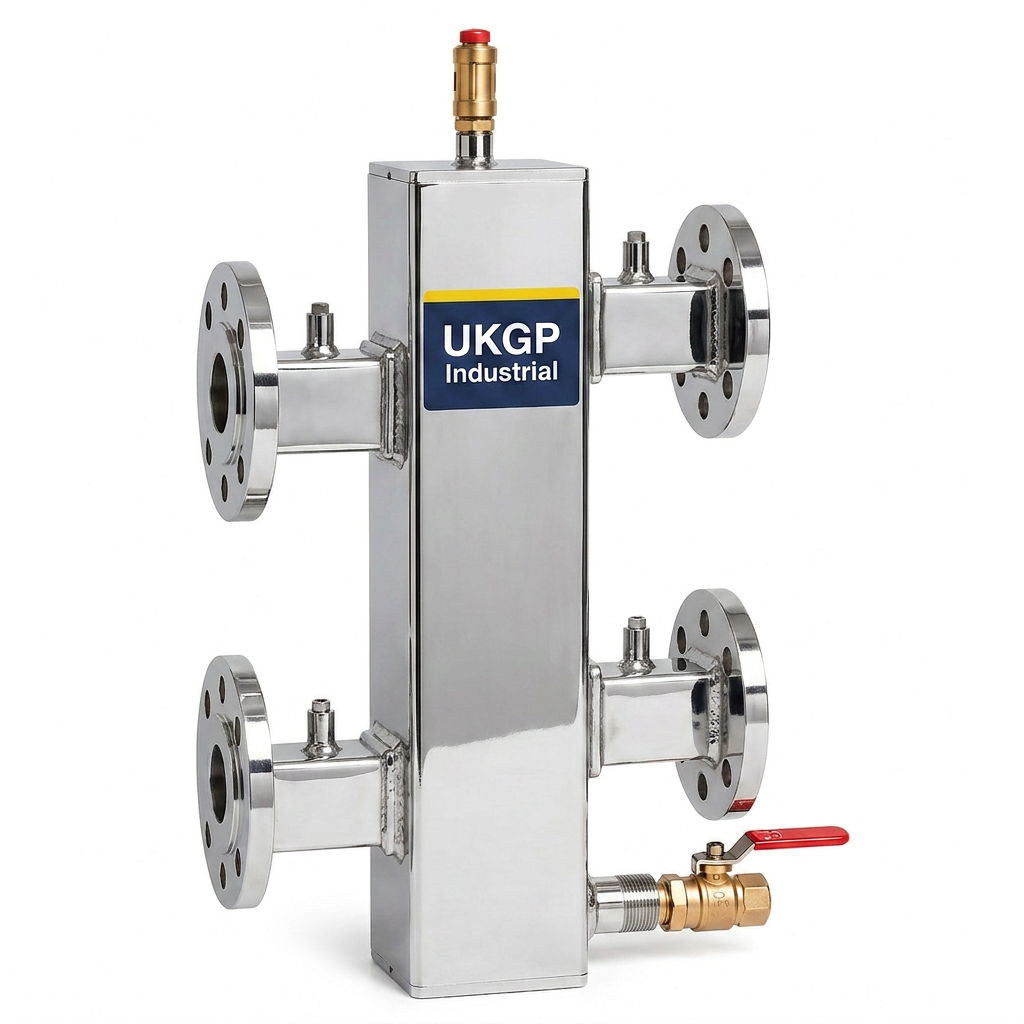
A traditional low loss header is essentially a large-diameter vertical or horizontal pipe section that acts as a bypass. The engineering logic follows the '3D' or '4D' rule, where the diameter of the header is three to four times the diameter of the inlet/outlet nozzles. This significant increase in cross-sectional area drastically reduces fluid velocity. By slowing the water down, the kinetic energy is dissipated, creating the 'neutral' pressure zone required for decoupling.
Proper sizing is critical; an undersized LLH will fail to decouple the circuits, leading to ghost flows and pump hunting. Conversely, an oversized header can lead to significant thermal lag. For building services engineers, the calculation must account for the maximum possible flow rate (typically the secondary circuit in a heating-led design) to ensure the velocity remains within the laminar flow regime, preventing turbulent mixing that could disrupt the temperature profile.
- Vertical orientation to encourage thermal stratification.
- Internal baffles or diffuser plates to reduce turbulence.
- A volume-to-flow ratio that ensures velocities below 0.5m/s within the vessel.
Frequently asked questions
How do I size a traditional low loss header?
- The '2 in 3' rule suggests the header diameter should be at least three times the diameter of the largest inlet pipe, or sized for a maximum flow velocity of 0.5m/s to ensure effective pressure decoupling.
Can a low loss header act as a dirt separator?
- Yes. While modern separators are more compact, a traditional vertical LLH provides a larger internal volume which can assist in settling heavy debris and allowing air to rise, though dedicated air and dirt separators are still recommended by BSRIA BG29/21.
Is a plate heat exchanger the same as a hydraulic separator?
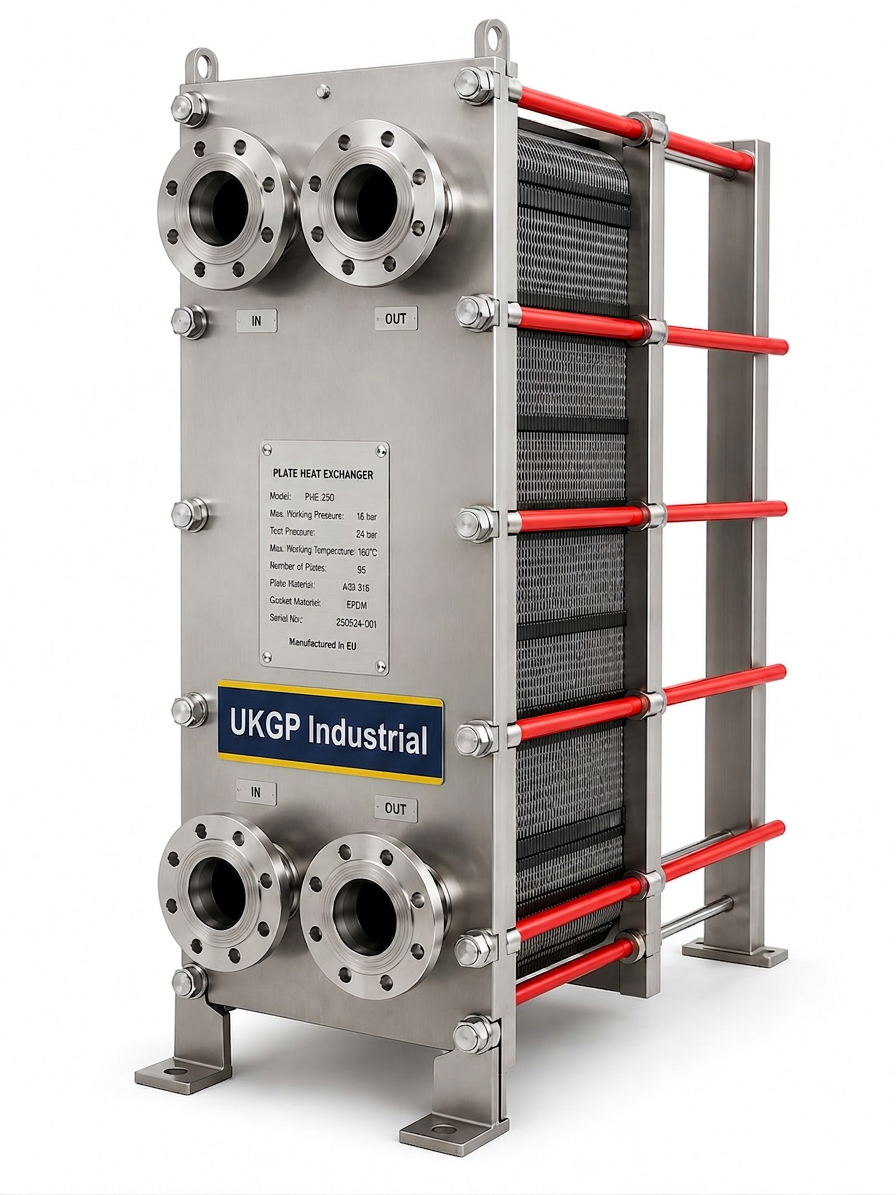
- No. While both provide hydraulic independence, an LLH relies on fluid mixing and pressure equalisation. A PHE provides physical separation, meaning primary and secondary fluids never mix, which is essential for glycol-to-water or contaminated-to-clean circuit interfaces.
Does using an LLH affect the secondary flow temperature?
- Typically, yes. If the secondary pump flow exceeds the primary pump flow, return water is mixed with flow water within the header, lowering the secondary flow temperature (T2 < T1). This must be accounted for in emitter sizing.