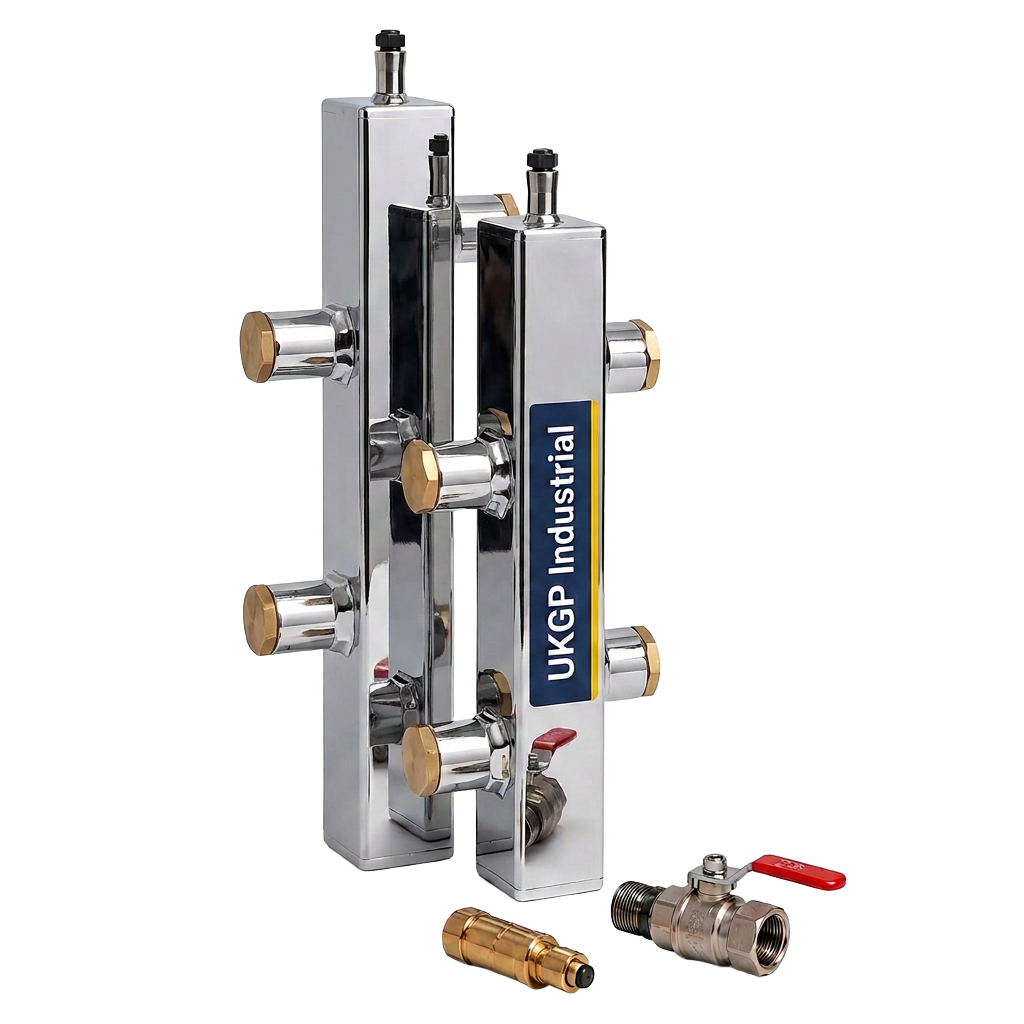
Technical Functionality of the Low Loss Header Domestic System
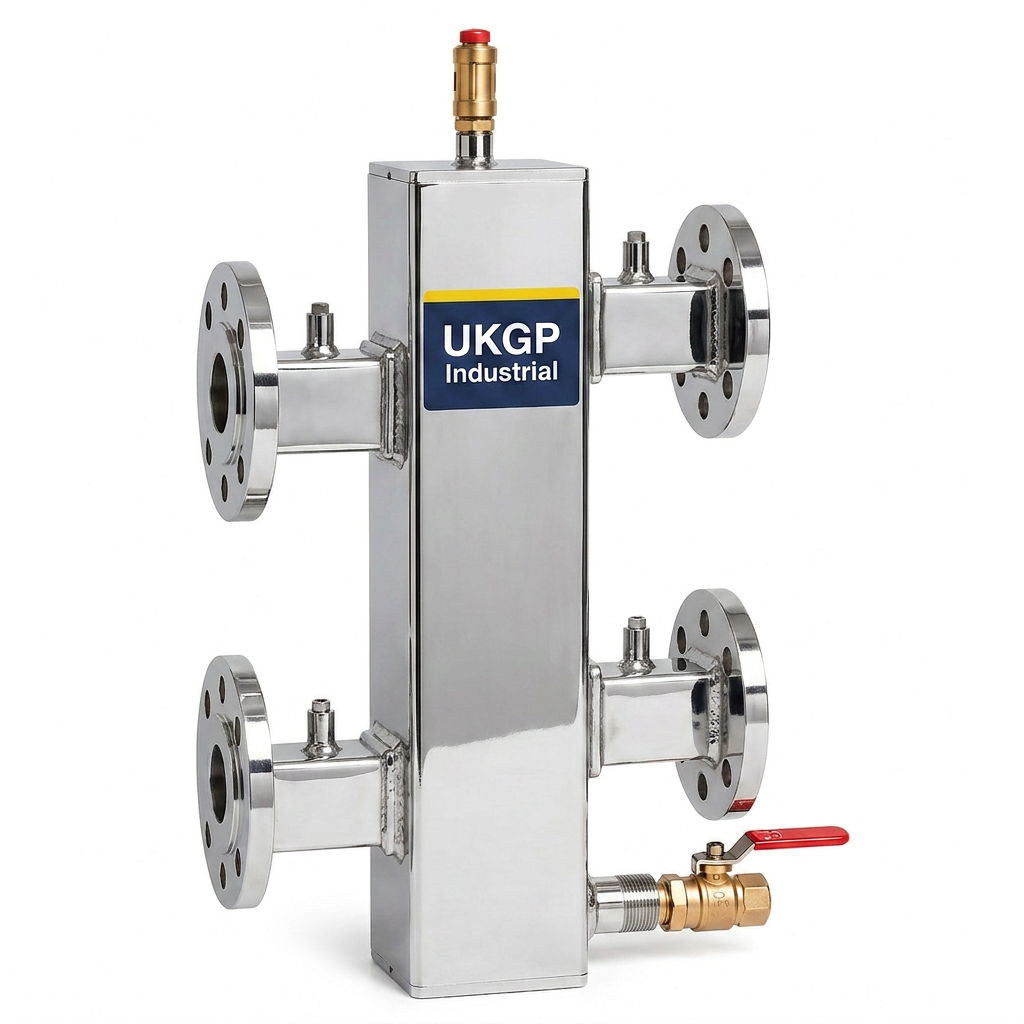
In modern high-efficiency heating systems, particularly those spanning multiple zones, the low loss header domestic unit serves as a vital bridge between the boiler plant and the distribution circuits. Its primary function is to act as a point of low pressure drop, hence the name, allowing the primary boiler circuit to operate at a constant flow rate regardless of the varying demands on the secondary side. This is particularly critical when dealing with variable speed pumps in secondary heating zones, where sudden changes in flow could otherwise cause excessive wear or operational lockouts on the primary heat source. By implementing this separation, plant room engineers can guarantee that the boiler's internal pump is never over-stressed by the external pipework resistance.
Crucially, the use of a low loss header domestic assembly prevents the primary and secondary pumps from interfering with one another's performance, a phenomenon often referred to as hydraulic interaction. Without this decoupling, the differing flow rates and pressures can lead to unpredictable temperature fluctuations and poor energy efficiency, which is directly contrary to the objectives outlined in CIBSE guidance for residential heating design. In large-scale domestic properties where heat pumps or several condensing boilers are banked together, the header provides a neutral zone where the heated water can mix slightly to maintain stable temperatures. This stability is the bedrock of building a reliable system that meets the comfort requirements of residents while protecting the long-term investment in high-value plant equipment.
From a commercial perspective, installing a robust header ensures that the warranties provided by leading commercial boiler manufacturers remain valid, as many require specific flow conditions to be met at all times. The UKGP range of headers is designed to facilitate this exact requirement, offering a streamlined path for fluid transition without the turbulence associated with lower-quality alternatives. When selecting a unit, engineers must consider the total kW capacity of the system to ensure the header is sized correctly. A well-sized low loss header domestic unit will significantly reduce the risk of short-cycling, which is one of the leading causes of premature component failure in high-output residential boiler systems across the United Kingdom today.
- Eliminates hydraulic interference between pumped circuits.
- Ensures constant flow rate through the primary heat exchanger.
- Supports variable flow requirements in secondary heating zones.
- Facilitates the mixing of return water to prevent thermal shock.
- Provides a dedicated point for air and dirt separation in some models.
Compliance with BSRIA and CIBSE standards
For any professional M&E contractor, adherence to BSRIA BG29 and BG50 is non-negotiable when commissioning new residential heating systems. The inclusion of a low loss header domestic solution often simplifies the flushing and water treatment processes required under these standards. By providing a clear point of separation, contractors can more easily isolate circuits for chemical cleaning or hydrostatic testing without risking damage to the delicate internal components of the primary boilers. Furthermore, maintaining water quality as per BS 8552 is simplified when the system architecture is logically divided, and the header often acts as the primary hub where temperature sensors and transmitters can be located for accurate building management system monitoring.
The design of these headers must also take into account the thermal efficiency requirements of modern building regulations. A low loss header domestic installation that lacks proper insulation will become a significant source of heat loss in a plant room, undermining the efficiency gains of high-output condensing technology. UKGP industrial headers are supplied with custom-fit insulation jackets as standard, ensuring that the installation meets the stringent energy performance certificates required for high-end UK developments. This attention to detail reflects the best practices suggested by CIBSE, focusing on the minimisation of parasitic energy losses while ensuring that the hydraulic design promotes the highest possible seasonal efficiency of the entire heating plant.
When specifying for high-rise residential blocks or large manor houses, the physical durability of the header is paramount. Our headers are manufactured to withstand the rigours of continuous operation, featuring either flanged PN16 or threaded BSP connections to suit the specific pipework requirements of the project. By following the commissioning protocols described in BSRIA BG29, engineers can ensure that the low loss header domestic system is free from debris before the boilers are fired. This preventive approach is far more cost-effective than attempting to rectify slag or scale issues once the system is live, which can lead to costly downtime and tenant dissatisfaction in prestigious residential settings.
- Supports BSRIA BG29 pre-commission cleaning protocols.
- Includes high-performance insulation to reduce thermal bypass.
- Compatible with various pipe connection types including PN16 and BSP.
- Enhances the longevity of secondary system components and pumps.
- Enables more accurate temperature monitoring for BMS integration.
Protecting the System with Air and Dirt Separation
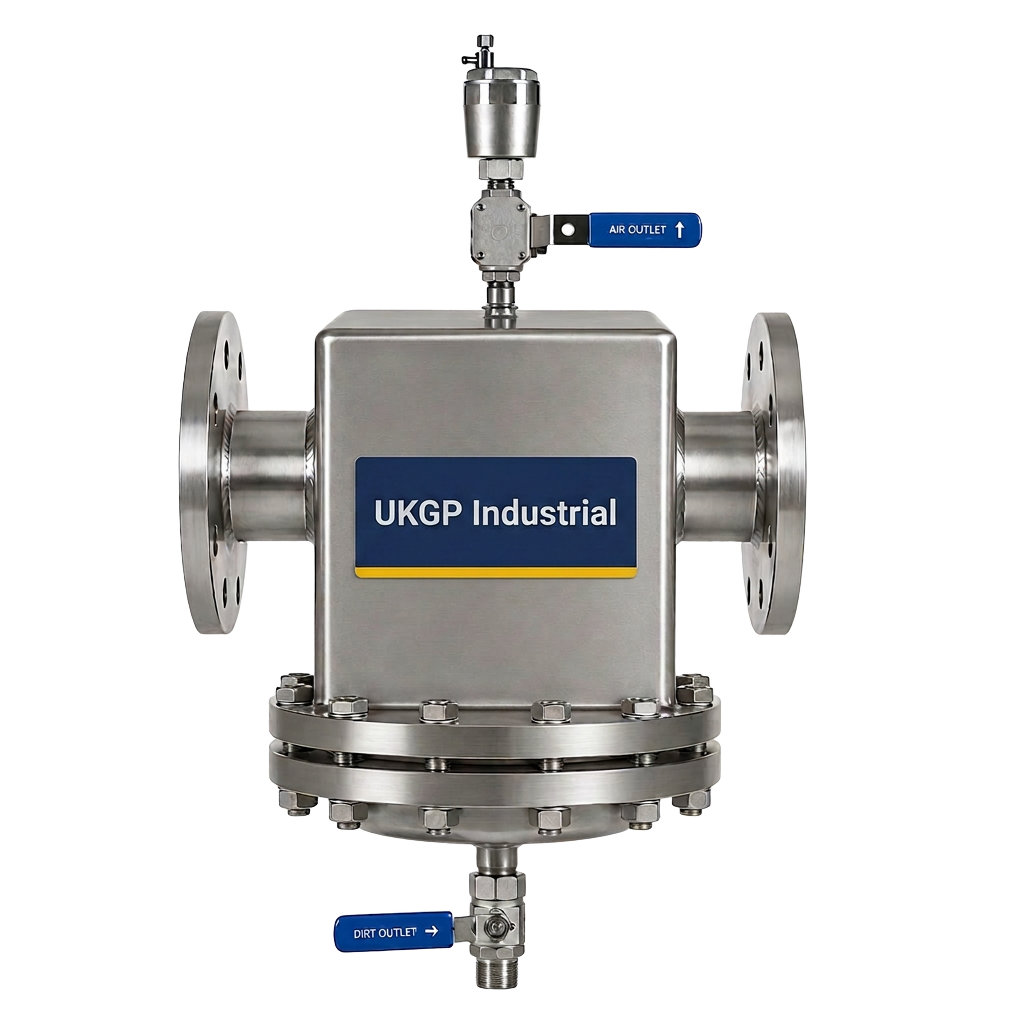
While the low loss header domestic unit manages hydraulic balance, the health of the system also depends on effective contaminant removal. Micro-bubbles and magnetite are the enemies of efficient heat transfer, often accumulating in areas of low velocity. Some header designs allow for integrated separation, but for most high-specification UK projects, the addition of a dedicated separator upstream of the header is standard practice. This ensures that the water entering the primary heat exchanger is as clean as possible, meeting the strict requirements of BS 8552 and preserving the efficiency of the boiler’s condensing operation throughout its lifecycle.
In a residential context, where noise and vibration must be kept to a minimum, ensuring the system is free from air is critical. Air trapped in the low loss header domestic circuit can cause rattling in heat exchangers and gurgling in radiators, leading to frequent service calls and occupant complaints. By utilizing high-quality air and dirt separators alongside the header, engineers create a 'quiet' system. This synergy between separation technology and hydraulic decoupling is what separates a mediocre installation from a premium UKGP-supported plant room. Our separators are designed to capture particles down to sub-micron levels, preventing the sludge build-up that often plagues older domestic installations.
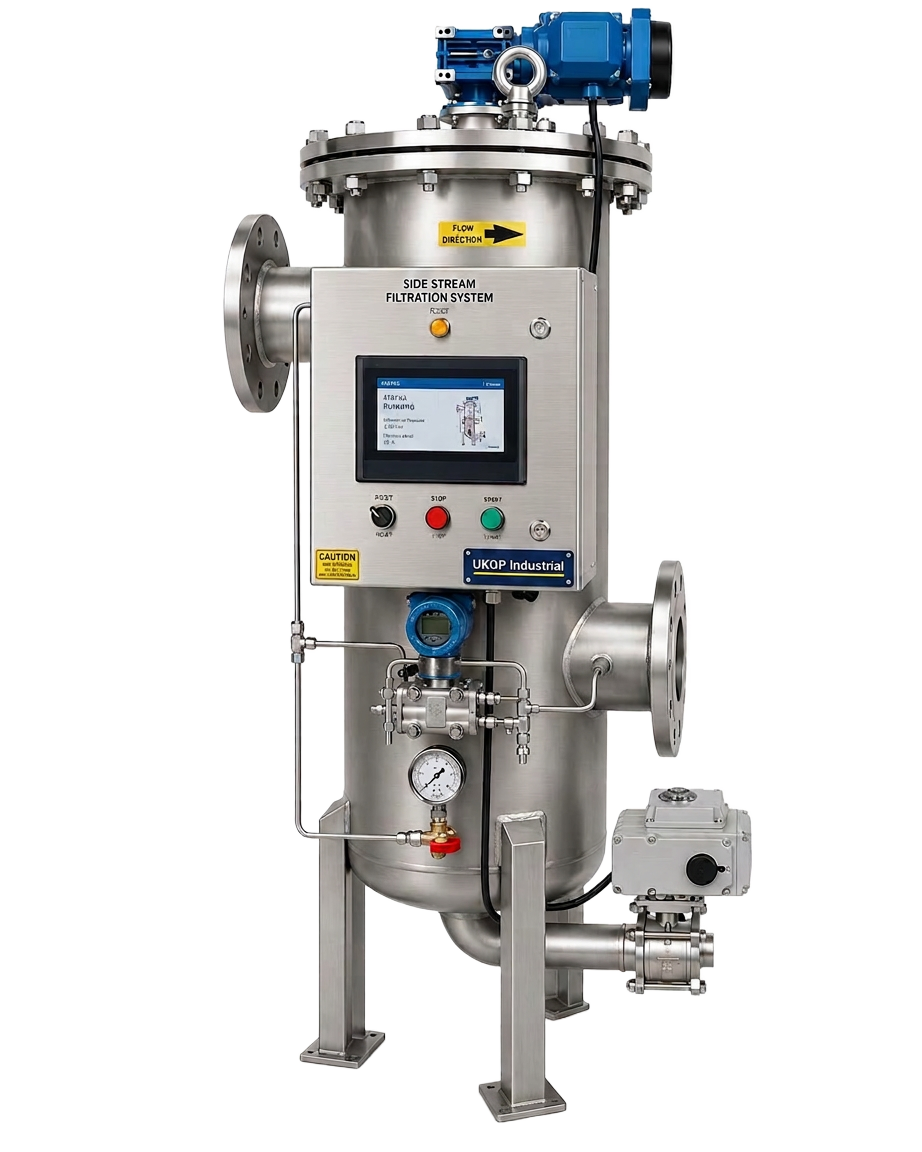
Furthermore, the integration of these components allows for easier maintenance cycles. Facilities managers can flush the dirt collector on a separator far more easily than trying to clean out a clogged header or boiler heat exchanger. When a low loss header domestic application is combined with proper side stream filtration, the water quality remains high for years, significantly reducing the frequency of chemical dosing and the associated costs. It is this holistic approach to plant room design that UKGP Industrial advocates, providing all the necessary components from dosing pots to separators to complement our primary header range, ensuring total system integrity.
- Reduced risk of magnetite build-up in boiler heat exchangers.
- Quiet operation through superior micro-bubble removal.
- Lower maintenance costs due to simplified cleaning access.
- Extension of equipment lifespan in high-demand environments.
- Better heat transfer efficiency across all terminal units.
Sizing and Selection Criteria for the Low Loss Header Domestic Range
Sizing a low loss header domestic unit is not just about matching the pipe diameter of the boiler; it is about managing the maximum volume flow rate expected from both the primary and secondary pumps. If a header is undersized, the velocity of the water remains too high, preventing the hydraulic decoupling that the system depends on. This can lead to excessive turbulence and a failure to separate air naturally. Conversely, an oversized header can lead to stagnant zones and unnecessary thermal mass. Our technical team works with M&E contractors to select headers ranging from 40 kW up to 2000 kW, ensuring that we have a solution for everything from individual luxury homes to massive multi-dwelling units.
The physical footprint of the unit must also be considered, especially in typically cramped UK residential plant rooms. A UKGP low loss header domestic solution is designed with a compact profile that does not sacrifice performance. Whether the project requires BSP threaded connections for smaller 40 kW setups or PN16 flanged connections for a 1mW+ district heating hub, our manufacturing process ensures consistency and reliability. Every unit comes with a 2-year warranty, providing peace of mind for procurement leads who must balance upfront capital costs with long-term operational security. With a lead time of just 2-3 weeks, we can support tight construction schedules without compromising on British manufacturing quality.
Finally, insulation is a critical selection factor. A bare steel header acts as a radiator in the plant room, wasting energy that could be sent to the dwellings. We provide high-quality insulation jackets with our headers to ensure they meet modern thermal requirements. For engineers specifying a low loss header domestic unit, asking for details on the insulation's thermal conductivity is just as important as the hydraulic specs. By choosing UKGP, you are choosing a partner that understands the nuances of UK building services, from the initial CAD design through to the onsite commissioning and the eventual handover to the facilities management team.
- Broad range of capacities from 40 kW to 2000 kW available.
- Short 2-3 week lead times for project-critical schedules.
- Supplied with professional-grade insulation jackets as standard.
- Available in both BSP and PN16 flanged options.
- Covered by a comprehensive 2-year manufacturing warranty.
Installation Best Practices in UK Plant Rooms
Correct installation of the low loss header domestic assembly is vital for its successful operation. It should be positioned vertically to allow for any integrated air venting at the top and dirt drainage at the bottom to function correctly. Pipework should be supported independently of the header to prevent mechanical stress on the connections, particularly when using larger PN16 flanged units in an industrial-scale residential plant room. Ensuring that the flow and return orientations are correctly matched to the boiler’s output is a top priority; reversing these connections can lead to poor temperature stratification and reduced efficiency in the secondary circuit, often resulting in higher fuel bills for the end-user.
Accessibility for maintenance must also be factored into the plant room layout. A low loss header domestic unit requires periodic inspection, and the drain valve at the base must be accessible for flushing any settled debris during annual service visits. Facilities managers should also ensure that any temperature sensors or transmitters mounted on the header are calibrated. If the header is used to signal the boiler control logic to step up or down, an inaccurate reading can lead to significant energy waste. By following a clear maintenance schedule, the hydraulic balance of the building is preserved, and the risk of emergency call-outs is greatly reduced, maintaining the high standards expected in the UK B2B sector.
When integrating with modern BMS (Building Management Systems), the low loss header domestic unit often serves as the central data point for the heating plant's performance. Monitoring the temperature differential across the header can provide early warning signs of pump failure or blockages in the secondary zones. For contractors, providing a well-installed, high-quality header like those from UKGP is an investment in the project's reputation. It shows a commitment to engineering excellence and an understanding of the complex fluid dynamics required to heat large modern buildings efficiently. Contact us today for a bespoke quote on our full range of headers and primary plant room equipment.
- Vertical mounting is required for optimal air and dirt removal.
- Requires independent pipe supports to avoid mechanical strain.
- Temperature sensors should be checked for calibration annually.
- Clearance must be maintained for drain valve access.
- System documentation should include header flow calculations.
Economic and Operational Benefits of the UKGP Solution
Investing in a high-quality low loss header domestic unit from UKGP Industrial offers significant long-term economic benefits beyond the initial purchase price. By ensuring that the boiler plant operates within its designed parameters, the header prevents the costly repairs associated with heat exchanger failure and pump burnout. For procurement leads in the M&E sector, this reduces the total cost of ownership for the building and enhances the contractor's reputation for delivering reliable systems. Our competitive pricing for 40-2000 kW units means that you do not have to compromise on quality to meet budget constraints, and our 2-year warranty provides an additional layer of financial protection.
Operationally, the reduction in air-induced corrosion and magnetite build-up means that the system remains efficient for longer. A low loss header domestic setup that is paired with high-quality chemical dosing pots and separators will maintain its thermal conductive properties, preventing the creep in energy costs that often affects older residential blocks. In the current climate of rising energy prices and stringent carbon emissions targets, every percentage point of efficiency counts. By providing a stable hydraulic environment, our headers allow condensing boilers to stay in condensing mode for longer periods, maximizing the return on investment for the heat source technology.
Ultimately, the goal of any building services engineer is to create a system that works 'out of the box' and requires minimal intervention. The UKGP low loss header domestic range is built for that purpose. With a fast 2-3 week lead time and robust construction, we help you keep your projects on track and your clients satisfied. Whether you are dealing with a small-scale luxury apartment block or a massive district heating scheme, our technical expertise and premium product range ensure that your hydraulic separation is handled with professional precision. Reach out to our Surrey-based team to discuss your specific requirements and get a technical data sheet for your next project.
- Reduces total cost of ownership by protecting primary plant.
- Supports energy efficiency goals by enabling longer condensing cycles.
- Streamlines the procurement process with reliable UK stock.
- Improves resident satisfaction by providing stable heating.
- 2-year warranty ensures long-term operational security.
Frequently asked questions
What is the maximum capacity for a low loss header domestic unit from UKGP?
- Our range covers everything from 40 kW for smaller residential needs up to 2000 kW for large-scale commercial and district heating residential projects.
What connection types are available for these headers?
- We offer both threaded BSP connections for smaller capacities and flanged PN16 connections for larger institutional and commercial residential applications.
How long is the lead time for a UKGP low loss header?
- We typically operate a 2-3 week lead time for our headers, helping UK contractors maintain their project timelines without long delays.
Does a low loss header domestic installation include insulation?
- Yes, all of our headers are supplied with a custom-fit insulation jacket to ensure thermal efficiency and compliance with building regulations.
What warranty is provided on your low loss headers?
- Every low loss header domestic unit we supply comes with a 2-year manufacturing warranty, reflecting our confidence in our British-engineered products.