The Role of the Imi Hydronic Low Loss Header in Hydraulic Separation
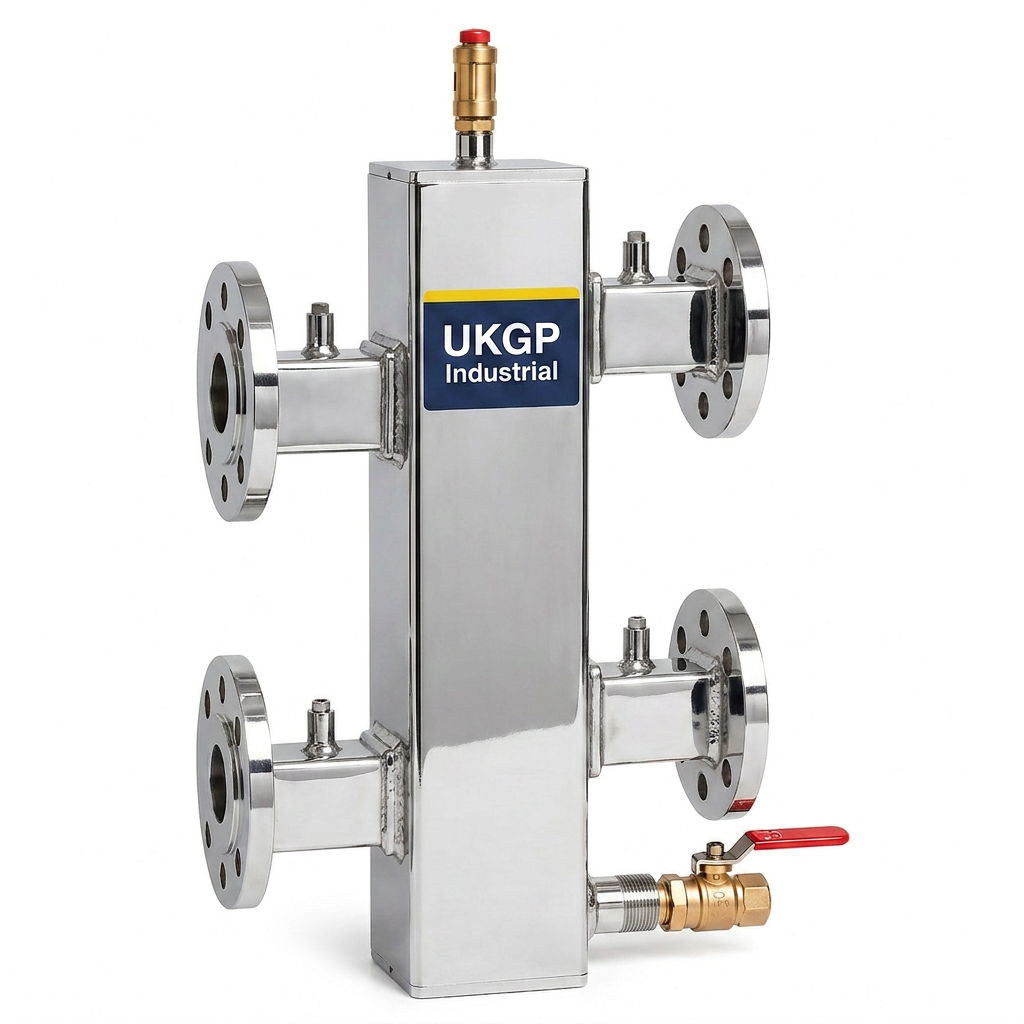
In the landscape of UK commercial building services, the imi hydronic low loss header serves as the vital point of decoupling between the primary heat generation circuit and the secondary distribution circuits. Modern high-efficiency boiler plant requires constant flow rates to prevent thermal shock and ensure condensing operation, while secondary circuits—serving varying loads like AHUs, fan coils, and underfloor heating—demand variable flow. By installing an imi hydronic low loss header, engineers create a neutral pressure zone where these two distinct circuits can operate independently without interfering with one another's pump heads or flow velocities.
Crucially, the imi hydronic low loss header facilitates the 'low loss' aspect by ensuring that the pressure drop across the vessel is negligible. This is achieved through careful internal sizing, where the vertical velocity within the header is kept purposefully low, typically below 0.1 m/s, to allow for effective hydraulic decoupling and some degree of debris settlement or air venting. When the primary flow from the boilers exceeds the secondary demand, the excess fluid bypasses the secondary circuit within the header; conversely, if demand is high, the header allows for mixing to satisfy the load, provided the temperature delta is managed through precise BMS controls and sensor placement.
For M&E contractors and facility managers, the reliability of this component is paramount. If the imi hydronic low loss header is undersized, it can lead to turbulent flow and pump conflict, resulting in system noise and reduced equipment lifespan. UKGP Industrial provides high-performance alternatives that mirror these technical specifications, offering commercial low loss headers ranging from 40 kW to 2000 kW. Our units are available with both BSP threaded or PN16 flanged connections to suit various site requirements, ensuring that your plant room design adheres to the highest engineering standards while remaining cost-effective and easy to install.
- Facilitates independent primary and secondary circuit flow management.
- Minimises pump conflict and prevents boiler short-cycling.
- Provides a neutral pressure zone essential for variable speed pumping.
- Enhances system longevity by maintaining stable operational parameters.
Technical Calculations and Sizing Procedures
Sizing an imi hydronic low loss header requires a deep understanding of the maximum flow rates on both the primary and secondary sides of the plant room. Designers must calculate the total peak load of the installed boilers and compare this to the cumulative demand of the heating zones. Best practice, as outlined by leading UK commercial boiler OEMs and industry bodies, suggests that the header should be sized based on the larger of the two flow rates. This ensures that the vessel can handle the maximum volume of water passing through it at any given time without exceeding the recommended velocity limits that define its 'low loss' status.
Velocity control is the most critical factor in header design. If water moves too fast through the imi hydronic low loss header, it destroys the laminar flow and hinders thermal layering. For UK plant rooms, engineers often apply the '3D' or '4D' rule, relating the header diameter to the pipework diameter, although modern CAD-based sizing focuses more accurately on peak volumetric flow rates in litres per second. It is also essential to account for the temperature differential; a standard 20K delta-T is common in modern condensing systems, and the header must be capable of maintaining this separation to ensure boilers return at a temperature low enough to facilitate condensing.
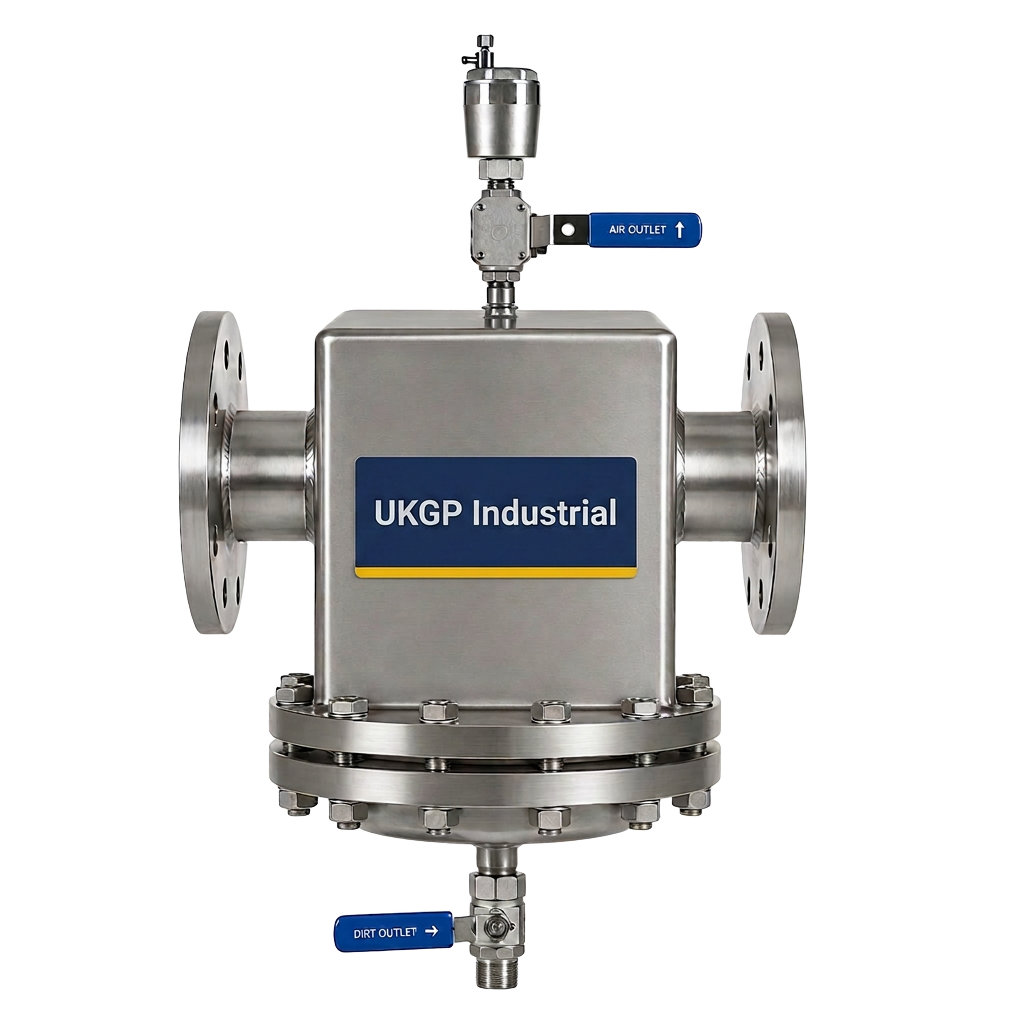
In addition to hydraulic separation, these headers often act as a secondary point of air and dirt removal. While dedicated dirt separators are preferred for comprehensive BSRIA BG29 compliance, the reduced velocity within the header allows larger particles to settle at the base, where they can be purged. UKGP Industrial low loss headers are supplied with high-quality insulation jackets as standard, ensuring that heat loss into the plant room is minimised. With a standard 2-year warranty and lead times of just 2-3 weeks, our range provides a robust solution for procurement leads who need reliable kit that meets CIBSE design requirements for efficient hydronic separation.
- Calculate flow rates based on maximum plant capacity and peak demand.
- Maintain internal vertical velocity below 0.1 m/s for optimal decoupling.
- Ensure compatibility with delta-T requirements of modern condensing boilers.
- Specify insulation jackets to comply with Part L of the Building Regulations.
Integration with Air and Dirt Separation Strategies
While the imi hydronic low loss header provides a level of separation, it should ideally be part of a wider water quality strategy. According to BSRIA BG29 (Pre-commission Cleaning) and BS 8552, maintaining clean system fluid is essential for protecting the heat exchangers within the boiler plant. Debris can accumulate in the low-velocity zones of the header, which is why UKGP headers feature dedicated tapping points for drain valves. However, for full system protection, integrating a dedicated air and dirt separator upstream of the primary circuit is the industry-recognised method for preventing component failure.
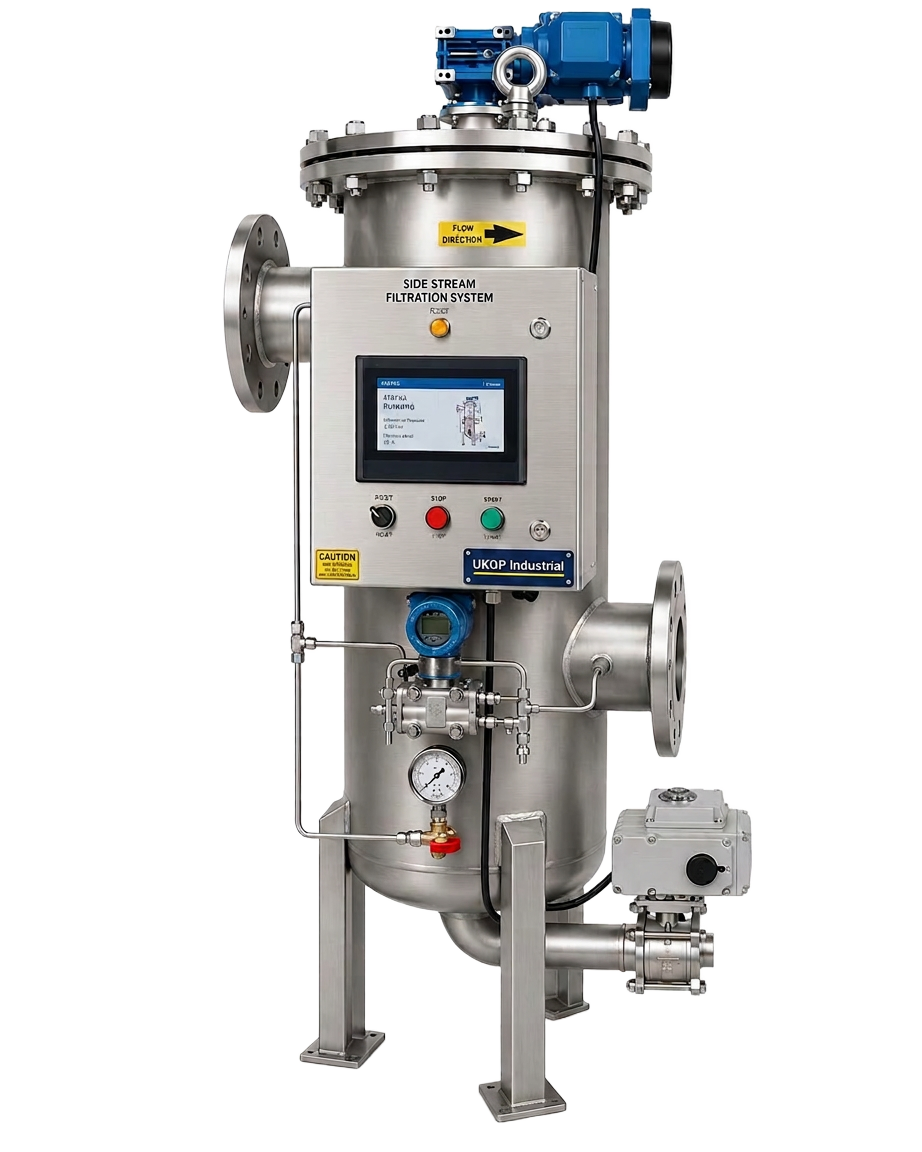
For plant rooms where space is at a premium, some engineers use the imi hydronic low loss header as an all-in-one vessel, but this can lead to compromises in filtration efficiency. A robust alternative is to pair the header with a side stream filtration skid to continuously polish the water, removing sub-micron particles and magnetite that traditional strainers miss. This proactive approach to water chemistry and physical filtration ensures that the low loss header remains free of sludge, maintaining its hydraulic characteristics over the life of the building. Procurement leads must weigh the initial cost of high-spec components against the long-term energy savings of a clean system.
Effective air management is equally important. Microbubbles in the system can lead to pump cavitation and oxidative corrosion. By using an imi hydronic low loss header with an automatic air vent fitted at the highest point, engineers can eliminate trapped air that naturally migrates to the low-pressure zone of the header. UKGP Industrial’s range of low loss headers supports these accessories, providing a versatile platform for plant room engineers who demand performance and durability. Whether you require a compact unit for a 40 kW commercial project or a large-scale flanged vessel for 2000 kW installations, our technical team can assist in selecting the correct configuration.
- Combine headers with side stream filtration for BSRIA BG29 compliance.
- Utilise automatic air vents at the header vent point to prevent corrosion.
- Implement regular purging of the header base to remove settled debris.
- Ensure water quality monitoring via BS 8552 sampling protocols.
Installation and Commissioning Requirements
Correct installation of an imi hydronic low loss header is vital for the thermal efficiency of the plant room. The vessel must be installed vertically and positioned as close to the primary boiler loop as possible. This proximity ensures that the primary pumps can overcome the small resistance of the pipework leading to the header without requiring excessive head. For UK building services contractors, ensuring that the primary and secondary connections are made to the correct ports is essential; reversing these can lead to short-cycling or thermal bypass issues that are difficult to diagnose post-commissioning.
During commissioning, the balance between primary and secondary flows must be verified. If the imi hydronic low loss header is operating correctly, there should be a clear temperature gradient or stability depending on the demand cycle. Flow rates should be measured to ensure they match the design parameters set out in the CIBSE Guide M. This is also the stage where insulation is typically fitted. UKGP Industrial provides bespoke-fit insulation jackets for our 40-2000 kW headers, ensuring that the installation looks professional and performs according to energy efficiency targets, reducing the carbon footprint of the commercial facility.
Maintenance teams should include the header in their annual plant room inspections. This involves checking the integrity of the insulation, ensuring the air vent is clear of scale, and flushing the bottom drain valve to remove any collected magnetite or sediment. Because our UKGP headers are built to high standards with a 2-year warranty and options for PN16 flanged or BSP threaded connections, FMs can rest assured that once commissioned, these units require minimal intervention. Our 2-3 week lead times ensure that even fast-track refurbishment projects can benefit from high-quality UK manufacturing without the delays often associated with imported components.
- Install vertically in a location accessible for maintenance and purging.
- Verify flow balance using ultrasonic flow meters or fixed balancing valves.
- Check that sensor pockets are correctly seated for BMS temperature monitoring.
- Inspect insulation jackets annually for thermal integrity and damage.
Comparing Header Designs for Commercial Applications
In the UK market, engineers have several choices when specifying a hydraulic separator. The imi hydronic low loss header is often selected for its brand reputation and technical reliability in high-end specifications. However, contractors must also consider the lead times and customisation options available from domestic manufacturers. UKGP Industrial offers a comparable range of low loss headers that meet the same stringent BS EN standards. Our headers are designed for versatility in commercial environments, supporting loads from 40 kW up to 2000 kW, making them suitable for everything from office blocks to large industrial estates.
One major consideration is the connection type. While smaller systems often utilise BSP threaded headers for ease of install, larger commercial boilers usually require flanged PN16 connections to handle higher pressures and flow volumes. The imi hydronic low loss header typically follows these conventions, but UKGP offers the added benefit of flexible manufacturing. If a project requires specific tapping points for temperature sensors or specialized venting, UK-based production can often accommodate these requests faster than global supply chains. This responsiveness is critical for M&E contractors working on tight schedules with strictly defined plant room footprints.
Thermal performance shouldn't be an afterthought. A header that loses heat to the ambient plant room air is effectively a radiator that reduces boiler efficiency. UKGP headers come with high-performing insulation jackets that ensure the temperature of the water entering the secondary circuit is as close as possible to the primary flow temperature. When coupled with a 2-year warranty and a delivery window of 2-3 weeks, our low loss headers represent a commercially aware choice for engineers who need to balance technical excellence with budget and project timeline constraints, ensuring the heating system remains balanced and efficient for years.
- Select between BSP or PN16 flanged connections based on system pressure.
- Evaluate lead times to avoid project delays during the heating season.
- Prioritise headers with high-quality insulation for energy conservation.
- Ensure the product warranty aligns with the overall plant room handover terms.
Future-Proofing Your Hydronic System Design
As the UK transitions toward lower carbon heating solutions, such as heat pumps and district heating connections, the role of the imi hydronic low loss header remains relevant but requires even tighter design tolerances. Low-temperature heating systems operate with smaller temperature differentials, meaning higher flow rates are required to deliver the same amount of energy. The header must be sized to accommodate these increased volumes without creating turbulence. Designers must look ahead at potential system upgrades and ensure that the installed header has the capacity to handle future flow requirements if the heat source is changed.
In smart building applications, data is king. Adding temperature sensors to both the primary and secondary ports of an imi hydronic low loss header allows the BMS to monitor the mixing ratio in real-time. This data can be used to optimize boiler staging and pump speeds, further reducing energy consumption. UKGP low loss headers can be supplied with multiple sensor pockets to facilitate this level of control. By choosing a header that is built to last and designed with these modern control strategies in mind, consultants can ensure their plant rooms remain at the forefront of efficiency and reliability, satisfying even the most demanding procurement leads.
Ultimately, the goal of any hydraulic separation strategy is to create a 'set and forget' system that delivers comfort to end-users while protecting the client's investment in high-cost plant. Whether you are specifying an imi hydronic low loss header or a UKGP Industrial equivalent, focusing on quality material, robust insulation, and accurate sizing is the path to success. Request a quote from UKGP Industrial today for our 40-2000 kW low loss headers, and take advantage of our 2-3 week lead times and 2-year warranty for your next MEP project. We are here to support your technical requirements and ensure your plant room delivers peak performance.
- Anticipate higher flow rates associated with low-carbon heat sources.
- Utilise multiple sensor pockets for enhanced BMS system visibility.
- Ensure long-term durability by selecting heavy-duty mild steel construction.
- Consider the environmental impact of heat loss in high-demand plant rooms.
Frequently asked questions
What is the primary function of an imi hydronic low loss header?
- The primary function is to decouple the primary boiler circuit from the secondary distribution circuits, allowing each to operate at different flow rates and pressures without hydraulic interference.
What are the common connection types for commercial low loss headers?
- Commercial units are usually available as BSP threaded for smaller applications or PN16 flanged for larger, higher-pressure systems, typically covering capacities from 40 kW to 2000 kW.
How does a low loss header help with air and dirt removal?
- The header acts as a low-velocity zone where water slows down, allowing microbubbles to rise to an automatic air vent at the top and heavier debris to settle at the bottom for purging via a drain valve.
What lead times can I expect for a UK-manufactured low loss header?
- UKGP Industrial typically offers a lead time of 2-3 weeks for our commercial low loss headers, ensuring rapid supply for time-sensitive M&E projects across the UK.
Why is insulation important for a low loss header?
- Insulation jackets prevent unwanted heat loss to the plant room, ensuring that thermal energy is delivered to the building zones and keeping the system compliant with energy efficiency regulations like Part L.