The Role of a 40 kW low loss header in Hydraulic Separation
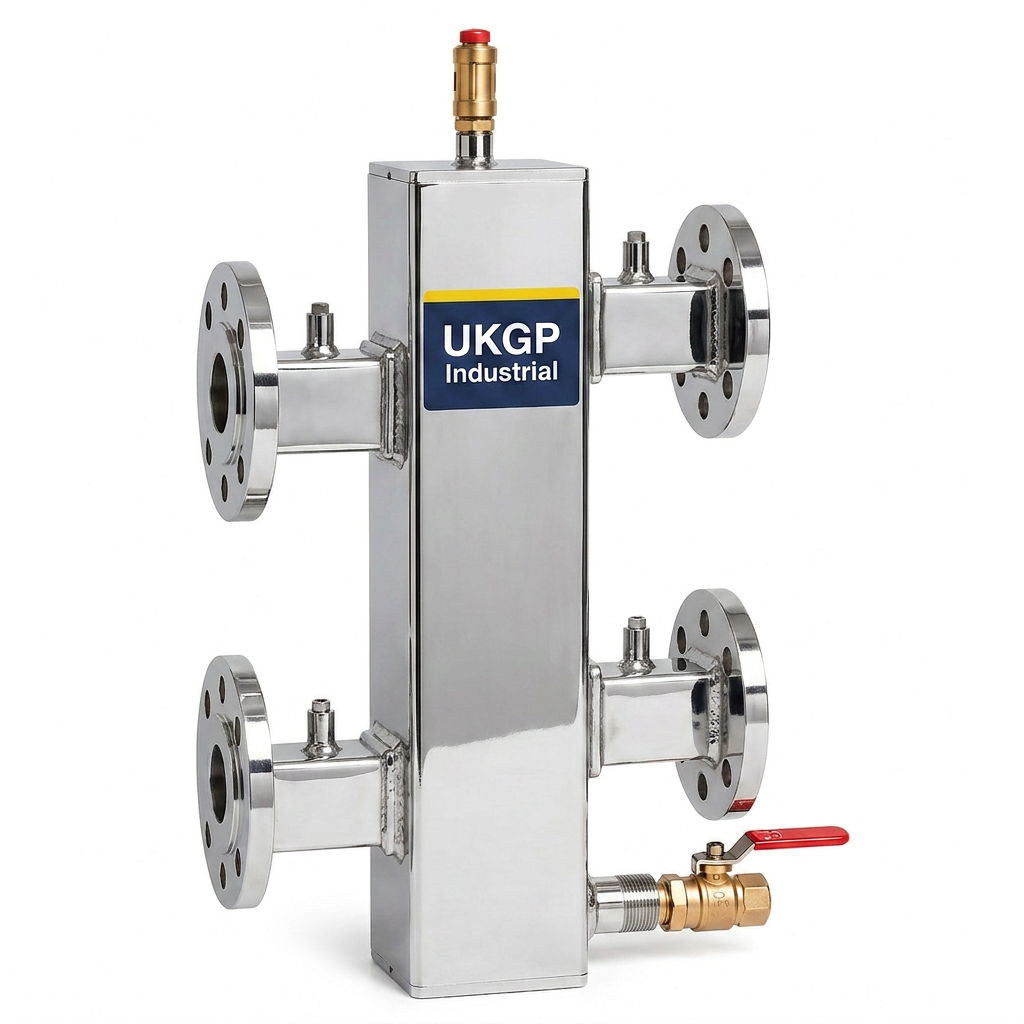
In modern commercial heating systems, maintaining the correct flow rate is essential for the longevity of the heat source and the efficiency of the distribution circuits. A 40 kw low loss header serves as a neutral pressure zone, effectively decoupling the primary circuit, which contains the boiler or heat pump, from the secondary circuits that serve radiators, underfloor heating, or fan coil units. By implementing this separation, the 40 kw low loss header ensures that the variable flow demands of the secondary side, often controlled by three-way valves or inverter-driven pumps, do not negatively impact the constant flow required by the heat source. This technical configuration prevents pump conflict and allows the primary circuit to maintain the necessary delta-T for condensing boilers to operate at peak efficiency.
When consulting BSRIA BG29 and BG50 guidelines, the importance of water quality and flow management in closed-loop systems is frequently highlighted. The inclusion of a 40 kw low loss header aids in this process by acting as a point of low velocity where heavy particulates can settle and air bubbles can rise. This secondary benefit, while not a replacement for a dedicated dirt separator, enhances the overall longevity of plant room components. For M&E contractors, selecting a header that meets these hydraulic requirements while remaining cost-effective is a balancing act of technical specification and commercial reality. UKGP units are designed with these specific UK industry standards in mind, ensuring ease of installation and long-term reliability in the field.
From a commercial perspective, procuring a 40 kw low loss header involves more than just looking at the heat output rating. Engineers must consider the internal velocity, which should ideally remain below 0.1 to 0.2 metres per second to facilitate effective decoupling. At UKGP Industrial, we manufacture units that handle outputs from 40 kW up to 2000 kW, ensuring that whether you are working on a small office block or a large-scale district heating project, the hydraulic separation remains robust. Our headers come with high-quality insulation jackets as standard, minimizing heat loss and contributing to the overall BREEAM or EPC rating of the building through improved thermal efficiency and reduced energy waste.
- Provides total hydraulic decoupling between primary and secondary circuits.
- Maintains manufacturer-recommended flow rates for boiler heat exchangers.
- Allows for independent pump sizing and control on both system sides.
- Reduces technical friction between heating stages in complex plant rooms.
Sizing Calculations for Your 40 kW low loss header
Sizing a 40 kw low loss header requires an understanding of the relationship between power, temperature difference, and flow rate. For a standard 40 kW load with a 20-degree Delta-T, the flow rate sits approximately at 1.72 cubic metres per hour. However, if the system is designed for a lower Delta-T, such as 10 degrees for a heat pump application, the flow rate doubles, necessitating a larger header body to keep the internal velocity low. Failure to correctly size the 40 kw low loss header can lead to turbulent flow, which defeats the purpose of the neutral zone and can cause significant noise issues or pump cavitation within the secondary distribution circuits. Proper sizing is therefore the foundation of any successful plant room installation.
CIBSE Guide B provides the framework for calculating these requirements, but practical application often relies on the manufacturer's technical data sheets. At UKGP, we provide comprehensive sizing charts that correlate the kW rating with the physical dimensions of the header, including the diameter of the BSP or PN16 flanged connections. For a 40 kW application, a threaded BSP connection is often standard, though we can provide flanged PN16 options for higher-pressure systems or where site standards dictate specific joinery. By selecting the correct 40 kw low loss header from the start, contractors can avoid the costly rework associated with undersized pipework that fails to deliver the required thermal energy during peak winter loads.
Another crucial factor in sizing is the physical footprint within the plant room. Low loss headers can be installed vertically or horizontally, depending on space constraints and the location of the flow and return headers. Our 40 kw low loss header is designed to be compact yet highly efficient, featuring a 2-year warranty and a lead time of just 2-3 weeks. This ensures that even on tight project schedules, the procurement lead can secure a high-specification component that fits the mechanical design perfectly. We also recommend considering the integration of temperature sensors; many of our headers feature tapping points for thermometers or BMS sensors, allowing for real-time monitoring of primary flow and return temperatures as per modern Smart Building requirements.
- Calculate flow rate based on specific system Delta-T requirements.
- Ensure internal velocity remains within the range of 0.1m/s to 0.2m/s.
- Select between threaded BSP or PN16 flanged connections for site compatibility.
- Evaluate the spatial footprint for vertical or horizontal mounting configurations.
Pricing Factors and Procurement Values
When assessing the pricing for a 40 kw low loss header, procurement leads must look beyond the initial purchase price to consider the total cost of ownership. Factors such as the quality of the finish, the thickness of the insulation jacket, and the robustness of the mounting brackets all play a role in the unit's value. A cheaper, uninsulated header may save money upfront, but the resulting heat loss and potential condensation issues will lead to higher operational costs and potential remedial work. UKGP Industrial offers competitively priced solutions for the 40-2000 kW range, providing a 40 kw low loss header that includes a premium insulation jacket as standard to ensure compliance with Part L of the Building Regulations regarding thermal conservation.
Lead times are another vital commercial consideration. On many UK construction sites, delays in plant room components can hold up the entire commissioning phase. Our standard lead time of 2-3 weeks for a 40 kw low loss header is designed to keep projects on track without compromising on manufacturing quality. Pricing is also influenced by the material used and the testing standards applied during production. All our headers undergo rigorous pressure testing to ensure they exceed the requirements of the BS EN standards, providing peace of mind for the FM or plant-room engineer who will be responsible for the system's long-term maintenance. Requesting a quote from UKGP ensures you receive a transparent, technical proposal tailored to your specific project needs.
Finally, the inclusion of features such as a 2-year warranty should be factored into the pricing analysis. A longer warranty period indicates the manufacturer's confidence in the product's durability, which is essential for B2B contracts where reliability is paramount. Since the cost of a 40 kw low loss header is relatively small compared to the boilers or chillers it protects, choosing a high-specification UKGP unit is a wise investment. By preventing premature pump failure and ensuring the heat source operates within its design parameters, the header pays for itself through reduced service calls and improved system longevity. Whether you require a single unit for a small commercial refurbishment or multiple units for a large development, our team provides the technical and commercial support needed.
- Include high-quality insulation as standard to meet energy efficiency goals.
- Prioritise quick lead times of 2-3 weeks to avoid site delays and penalties.
- Assess warranty terms to protect against long-term maintenance liabilities.
- Compare BSP vs PN16 connection costs based on system design pressures.
Integration with Air and Dirt Separators
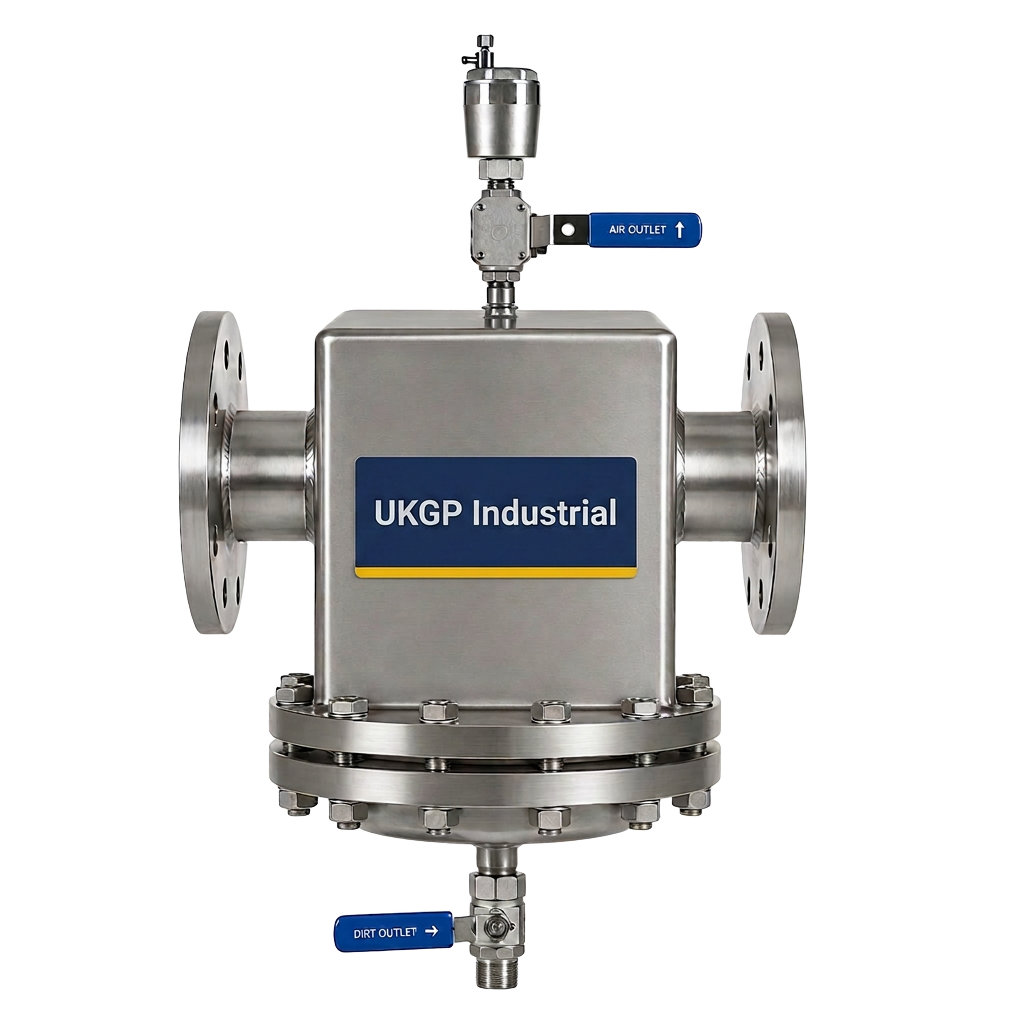
While the 40 kw low loss header provides a zone of low velocity, it is often best practice as per BSRIA BG50 to install a dedicated air and dirt separator in conjunction with the header. This combination ensures that micro-bubbles and sludge are removed before they can enter the sensitive heat exchanger of the boiler. While the header handles the pressure equalisation, the separator handles the fluid cleanliness, which is vital for maintaining the efficiency of the 40 kw low loss header's internal flow environment. At UKGP, we supply a wide range of complementary components that work seamlessly with our headers to create a high-performance plant room ecosystem.
Installing an air and dirt separator alongside a 40 kw low loss header also simplifies the commissioning and maintenance process. It allows the FM or engineer to flush the system and remove air more effectively during the initial fill, reducing the risk of air locks that can cause localized overheating or noise. This holistic approach to system design is what sets apart professional M&E contractors who prioritize long-term performance over the lowest possible install cost. By specifying UKGP for both the header and the separation equipment, consultants can ensure component compatibility and unified technical support, streamlining the procurement process and ensuring that all parts meet the same high UK manufacturing standards.
Furthermore, our technical team is available to advise on the placement of these components. Generally, the air and dirt separator should be placed on the primary return before the 40 kw low loss header to catch debris from the secondary circuits, or on the flow to protect the secondary pumps from air. Regardless of the configuration, the goal is to protect the integrity of the hydraulic separation. Our 40-2000 kW range is built to withstand the rigours of commercial heating and cooling, offering the versatility required for various plant room layouts. We invite HVAC engineers to contact us for specific CAD drawings or datasheets to assist in their design and integration process.
- Enhance water quality by pairing headers with dedicated separators.
- Comply with BSRIA BG50 standards for closed-loop system cleanliness.
- Protect boiler heat exchangers from debris and air-borne corrosion.
- Improve system commissioning times with integrated separation strategies.
Installation Best Practices for Commercial Headers
Proper installation is key to ensuring the 40 kw low loss header performs its technical function. The unit must be securely mounted using the provided brackets, ensuring it can support the weight of the water when fully flooded. For a 40 kw low loss header, this weight is manageable but still requires a solid substrate or steel frame. It is also important to ensure there is sufficient clearance for the insulation jacket to be fitted and for any future maintenance, such as draining the unit or replacing sensors. Our headers are designed for ease of access, with clearly marked flow and return connections to prevent installation errors on site.
Engineers should also ensure that the primary and secondary pumps are correctly balanced in relation to the header. The 40 kw low loss header works most effectively when the flow rates on either side are closely matched during peak load, though it is designed to handle the imbalances that occur during partial load conditions. Using a high-quality UKGP header ensures that these changes in flow don't lead to thermal shock in the boiler. With our 2-year warranty, you can be confident that the unit is built to handle these constant hydraulic fluctuations without internal fatigue or leakage at the connection points, whether using BSP or PN16 flanged joins.
Finally, always refer to the specific project's mechanical specification regarding insulation and thermal bridging. The insulation jackets provided with our 40 kw low loss header are specifically tailored to fit the unit tightly, preventing heat plumes that can raise the temperature of the plant room and waste energy. This attention to detail is essential for meeting modern UK building standards. If you are working on a project with a tight deadline, contact us today to secure your order with our 2-3 week lead time, ensuring your 40-2000 kW system is balanced and ready for commissioning according to the project timeline.
- Verify mounting substrate can support flooded weight of the header.
- Ensure clear orientation of flow and return to avoid cross-contamination.
- Utilise provided insulation jackets to meet thermal regulation compliance.
- Plan for adequate clearance around the header for maintenance access.
Summary of 40 kw low loss header Technical Specs
In conclusion, the 40 kw low loss header is an indispensable component for any commercial HVAC system looking to achieve hydraulic stability and energy efficiency. By decoupling the circuits, it allows for sophisticated control strategies that protect expensive heat sources and improve occupant comfort. UKGP Industrial remains the preferred supplier for Surrey and the wider UK market, offering units from 40-2000 kW that are engineered for the demanding environments of modern plant rooms. Our commitment to quality, backed by a 2-year warranty and fast 2-3 week delivery, makes us the ideal partner for your next mechanical contract.
When you choose a 40 kw low loss header from UKGP, you are choosing a product that meets British standards and is designed by engineers for engineers. We understand the pressures of M&E contracting and the importance of having reliable, well-documented components. Whether you need a standard BSP threaded unit or a heavy-duty PN16 flanged header, we have the manufacturing capacity and technical expertise to deliver. Our pricing reflects the high-grade materials and professional finish required for high-stakes commercial projects, ensuring you get the best performance for your investment.
To move forward with your procurement, we recommend reviewing your system's maximum flow rates and connection requirements. Our sales team is ready to provide a detailed quote for a 40 kw low loss header or any other size up to 2000 kW. With insulation jackets included and a robust design that facilitates air and dirt management, our headers represent the gold standard in UK hydraulic separation technology. Don't risk system instability with inferior components; trust UKGP Industrial for your hydraulic decoupling needs and ensure your plant room operates at peak performance for years to come.
- Supports boiler outputs from 40 kW up to 2000 kW for varied applications.
- Rapid 2-3 week lead times for standard and custom header orders.
- Available in BSP threaded or PN16 flanged options for diverse requirements.
- All units include a 2-year warranty and a high-efficiency insulation jacket.
Frequently asked questions
What is the primary function of a 40 kW low loss header?
- The primary function is to provide hydraulic separation between the heat source (primary circuit) and the heat emitters (secondary circuit), preventing pump conflict and ensuring minimum flow rates are maintained through the boiler heat exchanger.
Can a 40 kW low loss header be used for cooling systems?
- Yes, low loss headers are also used in chilled water systems to decouple the chiller primary loop from the building distribution circuits, ensuring the chiller operates at its design flow rate regardless of load changes.
What connections are available for a 40 kW low loss header?
- UKGP Industrial provides 40 kW headers with standard BSP threaded connections for smaller applications, or PN16 flanged connections for higher pressure or more demanding commercial specifications.
What is the lead time for a UKGP 40 kw low loss header?
- Our standard lead time is approximately 2 to 3 weeks, though we recommend contacting our sales team for the most accurate delivery schedule based on your specific order volume and customization requirements.
Is the insulation jacket included with the 40 kw low loss header?
- Yes, at UKGP Industrial, all our low loss headers come as standard with a high-quality thermal insulation jacket to help meet UK Building Regulations and minimize energy waste.