TECHNICAL ENGINEERING SERIES

What are expansion bellows?

In modern building services and industrial process piping, thermal expansion is an physical inevitability that, if unmanaged, leads to catastrophic mechanical failure. Expansion bellows (or expansion joints) are the primary engineering solution used to absorb movement, isolate vibration, and compensate for subsidence in pressurised systems. For UK consultants and contractors, the correct specification of these components requires a deep understanding of metallurgy, elastomer properties, and the mechanics of pressure thrust. This guide explores the technical parameters of axial, lateral, and angular movement, governed by standards such as EN 14917 and EJMA guidelines.

10 June 2026 10 min readExpansion bellows
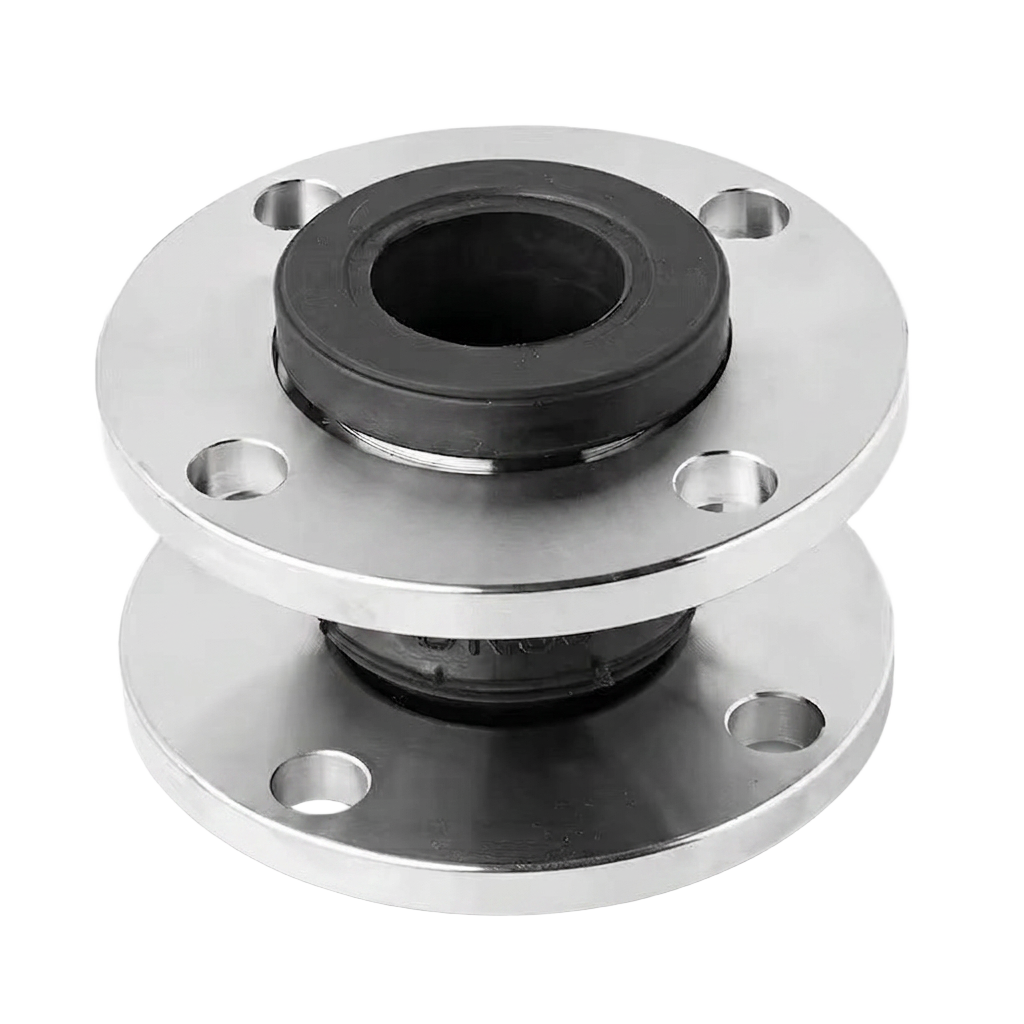
What are expansion bellows? — UKGP rubber expansion bellows for pipework movement and vibration
UKGP rubber expansion bellows for pipework movement and vibration

The Role of Expansion Bellows in Pressurised Systems

Expansion bellows are flexible connectors integrated into pipework systems to act as a 'weak link' by design. However, this flexibility must be carefully engineered to ensure the component can withstand the system's maximum operating pressure and temperature. Without these joints, the thermal expansion of steel or copper pipework—which can be significant in long runs of LTHW or steam services—would exert immense forces on fixed anchors, plant connections, and boiler nozzles.

In the UK, the design of these systems is typically guided by CIBSE requirements and the Expansion Joint Manufacturers Association (EJMA) standards. Whether it is a stainless steel convolution or a reinforced EPDM carcass, the bellow must maintain pressure integrity while deforming under load. Failure to account for these forces often results in buckled pipework or sheared flange bolts at pump headers.

The application determines the material choice. Metal bellows are generally utilised in high-temperature or high-pressure scenarios, such as steam or district heating mains, whereas rubber bellows are the industry standard for vibration isolation in HVAC plant rooms where temperatures rarely exceed 110°C.

  • Absorption of thermal expansion and contraction in LTHW, MTHW, and steam systems.
  • Isolation of mechanical vibration from circulating pumps and chillers.
  • Compensation for building settlement or seismic shifts in large-scale commercial structures.
  • Reduction of noise transmission through the pipework fabric.

Frequently asked questions

Can expansion bellows be used to correct piping misalignment?

No. Standard expansion bellows are designed for specific movements. If a pipe is substantially misaligned, it exerts 'spring rate' forces on the bellow before the system even operates, leading to premature fatigue. Piping must be aligned within the tolerances specified by EJMA or the manufacturer.

When are tie rods required on expansion joints?

For metal bellows, tie rods are used to resist the pressure thrust, effectively turning an axial joint into a lateral one. For rubber bellows, they prevent the joint from over-elongating under pressure. If a system is not anchored to withstand pressure thrust, tied bellows are mandatory.

Do I need an internal sleeve for my bellows?

Internal sleeves (liners) should be specified when flow velocities exceed 7 m/s for liquids or 20 m/s for gases, or where the media is abrasive. They prevent flow-induced vibration and erosion of the convolutions.

What is the difference between rubber and metal bellows for vibration?

Rubber bellows (EPDM/Nitrile) are superior for high-frequency vibration isolation and noise reduction. Metal bellows are preferred for high temperatures, high pressures, and where long-term fire rating or vacuum resistance is required.
Keep reading

Related articles

Expansion bellows

How do expansion bellows work?

In any rigid piping system, thermal expansion and contraction are inevitable. Without a mechanism to absorb this movement, the resulting stresses would lead to catastrophic failure of welds, flanges, and equipment nozzles. Expansion bellows—whether manufactured from elastomers or stainless steel—serve as the flexible 'lung' of the plant room. This guide explores the engineering principles of axial, lateral, and angular movement, focusing on correct selection and installation according to UK industry standards including EJMA and BS EN 14917.

Read
Expansion bellows

Types of expansion bellows for building services

In modern building services and industrial plant rooms, thermal expansion and vibration are significant drivers of system failure. As temperatures fluctuate in LTHW, steam, or chilled water circuits, the resulting linear growth can exert forces capable of buckling pipework, shearing bracketry, or damaging expensive plant like chillers and boilers. Selection of the correct expansion joint—whether rubber or stainless steel—is not merely a matter of pipe diameter; it requires a rigorous assessment of pressure thrust, movement vectors, and media compatibility. This guide outlines the engineering principles behind axial, lateral, and angular bellows, grounded in UK standards such as BSRIA BG29/21 and EN 14917.

Read
Expansion bellows

Axial vs Lateral vs Angular Expansion Bellows: A Technical Comparison

In commercial HVAC and industrial process piping, managing thermal expansion is a critical safety and longevity requirement. Failure to correctly specify the mode of movement—axial, lateral, or angular—leads to catastrophic anchor failure, buckled pipework, and premature bellows fatigue. This technical guide examines the mechanical differences between these configurations, the application of EJMA (Expansion Joint Manufacturers Association) standards, and the compliance requirements under EN 14917 for UK building services.

Read
Request Quote