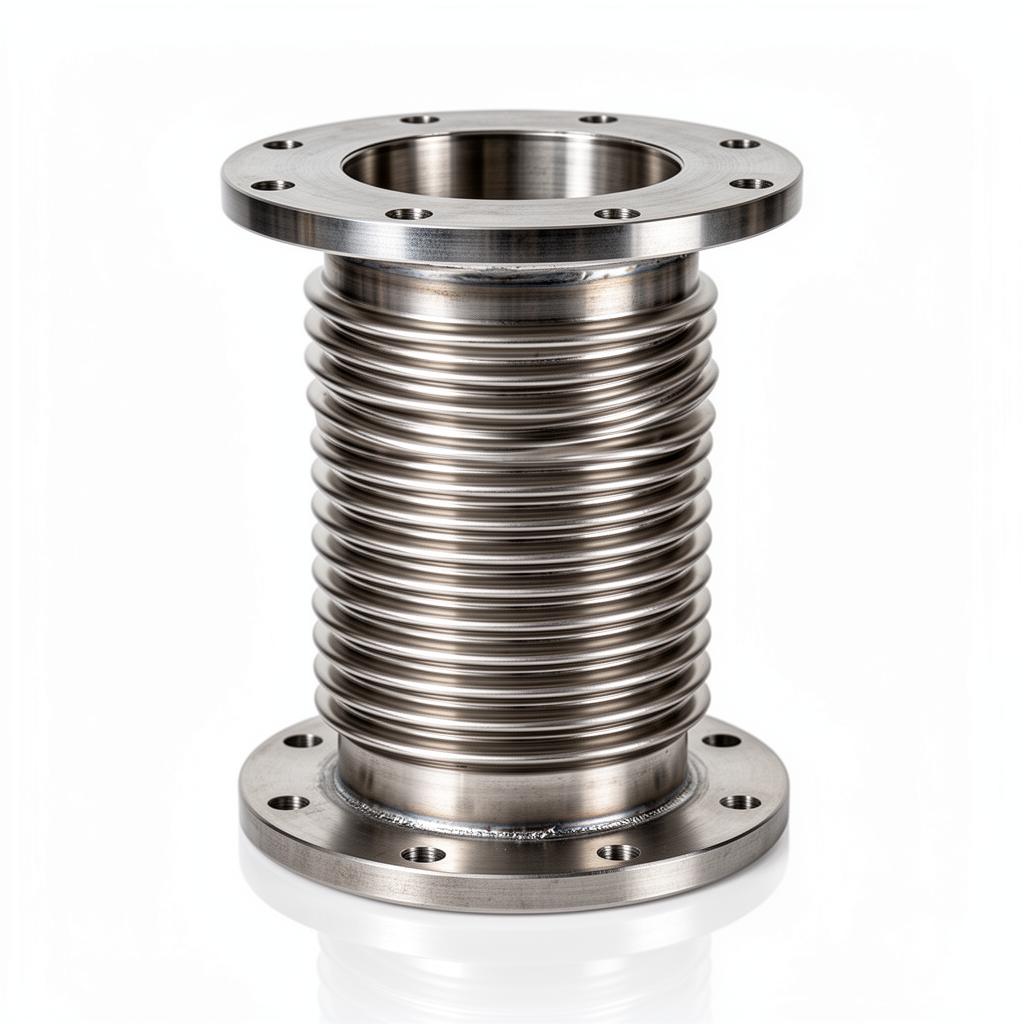
Thermal Dynamics and the Steam Pipe Expansion Joint
In modern UK building services, steam systems operate at temperatures that cause substantial mechanical movement within rigid pipework. A steam pipe expansion joint is the primary solution for absorbing this thermal growth, which can exceed several millimetres per metre of pipe. Without these specialised components, the axial force generated by heating would quickly exceed the yield strength of the carbon steel or stainless steel pipework, leading to buckling or cataclysmic failure of fixed points. Engineers must calculate the precise movement requirements based on the delta-T between ambient installation conditions and maximum operating temperatures to ensure the chosen bellows can handle the expected cycles without premature fatigue.
Precision in the design stage is non-negotiable for safety and longevity. When specifying a steam pipe expansion joint, M&E contractors must account for not only axial movement but also lateral deflection and angular rotation if the pipework layout is complex. Failure to provide adequate flexibility leads to increased loading on boiler nozzles and turbine connections, often voiding manufacturer warranties and risking operational downtime. Our Surrey-based technical team works closely with consultants to map these stresses using standard calculation methods, ensuring that every joint selected meets the specific pressure rating and temperature profile of the facility while adhering to the rigorous safety requirements found in UK pressure equipment regulations.
Furthermore, the selection of materials plays a vital role in the durability of the installation. For steam applications, stainless steel multi-layer bellows are standard due to their ability to withstand the corrosive nature of condensate and high-pressure differentials. By integrating a high-quality steam pipe expansion joint from the outset, facility managers can significantly reduce the frequency of maintenance shutdowns. At UKGP Industrial, we provide the technical data required to justify these specifications to procurement leads, highlighting the long-term cost savings associated with reduced mechanical wear on the wider distribution network and the protection of expensive plant-room assets like heat exchangers and boilers.
- Elimination of thermal stress on rigid pipework and anchors
- Protection of sensitive equipment nozzles from mechanical loads
- Significant reduction in vibration transmission throughout the building
- Compliance with UK Pressure Equipment Directive (PED) safety standards
Specification Guidelines and BS EN 14917 Standards
When specifying a steam pipe expansion joint, engineering professionals must refer to BS EN 14917, which dictates the design and manufacturing requirements for metal bellows expansion joints. This standard ensures that the component is capable of withstanding the specified number of cycles over its design life. In the UK, M&E contractors should verify that any steam pipe expansion joint installed in a high-pressure environment has been pressure tested and carries the necessary certification. At UKGP Industrial, we supply units that exceed these baseline requirements, offering peace of mind for high-stakes industrial applications where a failure could lead to significant steam loss or personnel injury.
The surrounding system components must also be considered during the specification phase. For instance, the use of internal sleeves can help prevent flow-induced vibration and erosion of the bellows convolutions when steam velocities are high. However, the addition of a sleeve must be factored into the overall movement capacity of the steam pipe expansion joint. It is these technical nuances that UKGP Industrial specialises in, providing bespoke advice to plant-room engineers. Whether your project requires DN50 or DN600 units, understanding the interaction between the bellows and the flowing media is critical for preventing the 'bellows squirm' phenomenon which can occur under extreme pressure conditions.
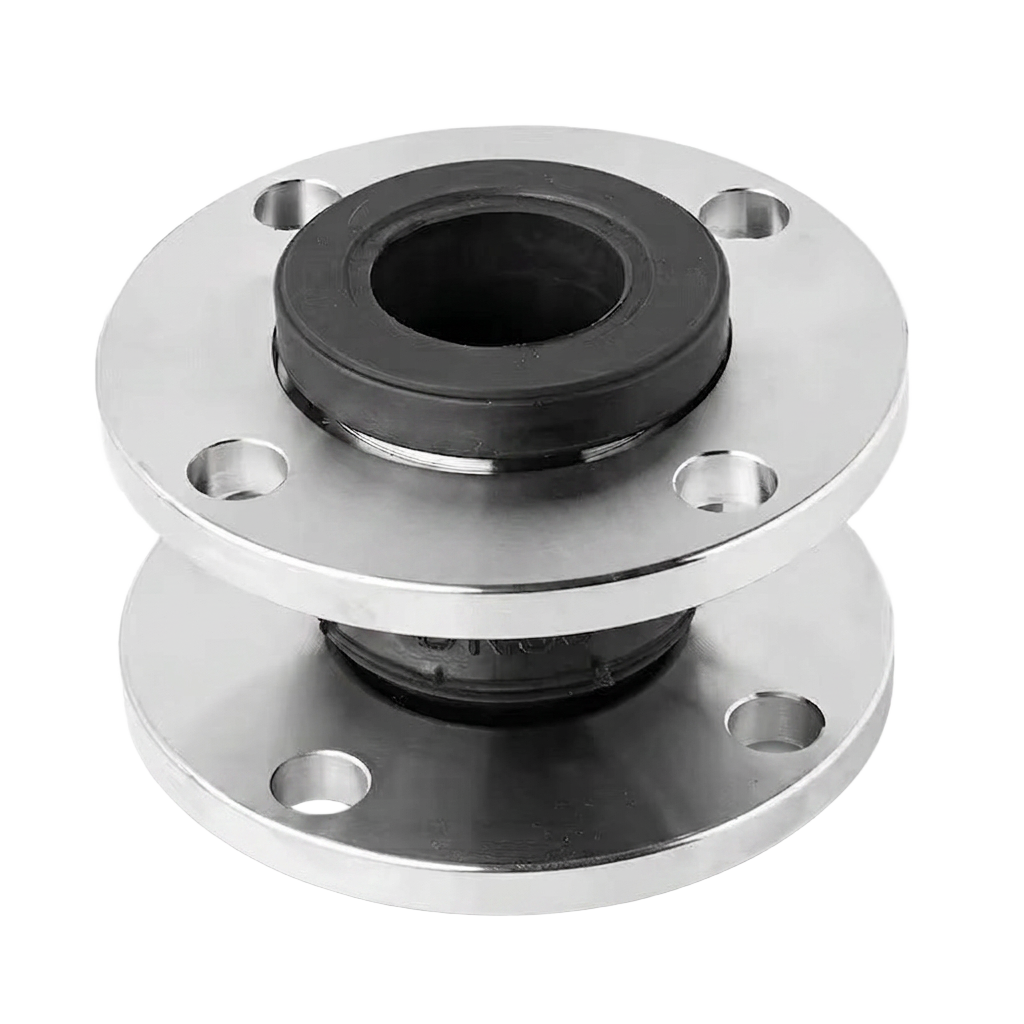
Beyond the bellows itself, the choice of end connections—whether flanged or weld-end—is dictated by the site's maintenance strategy and the existing pipework material. Flanged connections allow for easier replacement during scheduled maintenance, while weld-end units offer a permanently sealed solution that is often preferred in high-pressure steam headers. Our range includes options for both, encompassing rubber EPDM, stainless steel, and PTFE for diverse chemical and thermal profiles. By working with a UK-based supplier, you ensure rapid lead times and technical support that understands the specific pressures of the British construction and FM sectors, including the need for documented quality assurance.
- Full compliance with BS EN 14917 design and safety criteria
- Available in flanged or weld-end configurations for all sizes
- Internal sleeves available to mitigate high-velocity steam erosion
- Materials tested for chemical compatibility and high-temperature resilience
Installation Best Practices for Steam Systems
Correct installation of a steam pipe expansion joint is as critical as the specification itself. One of the most common errors in the field is the improper placement of guides and anchors. According to industry guidelines, the pipework must be perfectly aligned before the expansion joint is fitted to avoid introducing unintended lateral stresses. Guides must be installed at specific intervals—typically 4 diameters and 14 diameters from the joint—to ensure that the expansion is directed exactly along the axis of the bellows. Failure to guide the pipe correctly will cause the steam pipe expansion joint to twist or bow, which can lead to immediate failure upon system pressurisation.
It is also essential to ensure that the expansion joint is not used to compensate for pipework misalignment during initial construction. Using the bellows to bridge a gap caused by poor fabrication puts the unit under constant stress before it even begins to handle thermal expansion. When installing a UKGP steam pipe expansion joint, contractors should keep the shipping bolts or tie rods in place until the pipework is fully anchored and guided. Only then should the restraints be removed to allow the bellows to move freely. This careful sequence protects the delicate convolutions from damage during the heavy lifting and welding phases of the plant-room fit-out.
Finally, consideration must be given to the insulation of the joint. While the rest of the steam line is typically lagged to improve energy efficiency, the steam pipe expansion joint should be covered with a removable insulation jacket rather than permanent lagging. This allows for regular visual inspection during FM walk-arounds, as recommended by CIBSE guidelines. Any signs of weeping or distortion can be identified early, preventing a minor issue from becoming a major system failure. UKGP Industrial offers comprehensive technical support to ensure your onsite teams understand these critical steps, backed by our 2-year warranty on all expansion bellows products supplied to the UK market.
- Mandatory use of primary and secondary guides for axial alignment
- Shipping restraints must remain in place until anchoring is complete
- Removable insulation jackets recommended for ease of inspection
- Strict adherence to CIBSE and BSRIA installation protocols
Integrating Air and Dirt Separators for System Health
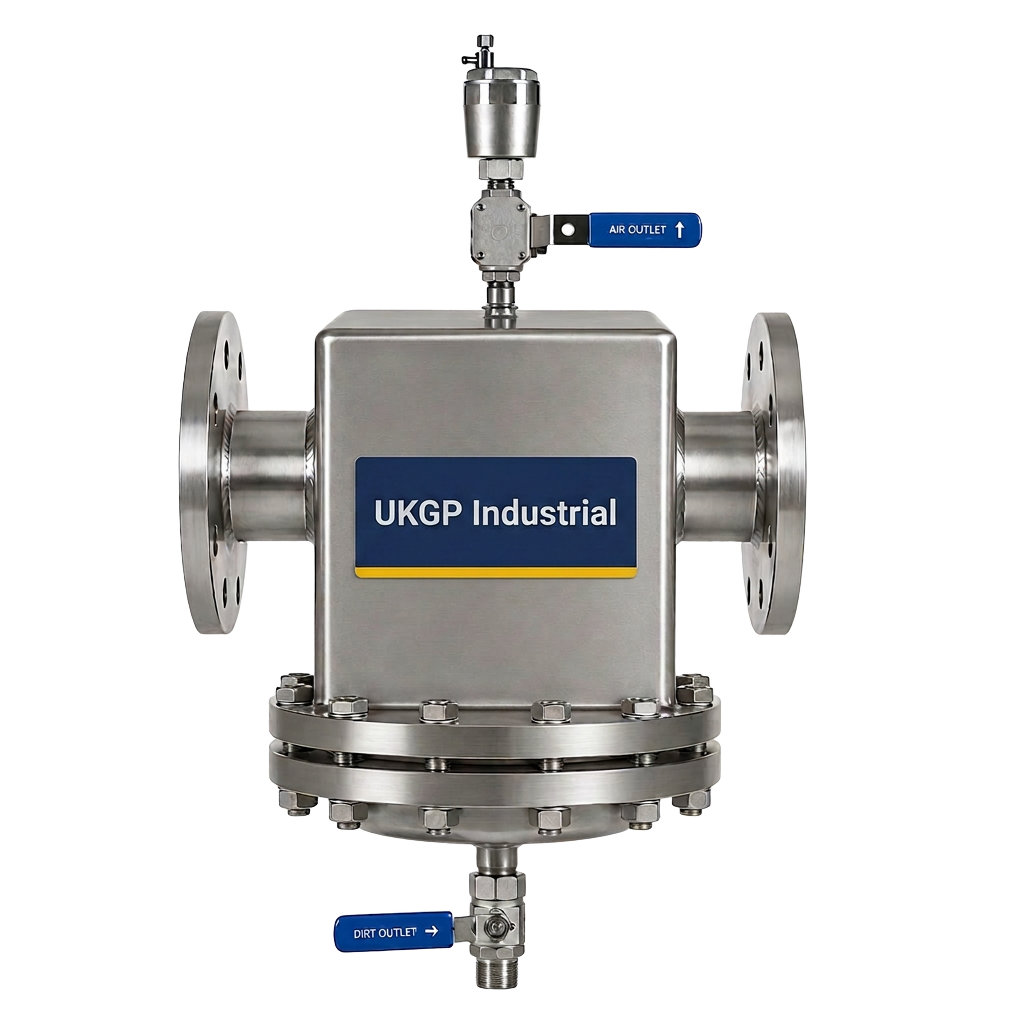
While the steam pipe expansion joint manages physical movement, the internal chemistry and cleanliness of the system are equally vital for long-term reliability. Entrained air and debris can cause localized erosion within the bellows convolutions, leading to pinhole leaks. Integrating high-quality air and dirt separators into the system loop helps eliminate these risks by removing micro-bubbles and magnetite that can accumulate in low-flow areas. For UK building services consultants, a holistic approach that combines mechanical flexibility with fluid cleanliness is the gold standard for reducing lifecycle costs and ensuring BSRIA BG29 compliance during the pre-commissioning cleaning phase.
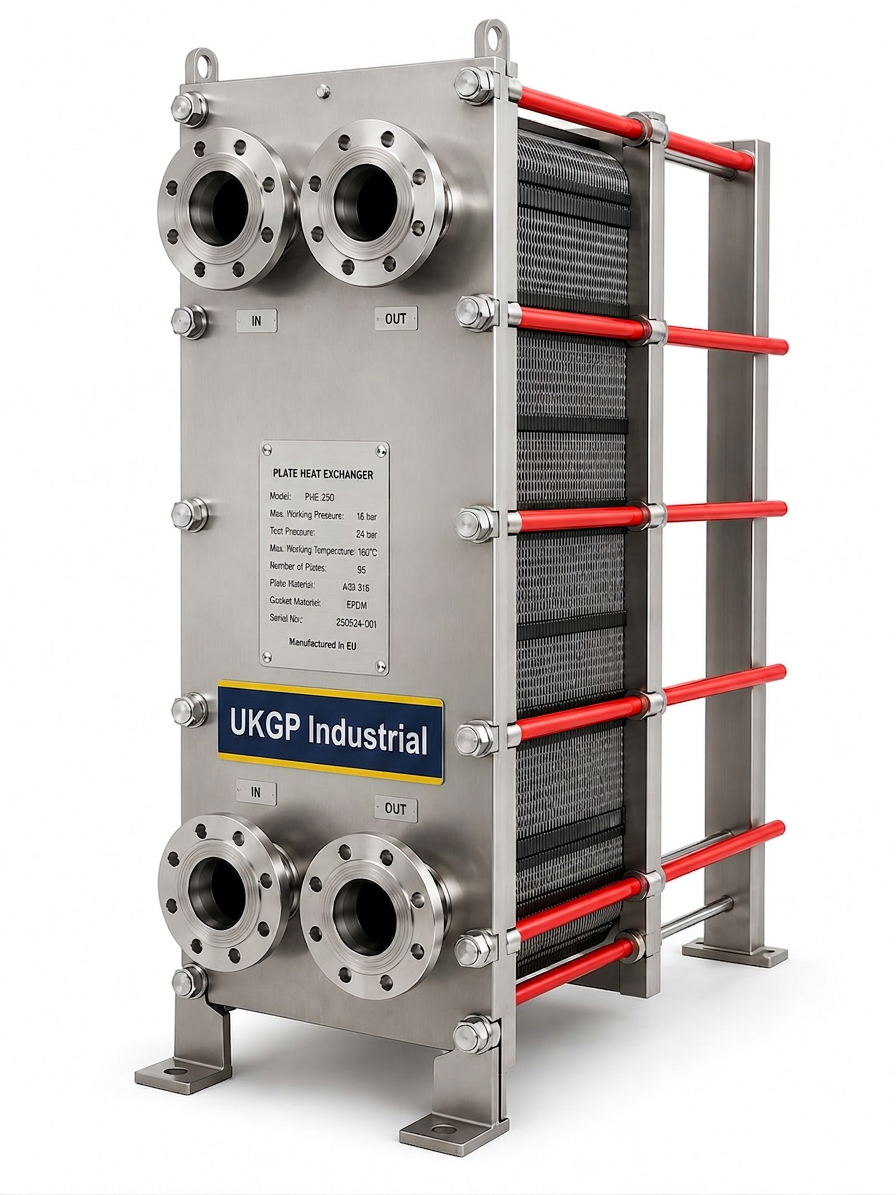
Air and dirt separators should be strategically placed to protect sensitive equipment and the expansion joints themselves. In a steam-to-LTHW system, for instance, the presence of dirt can cause the plate heat exchanger to foul, which in turn increases the thermal gradient and puts additional stress on every steam pipe expansion joint in the circuit. By maintaining a clean system, engineers ensure that the movement characteristics of the bellows remain within design parameters, as there is no build-up of sediment to restrict the compression or extension of the convolutions. This synergy between filtration and flexibility is a hallmark of well-engineered UK plant rooms.
UKGP Industrial provides a full suite of separators designed to complement our expansion solutions. These units are robustly constructed to handle the high temperatures of steam condensate and primary heating circuits. When procurement leads bundle these components, they benefit from a unified technical support channel and a consistent warranty profile. Ensuring that your steam pipe expansion joint is not compromised by poor water quality or excessive aeration is a critical step in professional system design, reflecting the best practices outlined in BSRIA BG50 for water treatment and system monitoring in closed circuits.
- Removes entrained air to prevent internal oxidative corrosion
- Captures magnetite and debris that could erode bellows convolutions
- Enhances the thermal efficiency of downstream heat exchangers
- Maintains hydraulic balance and reduces maintenance frequency
The Role of Dosing Pots and pH Sensors
Maintaining correct water chemistry is another pillar of protecting your steam pipe expansion joint from premature failure. Corrosive condensate can quickly thin the walls of stainless steel bellows if the pH levels are not strictly controlled. By installing chemical dosing pots and precision pH sensors, plant-room engineers can automate the introduction of inhibitors and monitor the alkalinity of the system in real-time. This is particularly important in steam systems where the phase change can lead to the concentration of corrosive ions. A steam pipe expansion joint operating in a poorly treated environment will have a significantly shorter lifespan than one protected by proactive chemical management.
We recommend that all UK installations include an accessible dosing pot to allow for the easy addition of chemicals without interrupting system operation. When combined with our pH transmitters, FM teams receive immediate alerts if the water quality drifts outside of the parameters specified in BS 8552. This proactive monitoring ensures that the thin-walled convolutions of the steam pipe expansion joint are not at risk of stress corrosion cracking (SCC), a common failure mode in untreated or poorly monitored systems. Investing in the right monitoring hardware at the outset is far more cost-effective than the emergency replacement of a large-diameter expansion bellows.
At UKGP Industrial, we understand that procurement leads need comprehensive solutions that address both mechanical and chemical challenges. Our range of sensors and dosing equipment is designed to work seamlessly with our mechanical components. By providing a single point of contact for both the expansion bellows and the water treatment hardware, we simplify the supply chain for M&E contractors. Our experts can advise on the best materials for your steam pipe expansion joint based on the planned chemical treatment regime, ensuring that your system remains compliant with the highest UK engineering standards throughout its operational life.
- Prevents stress corrosion cracking in stainless steel bellows
- Facilitates compliance with BS 8552 water quality guidelines
- Simplified chemical introduction via robust dosing pot designs
- Real-time alerts through integrated pH sensors and transmitters
Final Commissioning and Maintenance Protocols
The final stage in ensuring the success of a steam pipe expansion joint installation is thorough commissioning and a robust ongoing maintenance plan. Before the system is brought up to full operating temperature, a pre-start check must confirm that all guides are clear of debris and that the bellows has not been damaged during the construction phase. Once the steam is introduced, engineers should monitor the steam pipe expansion joint as it reaches its full extension or compression. Visual checks for even distribution of movement across the convolutions are essential to confirm that the anchors are holding and the guides are functioning as designed.
Ongoing maintenance, as suggested by BSRIA BG50, should include periodic inspections of all flexible components. A steam pipe expansion joint should be checked for signs of 'squirming,' surface corrosion, or uneven convolution wear. In high-pressure environments, even a small amount of distortion can be a precursor to a major leak. By choosing UKGP Industrial as your supplier, you gain access to a 2-year warranty and a team of Surrey-based experts who can provide technical assistance should your maintenance team identify any concerns. We recommend keeping a spare steam pipe expansion joint on-site for critical lines to minimise downtime during unforeseen events.
In conclusion, the specification and installation of a steam pipe expansion joint requires a deep understanding of thermal mechanics, material science, and UK safety standards. From the initial DN15 to DN600 sizing to the selection of flanged or weld-end connections, every decision impacts the reliability of your plant room. UKGP Industrial is dedicated to supporting UK engineers with high-quality, warrantied products that meet the rigorous demands of modern building services. Contact our team today for a quote on expansion bellows or to discuss the technical requirements of your next steam distribution project, ensuring a safe and efficient installation for years to come.
- Conduct movement checks during the initial thermal ramp-up
- Scheduled visual inspections for convolution integrity and leaks
- Maintain on-site spares for critical distribution headers
- Leverage UKGP technical support for maintenance audits
Frequently asked questions
What is the primary function of a steam pipe expansion joint?
- A steam pipe expansion joint is designed to absorb the linear thermal expansion and vibration in steam pipework, preventing mechanical stress from damaging pipes, anchors, and connected equipment.
Which UK standards apply to steam expansion bellows?
- The primary design standard is BS EN 14917 for metal bellows, while installation and maintenance are governed by CIBSE guides and BSRIA BG29/BG50 for water and system health.
Can I use rubber bellows for high-pressure steam?
- No, standard rubber bellows are typically unsuitable for high-pressure steam due to temperature limits. Stainless steel bellows are the industry standard for steam, though PTFE or fabric may be used in specific low-pressure or corrosive applications.
How many guides are needed for a steam pipe expansion joint?
- Usually, a minimum of two pipe guides are required on each side of the joint. The first is typically placed within 4 pipe diameters and the second within 14 diameters to ensure axial movement.
What size range does UKGP Industrial offer for these joints?
- We provide a comprehensive range from DN15 up to DN600, available with flanged or weld-end connections and a 2-year warranty.