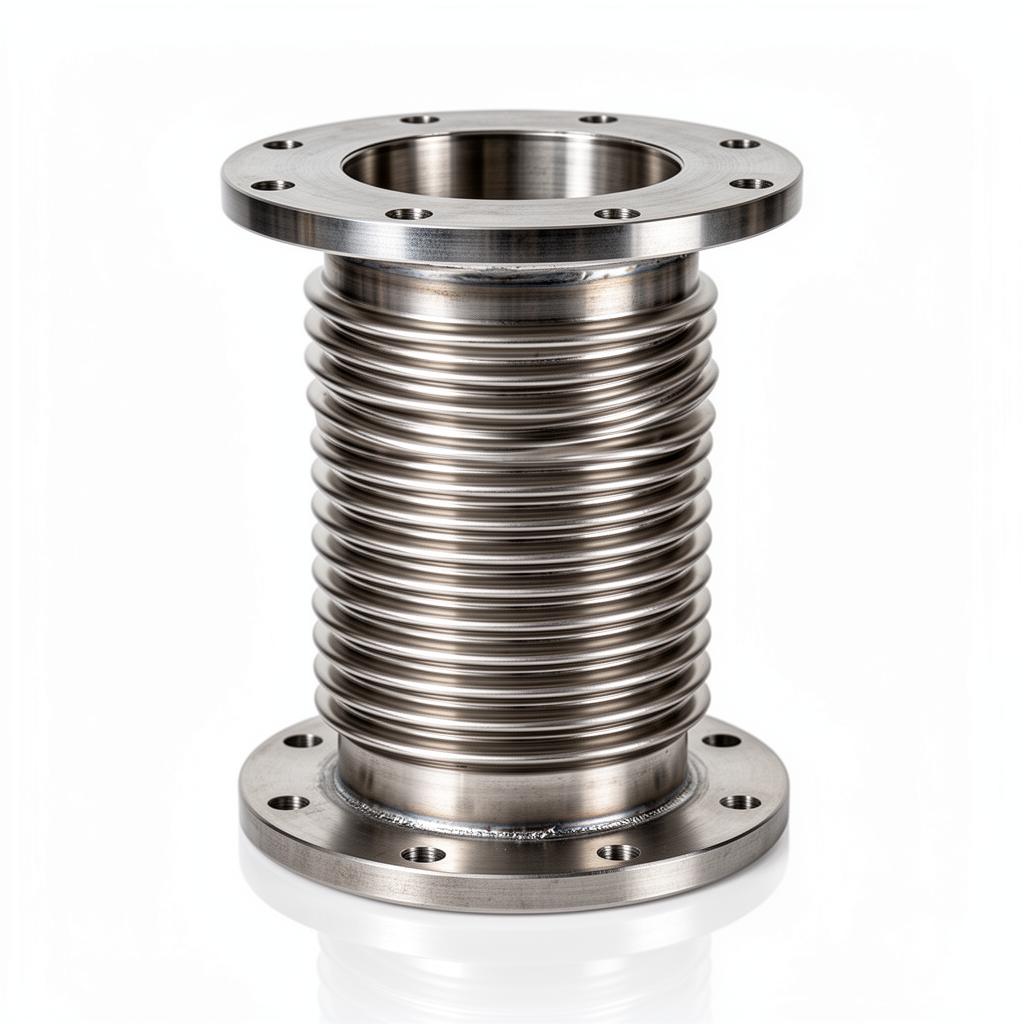
Understanding the Stainless Steel Expansion Joint Role
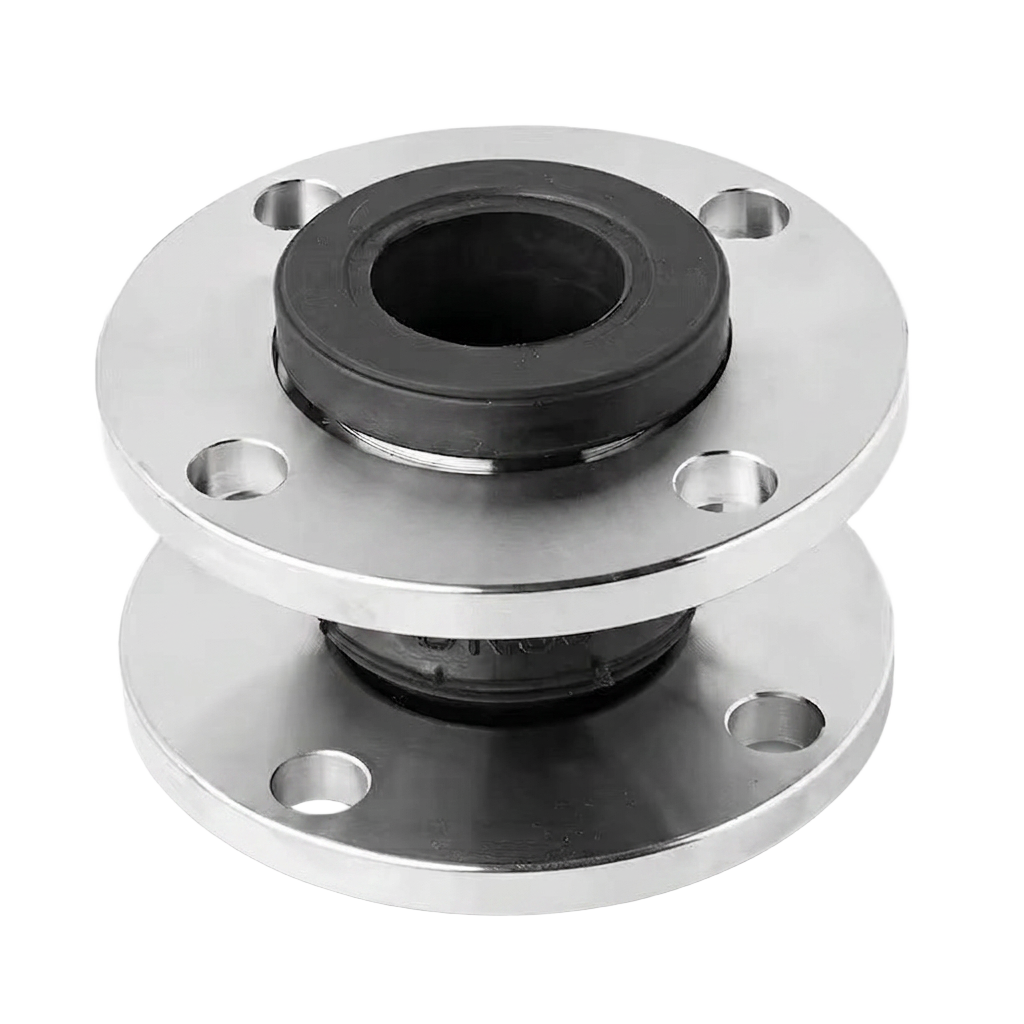
In modern commercial heating and chilled water circuits, the stainless steel expansion joint is more than just a flexible connector; it is a critical safety component designed to absorb the inevitable thermal expansion and contraction of pipework. As temperature fluctuations occur within high-rise buildings or extensive secondary circuits, the resulting mechanical stress can easily exceed the yield strength of rigid piping materials. By installing a high-quality stainless steel expansion joint, lead engineers can effectively mitigate these longitudinal or lateral movements, protecting delicate plant room assets like boilers, chillers, and pumps. This ensures that the structural integrity of the entire distribution network remains intact over a multi-decade operational lifespan.
When designing these systems, M&E contractors must account for the specific axial, angular, or lateral movements expected under peak load conditions. A stainless steel expansion joint is often selected over rubber alternatives when working with higher temperatures or more aggressive chemical profiles that might degrade EPDM or NBR elastomers. From a procurement perspective, specifying a UK-manufactured or supplied unit that adheres to BS EN 14917 helps in maintaining the quality assurance protocols required for large-scale infrastructure projects. This level of technical due diligence is vital for avoiding the costly downtime associated with pipework buckling or flange leakage in mission-critical environments.
Furthermore, the integration of these joints must be considered early in the piping layout phase. Overlooking the expansion requirements of long horizontal runs can lead to significant anchor point failure. The stainless steel expansion joint provides the necessary flexibility to counteract these forces, but it must be sized correctly based on the temperature differential and the coefficient of thermal expansion for the pipe material used. Consulting with specialists like UKGP Industrial ensures that the bellows provided are not only fit for purpose but come with the technical backing required for complex building services applications, including full BSRIA compliance and comprehensive warranty coverage for peace of mind.
- Protects expensive HVAC assets from mechanical stress failure
- Handles higher temperature ranges compared to standard rubber bellows
- Available in various configurations including axial and lateral offsets
- Essential for long-distance piping runs in commercial developments
BSRIA BG29 and BG50 Compliance for Expansion Control
For any UK-based facility manager or site engineer, compliance with BSRIA BG29 (Pre-commission cleaning of pipework systems) and BG50 (Water treatment for closed heating and cooling systems) is essential. A stainless steel expansion joint must be robust enough to withstand the initial system flushes and the chemical dosages required to prevent internal corrosion. If a lower-grade component is used, there is a risk of pitting or stress corrosion cracking when exposed to the high velocities used during the cleaning phase. UKGP Industrial ensures that our expansion solutions are compatible with standard water treatment regimes, providing a durable solution that survives the commissioning process and long-term operation.
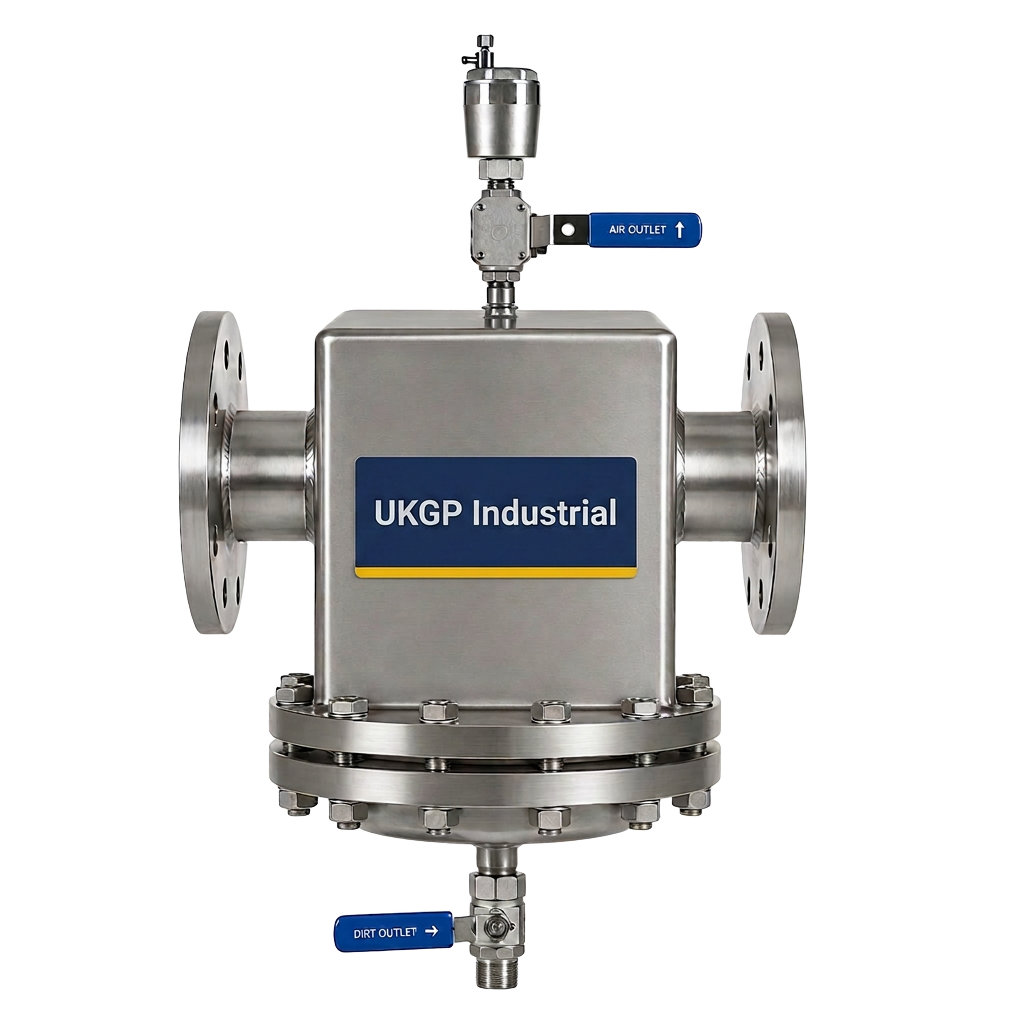
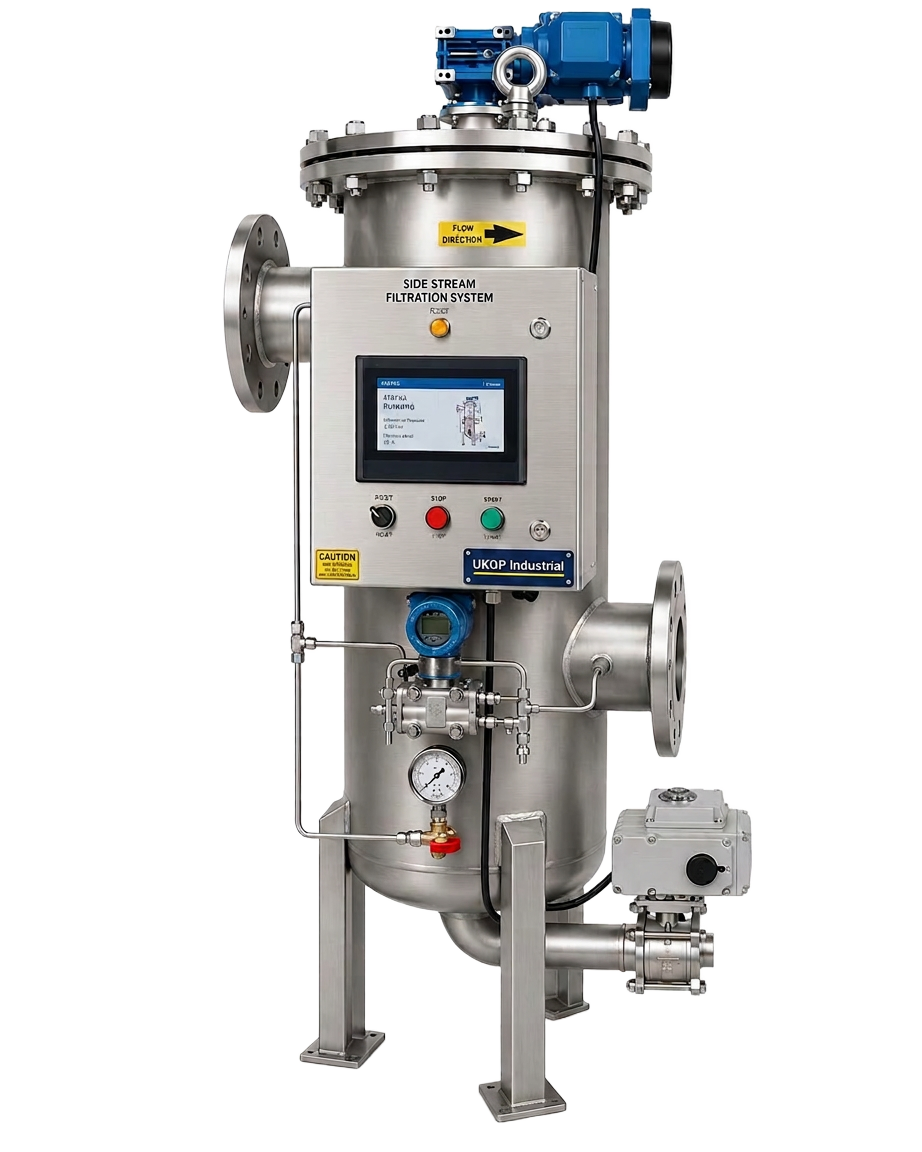
BSRIA guidelines also emphasize the importance of identifying and managing 'dead legs' and stagnant areas, where microbial growth can flourish. When a stainless steel expansion joint is installed, it is crucial that the internal geometry does not create an area for debris to settle. This is particularly relevant in systems where side stream filtration is also utilised. Ensuring that the bellows are correctly oriented and that the system is properly supported through anchors and guides will prevent the bellows from becoming a collection point for magnetite or scale, which could eventually impair the flexibility of the convolutions and lead to early component fatigue.
By following BSRIA advice on thermal management, designers can optimize the placement of the stainless steel expansion joint to ensure maximum efficiency. It is often recommended to place these components near fixed anchors to control the direction of the expansion. In high-pressure commercial blocks, the use of stainless steel over synthetic materials provides an extra layer of fire resistance and pressure rating, which is often a requirement of insurance underwriters and building control officers. Navigating these standards requires a supplier who understands the intersection of BSRIA best practices and product engineering, ensuring that every flanged or weld-end unit supplied meets the highest UK standards.
- Ensures compatibility with BG29 pre-commission cleaning protocols
- Minimizes risks of stress corrosion cracking in high-velocity flows
- Supports long-term water quality goals as outlined in BSRIA BG50
- High-grade stainless construction prevents chemical degradation during dosing
Material Selection: Why Stainless Steel is Superior
While rubber expansion joints have their place in lower-temperature applications, the stainless steel expansion joint is the industry standard for high-temperature and high-pressure commercial service. Stainless steel, typically Grade 304 or 316, offers superior tensile strength and resistance to vacuum conditions that would collapse many elastomer-based bellows. This makes them the preferred choice for primary boiler circuits and high-altitude riser systems where the static head pressure is significant. When choosing a stainless steel expansion joint, the grade of the bellows material must be checked against the potential chemical additives in the water to ensure long-term resistance to chloride-induced corrosion.
UKGP Industrial provides a comprehensive range of these joints, offering variations from DN15 to DN600. This diversity allows procurement leads to source a consistent product line across an entire property portfolio, from small-bore secondary circuits to large main distribution lines. The stainless steel expansion joint is also favored for its longevity; with a standard 2-year warranty offered by UKGP, engineers can be confident in the durability of the multi-ply convolutions which are designed to withstand thousands of cycles. This reliability is paramount when the expansion joint is located in hard-to-access ceiling voids or enclosed risers where replacement would be disruptive and expensive.
In addition to mechanical durability, the stainless steel expansion joint offers excellent fire safety credentials. In the event of a plant room fire, stainless steel will maintain its structural integrity far longer than rubber or fabric alternatives, helping to contain the system fluid and prevent further damage to the building fabric. This makes them a critical specification for hospitals, schools, and high-occupancy residential towers where safety and continuity of service are non-negotiable. Whether you require flanged or weld-end connections, the versatility of the stainless steel joint ensures seamless integration into existing pipework systems, regardless of the preferred joining method used by the M&E contractor.
- Grade 304 or 316 bellows for maximum corrosion resistance
- Superior pressure ratings for high-rise riser applications
- Enhanced fire safety performance over rubber or PTFE alternatives
- Wide temperature range suitability for diverse HVAC services
Correct Installation and Anchoring Procedures
Effective thermal management using a stainless steel expansion joint is only possible if the surrounding pipework is correctly anchored and guided. A common mistake in plant room engineering is failing to provide adequate fixed points, which allows the pressure thrust of the system to over-extend the bellows. To ensure the stainless steel expansion joint operates within its design limits, M&E contractors must follow BS EN 14917 guidelines regarding the placement of primary and secondary anchors. These anchors must be strong enough to withstand the combined forces of the bellows spring rate and the internal pressure thrust, ensuring the expansion is directed exactly where the joint can absorb it.
In addition to anchors, the use of pipe guides is essential to prevent the pipework from bowing or squirming under load. Typically, the first guide should be placed within four pipe diameters of the stainless steel expansion joint, with the second guide following shortly after. This ensures that the movement entering the bellows is purely axial, preventing lateral shearing forces that could damage the convolutions. When installing UKGP Industrial bellows, always refer to the specific installation manual to ensure that the pre-set length is maintained and that any shipping bolts are removed prior to commissioning, as leaving these in place will render the expansion joint useless.
For procurement leads and project managers, ensuring that the installation team is competent in these practices is as important as the quality of the component itself. UKGP Industrial offers technical support to ensure your stainless steel expansion joint is correctly specified and installed. We offer a full range of flanged (PN16, PN25) or weld-end options to suit any site requirement. By choosing a partner that understands the practicalities of on-site installation, you can avoid the common pitfalls that lead to system noise, vibration, and premature failure, thereby protecting your investment and ensuring a smooth handover to the client or FM team.
- Requires primary and secondary anchors for pressure thrust management
- Guide placement is critical to prevent lateral pipe squirm
- Shipping bolts must be removed only after anchors are secured
- Proper installation avoids excessive noise and vibration in the circuit
Applications in Modern High-Pressure Plant Rooms
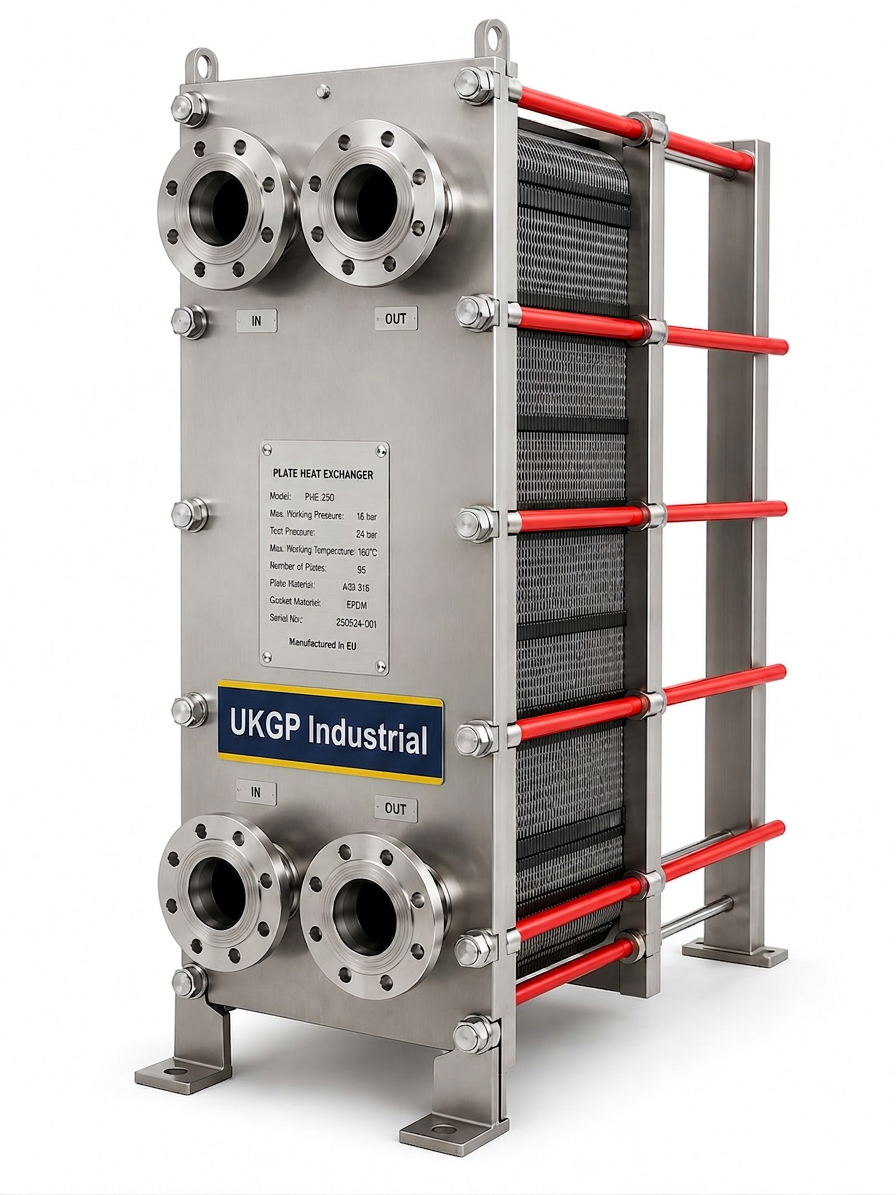
In the context of modern UK plant rooms, the stainless steel expansion joint is frequently found alongside other critical equipment such as low loss headers and plate heat exchangers. In high-output heating systems from leading commercial boiler manufacturers, the thermal flux is intense. This requires a robust expansion strategy to handle the localized heat at the boiler headers. Integrating a stainless steel expansion joint in these locations prevents the transfer of mechanical strain from the pipework onto the boiler heat exchangers, which can be sensitive to external forces. This collaborative approach to system design ensures that each component can perform its function without being compromised by the physical movement of the piping.
Beyond standard heating, these joints are vital in district heating schemes and large-scale residential energy centers. In these scenarios, the stainless steel expansion joint must cope with significant temperature deltas as the system ramps up and down. Because UKGP Industrial supplies bellows from DN15 up to DN600, we can accommodate both the small-scale internal apartment cooling connections and the massive main flow pipes. This scalability is a key reason why M&E contractors prefer working with UKGP for their entire expansion project scope. Our products are designed to survive the harsh industrial environments often found in urban utility hubs, providing a long-service solution that minimizes operational risk.
Technical engineers also appreciate the ability of the stainless steel expansion joint to handle slightly different media types, provided the grade of steel is correctly matched. Whether it is LTHW, MTHW, or chilled water, the stainless steel bellows maintains its elasticity and tensile strength where lesser materials might embrittle or soften. When you request a quote for a UKGP expansion bellows, our team of experts will assist in verifying the technical suitability for your specific media and pressure requirements, ensuring you receive a 2-year warranted product that aligns with the specific codes of practice used in the UK building services sector today.
- Ideal for boiler header connections and primary circuit isolation
- Essential for high-temperature District Heating networks
- Scalable sizes from DN15 to DN600 for all project stages
- Compatible with various media types including steam and LTHW
Procuring the Right Expansion Solutions
Successfully procuring a stainless steel expansion joint involves more than just selecting a pipe diameter. Procurement leads must consider the end-connection types—whether flanged or weld-end—to match the site's installation capabilities and the specified pressure rating. At UKGP Industrial, we stock a wide variety of options including rubber EPDM/NBR, stainless steel, PTFE, and fabric bellows, but the stainless steel expansion joint remains the gold standard for high-durability commercial applications. Our 2-year warranty reflects our confidence in the manufacturing process, providing a robust commercial package that supports the long-term maintenance strategy of any facility management team.
Cost-effectiveness in the long term is achieved by avoiding the rework and emergency repairs that come with low-quality generic parts. A high-specification stainless steel expansion joint from a reputable Surrey-based supplier like UKGP ensures that you have access to local technical support and fast lead times for critical project deadlines. Whether you are working on a new build project or a plant room refurbishment, having the right expansion solution ready for installation is vital for maintaining the project timeline. Our experts are ready to provide technical datasheets and CAD drawings to assist consultants in the early design stages, ensuring the stainless steel joints are correctly Integrated into the final BIM models.
In conclusion, the stainless steel expansion joint is a foundational element of a resilient building services design. By adhering to BSRIA BG29 and BG50, and following the rigorous anchoring requirements of BS EN 14917, engineers can build systems that are safe, efficient, and long-lasting. UKGP Industrial stays at the forefront of this technology, providing the M&E sector with top-tier components and expert guidance. Reach out to our team today for a comprehensive quote and see how our DN15-DN600 range of expansion bellows can enhance your next project, ensuring it meets all relevant UK standards and delivers excellent value for money over its operational life.
- Request detailed quotes for stainless, rubber, or PTFE variants
- 2-year warranty provided on all UKGP expansion components
- Surrey-based expert support for M&E contractors and consultants
- Fast turnaround on bespoke flanged or weld-end specifications
Frequently asked questions
What temperature range can a stainless steel expansion joint handle?
- While rubber is excellent for vibration, a stainless steel expansion joint is preferred for high-temperature and high-pressure duties where EPDM might fail. They also offer better fire resistance and longevity in demanding HVAC environments.
How do BSRIA BG29 and BG50 impact expansion joint selection?
- These standards require components to withstand high-velocity flushes and chemical cleaning. A high-quality stainless steel expansion joint from UKGP is designed to resist corrosion and erosion during these essential pre-commission and treatment phases.
What connection types are available for UKGP bellows?
- We offer our stainless steel range in both flanged (standard PN16/25) and weld-end configurations, covering sizes from DN15 up to DN600. This ensures compatibility with all standard commercial pipework installation methods.
Do your expansion joints come with a warranty?
- Yes, all UKGP Industrial expansion bellows, including our stainless steel, rubber, and fabric variants, come with a comprehensive 2-year warranty to ensure commercial reliability and peace of mind for the end user.
Is the stainless steel expansion joint suitable for chilled water?
- Absolutely. They are highly effective in chilled water systems where thermal contraction must be managed, and they offer superior longevity compared to some elastomers that can become brittle at low temperatures over many years.