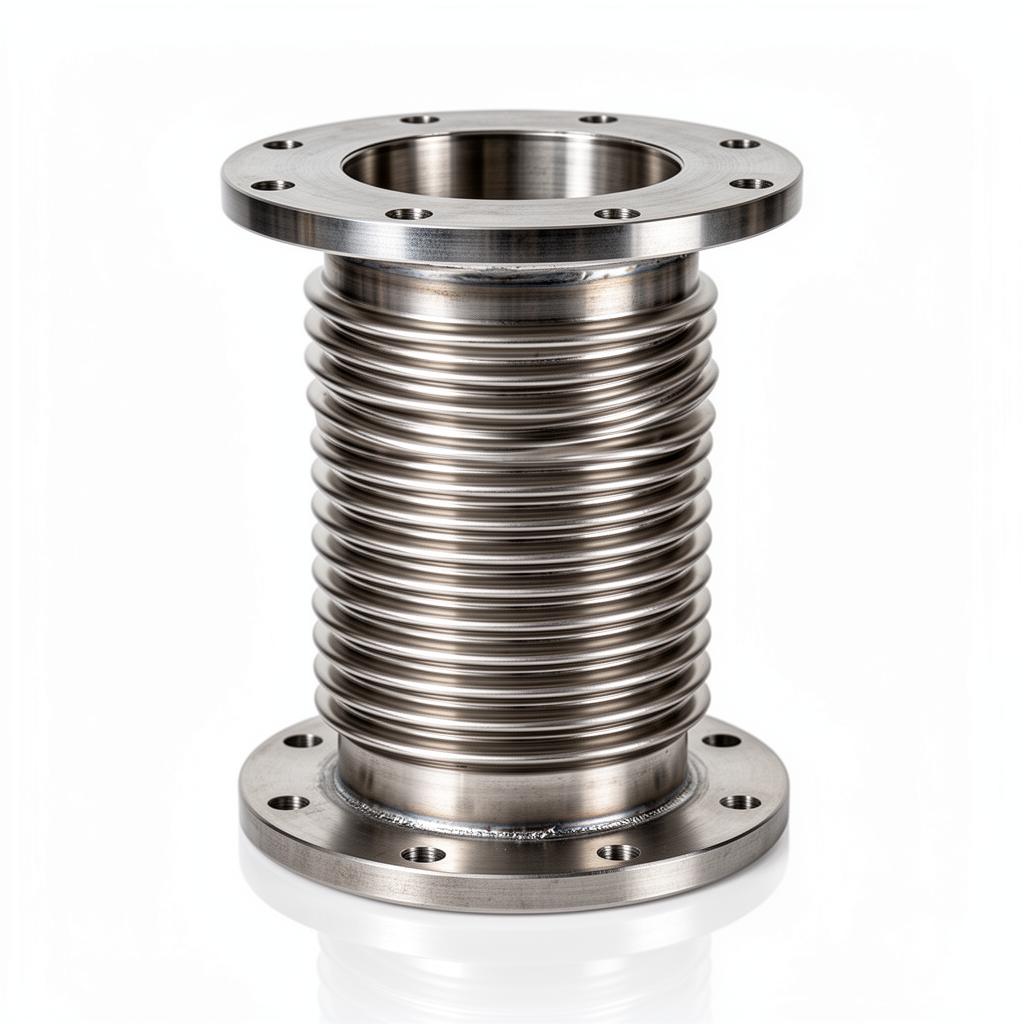
Understanding the Role of Stainless Steel Expansion Bellows
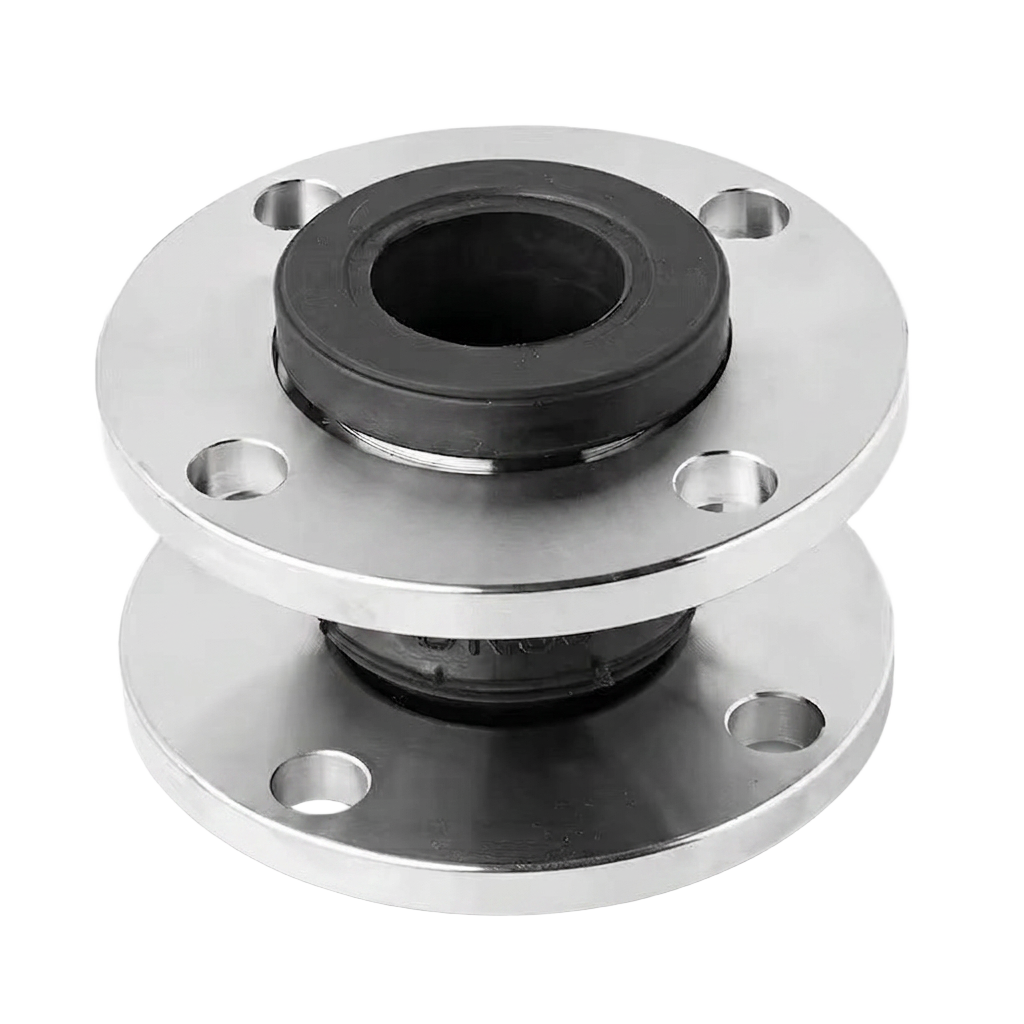
In modern commercial building services, temperature fluctuations within closed-loop heating or chilled water systems induce significant axial, lateral, and angular stresses on pipework infrastructure. Stainless steel expansion bellows are engineered to absorb these movements, protecting pumps, valves, and fixed anchors from catastrophic fatigue or stress fractures. Unlike rubber alternatives, stainless steel variants offer superior resistance to high temperatures and aggressive chemical environments, making them indispensable for steam applications and high-pressure LTHW or MTHW systems. Engineers must consider the material grade of the convolution—typically 304 or 316L stainless steel—to ensure compatibility with the system fluid and external atmospheric conditions, especially in coastal or industrial environments where corrosion risks are heightened.
Precision in selection directly impacts the lifespan of the entire HVAC installation. When a system undergoes thermal cycling, the internal pressure and temperature variations cause linear expansion that, if unconstrained, could buckle pipework or blow out gaskets. Reliable stainless steel expansion bellows act as the flexible heart of the system, compensating for this movement through the elastic deformation of their multi-ply convolutions. At UKGP Industrial, we provide technical support to ensure that the bellows selected align with the specific thermal profile of your project, reducing the risk of premature failure and ensuring the installation meets the rigorous expectations of CIBSE Guide B and other relevant UK industry standards for mechanical services.
The commercial implications of poor selection are substantial, leading to costly downtime and emergency remediation work. By integrating high-quality stainless steel expansion bellows from the design phase, consultants can guarantee a more robust system that handles start-up shocks and operational peaks with ease. Whether you are working on a new plant room build-out or a complex retrofit within an existing commercial space, understanding the nuances of bellows geometry and movement limits is the first step toward a successful installation. We recommend a thorough review of the system's maximum operating pressure and temperature to ensure the selected components provide a sufficient safety margin for the intended life of the building infrastructure.
- Absorbs axial, lateral, and angular movement in rigid pipework
- Resistant to high-temperature and high-pressure environments
- Essential for steam, LTHW, and process cooling applications
- Reduces stress on pumps, boilers, and fixed structural anchors
Technical Standards and BS EN 14917 Compliance
Compliance with recognized engineering standards is non-negotiable for UK building services. Stainless steel expansion bellows must be designed and manufactured in accordance with BS EN 14917, which specifies the requirements for design, manufacture, and testing of metal shell expansion joints for pressure applications. Adhering to these standards ensures that the bellows can withstand the declared pressure-temperature ratings without risk of bursting or permanent deformation. Furthermore, the installation should align with BSRIA BG29 and BG50 guidelines regarding water treatment and system cleanliness, as stagnant water or high particulate counts can lead to pitting or crevice corrosion within the stainless steel convolutions, particularly in the presence of chlorides.
For plant room engineers, the verification of material certificates and pressure test results is a key part of the procurement process. A stainless steel expansion bellows that meets the Pressure Equipment Directive (PED) requirements provides the necessary peace of mind for site sign-off. When selecting components, it is also vital to consider the movement frequency and the design life, often measured in thousands of cycles. A bellows that is underspecified for the required movement will fail prematurely due to fatigue. UKGP Industrial ensures that all supplied units are rigorously tested, providing the technical documentation required by FMs and procurement leads to prove system integrity and compliance with the latest health and safety regulations.
Beyond the basic pressure ratings, the interaction between the bellows and the surrounding pipe supports is governed by established engineering principles. Proper anchoring and guiding are essential to prevent the bellows from 'squirming' under pressure. Following CIBSE recommendations, guides must be placed at specific intervals relative to the bellows to ensure that thermal expansion is directed into the convolutions linearly. Failure to provide adequate guiding is the most common cause of failure in stainless steel expansion bellows installations. By combining high-spec components with correct installation geometry, contractors can deliver a system that operates silently and efficiently for decades of service, avoiding the pitfalls of noise transmission and pipework vibration.
- Full compliance with BS EN 14917 for metal expansion joints
- Alignment with BSRIA BG29 and BG50 for long-term durability
- PED certification available for high-pressure applications
- Required adherence to CIBSE Guide B for thermal movement control
Selecting the Right Material and End Connections
The choice of material for the expansion joint is as critical as the mechanical design itself. While EPDM or NBR rubber bellows are excellent for vibration isolation in lower temperature ranges, stainless steel expansion bellows are the definitive choice for temperatures exceeding 100°C or where chemical resistance is paramount. Grade 321 or 316TI stainless steel is often preferred for high-heat applications to prevent intergranular corrosion. At UKGP Industrial, we offer a comprehensive range of stainless steel expansion bellows, from DN15 to DN600, available with various end connections including flanged (PN16, PN25, PN40) or weld-ends to suit specific site requirements and welding protocols for M&E contractors.
Selecting the correct end connection is often determined by the installation environment and the maintenance regime. Flanged connections allow for easier replacement during plant upgrades, while weld-end bellows offer a permanent, leak-free solution for high-pressure steam lines where flange gaskets might represent a potential failure point. Furthermore, internal liners should be considered if the flow velocity is high, as this prevents flow-induced vibration of the bellows convolutions, which can lead to rapid fatigue failure. UKGP provides a 2-year warranty across our expansion bellows range, reflecting our confidence in the durability of our EPDM, NBR, PTFE, and stainless steel products for the most demanding UK industrial environments.
When dealing with aggressive media or specific pH requirements, the chemical compatibility of the bellows must be checked. For instance, in systems where chemical dosing pots are frequently used to introduce inhibitors, the concentration of chemicals must be monitored to ensure they do not exceed the threshold for stainless steel corrosion. We always advise checking the manufacturer's data sheets for both the bellows and the chemicals being used. Our stainless steel expansion bellows are designed to integrate seamlessly into complex plant rooms, providing a reliable bridge between rigid pipe sections while maintaining a tight seal against thermal stress. Contact us for a quote on our range of DN15-DN600 units with flanged or weld-end configurations.
- Available in 304, 316L, and 321 grades for varied temperature ranges
- Options for flanged (PN16-PN40) or weld-end connections
- Optional internal sleeves for high-velocity liquid or steam flow
- Suited for DN15 to DN600 pipe diameters with 2-year warranty
Determining Axial, Lateral, and Angular Movement
Accurate calculation of thermal expansion is the foundation of selecting the right stainless steel expansion bellows. The expansion of the pipework is a function of the material's coefficient of expansion, the length of the pipe run, and the temperature differential between installation and maximum operation. Axial movement is the most common requirement, involving the compression or extension of the bellows along its longitudinal axis. However, if the pipework changes direction, lateral or angular movement may be introduced. Engineers must ensure that the sum of all movements—axial, lateral, and angular—does not exceed the rated movement capacity of the bellows, as exceeding these limits will lead to immediate mechanical stress.
In complex multi-story UK developments, riser expansion is a major concern for consultants. Here, stainless steel expansion bellows are often installed at mid-points or base-of-riser locations to accommodate the vertical growth of the pipework. It is essential to account for the 'spring rate' of the bellows, which is the force required to compress the unit. This force must be factored into the design of the anchors and the building structure itself to ensure they can sustain the loads without deflection. Our technical team can help you calculate these forced loads to ensure that your stainless steel expansion bellows selection is perfectly matched to the structural constraints of your project.
Furthermore, environmental factors such as ambient temperature variations in outdoor pipework can add to the thermal load. Seasonal changes in the UK can lead to significant contraction in the winter if systems are drained or left cold, which must also be accounted for in the 'cold draw' calculations. By utilizing pre-stressed bellows or adjusting the installation length, engineers can optimize the bellows' performance across the entire temperature spectrum. Selecting high-quality stainless steel expansion bellows from UKGP ensures that you have a component with a verifiable cycle life, preventing the need for frequent replacements and minimizing the total cost of ownership for building operators and facility managers.
- Individual analysis of axial, lateral, and angular thermal growth
- Calculation of anchor loads based on bellows spring rates
- Environmental temperature extremes factored into total movement
- Pre-stressing options to maximize bellows life in high-cycle systems
Installation Best Practices for Longevity
Even the best-specified stainless steel expansion bellows will fail if installed incorrectly. The primary rule is to never use the bellows to compensate for pipework misalignment during initial installation; the bellows should be installed in its neutral, stress-free state unless specified for pre-stretching. Anchors must be sufficiently robust to withstand the pressure thrust—the force generated by the internal pressure acting on the cross-sectional area of the bellows. If anchors are weak, the stainless steel expansion bellows will simply expand and push the pipework out of alignment, potentially causing catastrophic failure at the nearest elbow or joint. Contractors must follow the manufacturer’s installation instructions to the letter.
Guiding is equally important. The first guide should ideally be placed within four pipe diameters of the bellows, with the second guide within fourteen diameters. This ensures that the movement remains purely axial and prevents the pipe from bowing under pressure. During the commissioning phase, particularly when following BSRIA BG29 protocols, it is vital to ensure that no debris is trapped within the convolutions. A stainless steel expansion bellows can be effectively 'locked' by debris, preventing it from compressing and transferring the expansion stress back into the pipework. Regular inspections during FM walkarounds should check for any signs of distortion, leakage, or external corrosion that might compromise the unit.
Finally, when welding weld-end bellows into place, engineers must protect the thin stainless steel convolutions from weld spatter and excessive heat. Using a wet cloth to wrap the convolutions or a dedicated heat shield is a standard industry practice. For flanged units, ensuring the correct gasket material and torque settings is essential to prevent leaks that could lead to external corrosion of the bellows shell. At UKGP Industrial, we support M&E contractors with practical advice on the best installation techniques for our stainless steel expansion bellows, ensuring that every unit—from DN15 to DN600—is fitted for maximum performance and longevity in the field.
- Avoid using bellows to rectify initial pipework misalignment
- Ensure structural anchors can handle full pressure thrust loads
- Strict adherence to guiding intervals (4D and 14D rules)
- Protect convolutions from weld spatter and heat during install
Commercial Benefits of UKGP Expansion Solutions
Choosing UKGP Industrial as your supplier offers more than just high-quality components; it provides a commercial partnership rooted in technical expertise. Our stainless steel expansion bellows are designed to meet the rigorous demands of the UK market, offering a blend of value, durability, and compliance. With a 2-year warranty and a range of materials including EPDM, NBR, PTFE, and high-grade stainless steel, we serve sectors ranging from district heating to pharmaceutical manufacturing. Procurement leads value our transparent pricing and reliable lead times, which are essential for keeping large-scale M&E projects on schedule and within budget while ensuring a low risk of post-handover snags.
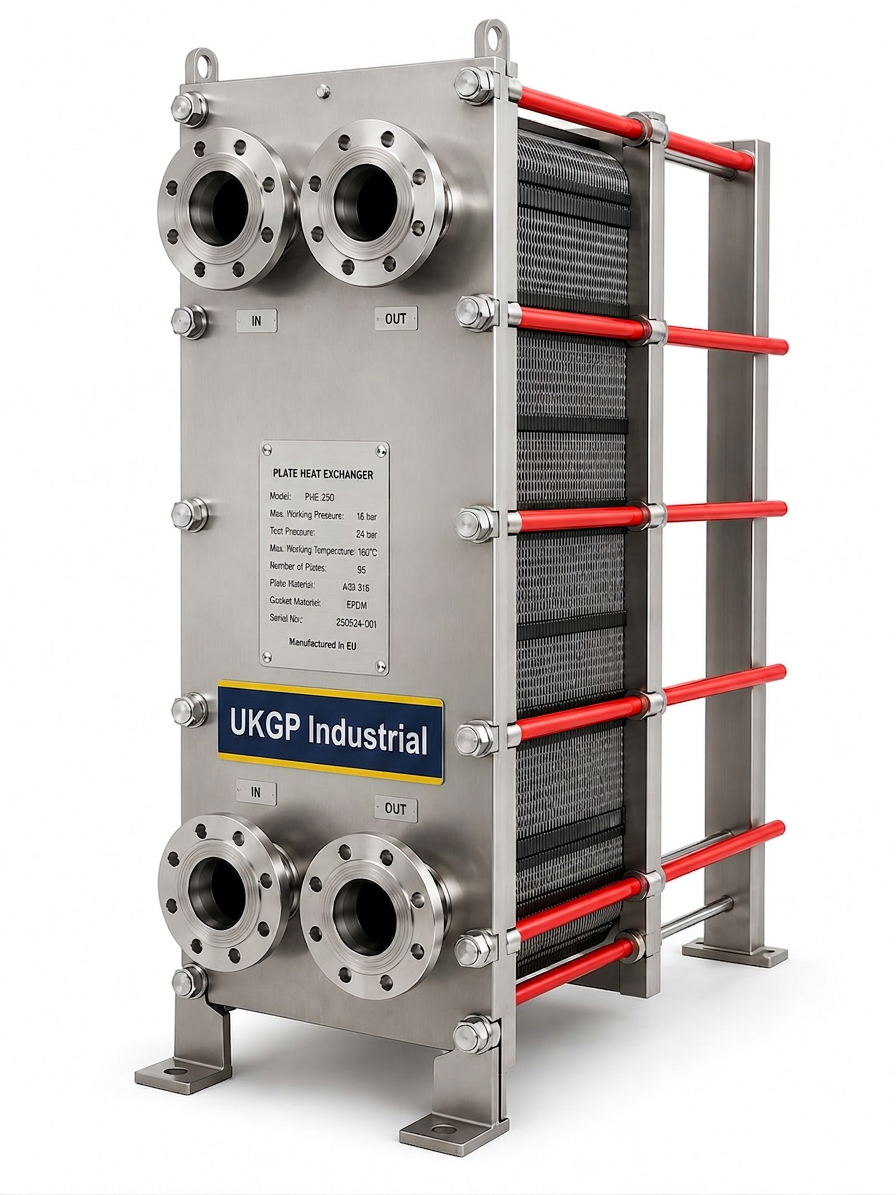
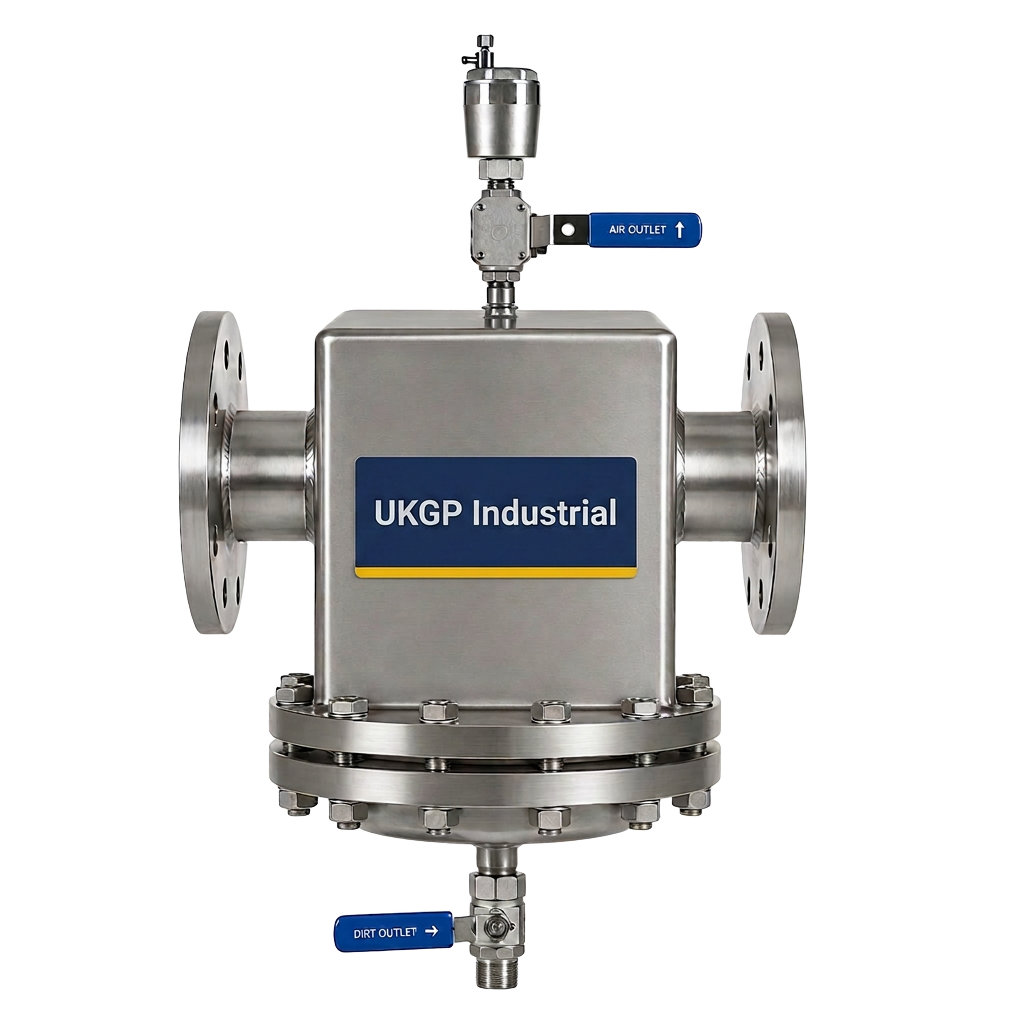
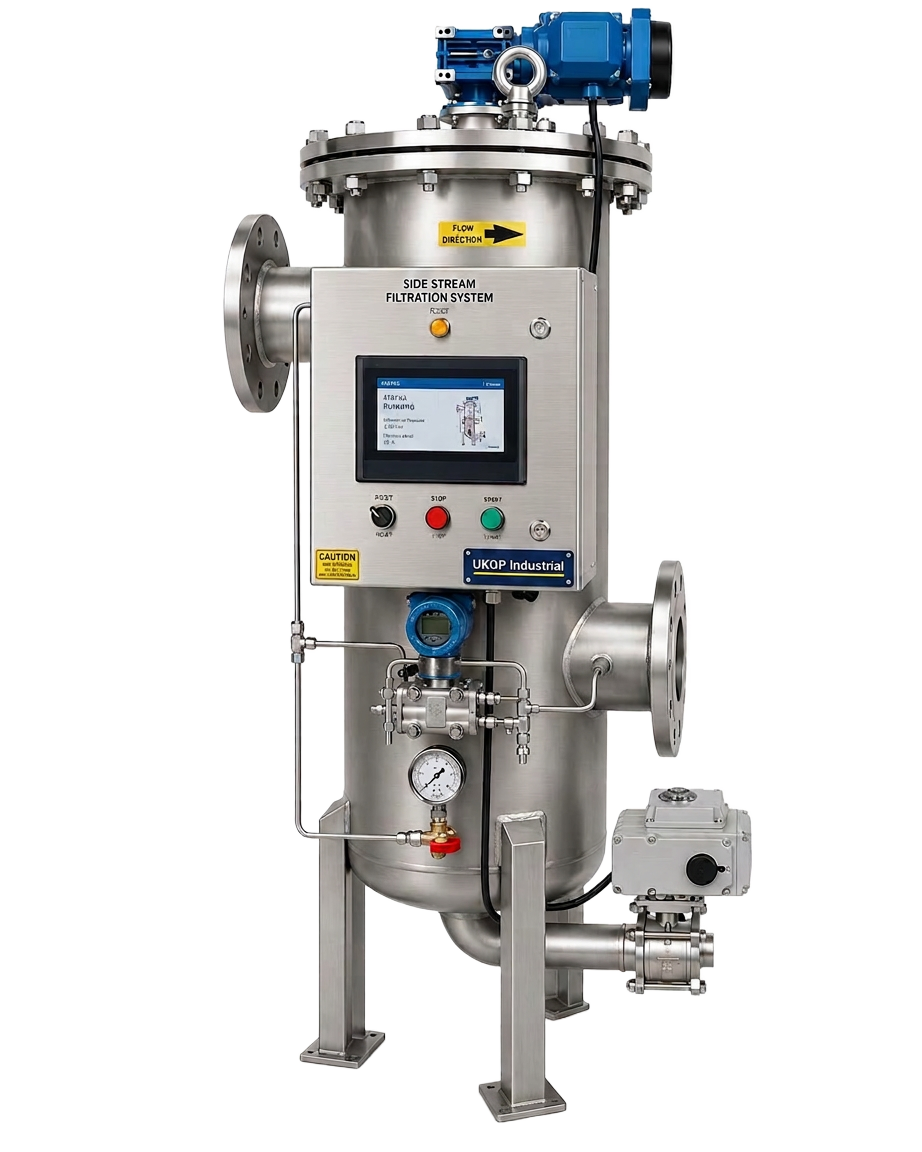
We understand that every plant room is unique. Whether you require a standard DN50 flanged unit for a boiler house or a bespoke DN600 weld-end stainless steel expansion bellows for a large industrial header, our team is equipped to provide the technical submittals and CAD data required for modern BIM workflows. Our products are engineered to withstand the pressures of modern high-performance systems, integrating perfectly with other UKGP solutions such as our plate heat exchangers and side stream filtration skids. By centralizing your procurement with UKGP, you ensure consistent quality across all pressure vessels and expansion components in your HVAC system, simplifying the maintenance and spare parts inventory for facility managers.
In conclusion, the selection of stainless steel expansion bellows should never be an afterthought. By considering movement types, pressure ratings, material compatibility, and installation geometry, you can significantly enhance the reliability of your building services infrastructure. If you are currently specifying or procuring for a project, contact UKGP Industrial today for a competitive quote and expert engineering advice. Our commitment to excellence in stainless steel bellows manufacturing ensures that your systems remain flexible under pressure, protecting your investment and the safety of the building's occupants for the long term.
- Comprehensive 2-year warranty on all expansion bellows units
- Available in a wide range of materials (SS, EPDM, NBR, PTFE)
- Technical support for BIM submittals and complex calculations
- Fast lead times for DN15 to DN600 standard and bespoke sizes
Frequently asked questions
What is the pressure rating for your stainless steel expansion bellows?
- Our stainless steel expansion bellows are typically available in PN16 and PN25 ratings as standard, with bespoke PN40 units available for high-pressure industrial applications, all compliant with BS EN 14917.
When should I choose stainless steel over rubber bellows?
- Stainless steel expansion bellows should be selected for systems with operating temperatures above 90-100°C, high-pressure steam applications, or where the media is chemically incompatible with EPDM or NBR rubber.
Do your stainless steel expansion bellows come with tiered warranty options?
- All our expansion bellows, including our stainless steel, EPDM, and PTFE ranges, come with a comprehensive 2-year warranty as standard, ensuring reliability for contractors and end-users.
How do you calculate the number of expansion bellows needed in a long pipe run?
- The number of units is determined by the total thermal expansion of the run divided by the axial movement capacity of a single stainless steel expansion bellows, ensuring appropriate anchor points are placed between each bellows.
Are your bellows suitable for BSRIA BG29 flushed systems?
- Yes, our stainless steel expansion bellows are designed to withstand standard system cleaning and flushing processes, provided the chemical concentrations and flow velocities remain within BSRIA and manufacturer limits.