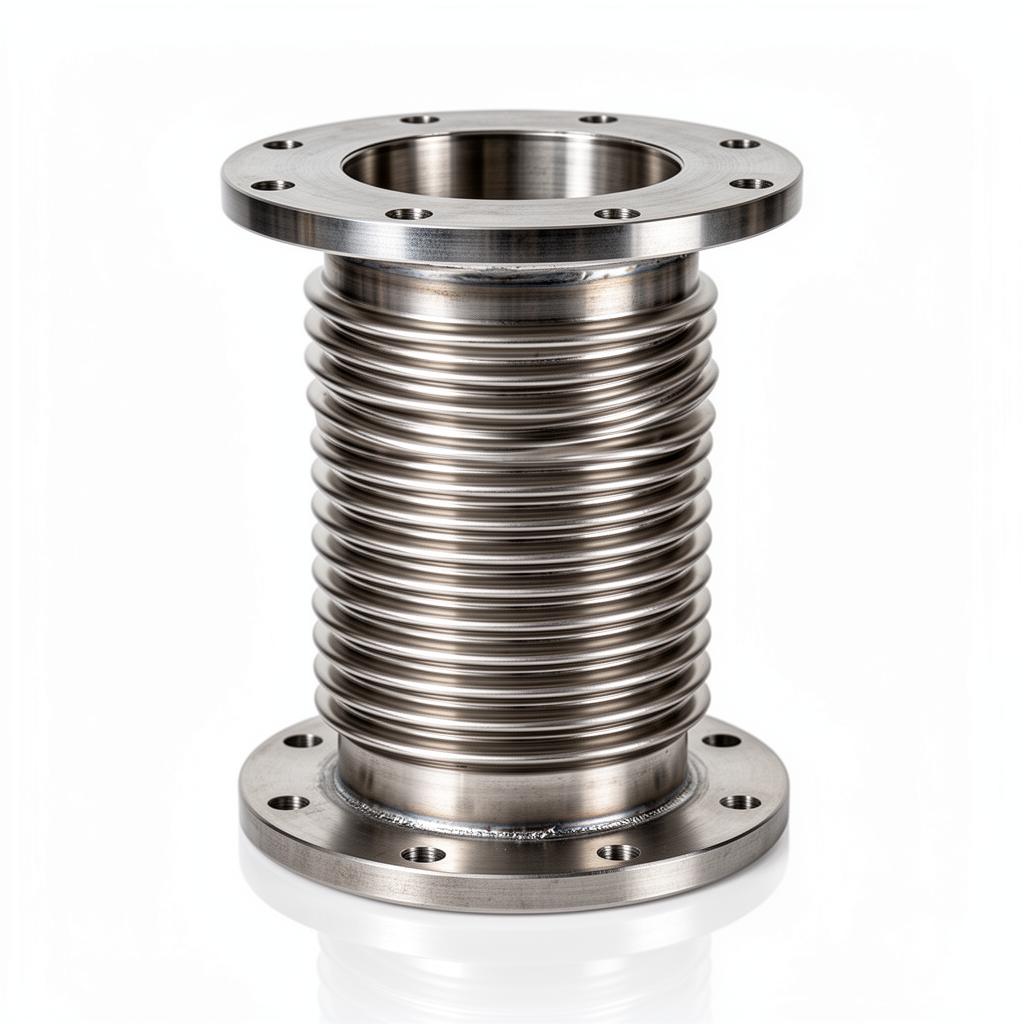
Understanding Thermal Movement in Commercial Pipework
In large-scale commercial HVAC systems, the thermal range between ambient cold starts and peak operating temperatures can be significant. As pipework heats up, it naturally expands; without a dedicated method to absorb this movement, the resulting axial, lateral, or angular stresses can lead to buckling or seal rupture. This is particularly prevalent in systems featuring long runs of stainless steel or steel pipework where the coefficient of linear expansion is constant. Engineers must accurately calculate the expected growth to determine the required compensation. Overlooking these physics often leads to noise issues, premature wear on pumps, and leaks at fixed terminal points where stresses concentrate.
To mitigate these risks, designers often turn to a stainless steel bellows expansion joint over traditional pipe loops when plant room space is at a premium. These units are engineered to compress and extend while maintaining a hermetic seal against the system fluid. For UK projects, following BS EN 14917 ensures that the bellows assembly is designed according to rigorous safety and performance guidelines. Choosing the right material grade for the convolution, such as 304 or 316L, is also vital to prevent chloride-induced stress corrosion cracking, especially in environments where external contaminants might contact the outer surface of the bellows.
When procurement leads evaluate options, they must consider the entire lifecycle of the installation. A cheaply sourced joint may save on initial CAPEX but can lead to extortionate OPEX through emergency downtime repairs. It is commercially prudent to specify units that offer a robust warranty and clear manufacturing traceability. In many district heating schemes or high-rise residential riser applications, the mechanical integrity of each stainless steel bellows expansion joint becomes the backbone of the entire building’s distribution network. Robust anchors and guides must also be positioned correctly as per manufacturer instructions to ensure the expansion joint performs its duty without twisting or over-extending.
- Calculate total thermal growth based on max/min system temperatures.
- Identify the primary movement type: axial, lateral, or angular.
- Consult BS EN 14917 for design and safety factor compliance.
- Assess the space constraints preferring inline bellows over large pipe loops.
Material Specifications and Bellows Construction
The construction of a stainless steel bellows expansion joint typically involves multiple thin layers of metal to provide maximum flexibility while maintaining the pressure-bearing capacity required by commercial boiler circuits. While single-ply bellows are available for low-pressure duties, multi-ply versions are generally preferred in high-vibration or high-pressure environments as they offer superior fatigue life. The convolutions are the heart of the unit, and their geometry determines the spring rate and the amount of movement the joint can safely handle. Using high-grade stainless steel ensures compatibility with a wide range of water treatments and chemistries found in modern closed-loop systems.
Choosing between different grades of stainless steel is often dictated by the specific application and the location of the plant room. For standard LTHW (Low Temperature Hot Water) systems in non-coastal areas, Grade 304 is often sufficient. However, for more aggressive environments or where chemical dosing might be less controlled, Grade 316L provides enhanced resistance to pitting. It is also important to consider the end-connection materials; carbon steel weld-ends or flanged connections are standard, but these must be correctly treated with anti-corrosive coatings to match the service life of the stainless steel convolutions themselves, ensuring the entire assembly remains durable.
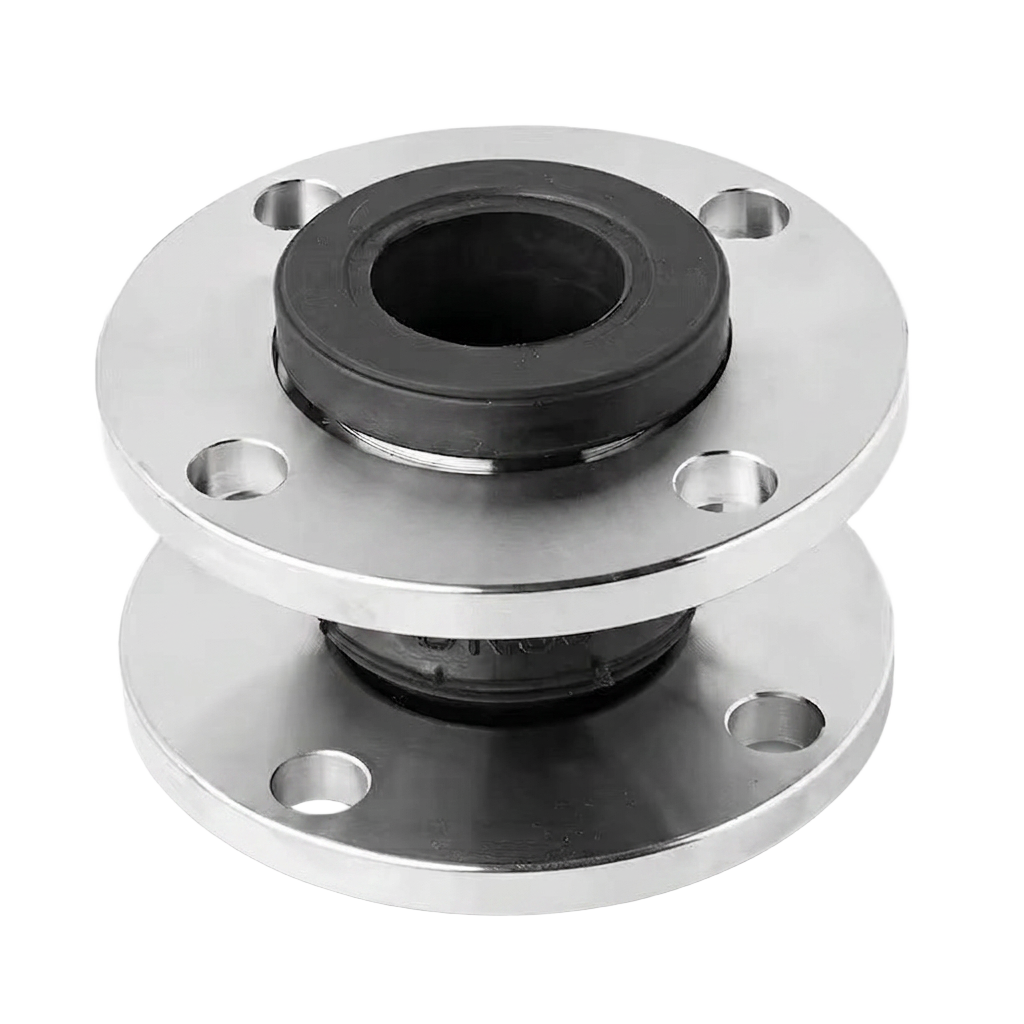
UKGP Industrial provides a comprehensive range of these components tailored for the UK market. Our inventory includes both rubber EPDM/NBR units and the high-specification stainless steel bellows expansion joint, with sizes ranging from DN15 to DN600. These are available with flanged or weld-end connections to suit any installation preference. Our stainless steel variants are particularly favored in steam applications and high-pressure hot water systems where rubber would exceed its temperature rating. With a 2-year warranty as standard, our clients have the peace of mind that their specified components are built to withstand the rigours of commercial engineering.
- Select Grade 316L for increased corrosion resistance in harsh environments.
- Evaluate multi-ply convolutions for enhanced fatigue resistance and vibration.
- Ensure end-connections match the existing pipework material to avoid galvanic corrosion.
- Check that the internal liner is specified for high-velocity or turbulent flows.
Installation Best Practices for the Expansion Joint
Correct installation is the most critical factor in the longevity of a stainless steel bellows expansion joint according to BSRIA BG29 guides. One of the most common errors seen in UK plant rooms is the failure to install adequate pipe guides and anchors. Without fixed anchors, the internal pressure of the system will act to 'straighten' the bellows, potentially pushing it beyond its design limits and causing failure at the convolutions. Guides are equally important, as they ensure the pipe moves in a straight line relative to the bellows, preventing lateral or angular stress from being applied to an axial expansion joint, which could lead to premature fatigue.
During the installation phase, the bellows must be protected from mechanical damage and weld spatter. A small dent or scratch on the thin stainless steel convolutions can create a stress riser, which will eventually lead to a crack and subsequent leak. Many expansion joints are supplied with shipping bolts or bars to keep the unit at its neutral length during transit and installation. These must never be removed until the pipework is fully anchored and the system is ready for testing. Failure to remove these bars before commissioning will prevent the joint from moving, essentially turning it into a rigid pipe and defeating its entire purpose.
The commissioning phase should involve a gradual temperature ramp-up while monitoring the bellows for any signs of abnormal deformation. Following CIBSE guidance for system commissioning ensures that the hydraulic characteristics are balanced before the thermal load is applied. If a stainless steel bellows expansion joint shows signs of 'squirm' (a bowing of the convolutions), it usually indicates that the pressure is too high or the pipe guiding is insufficient. Regular inspections during the first few weeks of operation are recommended to ensure that all anchors remain secure and the bellows is behaving as anticipated by the original design calculations.
- Install heavy-duty anchors at each end of the expansion run.
- Use at least two pipe guides on each side of the bellows to ensure linear movement.
- Leave shipping bars in place until all fixed points are fully secured.
- Protect the bellows from welding sparks and tools during the fit-out process.
Maintenance and Water Quality Compliance
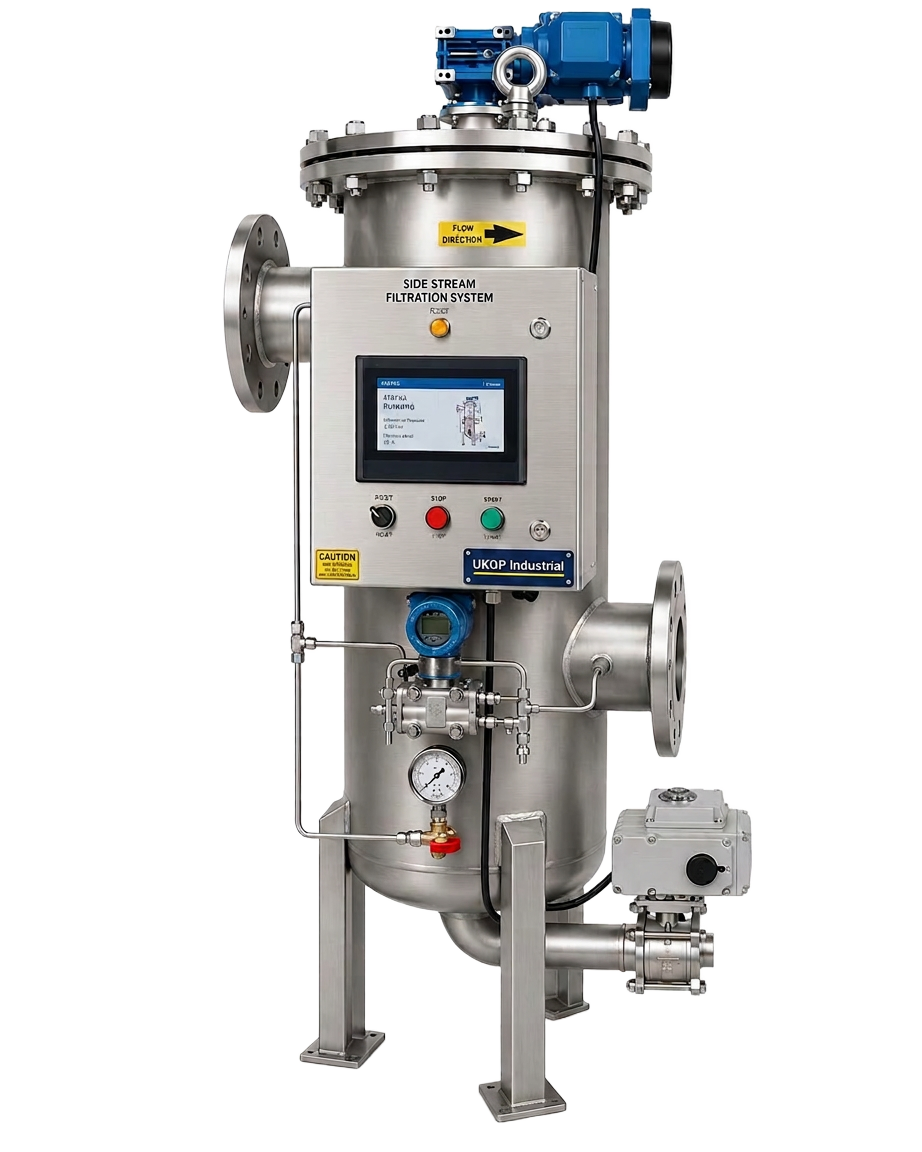
The longevity of a stainless steel bellows expansion joint is intrinsically linked to the chemical composition of the water within the system. BSRIA BG50 highlights the importance of maintaining water quality to prevent corrosion in closed-loop heating and cooling systems. If oxygen levels are not controlled or if the system is contaminated with chlorides, the thin-walled stainless steel bellows are often the first components to suffer from localized pitting. This is why a robust water treatment regime, often including side-stream filtration and chemical dosing, is non-negotiable for any commercial site that values its infrastructure and equipment.
In addition to chemical monitoring, every stainless steel bellows expansion joint should be included in the annual plant room maintenance schedule. Inspectors should look for 'panting' of the convolutions, any signs of leaking, or evidence of external corrosion. If the system has undergone a major refurbishment or the boiler plant has been replaced with modern high-efficiency units, the thermal profile of the building may have changed. It is wise to re-evaluate the expansion requirements during these upgrades to ensure that existing bellows are still within their safe operating range and have not reached their maximum cycle life.
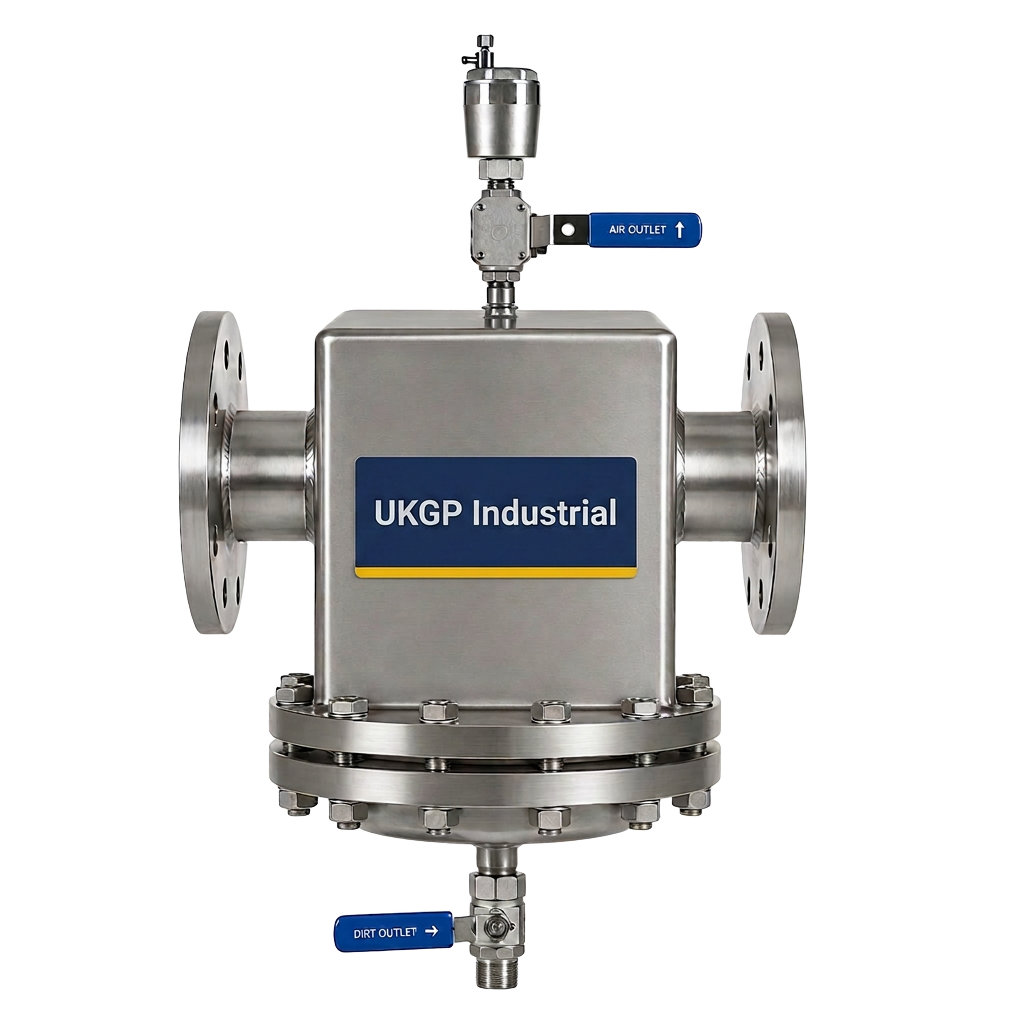
To further protect these sensitive components, many engineers install air and dirt separators to remove abrasive particles and micro-bubbles that can cause erosion or localized corrosion within the bellows folds. By keeping the system 'clean', the risk of debris settling in the convolutions—which can cause mechanical restriction—is greatly reduced. UKGP Industrial offers high-performance air and dirt separators designed to work alongside our expansion solutions. Combining these technologies leads to a more resilient system that requires fewer emergency interventions, protecting the asset for its intended design life while ensuring peak operational efficiency.
- Monitor chloride levels strictly to prevent 304/316L pitting corrosion.
- Conduct quarterly visual inspections for convolution deformation or seepage.
- Ensure the expansion joint is included in the BSRIA BG50 maintenance plan.
- Consider thermal insulation jackets that allow for periodic inspection of the bellows.
Selecting Flanged vs Weld-End Bellows
When specifying a stainless steel bellows expansion joint, the choice of end-connection is usually driven by the building’s existing standards and the preference of the M&E contractor. Flanged connections (typically to BS EN 1092-1) allow for easier replacement and maintenance, as the unit can be unbolted and swapped out without the need for hot works. This is an essential consideration for facilities managers in operational buildings where fire permits and downtime are strictly controlled. However, flanged joints introduce more potential leak points at the gaskets and require more physical space for the flange diameters and bolt tensioning tools.
Alternatively, weld-end connections provide a permanent, leak-free solution that is often preferred for high-pressure or high-temperature steam lines. While they require skilled welding and NDT (Non-Destructive Testing) during installation, they eliminate the need for gaskets and periodic bolt-tightening. In many UK plant rooms, the decision is based on a balance between install speed and long-term accessibility. Regardless of the connection type, the stainless steel bellows expansion joint must be correctly matched to the pressure rating of the rest of the circuit (e.g., PN16 or PN25) to ensure full compliance with the Pressure Equipment Directive (PED).
Our range at UKGP Industrial caters to both schools of thought. We provide DN15 to DN600 units in either configuration, ensuring consistency across your project. Whether you require a compact stainless steel bellows expansion joint for a header installation or a large-diameter unit for a district heating main, our team can provide the technical submittals required by consultants. By sourcing from a Surrey-based supplier with deep technical knowledge, you ensure that the components arrive on site ready for integration into the most complex plant room environments, backed by our commitment to quality and service.
- Flanges facilitate easier replacement in maintenance-heavy environments.
- Weld-ends are ideal for high-integrity steam systems and high-pressure lines.
- Ensure all gaskets used with flanged joints are compatible with the fluid temperature.
- Check flange ratings (PN16, PN25, etc.) match the system design pressure.
Integrating Bellows with Other Plant Components
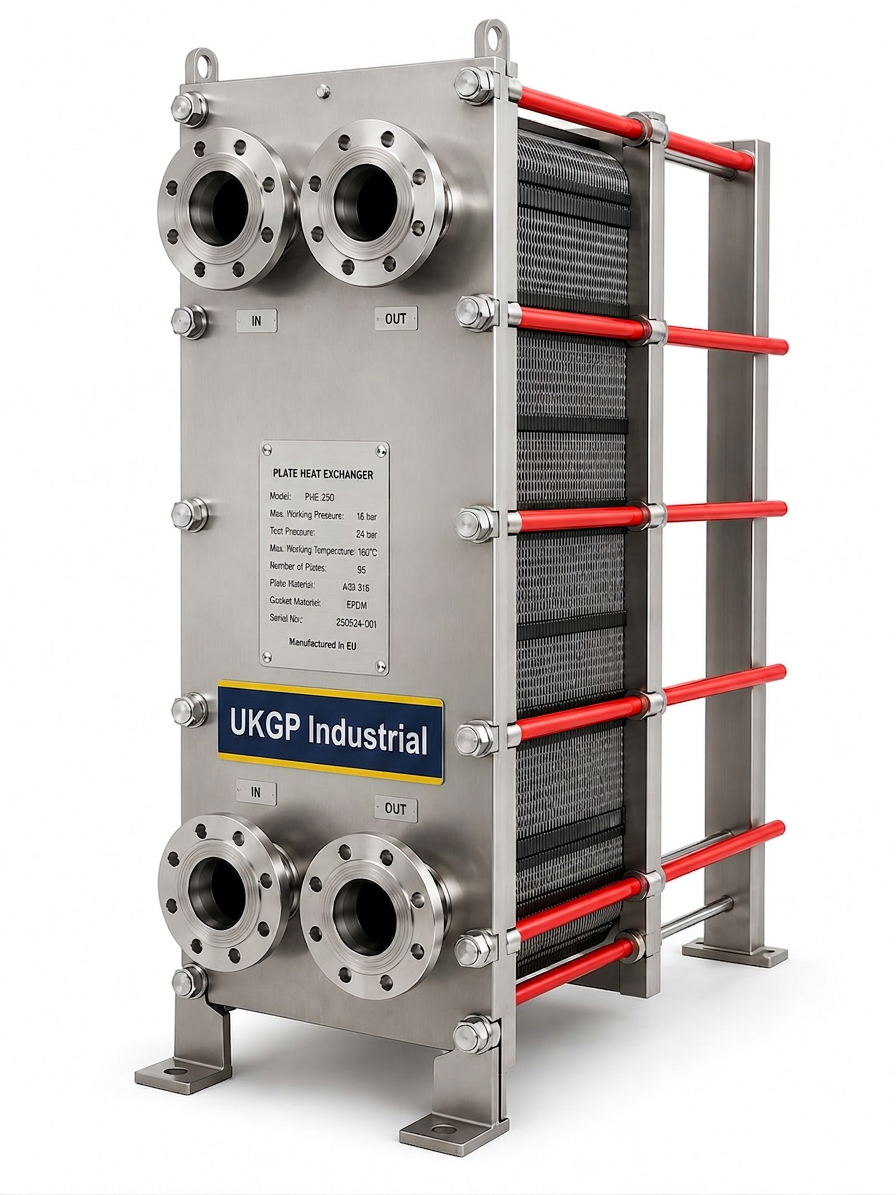
A stainless steel bellows expansion joint does not operate in isolation; it is a critical part of a wider ecosystem that includes boilers, pumps, and heat exchangers. For instance, when installing a low loss header or a plate heat exchanger, the thermal stresses from the primary and secondary circuits can converge at the header connections. Strategically placing a stainless steel bellows expansion joint near these large components prevents the weight and thermal movement of the pipework from exerting force on the equipment nozzles, which are often the weakest mechanical points in the system. This practice is heavily recommended by major UK commercial boiler OEMs.
Contractors should also consider the use of chemical dosing pots and pH sensors to maintain the chemistry that keeps the bellows healthy. As mentioned, the stainless steel convolutions are sensitive to poor water quality. By ensuring a steady pH and consistent inhibitor levels, you prolong the life of every stainless steel bellows expansion joint in the building. It is this holistic approach to plant room design—considering expansion, filtration, and chemistry simultaneously—that separates a high-performing installation from one prone to constant failures and costly remedial work.
At UKGP Industrial, we specialize in providing the full suite of secondary plant room equipment. From our bespoke side-stream filtration skids to our high-quality expansion bellows, we understand how these products interact. When you specify a stainless steel bellows expansion joint from us, you are getting more than just a component; you are getting the expertise of a supplier committed to the longevity of UK building services. Contact our Surrey office today to discuss your project requirements or to request a competitive quote for your next M&E installation, ensuring your system is built to last with our 2-year warranty.
- Place bellows near heat exchangers to protect nozzles from thermal stress.
- Coordinate expansion joint locations with the design of headers and manifolds.
- Implement side-stream filtration to keep convolutions free of debris.
- Utilize pH sensors to monitor the health of the system's stainless steel assets.
Frequently asked questions
What is the typical life expectancy of a stainless steel bellows expansion joint?
- When correctly sized, installed with proper anchoring, and maintained according to BSRIA standards, a stainless steel bellows expansion joint should last 15-20 years. However, poor water quality or incorrect guiding can lead to fatigue failure much sooner.
Can I use a rubber bellows instead of a stainless steel bellows?
- Rubber bellows (EPDM/NBR) are excellent for vibration isolation and LTHW systems up to 90-110°C. However, for temperatures above this, or for high-pressure steam and high-cycle applications, a stainless steel bellows expansion joint is mandatory for safety and durability.
How many guides are needed for a stainless steel bellows expansion joint?
- Standard practice dictates at least two pipe guides near the expansion joint. The first guide should be placed within 4 pipe diameters of the joint, and the second within 14 diameters, to ensure perfectly linear movement.
What standards should I look for when buying bellows in the UK?
- You should ensure the products comply with BS EN 14917 (the European standard for metal bellows expansion joints) and the Pressure Equipment Directive (PED). Installation should follow BSRIA BG29 and BG50 guidelines.
Do you offer custom sizes for your expansion bellows?
- Yes, while our standard range covers DN15 to DN600, UKGP Industrial can assist with custom specifications for unique plant room requirements, offering various materials including PTFE and fabric for specialized applications.