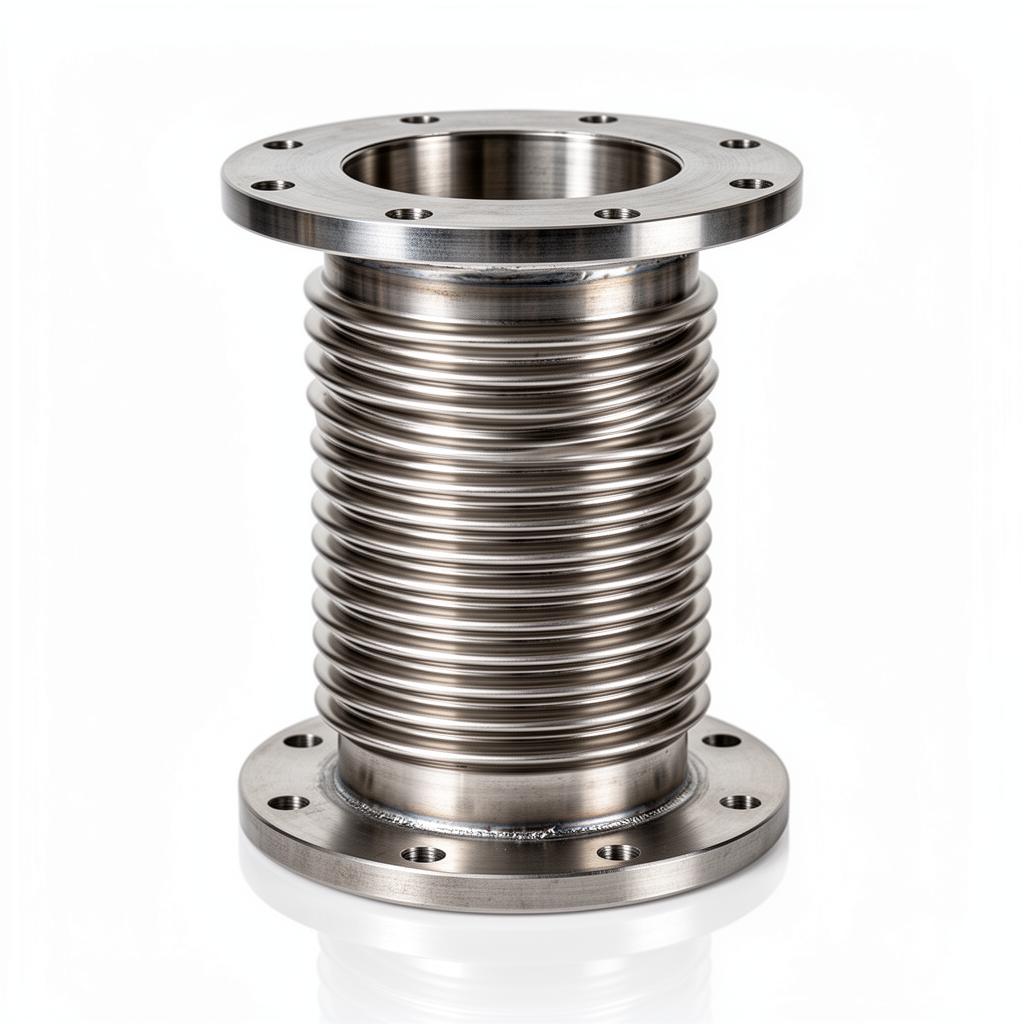
Understanding the Role of a Stainless Steel Bellow Expansion Joint
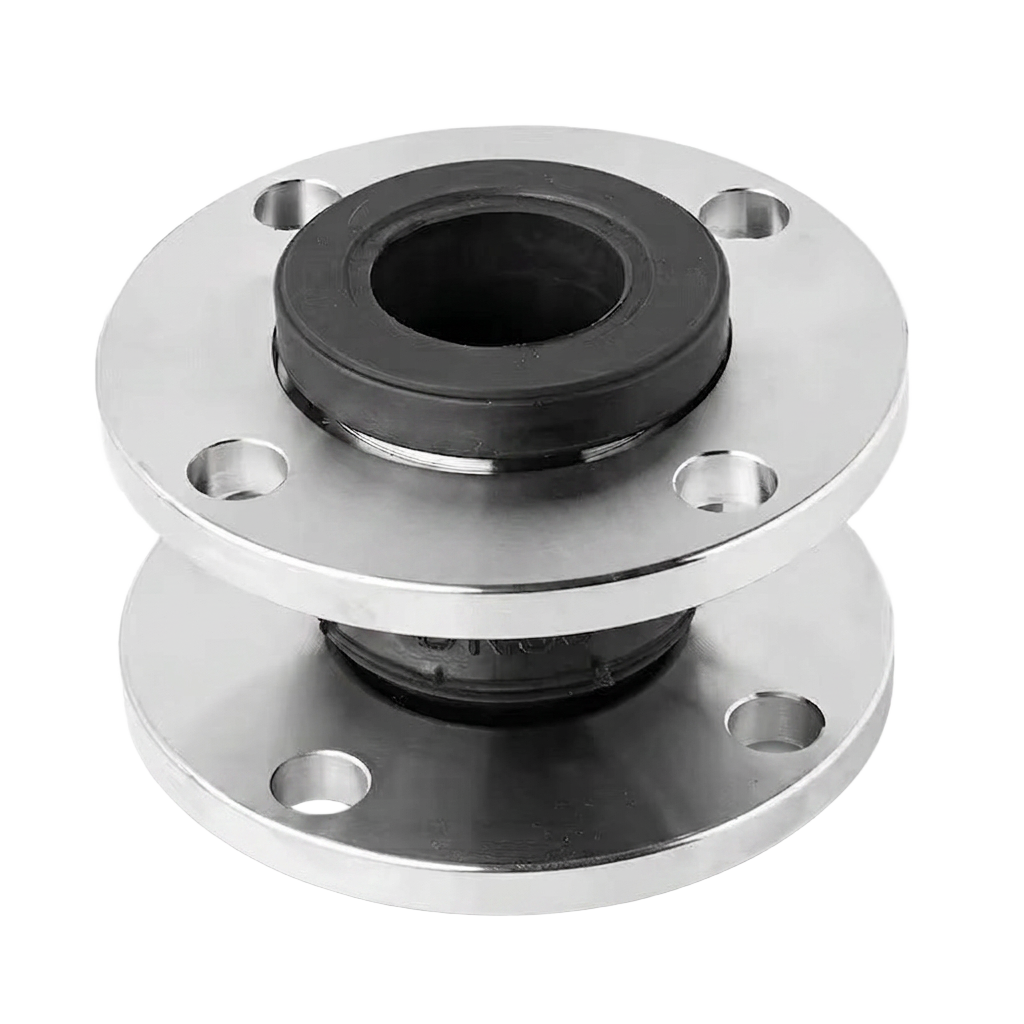
In modern UK building services, the stainless steel bellow expansion joint serves as a fundamental safety and performance component within HVAC and industrial process loops. As water temperatures fluctuate during standard heating or cooling cycles, the metal pipework naturally expands and contracts. Without a correctly specified stainless steel bellow expansion joint, these forces would be transferred directly to fixed points, boiler connections, or delicate heat exchangers, leading to structural fatigue, leaks, or even catastrophic failure. This is especially pertinent in large-scale residential dwellings or commercial offices where long pipe runs are common and thermal movement is significant.
Choosing a stainless steel bellow expansion joint over rubber alternatives is often a necessity when dealing with higher temperature thresholds or specific chemical compatibility requirements that exceed the limits of EPDM or NBR. The stainless steel construction provides superior resistance to heat and pressure, making it the preferred choice for primary LTHW or steam circuits. British Standards, specifically BS EN 14917, outline the rigorous design and testing criteria these joints must meet. For UKGP Industrial clients, ensuring that every installed unit aligns with these standards is the first step toward achieving a robust and insurance-compliant mechanical installation.
When procuring a stainless steel bellow expansion joint, engineers must account for axial, lateral, and angular movements. While a standard axial bellow is designed for straight-line expansion, more complex system geometries may require specialized configurations. Professional M&E contractors often consult with UKGP Industrial early in the design phase to determine whether a standard flanged unit or a weld-end expansion joint is most suitable for the spatial constraints of the plant room. A proactive approach to selection significantly reduces the risk of noise transmission and mechanical stress during the building's operational lifespan.
- Accommodates significant thermal expansion in high-temperature circuits
- Reduces stress on pump housings and commercial boiler connections
- Essential for compliance with BS EN 14917 design standards
- Prevents fatigue failure in rigid UK commercial piping systems
Material Specifications and Durability Standards
The durability of a stainless steel bellow expansion joint is largely dictated by the grade of steel used for the corrugated elements and the precision of the manufacturing process. Most commercial applications in the UK utilize Grade 304 or Grade 316L stainless steel, providing a balance between cost-effectiveness and corrosion resistance. In systems where BSRIA BG50 water quality standards are strictly monitored, the longevity of these bellows is greatly enhanced. However, even with optimal water chemistry, the physical construction of the bellow must be robust enough to withstand thousands of cycles over decades of service without succumbing to stress corrosion cracking.
Beyond the metal itself, buyers must consider the end-fittings which are generally supplied as carbon steel or stainless steel depending on the budget and the environment. For projects in Surrey and across London, flanged connections remain the industry standard for ease of maintenance, allowing for straightforward inspections during annual FM audits. Weld-end versions are frequently specified for high-pressure industrial lines where a permanent, leak-proof seal is paramount. Regardless of the connection type, the internal sleeve or 'liner' is a critical consideration for high-velocity systems to prevent flow-induced vibration and erosion of the bellow's convolutions.
UKGP Industrial offers a comprehensive range of solutions, including our stainless steel bellow expansion joint models available from DN15 to DN600. Every unit is engineered to meet the demands of modern plant rooms, backed by a 2-year warranty that provides peace of mind to procurement leads and facilities managers alike. By sourcing from a UK manufacturer that understands the nuances of domestic building codes and CIBSE guidelines, contractors can ensure that their expansion solutions are not only fit for purpose but are also delivered with full technical documentation and material traceability.
- Available in Grade 304 or 316L for maximum corrosion protection
- Size ranges from DN15 to DN600 to suit all commercial pipe scales
- Options for internal liners to mitigate flow-induced vibration
- Weld-end and flanged configurations for flexible installation
Integration with Side Stream Filtration and Air Separation
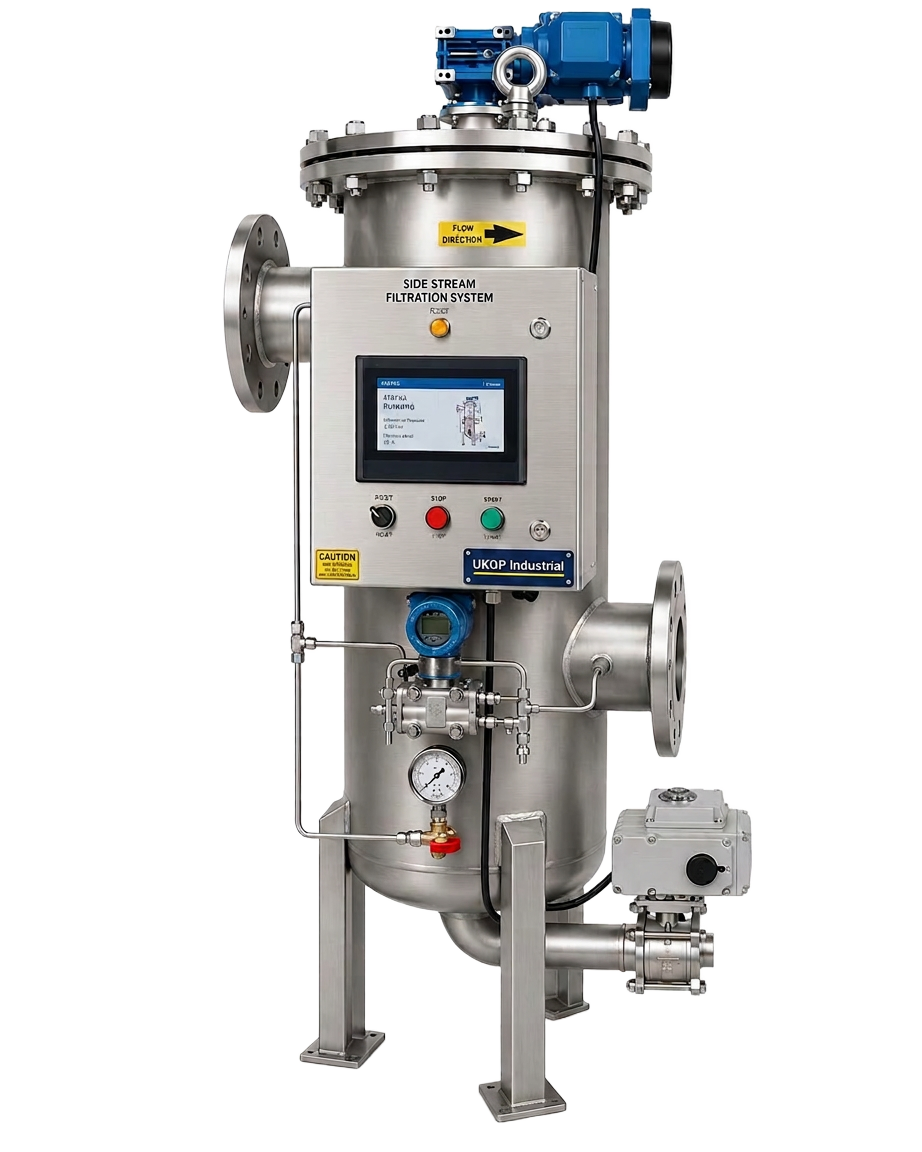
A stainless steel bellow expansion joint does not operate in isolation; its performance is intrinsically linked to the overall health of the hydronic system. Debris, scale, and magnetite can settle within the convolutions of a bellow, causing localized corrosion or restricting movement. This is why BSRIA BG29 and BG50 place such heavy emphasis on water cleanliness and filtration. Integrating high-performance side stream filtration ensures that the circulated water remains free of particulates that could compromise the integrity of the expansion joints and other sensitive plant-room components over time.
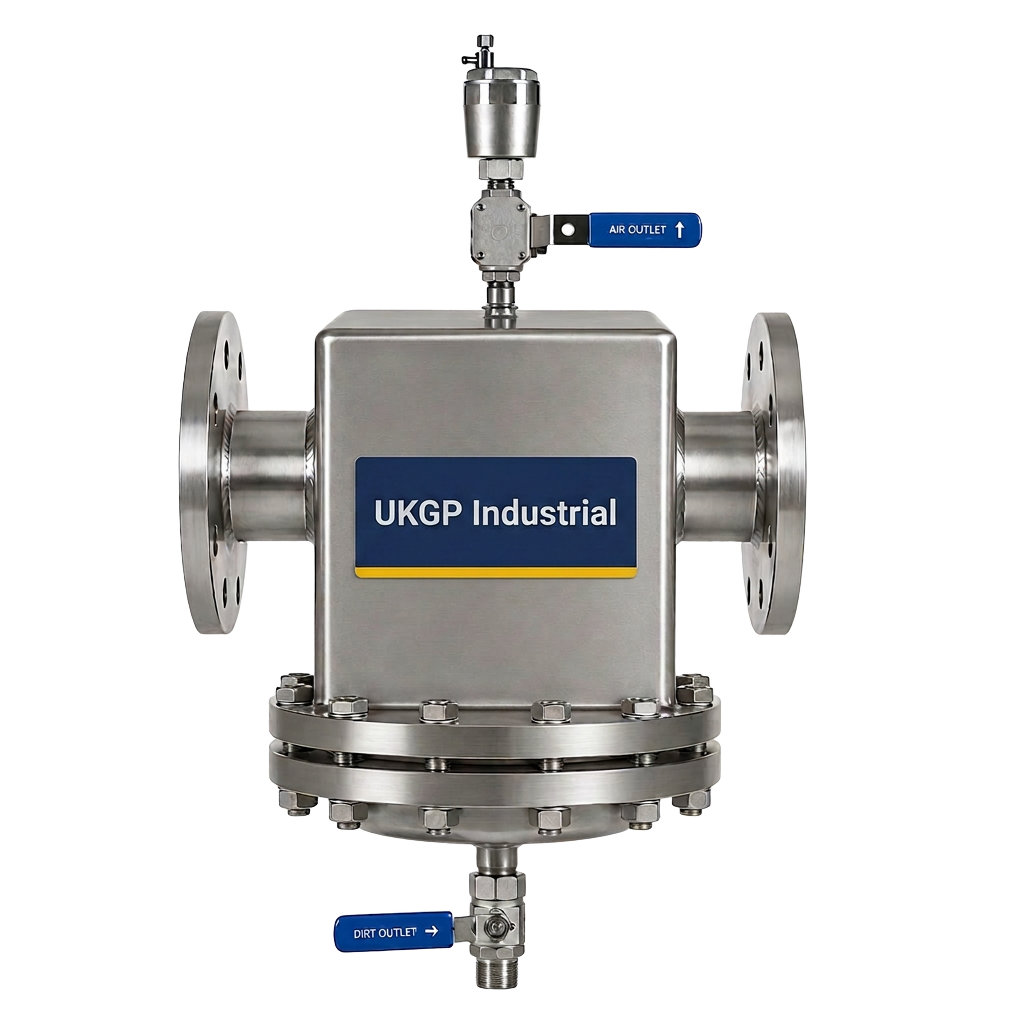
Air and dirt separators also play a vital role in protecting the stainless steel bellow expansion joint. Entrained air can lead to oxidation, while micro-bubbles can cause noise issues within the bellow itself. By keeping the system 'quiet' and chemically balanced, the mechanical stress on the expansion joint is minimized. Contractors should view the expansion bellow as part of a holistic system protection strategy. When a system is correctly balanced and filtered, the lifespan of the bellows can be extended significantly, often matching the lifespan of the primary heat generators and distribution assets.
If you are currently overseeing a plant-room refurbishment or a new build project, UKGP Industrial can assist in sizing both your expansion solutions and your filtration requirements. Our technical team regularly advises on the placement of air & dirt separators relative to expansion joints to ensure optimal hydraulic performance. Contact us today for a quote on our DN15-DN600 stainless steel bellows or to discuss how our UK-manufactured filtration skids can protect your mechanical investment from the day of commissioning.
- Protects bellows from particulate accumulation and localized pitting
- Reduces air-induced noise and oxidation within the system
- Ensures compliance with BSRIA BG50 water quality guidelines
- Extends the operational life of the entire plant-room infrastructure
Installation Best Practices for M&E Contractors
Correct installation is the most common variable affecting the success of a stainless steel bellow expansion joint. It is imperative that the pipework is correctly guided and anchored according to the manufacturer's technical submittals. Without proper anchoring, the internal pressure of the system can cause the bellow to over-extend, leading to immediate deformation or failure. British building services consultants typically specify the exact location of anchors and guides on their schematics, and it is the responsibility of the M&E contractor to ensure these are followed to the letter to satisfy CIBSE safety standards.
During the installation process, the stainless steel bellow expansion joint must be protected from weld spatter and mechanical impact. Many UKGP Industrial components are supplied with protective shipping bolts or 'tie rods' that maintain the correct building length during transit and positioning. These must be removed or adjusted according to the specific design instructions before the system is pressurized. Failure to remove shipping tie rods can prevent the joint from absorbing movement, effectively turning it into a rigid pipe section and defeating its entire purpose within the thermal expansion strategy.
Temperature during installation also plays a factor. If a stainless steel bellow expansion joint is installed during a cold Surrey winter but the system is designed to operate at 80 degrees Celsius, the 'cold draw' must be accounted for. Professional engineers ensure that the pre-set length of the bellow matches the requirements for the expected thermal delta. UKGP Industrial units are designed for ease of installation, but our technical support desk is always available to verify installation parameters for complex layouts involving multi-axial movement or high-pressure steam applications.
- Verify anchor and guide placement before system pressurisation
- Always remove shipping bolts/tie rods before commissioning
- Protect bellows from site damage and weld spatter during fit-out
- Consider 'cold draw' requirements for accurate thermal compensation
Comparing Selection: Stainless vs. Rubber Bellows
While this guide focuses on the stainless steel bellow expansion joint, it is important for procurement leads to understand when to specify metal over rubber. Rubber EPDM or NBR bellows are excellent for vibration isolation in chilled water or moderate LTHW systems, typically capped at 100 degrees Celsius. However, for high-pressure systems or primary loops connected to leading commercial boiler brands where temperatures may surge, the stainless steel variant is the only choice that offers the required safety margin and thermal resistance. Stainless steel also offers better fire resistance, which is a growing priority for high-rise residential projects.
From a commercial perspective, the initial investment in a stainless steel bellow expansion joint is higher than its rubber counterpart, but the total cost of ownership is often lower in rigorous applications. Metal bellows do not suffer from the same UV degradation or ozone aging that can affect rubber over time, particularly in exposed or high-heat plant rooms. Furthermore, the stainless steel construction is inherently more resistant to chemical additives often found in closed-loop systems, provided those additives are maintained within the parameters of BS 8552 for water testing and BSRIA BG50 for maintenance.
Choosing UKGP Industrial means you have access to a full spectrum of expansion solutions. Whether you require a PTFE-lined bellow for chemical resistance, a fabric expansion joint for ductwork, or a heavy-duty stainless steel bellow expansion joint for a hospital plant room, we provide the technical expertise to guide your choice. All our metal bellows are manufactured to high standards, ensuring they meet the DN15-DN600 size requirements common in UK infrastructure. Request a full technical specification sheet today to compare our rubber and stainless steel ranges for your next project.
- Stainless steel offers higher temperature and pressure ratings
- Rubber is ideal for lower temperature vibration isolation
- Metal bellows provide superior fire resistance and longevity
- UKGP supports both EPDM/NBR and Stainless Steel specifications
Procuring Quality Expansion Solutions in the UK
For UK procurement leads, the reliability of the supply chain is as important as the quality of the component. Sourcing a stainless steel bellow expansion joint from a Surrey-based supplier like UKGP Industrial ensures reduced lead times and direct access to technical support. In an era of volatile material costs and global shipping delays, having a local partner that holds stock or can manufacture to order provides a significant advantage for fast-track M&E projects. Our commitment to UK engineering standards means every product is designed to withstand the unique pressures of the domestic commercial heating market.
Documentation is another critical factor in procurement. When you purchase a stainless steel bellow expansion joint from UKGP Industrial, you receive comprehensive O&M (Operation and Maintenance) manuals and certificates of conformity. This level of detail is essential for the final handover to the client and for the long-term management of the facility. Facilities Managers (FMs) rely on this data to schedule inspections and ensure that the building’s thermal management system remains within its design limits. Our 2-year warranty further reinforces our confidence in the durability of our industrial expansion solutions.
In conclusion, the stainless steel bellow expansion joint is an indispensable tool for the modern building services engineer. By prioritizing material quality, adhering to British Standards, and ensuring correct installation, you can safeguard your plant room against the stresses of thermal expansion. UKGP Industrial is proud to be a leading supplier of these components to the UK market. Contact our technical sales team for a bespoke quote on expansion bellows, dosing pots, or low loss headers, and let us help you deliver a high-performance mechanical system that stands the test of time.
- Streamlined UK supply chain helps meet tight project deadlines
- Comprehensive O&M documentation provided for every project
- 2-year warranty as standard on all stainless steel bellows
- Expert technical support available for Surrey and nationwide projects
Frequently asked questions
What is the pressure rating for a UKGP stainless steel bellow expansion joint?
- Our stainless steel bellows are typically designed for PN16 or PN25 as standard, though we can accommodate higher pressure requirements. All ratings are clearly marked and comply with BS EN 14917.
Can I use a stainless steel bellow expansion joint for steam applications?
- Yes, stainless steel is the preferred material for steam lines due to its high temperature resistance and ability to handle the thermal shock associated with steam cycles, unlike standard rubber bellows.
What sizes are available in your expansion bellow range?
- UKGP Industrial supplies stainless steel, rubber, and PTFE bellows in sizes ranging from DN15 for smaller pipework up to DN600 for large-scale industrial headers and distribution mains.
Do these bellows require regular maintenance?
- Bellows should be visually inspected during annual plant-room audits for signs of fatigue or corrosion. Ensuring system water quality meets BSRIA BG50 standards is the best way to prevent premature failure.
What is the difference between an axial and a lateral expansion joint?
- An axial joint absorbs movement along the longitudinal axis of the pipe, while a lateral joint handles movement perpendicular to the pipe run. Our technical team can help you select the right configuration for your layout.