The Limitations of Conventional Analogue Probes
Conventional pH measurement relies on a high-impedance millivolt signal generated by the glass electrode. Because the signal is extremely weak, it is highly sensitive to external electrical noise. In a typical UK plant room, where sensors are often located near Variable Frequency Drives (VFDs) or heavy-duty pump motors, this EMI often manifests as signal 'bounce' or permanent offsets, leading to inaccurate dosing of water treatment chemicals.
Furthermore, conventional probes require an unbroken run of specialist low-noise coaxial cable back to the controller. Any moisture ingress at the junction or the use of standard terminal blocks can lead to leakage currents that dwarf the sensor's own output. This makes installation and long-term maintenance in humid or wash-down environments particularly challenging for M&E contractors.
- Susceptibility to Electromagnetic Interference (EMI) from VFDs and large pumps.
- Signal loss over cable runs exceeding 10-15 metres.
- Requirement for specialist high-impedance coaxial cables and BNC connectors.
- Moisture ingress at the probe head causing terminal salt-bridging.
The Advantages of Smart M12 Transmitter Electronics triumphs
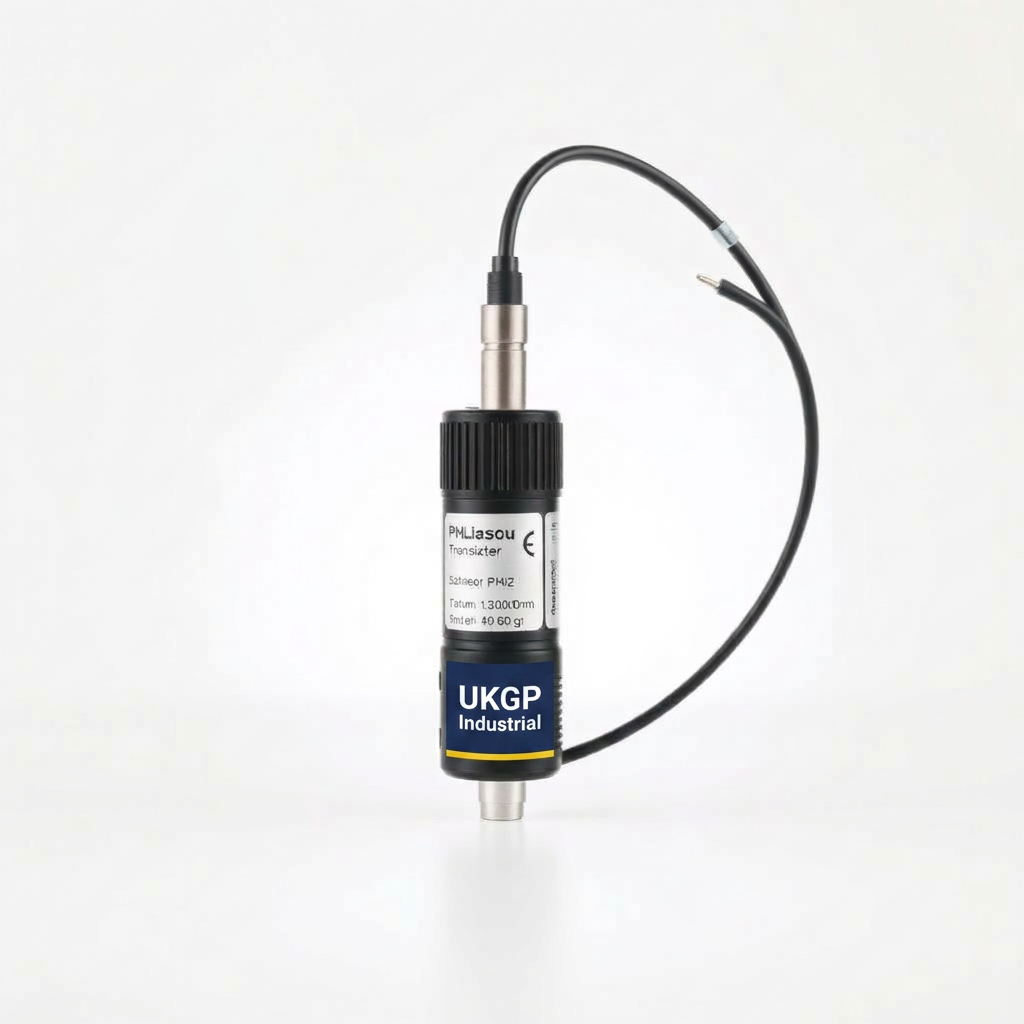
Smart pH sensors differ fundamentally by integrating the transmitter electronics directly onto the sensor head or via a compact M12 quick-connect module. This architecture converts the high-impedance pH signal into a low-impedance digital (e.g., Modbus RTU) or 4-20mA analogue signal immediately. By digitising the signal at the point of measurement, the system becomes virtually immune to the electrical noise that plagues traditional installations.
The use of standardised M12 connectors is a significant upgrade for UK building services. These connectors provide a robust, keyed, and water-tight seal that prevents the 'salt-bridging' common in BNC or screw-terminal heads. From an operational perspective, this allows facilities managers to replace sensors in seconds without rewiring the entire cable run, significantly reducing downtime in critical process loops or cooling tower bleed-off systems.
- Onboard microprocessor converts mV to a robust digital or 4-20mA signal at the source.
- M12 industrial connectors (IP67/68) eliminate moisture-related signal failure.
- Plug-and-play functionality reduces commissioning time on site.
- Internal storage of calibration data and sensor health metrics.
Maintenance and Calibration Efficiency
One of the most significant operational benefits of smart sensors is the ability to perform 'lab-to-field' calibration. Because the calibration data is stored on the smart transmitter chip rather than the secondary display, a technician can calibrate a sensor in a controlled environment using buffer solutions and then carry it to the plant room for installation. The system automatically recognises the new calibration constants upon connection.
In contrast, conventional probes must be calibrated in-situ, often requiring the technician to carry buffer solutions, wash bottles, and tools to remote or difficult-to-access locations. In large-scale developments or district heating schemes, the man-hours saved through smart sensor swap-outs provide a rapid return on investment. Furthermore, smart electronics can track the 'slope' and 'offset' of the electrode, providing early warnings before the sensor fails completely.
- Predictive maintenance: Sensors can alert operators when the glass membrane is fouled or aging.
- Offline calibration: Probes can be calibrated in a lab and then hot-swapped into the field.
- Elimination of pre-amplifiers: Small footprints allow for installation in cramped plant rooms.
Application in Modern Building Services
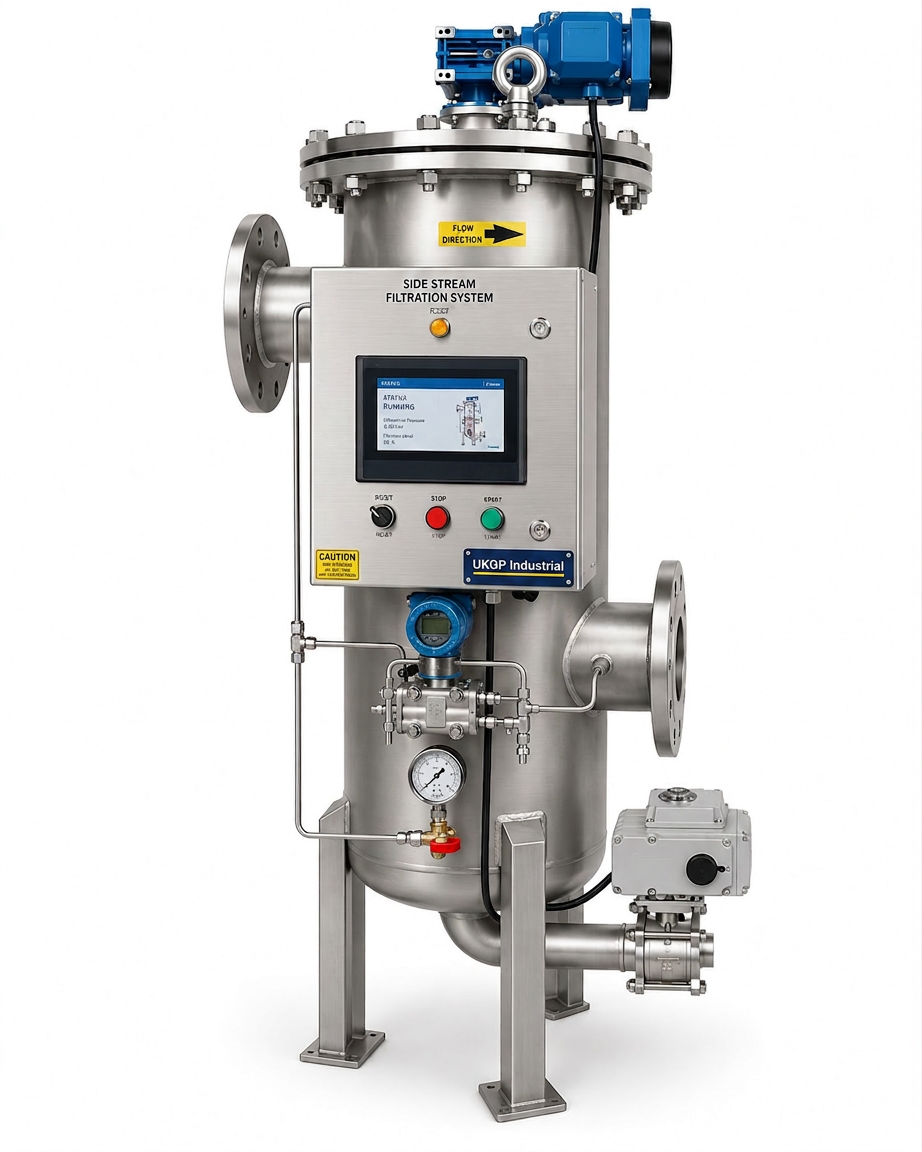
In the context of BSRIA BG50 (Water treatment for closed heating and cooling systems), pH stability is paramount. A drop in pH in a chilled water circuit can lead to rapid pitting corrosion of steel pipework. Smart pH transmitters integrated with side-stream filtration units allow for real-time monitoring and automated dosing of inhibitors, ensuring the system remains within the recommended range of 9.0 to 10.5 for most steel systems.
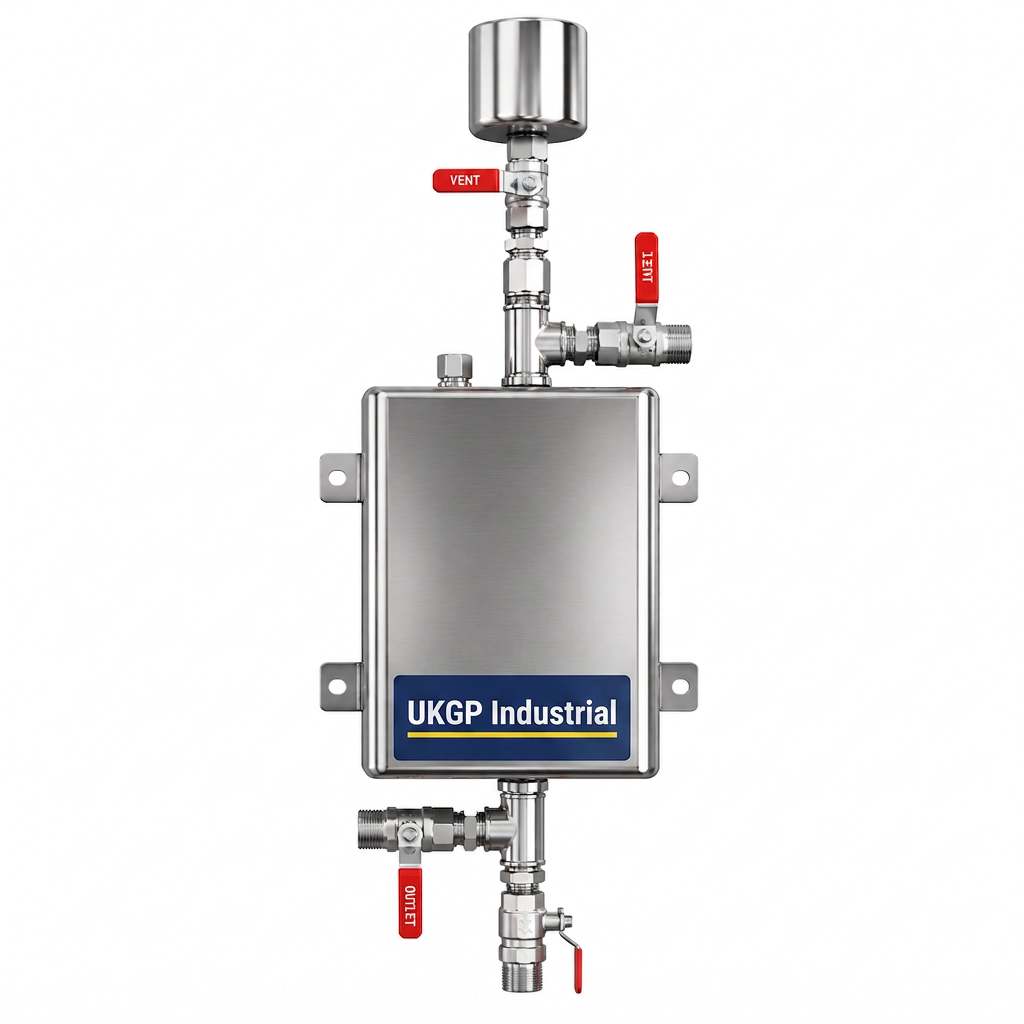
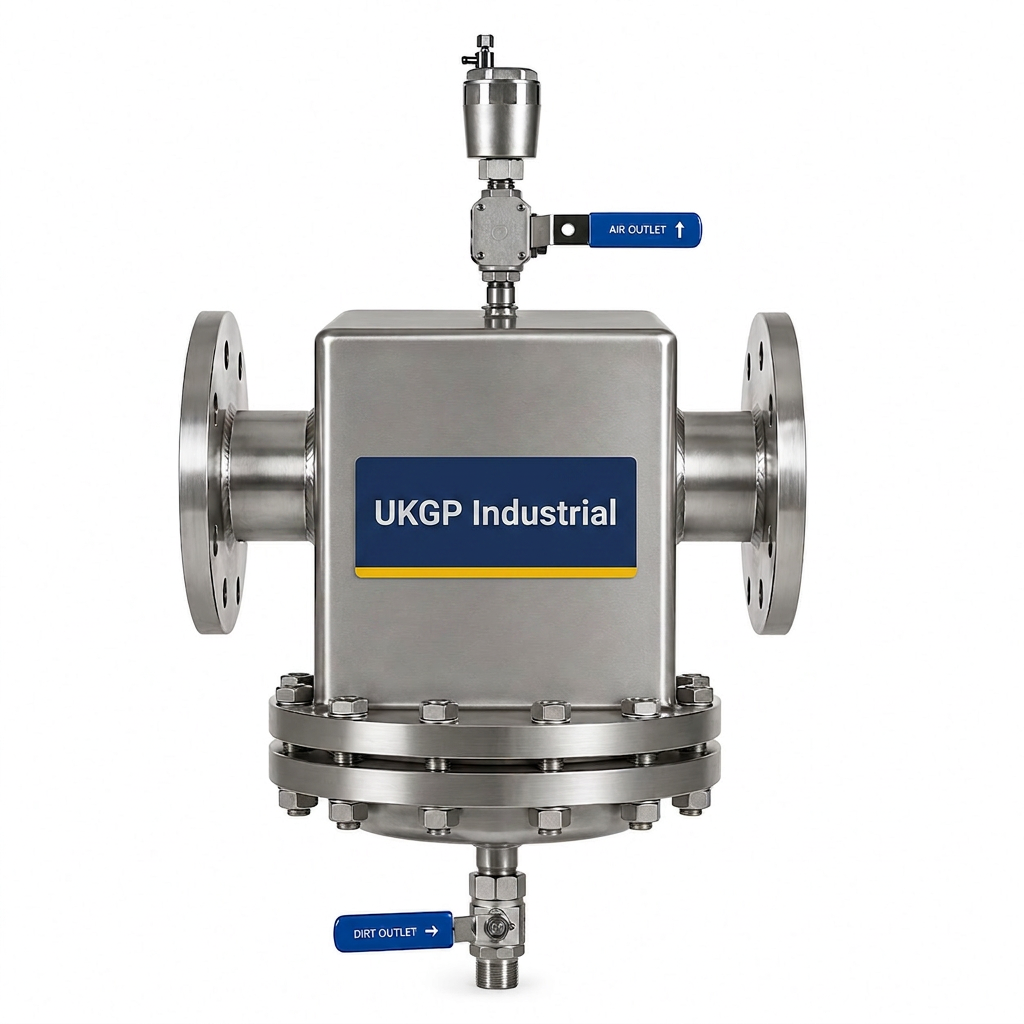
Wastewater neutralisation is another critical area. Industrial facilities in the UK must comply with strict pH limits for effluent discharge. Conventional sensors that drift due to cable humidity can lead to accidental non-compliance. By utilising smart M12 sensors, engineers gain a higher degree of certainty in their logging data, which is essential for audit trails and environmental reporting. These sensors are increasingly integrated with advanced filtration and treatment skids to provide a hollsitic water management solution.
- Cooling Towers: Managing scale and corrosion through precise pH-controlled bleed and chemical dosing.
- Closed-Loop Systems: Adhering to BSRIA BG29/21 and BG50 via continuous monitoring.
- Effluent Monitoring: Ensuring pH levels meet Water Authority discharge consents to avoid fines.
Technical Specification and Selection Criteria
When specifying a smart pH system, engineers should look for transmitters that offer a wide power supply range (typically 12-24V DC) and a standard output that is compatible with the site's Building Management System (BMS). UKGP Industrial smart transmitters often feature an integrated temperature sensor (PT100/PT1000) to provide automatic temperature compensation (ATC), which is vital as pH readings shift significantly with temperature fluctuations.
Finally, consider the mechanical installation. Smart transmitters are available in various mounting configurations, including in-line T-pieces, immersion probes for tanks, and retractable housings for systems that cannot be drained for maintenance. For heavy-duty industrial applications, the transition to M12 digital technology is no longer an optional upgrade but a necessary standard for ensuring the longevity and efficiency of building services assets.
- Check for compatibility with existing BMS/PLC inputs (4-20mA or Modbus).
- Ensure the probe material (General Purpose, Fluoride Resistant, etc.) matches the fluid properties.
- Verify the pressure and temperature ratings against the maximum plant operating conditions.
Frequently asked questions
Can I retrofit smart pH transmitters to existing plant rooms?
- Yes, smart sensors using M12 connectors can often be retrofitted, though the receiving PLC or BMS must be capable of receiving the digital output (Modbus/4-20mA) from the new transmitter.
Is the Total Cost of Ownership (TCO) lower for smart sensors?
- While smart sensors have a higher initial capital cost, the reduction in maintenance hours, lack of specialised coaxial cabling requirements, and longer probe life via predictive diagnostics usually result in a lower TCO within 18 months.
How do smart pH sensors comply with BSRIA BG50?
- BSRIA BG50 recommends regular monitoring of pH in closed-loop systems to prevent corrosion. Smart sensors provide the real-time data logging required to demonstrate compliance with these best practice guidelines.
How often do M12 digital pH sensors require calibration?
- Calibration frequency depends on the process conditions, but many smart transmitters only require monthly or quarterly checks due to their reduced drift characteristics compared to old analogue high-impedance systems.