The Mechanics of a Rubber Pipe Expansion Joint
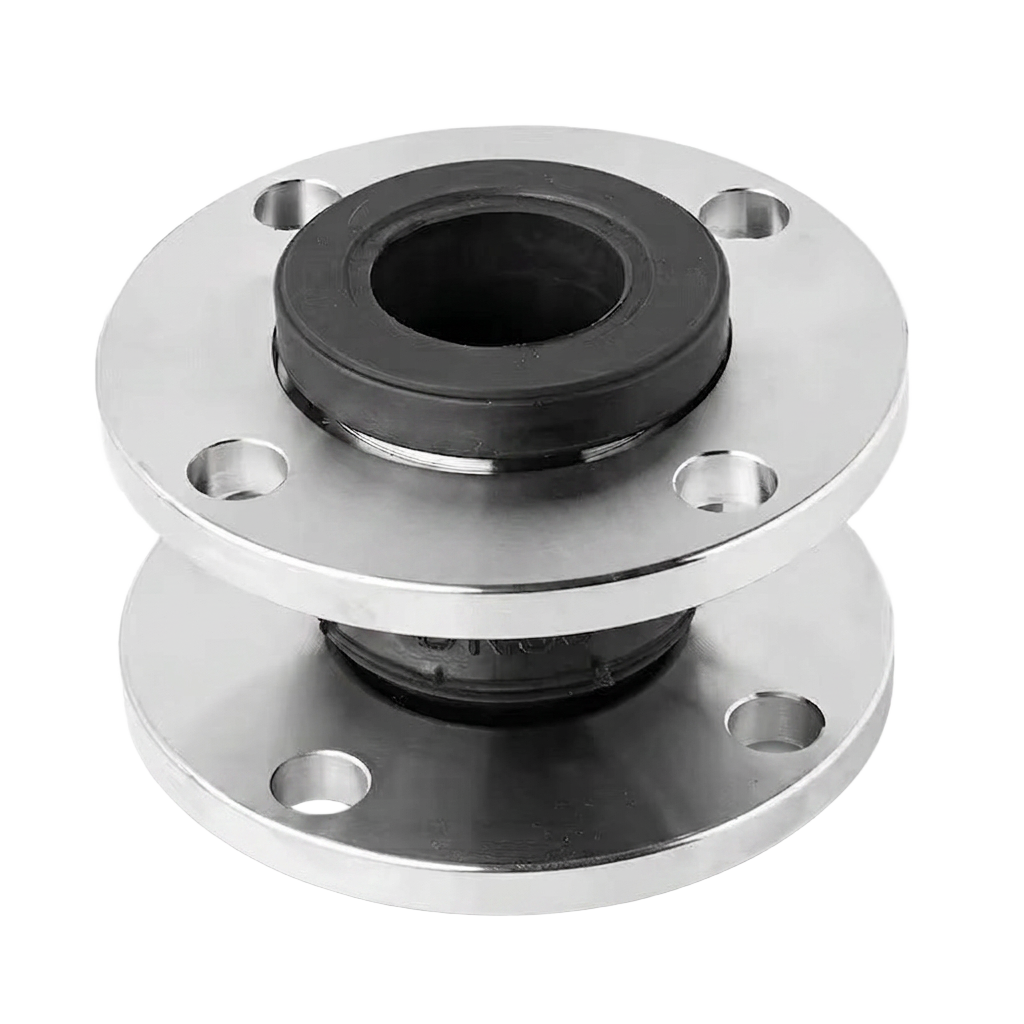
In the UK building services sector, the rubber pipe expansion joint is a staple component for managing thermal expansion and isolating vibration from pumps or chillers. These units, often referred to as rubber bellows, utilize high-grade elastomers like EPDM or NBR to absorb axial, lateral, and angular movements. However, a common misconception among junior site engineers is that the flexible element acts as a structural support; in reality, the expansion joint is the weakest point in the pipeline. When pressurized, the joint attempts to straighten and extend due to pressure thrust. This force is proportional to the internal pressure and the effective cross-sectional area of the bellows. Without proper anchoring, this force will push the pipework apart, potentially leading to a breach in the plant room and significant water damage or system downtime.
Successful integration of a rubber pipe expansion joint requires a deep understanding of the elastomer's physical properties compared to metallic alternatives. While stainless steel bellows are frequently specified for high-temperature steam applications, rubber counterparts excel in HVAC systems due to their superior noise attenuation and fatigue resistance. According to BSRIA BG29 and BG50 guidelines, maintaining water quality and system pressure stability is essential, but these measures are undermined if the physical piping constraints are inadequate. Engineers must calculate the total movement expected across the operational temperature range—typically from a winter cold soak to peak flow temperature—to ensure the selected joint size is capable of handling the anticipated thermal load. Failure to account for these variables often results in the rubber being stretched beyond its elastic limit, resulting in premature cracking or flange pull-out.
When specifying these components, procurement leads should look for versatility in materials to match the specific fluid medium. EPDM is standard for hot and cold water service, whereas NBR is required for oil-contaminated lines or fuel systems. For more aggressive chemical environments, PTFE-lined units are the preferred choice. UKGP Industrial provides a comprehensive range of these products from DN15 to DN600, available in flanged or weld-end configurations. By choosing a unit with a 2-year warranty, contractors can be confident in the reliability of their installation. It is vital to remember that the rubber pipe expansion joint is not designed to correct major piping misalignments, which can introduce torsional stress—the leading cause of premature elastomeric failure in commercial plant rooms across the UK.
- EPDM liners for standard heating and cooling cycles
- NBR liners for petrochemical and oily applications
- PTFE or fabric options for specialized industrial media
- Capacity to handle axial, lateral, and angular movement
The Critical Role of Main Anchors
A main anchor is a structural attachment designed to withstand the full pressure thrust of the system and the force required to compress the rubber pipe expansion joint. These anchors must be strategically placed at the ends of pipe runs, at changes in direction, or between two expansion joints. In accordance with BS EN 14917 principles, an anchor must be rigid enough to prevent any movement of the pipe at that specific point. If an anchor fails, the pressure thrust will act on the next available fixed point, which may be a pump casing or a sensitive control valve not designed for such loads. The calculation for anchor loads must include the pressure thrust, the stiffness force of the bellows, and any frictional forces from the pipe guides further down the line.
It is common for M&E contractors to underestimate the magnitude of pressure thrust. For example, a DN200 rubber pipe expansion joint operating at 10 bar can generate several tonnes of force. If the main anchor is simply bolted to a thin floor slab without structural reinforcement, the piping system will eventually migrate, causing the bellows to over-extend. CIBSE Guide Force calculations provide the necessary framework for determining these loads. All main anchors should be inspected during the pre-commissioning phase, especially before the first pressure test. A common failure mode seen during BSRIA BG29 flushing is the movement of 'temporary' anchors that were never designed to handle the dynamic loads of high-velocity flushing, emphasizing the need for permanent, robust anchoring from the outset of the build.
Intermediate anchors may also be utilized in long straight runs where multiple expansion joints are required. These anchors divide the pipework into smaller, manageable sections, each with its own rubber pipe expansion joint. Unlike main anchors, intermediate anchors only need to withstand the forces required to compress the bellows and the frictional drag of the guides, as the pressure thrusts from adjacent bellows sections cancel each other out. However, if one section loses pressure, the intermediate anchor effectively becomes a main anchor. Therefore, best practice suggests designing all anchors with a safety margin to accommodate unexpected system imbalances. For UK-based projects, ensuring these anchors are specified to handle the full rated pressure of the UKGP supplied bellows is a prerequisite for a safe handover.
- Anchors must be located at all changes in pipe direction
- Design must account for pressure thrust and bellows spring rate
- Structural verification required for floor and wall mounting
- Anchors should be installed prior to system pressure testing
Pipe Guiding Rules for Stability
Even with perfect anchoring, a rubber pipe expansion joint will fail if the pipe is allowed to squirm or buckle. This is where pipe guides become essential. Guides are designed to permit axial movement while restricting lateral and vertical displacement. The first guide should typically be placed within a distance of four pipe diameters from the expansion joint, with the second guide located within fourteen diameters. This proximity ensures that the pipe enter the bellows in a straight line, preventing the lateral 'kick' that often occurs when a system is pressurized. Adhering to these spacing rules is vital to prevent the bellows from being forced into an angular misalignment that exceeds the manufacturer's specified limits.
Subsequent guide spacing is determined based on the diameter and material of the pipework, following standard industry tables found in CIBSE or BSRIA documentation. For larger diameter pipes, the weight of the water-filled pipe adds significant gravity loads that the guides must also manage. It is a frequent error to use standard pipe hangers as a substitute for dedicated guides. Hangers allow for pendulum-like swinging, which does nothing to prevent the axial buckling of the pipe under the compressive load of the rubber pipe expansion joint. True guides provide a sliding surface or roller mechanism that keeps the pipe centered along its longitudinal axis. This precision is what protects the EPDM or NBR membrane of the bellows from uneven wear and localized stress concentrations.
In constrained plant room environments where standard guide spacing is difficult to achieve, engineers might consider the use of tied expansion joints. Tied units feature limit rods that prevent the bellows from over-extending, effectively absorbing the pressure thrust within the unit itself. While this reduces the load on main anchors, it also limits the bellows to lateral movement only. When using an untied rubber pipe expansion joint, the guide regime must be strictly followed. UKGP Industrial offers expert technical support to contractors to ensure that for every DN15 to DN600 joint supplied, the corresponding guide plan is robust. Consulting with us during the design phase can prevent the costly remedial work often required when a site fails its final BS 8552 water quality and mechanical integrity inspection.
- First guide must be within 4x pipe diameter from the joint
- Second guide must be within 14x pipe diameter
- Standard hangers cannot replace dedicated axial guides
- Guides must allow free thermal longitudinal movement
Installation Best Practices and Pitfalls
The physical installation of a rubber pipe expansion joint should only occur once the anchors and guides have been fully secured. One of the most prevalent mistakes is using the flange bolts of the expansion joint to pull a gap together in the pipework. This 'pre-stressing' reduces the movement capability of the bellows before the system even turns on. The pipework should be aligned and supported so that the bellows can be slipped into place with zero initial stress. Additionally, for flanged units, contractors must ensure that the mating flanges are flat-faced. Using raised-face flanges against a full-face rubber joint can cut into the rubber sealing surface, leading to leaks under high-pressure conditions.
Protection of the rubber element during the construction phase is also a key consideration. Weld spatter is a common cause of damage; even a small droplet of molten metal can burn through the EPDM or NBR layers, causing a failure point that may not manifest until months later during a mid-winter peak. Similarly, the use of chemical cleaning agents during the BSRIA BG29 process must be monitored. While UKGP expansion joints are resilient, the concentration and temperature of system flushes should be cross-referenced with the material compatibility charts. Our expansion bellows come with a 2-year warranty, but this is contingent upon the unit being installed in an environment that respects the physical and chemical limits of the elastomer.
Finally, torque management on the tie rods—if fitted—is essential. Tie rods should be adjusted so that they are just 'slack' during normal operation, serving only as a safety limit to prevent over-extension if an anchor were to fail. If the tie rods are tightened too much, they will transmit noise and vibration through the building structure, defeating one of the primary purposes of installing a rubber pipe expansion joint. Whether you are working with DN15 or DN600 sizes, using flanged or weld-end connections, the goal remains a neutral, unstressed installation. For procurement leads, sourcing high-quality UKGP components ensures that the hardware meets the rigorous requirements of modern UK building services and mechanical specifications.
- Ensure mating flanges are flat and free of sharp edges
- Protect bellows from weld spatter and site debris
- Never use the joint to compensate for piping misalignment
- Check material compatibility for BSRIA flushing chemicals
Thermal Expansion and System Integration
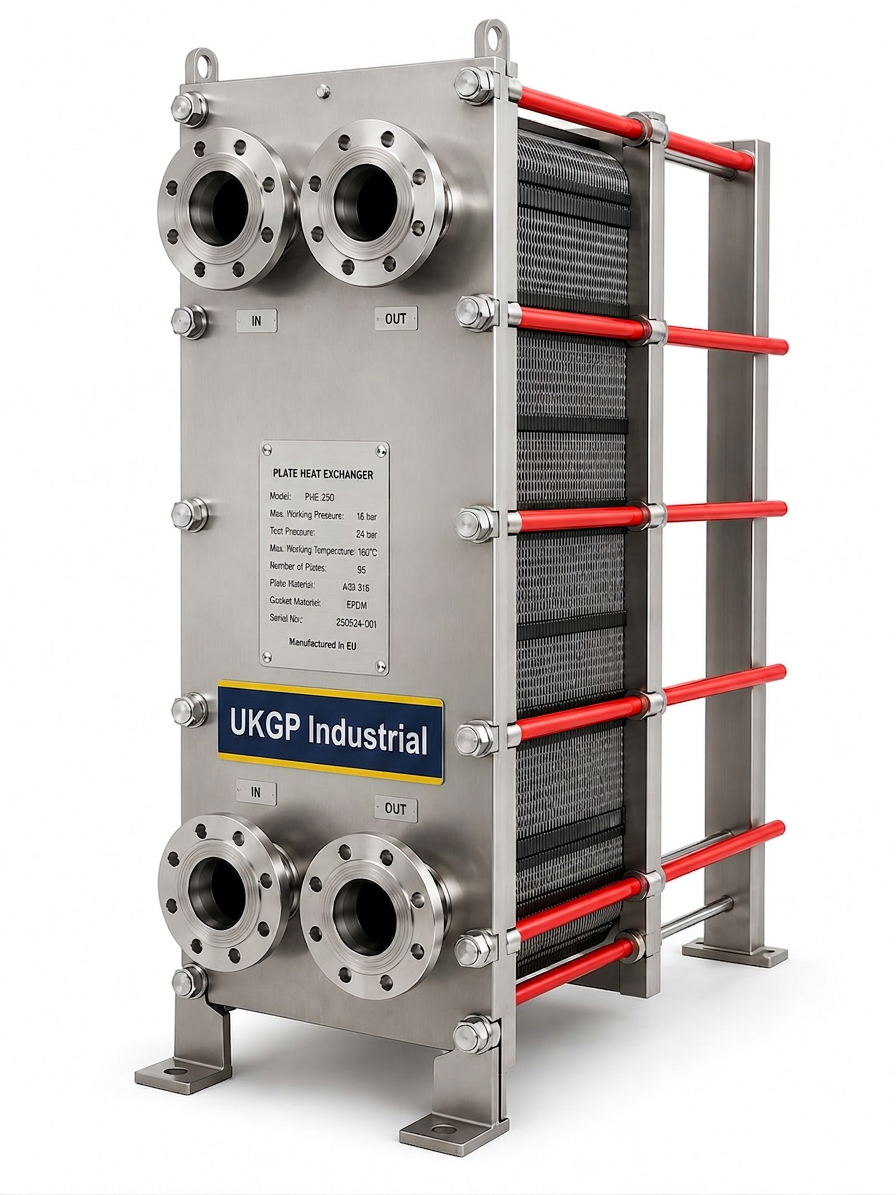
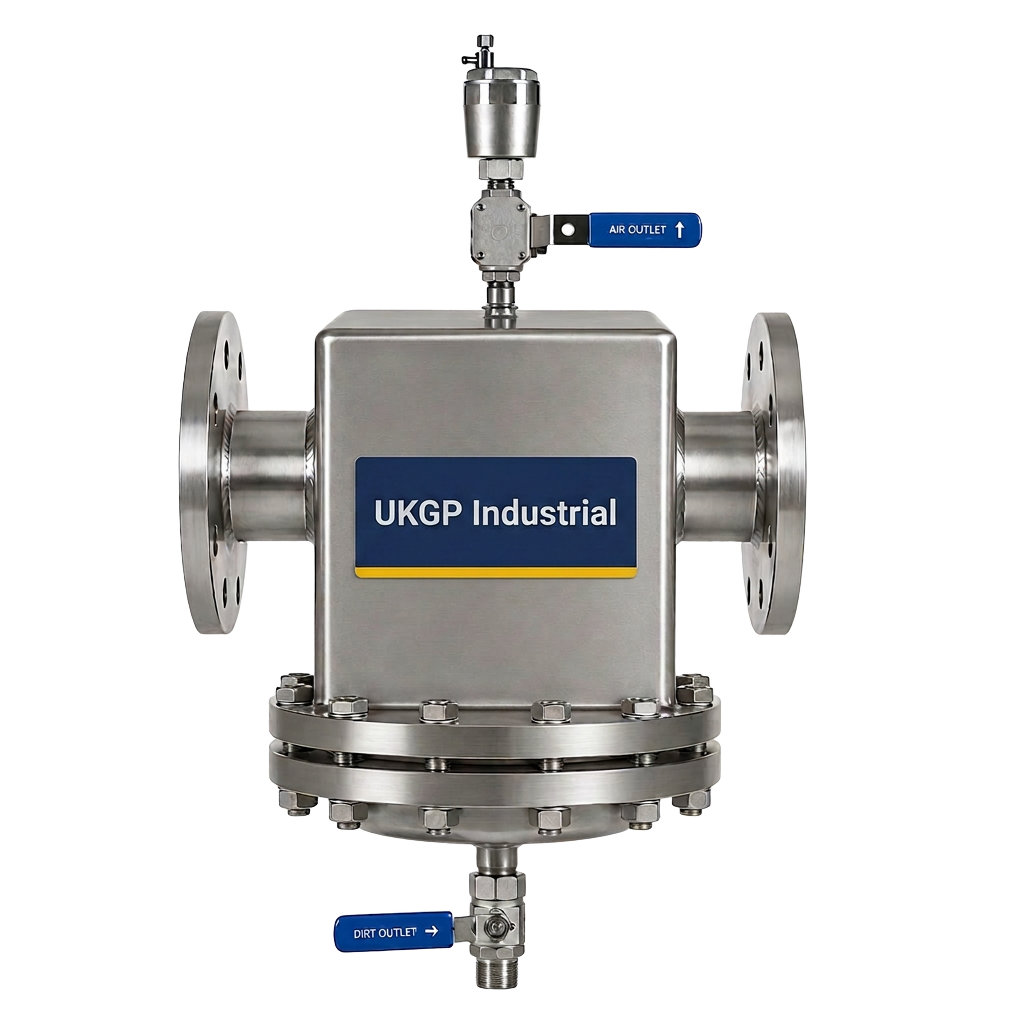
In large-scale commercial heating systems, the integration of a rubber pipe expansion joint must be coordinated with other plant room components like plate heat exchangers and air & dirt separators. As temperatures fluctuate, the header systems and distribution mains will expand and contract significantly. If this movement is not channeled correctly into the bellows via the anchor and guide system, it will place excessive stress on the nozzle connections of primary plant items. CIBSE Guide B provides the thermal expansion coefficients for steel and copper pipework, which should be used to calculate the specific expansion 'travel' required. It is often better to use two smaller rubber joints with an intermediate anchor than one large joint that may be pushed to its absolute design limit.
The interaction between the rubber pipe expansion joint and the system's hydraulic balance is also noteworthy. In systems with high-head pumps, the pressure fluctuations can cause 'hunting' or surging in the pipework. High-quality expansion bellows help to dampen these pressure waves, but only if they are correctly constrained. If the guides are too loose, the pipe will vibrate against the guides, creating acoustic issues throughout the building. This is particularly sensitive in residential or high-end office developments in the UK where noise-level specifications are extremely stringent. Properly installed guides and anchors ensure that the flexibility of the rubber is harvested for vibration isolation without compromising the mechanical stability of the circuit.
From a procurement perspective, the focus should be on long-term value and compliance. While cheaper, non-branded bellows are available, they often lack the technical documentation and material certification required for insurance-backed projects. UKGP Industrial's range of expansion bellows offers the security of a 2-year warranty and the technical backing of a specialist UK supplier. Whether you need stainless steel, PTFE, fabric, or EPDM/NBR rubber units, we provide the DN15 to DN600 solutions that M&E contractors need to meet the highest industry standards. For your next project, ensure you request a quote for UKGP expansion bellows to guarantee your anchor and guide rules are supported by premium-grade hardware.
- Coordinate expansion planning with heat exchanger nozzles
- Use CIBSE thermal coefficients for accurate movement calc
- Select bellows material based on peak system temperature
- Ensure guides provide adequate vibration dampening
Compliance with UK Standards and Maintenance
Compliance with BS EN 14917 and BS 8552 is not just a regulatory requirement; it is a benchmark for engineering excellence. Following the correct anchor and guide rules ensures that the rubber pipe expansion joint stays within its safe operating window for the duration of its service life. Regular inspections should be part of the Facilities Management (FM) regime, looking for signs of aging such as 'crazing' of the rubber surface, bulging, or any signs of the reinforcing fabric becoming visible. If the guides show signs of wear or the anchors show signs of movement, it is a clear indicator that the system forces are not being managed as designed. Prompt intervention can prevent a minor leak from becoming a major plant room flood.
Maintenance teams should also check that the rubber pipe expansion joint has not been painted over. Painting a rubber bellows can cause the elastomer to harden and crack, significantly reducing its flexibility and service life. This is a common find in older UK plant rooms where aesthetic 'tidying up' has inadvertently compromised the mechanical components. Additionally, ensuring that the air & dirt separators are functioning correctly will keep abrasive particles out of the system, protecting the internal lining of the bellows from erosion. Long-term system health is a result of both correct mechanical installation and ongoing, informed maintenance practices.
In summary, the rubber pipe expansion joint is a versatile and essential component for modern piping, provided it is treated with the respect its mechanical properties deserve. By adhering to the primary rules of anchoring and guiding, using the right materials like EPDM or NBR, and sourcing from a reliable UK supplier like UKGP Industrial, contractors and engineers can ensure a robust, leak-free installation. Our products, covering sizes from DN15 to DN600 with multiple flange options, are designed to give peace of mind through their 2-year warranty. For technical advice or to secure the hardware for your next M&E project, contact UKGP Industrial today for a competitive quote on expansion bellows.
- Conduct annual inspections for signs of rubber aging
- Ensure no paint is applied to the flexible bellows element
- Verify anchor bolts remain torqued to specification
- Keep BSRIA water quality records to track system health
Frequently asked questions
What is the primary rule for anchoring a rubber pipe expansion joint?
- The primary rule is that a main anchor must be placed at each end of the pipe section containing the joint to withstand the full pressure thrust. Without these anchors, the rubber joint will over-extend and fail.
How many guides are required for an expansion joint installation?
- At least two primary guides are required on each side of the bellows. The first guide should be within 4 pipe diameters and the second within 14 pipe diameters to prevent pipe buckling.
Can I use a rubber pipe expansion joint to fix misaligned pipes?
- No, expansion joints are not designed to compensate for poor installation alignment. Using them for this purpose introduces torsional stress that leads to premature failure.
What is the benefit of EPDM vs NBR in expansion bellows?
- EPDM is ideal for hot and cold water and most HVAC applications, while NBR (Nitrile) is required when the medium contains oils, fats, or hydrocarbons.
Do UKGP expansion bellows come with a warranty?
- Yes, all UKGP Industrial expansion bellows, ranging from DN15 to DN600 in various materials, come with a 2-year warranty for peace of mind.