Understanding the Role of Rubber Expansion Joint Manufacturers
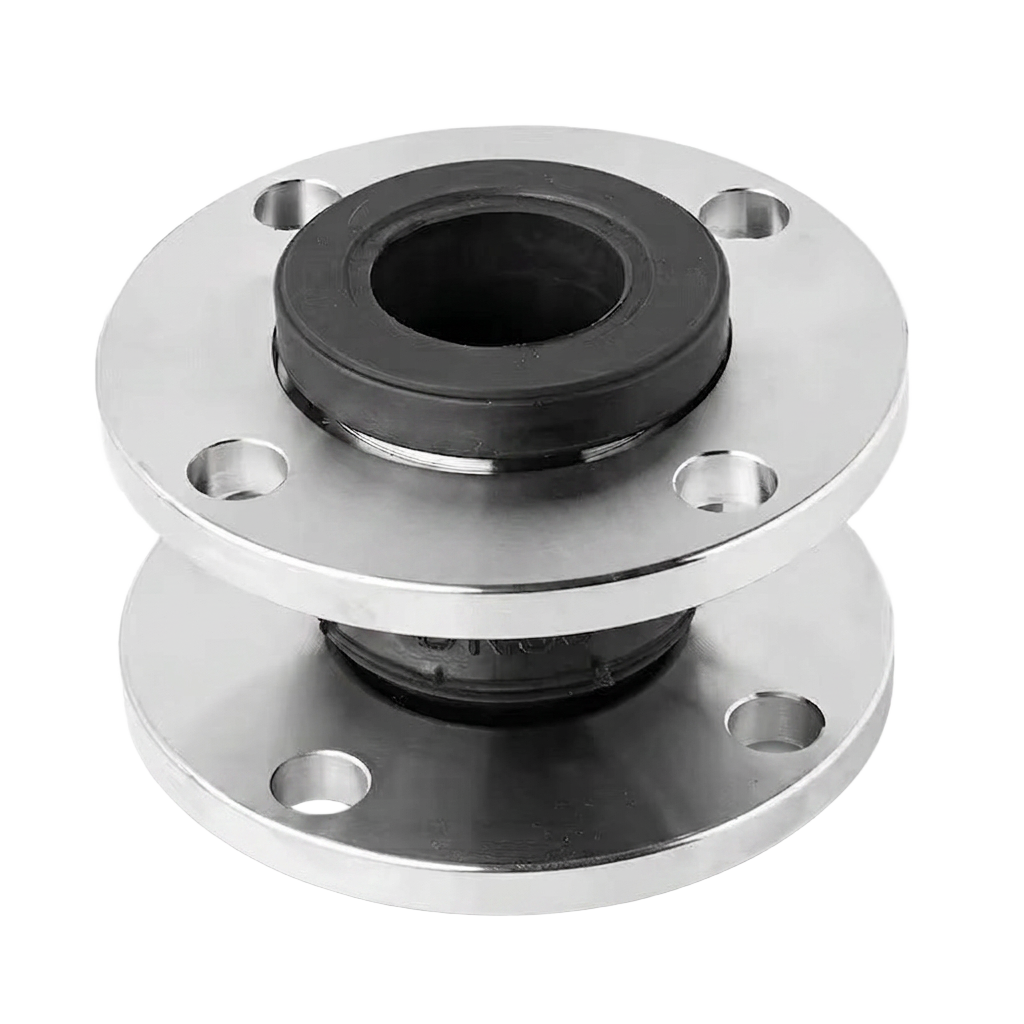
In the UK commercial HVAC sector, the role of rubber expansion joint manufacturers extends far beyond simple product supply. These specialist fabricators are responsible for producing the critical components that absorb thermal expansion, reduce mechanical noise, and compensate for pipework misalignment. For a Building Services Consultant, the choice of manufacturer influences the entire lifecycle of a primary heating or chilled water circuit. High-quality rubber bellows act as the flexible heart of the system, protecting expensive assets like pumps and chillers from the deleterious effects of vibration and stress. Standardisation is key, and selecting a partner with a robust UK base ensures that the products are designed for the specific pressures and temperatures common in British commercial plant rooms.
When vetting potential rubber expansion joint manufacturers, engineering firms must look for evidence of stringent quality control and adherence to BS EN 14917 standards where applicable. A manufacturer that understands the nuances of EPDM versus NBR rubber compounds can prevent premature system failure. For instance, EPDM is generally preferred for heating and chilled water due to its excellent ozone and weather resistance, while NBR is essential for oil-conveying lines. UKGP Industrial offers a comprehensive range of these solutions, ensuring that every project, from a small hospital refurb to a large-scale data centre cooling loop, is equipped with the correct grade of elastomer to handle the specific chemical and thermal profile of the system fluids.
Commercial buyers should also consider the technical support offered during the procurement stage. The best rubber expansion joint manufacturers don't just sell off-the-shelf items; they provide calculations for movement capability, including axial compression, lateral offset, and angular deflection. Using the wrong expansion joint can lead to catastrophic anchor failure or pipework fatigue. Therefore, the ability to access technical data sheets and expert advice on flanged versus weld-end connections is paramount. UKGP Industrial bridges this gap by offering DN15 to DN600 sizes, providing a versatile range that caters to both domestic service hot water and heavy-duty industrial secondary loops, backed by a significant 2-year warranty for peace of mind.
- Verification of elastomer compounds for specific heat transfer fluids
- Assessment of movement capabilities against calculated thermal expansion
- Compliance with UK building regulations and CIBSE technical standards
- Availability of custom flanging options like PN16 or BST E
Key Material Selection for BSRIA Compliance
Adhering to BSRIA BG29 and BG50 is a cornerstone of professional plant room maintenance and installation. Rubber expansion joint manufacturers play a vital role here by providing components that can withstand the aggressive chemical cleaning and power flushing required during commissioning. If a bellows is manufactured from inferior rubber, it may degrade prematurely when exposed to high concentrations of system cleaners or corrosion inhibitors. At UKGP Industrial, our EPDM and NBR bellows are tested to ensure they maintain their structural integrity throughout the pre-commissioning cleaning phase, which is a critical point of failure for many lower-grade imported components found on the commodity market.
Beyond chemical resistance, thermal stability is a key differentiator when comparing rubber expansion joint manufacturers. Many UK commercial boilers and chillers operate within specific temperature windows that require high-grade synthetic rubbers to avoid hardening or cracking. A rubber joint must remain flexible over thousands of thermal cycles; otherwise, the vibration isolation benefits are lost, leading to 'bridge' noise throughout the building structure. This is particularly sensitive in residential high-rise developments or hotel environments where acoustic performance is a primary KPI. By sourcing from a manufacturer that prioritises material density and reinforcement fabric quality, contractors can significantly reduce the risk of structural noise complaints and long-term litigation.
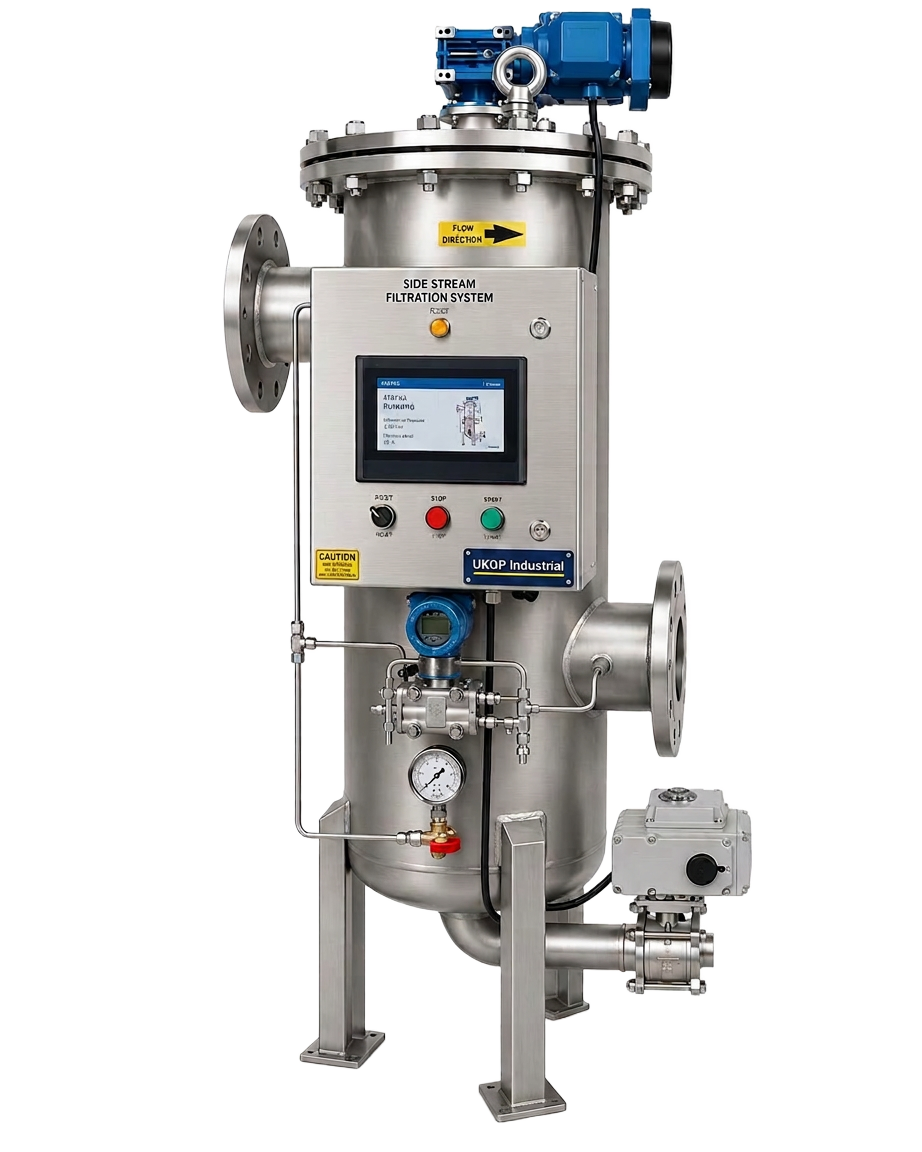
The integration of side stream filtration is also relevant when discussing the longevity of flexible joints. High levels of suspended solids, such as magnetite, can settle in the convolutions of a bellows if the system velocity drops, leading to localized wear. While the rubber expansion joint manufacturers provide the flexibility, pairing these components with a high-efficiency side stream filtration skid ensures that the fluid remain clean, protecting the bellows from internal abrasion. This holistic approach to system health is what separates leading M&E contractors from those who focus solely on upfront costs, and UKGP Industrial is uniquely positioned to supply both the flexible joints and the technical filtration equipment required for a modern plant room.
- Compatibility with BSRIA BG29/2021 pre-commissioning cleaning protocols
- High-density nylon reinforcement for pressure surge resistance
- Ozone-resistant outer covers for exposed internal plant rooms
- Availability of PTFE liners for aggressive chemical applications
Technical Specifications from Rubber Expansion Joint Manufacturers
When drafting a specification for a commercial HVAC project, the technical data provided by rubber expansion joint manufacturers must be precise and verifiable. Measurements for DN (Diameter Nominal) ranging from DN15 to DN600 must detail the maximum allowable working pressure and the burst pressure safety factor. In the UK, most commercial systems operate under PN16 or PN25 ratings, and the expansion joints must be rated accordingly for the peak operating temperature of the system. UKGP Industrial ensures that all stainless steel, fabric, and rubber bellows meet these rigorous standards, providing clear documentation that simplifies the approval process for consulting engineers and asset owners alike.
Installation practices are just as critical as the manufacture itself. Often, failures attributed to rubber expansion joint manufacturers are actually the result of poor installation, such as over-extension or compression beyond the design limits. To counter this, leading manufacturers provide detailed installation manuals that specify the use of control rods to prevent excessive movement during pressure surges. For large diameter pipes, where the reactive force of the bellows under pressure can be immense, the use of tied expansion joints is an engineering necessity. UKGP Industrial offers both tied and untied variants across our product range, ensuring that even the most complex pipework geometries are adequately supported and protected against hydraulic shock.
The procurement lead must also evaluate the warranty and after-sales support. In a market flooded with non-pedigree components, identifying rubber expansion joint manufacturers that offer a 2-year warranty is a strong indicator of manufacturing excellence. This warranty serves as a commercial guarantee that the EPDM, NBR, or PTFE material will perform as expected under design conditions. For contractors, this reduces the risk of expensive 'snagging' list items and callbacks. By choosing UKGP Industrial, you are partnering with a specialist that understands the UK market's specific engineering demands, from flanged connections to the specific weld-end prep required for site-welded steel pipework systems.
- Comprehensive pressure and temperature derating charts
- Drawing files available for BIM and CAD integration
- Provision of control rods and limit bolts for all large DN sizes
- Traceable material certificates for all EPDM and NBR compounds
Vibration Isolation and Acoustic Performance
A primary reason engineers seek out specialist rubber expansion joint manufacturers is to address the issue of vibration isolation. Pumps, compressors, and major UK commercial boiler OEMs generate significant mechanical energy that can be transmitted through rigid pipework. Without the damping effect of a high-quality rubber bellows, this vibration can resonate in terminal units or across the building's structural steelwork. A high-quality manufacturer uses specific durometer ratings for their elastomers to maximize energy dissipation. This is a technical nuance that distinguishes premium manufacturers from generic suppliers, as the damping coefficient must be balanced against the pressure containment requirements of the joint.
Acoustic consultants often specify rubber joints over stainless steel equivalents due to their superior capability in absorbing high-frequency noise. While stainless steel bellows are excellent for high-temperature thermal expansion, they can sometimes transmit noise along the pipe wall. Rubber expansion joint manufacturers solve this by providing a physical break in the metallic continuity of the pipework. This effectively isolates the 'plant room noise' from the rest of the occupied building. For hospitals and high-end residential projects, this isolation is not just a preference; it is a strict requirement of the building's acoustic performance plan, necessitating components that are both robust and performance-verified.
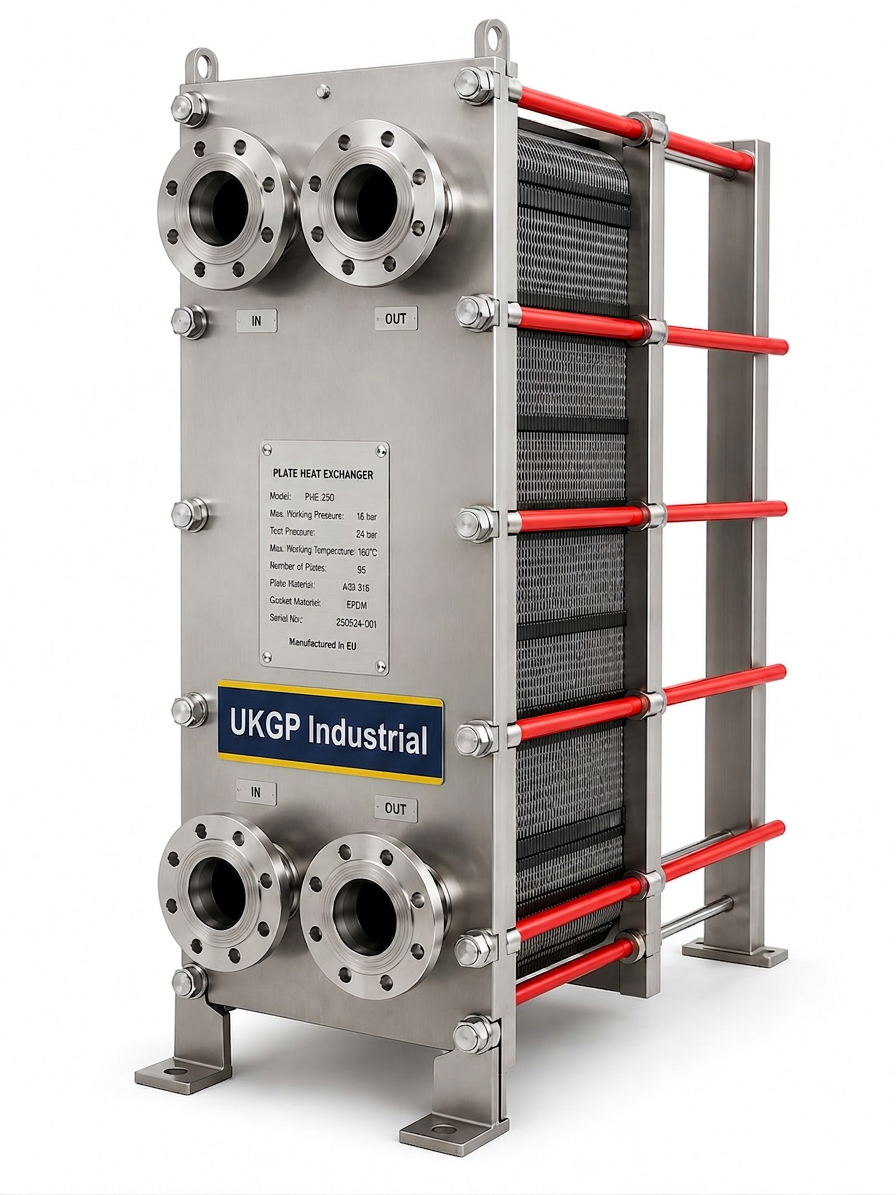
When integrating these components, engineers must also consider the downstream impact on other system elements like plate heat exchangers. High levels of vibration can lead to fatigue in the plate gaskets or connection points of a PHE. By sourcing from rubber expansion joint manufacturers who understand the broader system architecture, contractors can ensure that every connection point is protected. UKGP Industrial advises on the strategic placement of bellows particularly at the entry and exit points of heavy vibrating equipment, ensuring that the entire plant room assembly—from the dosing pot to the low loss header—remains stable and quiet throughout its operational lifespan.
- Isolation of high-frequency mechanical noise from rotating equipment
- Reduction of stress on delicate plate heat exchanger gaskets
- Prevention of harmonic resonance in long pipework runs
- Elastomer selection tailored to sound-damping requirements
Comparing Global vs UK Rubber Expansion Joint Manufacturers
In the current economic climate, lead times and supply chain reliability are at the forefront of procurement discussions. Overseas rubber expansion joint manufacturers may offer lower unit costs, but the lack of localized technical support and longer shipping times often lead to project delays. UK-based suppliers like UKGP Industrial offer the advantage of local stock availability for standard sizes like DN50 to DN200, which are commonly used in the replacement and maintenance of existing commercial boiler houses. Having a partner that can provide the 2-year warranty and immediate technical clarification on flanging or material suitability is an invaluable asset for any FM or M&E contractor working to tight deadlines.
Furthermore, UK rubber expansion joint manufacturers are better aligned with British Standards and industry best practices like BS 8552 for water sampling and system health. Understanding the local water chemistry helps in recommending the appropriate rubber compounds that won't degrade in the presence of specific UK-wide municipal water treatments. A manufacturer who is distant from the local market may not account for these variables, leading to premature brittleness or 'ballooning' of the expansion joint. By selecting a specialist like UKGP, you gain access to a team that understands the pressures, temperatures, and chemical environments specific to the UK's commercial building stock.
Sustainability is also becoming a key procurement metric. Sourcing from rubber expansion joint manufacturers with efficient UK distribution networks reduces the carbon footprint associated with long-distance logistics. Additionally, the durability provided by high-quality manufacturing means fewer replacements over the building's life, which is a sustainable outcome for the asset owner. UKGP Industrial is committed to this quality-first approach, providing flanged or weld-end bellows in materials ranging from stainless steel to PTFE, ensuring that whether it is a cooling tower application or a high-temperature primary loop, the solution provided is the most durable and commercially viable one available.
- Reduced lead times for critical plant room maintenance
- Local technical support for on-site troubleshooting
- Alignment with UK-specific water treatment and BSRIA standards
- Lower logistics-based carbon footprint for LEED/BREEAM projects
Long-term Maintenance and Lifecycle Costs
Focusing on the total cost of ownership is essential when evaluating rubber expansion joint manufacturers. While the initial purchase price of a bellows is relatively low compared to a pump or a plate heat exchanger, the cost of a failure is disproportionately high. A burst expansion joint can flood a basement plant room, damage electrical control panels, and lead to total building downtime. Therefore, procurement leads should prioritize manufacturers that use high-grade EPDM or NBR with a proven track record of longevity. UKGP Industrial focuses on providing these robust solutions, ensuring that every flanged or weld-end joint is built to exceed the expected service life of the surrounding system components.
Maintenance routines as defined in BS EN 12170 should include regular visual inspections of all flexible joints for signs of hardening, cracking, or 'weeping' at the flanges. Premium rubber expansion joint manufacturers provide products that are easier to inspect and maintain due to their clear marking and high-quality finish. If a bellows shows signs of degradation, it is critical to replace it with a unit of equal or higher specification immediately. UKGP Industrial stocks a wide variety of DN15-DN600 sizes to ensure that Facility Managers can source high-quality replacements rapidly, minimizing the risk of catastrophic failure in aging systems.
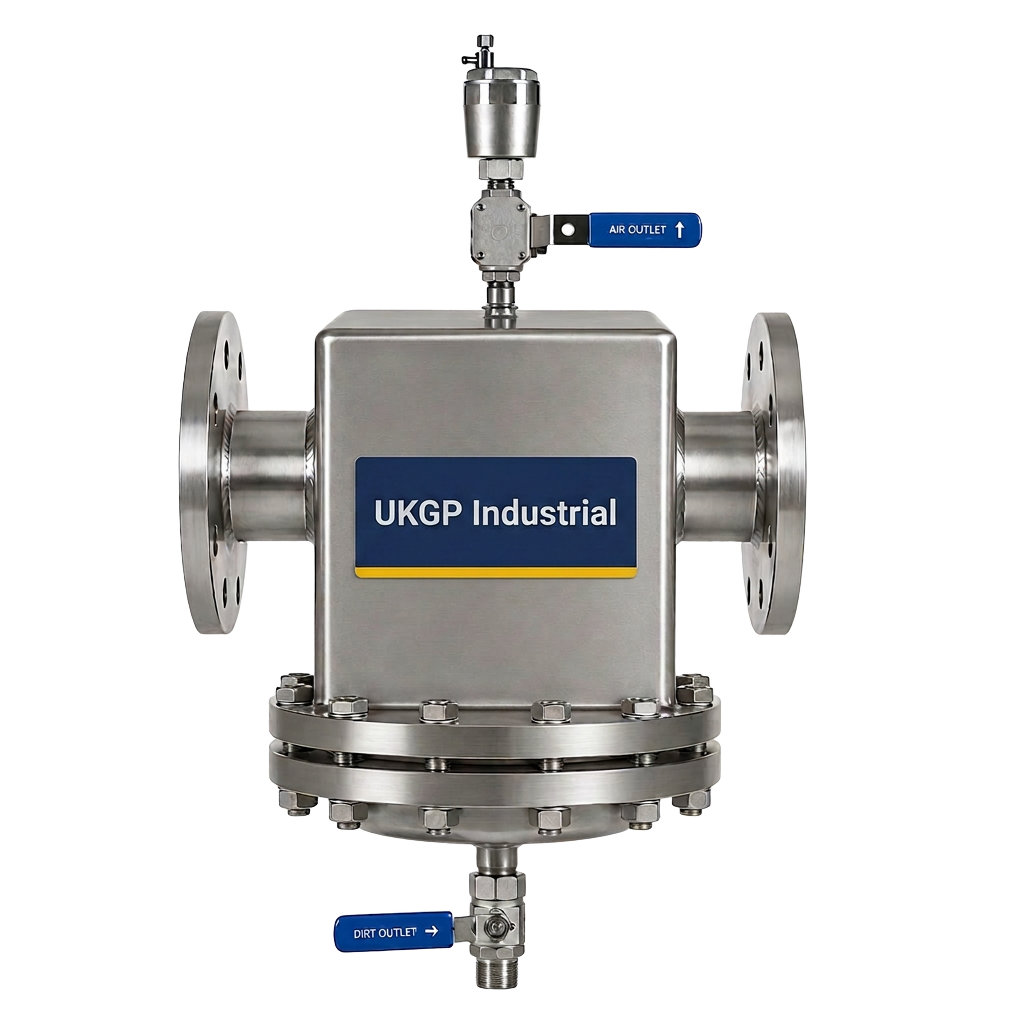
Ultimately, the value of choosing reputable rubber expansion joint manufacturers lies in the reduction of operational risk. By integrating these components with air and dirt separators and chemical dosing pots, a closed-loop system is protected from the primary causes of failure: solids, air, and excessive mechanical stress. UKGP Industrial offers a collaborative approach, ensuring that our expansion bellows work in harmony with the rest of your plant room equipment. Request a quote from our Surrey-based team today to secure the high-quality, 2-year warranted components your project deserves, and ensure your HVAC installation stands the test of time.
- Minimize risk of plant room flooding and property damage
- 2-year warranty provides commercial security for contractors
- Compatibility with all standard UK flanging and pipe sizes
- Easy visual inspection markers for FM maintenance teams
Frequently asked questions
Why should I choose EPDM over NBR for heating systems?
- EPDM is the preferred material for most rubber expansion joint manufacturers when dealing with heating and chilled water. It offers superior resistance to heat, ozone, and weather, and maintains its flexibility over a wider temperature range within commercial HVAC circuits.
What is the importance of a 2-year warranty on expansion bellows?
- A 2-year warranty from rubber expansion joint manufacturers like UKGP Industrial indicates a high level of confidence in the material quality and manufacturing process, protecting the contractor and the end-user against premature failure due to manufacturing defects.
Can rubber expansion joints be used with steam?
- Generally, standard rubber expansion joints are not suitable for high-pressure steam. In these instances, rubber expansion joint manufacturers will typically recommend stainless steel bellows which can handle the significantly higher temperatures and pressures associated with steam distribution.
How do I know which size rubber joint to order?
- You should match the Diameter Nominal (DN) of your pipework. UKGP Industrial supplies a range from DN15 to DN600. It is essential to also specify the flange rating (e.g., PN16) to ensure the joint fits correctly within your existing or new-build system.
Do rubber expansion joint manufacturers provide control rods?
- Yes, for applications where the pipework is not sufficiently anchored or for larger diameter pipes where pressure thrust is high, tied expansion joints with control rods are provided to limit the movement and prevent the bellows from over-extending.