Understanding the rubber expansion joint catalogue Specifications
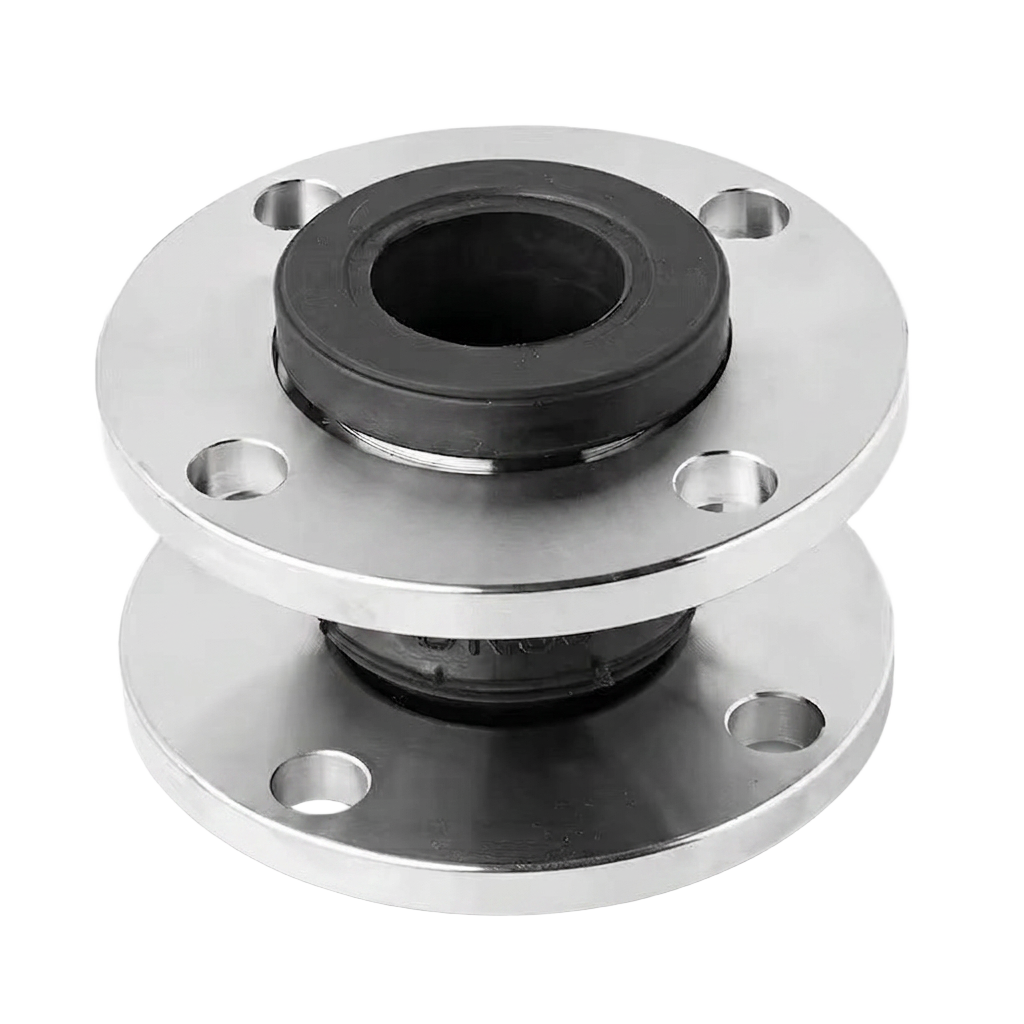
In the UK building services sector, the specification of flexible connectors is often governed by the need to protect sensitive equipment and rigid pipework from the destructive effects of thermal movement. Our rubber expansion joint catalogue details a wide array of DN15 to DN600 units, covering everything from small-bore secondary circuits to large-scale primary flow headers. Engineers must account for axial compression, lateral offset, and angular deflection when browsing the rubber expansion joint catalogue to ensure the chosen unit can handle the specific stresses of the plant-room layout. Failing to match the bellows to the actual pipe movement can lead to premature failure, making the data within our technical documentation vital for long-term operational success.
Material compatibility is another pillar of the information found in a professional rubber expansion joint catalogue. Whether your system is circulating LTHW, chilled water, or industrial chemicals, the elastomer choice—be it EPDM for standard heating or NBR for oil-contaminated fluids—must be verified against the design temperature and pressure ratings. BSRIA BG50 highlights the importance of water treatment and equipment protection, and our bellows act as a first line of defence against physical stress. UKGP Industrial maintains a robust stock of these components, ensuring that procurement leads can source the exact specification required for their specific site conditions without the lengthy lead times often associated with imported industrial components.
Choosing from a rubber expansion joint catalogue involves more than just selecting a diameter size; it requires a deep understanding of the pressure-temperature curve. For instance, a standard EPDM bellow might be rated for 16 bar at 20 degrees Celsius, but this rating drops significantly as temperatures approach the 100-degree mark common in high-temperature heating circuits. Our technical guides provide the precise derating factors needed by plant-room engineers to correctly size their expansion solutions. By consulting our expert team at UKGP, you can ensure that the bellows selected from our rubber expansion joint catalogue are not only fit for purpose but come with the peace of mind offered by a comprehensive 2-year warranty and a UK-based support structure.
- Comprehensive size range from DN15 to DN600 flanged or weld-end
- Options for EPDM, NBR, PTFE, and high-quality fabric linings
- Full technical data on axial, lateral, and angular movement capacities
- Compliance with BS EN 14917 for flexible pipe components
Integration with Side Stream Filtration and Water Quality
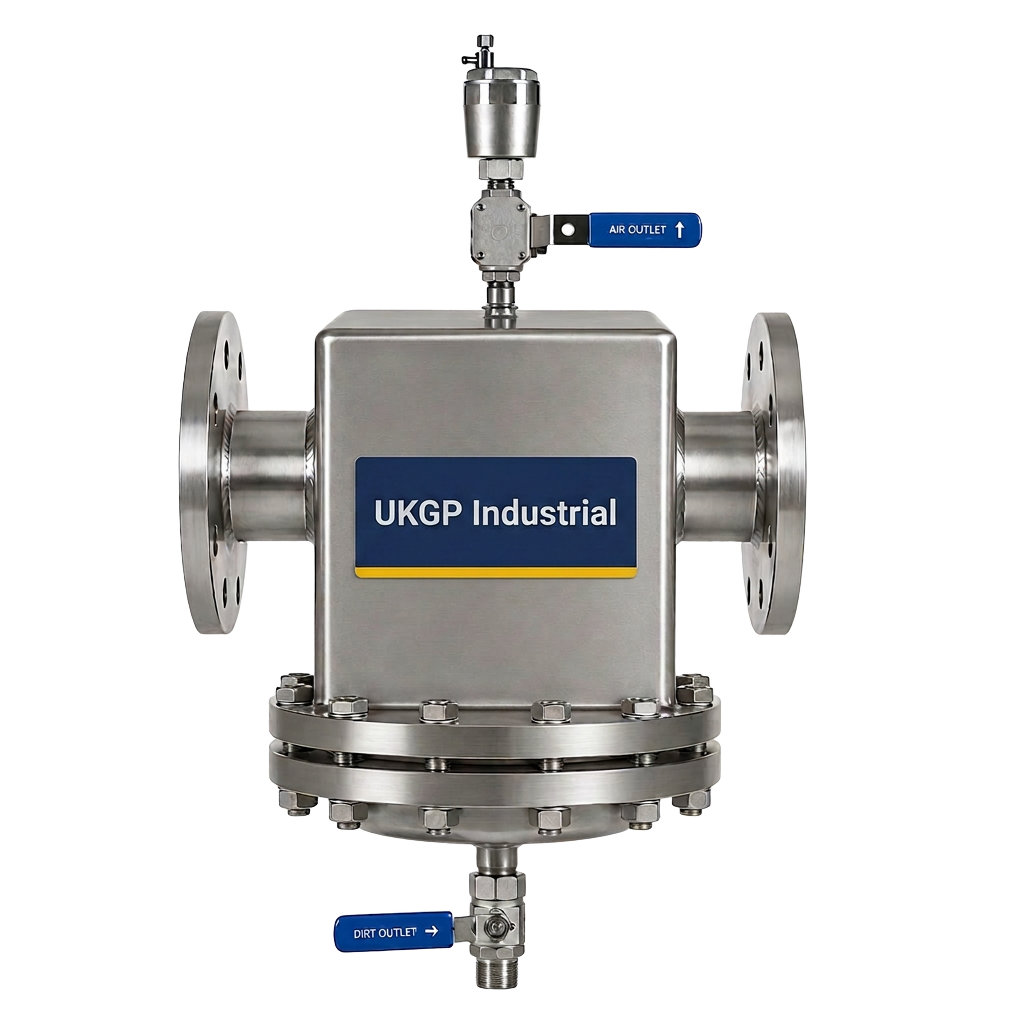
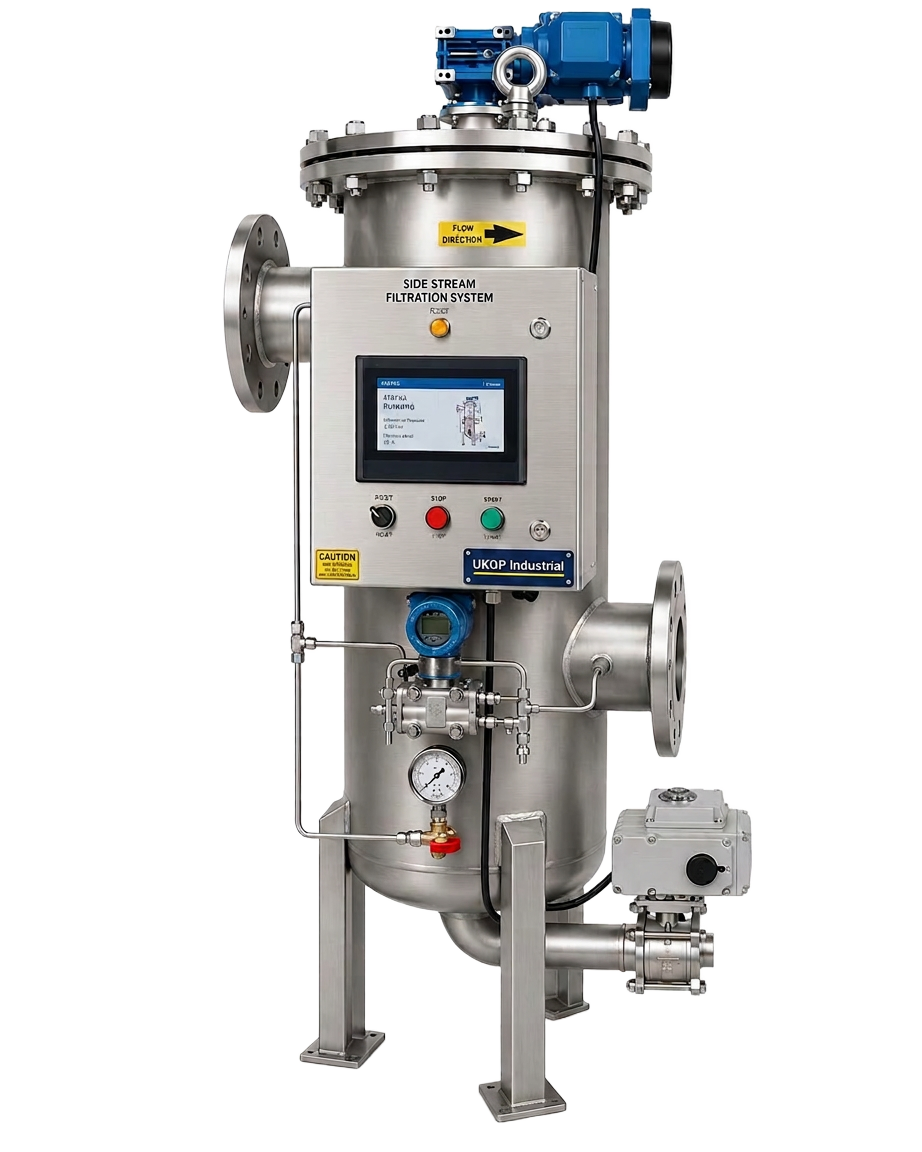
The health of a closed-loop system is not solely dependent on mechanical expansion control; it is also heavily influenced by the cleanliness of the circulating fluid. While our rubber expansion joint catalogue provides the mechanical flexibility required to handle thermal shifts, side stream filtration is necessary to remove the suspended solids that can erode the internal liners of rubber bellows. Over time, magnetite and debris can settle in the corrugations of an expansion joint, leading to localized wear or reduced flexibility. By integrating high-efficiency filtration, such as a UKGP industrial side stream skid, you significantly extend the service life of every flexible connector within the plant-room environment.
BSRIA BG29 and BG50 provide the mandate for maintaining water quality through pre-commission cleaning and ongoing filtration. When a system is clean, the elastomers listed in our rubber expansion joint catalogue perform better, as they are not subjected to the abrasive forces of particulate matter at high velocities. This synergy between filtration and flexible piping is a hallmark of well-engineered UK HVAC systems. Contractors and FMs are increasingly looking at the total cost of ownership, where the initial investment in both a high-quality expansion joint and a robust filtration skid pays dividends in reduced maintenance and fewer emergency shutdowns for leak repairs.
UKGP Industrial offers bespoke side stream filtration solutions that work alongside our expansion bellows to ensure system integrity. When procurement leads consult our rubber expansion joint catalogue, we often recommend reviewing the filtration requirements for the project simultaneously. This holistic approach ensures that the chemical dosing and physical filtration work in harmony with the mechanical stresses handled by the bellows. A clean system is a reliable system, and by protecting your expansion joints from internal erosion, you ensure that the thermal compensation parameters defined during the design phase are maintained throughout the life of the building's mechanical services.
- Protects bellows corrugations from magnetite and scale buildup
- Reduces erosion risk on EPDM and NBR liners
- Supports compliance with BSRIA BG50 water quality standards
- Reduces total cost of ownership for commercial HVAC plants
Selecting the Right Flange and Connection Type
The mechanical interface of an expansion joint is as critical as the elastomer itself, a detail rigorously covered in our rubber expansion joint catalogue. Most UK applications require PN16 or PN25 flanged connections, although table E or ANSI standards may be required for specific industrial or legacy sites. Our catalogue provides detailed dimensions for flanged, threaded, and weld-end connections, allowing consultants to integrate our bellows seamlessly into their CAD or BIM models. The choice between a tied or untied expansion joint depends on the presence of fixed anchors within the piping run, a distinction that is clearly outlined in our technical literature to prevent catastrophic pipe failure.
For plant-room engineers, the ease of installation is a major factor. Units from our rubber expansion joint catalogue are designed with rotating flanges where applicable, allowing for easier bolt-hole alignment during site assembly. This is particularly beneficial when working in the cramped conditions of a retrofitted plant-room where pipework may not be perfectly aligned. Using the correct bellows also helps to dampen noise and vibration from pumps and chillers, preventing the transmission of acoustic energy through the building structure. This dual utility—expansion compensation and vibration isolation—makes the rubber bellow a versatile tool for any M&E contractor aiming for high-standard handovers.
UKGP Industrial provides stainless steel or galvanised carbon steel backing flanges as standard, ensuring that the structural integrity of the connection matches the durability of the rubber element. When browsing our rubber expansion joint catalogue, you will find that our units undergo rigorous pressure testing to ensure they meet the 2-year warranty standards we promise our clients. Whether you are dealing with a DN50 branch line or a DN600 main header, our flanged rubber bellows provide a secure, leak-proof seal that compensates for the natural movements of the building and the thermal cycles of the boiler or chiller plant.
- Standard PN16 flanging with options for PN25, Table E, and ANSI
- Tied units available to contain pressure thrust in unanchored systems
- Rotating flanges for simplified alignment and faster UK site installation
- Dampens mechanical vibration and acoustic noise transmission
Thermal Expansion and the Role of CIBSE Standards
CIBSE Guide B provides the foundational principles for thermal expansion in UK piping systems, emphasizing the need for structured movement control. Our rubber expansion joint catalogue is built to support these engineering requirements by providing the precise movement data needed for stress analysis. Without sufficient flexibility, pipework will exert massive forces on anchor points and equipment nozzles, often exceeding the allowable limits for pumps and boilers. By selecting an appropriately sized bellow from our catalogue, engineers can ensure that these forces stay within safe bounds, protecting the capital-intensive machinery within the plant-room from mechanical strain.
Furthermore, BS EN 14917 dictates the design and manufacturing standards for metal and elastomer bellows, a standard that UKGP Industrial adheres to strictly. When procurement leads review our rubber expansion joint catalogue, they are seeing products that have been engineered for high-cycle life. In a typical commercial heating system, the bellows may undergo several cycles of expansion and contraction per day. If a lower-quality, non-compliant joint is used, the elastomer can fatigue, leading to cracks and eventually a full-bore failure. Our Surrey-based technical support team can assist in interpreting CIBSE expansion tables to match our products to your specific calculations.
The practical application of thermal movement control also requires consideration of the installation environment. For example, bellows installed in outdoor locations or near UV-intensive light sources may require specific polymer blends or protective coatings. Our rubber expansion joint catalogue includes options for PTFE-lined bellows for aggressive chemicals and fabric-reinforced units for high-pressure industrial steam applications. Regardless of the complexity of your thermal movement profile, our range provides a robust solution. We encourage M&E contractors to reach out for a quote on our DN15-DN600 range, ensuring their next project benefits from UK-certified expansion control.
- Alignment with CIBSE Guide B for thermal expansion calculations
- High-cycle life EPDM elastomers to prevent fatigue cracking
- Protection for expensive equipment nozzles and anchor points
- UK-based technical support to assist with movement profiling
Maintenance and Lifecycle of Rubber Bellows
Once a selection is made from the rubber expansion joint catalogue and the unit is installed, the focus shifts to long-term maintenance. BSRIA BG50 emphasizes that all plant-room components should be subject to regular inspection to identify signs of wear before they lead to failure. For rubber bellows, this involves checking for surface cracking, 'ballooning' under pressure, or any hardening of the elastomer. Because we provide a 2-year warranty on our rubber bellows, UKGP customers can be confident in the initial build quality, but environmental factors like ambient heat in a poorly ventilated plant-room can still accelerate aging over a decade of service.
A well-maintained expansion joint is often a reflection of the overall health of the HVAC system. If bellows are failing prematurely, it may indicate that the system's fixed anchors have moved or that the thermal loads have increased beyond the original design spec. Consulting the technical data in our rubber expansion joint catalogue allows FMs to compare the current state of the bellows against its factory specifications. If replacement is necessary, having the original catalogue data makes sourcing the correct DN size and movement rating straightforward, ensuring that the replacement part perfectly matches the existing pipe configuration without the need for site modifications.
Procurement leads should also consider the financial impact of downtime. A failed expansion joint can lead to a complete system shutdown, costing thousands in lost productivity or emergency repair fees. By sourcing from a reliable Surrey supplier like UKGP Industrial, you gain access to rapid UK delivery on standard sizes from our rubber expansion joint catalogue. We stock a wide variety of EPDM and NBR units ready for immediate dispatch, helping you restore system functionality quickly. Our goal is to be more than just a supplier; we aim to be a long-term partner for UK building services professionals by providing the high-spec components needed for resilient infrastructure.
- Regular inspection schedules as per BSRIA BG50 recommendations
- Quick-lookup technical data facilitates easy maintenance and replacement
- Rapid UK dispatch on DN15 through DN600 standard sizes
- Detailed wear indicators provided in our technical documentation
Technical Support for Custom Expansion Challenges
While our rubber expansion joint catalogue covers the vast majority of standard UK HVAC applications, some projects present unique challenges that require bespoke engineering. High-pressure process lines or extremely large diameter connections may fall outside the standard EPDM flanged range. In these instances, UKGP Industrial can provide custom-engineered solutions, including stainless steel or PTFE-lined expansion joints. Our engineering team in Surrey is available to review your site drawings and recommend the most effective way to manage thermal movement, ensuring that every joint specified is fully compliant with BS EN 14917 and tailored to your system's unique pressure and temperature profile.
For M&E contractors, having a direct line to a manufacturer that understands the nuances of the rubber expansion joint catalogue is invaluable. We don't just supply the parts; we provide the commercial and technical assurance required to win and successfully deliver large-scale tenders. From providing high-resolution product data for BIM integration to offering guidance on the correct placement of anchors and guides, we support the project from the design stage through to commissioning. This level of service ensures that the expansion joints perform as intended, mitigating the risk of leaks or structural damage that can occur when movement is improperly managed.
In summary, whether your project requires a single DN50 EPDM bellow or a full suite of DN600 flanged units for a central energy centre, our rubber expansion joint catalogue is the definitive resource for UK engineers. We invite you to contact us for a comprehensive quote. Our commitment to quality, backed by our 2-year warranty and deep technical expertise in BSRIA and CIBSE standards, makes UKGP Industrial the preferred choice for discerning building services consultants and contractors across the UK. Let us help you ensure the stability and longevity of your next industrial or commercial piping installation with our world-class flexible expansion solutions.
- Assistance with bespoke bellows for unique industrial applications
- Direct manufacturer support for site-specific movement analysis
- BIM-ready data available for consulting engineers and designers
- Reliable Surrey-based supply chain for high-priority M&E projects
Frequently asked questions
What materials are commonly found in your rubber expansion joint catalogue?
- Our catalogue includes EPDM for general water systems, NBR for oil-based fluids, and PTFE-lined units for chemical resistance, covering sizes from DN15 to DN600.
Do your expansion bellows comply with UK engineering standards?
- Yes, all products in our rubber expansion joint catalogue are designed and tested in accordance with BS EN 14917 and support compliance with BSRIA BG29 and CIBSE Guide B.
What is the standard warranty for items selected from the catalogue?
- UKGP Industrial provides a 2-year warranty on our expansion bellows, covering materials and manufacturing defects for added peace of mind in commercial plant-rooms.
How do I choose between a tied and an untied rubber expansion joint?
- Tied units, as detailed in our rubber expansion joint catalogue, are used to contain pressure thrust when the piping system lacks adequate main anchors. Untied joints require external anchoring to keep the pipes in place.
Can you provide custom sizes not listed in the standard catalogue?
- Yes, while our standard range goes up to DN600, we can supply bespoke configurations including different flange drills and specialized elastomer compounds for industrial process applications.