Material Selection for Rubber Expansion Bellows
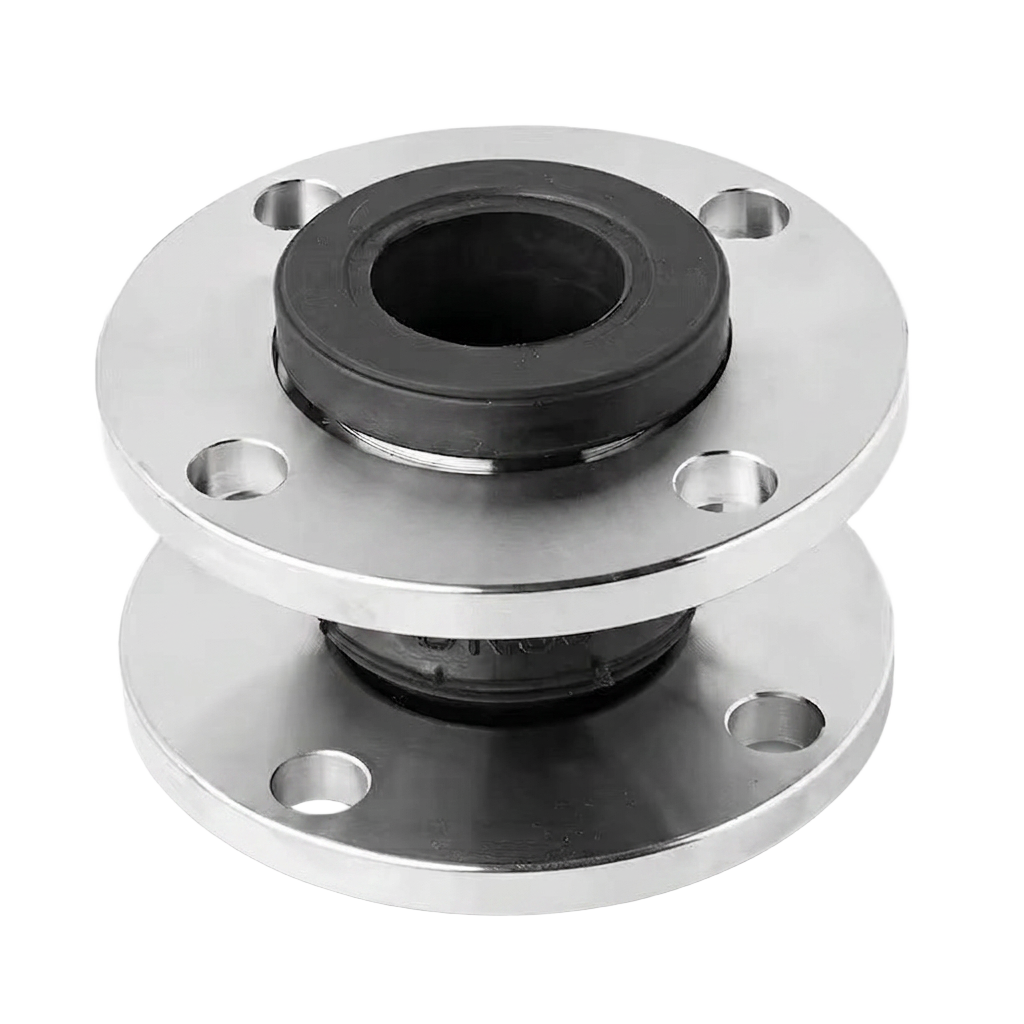
When selecting rubber expansion bellows for commercial plant rooms, the choice of elastomer is the most significant factor influencing longevity. EPDM (Ethylene Propylene Diene Monomer) is the standard workhorse for HVAC heating and chilled water circuits, offering excellent resistance to ozone, weather, and ageing. For systems where water temperatures fluctuate significantly, EPDM provides the flexibility needed to absorb multi-axial movements without fatigue. UKGP Industrial offers these in sizes ranging from DN15 to DN600, ensuring that even high-capacity district heating mains are protected from the stresses of thermal expansion and contraction.
Alternatively, NBR (Nitrile) expansion bellows are essential for applications involving oils, fats, and hydrocarbon-based fluids. Using EPDM in an oil-rich environment leads to swelling and rapid degradation, which can cause catastrophic joint failure and system downtime. For the UK-based facilities manager, matching the polymer to the fluid medium is a BSRIA BG50 best-practice requirement. Our NBR units are designed to withstand these aggressive mediums while maintaining the structural integrity of the piping network, significantly reducing the maintenance burden in industrial or kitchen-extract plant environments.
Water Regulations Advisory Scheme (WRAS) approval is a non-negotiable requirement for any component installed on potable water mains in the UK. Specifying WRAS-approved EPDM ensures that the rubber expansion bellows do not leach contaminants into the drinking water supply or encourage bacterial growth such as Legionella. At UKGP, we provide flanged or weld-end WRAS-approved solutions that meet the stringent requirements of UK water companies. By selecting the correct material at the procurement stage, M&E contractors can avoid the costly remedial work associated with non-compliant component installation during the final snagging and commissioning phases.
- EPDM for standard HVAC, LTHW, and chilled water systems.
- NBR for oil-contaminated lines and greasy environments.
- WRAS-certified EPDM specifically for potable water applications.
- High resistance to UV and ozone for outdoor installations.
Acoustic Insulation and Vibration Isolation
In modern commercial buildings, 'noise pollution' from plant rooms can migrate through pipework, causing significant disturbance to occupants. Integrating a high-quality rubber expansion bellows serves a dual purpose: it manages thermal growth and acts as a highly effective vibration isolator. The inherent damping properties of rubber are far superior to metallic alternatives for high-frequency noise suppression. This makes them ideal for placement immediately adjacent to pumps, chillers, and boilers where mechanical resonance is most prevalent and most likely to be transmitted via the piped infrastructure.
CIBSE Guide B highlights the importance of managing noise levels in sensitive environments such as hospitals, hotels, and high-end residential blocks. By installing a rubber expansion bellows, the M&E contractor creates a 'break' in the rigid pipework, preventing the transmission of structural vibration. This isolation protects sensitive instrumentation and prevents the loosening of pipe supports and hangers over time. Our range of EPDM and NBR bellows are engineered to handle the specific frequencies generated by modern centrifugal pumps, ensuring a silent and stable distribution network throughout the building's lifecycle.
Furthermore, the flexibility of these units allows for slight axial, lateral, and angular misalignment during installation. While they should never be used to correct significant plumbing errors, they provide a necessary margin of tolerance that protects rigid components from stress. For engineers managing large-scale HVAC retrofits, the ability of a rubber expansion bellows to accommodate these tolerances makes the installation of heavy-duty plant much safer. UKGP Industrial supplies these with a full 2-year warranty, providing peace of mind for projects where performance and reliability are the primary commercial drivers for the client.
- Reduces mechanical noise transmission in sensitive environments.
- Absorbs high-frequency pump vibrations effectively.
- Compensates for minor installation misalignments.
- Limits the stress transferred to pipe anchors and guides.
Compliance with BS EN 14917 and BSRIA BG29
The design and application of rubber expansion bellows must align with British and European standards to ensure safety under pressure. BS EN 14917 provides the framework for metal bellows, but the principles of pressure containment and movement calculation apply across the board. For the UK market, ensuring that components can withstand the maximum test pressures defined by BSRIA BG29 is vital during the pre-commissioning cleaning process. If an inferior bellows is used, the high-pressure surges during system flushing can lead to permanent deformation or total failure of the rubber carcass.
Ensuring the bellows are correctly rated for the system's design pressure—typically PN10 or PN16 in standard HVAC applications—is a fundamental engineering requirement. UKGP’s rubber expansion bellows are tested to rigorous standards, ensuring they can handle the dynamic loads associated with both normal operation and commissioning stresses. For consultants, specifying a product that is backed by technical data sheets and a 2-year warranty is the most effective way to mitigate risk. This technical transparency is essential for inclusion in the O&M manuals and helps in achieving final sign-off from the building’s insurance inspectors.
The role of the 'tied' expansion joint should also be considered. In systems where anchors are insufficient to contain pressure thrust, tied rubber expansion bellows use limit rods to prevent the bellows from over-extending. This safety feature is particularly important in high-rise developments where the static head of the water column can exert massive forces on the lowest points of the system. By using UKGP’s flanged DN15-DN600 units with integrated limit rods, engineers can ensure that the expansion joint performs its duty of absorbing movement without becoming a point of structural weakness in the plant room.
- Compliance with BS EN standards for pressure containment.
- Durable enough for BSRIA BG29 system flushing pressures.
- Available with tie-rods to manage pressure thrust forces.
- Full technical documentation provided for O&M compliance.
Optimising Life Cycles with Side Stream Filtration
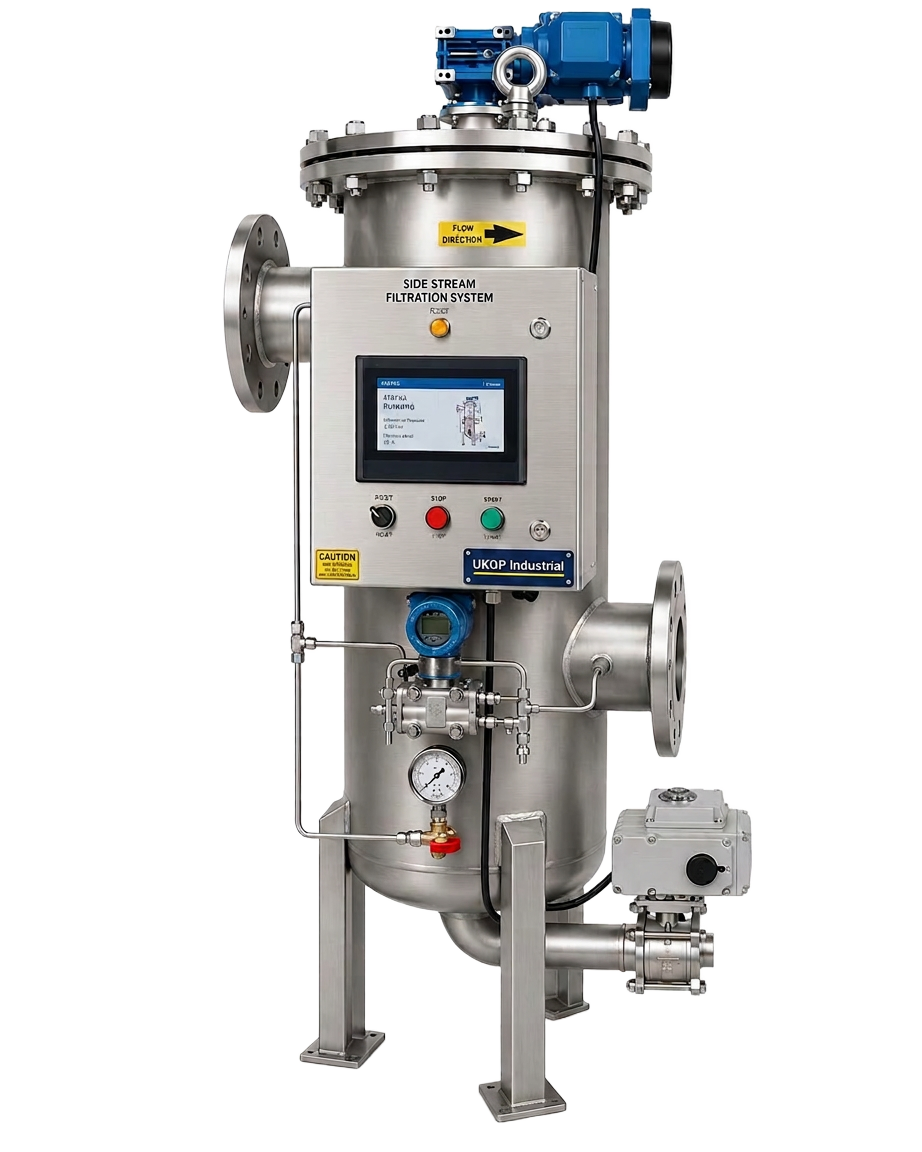
While rubber expansion bellows protect the physical structure of the pipework, the internal health of the system is equally paramount. Suspended solids and magnetite can accumulate in the folds of a bellows, leading to premature wear or reduced flexibility. This is where the integration of side stream filtration becomes a critical strategy for the UK building services engineer. By removing 97% of suspended solids, these units protect every component—from the boiler’s heat exchanger to the flexible rubber joints—ensuring that the system operates at peak efficiency with minimal internal abrasion.
Integrating filtration helps maintain the water chemistry standards outlined in BS 8552 and BSRIA BG50. When the water is clean, the rubber expansion bellows is less likely to suffer from the erosion caused by high-velocity particulate matter. For M&E contractors, this holistic approach to system design reduces the frequency of maintenance call-outs and extends the overall mean time between failures (MTBF) for the entire plant. At UKGP, we recommend a combined approach: high-quality expansion management paired with robust filtration to ensure the longevity of the UK's commercial heating and cooling infrastructure.
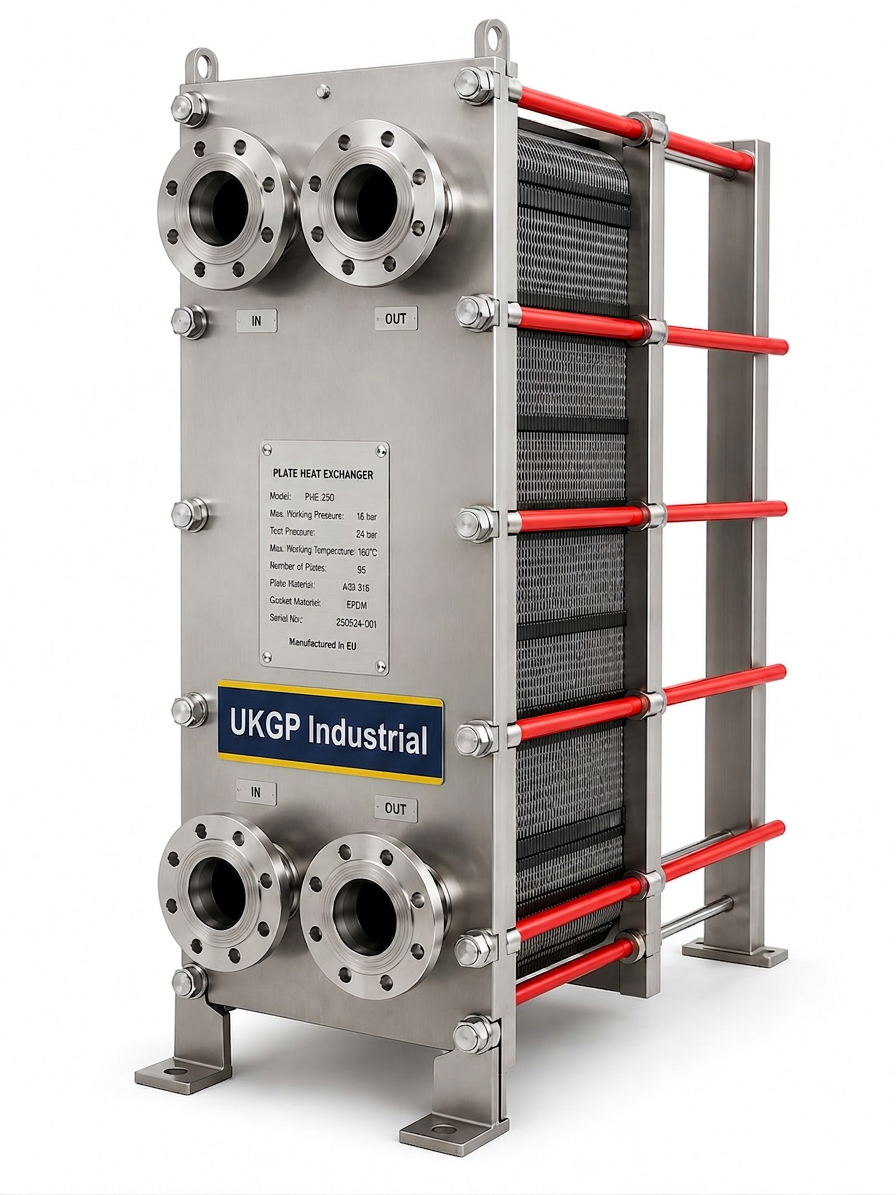
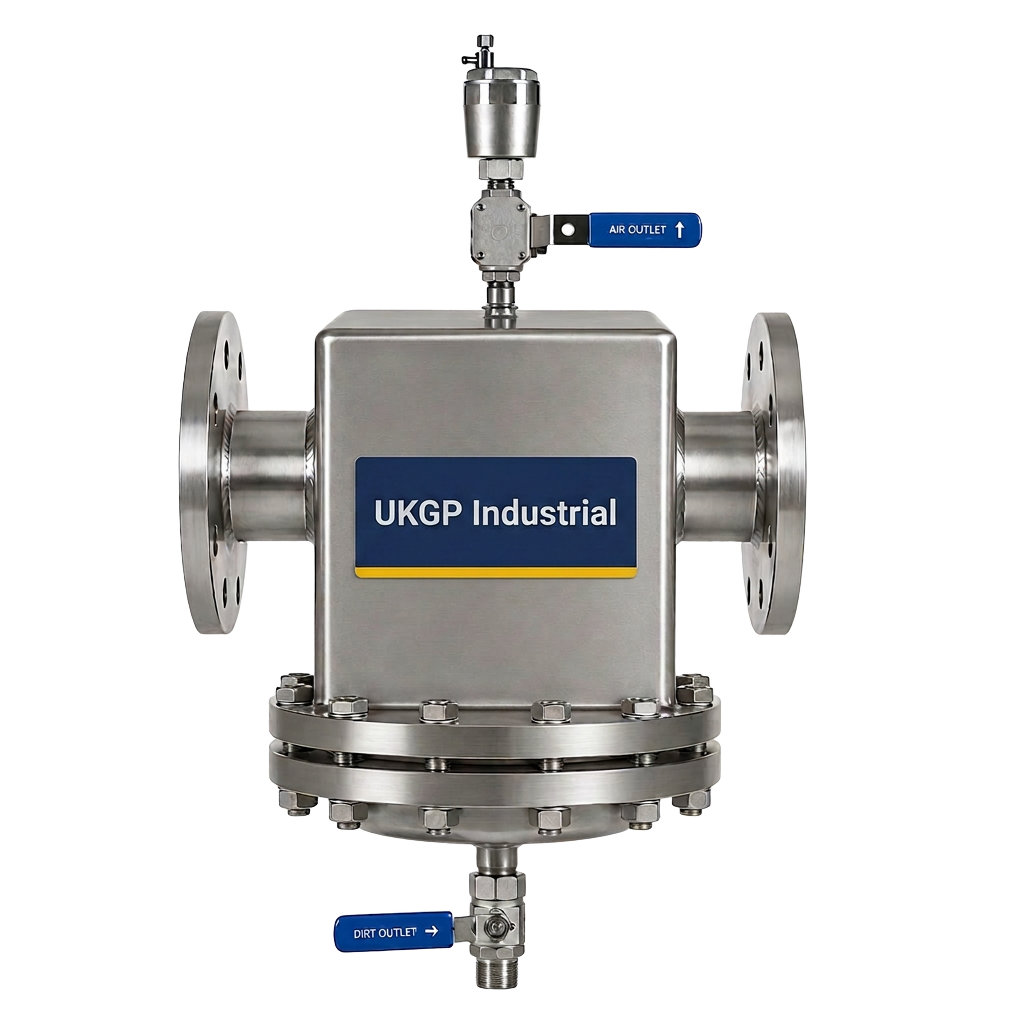
Consider the impact of stagnant water in dormant sections of a system. Without proper filtration and air/dirt separation, microbial activity can degrade the internal surfaces of rubber components. By installing a UKGP side stream filtration skid alongside our expansion bellows, you are investing in a comprehensive protection package. This not only safeguards the 2-year warranty on the bellows but also ensures the energy efficiency of the plate heat exchangers and other critical terminal units. It is a commercial decision that pays dividends in reduced energy bills and lower replacement costs over the building's lifespan.
- Prevents particulate buildup in bellows convolutions.
- Protects elastomers from internal abrasive wear.
- Aligns with BSRIA BG50 water quality guidelines.
- Improves system-wide energy efficiency and reliability.
Installation and Maintenance Best Practices
Correct installation is the difference between a rubber expansion bellows lasting for decades or failing within months. It is vital that the bellows is not used to bridge large gaps or compensate for significant piping misalignment that exerts pre-stress on the rubber before the system is even pressurised. Installers must ensure that the pipework is properly anchored and guided according to CIBSE guidelines. Without fixed anchors, the pressure thrust will cause the bellows to extend beyond its design limit, leading to a catastrophic blowout. Following the manufacturer’s installation torque settings for flanged joints is also essential to prevent damage to the EPDM or NBR sealing face.
Maintenance should involve regular visual inspections for signs of 'crazing' or cracking on the outer cover of the rubber expansion bellows. In the UK, plant rooms can sometimes be subject to harsh conditions, and while EPDM is resilient, it is not indestructible. Checking for leaks around the flange bolts and ensuring the tie-rods are not obstructed is a simple yet effective part of an annual FM schedule. If a bellows shows signs of hardening, it should be replaced proactively during scheduled downtime to avoid the significantly higher costs associated with an emergency failure and the resulting water damage.
For procurement leads, sourcing from a reputable UK supplier like UKGP Industrial ensures that the bellows are stored correctly before they reach the site. Rubber is a perishable product if exposed to UV light or extreme temperatures for long periods in a warehouse. We ensure our DN15 to DN600 stock is maintained in peak condition, ready for immediate dispatch across the UK. Whether you require stainless steel, PTFE, or fabric options alongside our rubber range, our technical team is available to assist in selecting the most cost-effective and durable solution for your specific project requirements.
- Never over-extend bellows to correct major pipe gaps.
- Ensure guides and anchors are positioned according to CIBSE.
- Monitor for surface crazing or EPDM hardening annually.
- Use correct torque settings on flanged or weld-end connections.
The Commercial Case for Quality Bellows
In the competitive landscape of UK construction, the temptation to value-engineer components like the rubber expansion bellows is high. However, the cost of a high-quality UKGP bellows is negligible compared to the potential liability of a flood in a high-rise office block or a downtime event in a data centre. Our 2-year warranty reflects our confidence in the EPDM, NBR, and PTFE materials used in our manufacturing process. By choosing a supplier that understands the specific pressures of the UK market, procurement teams can ensure they are buying a product that is 'fit for purpose' and fully compliant with local insurance and safety regulations.
A well-specified expansion joint reduces the total cost of ownership by preventing damage to expensive downstream equipment. When a rubber expansion bellows fails, it often causes a water hammer effect that can damage plate heat exchangers and sensitive pH sensors. By investing in a robust DN15-DN600 unit from UKGP Industrial, you are essentially buying an insurance policy for your mechanical assets. We provide flanged or weld-end options to suit any piping specification, ensuring that your installation team has the exact tools they need to complete the project on time and within budget, without compromising on quality.
Ultimately, the goal of any building services professional is to create a resilient, efficient, and low-maintenance system. The humble rubber expansion bellows plays a disproportionately large role in achieving that objective. From absorbing the thermal expansion of LTHW circuits to dampening the vibrations of high-pressure pumps, these components are the unsung heroes of the plant room. Contact UKGP Industrial today for a technical consultation or a competitive quote on our full range of expansion solutions, and ensure your next project is built on a foundation of engineering excellence and commercial reliability.
- Reduces risk of catastrophic plant room flooding.
- Lower total cost of ownership through durability.
- 2-year warranty provides commercial security.
- Expert technical support for correct product sizing.
Frequently asked questions
What is the difference between EPDM and NBR rubber expansion bellows?
- EPDM is best for heating and chilled water systems (LTHW) as it resists heat and ageing. NBR is designed for systems involving oils, fats, or hydrocarbons, such as fuel lines or kitchen waste, where EPDM would swell and fail.
Do I need WRAS approval for expansion bellows on a heating circuit?
- No, WRAS approval is specifically required for components in contact with potable (drinking) water. Standard EPDM bellows are suitable for closed-loop heating and cooling circuits.
What sizes do your rubber expansion bellows come in?
- We supply a full range from DN15 for small branch lines up to DN600 for major headers and district heating mains, available with flanged or weld-end connections.
Can rubber expansion bellows be used to fix misaligned pipes?
- They can accommodate very minor installation tolerances, but they should never be used to correct significant misalignment. Pipework should be properly aligned and anchored to avoid putting pre-stress on the bellows.
What is the warranty on UKGP expansion bellows?
- All our rubber, stainless steel, and PTFE expansion bellows come with a comprehensive 2-year warranty, ensuring performance and reliability for your project.