Understanding the Rubber Bellow Expansion Joint Function
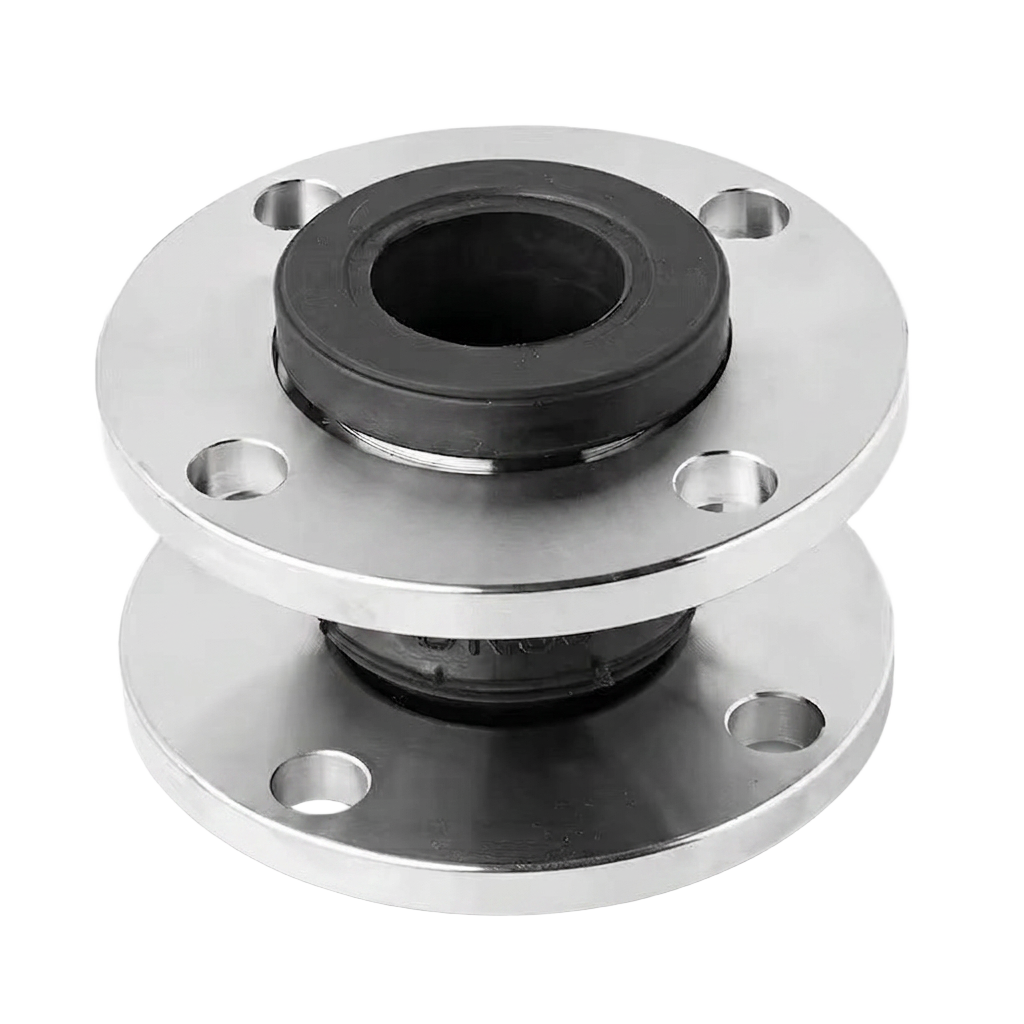
In modern commercial plant rooms, pipework systems undergo significant thermal stresses due to fluctuating water temperatures. A high-quality rubber bellow expansion joint acts as a flexible connector, designed to absorb axial, lateral, and angular movements. Without these components, the rigid nature of steel or copper pipework would lead to excessive force on pump flanges and boiler connections, potentially causing catastrophic structural failure. M&E contractors must ensure that these joints are strategically placed to navigate the thermal expansion rates defined in CIBSE Guide C, ensuring the longevity of the entire distribution network.
Beyond movement absorption, a rubber bellow expansion joint is highly effective at dampening noise and vibration across the building services infrastructure. In high-occupancy environments such as hospitals or premium office spaces, the transmission of mechanical hum from circulating pumps can be a major nuisance. By installing an EPDM or NBR rubber joint, engineers provide a physical break in the metallic continuity of the pipework, which significantly reduces the decibel levels of fluid-borne noise. This dual-purpose role makes them an indispensable asset for any facility manager concerned with both mechanical reliability and acoustic comfort in their managed premises.
Choosing UKGP Industrial for your supply chain ensures you receive a rubber bellow expansion joint that meets rigorous UK standards. Our units are manufactured to provide a service life that matches the expected maintenance cycles of the secondary circuit. When procurement leads source these components, they must consider the specific elastomer properties required for the medium being transported. Whether it is standard LTHW or a specialized process line, the correct selection of a flanged or weld-end bellows unit will mitigate the risk of premature fatigue and ensure the internal liners remain intact during peak operational cycles throughout the winter months.
- Compensation for thermal expansion and contraction
- Reduction of mechanical vibration and noise transmission
- Protection of sensitive equipment such as pumps and heat exchangers
- Absorption of minor pipework misalignment during installation
Material Selection: EPDM vs NBR in HVAC Systems
The performance of a rubber bellow expansion joint is primarily dictated by the elastomer selected for the bellows body. EPDM (Ethylene Propylene Diene Monomer) is the industry standard for most UK heating and chilled water applications. It offers excellent resistance to heat, ozone, and weathering, making it ideal for LTHW systems operating up to 100 degrees Celsius. However, if the system contains traces of oil or hydrocarbons, such as in certain industrial cooling circuits or compressed air lines, EPDM can degrade rapidly. In these scenarios, specifiers must opt for NBR (Nitrile) variants to ensure chemical compatibility and prevent swelling of the rubber profile.
Engineers must also be mindful of the chemical dosing regime within the system as highlighted in BSRIA BG50. If high concentrations of specific inhibitors or biocide treatments are used to combat Microbiologically Influenced Corrosion (MIC), the rubber bellow expansion joint must be verified for compatibility. For high-temperature domestic hot water (DHW) or specialized steam applications where rubber may not suffice, transition to stainless steel or fabric bellows is often required. UKGP facilitates this selection process by providing technical data sheets that detail the temperature and pressure de-rating factors essential for safe plant-room operation across various commercial boiler and chiller configurations.
The physical construction of the bellows often involves high-tenacity synthetic fibre reinforcement to support the pressure rating of the unit. For larger DN diameters, this reinforcement becomes critical to prevent the rubber from bulging under static pressure. When sourcing a rubber bellow expansion joint, procurement teams should look for components that offer a 2-year warranty as a mark of manufacturing quality. Our range at UKGP covers DN15 to DN600 sizes, ensuring that whether you are working on a localized circuit or a primary distribution header, the materials provided will withstand the hydraulic demands of the modern commercial HVAC environment.
- EPDM: Best for standard HVAC, LTHW, and chilled water
- NBR: Essential for oil-contaminated media or compressed air
- Fibre reinforcement for enhanced pressure containment
- Temperature thresholds up to 100°C for standard rubber units
Installation Compliance and BS EN 14917 Standards
Correct installation is as vital as the quality of the rubber bellow expansion joint itself. Following the guidance in BS EN 14917, installers must ensure that the pipework is properly anchored and guided. A common mistake in UK plant rooms is using expansion joints to bridge gaps caused by poor pipe alignment without proper support, which creates undue lateral stress on the bellows. Control rods are often recommended to limit the extension of the joint under pressure, preventing the unit from 'over-stretching' beyond its design limits. These rods are particularly important when the pipework cannot be sufficiently anchored at every change of direction.
During the commissioning phase, as outlined in BSRIA BG29, the rubber bellow expansion joint should be inspected for any signs of distortion or damage. It is crucial that these joints are not painted or lagged in a way that prevents inspection or restricts their natural movement. For M&E contractors, documenting the installation torque of flanged connections is a best practice that prevents leaks while ensuring the rubber face seals correctly against the mating flange. UKGP provides comprehensive flanged and weld-end options to suit varied installation preferences, ensuring that our bellows fit perfectly into your existing or new-build pipework layouts.
Pressure testing is another area where the rubber bellow expansion joint must be handled with care. While they are designed to handle 1.5 times the working pressure for short durations during testing, exceeding these limits can lead to a permanent set in the elastomer or failure of the internal reinforcement. UKGP Industrial expansion bellows are built to robust specifications, providing a reliable solution for consultants who require peace of mind. By requesting a quote for our DN15-DN600 range, you ensure that your project benefits from components that are fully compliant with British and European standards for pressure equipment and flexible connections.
- Utilize control rods to prevent over-extension
- Ensure primary anchors are positioned correctly per design
- Avoid painting or insulating the flexible bellows element
- Confirm flange alignment before final bolt tightening
Optimising Plant Room Efficiency with Proper Filtration
While a rubber bellow expansion joint handles the physical movement of the system, the fluid quality is equally important for the longevity of the plant. Suspended solids and magnetite can accumulate in the folds of a bellows unit, leading to localized wear or reduced flexibility over time. Integrating high-performance filtration solutions is therefore a strategic move for any FM looking to reduce maintenance overheads. By stripping out debris before it reaches sensitive flexible components, you extend the life of your bellows and ensure that the movement absorption remains consistent throughout the system's operational lifespan.
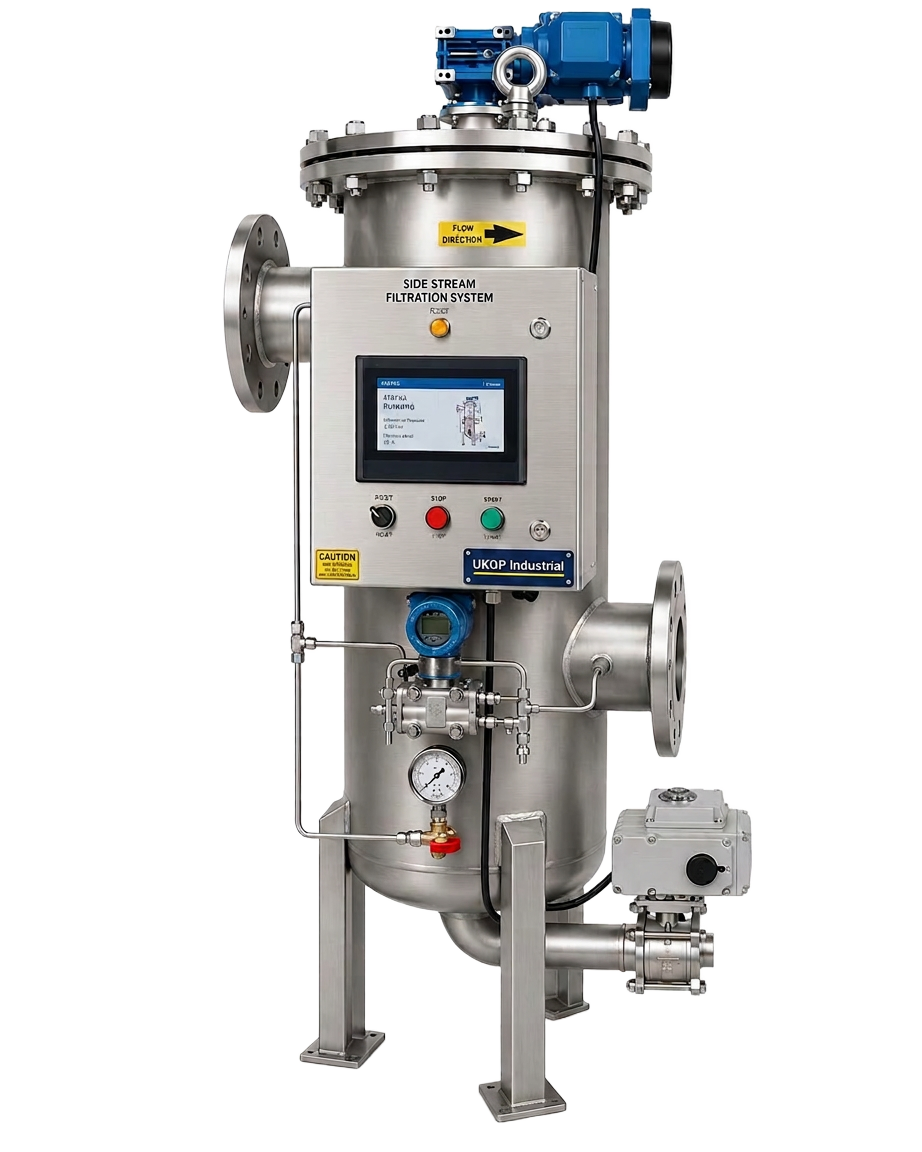
Side stream filtration skids are particularly effective in this regard, as they continuously treat a portion of the system volume without requiring a full system shutdown. This aligns with the advice in BSRIA BG50 regarding the maintenance of water quality in closed-loop systems. When the water is clean, the rubber bellow expansion joint is less likely to suffer from internal abrasion, and the overall hydraulic efficiency of the circuit is improved. This holistic approach to system design—combining physical expansion control with chemical and physical water treatment—is what separates a standard installation from an engineered, high-performance plant room.
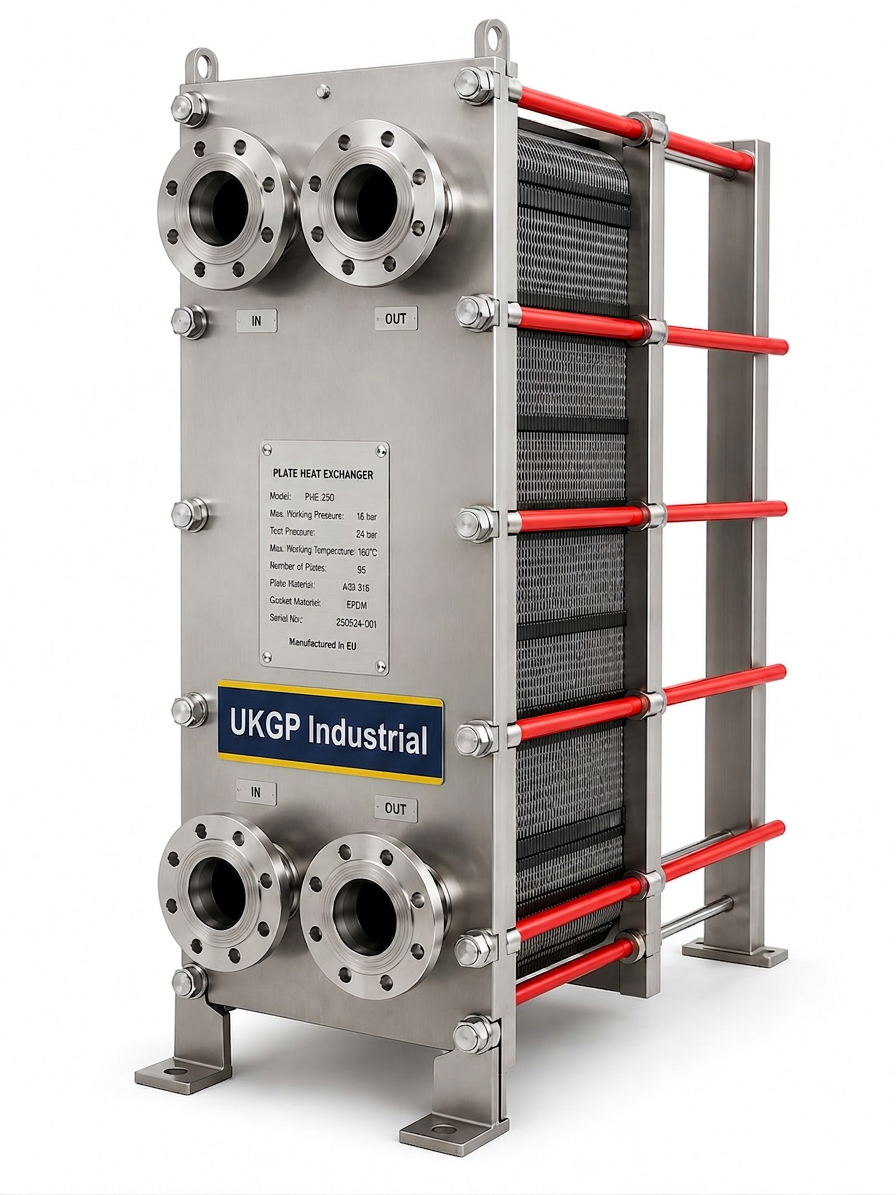
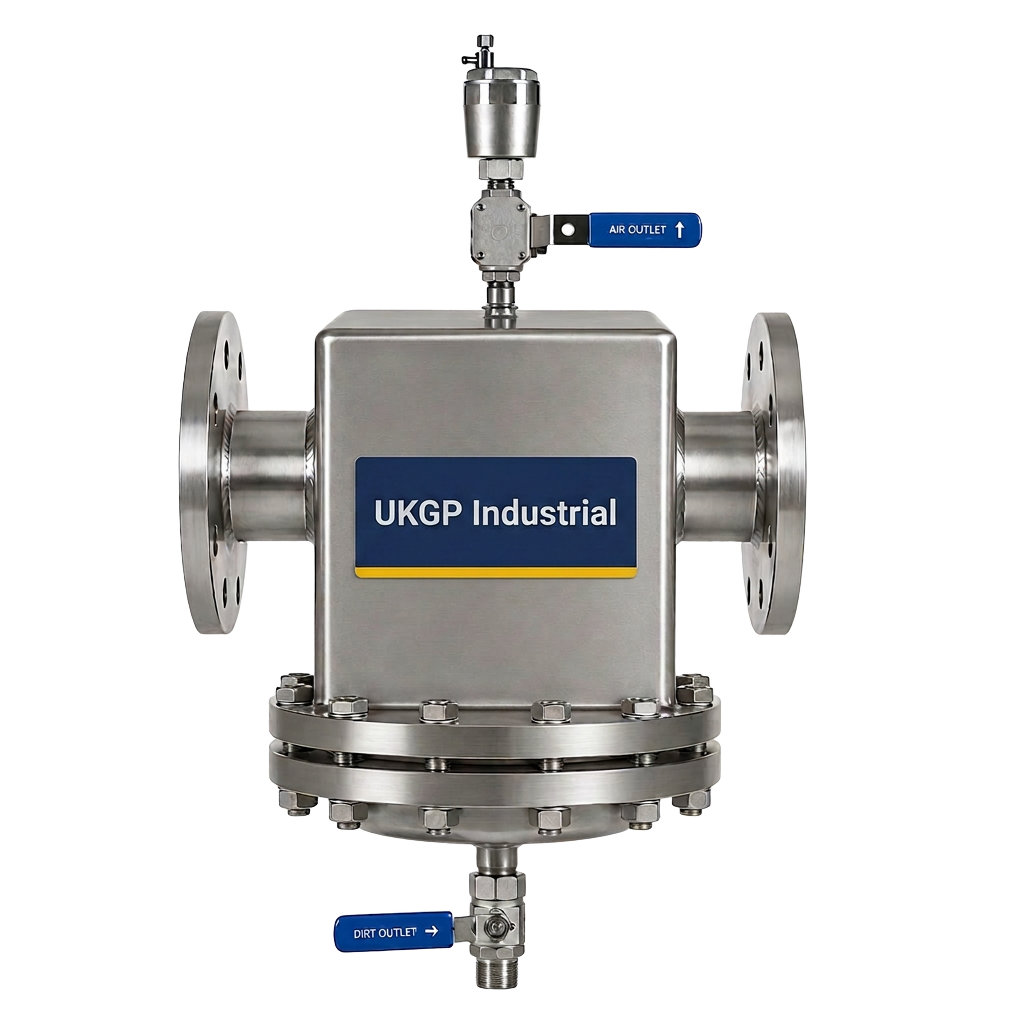
UKGP Industrial offers a complete suite of products to complement our expansion bellows, including side stream filtration and air and dirt separators. When designing a new plant room or upgrading an existing one, coordinating the procurement of these items ensures compatibility and simplified logistics. Our technical team can assist in selecting the right combination of products to protect your boilers and chillers. By maintaining optimal water conditions, you not only protect your expansion joints but also ensure the heat transfer efficiency of the entire building remains at its peak, reducing carbon emissions and energy costs.
- Remove magnetite and debris to protect flexible joints
- Continuous cleaning via side stream filtration skids
- Compliance with BSRIA BG50 water quality guidelines
- Enhanced system longevity and reduced repair frequency
The Role of the Rubber Bellow Expansion Joint in Low Loss Headers
In commercial boiler systems, the low loss header serves as the neutral point between the primary boiler circuit and the secondary distribution circuits. The connections to and from the low loss header are often high-stress points where a rubber bellow expansion joint is highly beneficial. Because the header acts as a hydraulic break, the temperatures on either side can vary, leading to differential expansion rates. Installing flexible connectors here prevents these forces from being transmitted back to the boiler heat exchangers, which are often the most expensive and sensitive components in the plant room.
Furthermore, the integration of a rubber bellow expansion joint near the low loss header helps in managing the thermal shock that can occur during morning start-up sequences. As the boilers fire and hot water rapidly enters the header, the immediate expansion of the primary pipework is safely absorbed. This is particularly relevant for systems using major UK commercial boiler OEMs, where maintaining the manufacturer's warranty often depend on demonstrating that the boiler has been protected from external mechanical stresses. Using a UKGP bellows unit with its 2-year warranty provides an additional layer of commercial security for the contractor and the end-user alike.
When specifying for these critical junctions, engineers should determine the exact movement requirements. Although a rubber bellow expansion joint is versatile, it has specific limits for axial compression and extension. For large-scale residential blocks or district heating schemes where the low loss header serves multiple zones, the cumulative expansion of long pipe runs must be calculated accurately. UKGP provides technical support to ensure that the bellows selected are capable of handling the calculated 'worst-case' thermal movement, ensuring that the plant room remains leak-free and fully operational regardless of the external weather conditions.
- Decouples mechanical stress between primary and secondary loops
- Protects boiler heat exchangers from thermal thrust
- Critical for high-flow-rate commercial heating installations
- Supports hydraulic stability in neutral point configurations
Commercial Considerations for Bellows Procurement
For procurement leads and M&E contractors, value in a rubber bellow expansion joint is found in the balance between upfront cost and long-term reliability. Opting for cheaper, non-certified alternatives often leads to premature failure, requiring expensive system drain-downs and emergency repairs. A high-quality EPDM or NBR bellows from UKGP Industrial, backed by a 2-year warranty, offers the site-readiness required for Tier 1 construction projects. Furthermore, having a wide size range from DN15 to DN600 means that a single supplier can provide all the expansion solutions required for a complex project, from small fan coil unit connections to main plant room risers.
Lead times are another critical factor in the UK construction market. We understand that plant room fit-outs often run on tight schedules where delays in small components can hold up the entire commissioning process. By maintaining stock of standard flanged rubber expansion joints, UKGP helps contractors hit their milestones. Whether you need stainless steel, PTFE, or fabric variants alongside your rubber units, our team can provide a consolidated quote that simplifies the supply chain. This professional approach to procurement ensures that every component on the bill of materials meets the project specifications and the overarching British Standards for mechanical services.
In conclusion, the rubber bellow expansion joint is a small but vital component that ensures the structural integrity and acoustic performance of commercial HVAC systems. By adhering to the standards set out by CIBSE and BSRIA, and sourcing from a specialist manufacturer like UKGP Industrial, you protect your assets and your reputation. Contact our Surrey-based team today to discuss your project requirements or to request a quote for our expansion bellows range. With our technical expertise and commitment to quality, we are the preferred partner for leading consultants and FM providers across the UK, ensuring every installation is built to last.
- 2-year warranty for peace of mind and commercial security
- Reduced total cost of ownership through high-grade elastomers
- Simplified procurement with a wide range of DN sizes
- Technical support for CIBSE and BSRIA compliant designs
Frequently asked questions
What is the maximum pressure for a rubber bellow expansion joint?
- Typically, our rubber expansion joints are rated for 16 Bar at ambient temperature, though this must be de-rated as the operating temperature increases. Always check the specific data sheet for your DN size and elastomer type.
Can a rubber bellow expansion joint be used for steam?
- Standard EPDM or NBR rubber bellows are not suitable for steam due to the high temperatures. For steam applications, we recommend our stainless steel or fabric expansion bellows which are designed for extreme thermal cycles.
How often should expansion bellows be inspected?
- Per BS 8552 and general FM best practices, bellows should be visually inspected every 6 to 12 months for signs of cracking, bulging, or leakage at the flanges. Early detection of elastomer fatigue prevents system failure.
Are tie rods always required for a rubber expansion joint?
- Tie rods (or control units) are essential if the pipework anchors are not strong enough to resist the pressure thrust. They prevent the bellows from over-extending, which is the leading cause of premature failure in UK plant rooms.
What is the difference between flanged and weld-end bellows?
- Flanged bellows allow for easier removal and replacement during maintenance, whereas weld-end units provide a permanent, leak-proof connection typically used in larger industrial or high-pressure steel pipework environments.