Understanding the Role of a Pipe Expansion Joint
In any large-scale mechanical system, temperature fluctuations are inevitable, leading to significant thermal expansion and contraction of the pipework hardware. Without a high-quality pipe expansion joint, these forces exert immense mechanical stress on anchor points, pumps, and sensitive equipment, often leading to catastrophic pipe failure or gasket leaks. As a specialist manufacturer, UKGP Industrial understands that the primary function of these components is to absorb axial, lateral, and angular movement, effectively acting as the flexible lung of the piping network. By decoupling the mechanical vibration of pumps from the rest of the building fabric, these joints also play a vital role in acoustic attenuation, which is a key requirement for modern high-end office developments and residential complexes.
When referencing BSRIA BG29 and BG50 guidelines for water treatment and system maintenance, it is important to note that the physical stability of the pipework impacts the efficiency of the entire hydronic circuit. A poorly selected pipe expansion joint can introduce turbulence or become a collection point for debris if not correctly sized or installed. Engineers must prioritise units that offer smooth bore transitions where necessary, particularly in systems where high flow rates are required to meet CIBSE efficiency targets. The selection process must account for the specific media being transported, whether that is LTHW, chilled water, or process steam, as each fluid involves different temperature-pressure gradients that dictate the physical limits of the expansion bellows assembly.
Ultimately, the goal for any FM or lead contractor is to ensure the longevity of the installation. Choosing a pipe expansion joint that is over-specified can lead to unnecessary project costs, while an under-specified unit poses a significant risk to health and safety and building continuity. Within the UK market, adherence to BS EN 14917 for metal bellows is a hallmark of quality that ensures the unit can withstand its rated cycles without fatigue. By integrating these components at the design stage, consultants can create a more resilient infrastructure that minimizes the need for emergency repairs or unplanned downtime, which often costs significantly more than the initial capital expenditure for premium-grade expansion solutions.
- Absorption of thermal axial movement and lateral deflection
- Reduction of mechanical noise and vibration transfer
- Compensation for minor pipework misalignment during install
- Protection of sensitive plant room equipment from stress
Material Selection and Specification Standards
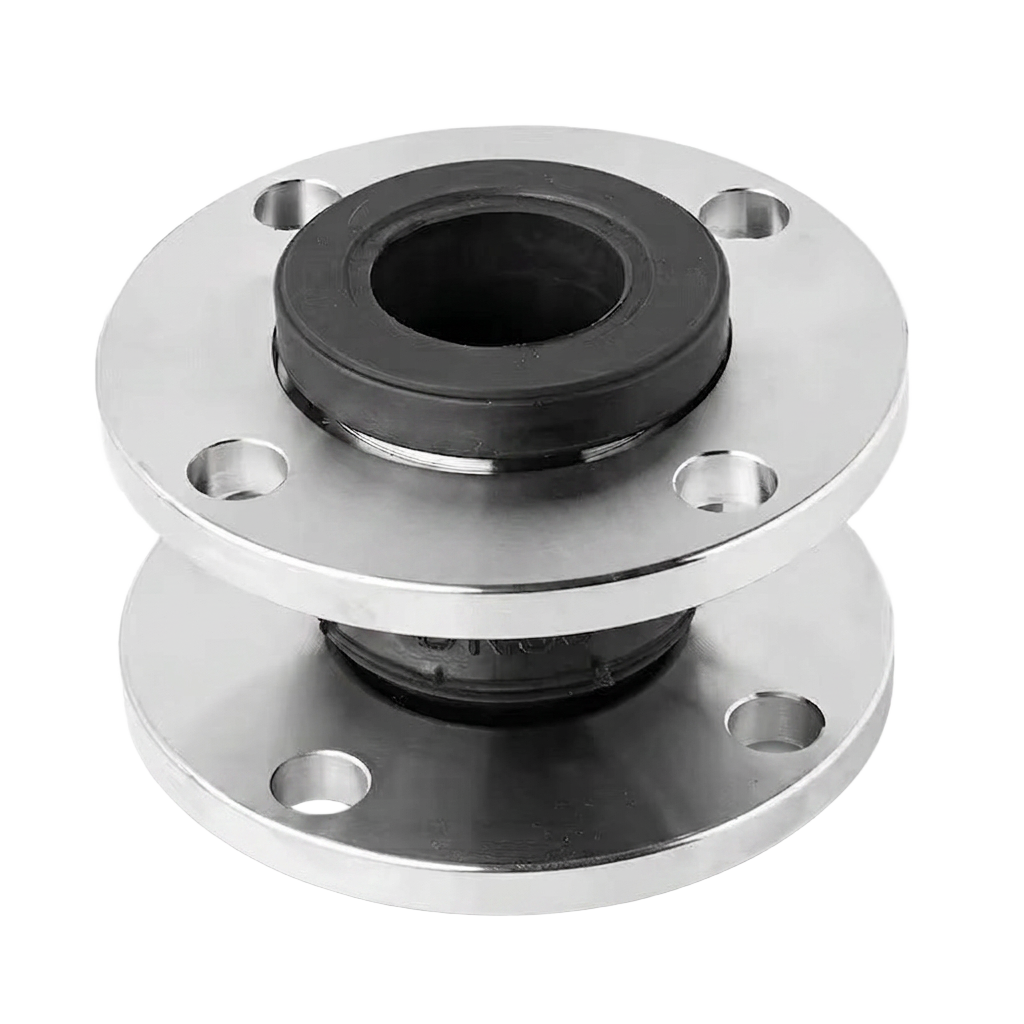
The material composition of your pipe expansion joint is arguably the most critical factor in its operational life. For most standard HVAC applications, EPDM rubber is the industry standard due to its excellent resistance to heat and aging. However, in more aggressive industrial environments or where oils and fuels are present, NBR (Nitrile) variants are required to prevent elastomer degradation. For higher temperature or high-pressure steam applications, stainless steel convoluted bellows are the preferred choice, offering the rigidity required to handle extreme thermal loads while maintaining the flexibility to compress and extend as needed. UKGP Industrial provides these solutions across all standard diameters to ensure compatibility with both legacy and modern piping architectures.
For specialist chemical processing or ultra-pure water systems, PTFE-lined joints or fabric expansion bellows offer the chemical inertia required to prevent corrosion. When reviewing technical submittals, procurement leads should check for compliance with BS EN 14917, which governs the design and manufacture of metal bellows. This standard ensures that the convolution geometry and wall thickness are sufficient for the intended pressure rating and cycle life. Furthermore, understanding the difference between flanged and weld-end connections is vital for onsite efficiency. While flanged units allow for easier replacement during maintenance cycles, weld-end units provide a permanent, leak-proof seal that is often preferred in high-pressure steam mains where thermal cycling is frequent.
Choosing UKGP expansion bellows means accessing a comprehensive range of rubber EPDM/NBR, stainless steel, PTFE, and fabric options available from DN15 right up to DN600. Our units come with a 2-year warranty, reflecting our confidence in the manufacturing process and material durability. Whether the project requires a simple DN50 rubber pulse damper or a complex DN400 flanged stainless steel assembly for a district heating scheme, the material must align with the system's chemical treatment regime as per BS 8552. Using the wrong elastomer can lead to premature hardening or swelling, which compromises the integrity of the pipe expansion joint and could void system-wide insurance policies related to mechanical failure.
- EPDM and NBR rubber for standard fluid and oil applications
- Stainless steel bellows for high-pressure steam and LTHW
- PTFE and fabric joints for specialist chemical resistance
- Warranty-backed components for long-term peace of mind
Installation Best Practices and Anchor Points
Correct installation of a pipe expansion joint is as important as the specification itself. A common mistake in the field is failing to provide adequate anchoring and guiding. Without robust fixed points, the internal pressure of the system will simply push the expansion joint to its fully extended limit, rendering it incapable of absorbing further thermal movement and potentially causing a pipe blowout. Anchors must be designed to withstand the full pressure thrust plus the force required to compress the bellows. BSRIA guidelines suggest that guides should be placed at specific intervals from the joint to ensure the pipe moves in a straight line, preventing the bellows from 'squirming' or buckling under load.
During the installation phase, contractors must ensure that the pipe expansion joint is not used to correct significant pipework misalignment unless the joint is specifically designed for lateral offset. Forcing a bellows into position can pre-stress the material, drastically reducing its cycle life and potentially leading to fatigue cracking in stainless steel units. It is also essential to remove any shipping bolts or tie rods once the system is anchored and before the system is pressurized, unless they are integral limit rods designed to prevent over-extension. Following these practical steps ensures the system operates within its design parameters and meets the rigorous safety standards expected in the UK construction sector.
Regular inspection of expansion joints should be integrated into the Facilities Management schedule. Signs of bulging, surface cracking, or weepage at the flanges indicate that the unit is approaching the end of its service life or is being subjected to conditions beyond its design. In plants where water quality is high-risk, combining these inspections with data from pH sensors & transmitters can provide a holistic view of system health. Ensuring that the chemical balance is maintained prevents the internal corrosion of stainless steel bellows, extending the interval between replacements and ensuring that the pipe expansion joint continues to function as a reliable safety component within the pressurized envelope.
- Requirement for heavy-duty main anchors and intermediate guides
- Avoidance of pre-stressing during the alignment phase
- Removal of temporary shipping supports before commissioning
- Integration of bellows health into annual FM inspections
Technical Calculations for Thermal Movement
To select the correct pipe expansion joint, engineers must accurately calculate the total linear expansion (ΔL) of the piping run. This calculation uses the coefficient of thermal expansion for the specific pipe material—be it carbon steel, copper, or plastic—and the maximum temperature differential the system will experience. For example, a 50-metre run of steel pipe heating from 10°C to 80°C will expand by approximately 45mm. This movement must be accommodated by one or more expansion joints. Selecting a joint with a maximum axial compression rating that exceeds the calculated expansion provides a necessary safety margin, ensuring the bellows are never fully compressed to their solid height.
In addition to axial movement, lateral deflection must be considered if the pipe changes direction or if the expansion joint is placed between two offset pipes. Lateral movement creates additional shear stress on the convolutions. In these instances, a tied pipe expansion joint may be necessary to control the movement and protect the assembly. CIBSE Guide C provides detailed tables for thermal expansion coefficients that can assist in these calculations, but it is always recommended to consult with the manufacturer's technical team to ensure that the chosen bellows can handle the combined axial and lateral loads without exceeding their elastic limit.
Pressure ratings are equally vital; the nominal pressure (PN) of the joint must meet or exceed the system's maximum operating pressure, including any potential surges. A pipe expansion joint rated at PN16 is standard for many UK commercial applications, but high-rise buildings or industrial process lines may require PN25 or higher. It is the responsibility of the specifier to ensure that the bellows' pressure-containing capacity is matched to the system's safety valve settings. At UKGP Industrial, we provide detailed data sheets for our DN15-DN600 range to facilitate these precise engineering calculations, ensuring every component is fit for purpose and compliant with relevant UK pressure equipment regulations.
- Calculation of ΔL based on material type and ΔT
- Assessment of axial, lateral, and angular movement requirements
- Verification of PN pressure ratings against system surge potential
- Consultation with UKGP for bespoke technical sizing support
Maintenance and the Role of Water Quality
The longevity of a pipe expansion joint is intrinsically linked to the chemical environment within the system. BSRIA BG50 highlights the dangers of internal corrosion, which can be particularly aggressive toward the thin-walled convolutions of stainless steel bellows. If the system's water treatment is not strictly monitored, dissolved oxygen and chloride ions can cause pitting corrosion, leading to pinhole leaks and sudden failure. This is why many engineers insist on high-grade 316L stainless steel for wetted parts or choose rubber bellows for applications where chemical fluctuations are common. Maintaining strict water chemistry is the first line of defense in protecting these critical flexible components.
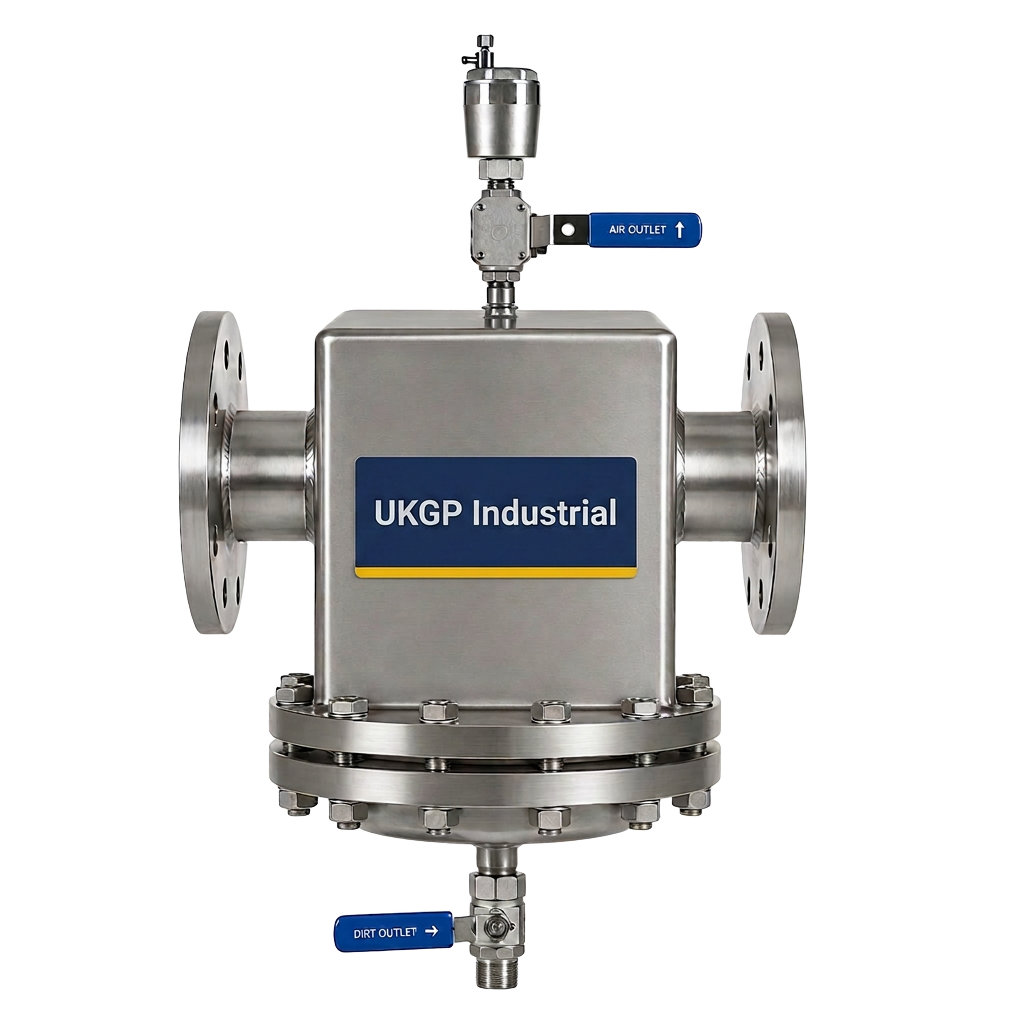
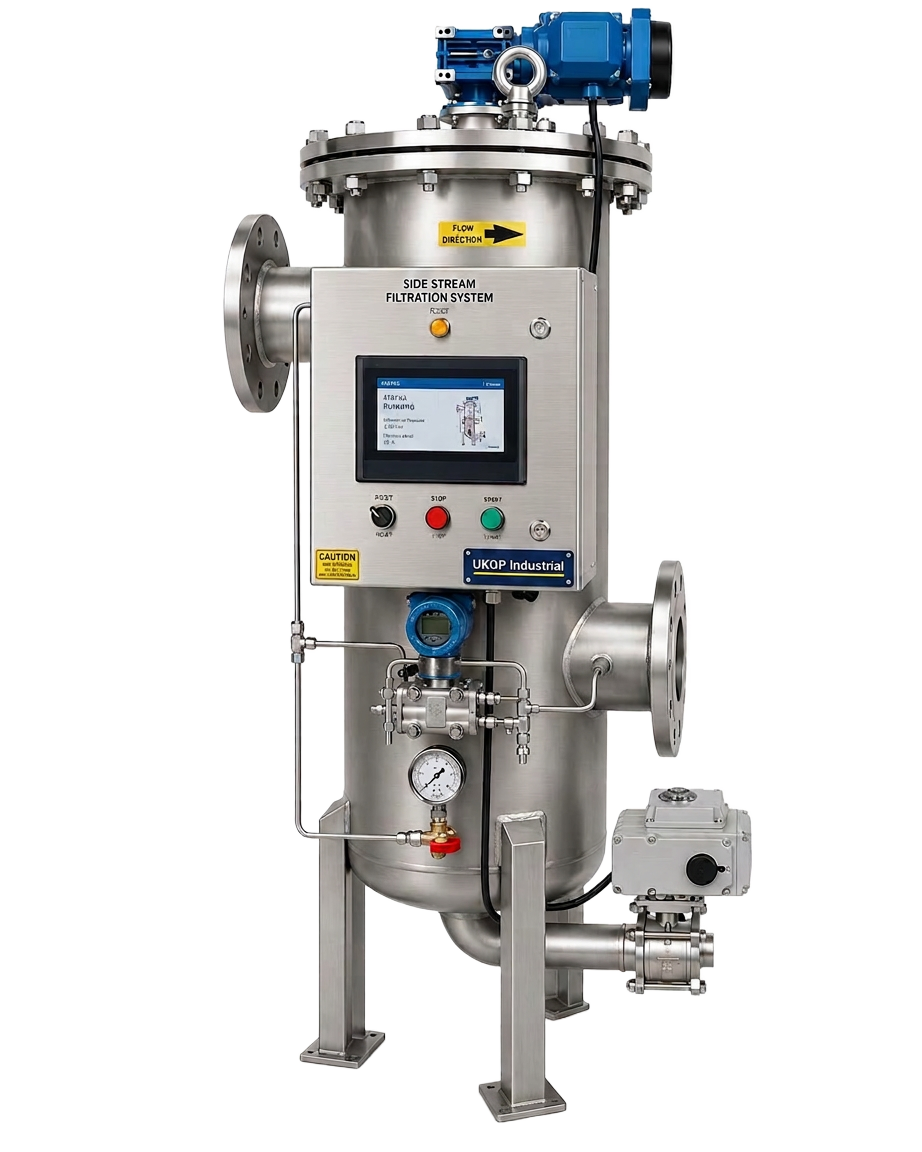
Furthermore, the presence of suspended solids can be detrimental. In systems where debris is allowed to circulate, particles can become trapped within the convolutions of a pipe expansion joint, restricting its movement or causing abrasive wear as the bellows cycle. This mechanical interference can lead to premature fatigue. Implementing robust side-stream filtration and air/dirt separators elsewhere in the plant room is an effective way to mitigate this risk. By keeping the system 'clean' according to BG29 standards, you ensure that the expansion joints can move freely through their full design stroke without the risk of particulate-induced damage or blockage.
From a commercial perspective, the cost of replacing a failed pipe expansion joint far outweighs the investment in preventative water treatment and filtration. UKGP Industrial recommends a proactive approach, combining high-quality EPDM or stainless steel bellows with a rigorous maintenance regime. Our expansion bellows are designed for ease of inspection, with flanged ends that allow for straightforward removal if internal scaling or corrosion is suspected. By sourcing your expansion solutions from a UK-based manufacturer with over two years of warranty protection, you gain the assurance that the equipment is built to withstand the realities of the modern British plant room.
- Protection against pitting corrosion via BSRIA BG50 compliance
- Prevention of convolution blockage through effective filtration
- Regular chemical analysis to preserve elastomer and metal integrity
- Commercial benefits of proactive rather than reactive replacement
Conclusion: Choosing a Reliable UK Partner
Selecting a pipe expansion joint is a nuanced process that requires a balance of mechanical engineering, material science, and commercial awareness. For consultants and contractors, the goal is to specify a product that offers the highest reliability with the lowest maintenance burden. By choosing UKGP Industrial, you are opting for a Surrey-based partner that understands the specific demands of the UK building services sector. Our range of DN15-DN600 expansion bellows, available in various materials including EPDM, NBR, and stainless steel, provides the versatility required for any HVAC or industrial project, backed by technical expertise and a 2-year warranty.
The importance of sourcing from a manufacturer that adheres to British and European standards cannot be overstated. With the complexity of modern plant rooms increasing, having a dependable pipe expansion joint ensures that the primary infrastructure remains protected from the physical realities of thermal dynamics. We invite procurement leads and engineers to reach out for bespoke quotes and technical assistance. Whether you require a single weld-end unit for a replacement project or a full suite of flanged bellows for a new build, our team is equipped to provide the right solution, delivered on time to meet your project milestones.
Ultimately, the integrity of your piping system is only as strong as its most flexible link. By investing in premium expansion solutions, you reduce the risk of structural damage, minimize noise complaints, and ensure the long-term efficiency of your heating and cooling networks. Contact UKGP Industrial today to discuss your specific requirements for a pipe expansion joint and discover how our commitment to quality, from DN15 to DN600, can support your next mechanical installation. Check our latest stock of rubber, stainless, and PTFE bellows to find the perfect match for your design parameters and operational needs.
- Surrey-based manufacturing for rapid UK supply chains
- Extensive range of materials for all liquid and gas media
- Comprehensive 2-year warranty on all expansion products
- Expert technical support for BSRIA and CIBSE compliance
Frequently asked questions
What is the difference between EPDM and NBR in a pipe expansion joint?
- EPDM is ideal for hot and cold water applications (LTHW/CHW) as it offers great weather and heat resistance. NBR (Nitrile) is specifically required for systems carrying oils, fuels, or hydrocarbons, as standard EPDM would swell and fail in contact with these substances.
Why is a 2-year warranty important for expansion bellows?
- A 2-year warranty provides peace of mind that the component is manufactured to high standards. Given that expansion joints are subject to constant mechanical stress, a longer warranty period reflects the manufacturer's confidence in the material quality and cycle life.
Do I need a tied or untied expansion joint?
- Untied joints are used when the pipework is properly anchored and guided to absorb axial movement only. Tied expansion joints include limit rods to prevent the bellows from over-extending and are often used to absorb lateral movement while containing pressure thrust.
Are UKGP expansion joints compliant with BS EN 14917?
- Yes, our metal expansion bellows are designed and manufactured in accordance with BS EN 14917, ensuring they meet the necessary safety and performance criteria for pressurized piping systems in the UK and Europe.
What sizes are available for the UKGP pipe expansion joint range?
- We supply a comprehensive range of sizes from DN15 for small-bore domestic or commercial services up to DN600 for large-scale industrial and district heating mains, with both flanged and weld-end connections available.