The Mechanism of Sensor Degradation
To manage a replacement schedule, one must understand that a pH sensor is a galvanic battery where the 'voltage' produced is proportional to the hydrogen ion activity. The primary failure mode is the gradual exhaustion of the reference electrolyte and the fouling of the porous junction. In closed-loop heating and chilled water systems, additives such as corrosion inhibitors can eventually coat the sensitive glass bulb, leading to sluggish response times and 'drift'.
In cooling tower applications, the challenge is intensified by aerobic conditions and potential biological film growth. Even with regular cleaning, the chemically sensitive glass membrane undergoes a thinning process and ion leaching. Engineers often observe this as a reduction in the 'slope'—the efficiency of the probe—where it no longer produces the theoretical 59.16 mV per pH unit at 25°C. Once this efficiency drops below a critical threshold, typically 85%, the sensor is no longer reliable regardless of calibration efforts.
- Reference electrode depletion (silver/silver chloride saturation).
- Glass membrane dehydration or 'poisoning' by heavy metals.
- Junction clogging from suspended solids or oils.
- Thermal degradation of the internal electrolyte.
Establishing a Proactive Maintenance Frequency
BSRIA BG50 recommends robust monitoring of water chemistry to prevent systemic corrosion. A reactive approach—replacing a sensor only when it reads 0 or 14 pH constant—is insufficient for high-value plant like plate heat exchangers or centrifugal chillers. A structured schedule should be built around the stability of the process. For HVAC secondary loops with stable chemistry, a 12-to-18-month replacement cycle is standard. However, for industrial wastewater treatment (WWT) or chemical dosing, this may shrink to 6 months.
The use of 'smart' transmitters has revolutionised this schedule. Previously, engineers had to carry buffers and wash-bottles to the plant room, often calibrating in poor environmental conditions. With modern M12 quick-connect systems, the electronics stay in-situ while the sensor head is swapped. This allows for 'Hot Swapping' where a pre-calibrated sensor is installed, and the old unit is taken to a laboratory or workshop for assessment or disposal, ensuring minimal disruption to the 4-20mA or Modbus control loop.
- Weekly or fortnightly: Visual inspection and single-point 'grab sample' verification.
- Monthly: Full two-point calibration using pH 4.01 and 7.00 buffers.
- Quarterly: Deep cleaning and 'slope' health check.
- Annually: Pre-emptive replacement for critical process loops.
Integration with Chemical Dosing and Filtration
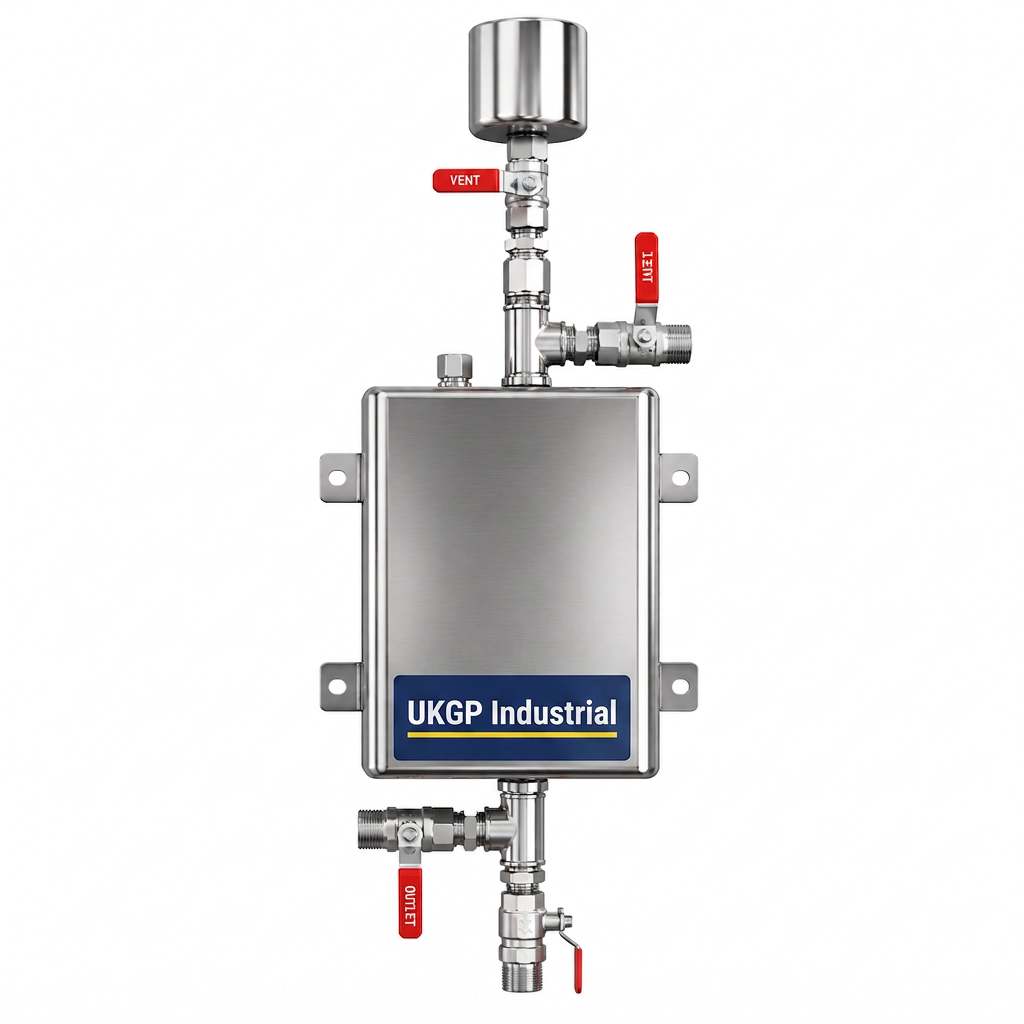
In many UK plant rooms, pH control is inextricably linked to chemical dosing and side-stream filtration. If a pH sensor drifts high, the BMS may trigger an over-dose of acid or scale inhibitor, leading to accelerated pipework degradation or wasted chemical spend. Integrating high-accuracy pH transmitters into the dosing logic ensures that the chemical dosing pots or automated skids operate only when strictly necessary.
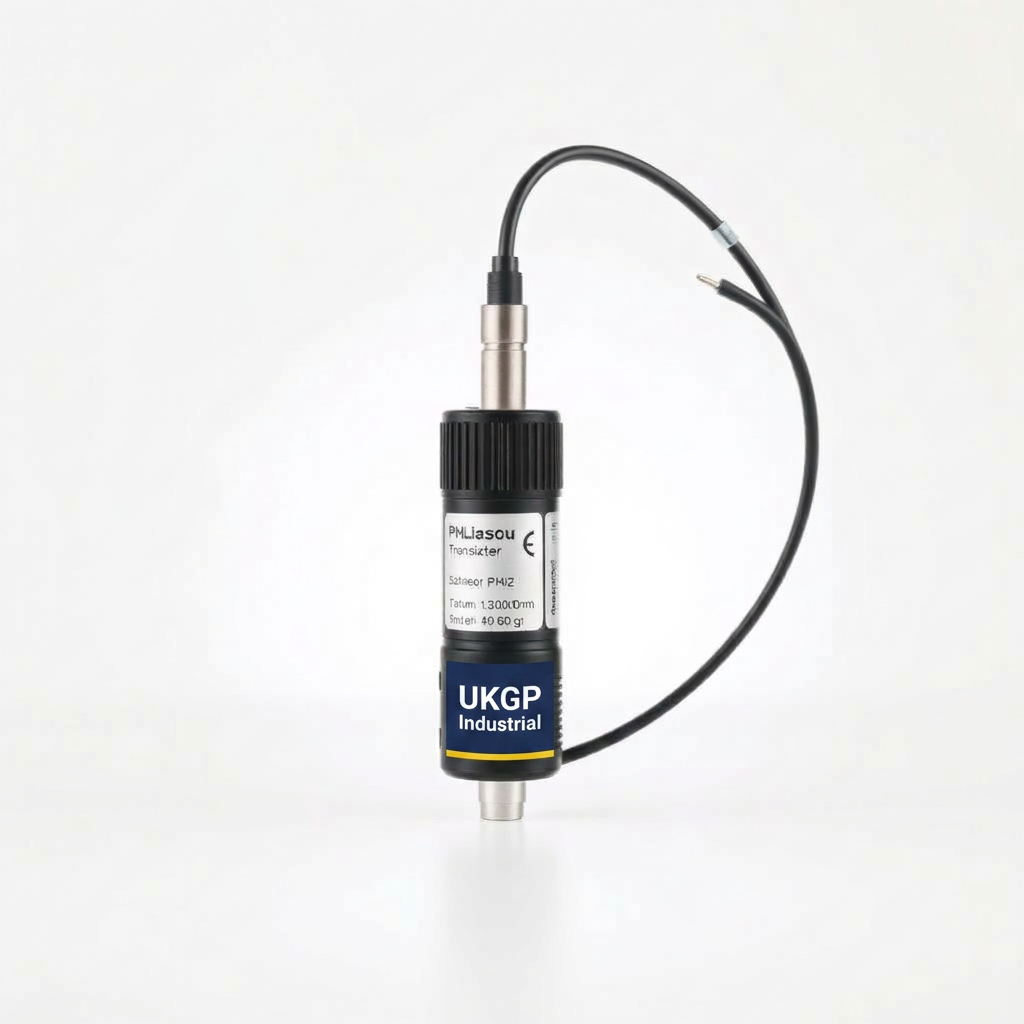
UKGP Industrial pH sensor transmitters with M12 connectors are designed for this specific environment. By decoupling the sensitive electrochemical probe from the transmitter electronics via a standardised M12 interface, engineers can standardise their spares inventory. This modularity means that if a probe is mechanically damaged—common during strainer cleaning or pump maintenance—only the wet-cell needs replacing, not the entire transmitter assembly.
Technical Indicators for Immediate Replacement
Field technicians should look for specific electronic signatures of sensor decay. The 'offset' or 'zero' point of the sensor should ideally be 0mV at pH 7. As the reference junction becomes contaminated, this offset will climb. Once it exceeds 30mV, the sensor is nearing the end of its reliable life. While modern transmitters can 'offset' this error through calibration, the stability of the reading becomes compromised.
Response time is an often-overlooked metric. A healthy industrial pH probe should stabilise in a buffer solution within 10 to 15 seconds. If a probe takes minutes to settle, it indicates high impedance or a partially blocked junction. In dynamic systems like cooling tower bleed-off control, this lag can cause significant 'hunting' in the control valve, leading to unstable water chemistry and increased water consumption.
- Slope below 85% (approx. 50mV/pH).
- Offset (Isopotential point) exceeding +/- 30mV in pH 7 buffer.
- Response time exceeding 60 seconds to reach a stable 95% value.
- Visible cracking or 'milky' appearance of the glass bulb.
Lifecycle Management in Harsh Environments
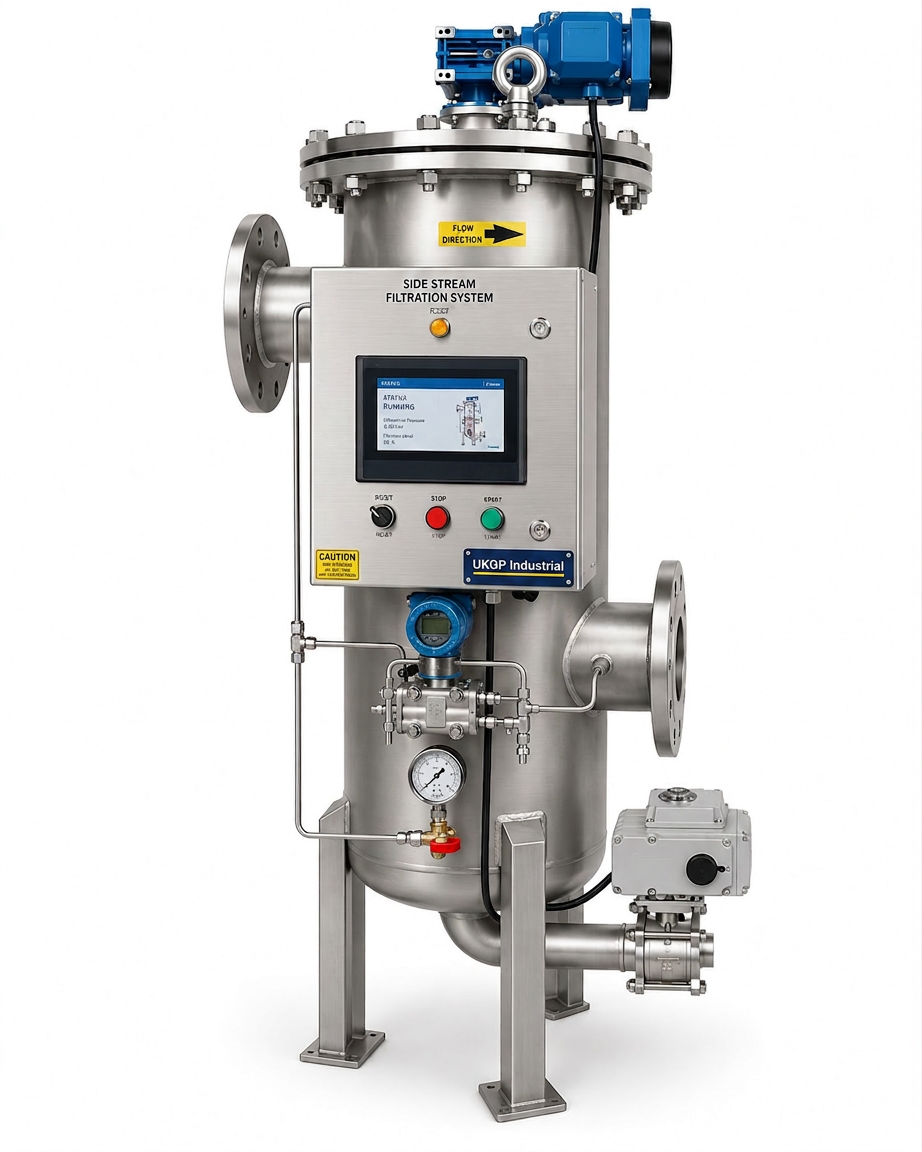
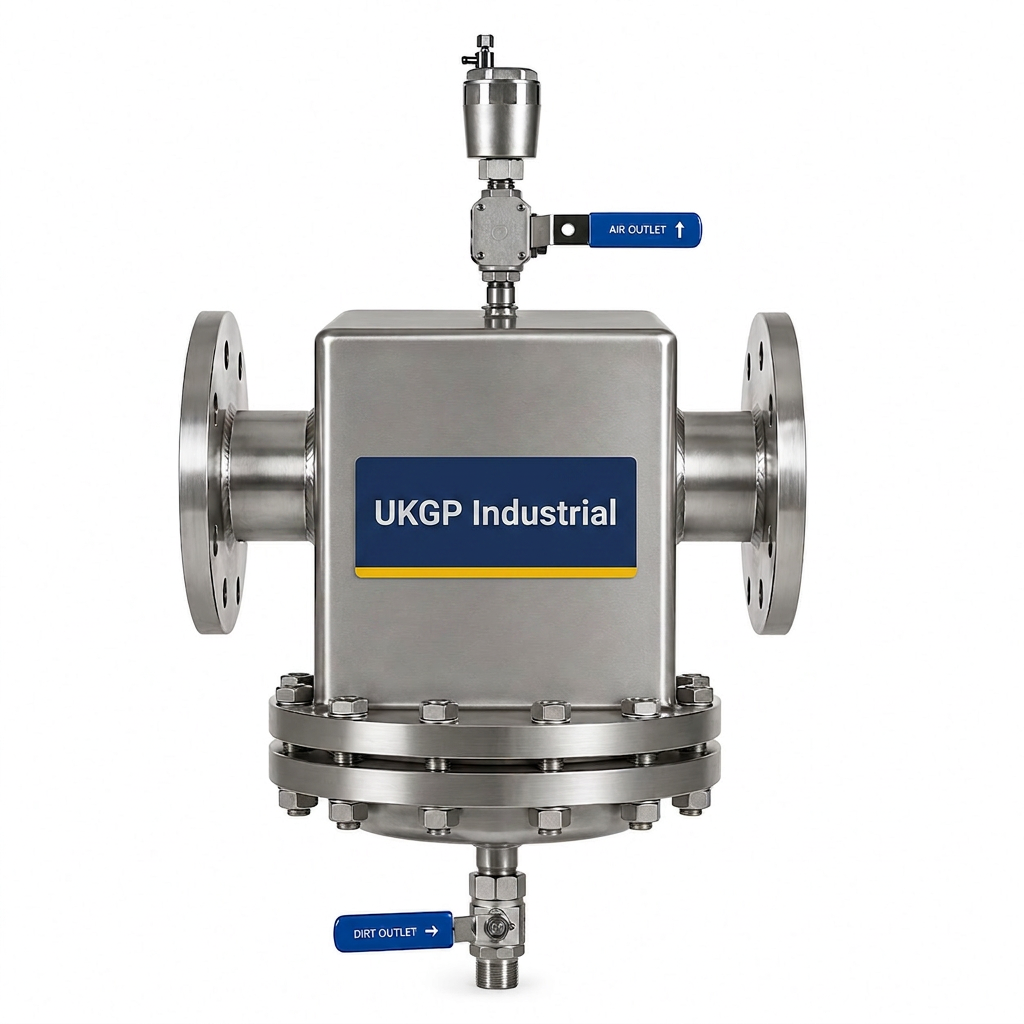
In systems with high suspended solids or potential for magnetite build-up, such as older heating networks, pH sensors are at higher risk. Magnetite is particularly troublesome as it is conductive and can short-circuit the sensor junction. In these scenarios, the pH replacement schedule must be synchronised with side-stream filtration maintenance. Ensuring that the sensor is installed downstream of a high-efficiency magnetic filter can extend the probe life by up to 40%.
Environmental temperature also plays a critical role. The 'Nernstian' response of a pH probe is temperature-dependent, but more importantly, high temperatures accelerate the depletion of the reference electrolyte and the aging of the glass. For every 10°C increase above 25°C, the chemical lifespan of the sensor is effectively halved. Engineers monitoring LTHW (Low Temperature Hot Water) systems at 70°C must expect significantly shorter replacement intervals than those monitoring chilled water loops at 6°C.
Best Practice for Sensor Inventory and Storage
A common error in UK facilities management is the 'bulk-buying' of replacement pH probes. Unlike mechanical seals or valves, pH sensors have a shelf life. Even when stored in their protective wetting caps, the internal electrolyte gradually migrates. We recommend maintaining a maximum of three months' worth of expected turnover in stock. Always check the manufacture date; a probe that has sat on a shelf for two years is likely already depleted.
When installing a new sensor from the UKGP Industrial range, ensure the M12 connection is hand-tightened to maintain the IP rating. The transition to M12 quick-connect electronics has simplified the documentation of the replacement schedule. By logging the date of each 'head' swap, FMs can build a predictive model, moving from reactive fixes to a scheduled 'preventative swap' model that aligns with annual plant shutdowns or quarterly insurance inspections.
- Store sensors upright to keep the junction wet.
- Never store in deionised (DI) or distilled water; use 3M KCl storage solution.
- Ensure the M12 connector is dry and free of corrosion before mating.
- Document 'Slope' and 'Offset' values at every calibration to track the decay curve.
Frequently asked questions
What is the average lifespan of an industrial pH probe?
- Typically 12–24 months for general-purpose applications, but high-temperature or heavily contaminated process loops can reduce this to 3–6 months. Performance monitoring via slope data is the only reliable way to set a site-specific interval.
Can I calibrate sensors off-site to reduce downtime?
- Modern smart transmitters with M12 connectors allow for bench calibration. You can calibrate a spare probe in a controlled lab environment and swap it into the process line in seconds, reducing system downtime.
What should I do if a sensor fails to calibrate?
- Clean the electrode with a mild detergent or 0.1M HCl (depending on fouling type) and re-calibrate. If the slope falls below 85% or 50mV/pH, the sensor is chemically exhausted and must be replaced.
Can I store spare sensors indefinitely?
- No. pH electrodes function through an ion-exchange process that occurs even in storage. Always check the 'install by' date and avoid over-stocking.