The Case for 4-20mA Current Loops
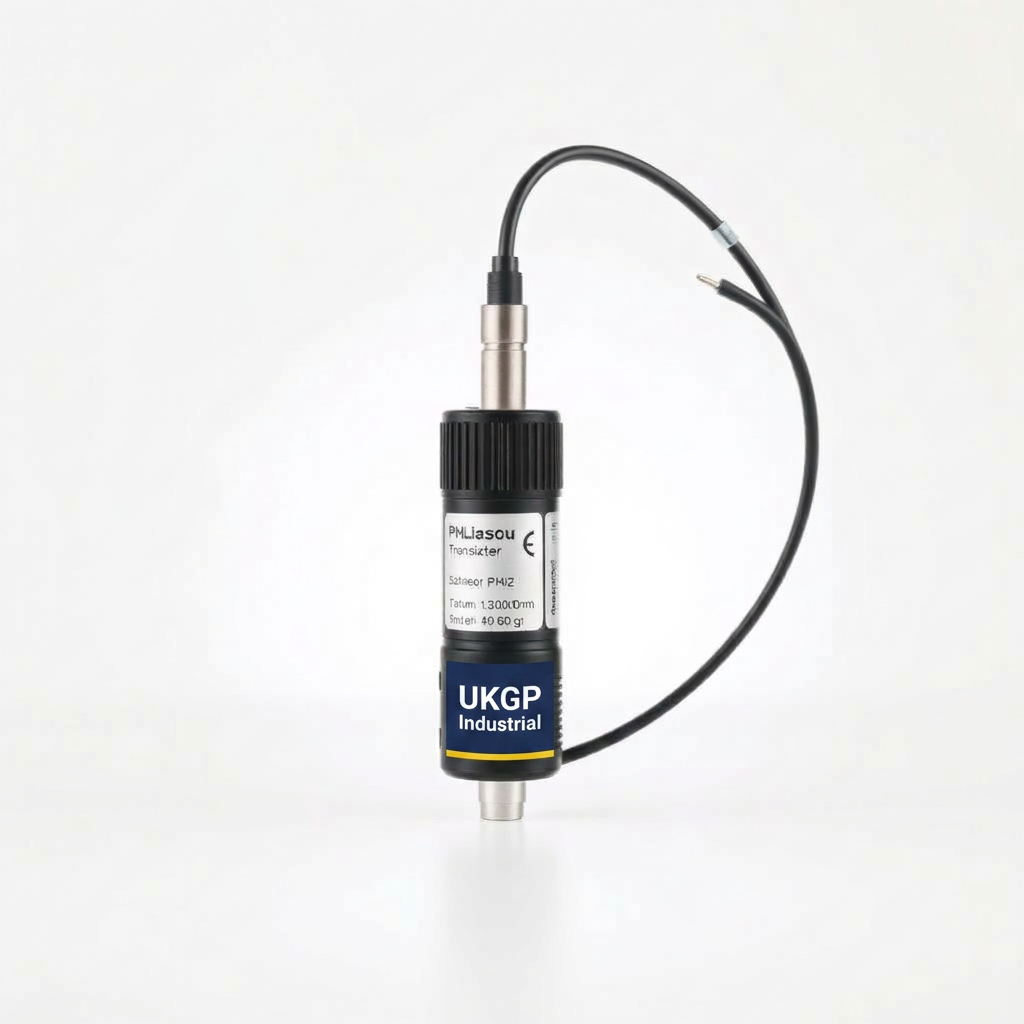
The 4-20mA current loop remains the 'de facto' standard in UK plant rooms due to its inherent simplicity and 'fail-to-safe' characteristics. In a pH monitoring application, the sensor transmitter converts the high-impedance Millivolt signal from the glass electrode into a robust current signal. A reading of 4mA typically represents pH 0, while 20mA represents pH 14. If the signal drops to 0mA, the control system immediately identifies a loop failure or cable break, providing an essential safety interlock for acid/alkali dosing pumps.
From a commissioning perspective, 4-20mA systems are straightforward. For engineers following BSRIA BG29/21 guidelines for water treatment, the ability to quickly verify a sensor’s output using a basic handheld loop calibrator is invaluable. Unlike digital protocols, there are no baud rates, parity bits, or slave IDs to configure, which can significantly reduce time-to-site for M&E contractors who may not have specialist networking expertise.
- True linear relationship between hydrogen ion concentration and current.
- Ease of troubleshooting with a standard multimeter.
- Compatibility with virtually every BMS and PLC on the UK market.
- Zero-drop signal over distances up to 1,000 metres with quality screening.
Frequently asked questions
Is Modbus more reliable than 4-20mA in high-interference environments?
- While 4-20mA is more susceptible to EMI (electromagnetic interference), Modbus RTU uses a balanced differential signal (RS-485) which is inherently more robust over long cable runs in electrically noisy plant rooms.
What wiring is required for a Modbus pH sensor?
- A standard 4-20mA pH loop typically requires a 2-core screened cable. A Modbus RS-485 network requires a 4-core cable (two for power, two for data) with an overall screen.
Can I use M12 connectors for both signal types?
- Yes, Many UKGP Industrial transmitters utilise M12 quick-connect systems which allow for rapid sensor replacement without disrupting the permanent field wiring back to the PLC.
Can I run both signals simultaneously?
- Absolutely. In many legacy plant rooms, engineers use a local pH transmitter to convert the Millivolt signal to 4-20mA for the BMS, while simultaneously using a Modbus gateway for high-level data logging.