Technical Requirements for Process pH Monitoring
Food and beverage production environments present unique challenges for pH measurement. Unlike standard HVAC applications, sensors in these facilities are frequently exposed to Clean-in-Place (CIP) cycles where temperatures can exceed 80°C and pH levels swing wildly between extremes. Selecting a sensor requires careful consideration of the glass impedance and the reference junction design. A high-temperature glass formulation is essential to prevent the accelerated ageing of the sensing electrode under thermal stress.
Furthermore, the ingress of moisture into sensor connections is a primary cause of signal failure. Traditional S7 or coaxial connectors are prone to corrosion and 'noise' in humid plant-room conditions. Modern M12 quick-connect electronics provide an IP67-rated interface that ensures signal integrity. This is particularly critical in large-scale UK dairies or breweries where long cable runs between the sensor and the control panel could otherwise lead to significant voltage drops and measurement drift.
- Resistance to aggressive CIP chemicals (caustics and acids).
- Thermal stability during rapid temperature cycling.
- Mechanical robustness against pressure surges.
- Ease of integration with existing PLC/BMS architectures via 4-20mA or Modbus.
The Advantages of Integrated M12 Transmitters
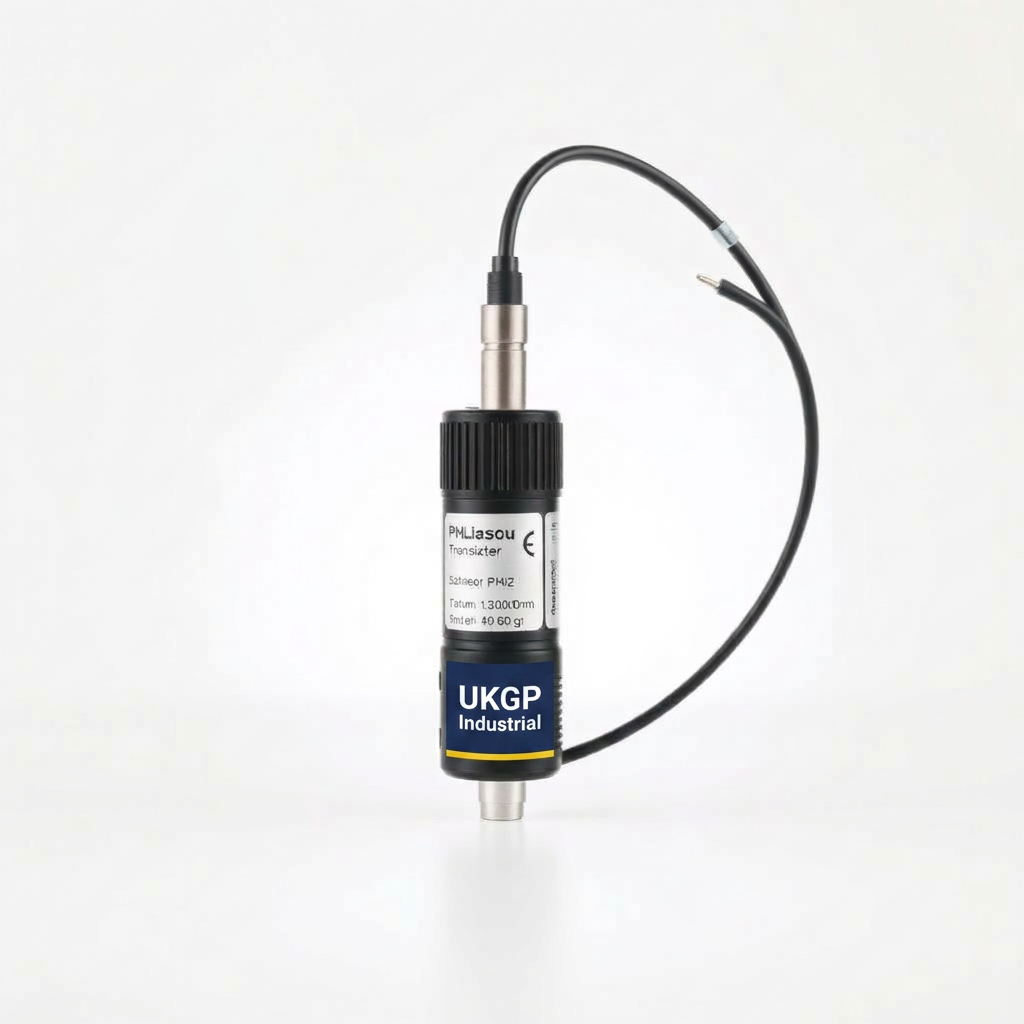
The shift toward integrated M12 smart transmitters represents a significant advancement in building services and process engineering. By housing the transmitter electronics directly on the sensor body, the high-impedance signal from the pH electrode is converted immediately into a low-impedance 4-20mA or RS485 Modbus signal. This eliminates the need for expensive, specialised pH cabling and allows for the use of standard multi-core shielded cables widely used in UK industrial installations.
These UKGP Industrial digital transmitters often feature internal diagnostics and ‘plug-and-play’ capabilities. This allows maintenance teams to pre-calibrate sensors in a controlled laboratory environment before swapping them into the process line. The M12 connection ensures that even non-specialist personnel can replace a sensor without risk of wiring errors, significantly reducing downtime during critical production windows. This modularity is essential for meeting the uptime requirements of 24/7 manufacturing facilities.
Wastewater Treatment and Environmental Compliance Building Control
Food processing plants generate significant volumes of effluent that must be treated to comply with UK water authority trade effluent agreements. Discharging water outside of the agreed pH range (typically 6.0 to 10.0) can result in heavy fines and legal action. pH sensors used in wastewater treatment plants (WWTP) must be resilient enough to handle high suspended solids and various chemical contaminants that can 'poison' the reference junction.
For these applications, double-junction or even triple-junction sensors are recommended. These designs provide multiple barriers to prevent process contaminants from reaching the internal silver/silver chloride (Ag/AgCl) reference element. When coupled with an M12 transmitter, these sensors provide reliable, continuous data logging, which is essential for demonstrating compliance during audits and ensuring that neutralisation dosing pumps are operating efficiently.
Cooling Tower and Chilled Water Optimisation
Beyond the process line, pH control is vital for the longevity of a facility's HVAC infrastructure. In cooling towers, maintaining a precise pH is necessary to prevent scale formation and metallic corrosion, while also supporting the efficacy of biocides. An acidic drift can lead to rapid pitting of heat exchangers, whereas an alkaline drift can cause calcium carbonate precipitation. Reference to CIBSE Guide G and BSRIA BG50 is standard practice here to ensure water chemistry remains within specified limits.
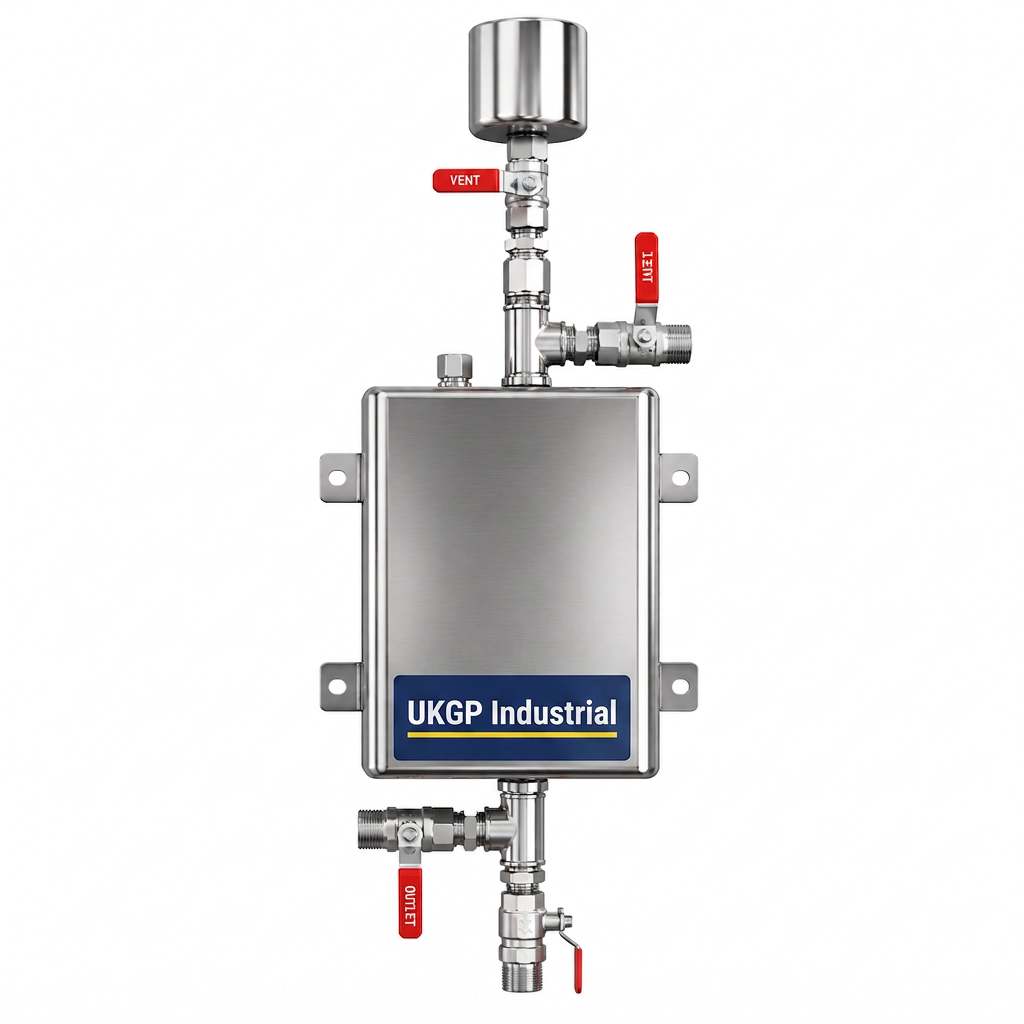
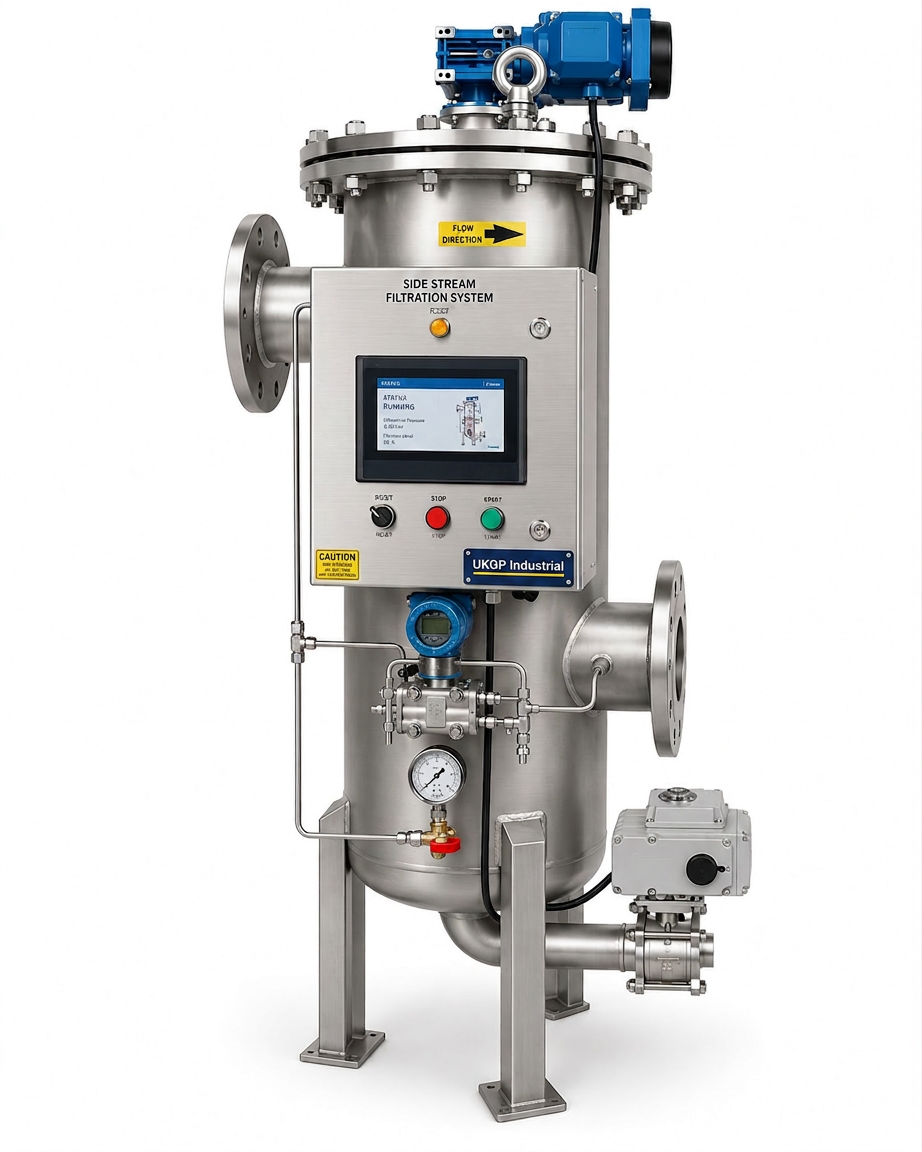
Utilising industrial-grade pH sensors with integrated 4-20mA outputs allows for seamless integration into the Building Management System (BMS). This enables real-time monitoring and automated chemical dosing. By implementing a side-stream loop for pH measurement, engineers can ensure high-velocity flow across the sensor face, which helps reduce biofilm accumulation and extends the intervals between manual cleanings.
Frequently asked questions
Why should I specify M12 quick-connect transmitters over traditional coax sensors?
- Standard analog sensors suffer from signal degradation over long cable runs. M12 smart transmitters convert the signal to a robust digital or 4-20mA output at the sensor head, eliminating interference from high-voltage motor cables common in plant rooms.
What is the recommended calibration frequency for CIP applications?
- In accordance with BS EN 12828 and BSRIA guidelines, sensors should be calibrated monthly using fresh buffer solutions. In high-fat or high-protein environments, weekly cleaning may be required to prevent electrode fouling.
Can these sensors be used in Clean-in-Place (CIP) systems?
- Yes, provided the housing is rated to IP67/68 and the electronics are compensated for temperature. However, extreme steam-sterilisation cycles require specific high-temperature glass formulations to prevent premature ageing of the reference junction.
What causes premature sensor failure in wastewater treatment?
- Common causes include 'poisoning' of the reference junction by process chemicals, dehydration of the glass bulb, or ground loop interference. Specifying a differential-style sensor with M12 digital output mitigates these electrical issues.